Buying a first firearm is often presented as a simple choice between models, calibers, and prices. The harder part is everything people rarely discuss. A responsible purchase also involves training, storage, legal responsibilities, household considerations, and accepting that the most impressive-looking option may not be the best fit. These seven overlooked issues can make a much bigger difference than brand names or specifications. Laws vary by country and jurisdiction, so buyers should always verify the rules that apply where they live.
1. The Cheapest Gun Can Become the Most Expensive Choice
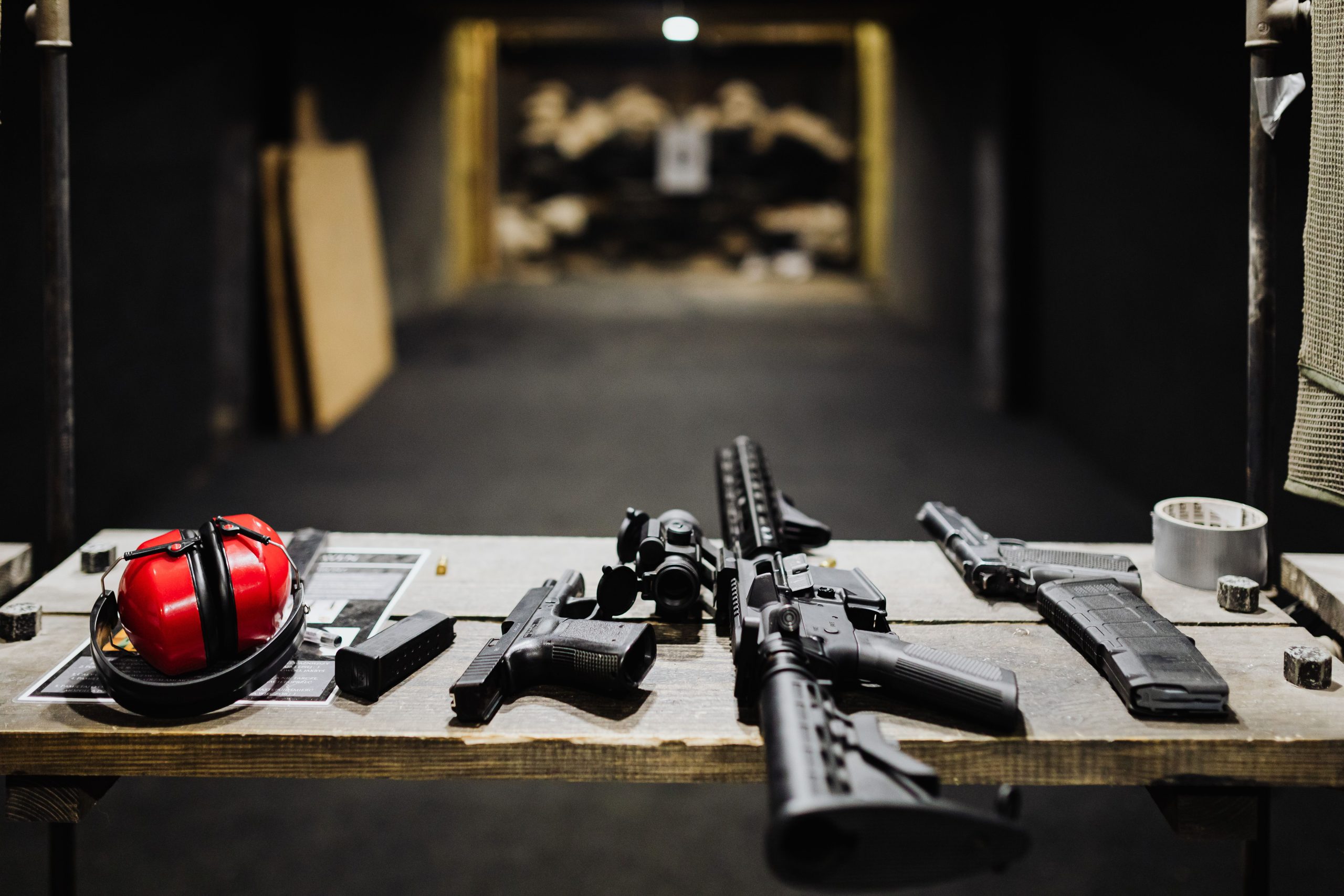
Price is one of the first things new buyers compare, but the sticker price is only part of the calculation. A firearm may cost $400, yet a suitable safe, lock, eye and hearing protection, training, cleaning equipment, and practice ammunition can push the first-year cost substantially higher. Think beyond the initial purchase and create a realistic budget with at least 5 separate expense categories. A dependable, appropriately fitted firearm with sensible accessories is usually more useful than saving money on the purchase and neglecting everything that makes ownership responsible.
2. Admitting You Need Training Is Not a Weakness

Many first-time owners quietly worry that asking for instruction will make them look inexperienced. The opposite is true. Safe handling is a learned skill, and even someone familiar with firearms can benefit from structured instruction. Consider completing at least 1 recognized beginner course before making independent decisions about carrying or using a firearm. Training should cover safe handling, storage, loading and unloading procedures, range etiquette, and local legal responsibilities. ATF guidance also emphasizes treating every firearm as loaded and keeping the trigger finger outside the trigger guard until firing.
3. Your Home Matters More Than the Gun
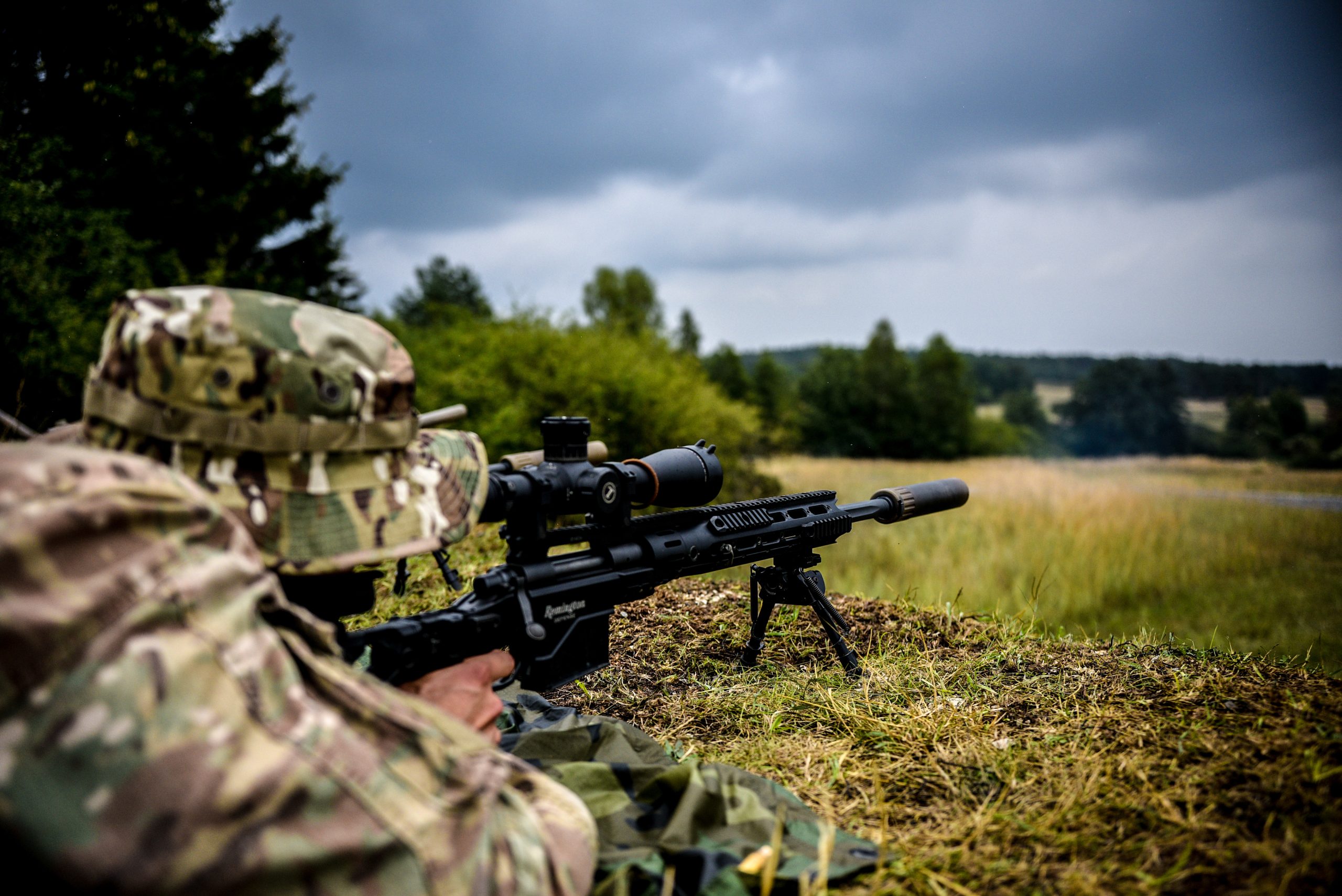
A firearm that is perfectly manageable at a range can create completely different responsibilities inside a home. Children, visitors, roommates, and other household members all affect the storage decision. One important taboo is admitting that convenient storage is not necessarily secure storage. Plan for unauthorized access before the firearm arrives. Use a suitable locking device or secure container, keep ammunition secured appropriately, and control keys or combinations. ATF specifically recommends secure storage and keeping ammunition locked away from firearms when appropriate.
4. Buying for Someone Else Can Create Serious Problems
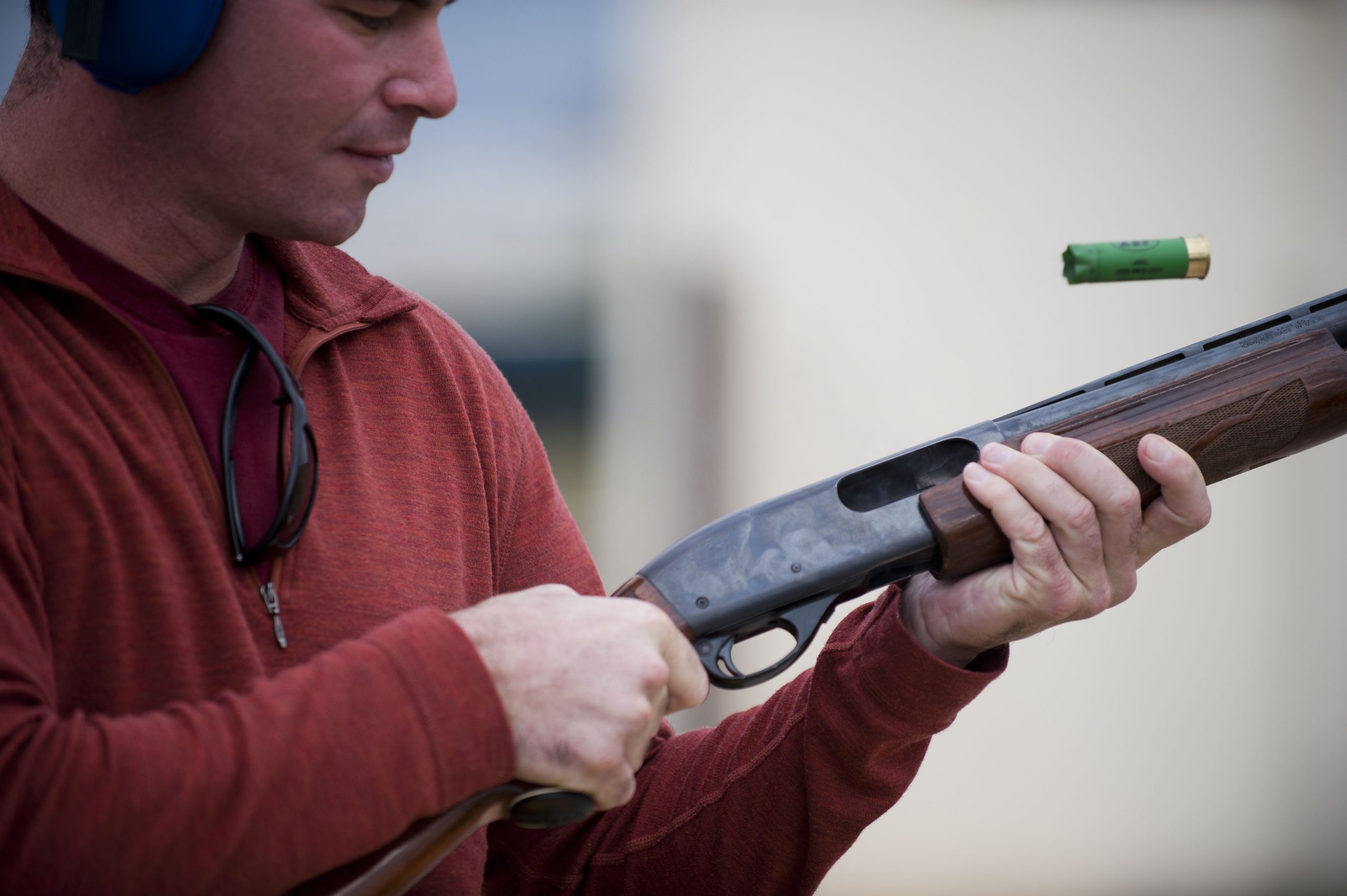
A first-time buyer may hear a friend say, “Just buy it for me,” and assume it is harmless. It is not a casual favor. In the United States, purchasing a firearm for someone who is prohibited from possessing one, or purchasing it on behalf of someone who does not want their identity associated with the transaction, can constitute an illegal straw purchase. Licensed dealers also have specific transfer and identification requirements. Before completing any transaction, understand who the actual buyer is and what your jurisdiction requires.
5. The Model You Love May Not Suit You
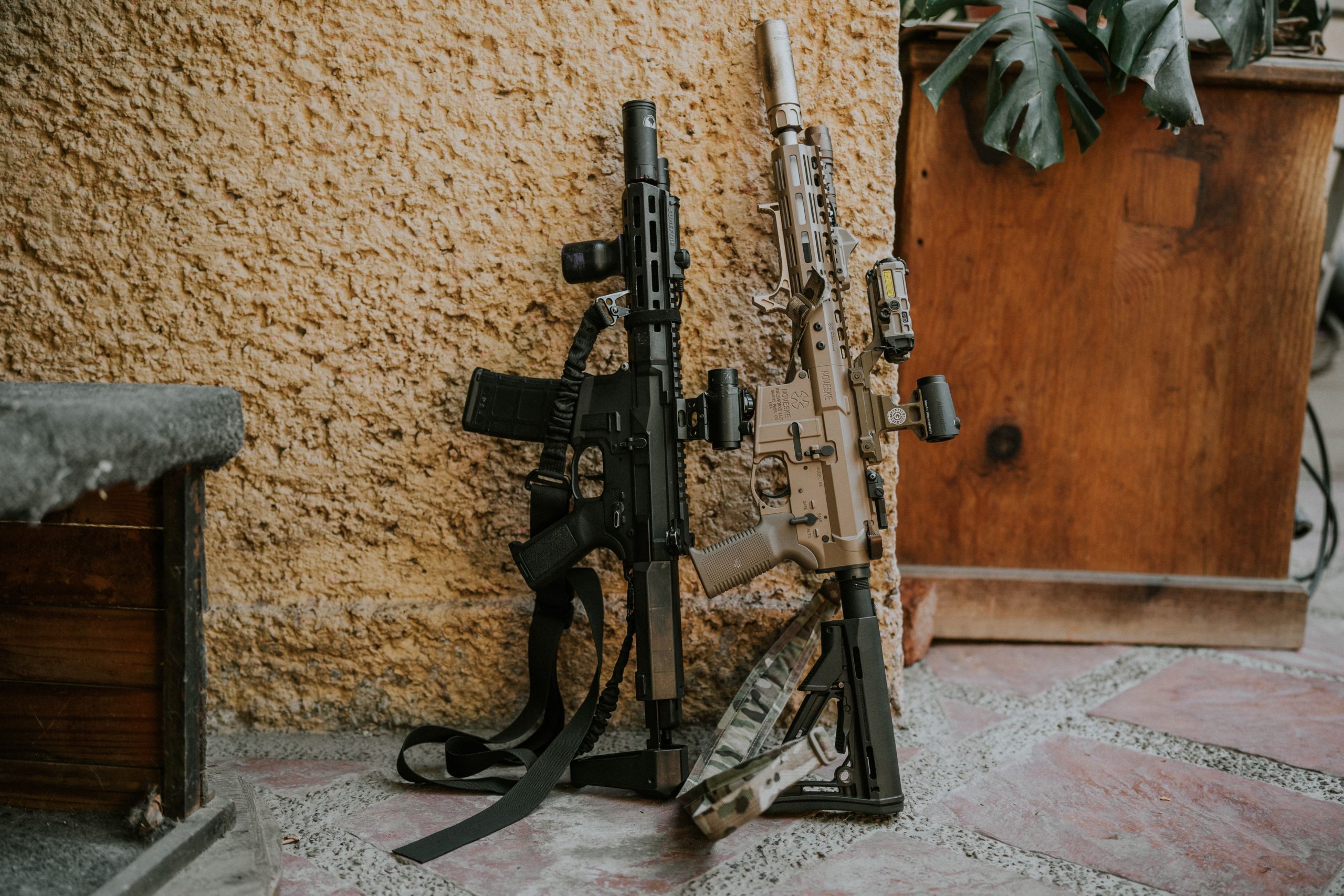
New buyers can become fixated on specifications such as caliber, magazine capacity, barrel length, or appearance before considering whether the firearm actually suits them. Fit, controls, recoil characteristics, reliability, and the intended lawful purpose matter more than internet popularity. Compare at least 3 suitable options through legitimate instruction or supervised range experience where available. A firearm that feels awkward or difficult to operate safely is a poor choice regardless of its reputation. The best first purchase is generally the one you can handle responsibly, not the one that looks most impressive.
6. The Law Does Not Stop at the Store Counter

Another uncomfortable reality is that ownership involves continuing legal responsibilities, not simply completing a purchase process. Rules can differ considerably between countries, states, and local jurisdictions, covering possession, transport, storage, carrying, transfers, and use. In the United States, licensed dealers generally must complete the required transaction record and background-check process before transferring a firearm, subject to specific legal exceptions. Never rely on a friend, social-media post, or old advice. Check the current rules that apply to you before making a purchase.
7. Knowing When Not to Buy Is Part of Responsible Ownership
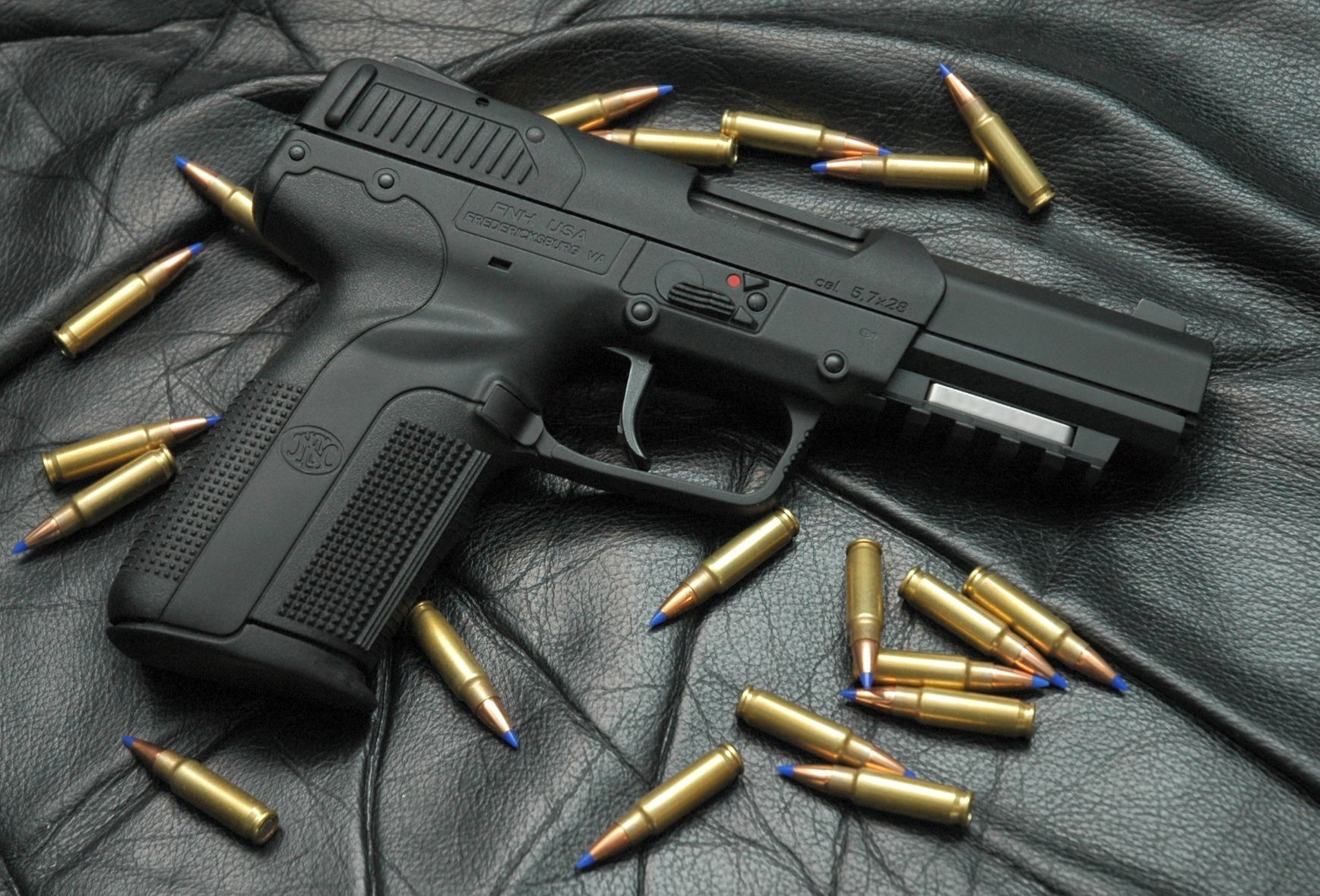
Perhaps the biggest taboo is admitting that sometimes the right decision is to wait. If secure storage is unavailable, training has not been arranged, the legal requirements are unclear, or the purchase would create serious financial pressure, postponing the decision can be the responsible choice. Give yourself at least 30 days to research, compare costs, learn the applicable laws, and plan safe storage before committing. Owning a firearm is not a race. Responsible ownership begins with preparation, and sometimes preparation means recognizing that today is simply not the right day to buy.