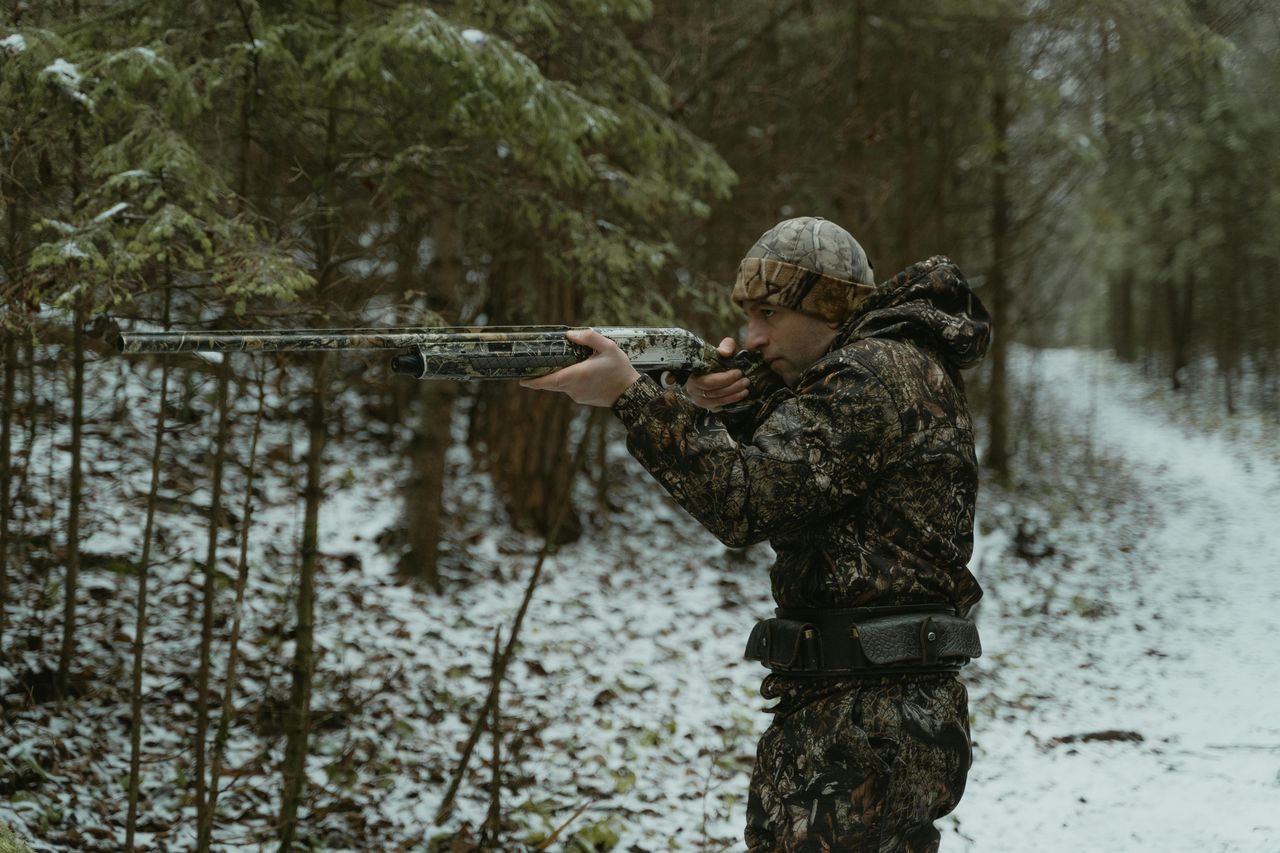
Some rifles become popular almost overnight, while others spend years being appreciated mainly by knowledgeable owners. These are the firearms that experienced buyers sometimes discover before collector interest, online discussions, and rising prices bring them into the spotlight. Their appeal can come from unusual engineering, dependable construction, historical importance, or simply a combination of features that was overlooked when they first appeared. From classic American hunting rifles to distinctive European designs, these 10 examples have earned lasting recognition. Each has a story that makes early ownership particularly interesting.
1. Winchester Model 70
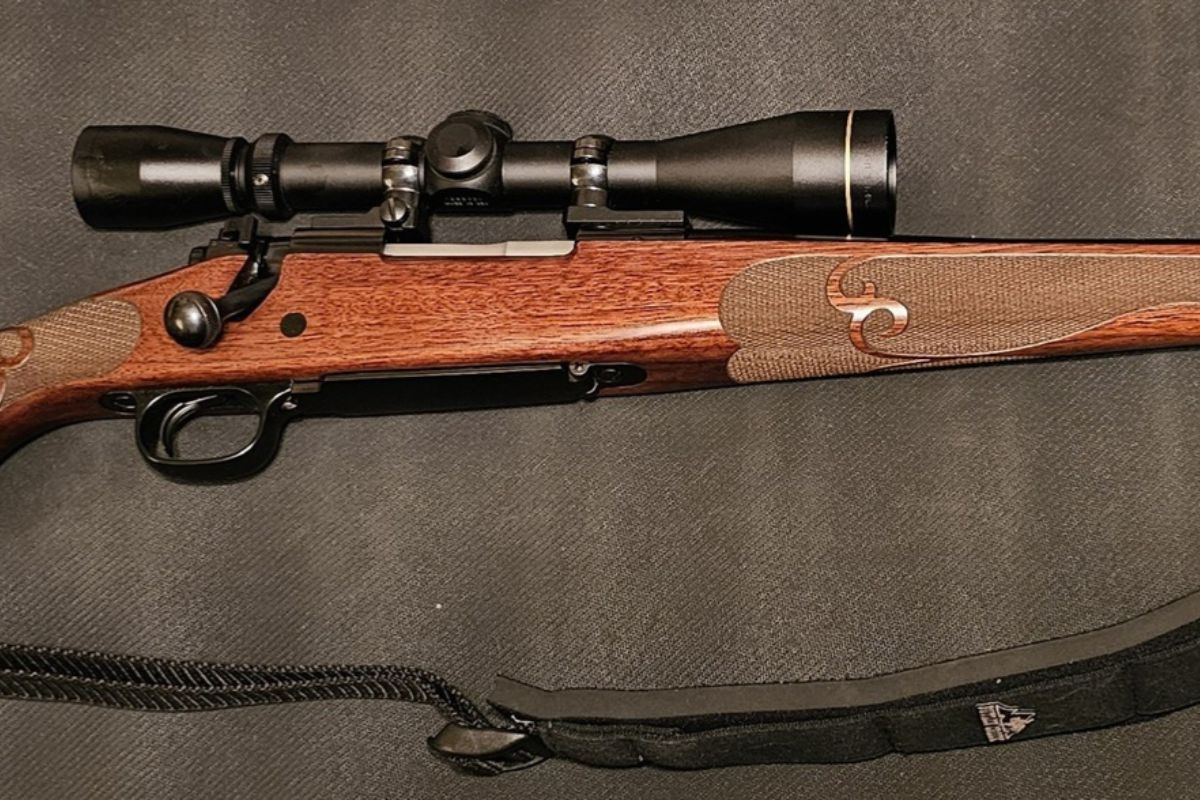
The Winchester Model 70 has long rewarded buyers who looked beyond short-lived trends. Introduced in 1936, it earned its reputation through a controlled-round-feed action on many early examples, a three-position safety, and a broad range of chamberings. The classic version is often associated with a 24-inch barrel, though configuration and caliber change that figure. Its appeal is not mystery: it is familiar handling, a strong aftermarket, and a design that generations of hunters learned to trust. A buyer who found a clean pre-1964 rifle before collector interest surged could reasonably feel ahead of the curve.
2. Ruger Mini-14
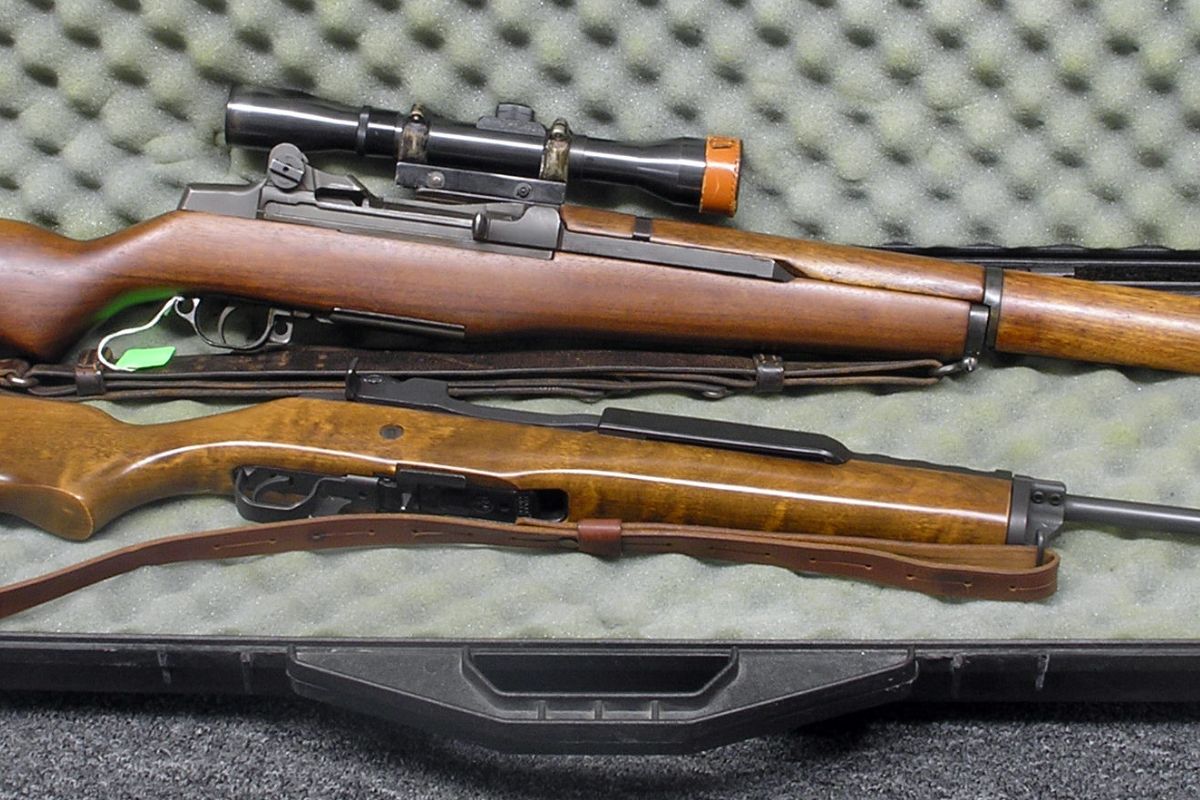
When the Ruger Mini-14 arrived in 1974, it offered a compact, ranch-friendly semiautomatic design that stood apart from traditional sporting rifles. Its Garand-inspired operating system and detachable magazine gave it a distinctive profile, while the .223 Remington chambering helped make it approachable to civilian buyers. Standard barrel lengths have varied, with many familiar models using an 18.5-inch barrel. For years, some owners valued it as a practical utility rifle rather than a collectible. Later demand for classic ranch-style firearms gave early, well-kept examples a stronger following than their original owners expected.
3. Savage Model 99
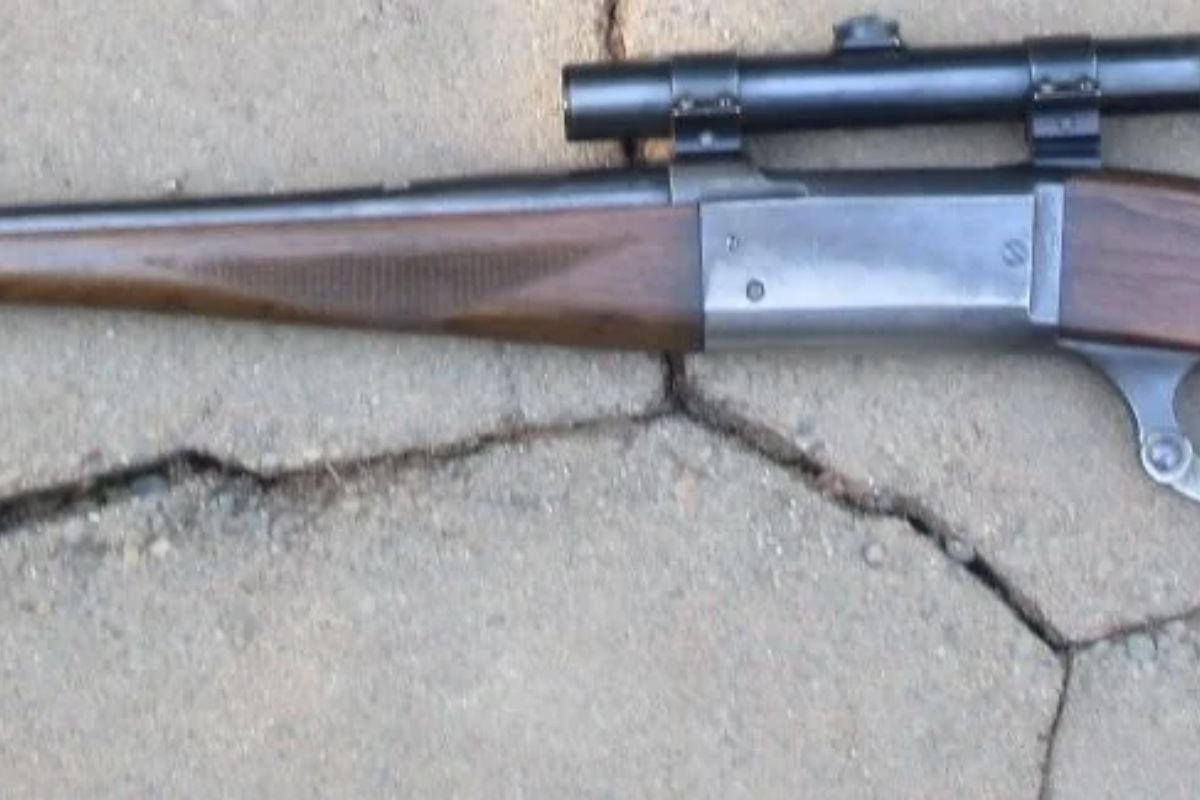
The Savage Model 99 is a classic example of a rifle whose clever engineering was easy to overlook. Introduced in 1899, it used a hammerless lever-action design and a rotary magazine on many versions, allowing pointed bullets that were unsuitable for traditional tubular magazines. It appeared in numerous chamberings, including .300 Savage, introduced in 1920. Production ended in 1998, after nearly a century of variations. Collectors now pay close attention to condition, configuration, and original features. Someone who bought a sound Model 99 simply as a hunting rifle may have acquired a piece of American design history.
4. CZ 527
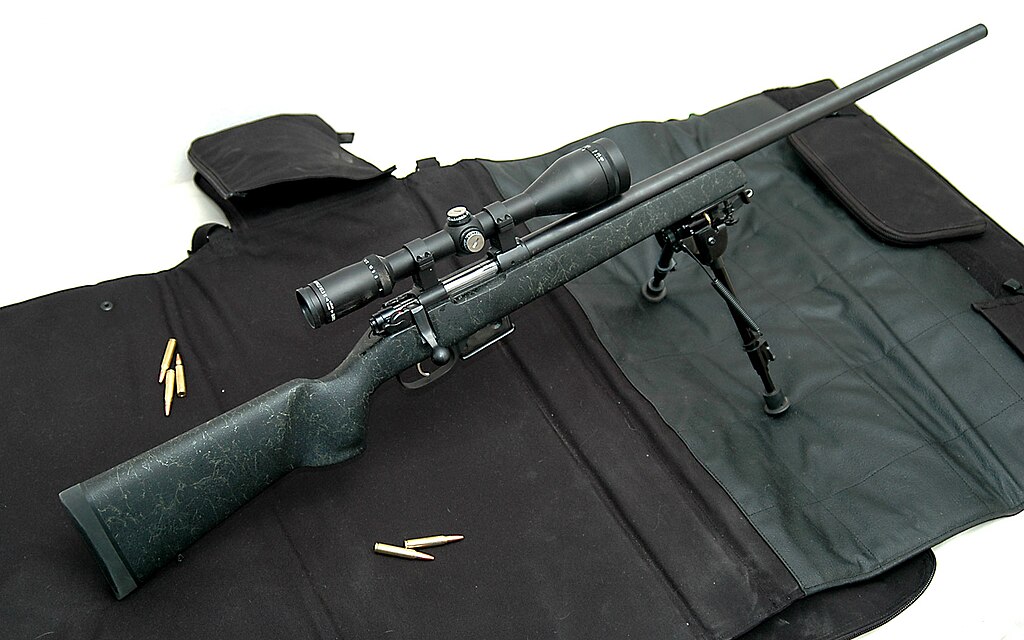
The CZ 527 became a favorite among shooters who appreciated compact proportions and careful metalwork. This bolt-action family was built around the 7.62mm-length mini Mauser action, with controlled-round feeding and a claw extractor. Depending on the version, chamberings included .223 Remington, .22 Hornet, and 7.62×39mm, while barrel lengths commonly ranged from about 18 to 24 inches. CZ discontinued the line in the early 2020s, making tidy examples more interesting to enthusiasts who prefer trim, traditional rifles. Its appeal lies in a genuinely small action, not merely a scaled-down look alone.
5. Swiss K31
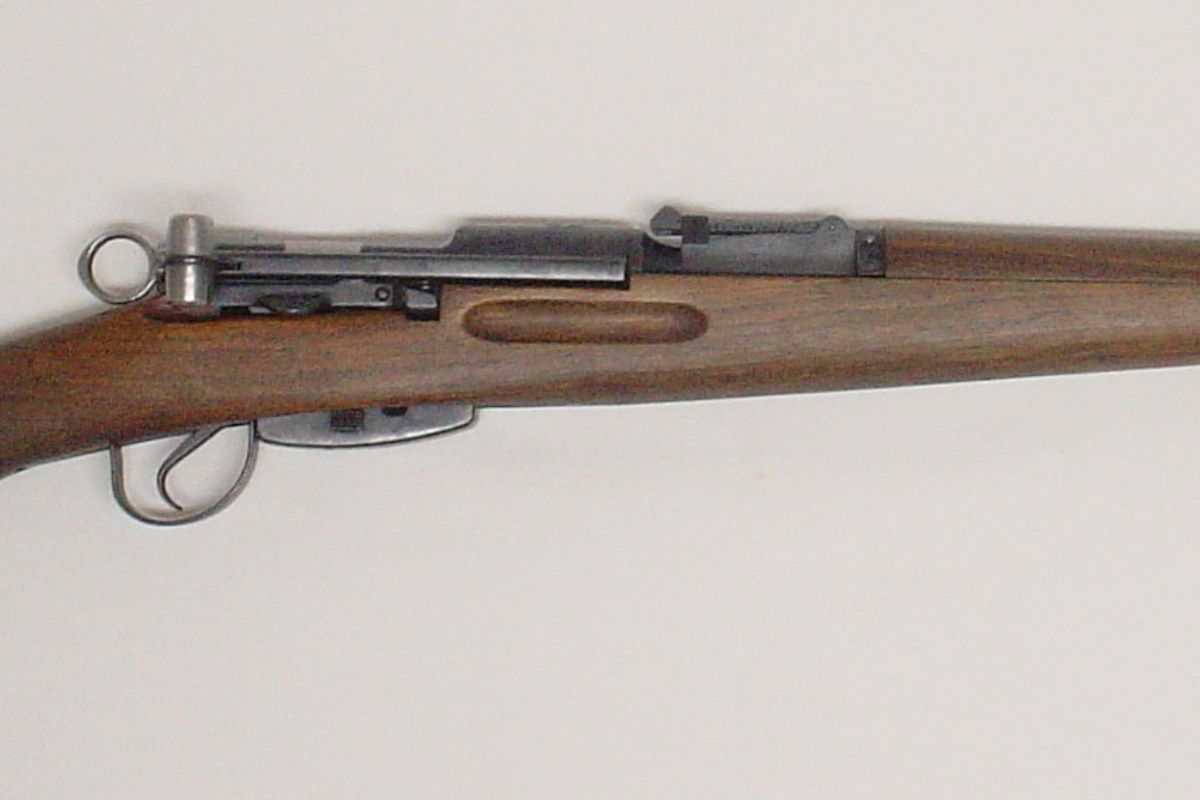
The Swiss K31 is often discovered by collectors who initially wanted an unusual surplus rifle and then became fascinated by its engineering. Adopted in 1931, it uses a straight-pull bolt rather than the conventional turn-bolt arrangement. The rifle is chambered for 7.5×55mm Swiss ammunition and has an approximately 25.7-inch barrel, with an overall length near 43.3 inches. Its reputation rests on precise manufacture and a distinctive action, not modern styling. Many examples retain soldier information beneath the buttplate. A buyer who picked one up before surplus supplies tightened may now own a piece of Swiss military history.
6. Marlin 336

The Marlin 336 has quietly remained one of the most recognizable American deer rifles. Introduced in 1948, it uses a lever action and a side-ejecting receiver, a layout that made scope mounting more convenient than on many top-ejecting designs. The .30-30 Winchester is its best-known chambering, although other versions have appeared in .35 Remington and additional cartridges. Many traditional models use a 20-inch barrel, but dimensions vary by variant. Its straightforward construction made it a working hunting rifle for decades. Early buyers often valued utility first; collectors later added nostalgia and condition to the equation.
7. Tikka T3

The original Tikka T3 earned a loyal following by delivering smooth bolt operation and consistent performance without an elaborate feature list. Introduced in the early 2000s, it used a 3-lug bolt with a 60-degree lift and a detachable magazine. Common sporting configurations featured a 22.4-inch barrel, though caliber and model affected the measurement. The later T3x continued the family, while earlier rifles remained attractive on the used market. Their appeal is practical: manageable weight, dependable feeding, and an adjustable trigger on many versions. Early buyers often valued function over fashion.
8. Remington Model 700
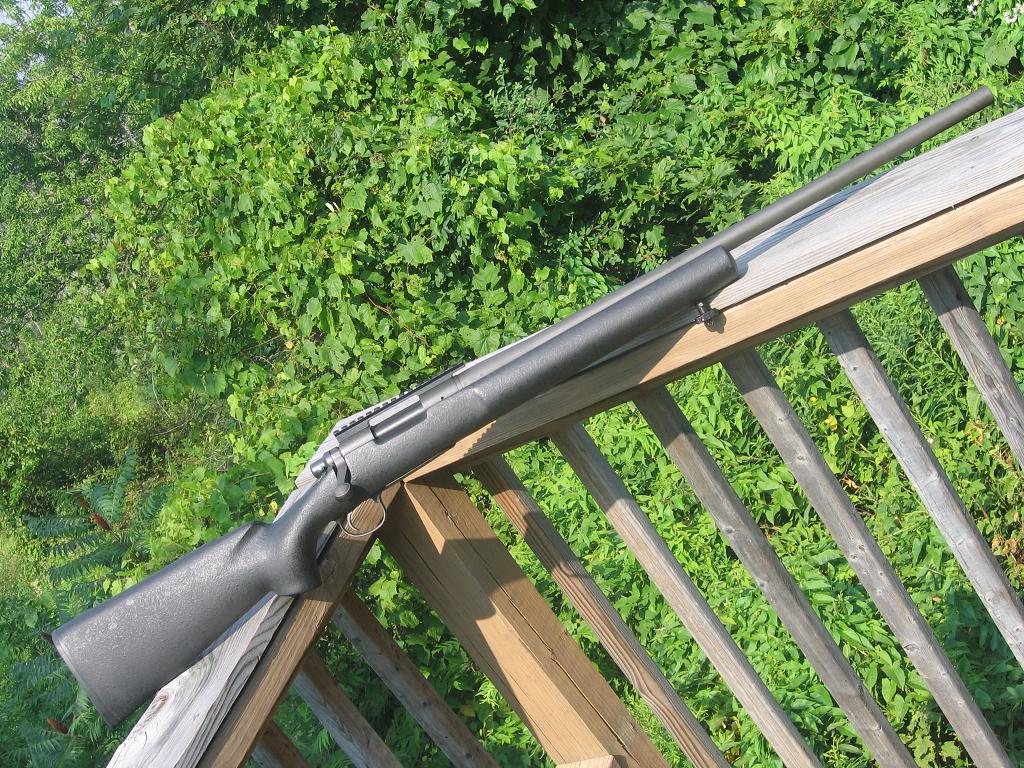
Since its introduction in 1962, the Remington Model 700 has become a benchmark bolt-action platform. Its cylindrical receiver, twin locking lugs, and broad chambering selection helped it serve hunters, target shooters, and custom-rifle builders. Many standard hunting versions came with 22- or 24-inch barrels, depending on cartridge and configuration. The design inspired a vast aftermarket, making stocks, triggers, and components widely available. Its history includes production and safety concerns in certain periods. Still, buyers who recognized its versatility early helped establish its lasting place in rifle culture.
9. FN FAL
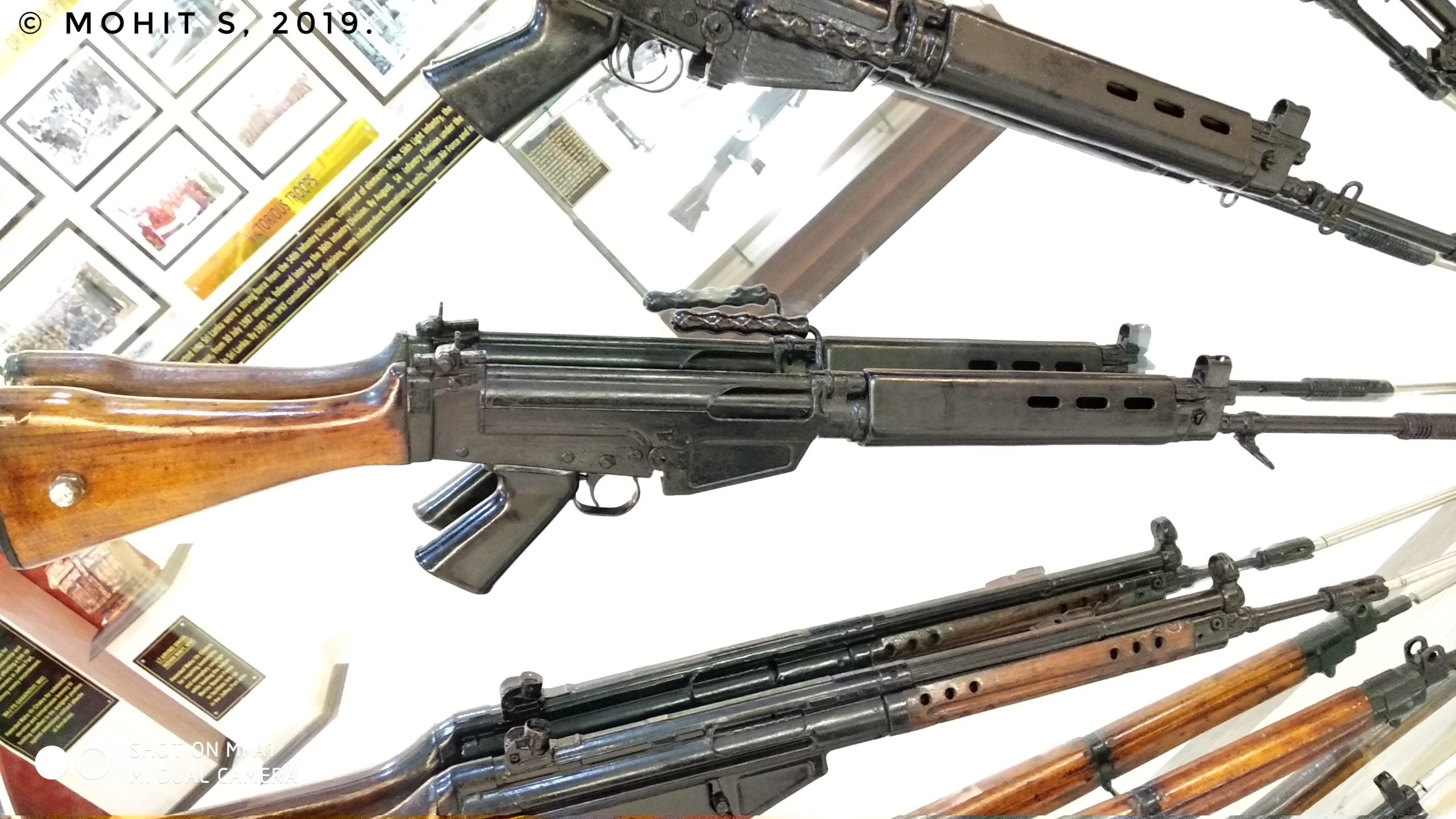
The FN FAL became internationally influential after World War II, earning the nickname “the right arm of the free world” through military adoption. It is a gas-operated, magazine-fed battle rifle chambered primarily in 7.62×51mm NATO, with a 20-round magazine in many service configurations. Barrel length differs across full-size and shortened variants, so no single measurement fits every FAL. Its adjustable gas system and distinctive profile made it recognizable across several continents. Surplus and civilian examples attract interest for their historical significance, especially when original configuration and provenance are documented.
10. Browning BAR (Rifle)
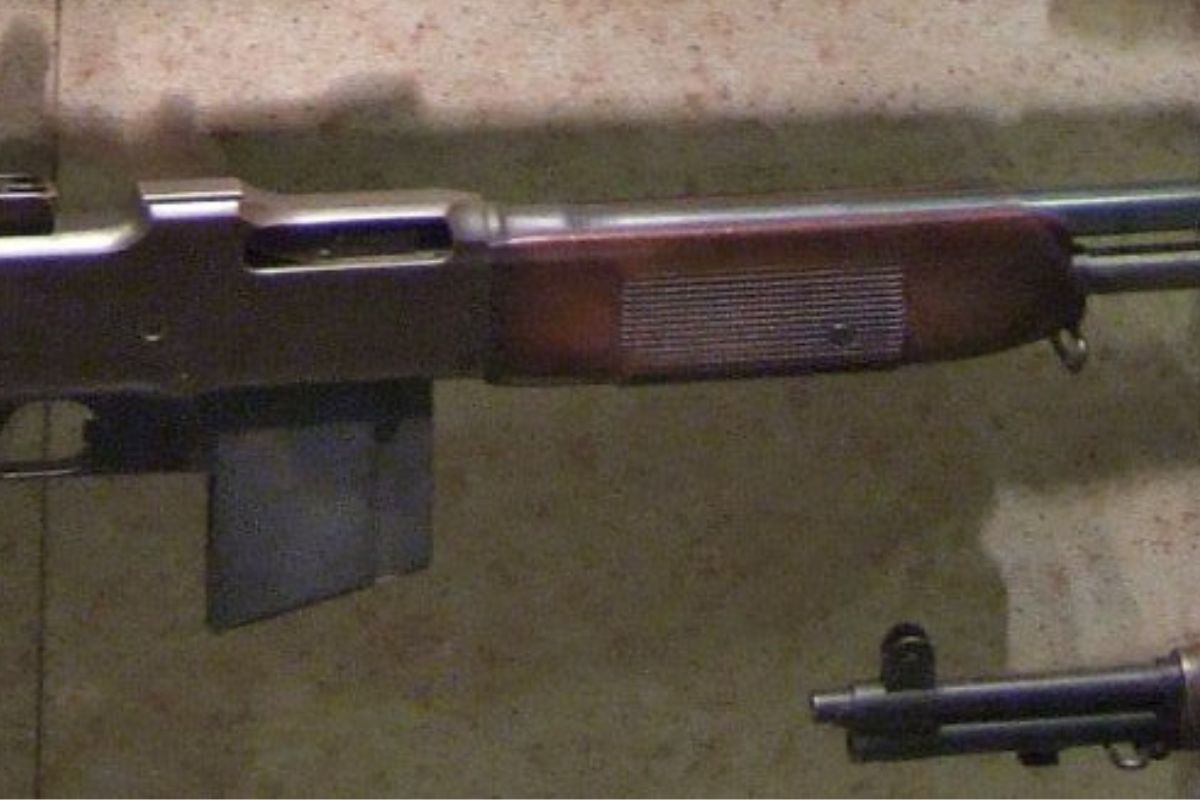
First introduced in 1967, the Browning BAR hunting rifle brought semiautomatic operation to a traditional sporting-rifle format. It is unrelated to the earlier military Browning Automatic Rifle, despite sharing the BAR name. The sporting model has appeared in chamberings from familiar deer cartridges to larger magnums, with barrel lengths commonly around 22 inches on standard versions. Its gas-operated action was designed to manage recoil while offering quick follow-up shots. Buyers who chose one for field use appreciated its balance and smooth cycling long before it gained a following among collectors of classic sporting semiautomatics.