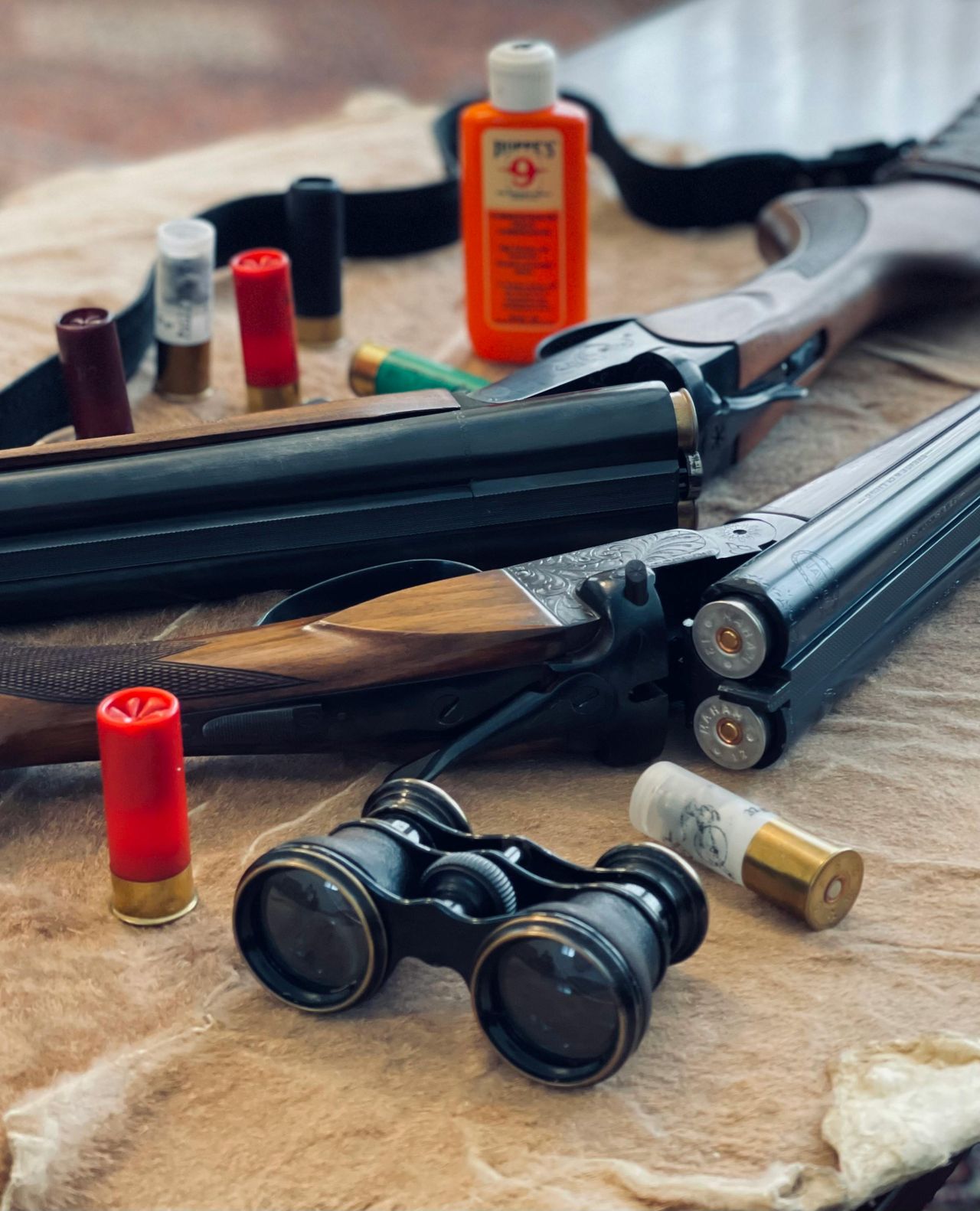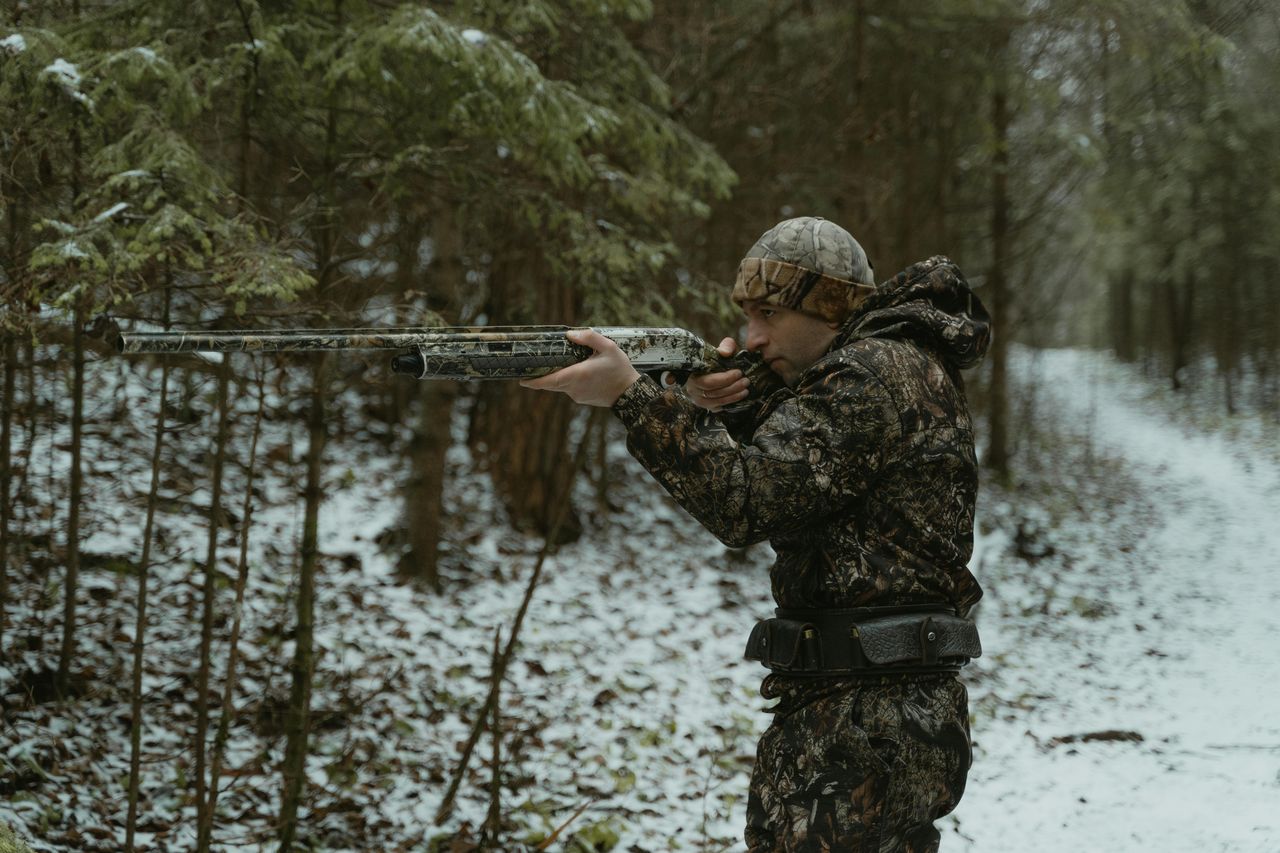
Few topics stir hunters up faster. And the argument usually says more about people than cartridges.
Shot placement feels personal in a way caliber never does

Caliber debates can sound technical, but shot placement arguments hit closer to identity. When a hunter talks about where to aim, they are really talking about judgment under pressure, confidence, and the kind of outcome they believe is acceptable. That makes the conversation emotional before it ever becomes anatomical.
A cartridge can be listed on a box and compared on a chart. Shot placement is different because it lives in the messy reality of field conditions. Wind, brush, angle, movement, adrenaline, and distance all affect whether the intended hit becomes the actual hit.
That gap between intention and reality is exactly why hunters argue about it so much. Many have seen a modest caliber kill cleanly with a perfect broadside lung shot, and many have also seen a powerful rifle produce a long tracking job after a poor hit. Those experiences stay vivid for years.
In campfire talk, people often defend the lesson that cost them the most. A hunter who lost a buck after aiming too far back may become obsessed with shoulder shots. Another who ruined meat with a close-range shoulder impact may preach behind-the-shoulder placement forever. The debate is really a debate over consequences remembered in detail.
The animal’s anatomy matters more than most arguments admit

A lot of these disputes sound like philosophy, but they are really anatomy lessons disguised as opinion. On deer-sized game, the vital zone is not a glowing target painted on the hide. It shifts with body angle, leg position, posture, and whether the animal is quartering toward or away.
Many wildlife agencies and hunter education programs emphasize the heart-lung area because it offers the largest margin for error. That advice is not glamorous, but it is practical. The lungs are bigger than the brain or upper spine, and they remain the most forgiving target on an alert, moving animal.
The problem is that hunters do not all picture the same target when they say “good shot placement.” One person means mid-lung, another means low shoulder to break bone, and another means high shoulder for an instant drop. All can work, but they carry different risks and require different levels of precision.
This is where caliber arguments lose ground. A larger cartridge may widen the damage path, but it does not change where the vitals actually sit. If the bullet misses the vital structures, extra velocity and energy do not rescue the outcome in the way many people imagine they will.
Hunters are really debating margins for error.
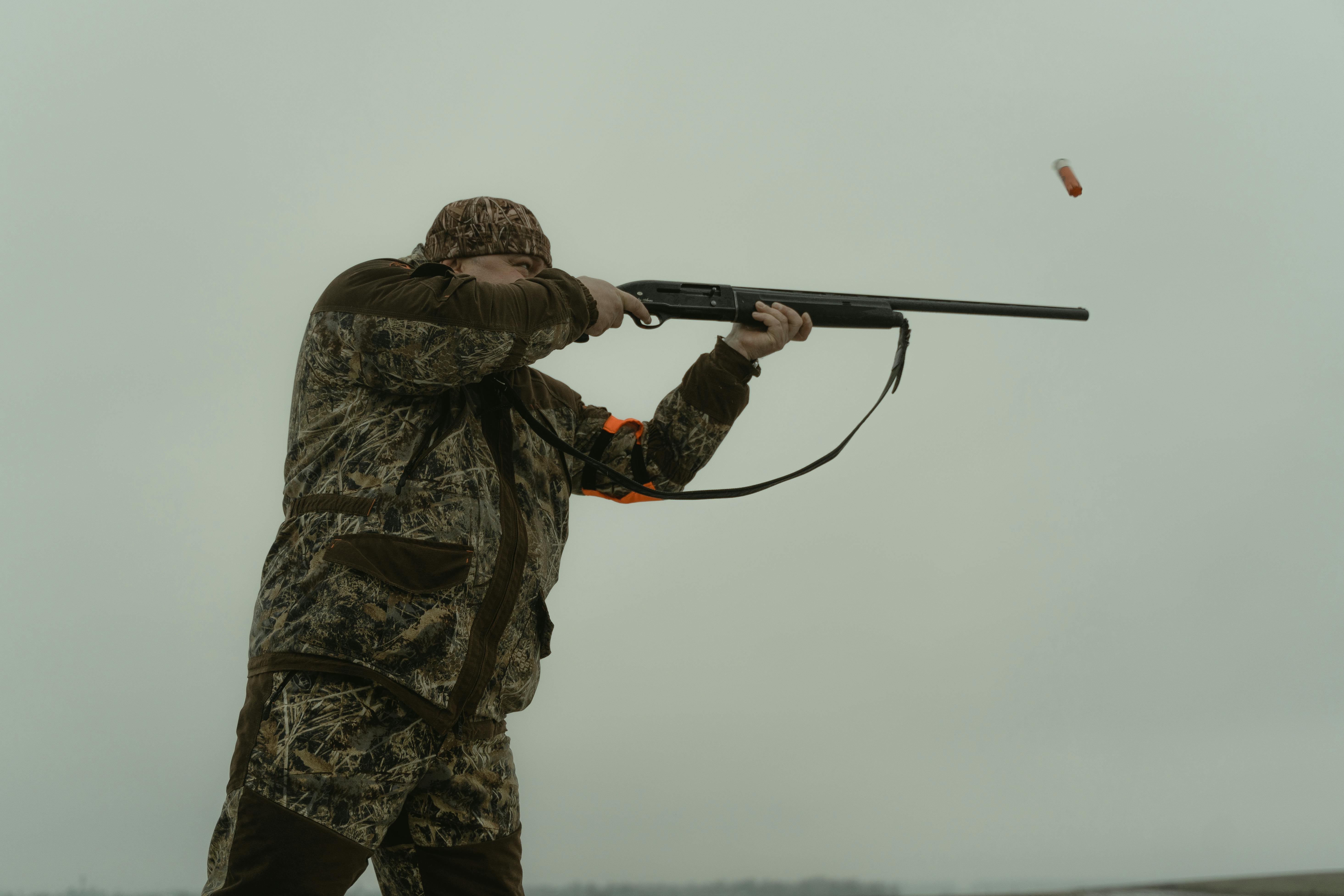
At the center of the whole fight is one practical question: how much room for mistakes do you have? Hunters know, even if they do not phrase it this way, that nobody shoots under field conditions as well as they do from a bench. So they choose systems that give them confidence when things get imperfect.
For some, that means selecting a heavier bullet or a more powerful caliber to help penetrate bone and reach the vitals from awkward angles. For others, it means passing marginal shots and waiting for a broadside presentation where exact placement matters more than raw power. Both approaches are attempts to manage risk.
Guides often see this clearly. They may watch clients arrive with magnum rifles and still struggle with shooting sticks, steep downhill angles, or buck fever. In that setting, a calm hunter with a mild cartridge and disciplined shot selection often outperforms the person relying on horsepower.
That is why shot placement keeps winning the argument. It sits closer to the truth of what actually happens in the field. Caliber can expand a margin for error, but placement determines whether the bullet intersects organs, major vessels, or the central nervous system in the first place.
Ethics drive the conversation more than ballistics charts
Hunters do not just want a dead animal. Most want a quick, humane kill, a recoverable animal, and usable meat. Shot placement is where all three goals collide, which is why these discussions can become surprisingly intense even among otherwise easygoing people.
Take the classic shoulder-shot versus behind-the-shoulder debate. A shoulder shot can anchor an animal by breaking a major bone and disrupting the top of the lungs or spine area, reducing the chance it runs onto neighboring land. But it can also destroy more meat and may fail badly if placed too low or too far forward.
A behind-the-shoulder lung shot usually preserves more shoulder meat and often produces excellent internal damage. Yet the animal may still run 50 to 150 yards on adrenaline, even when mortally hit. That distance bothers some hunters far more than the meat loss associated with a more aggressive point of aim.
The argument persists because ethics are not experienced abstractly. They are felt in blood trails, property lines, darkness, weather, and whether the animal is found quickly. In other words, hunters are not just debating what kills. They are debating what kind of outcome they can live with afterward.
Experience in the field beats theory at the gun counter
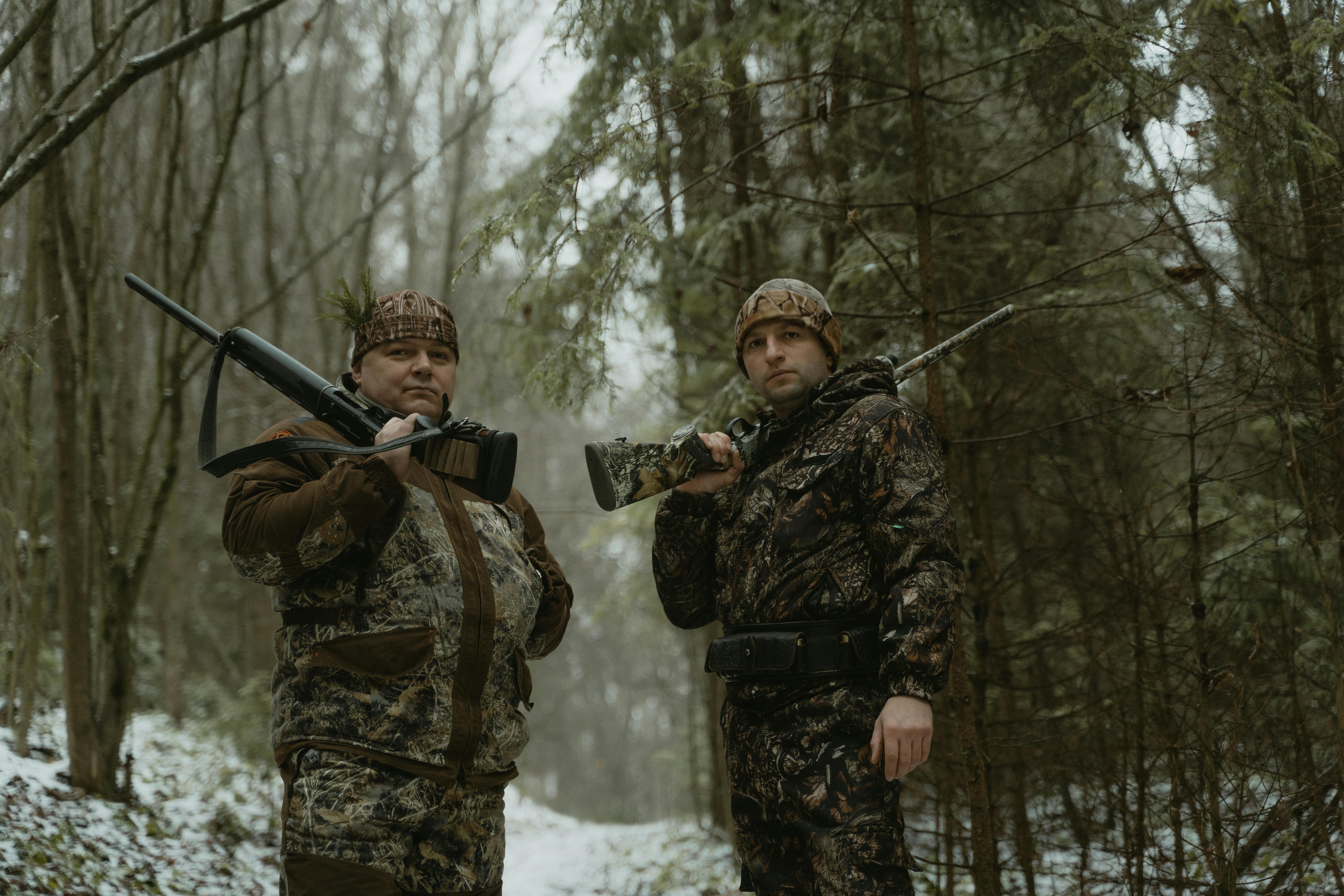
One reason Caliber Talk never fully settles anything is that field results are uneven and memorable. Hunters build beliefs from real animals, not only from gel tests, muzzle energy numbers, or magazine articles. If someone has seen a .243 Winchester cleanly take dozens of deer, no lecture about “minimum caliber” lands the same way.
The opposite is also true. A hunter who watched a large-bodied buck soak up a poor hit from a light bullet may distrust that cartridge forever. Another who saw a .30-06 punch through both shoulders and drop a whitetail on the spot may come away convinced that more gun solves more problems.
Neither hunter is irrational. They are generalizing from vivid evidence, which is how humans usually learn. According to hunter education instructors and game wardens, the stories people repeat most are often the outliers: the animal that dropped instantly, the one that ran impossibly far, the perfect shot that somehow was not.
That pattern keeps the argument alive. Shot placement remains central because it explains the widest range of outcomes across all calibers. Once hunters spend enough seasons tracking animals, they notice that where the bullet traveled inside the body usually tells the real story better than the stamp on the barrel.
Modern gear has improved a lot, but it has not erased judgment
Today’s rifles, optics, rangefinders, and premium bullets have made hunting more consistent than it was generations ago. Better scopes help in low light, bonded bullets hold together better, and laser rangefinders reduce guesswork. Yet none of that eliminates the need to choose a precise aiming point in a living, moving animal.
If anything, better gear can inflate confidence. A hunter may stretch distance because the rifle groups well at 300 yards, forgetting that the target on paper was not quartering away, stepping forward, or keyed up by rut activity. Precision equipment can shrink mechanical error while leaving human decision-making untouched.
That is another reason shot placement sparks so much debate. It reminds hunters that success still depends on reading angle, timing the trigger, and understanding anatomy under stress. Technology can support those skills, but it cannot replace them.
Talk to experienced trackers and butchers,s and you hear this repeatedly. They can often tell from wound channels whether a hunter chose the right target and angle, regardless of caliber. The expensive setup matters, but judgment leaves the more revealing signature once the hide comes off.
The real argument is about responsibility, not just an aiming point
In the end, hunters keep circling back to shot placement because it is the clearest expression of responsibility. It forces every shooter to answer hard questions before the trigger breaks: Is the angle right? Is the animal calm enough? Can I place this shot exactly where it needs to go? That burden cannot be outsourced to caliber.
Caliber selection still matters, of course. It affects recoil, accuracy, penetration, expansion, and how well a hunter shoots in realistic conditions. But those factors are supporting actors. The main event is still whether the bullet reaches vital structures quickly enough to produce a humane, recoverable kill.
That is why the conversation never really ends. Shot placement includes anatomy, ethics, fieldcraft, emotional memory, and the uncomfortable truth that no equipment choice can fully compensate for a bad decision. Hunters argue about it because it is the part they control most directly, and the part that reveals their standards most clearly.
So when the next campfire debate flares up, listen carefully. The loudest disagreement may sound like shoulder versus lungs or magnum versus mild recoil. But beneath it, hunters are usually arguing about what good judgment looks like when one shot should be all that’s needed.