Finding where deer bed down can make or break a successful hunt. Deer choose bedding areas carefully, seeking safety, cover, and comfort depending on weather and season. When you understand these patterns, you can plan your approach with precision and avoid spooking them. Knowing the most common bedding hotspots helps you anticipate deer movement, giving you the advantage of positioning yourself where deer feel secure and naturally return throughout the day.
Thick Brush and Thickets
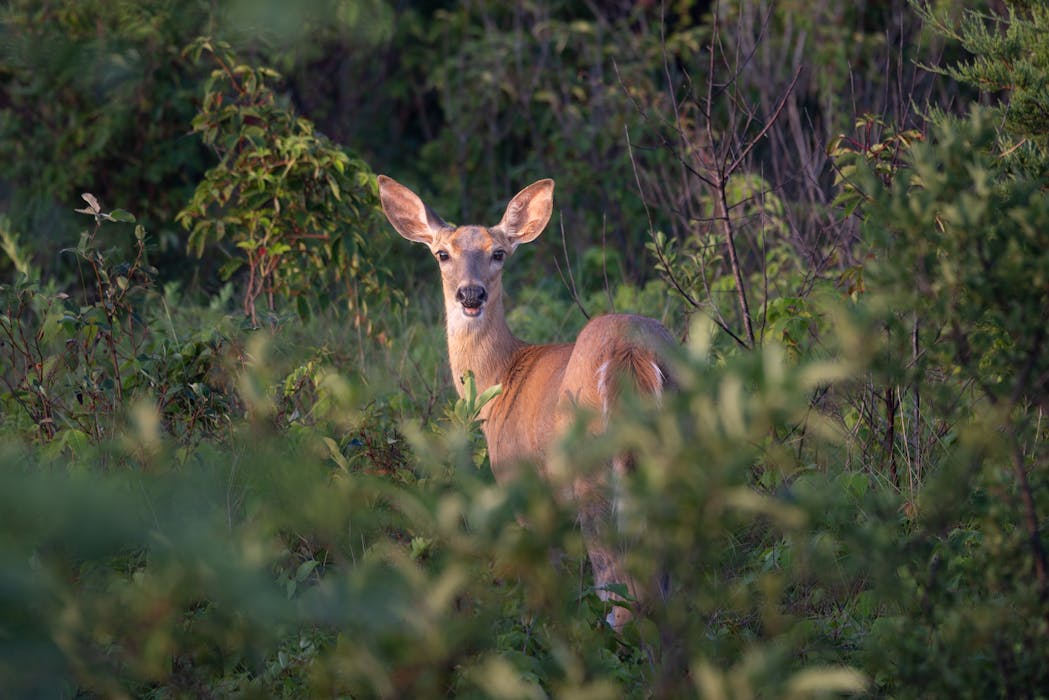
Deer often bed in thick brush where visibility is low, and predators are less likely to approach unnoticed. These dense areas offer both cover and a sense of safety, especially for mature bucks that avoid open spaces. You can identify these spots by tracking trails that lead into heavy vegetation. Staying downwind and approaching quietly increases your chances of spotting deer before they detect you.
Ridge Tops and Elevated Slopes
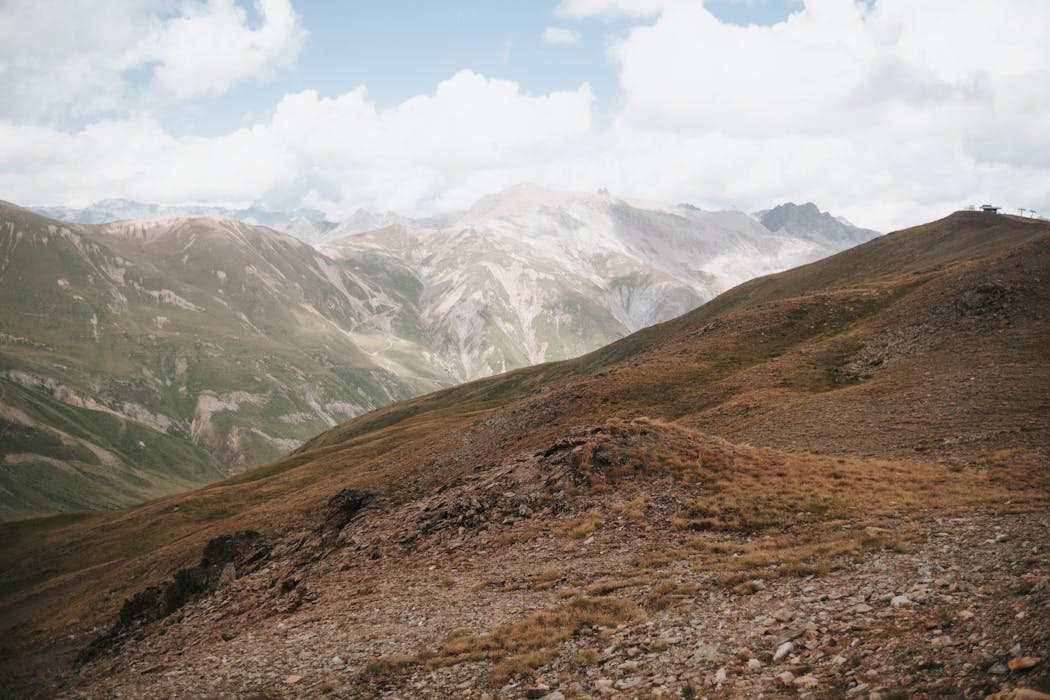
Ridge tops give deer a strategic advantage by allowing them to monitor their surroundings while catching favorable wind currents. The elevation helps them detect both scent and sound from a distance. You can often find beds on the leeward side of ridges where wind protection and visibility meet. These areas are prime spots during cooler months when deer prefer breezy but safe bedding environments.
Creek Bottoms and River Edges
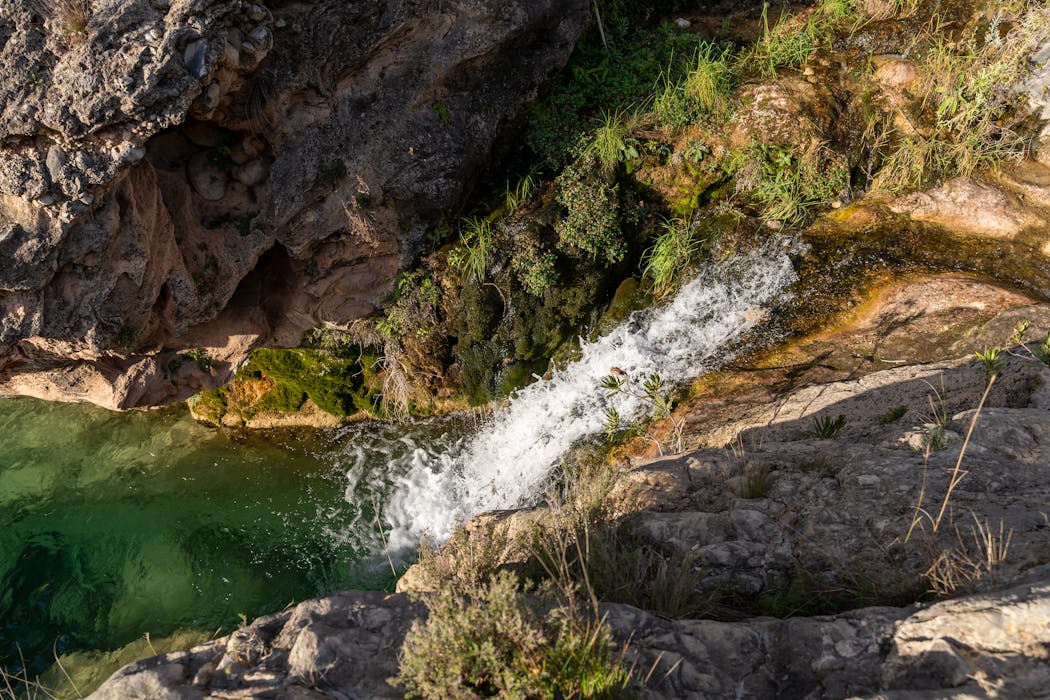
Creek bottoms provide deer with access to water, food, and thick vegetation for concealment. The cooler air and soft ground make these areas ideal during warmer seasons. You can follow fresh tracks or mud prints along the edges to locate bedding areas. Setting up near these zones during early mornings or late afternoons gives you an excellent chance to catch deer traveling to and from feeding spots.
Field Edges with Cover
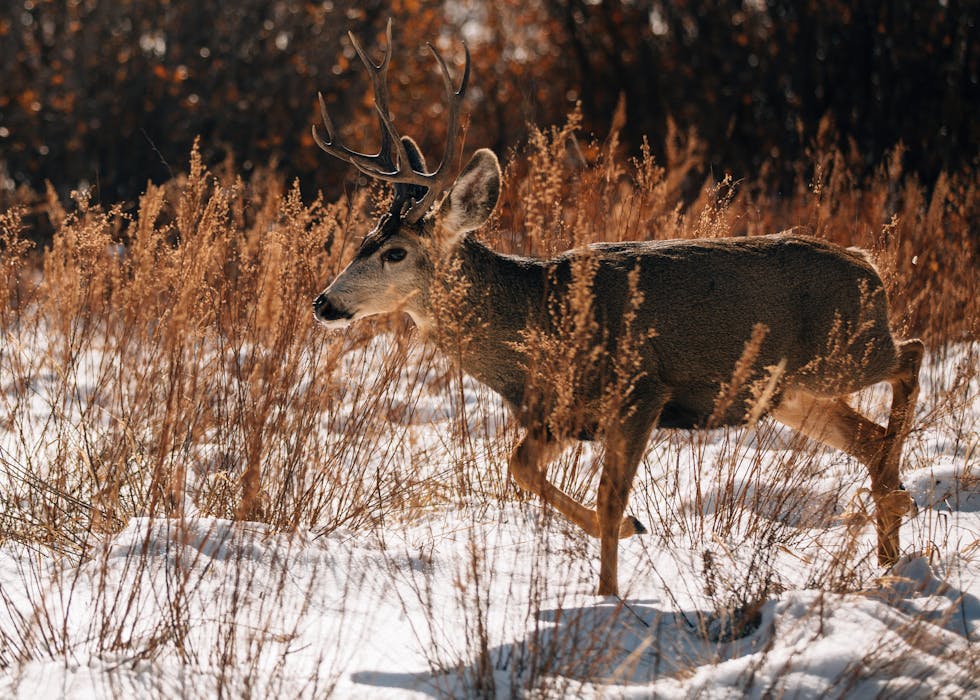
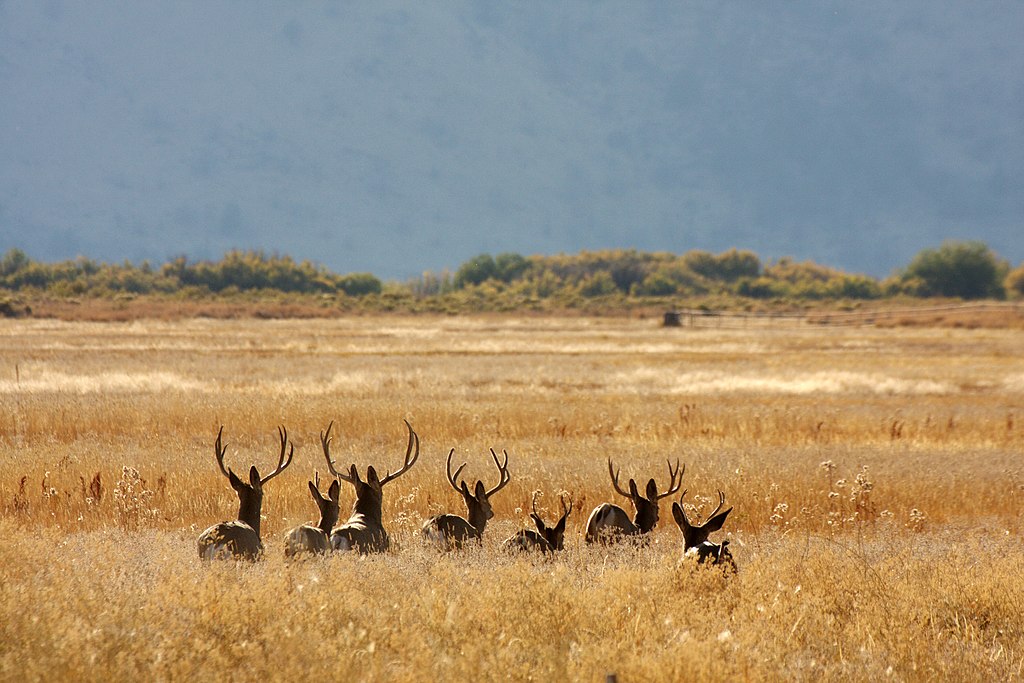
Deer often bed near agricultural fields or meadows where food is close by, but only if there’s enough nearby cover for protection. Overgrown grass, brush piles, or tree lines serve as ideal bedding edges. You can scout these locations from a distance using binoculars to avoid disturbing them. These spots become especially active during feeding transitions, making them high-traffic zones for hunters.
Pine Forests and Evergreen Pockets
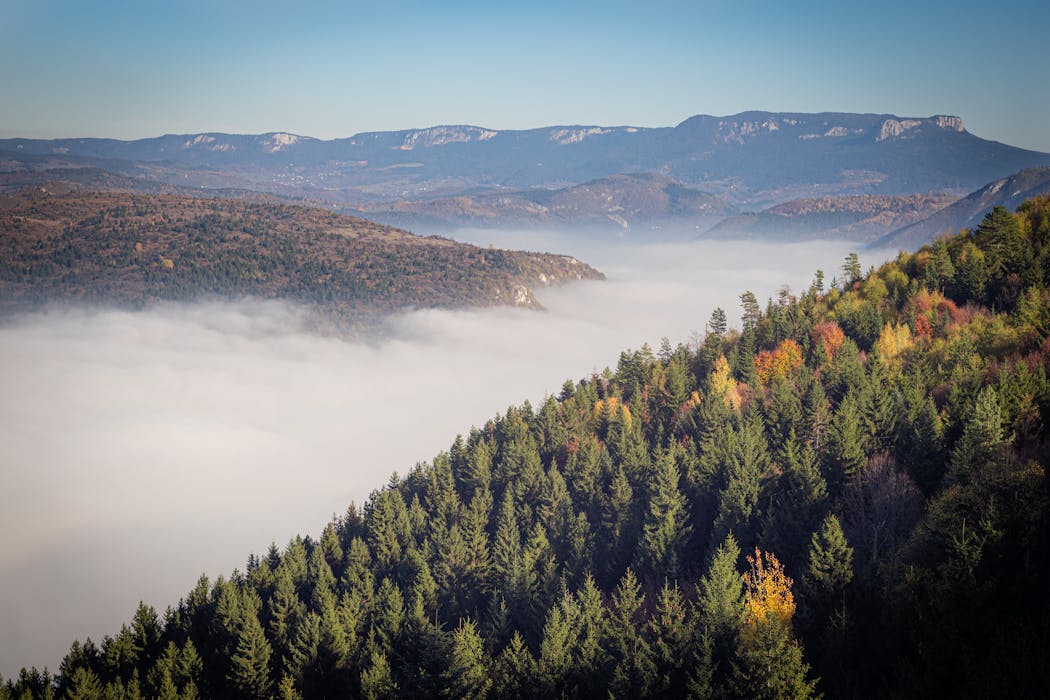
During cold weather, deer gravitate toward pine forests or evergreen pockets where dense foliage blocks wind and snow. The ground beneath these trees stays drier and warmer, offering shelter through harsh conditions. You can look for flattened pine needles or fresh droppings as bedding signs. These areas provide consistent cover throughout winter, giving deer reliable refuge and hunters dependable tracking opportunities.
Hillsides with Sun Exposure

In colder months, deer seek out south-facing hillsides where sunlight keeps the ground warmer. These slopes allow deer to rest comfortably while staying hidden among shrubs and fallen logs. You can locate bedding areas by checking for matted vegetation and rub lines. Positioning yourself above or beside these hillsides can give you a clear angle without alerting bedded deer below.
Marshes and Swamps
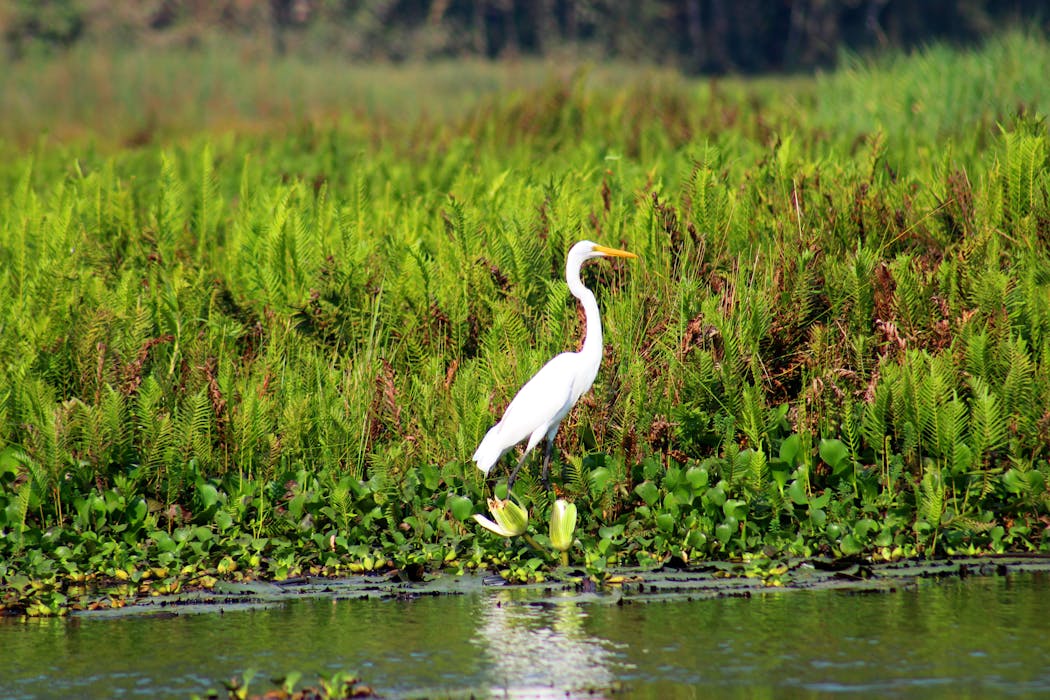
Marshes and swamps offer deer both safety and solitude. The wet, mucky terrain discourages predators, while tall reeds and grasses provide year-round cover. Bucks, in particular, use these isolated spots as bedding sanctuaries. You can identify entry points by following dry ridges or narrow trails cutting through the marsh. Hunting near these areas requires patience and careful movement to avoid noise.
Overgrown Clearcuts

When logging operations leave behind overgrown clearcuts, deer often move in to take advantage of the thick regeneration. These spots provide both food and cover, creating perfect bedding zones. You can scan the perimeter for trails and droppings to identify frequent bedding locations. Setting up along access routes or near feeding transitions increases your likelihood of spotting deer as they emerge.
Windbreaks and Shelterbelts
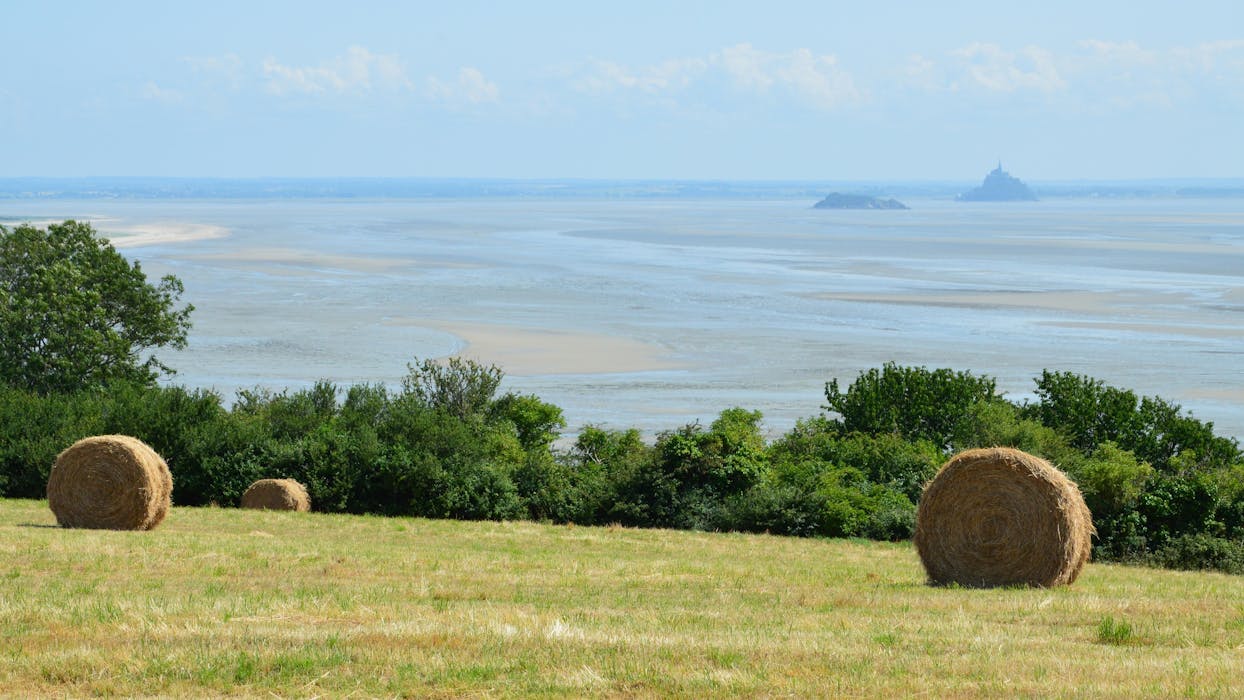
In open farmland or plains, deer use windbreaks and shelterbelts for protection from harsh winds and exposure. The narrow strips of trees and brush offer concealment while keeping deer close to food sources. You can locate beds along the leeward side, where they stay hidden yet alert. These areas are excellent for ambush setups when deer move between feeding and resting locations.
Remote Wooded Ridges
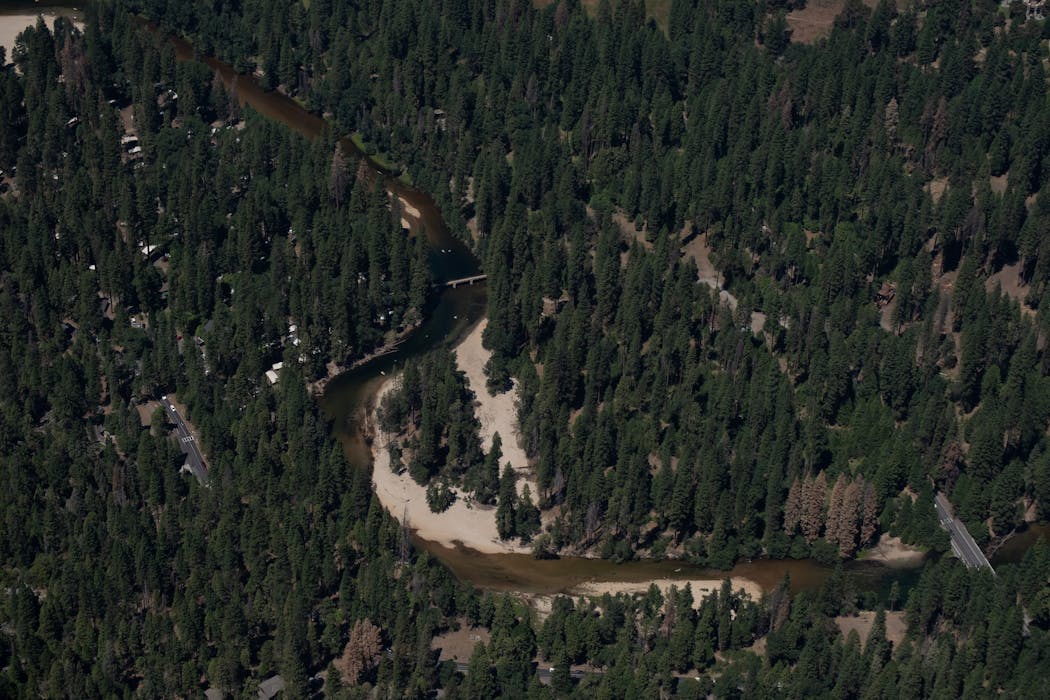
Remote wooded ridges far from human activity attract mature bucks that prefer seclusion. These elevated areas combine safety, visibility, and quiet, making them ideal daytime bedding locations. You can find signs like shed hair, droppings, and worn-down leaves in shaded patches. Accessing these zones requires planning and stealth, but they often hold the biggest and most cautious deer.