Wildlife agencies must balance healthy animal populations, habitat protection, hunting traditions, and public access. That balance becomes difficult when officials introduce new restrictions, change season dates, limit harvests, or reverse long-standing management practices. Hunters can find themselves facing fewer opportunities, higher costs, or rules they believe ignore local experience. Some disputes also involve genuine conservation concerns, scientific uncertainty, and disagreements over who should make decisions about shared wildlife resources. These nine controversies show how policy changes can spark intense debate, even when agencies say their goal is protecting wildlife for future generations.
1. Wolf Hunting Restrictions That Divided Conservationists and Hunters

Wolf management has become one of the most divisive wildlife issues in the United States. Hunters in states such as Wisconsin, Michigan, and Minnesota have argued that regulated seasons can help manage wolf populations and reduce conflicts with hunting dogs and livestock. Conservationists counter that wolves face regional pressures and need careful protection. Wisconsin’s 2021 wolf hunt became especially contentious after hunters registered 216 wolves against a state quota of 119, exceeding it by roughly 82 percent. The episode intensified arguments over quotas, enforcement, and whether agencies can respond quickly enough when harvests exceed expectations.
2. Grizzly Bear Hunting Proposals That Triggered Public Outrage
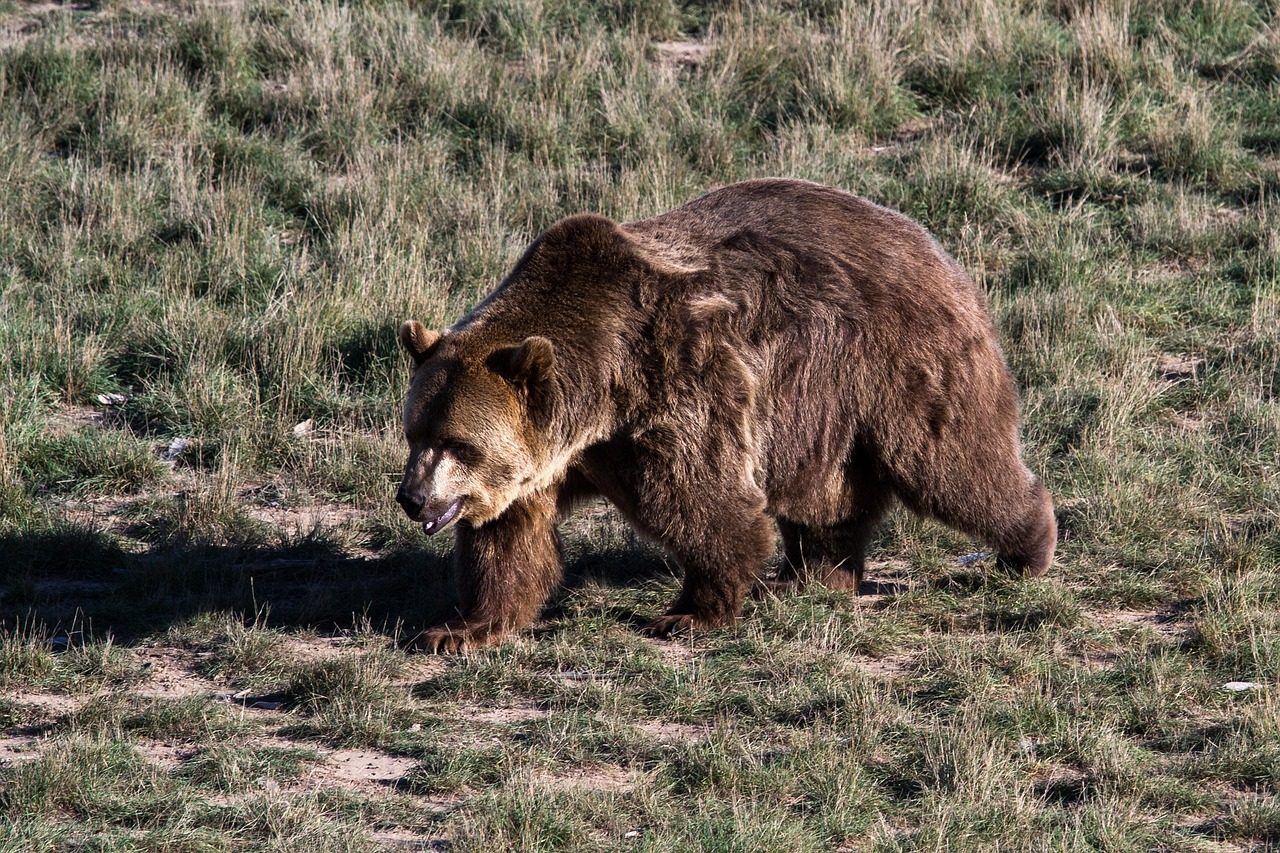
Grizzly bear management has repeatedly placed wildlife agencies under pressure from hunters, conservationists, and rural communities. In 2018, Wyoming approved a proposed hunt allowing up to 22 grizzlies to be killed outside Yellowstone National Park, but a federal court later restored Endangered Species Act protections. Idaho and Wyoming subsequently faced renewed legal challenges over proposals to hunt bears near the Greater Yellowstone ecosystem. Hunters supporting limited seasons point to population recovery and management flexibility, while opponents warn that killing breeding females could undermine long-term gains. The conflict demonstrates how one management decision can involve state authority, federal law, scientific evidence, and public trust.
3. Antler Point Restrictions That Frustrated Traditional Deer Hunters
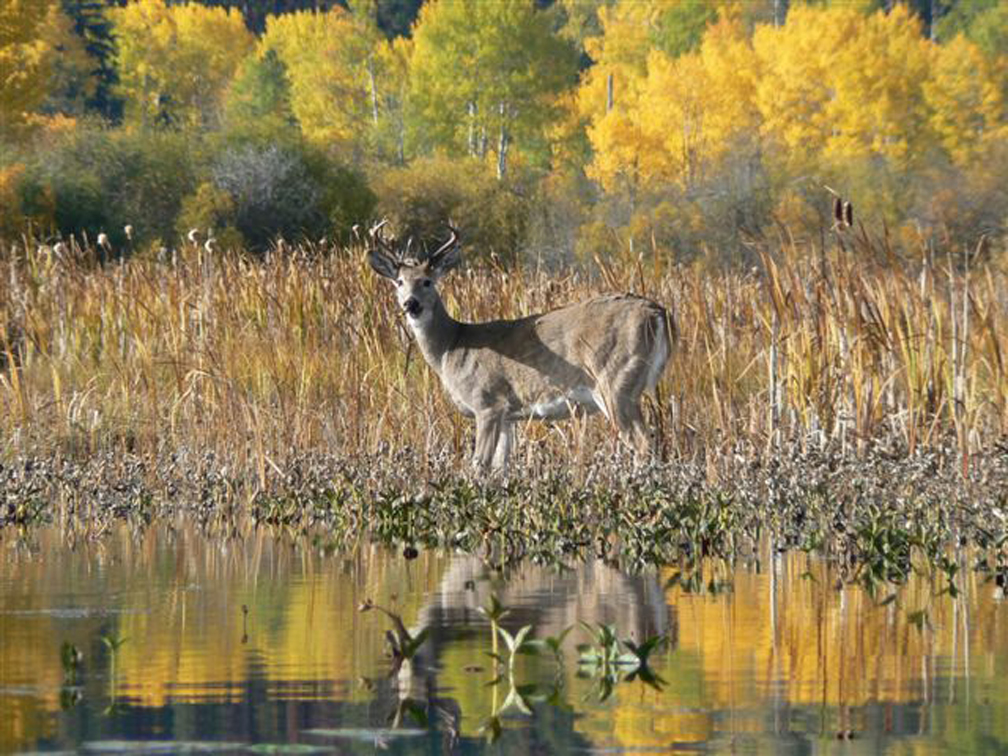
Antler point restrictions are designed to protect younger male deer by making certain bucks illegal to harvest. Pennsylvania introduced statewide restrictions in 2002, requiring bucks to meet minimum antler-point standards that varied by management unit. The change frustrated some hunters who believed it reduced opportunities, especially when deer sightings or harvest success were already low. Research later found that the rules reduced harvest rates among younger males and helped more bucks reach older age classes. However, a 2017 study also documented mixed hunter attitudes over three seasons. The controversy shows why a biologically useful rule can remain unpopular when expectations differ from actual results.
4. Sunday Hunting Bans That Limited Access to the Outdoors
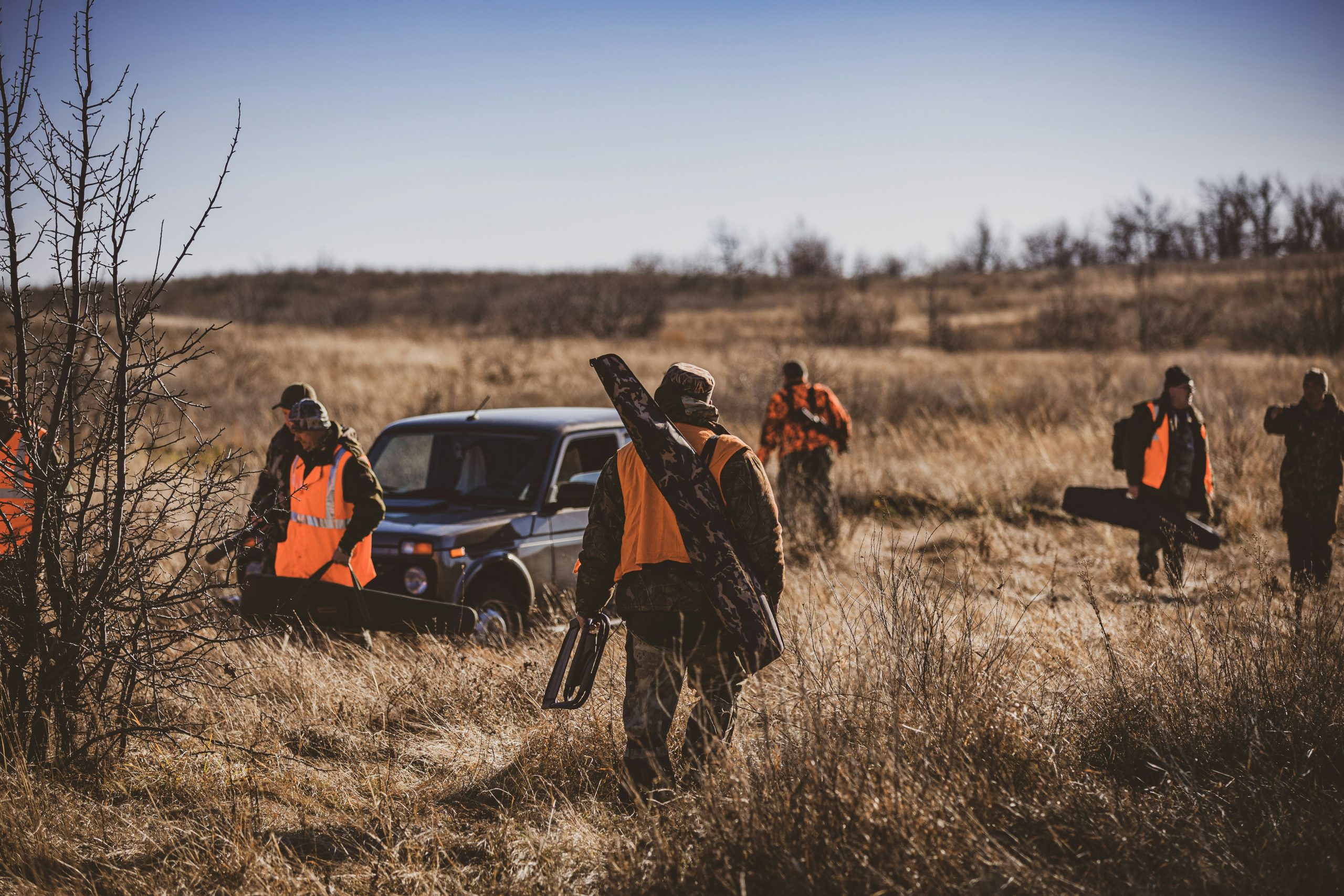
For generations, Sunday hunting restrictions have frustrated hunters who have limited opportunities to spend time outdoors because of work and family responsibilities. Pennsylvania maintained a longstanding prohibition before allowing hunting on three Sundays in 2019, followed by broader changes that expanded Sunday opportunities. Supporters argued that an additional day could increase participation and help control wildlife populations, while opponents raised concerns about recreation conflicts, tradition, and safety. The debate affects millions of licensed hunters across states with different rules. Even when a change adds just one or two hunting days, it can become a major political issue because it changes how people use public and private land.
5. Baiting Bans That Changed Long-Established Hunting Practices

Restrictions on baiting can quickly divide hunters because the practice has different legal and cultural histories across states. In Michigan, for example, officials introduced a ban on baiting and feeding deer in the Lower Peninsula in 2018 to help limit the spread of chronic wasting disease. Hunters who had relied on corn, apples, or other attractants argued that the rule changed familiar methods and could make deer harder to locate. Wildlife managers emphasized that concentrating animals at feeding sites may increase contact and disease transmission. The policy affected large areas rather than a single hunting property, illustrating why disease-prevention decisions can generate strong opposition even when the underlying concern is scientifically grounded.
6. Lead Ammunition Restrictions That Raised Cost and Access Concerns

Lead ammunition restrictions have generated disagreement among hunters, particularly when agencies introduce them across large areas or for specific species. California banned the use of lead ammunition for hunting statewide beginning in 2019, following a phased implementation under a law enacted in 2013. Supporters cited the risk of lead fragments poisoning condors and other scavenging wildlife. Some hunters objected to the price, availability, and performance differences of alternative ammunition, especially during the transition. The debate also raised questions about education and enforcement. With a statewide rule affecting every licensed hunter using ammunition, the policy became a major example of conservation goals colliding with practical concerns about equipment and expense.
7. Shortened Hunting Seasons That Reduced Opportunities
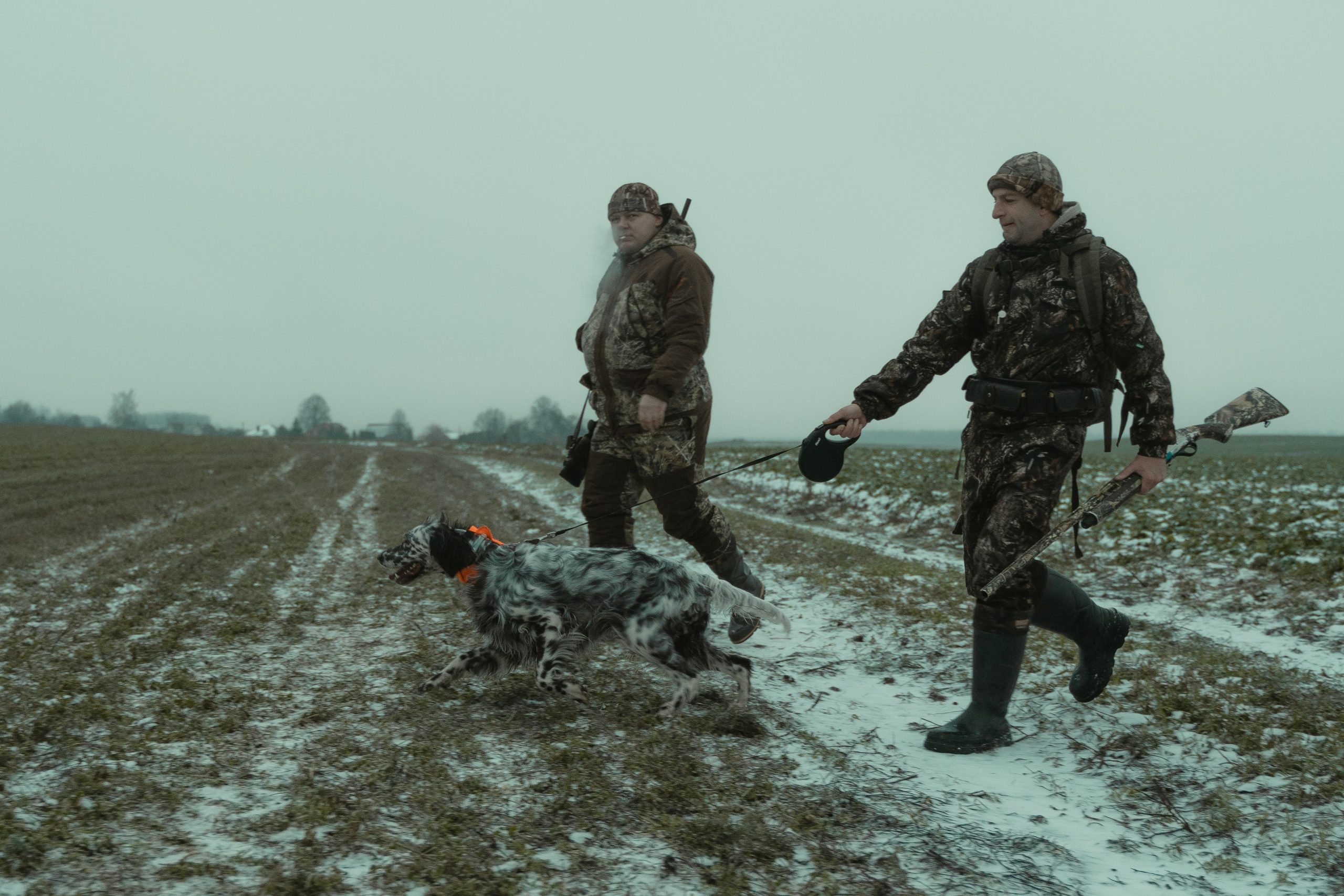
Shortened seasons can anger hunters who plan annual trips, arrange time off work, or travel hundreds of miles to reach familiar hunting grounds. Agencies may reduce season length when harvest estimates indicate that a population needs additional protection or when environmental conditions change. In Alaska, for example, regulators frequently adjust individual game-unit seasons and bag limits in response to local population assessments. A reduction of even 7 days can affect guides, rural businesses, and hunters who have already paid for travel. Supporters of tighter rules argue that protecting breeding animals and maintaining sustainable harvests must come first. The backlash often grows when hunters believe decisions arrive too late or lack clear explanations.
8. Public Land Closures That Restricted Access to Hunting Grounds
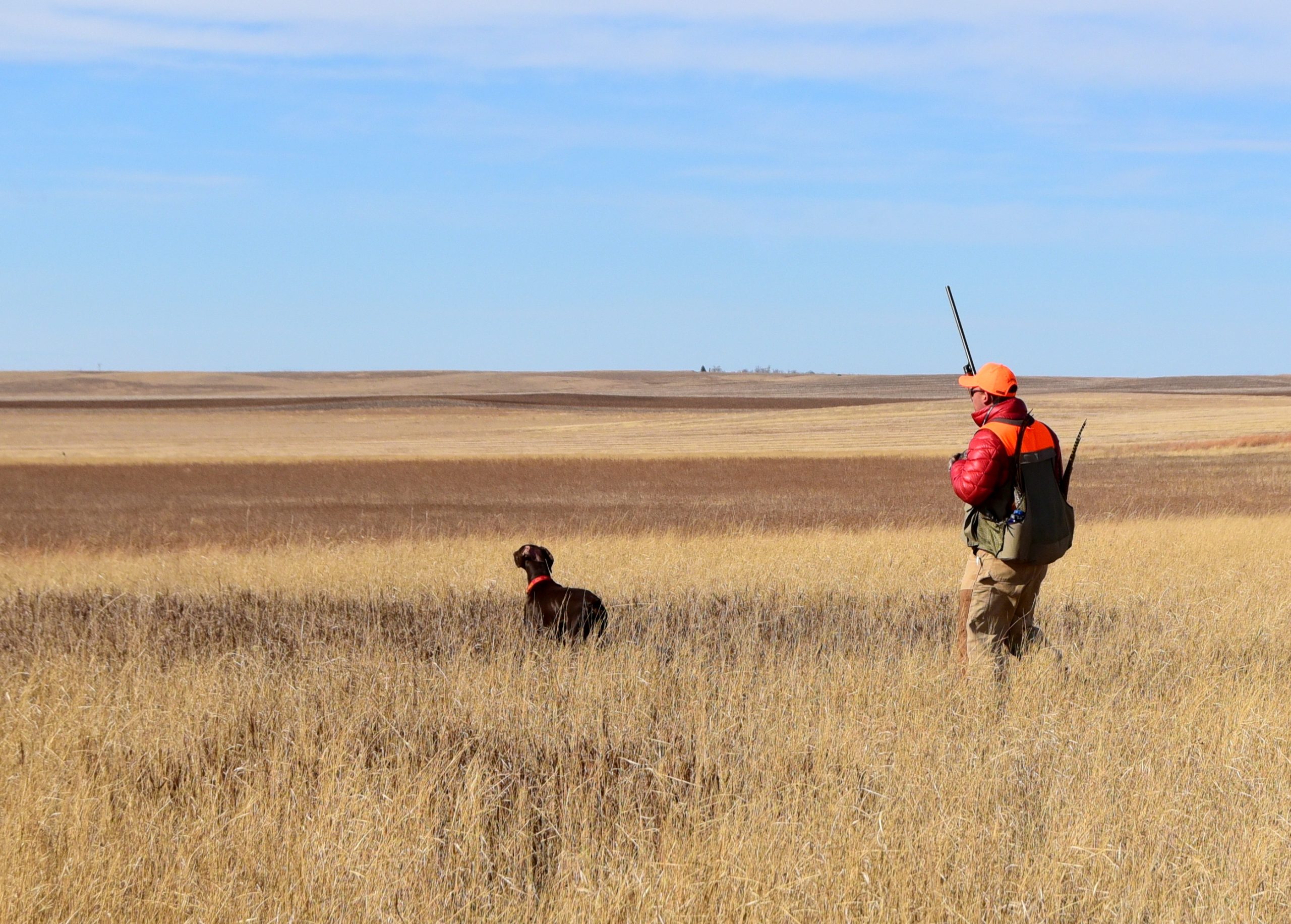
Closing public land to hunting can create immediate frustration among hunters who depend on affordable access rather than private leases. Agencies sometimes restrict entry because of wildfire danger, habitat restoration, military activity, or protection of vulnerable wildlife. A closure covering even 1,000 acres can disrupt carefully planned trips, particularly if nearby alternatives are limited or crowded. Hunters may also question why access is restricted when roads remain open to other users or when restrictions continue after the original hazard has passed. Managers must balance recreation with safety and conservation, but poor communication can deepen resentment. Clear maps, advance notice, and reopening criteria help make these decisions easier to understand.
9. Deer Permit Cuts That Left Hunters Questioning Management Plans

Reducing antlerless deer permits is another decision that can provoke strong reactions, especially when hunters believe deer numbers are already declining locally. Agencies use permit quotas to influence population growth, reduce crop damage, or respond to changing habitat conditions. Pennsylvania’s deer management system, for example, allocates antlerless licenses by wildlife management unit, meaning available opportunities can differ considerably between areas. A reduction of 10,000 permits statewide may appear modest relative to the total number issued, yet it can have a major effect in particular counties. Hunters often challenge these decisions when local sightings conflict with regional estimates. Reliable surveys and transparent explanations are essential to maintaining confidence in the process.