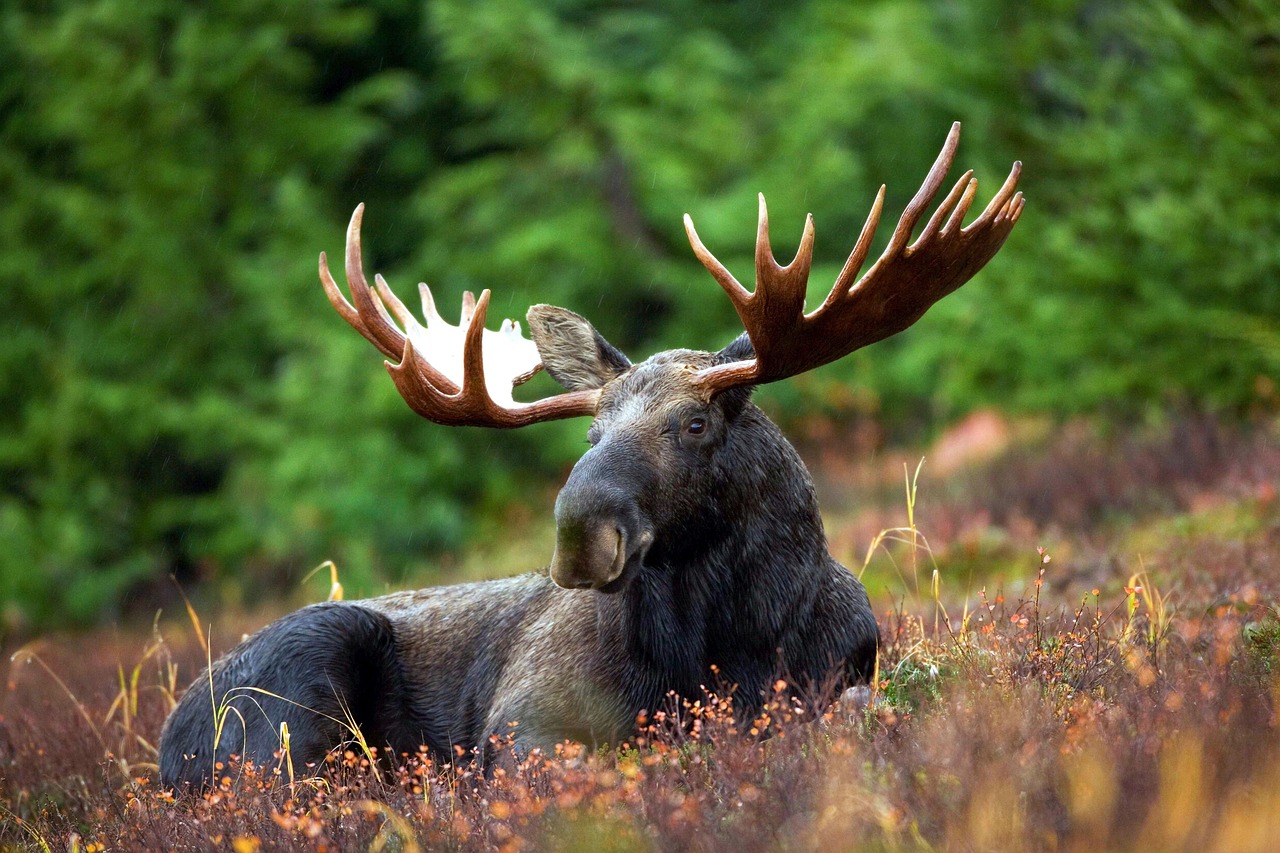
The elk rut is loud, dramatic, and easy to romanticize, which is exactly why so many newcomers get it wrong. Experienced hunters say the biggest mistakes happen when people assume every bugle, push, or silence means the same thing. This gallery breaks down the rut behaviors that are most often misread, and why a more patient, nuanced read of elk can change everything.
A Loud Bull Is Not Always An Easy Bull

New hunters often hear a screaming bull and assume they have found a reckless animal ready to charge into range. Seasoned elk hunters tend to read that sound differently. A vocal bull can be excited, but he can also be secure, surrounded by cows, and far less likely to leave the advantage he already has.
In many cases, the noisiest bull is advertising position and status, not volunteering a mistake. He may bugle hard, rake, and posture while expecting other elk to come to him. Veterans learn to ask what the bull is protecting, where the cows are drifting, and whether that sound signals opportunity or a stall.
Bugles Do Not Always Mean Aggression
To newcomers, every bugle can sound like a challenge. In reality, experienced hunters hear a wider range of meanings. Some bugles are warnings, some are location calls, some are aimed at cows, and some are half-hearted sounds from younger bulls trying to feel bigger than they are.
Misreading all bugles as fighting words leads to bad setups and overaggressive calling. A herd bull keeping tabs on cows may answer but refuse to close. A subordinate bull may sound hot, then melt away the second real pressure appears. Veterans listen for tone, cadence, and context, because the same basic sound can reveal confidence, insecurity, or simple herd management.
Cows Control More Of The Action Than New Hunters Expect
Beginners often focus so hard on the bull that they overlook the animals driving the whole scene. During the rut, cows shape travel, feeding pauses, bedding choices, and the pace of movement. A bull may look dominant, but much of his day is spent reacting to where the cows want to be and keeping them together.
That matters because calling or positioning for the bull alone can backfire if the cows are uneasy. If the lead cow catches movement, wind, or an unnatural setup, the whole opportunity can unravel. Experienced hunters read the mood of the cows first, knowing the bull usually follows their drift even when he sounds like the star.
A Herd Bull Will Often Circle Instead Of Charging In

Movies and campfire stories make it sound as if a fired-up bull will come straight down the string every time. Veterans say that it is one of the rut’s most expensive myths. Mature bulls frequently try to swing downwind, use cover, or hold position while they pull cows away from the threat.
That circling behavior is where many newcomers get busted. They focus on the front door and forget the side entrance. A smart bull wants confirmation before exposing himself, and he often uses terrain to get it. Experienced hunters set up with the wind, likely travel lanes, and the bull’s suspicious nature in mind instead of expecting a dramatic head-on approach.
Midday Can Be Better Than Beginners Think

A lot of new hunters treat the rut like a dawn-and-dusk show, then mentally check out once the morning bugling fades. Experienced elk hunters know midday can still produce real action. Bulls often get separated from cows, regroup in bedding cover, or respond differently once early pressure and chaos settle down.
The woods may be quieter, but that can actually sharpen your read on movement and fresh sign. A lonely satellite bull can be more workable at noon than at sunrise. A herd bull tucked into shade may answer softly or reveal himself with subtle movement. Veterans stay mentally engaged through the middle hours because elk often make their less obvious mistakes then.
Raking And Thrashing Are Not Just Random Tantrums
When beginners hear a bull tearing up brush, they sometimes treat it as pure rage and rush the setup. Experienced hunters usually hear something more specific. Raking can be a display of dominance, a way to vent tension, or a visual and audible signal meant to impress cows and intimidate rivals without closing distance.
That means the bull may be keyed up but still anchored to a pocket of cover. He is creating a scene, not necessarily abandoning caution. Veterans pay attention to how long the raking lasts, whether bugles follow, and if cows are nearby. The thrashing itself is useful information, but not always the green light newcomers think it is.
Young Bulls And Satellite Bulls Skew The Picture

Another easy misread happens when newcomers assume the first vocal or visible elk is the bull that matters most. During the rut, younger bulls and satellites create noise, movement, and confusion around the edges of the main herd. They can sound eager, show themselves first, and pull attention away from the real decision-maker.
That matters because these bulls often behave very differently from a mature herd bull. They may rush in, drift off, or keep pestering cows without truly controlling them. Experienced hunters use those lesser bulls as clues, not conclusions. If satellites are edgy or orbiting a certain draw, there is often a stronger bull nearby managing the situation more quietly.
Pressure Changes Rut Behavior Fast
New hunters sometimes expect rutting elk to act the same from one drainage to the next because hormones are high. In the real world, hunting pressure can reshape behavior almost overnight. Bulls that sounded reckless in remote country can turn guarded after a few encounters, and cows get even quicker at detecting anything out of place.
Experienced hunters watch for those pressure tells constantly. A herd may move to thicker timber, bugle less, travel earlier, or avoid open parks they used confidently just days before. Reading the rut without reading pressure leads to stale assumptions. Veterans know elk are still elk during the rut, but they are also survivors adjusting to every mistake humans make around them.
The Rut Is Dynamic, Not A Script
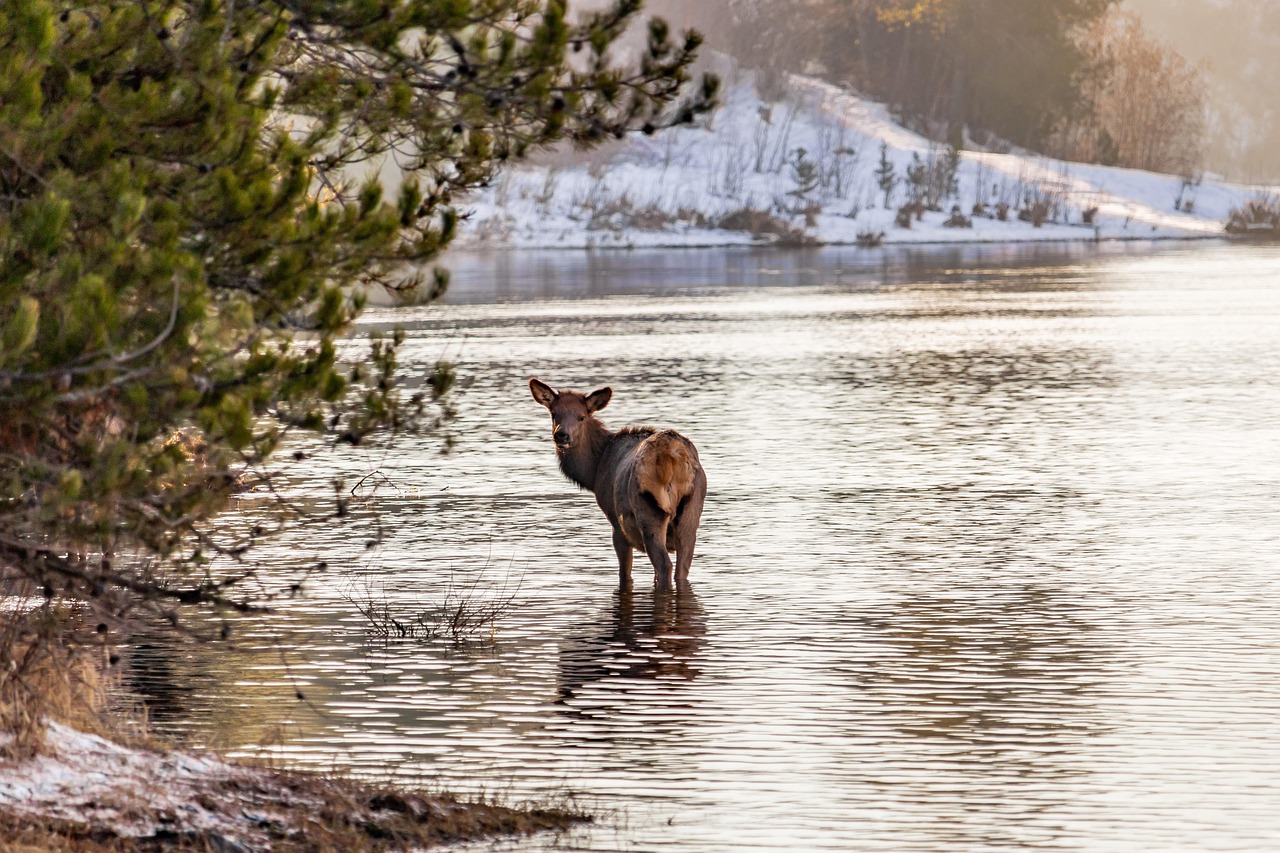
The biggest beginner mistake may be expecting the rut to follow a neat timeline. People hear rules about peak days, textbook bugling windows, and standard responses, then get thrown when real elk ignore the script. Experienced hunters treat the rut as a fluid mix of weather, pressure, breeding stage, terrain, and individual temperament.
On one ridge, a bull may be frantic and vulnerable. Across the basin, another may be quiet, cautious, and impossible to move. That does not mean one hunter is seeing the true rut and the other is not. It means elk behavior changes by the hour. Veterans succeed by adjusting their read in real time instead of forcing every encounter into a preconceived pattern.