Dog breed popularity changes over time, often influenced by lifestyle trends, urban living, social media, and the realities of caring for certain breeds. Some breeds that were once extremely popular are now chosen less often by new dog owners. In many cases, these dogs are no less lovable or capable. Instead, their energy levels, grooming needs, size, or training requirements simply do not match modern living situations as well as they once did. Smaller apartments, busy schedules, and first-time pet owners often favor easier breeds. Still, many of these overlooked dogs remain intelligent, loyal, and deeply rewarding companions when matched with the right home. Here are twenty dog breeds that fewer people seem to be choosing today, even though they still have many admirable qualities.
1. Afghan Hound
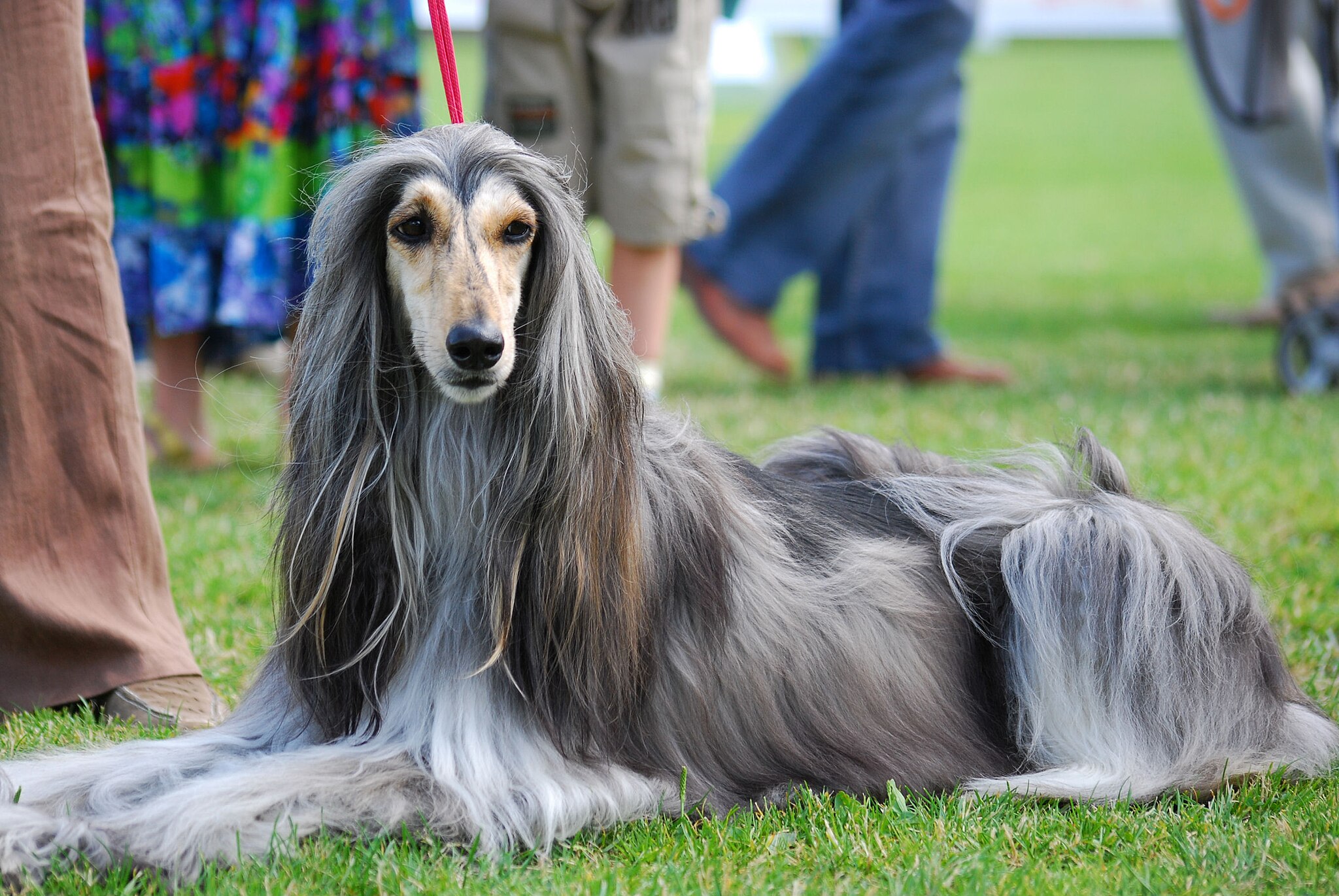
The Afghan Hound is famous for its elegant appearance, long silky coat, and dignified personality. Despite its beauty, fewer people are choosing this breed today because of the high grooming demands and independent temperament. Their coat requires frequent brushing and careful maintenance to prevent tangles and matting. Afghan Hounds also tend to be less eager to please than many modern family dogs, which can make training more challenging for inexperienced owners. These dogs were originally bred for hunting in mountainous regions, so they possess strong instincts and bursts of speed that require secure spaces to run. In modern urban environments, that level of management can be difficult. Still, owners who understand the breed often praise its loyalty, grace, and quiet companionship.
2. Bloodhound
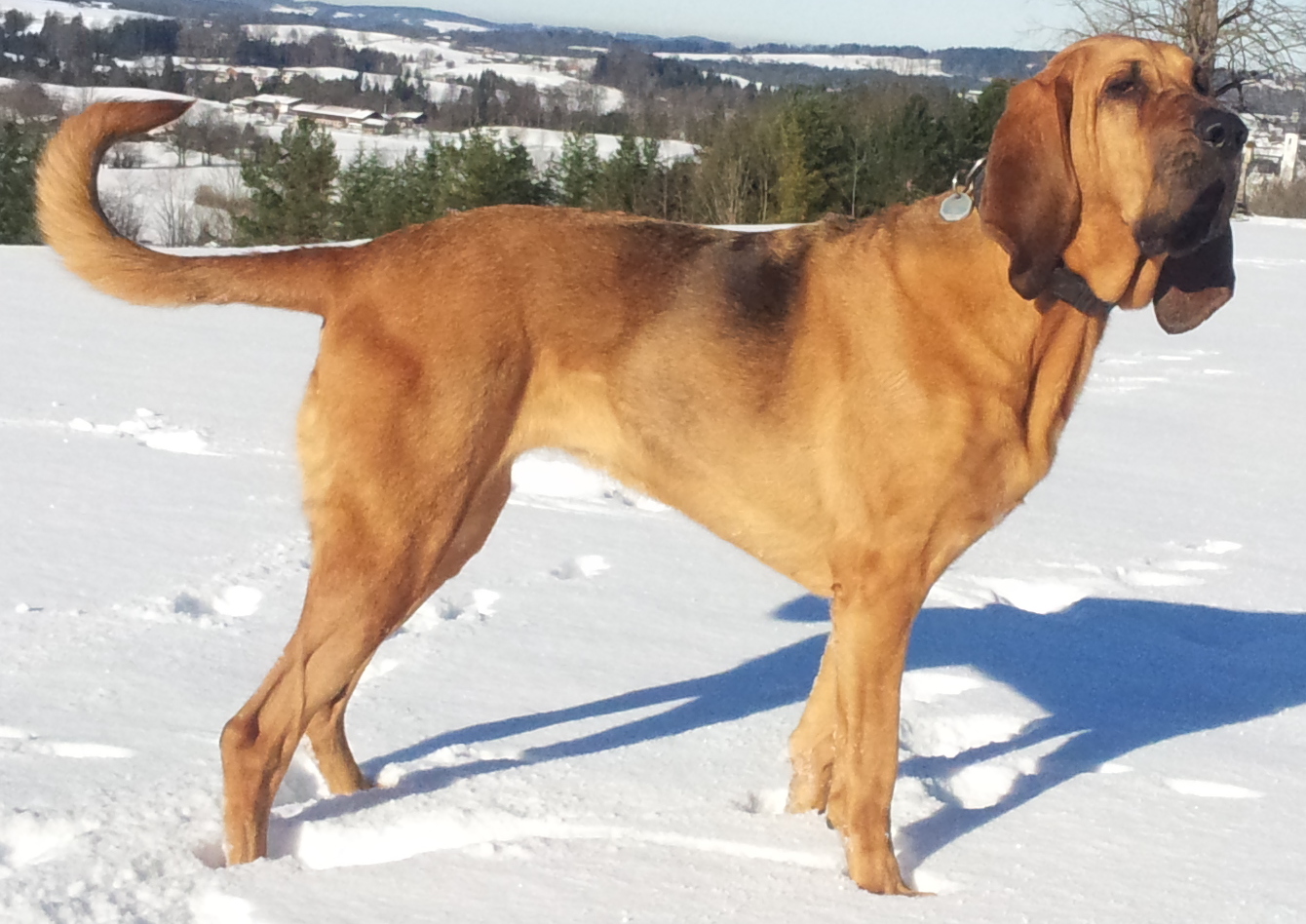
Bloodhounds are legendary for their incredible sense of smell and their role in search and rescue work. However, their popularity as household pets has declined in recent years. One reason is their size and strength, which can be difficult for some families to manage. Bloodhounds are also known for drooling heavily and having a powerful voice that they use when following scents. Their long ears and facial folds require regular cleaning to avoid infections. Because they were bred to track scents for long distances, Bloodhounds may wander if they catch an interesting smell. Modern owners who want a low-maintenance dog may overlook them, yet they remain gentle, affectionate animals that bond deeply with their families.
3. Chow Chow
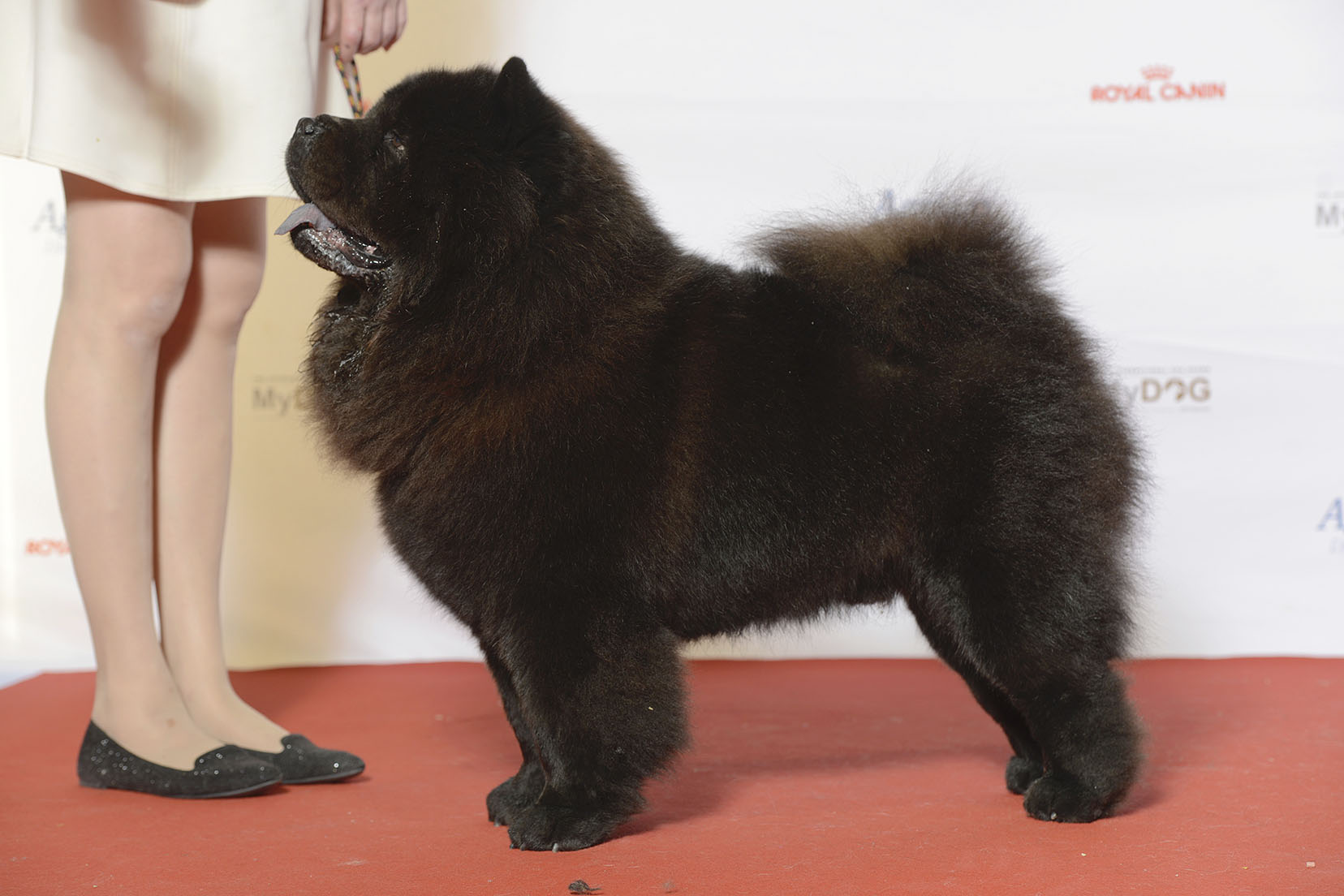
The Chow Chow is one of the most distinctive-looking dogs in the world, with its lion-like mane and black-blue tongue. While the breed was once extremely fashionable, especially in past decades, fewer people are choosing Chow Chows today. Their independent personality means they are not always eager to obey commands, and early socialization is very important. Without proper training, they can become territorial or aloof with strangers. Grooming is another factor, since their thick double coat sheds heavily and needs consistent brushing. Many modern dog owners prefer more openly affectionate breeds. Despite that shift, Chow Chows are deeply loyal to their families and can be calm, dignified companions in experienced households.
4. Dalmatian
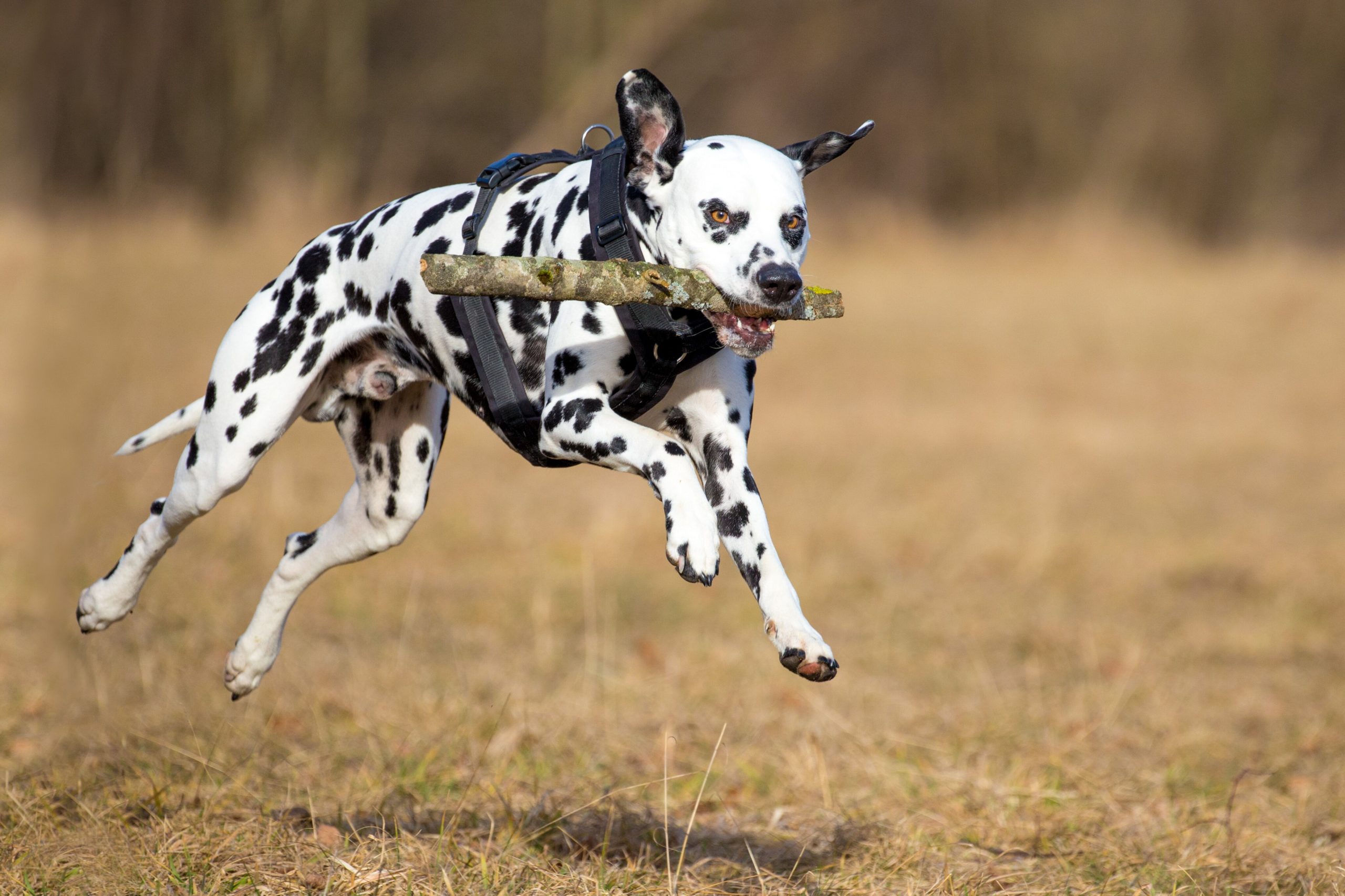
Dalmatians became extremely popular after movies and television featured their iconic spotted coats. Unfortunately, many families later discovered that this energetic breed requires far more exercise and stimulation than expected. Dalmatians are highly athletic dogs originally bred to run alongside carriages for miles. Without enough activity, they can become restless and develop behavioral problems. They also have certain health concerns, including a higher risk of urinary issues. Because of these factors, some potential owners now choose breeds that are easier to manage in smaller homes or apartments. Still, well-trained Dalmatians are intelligent, playful, and very devoted to their families when their exercise needs are properly met.
5. Akita
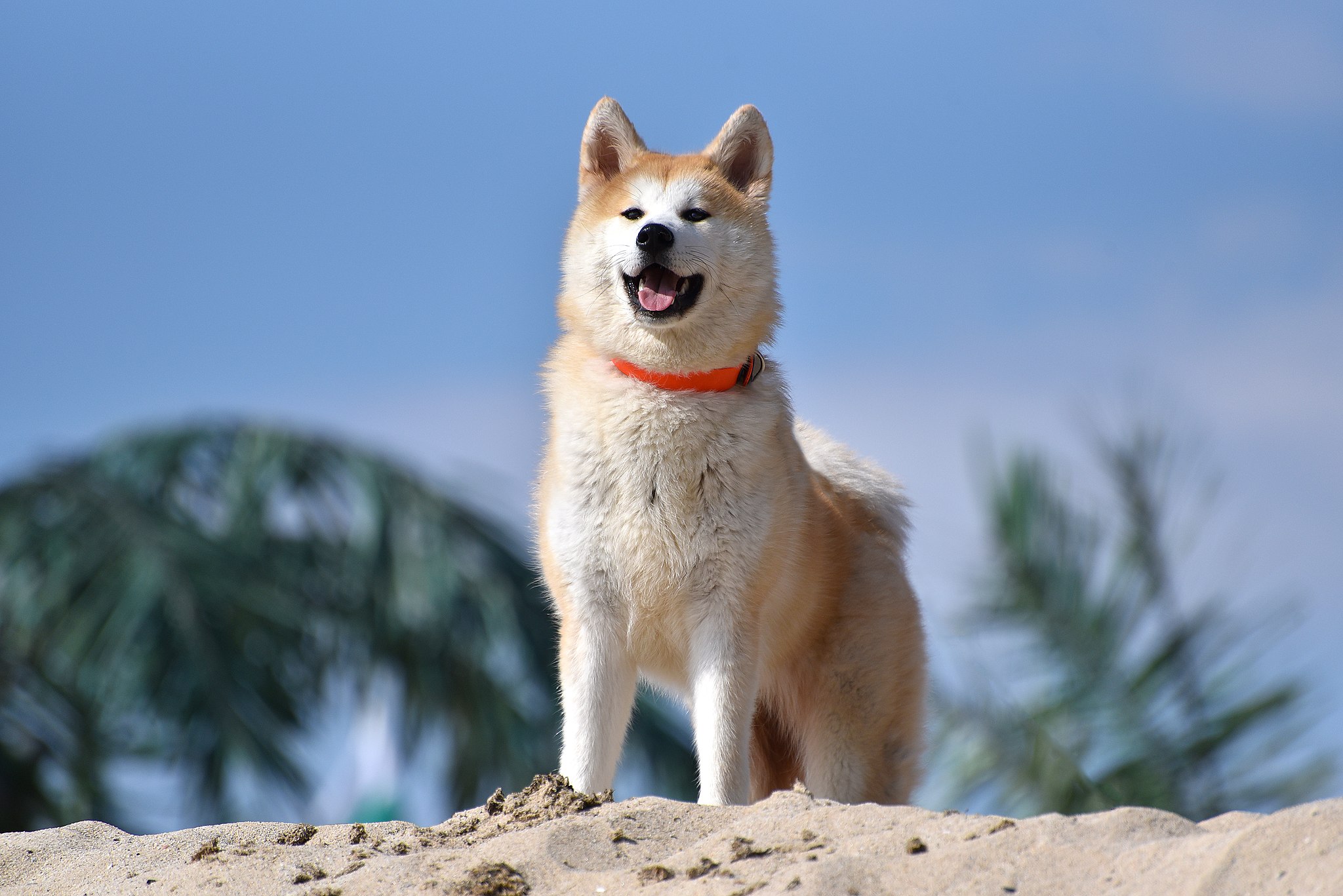
The Akita is a powerful and noble breed known for courage and loyalty. In some cultures, the dog symbolizes protection and devotion. However, fewer casual pet owners choose Akitas today because they require confident and experienced handling. Akitas are naturally protective and may be wary of strangers or other animals if they are not properly socialized early in life. They also grow quite large and strong, which means training must be consistent from a young age. Their thick coat sheds heavily during seasonal changes as well. While these factors reduce their popularity among first-time dog owners, Akitas can be deeply loving family guardians when raised in a stable and attentive environment.
6. Saint Bernard
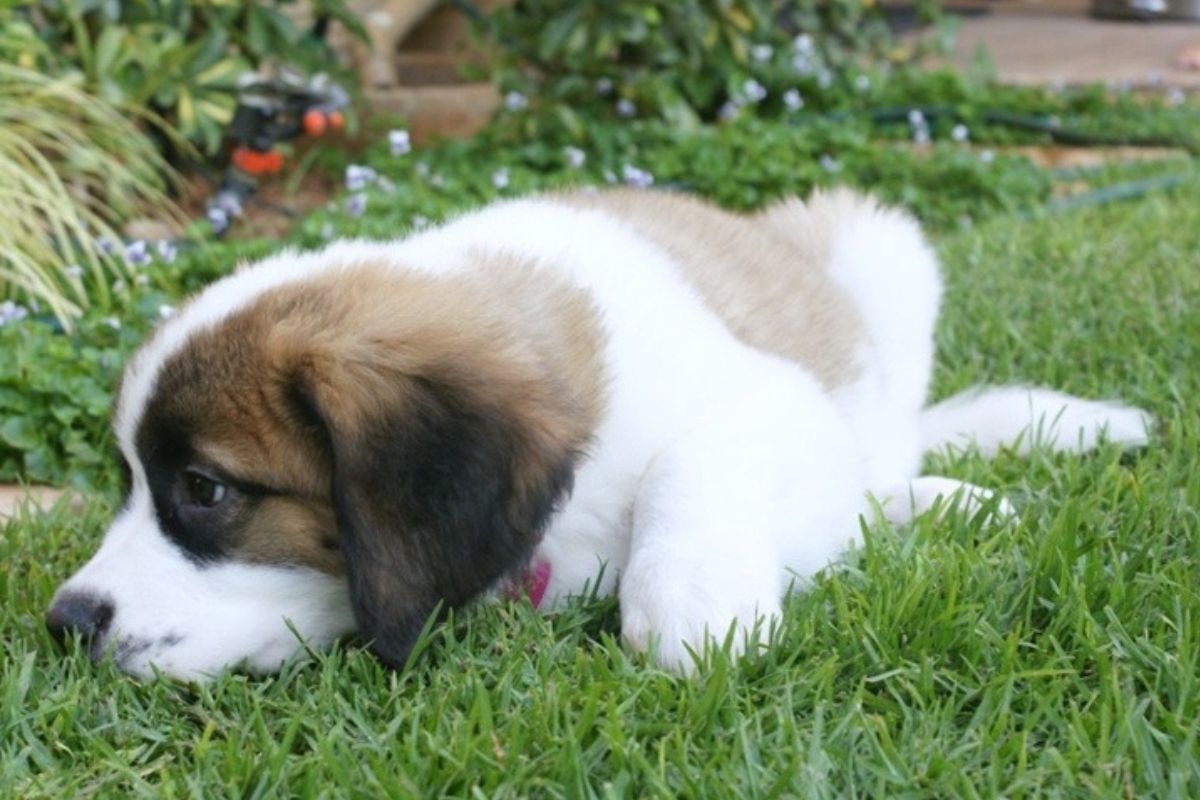
Saint Bernards are famous for their historic role as alpine rescue dogs in snowy mountain regions. Their massive size and gentle personality once made them a beloved family dog. Today, however, their popularity has declined partly because of practical considerations. Saint Bernards require large living spaces, consume significant amounts of food, and produce heavy drool. Their thick coats also shed frequently and need regular grooming. In warmer climates, owners must carefully manage heat and comfort. Many modern households prefer smaller dogs that fit more easily into urban life. Despite these challenges, Saint Bernards remain affectionate, patient, and extremely gentle with children when given proper space and care.
7. Irish Setter
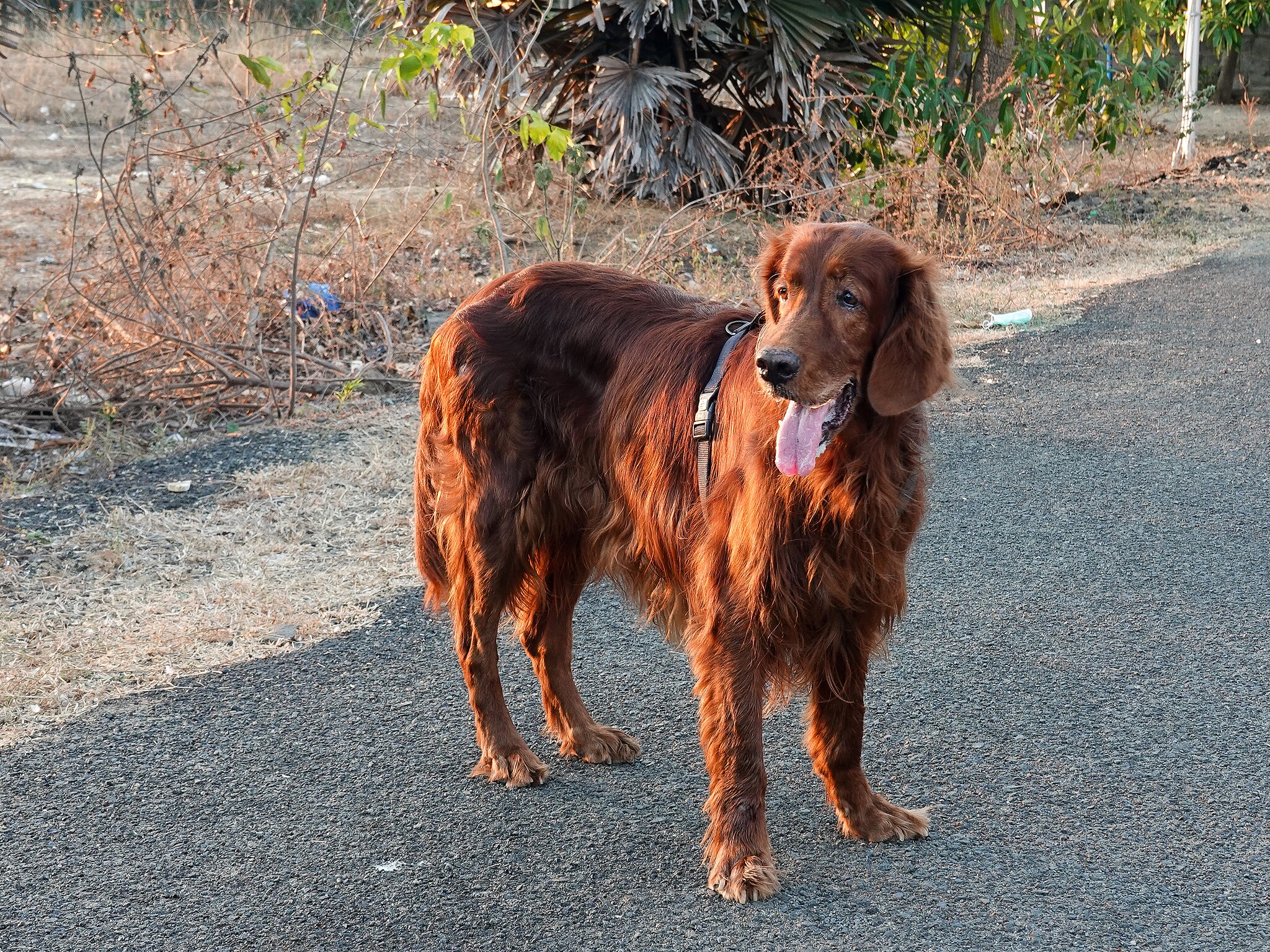
Irish Setters are known for their stunning red coats and joyful personalities. During the twentieth century, they were one of the most admired family dogs. Over time, however, their popularity declined because of their very high energy levels. Irish Setters need significant daily exercise and mental stimulation to stay balanced and happy. Without enough activity, they may become destructive or overly excitable. Their long, feathered coats also require routine grooming. Busy households or apartment living can make meeting these needs difficult. Yet for active families who enjoy outdoor adventures, Irish Setters remain wonderful companions that are playful, affectionate, and eager to participate in every activity.
. English Setter
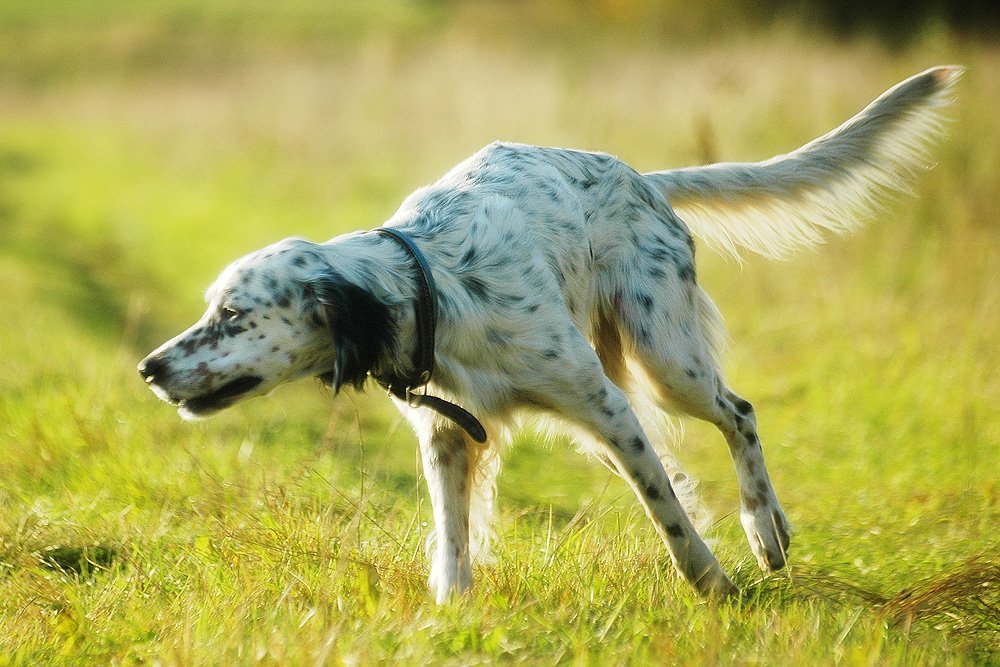
The English Setter is another elegant hunting breed that has quietly faded from mainstream popularity. These dogs are known for their gentle temperament and beautiful speckled coats. However, like many sporting breeds, they require regular exercise and opportunities to explore. Their coat also needs regular brushing to prevent tangles and maintain its appearance. Some potential owners worry about managing such grooming needs along with their active nature. In modern times, people often choose smaller companion breeds instead. Still, English Setters are affectionate and friendly dogs that thrive in homes where they receive plenty of attention, outdoor time, and consistent training.
9. Weimaraner
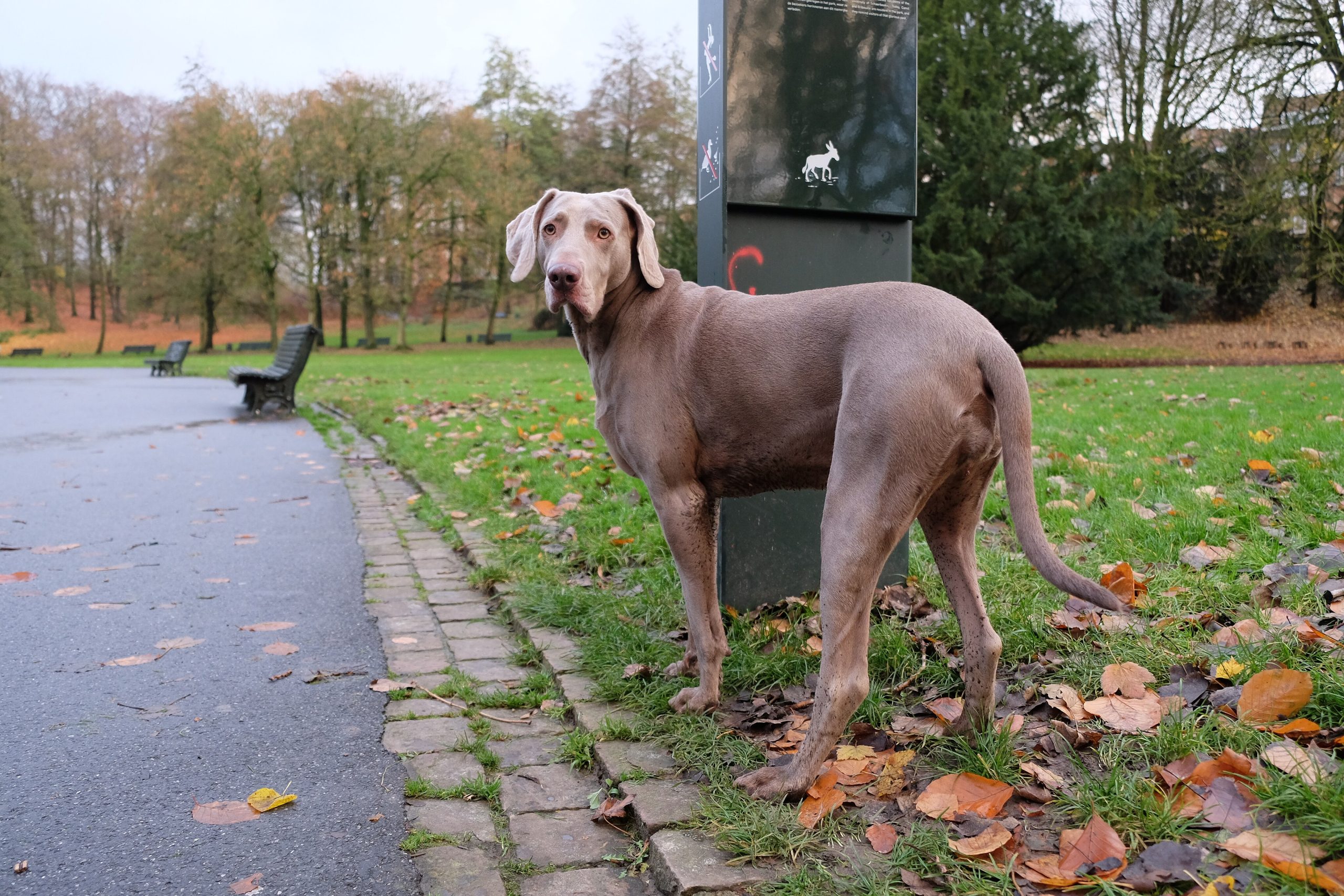
The Weimaraner, sometimes called the Gray Ghost because of its sleek silver coat, is an extremely intelligent and energetic dog. While admired for its athletic build and striking appearance, the breed is not always easy for first-time owners. Weimaraners need large amounts of exercise and mental stimulation every day. If left bored or alone for long periods, they can develop separation anxiety or destructive habits. Their strong attachment to their owners means they prefer constant companionship. In modern households where people work long hours, this requirement can be difficult to meet. Nevertheless, experienced owners often love the breed for its loyalty, intelligence, and enthusiastic personality.
10. Old English Sheepdog
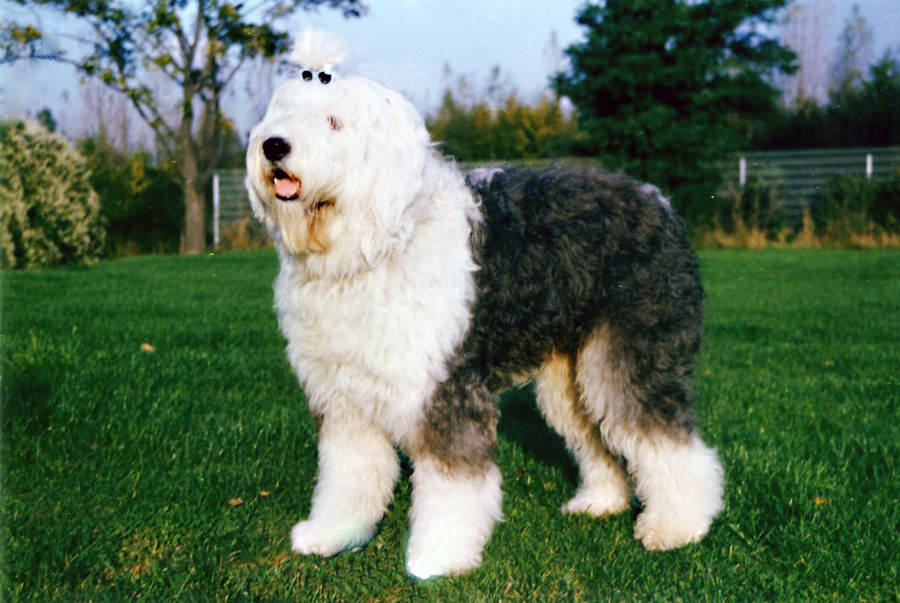
The Old English Sheepdog is instantly recognizable with its shaggy coat and charming personality. Despite their lovable appearance, fewer families choose them today because of the extensive grooming required. Their thick coat can easily become matted if not brushed regularly. Professional grooming is often necessary to keep them comfortable and healthy. These dogs were originally bred to herd livestock, which means they have energy and instincts that require structured activity. Modern lifestyles sometimes make it difficult to provide both grooming care and exercise. Still, the breed is affectionate, playful, and known for forming strong bonds with children and families.
11. Airedale Terrier
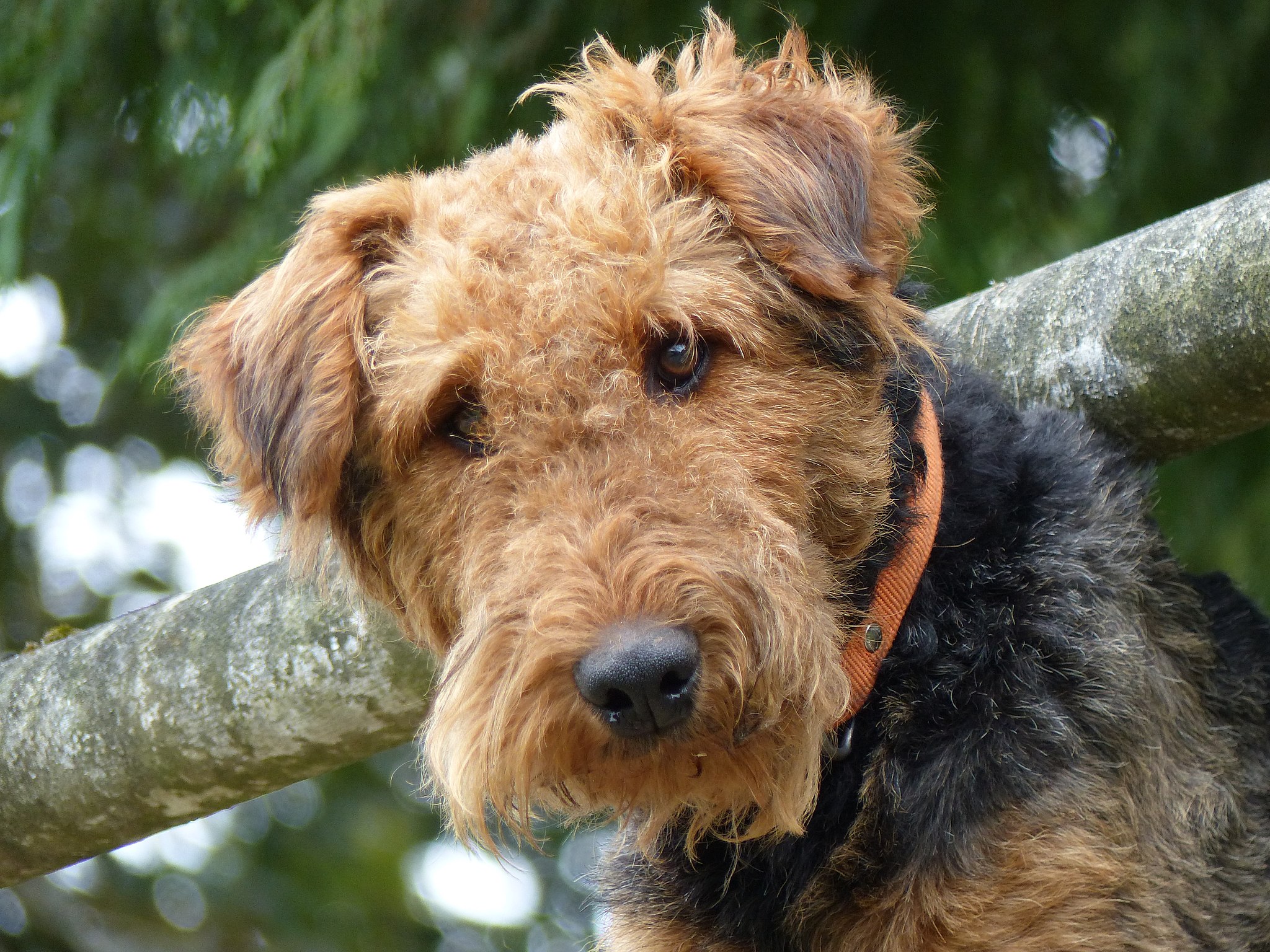
The Airedale Terrier is the largest of the terrier breeds and is often called the King of Terriers. These dogs are intelligent, confident, and versatile, once serving as working dogs in hunting, police work, and even military roles. However, their independent nature can make them challenging to train for inexperienced owners. Airedales require consistent leadership and plenty of mental stimulation to prevent boredom. Their wiry coat also needs periodic grooming and trimming. In today’s world, many families prefer dogs that are easier to train and maintain. Yet Airedale enthusiasts appreciate their courage, playful attitude, and remarkable adaptability in active households.
12. Borzoi
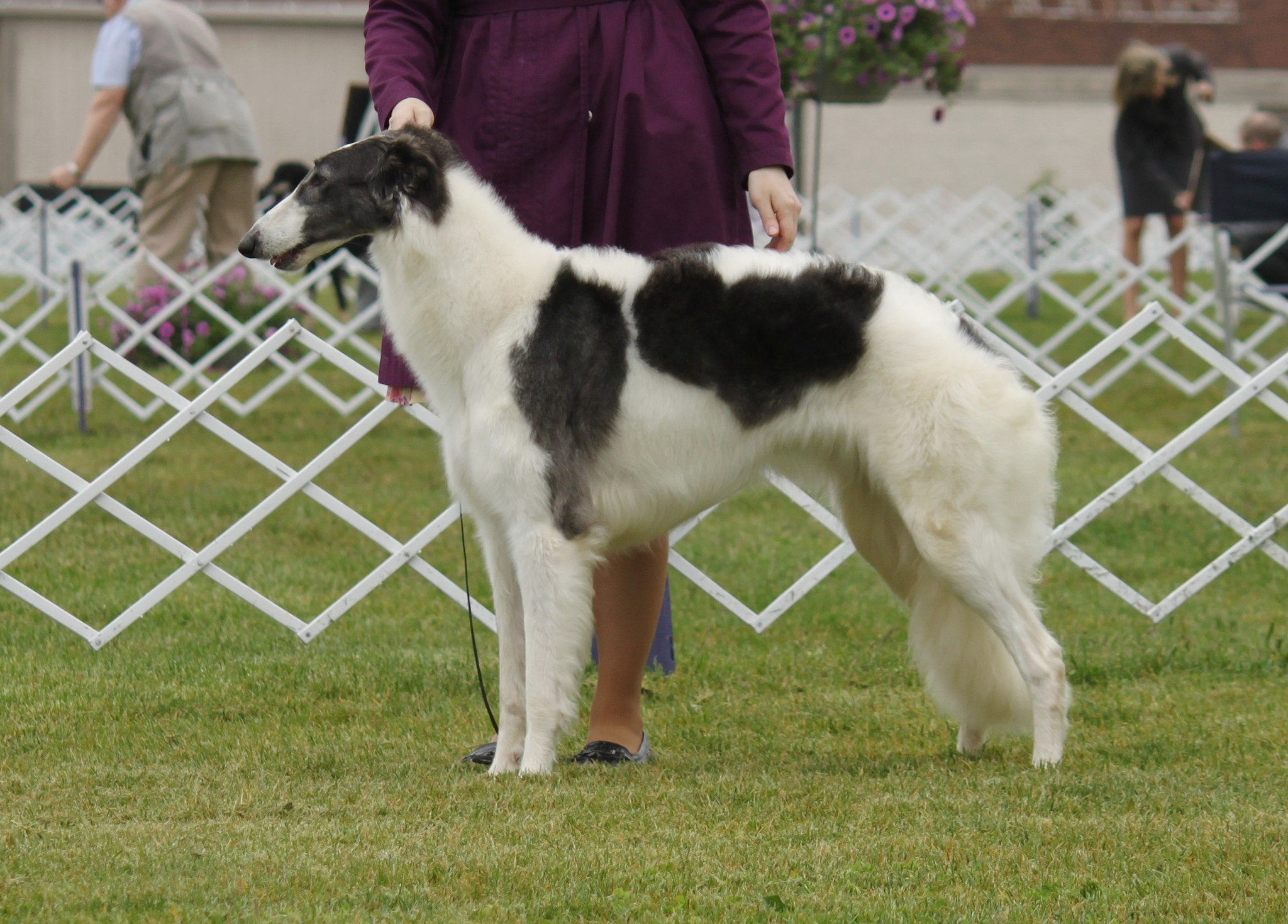
The Borzoi is a graceful sighthound originally bred for hunting wolves in Russia. Its long legs and flowing coat give it a regal appearance. Despite their elegance, Borzois are less commonly chosen today because they have specialized needs. As sighthounds, they have a powerful instinct to chase moving objects, which means they require secure areas for exercise. Their calm indoor personality can make them seem lazy, but they still need space to stretch their legs. Grooming their long coat also takes regular effort. Many modern dog owners choose breeds that are easier to manage in smaller homes. Still, Borzois are gentle and quiet companions with a dignified presence.
13. Collie
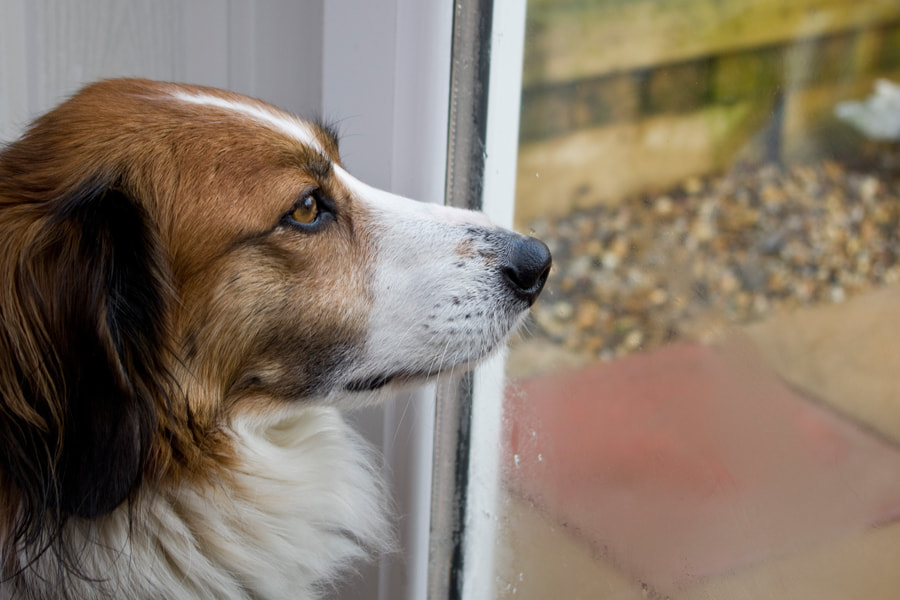
Collies were once among the most beloved family dogs, partly because of their intelligence and their famous appearances in film and television. Today, however, their popularity has declined somewhat as new breeds and mixes gain attention. Collies require regular grooming due to their thick double coat, and they thrive when given daily exercise and mental engagement. They are highly intelligent and sensitive dogs that respond best to patient training and positive interaction. In busy households, meeting those needs consistently can be difficult. Despite the shift in trends, Collies remain exceptionally loyal, gentle with children, and eager to learn, making them excellent companions in attentive homes.
14. Basset Hound
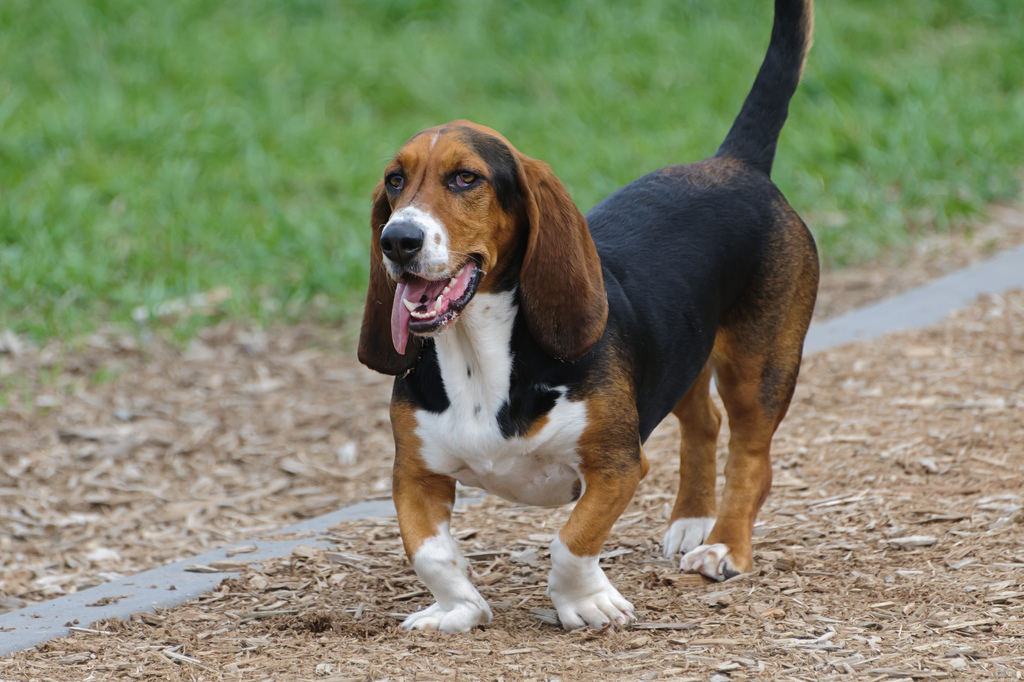
Basset Hounds are famous for their long ears, droopy expressions, and relaxed personality. While they are still loved by many, their popularity has decreased slightly because of certain practical challenges. Basset Hounds can be stubborn during training since they were bred to follow scents independently. Their long ears and skin folds also require regular cleaning to prevent infections. Additionally, their powerful noses can lead them to wander if they pick up an interesting scent outdoors. Some modern owners prefer dogs that respond more quickly to commands. Still, Basset Hounds are affectionate, patient dogs with a calm nature that makes them excellent companions in quieter homes.
15. Newfoundland
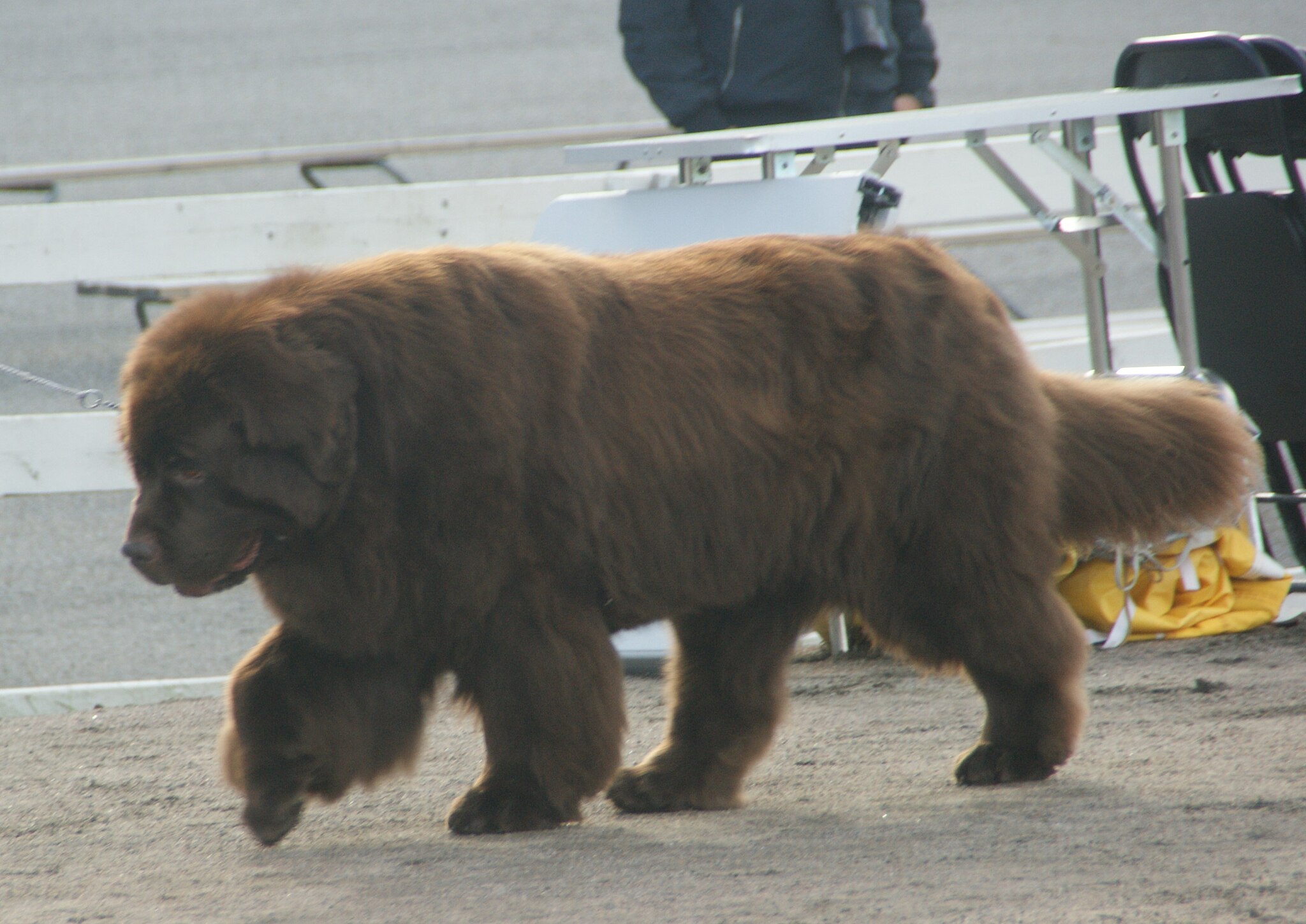
Newfoundlands are enormous dogs known for their strength and remarkable swimming ability. Historically, they assisted fishermen and performed water rescues. While admired for their gentle temperament, their large size can discourage some potential owners. Newfoundlands require significant living space, regular grooming, and large amounts of food. They also shed heavily and produce noticeable drool. In smaller modern homes or apartments, accommodating such a massive dog can be difficult. Despite this, Newfoundlands are often described as gentle giants because of their calm behavior and deep affection for children and families.
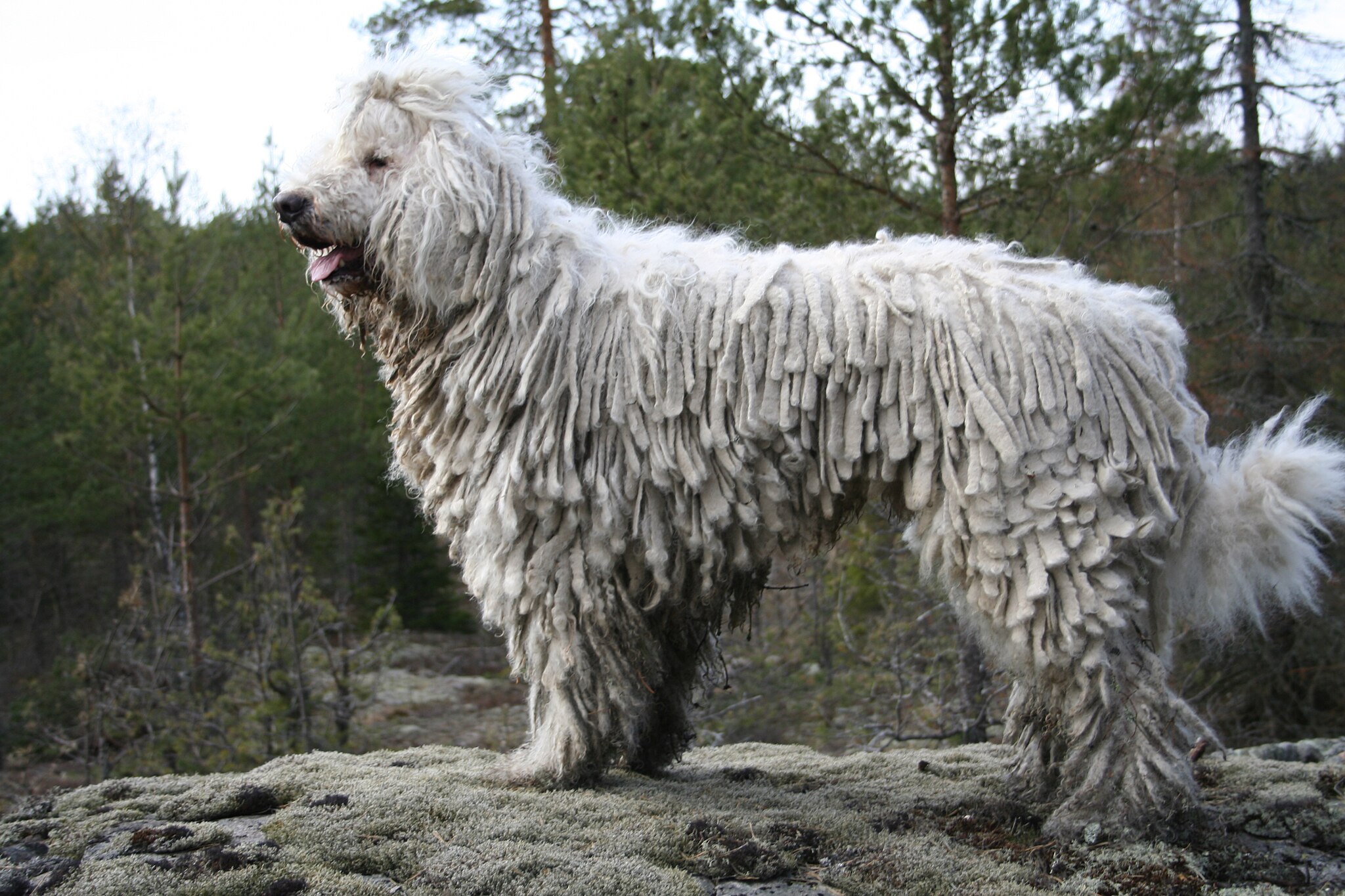
16. Komondor
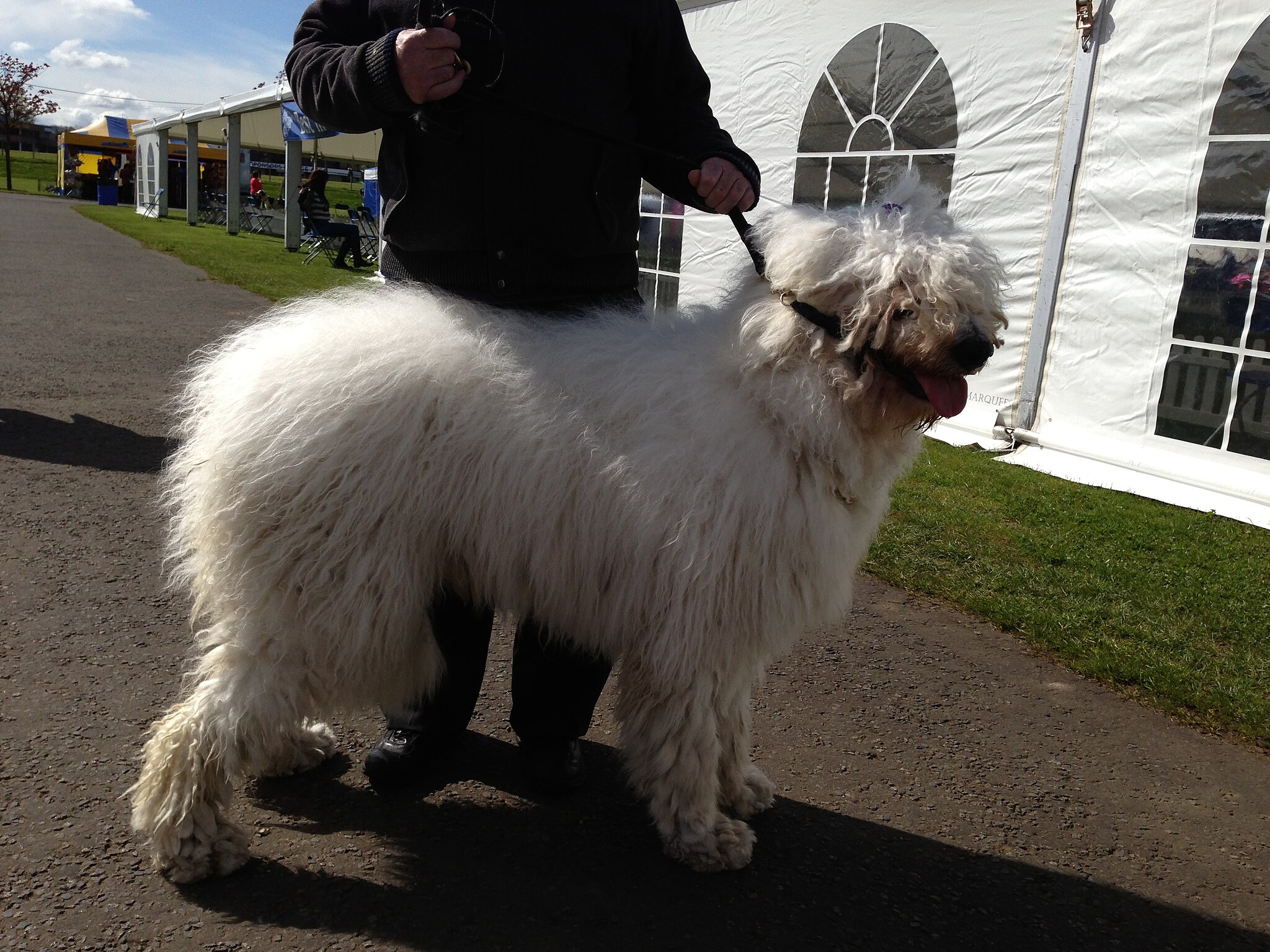
The Komondor is instantly recognizable because of its unique corded coat that resembles thick white ropes. This coat helped protect the dog while guarding livestock in harsh environments. However, maintaining that coat requires careful attention and patience, which discourages many modern dog owners. The cords must be separated and kept clean to avoid odor and matting. Komondors are also strong guardian dogs with protective instincts, meaning early training and socialization are essential. Because of these responsibilities, the breed is less commonly chosen today. Nevertheless, when placed with experienced owners, Komondors can be loyal and impressive guardians.
17. Scottish Deerhound
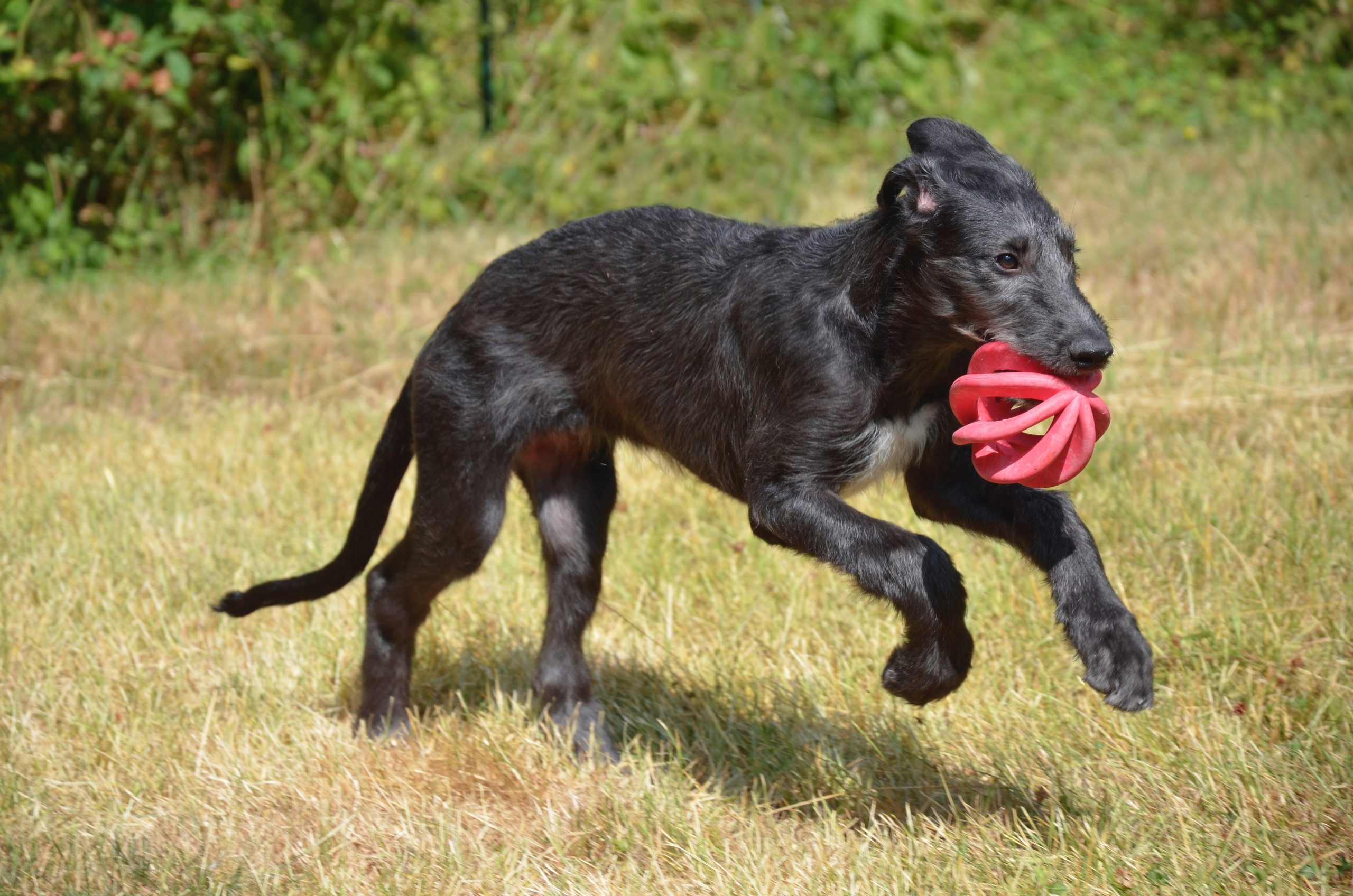
The Scottish Deerhound is a tall and elegant hunting breed that once pursued deer across open landscapes. These dogs have a calm, gentle temperament indoors but require space to move and run outdoors. Their large size and need for exercise make them less practical for many modern households. Additionally, the breed is relatively rare, and finding responsible breeders can be challenging. Grooming their rough coat is moderate but still requires attention. Because many families prefer smaller dogs with fewer space requirements, the Deerhound is not as commonly chosen today. However, those who own them often describe them as affectionate, quiet, and deeply loyal companions.
18. Great Pyrenees
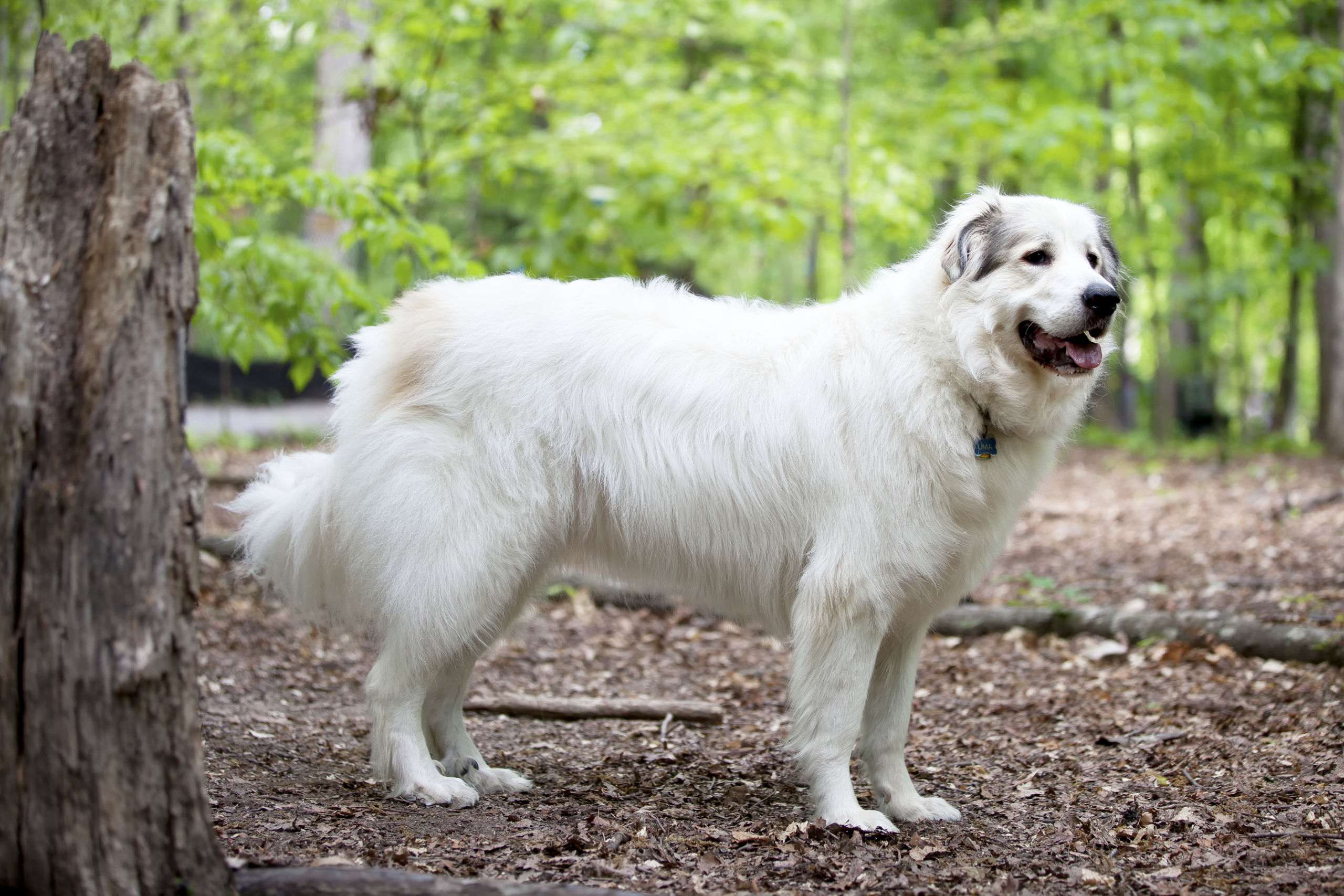
The Great Pyrenees was historically used to guard livestock in mountain regions. These dogs are calm and protective, but their strong guardian instincts can be challenging in suburban settings. They tend to bark to alert their families of potential threats, which may not suit quiet neighborhoods. Their thick coats also shed heavily and require regular brushing. Because they were bred to work independently, they may not always respond immediately to commands. These traits make them less appealing to first-time dog owners seeking an easy companion. Still, the Great Pyrenees is known for its patience, loyalty, and dedication to protecting its family.
19. Greyhound
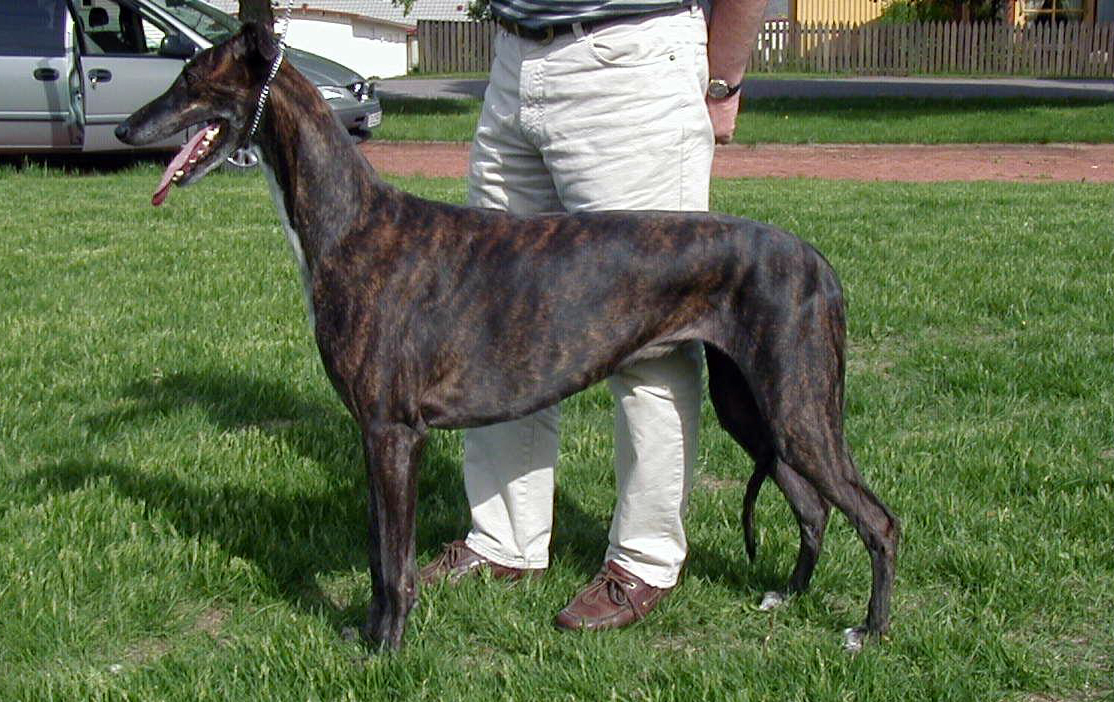
Greyhounds are often misunderstood. Many people assume they require constant intense exercise because of their racing history. In reality, they are quite calm and enjoy relaxing indoors. However, the breed has seen declining popularity partly due to misconceptions and changing attitudes around the racing industries. Greyhounds also have a strong prey drive, which means they may chase small animals if not carefully managed. Their thin coats make them sensitive to cold weather as well. Despite these factors, Greyhounds are gentle, affectionate, and surprisingly low-energy dogs that adapt well to calm homes once their basic needs are understood.
20. Shar Pei
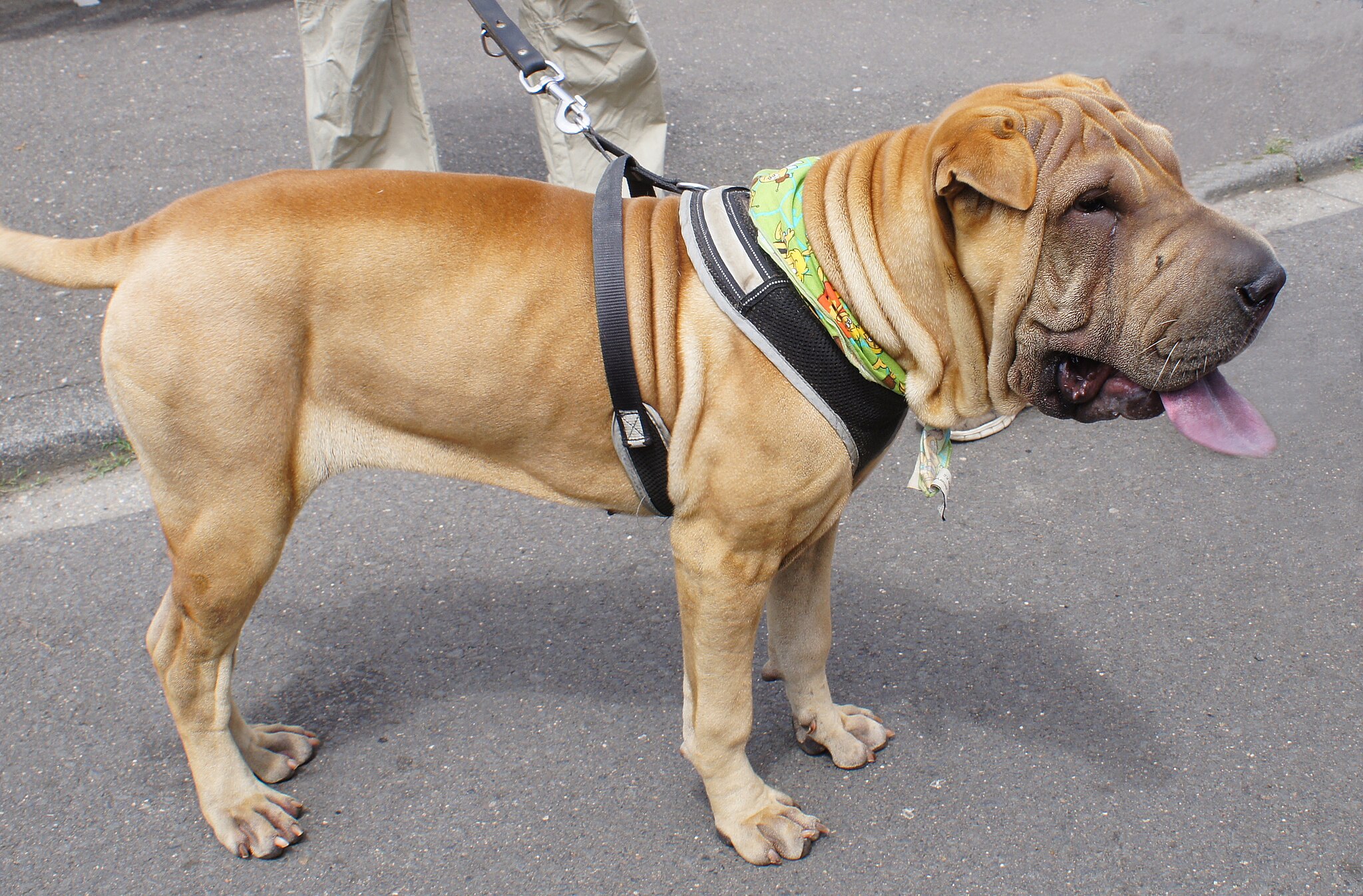
The Shar Pei is famous for its deep wrinkles and unique appearance. While once extremely fashionable, its popularity has decreased because the breed requires careful health and skin care. The folds in their skin must be kept clean and dry to avoid irritation or infection. Shar Peis can also be reserved with strangers and require early socialization to develop balanced behavior. Some lines of the breed have faced genetic health concerns as well. These responsibilities can discourage casual pet owners. However, Shar Peis remain loyal, calm companions that form strong bonds with their families when raised with proper care and attention.