It used to seem like a separate issue. Now, many hunters are finding out it is not.
How a public safety debate drifted into the hunting world

Magazine capacity limits were largely sold to voters as a response to mass shootings, not as a rewrite of deer camp traditions. In many states, the political language focused on urban violence, defensive firearms, and rifles associated with tactical use. Hunters often assumed those measures would stay in that lane, especially where long-standing game laws already regulated how many shells a shotgun could hold for migratory birds or certain big game seasons.
But legal text does not always respect political intent. Once a state writes a broad definition covering detachable magazines, semiautomatic rifles, or possession in the field, that language can reach firearms used for hogs, coyotes, predators, and in some cases even big game. Attorneys who follow firearms law have warned for years that overlap between criminal code and wildlife code is often discovered only after a hunter is stopped, cited, or tries to buy compliant gear.
The surprise comes from the fact that hunting regulations have traditionally been species-specific. A duck hunter expects a 3-shell plug rule. A deer hunter may know rifle caliber restrictions or antler-point requirements. What many do not expect is a general firearms statute, written outside the fish and wildlife process, suddenly dictating what magazine can be inserted into a lawful hunting rifle.
Why does broad legal language create unexpected consequences?
The problem usually starts with wording that sounds simple. A statute may ban possession of magazines over 10 rounds, or may restrict use of any semiautomatic firearm with a detachable magazine above a certain threshold. On paper, lawmakers may picture home defense carbines or high-profile rifles in suburban closets. In practice, the same wording can cover common hunting platforms chambered in .223, .308, 6.5 Creedmoor, or similar calibers.
That matters because modern hunting equipment has changed. Plenty of hunters now use AR-style rifles for varmints, feral hogs, and predator control, especially in states where landowners want fast follow-up shots and easy optics mounting. Others use traditional-looking semiautomatic rifles that accept detachable box magazines. The shape of the stock may look less controversial, but the legal issue is often the same: if the magazine exceeds the cap, the firearm may become unlawful to possess, transport, or use in certain settings.
State agencies are then left to interpret rules they did not write. Game wardens may enforce what the criminal code says, even if wildlife commissioners never debated the effect on coyote contests, night hunting, or nuisance animal permits. That disconnect is where confusion grows, and confusion in the field usually works against the person holding the gun.
Hunters are discovering that wildlife law and gun law do not always match.

Hunters are used to one kind of compliance and are now facing another. Wildlife rules often focus on fair chase, season structure, and harvest ethics. Gun laws, by contrast, can hinge on technical definitions, manufacturing dates, possession exemptions, and transport conditions. A hunter who is meticulous about tags, blaze orange, and land access can still trip over a magazine rule that was buried in a broader firearms package.
This mismatch becomes especially visible in states with layered regulations. One set of laws may allow a semiautomatic rifle for certain species, while another prohibits magazines above a fixed size, and a third may exempt possession at home but not necessarily while hunting on public land. According to state-level guidance issued in several jurisdictions over the past few years, even law-abiding owners have struggled to tell when an exemption applies and when it ends.
Enforcement can be uneven because local understanding varies. One officer may view a blocked magazine as compliant, another may question whether it is permanently modified, and a third may focus on whether the hunter crossed a county or state line. None of that uncertainty is theoretical if a firearm is seized during an investigation or if a hunting trip ends with a court date.
The states where this tension is becoming more visible
The issue is most visible in states that adopted broad magazine limits without writing hunting-specific carveouts clearly enough to avoid ambiguity. In parts of the Northeast and West Coast, hunters have spent years adapting to magazine caps while trying to sort out which rifles remain practical in the field. In other places, the friction is newer, especially where recent gun bills were passed quickly after high-profile shootings and the hunting implications got little public attention.
Colorado has become one of the commonly cited examples in public discussion, because its 15-round limit has long sat alongside a large hunting culture and widespread use of semiautomatic rifles for predators and hogs. California, New Jersey, New York, Washington, and others have had their own versions of the problem, each with different definitions and exceptions. The details vary, but the common thread is that hunters are often learning the rulebook through retailers, wardens, and lawsuits rather than through a clear legislative explanation.
Even in states without formal magazine bans, the debate is moving. Bills are introduced, agency authority is questioned, and advocacy groups on both sides test how far public sympathy extends when the affected gun owner is a hunter rather than a tactical shooter. That political shift matters because lawmakers who once treated these as separate constituencies are seeing them merge.
What supporters of limits say, and why opponents are not persuaded
Supporters of magazine limits argue that the policy is straightforward: fewer rounds available without reloading may reduce casualties in public attacks and may encourage a culture of restraint around rapid-fire semiautomatic weapons. Groups backing these laws often note that many hunters already operate under shell limits for certain game species, so capacity restrictions are not alien to sporting culture. To them, requiring smaller magazines in the field or in general possession is a manageable inconvenience, not a serious burden.
Hunters and gun-rights advocates answer that this comparison is too neat. A migratory bird plug rule is a game-management measure tied to harvest pressure and ethics, while a statewide magazine ban is a criminal law with broader constitutional implications. Opponents also point out that many hunting situations, especially predator control and hog management, involve multiple animals moving quickly, where capacity can matter for humane follow-up shots and effective land stewardship.
There is also a trust problem. Once lawmakers say, in effect, do not worry, this is not about hunters, and the law later affects hunters anyway, skepticism hardens. That is why even sportsmen who might tolerate narrow field rules often oppose broad statutes that can be expanded, reinterpreted, or unevenly enforced.
The practical impact on hunters, retailers, and state agencies
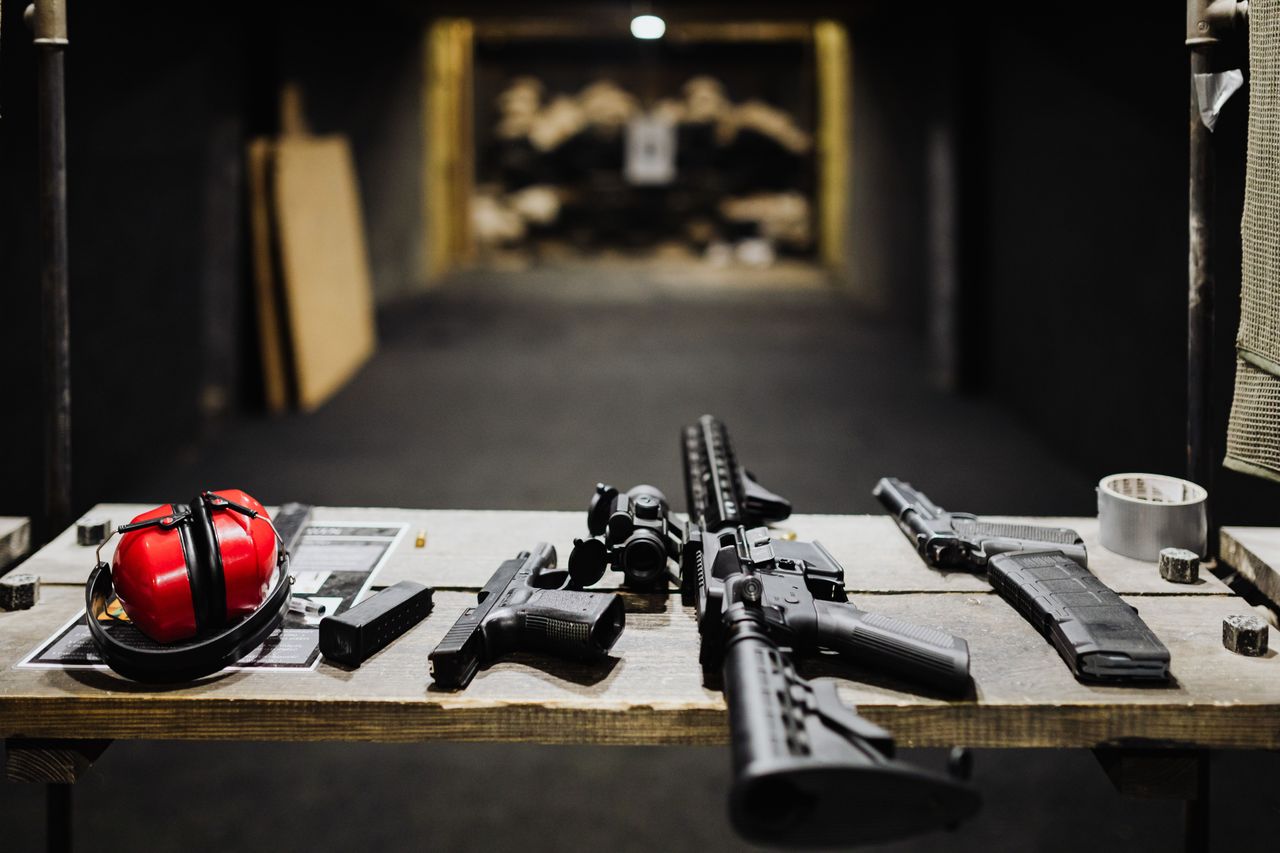
For hunters, the first impact is financial. Rifles that were legal and useful may now require lower-capacity magazines, permanent modifications, or replacement parts that are not always easy to find. A hunter planning trips across several states may need different compliance setups depending on where the hunt occurs, which adds cost and raises the risk of making a mistake.
Retailers face a different headache. Gun stores and sporting goods counters are increasingly asked to explain overlapping hunting and firearms rules, even though those rules may change through litigation, emergency guidance, or agency interpretation. A clerk selling a 5-round magazine for deer season may still struggle to answer whether a 10-round magazine is lawful for coyote hunting on private land under a separate statute. That uncertainty can chill sales and frustrate customers who thought they were buying standard gear.
State wildlife agencies are not eager participants in this fight either. Their mission is usually conservation, access, and enforcement of game laws, not resolving constitutional disputes over magazine definitions. Yet once broad firearms limits touch hunting, agencies are pulled into the controversy and pressured to clarify laws they may not control.
Where the debate is headed next
Expect more legal challenges and more demands for explicit carveouts. Hunters’ groups, conservation organizations, and state rifle associations are increasingly pushing legislatures to say clearly whether magazine limits apply in the field, to which species, and under what exceptions. The goal is not always full repeal. In many cases, it is simply to stop broad criminal statutes from swallowing hunting practices by accident.
Courts may play a larger role, too. Since recent major Second Amendment rulings reshaped how firearms regulations are evaluated, litigants have become more aggressive in challenging bans and restrictions once seen as politically settled. If a law burdens a class of commonly owned arms or standard magazines, attorneys are more likely to test whether the state can justify it under the current constitutional framework.
The larger lesson is that policy silos are breaking down. What begins as a public safety bill can end up changing predator hunting, equipment sales, and rural law enforcement. For lawmakers, the warning is obvious: if you say a law is not meant for hunters, the text had better prove it.