Walk into enough elk, deer, or mule deer camps and a pattern starts to emerge: amid the prestige brands and custom builds, the Weatherby Vanguard is still there. It is not always the loudest rifle in camp, but it keeps earning a spot through practical strengths hunters respect. From reliability to value, these are the reasons the Vanguard continues to punch above its reputation.
Reliability That Builds Trust Fast

In big game country, reliability is not a luxury item. Hunters want a rifle that works when the weather turns ugly, the elevation climbs, and the shot window lasts only a few seconds. The Vanguard has built a reputation for simply doing its job without drama, and that kind of predictability carries real weight in camp.
A lot of rifles look impressive on the rack, but camp loyalty usually comes from rifles that feed, fire, and extract cleanly year after year. The Vanguard keeps showing up because it has earned trust the old fashioned way. Hunters bring back what has already proven itself when the stakes are high and the trip is expensive.
Accuracy That Feels Honest
The Vanguard’s appeal starts with a simple promise hunters can appreciate: practical accuracy that shows up on paper and in the field. It is not marketed as magic, and that may be part of its charm. When a rifle consistently groups well with the right load, word spreads quickly among people who actually hunt.
That kind of accuracy feels honest because it does not demand endless tinkering to become useful. For many owners, the rifle shoots well enough straight from the box to inspire confidence before opening day. In camp, confidence matters almost as much as raw performance, and the Vanguard tends to deliver both without much fuss.
A Price That Leaves Room for the Hunt
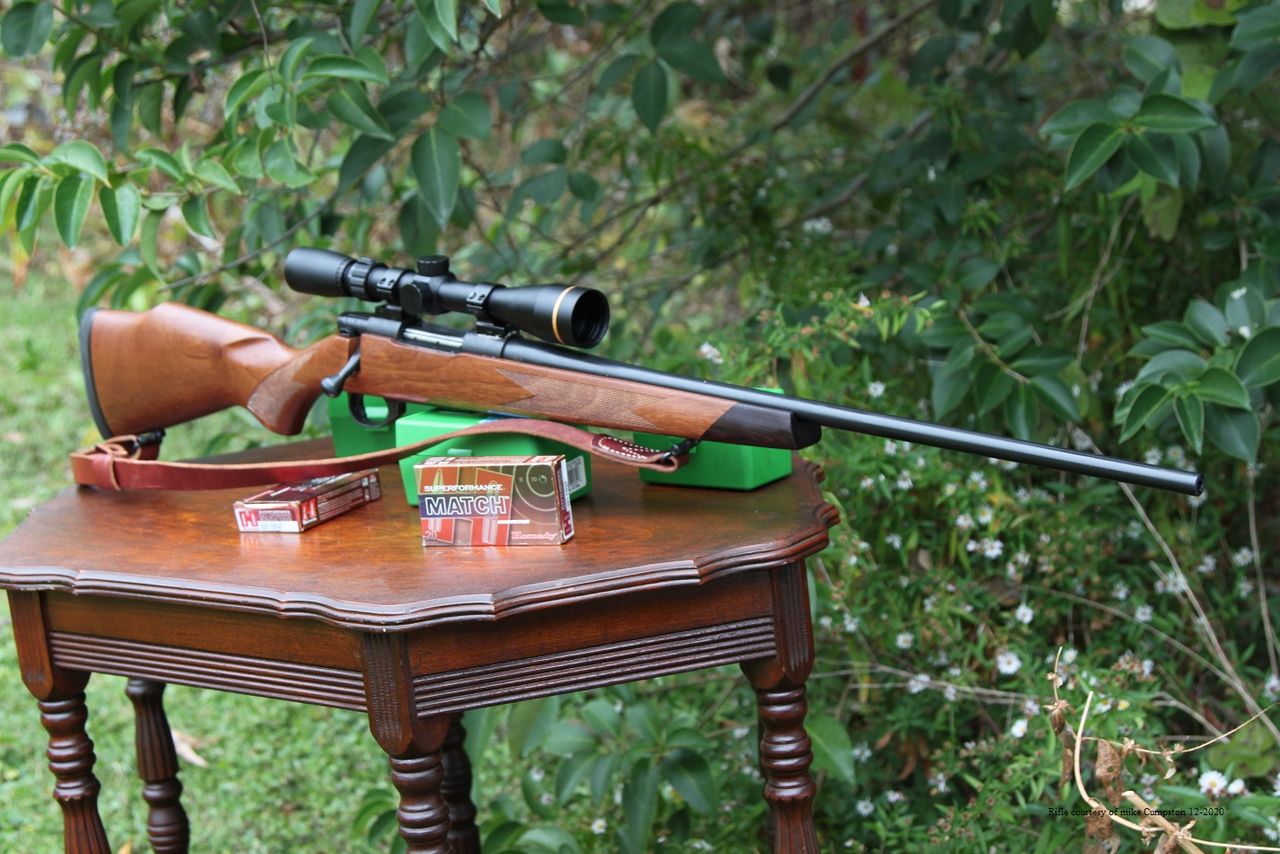
One reason the Vanguard survives in camps full of premium names is simple economics. Big game hunting is expensive before the rifle ever comes out of the case. Tags, travel, optics, fuel, boots, packs, and time off work all compete for the same budget, so a rifle that performs well without draining the wallet earns immediate respect.
Hunters often talk about value in practical terms, and the Vanguard fits that conversation perfectly. It gives people a dependable platform without forcing painful compromises elsewhere in the gear list. That means more money for good glass, more ammunition for practice, or maybe even one more hunt on the calendar.
Enough Options Without Getting Overcomplicated
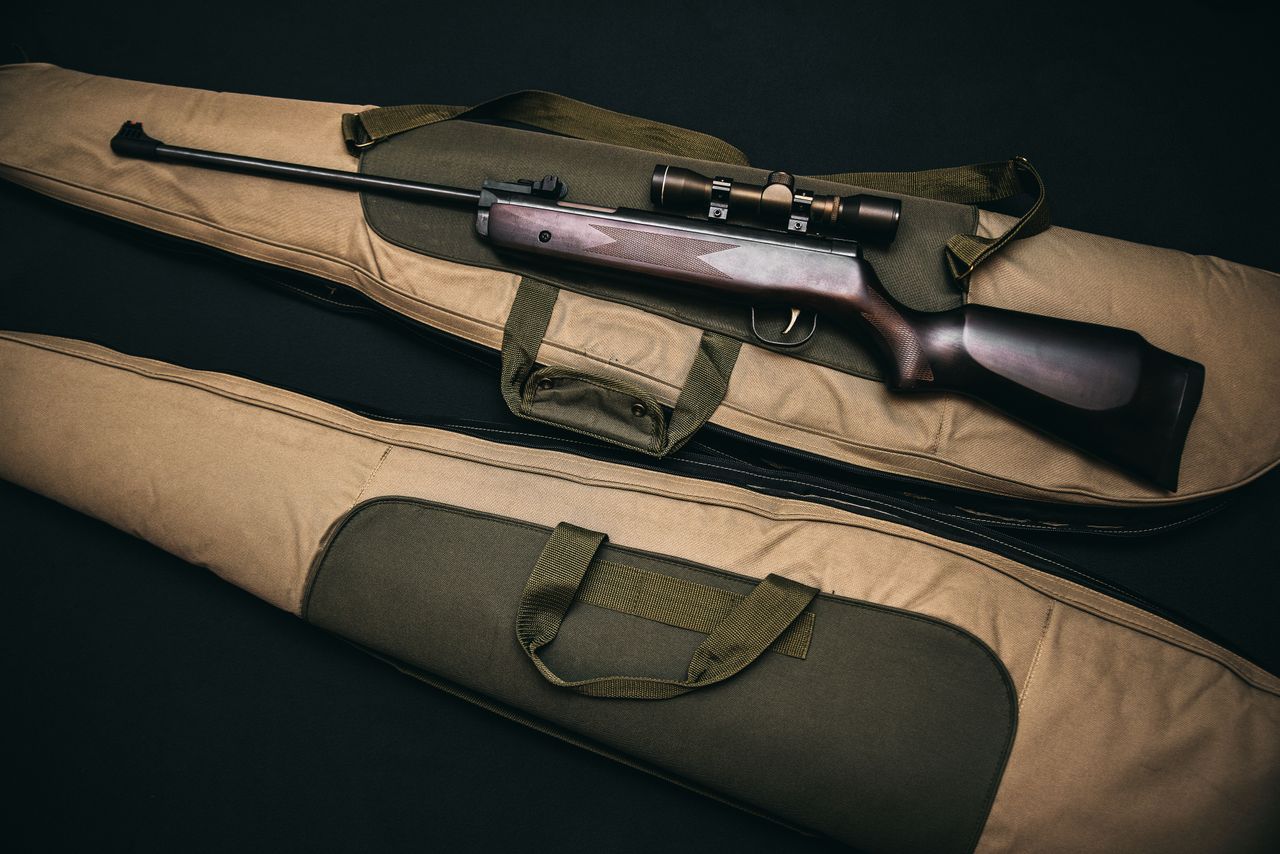
The Vanguard has been offered in a range of chamberings and configurations that make sense for real hunting. That matters more than flashy catalog language. Whether someone is chasing whitetails in the timber, mule deer in open country, or elk in steep terrain, there is usually a version that fits the job without turning the buying process into a puzzle.
That balance is a quiet advantage. Hunters like choices, but they also appreciate clarity, and the Vanguard tends to sit in that sweet spot. It offers enough variety to feel tailored, while still remaining a straightforward rifle families, outfitters, and camp regulars can recommend without a long explanation.
A Design That Feels Familiar in the Field
There is real comfort in a rifle that feels intuitive the moment you shoulder it. The Vanguard does not ask hunters to learn a quirky manual of arms or adapt to a strange personality. It handles like a hunting rifle should, and that familiarity counts when adrenaline starts climbing and the terrain is working against you.
In camp, familiar designs often outlast trendier ones because they reduce friction. The bolt throw, the overall balance, and the straightforward controls make the rifle approachable for a wide range of shooters. That ease of use translates into better practice sessions, smoother field handling, and fewer distractions when the moment finally arrives.
Stocks and Finishes Built for Hard Use
Big game camps are not gentle environments. Rifles get bounced in trucks, dragged through brush, leaned against wet timber, and packed over ridges where every ounce of abuse seems possible. The Vanguard keeps appearing because many hunters see it as a rifle they can actually use hard, not just admire when conditions are perfect.
Durable finishes and practical stock options give it a kind of working credibility. A rifle that can collect a few scratches without causing heartbreak is often more likely to be carried often and shot well. In that sense, the Vanguard fits the culture of hunters who care more about performance in rough country than showroom perfection.
Manageable Recoil in Real Hunting Setups
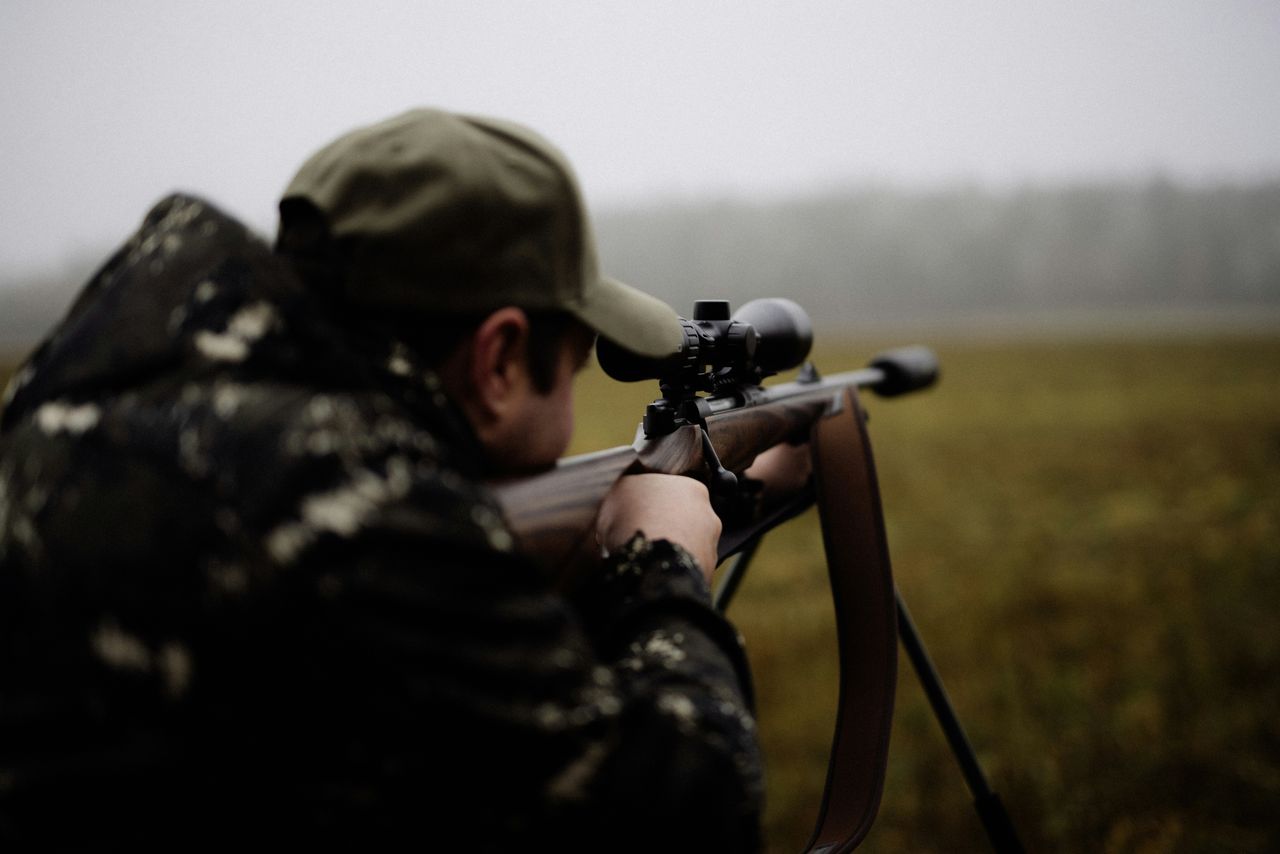
A rifle can look great on paper and still be unpleasant enough that owners avoid practicing with it. The Vanguard’s configurations often land in a practical middle ground, where shootability matters as much as power. For many hunters, that means a rifle they are willing to train with before season instead of merely tolerating on opening day.
That matters because big game success usually comes down to calm execution, not cartridge bragging rights. A manageable rifle helps shooters stay consistent from the bench to field positions. When hunters know they can place a shot cleanly without fighting the gun, that confidence tends to follow the rifle back to camp year after year.
It Pairs Well With Better Optics
The Vanguard often ends up in serious camps because it frees hunters to spend wisely on glass. That is a bigger factor than many casual observers realize. In low light, across canyons, or at the edge of legal shooting time, quality optics can matter just as much as the name stamped on the receiver.
A rifle that shoots well and leaves room in the budget for a strong scope starts looking like a very smart package. Hunters know a balanced system beats an expensive rifle topped with mediocre glass. The Vanguard has long benefited from that logic, especially among people who prioritize seeing clearly and aiming precisely in demanding conditions.
Word of Mouth Keeps It in Circulation
Some rifles keep selling because of advertising, while others keep traveling by recommendation. The Vanguard has benefited from the second route for years. In hunting circles, one successful season often turns into a campfire endorsement, then a loan to a friend, then another rifle purchased by someone who values a trusted opinion over marketing noise.
That kind of reputation is hard to fake and slow to disappear. Big game hunters tend to remember what worked for the guide, the uncle, or the buddy who always seems to fill a tag cleanly. The Vanguard’s staying power owes a lot to those quiet testimonials repeated across seasons, camps, and generations.
It Delivers Without Demanding Attention
Maybe the biggest reason the Vanguard keeps showing up is that it does not need to dominate the conversation to justify its place. It is a rifle many hunters buy to use, trust, and keep, not one they constantly explain. In a world full of prestige branding, that quiet competence stands out more than people expect.
At big game camp, status matters less once boots hit the ground and the weather turns. What counts is whether a rifle comes to the shoulder naturally, prints where it should, and performs when a hard earned opportunity appears. The Vanguard has stayed relevant because it keeps doing those things, even when bigger names get more of the spotlight.