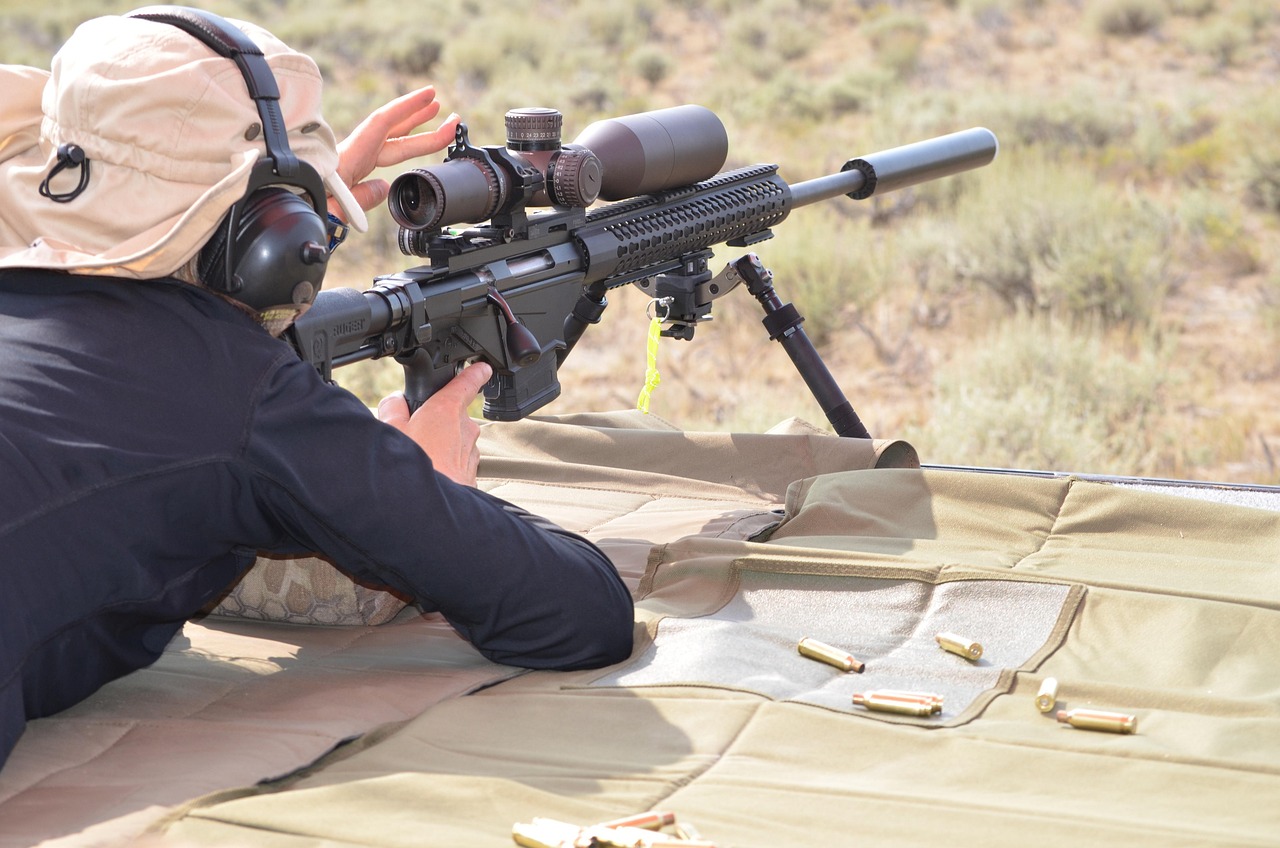
Premium rifles always spark the same question: are they really worth it in the field? For hunters who switched to Christensen Arms, the answer often comes down to a mix of weight, accuracy, handling, and confidence when the shot matters most. Here are the real-world traits owners point to when explaining why the higher price started to make sense.
The weight savings are noticeable on real hunts

Hunters who move to Christensen Arms often talk about the first long climb, not the first range day. Shaving meaningful weight from a rifle setup matters when you are side-hilling, packing extra layers, or carrying meat out after dark. In that context, ounces stop feeling theoretical very quickly.
What owners seem to appreciate is that the lighter carry does not automatically feel flimsy. The rifle still presents as a serious hunting tool, not a compromise piece. For many switchers, that balance between reduced burden and field-ready confidence is one of the clearest reasons the price starts to feel justified.
Accuracy feels premium, not just advertised

A higher-end rifle has to do more than look sharp on paper, and owners regularly point to consistency as the real separator. They describe rifles that settle into repeatable groups with quality hunting loads and stay predictable from one outing to the next. That kind of behavior builds trust fast.
For hunters, the value is not about bragging rights at the bench. It is about knowing the rifle will place a bullet where expected when the shot window is short and nerves are elevated. Many who made the switch say the confidence that comes from dependable accuracy is one of the biggest reasons they stopped second-guessing the cost.
Carbon fiber construction changes the feel

Even people who are not gear obsessives tend to notice the difference when they pick up a Christensen Arms rifle. The carbon fiber barrel and stock styling are part of the appeal, but hunters usually talk more about the overall handling than the look. The rifle feels modern, balanced, and purpose-built for carrying miles.
That tactile impression matters because premium purchases are emotional as well as practical. Owners often say the rifle feels like a serious step up the moment it comes to the shoulder. In their minds, the material choices are not there for marketing alone. They are part of what gives the platform its distinctive blend of lightness, rigidity, and refinement.
They balance well with a hunting scope attached

A lot of rifles feel one way bare and another once you mount a real hunting optic. Switchers often mention that Christensen Arms rifles still carry and point nicely after adding glass, rings, and a loaded magazine. That matters because the rifle you hike with is the rifle you actually use, not the stripped-down catalog version.
Good balance shows up in subtle ways. It is easier to come on target smoothly, easier to settle in from awkward terrain, and less fatiguing when you spend all day with the gun in hand. Hunters who notice that difference tend to describe it as premium design doing exactly what the price suggests it should do.
Recoil management helps people shoot better

Hunters who justify the expense often bring up something simple: they shoot these rifles well. A lighter rifle can sometimes punish the shoulder, but owners say Christensen Arms models often feel more controlled than expected, especially in practical field positions. When recoil feels manageable, follow-through tends to improve too.
That does not just benefit comfort at the range. It can help a hunter stay composed for a quick second shot or keep sight picture through impact. For people who moved from harder-kicking setups, the upgrade feels less like luxury and more like improved usability. In their experience, better recoil behavior translates into better shooting habits when it counts.
The fit and finish stand out immediately

Plenty of hunters admit that part of the appeal is visual, but they are usually talking about execution, not flash. The machining, coatings, stock work, and overall assembly tend to read as clean and deliberate. Owners often say the rifle looks and feels like a premium product from the first time they handle it.
That impression can shape how people value the rifle over time. When a gun feels carefully made, buyers are more likely to trust it and keep it longer. For switchers, the finish quality is not the whole story, but it reinforces the sense that the extra money went into details they can actually see, touch, and appreciate every season.
They are built for rough weather and hard use

Backcountry hunters rarely baby rifles, and many say that is where Christensen Arms starts to earn its keep. Snow, dust, mud, steep terrain, and temperature swings are part of the job. Owners often describe wanting a rifle that can ride in trucks, scabbards, and wet packs without feeling like a delicate safe queen.
The value here is peace of mind. Hunters who made the switch tend to believe the materials and build are better suited for ugly conditions than more traditional setups. When you are miles from camp and weather turns sour, durability is not an abstract talking point. It becomes one of the easiest ways to justify paying more upfront.
Factory rifles can feel custom-adjacent
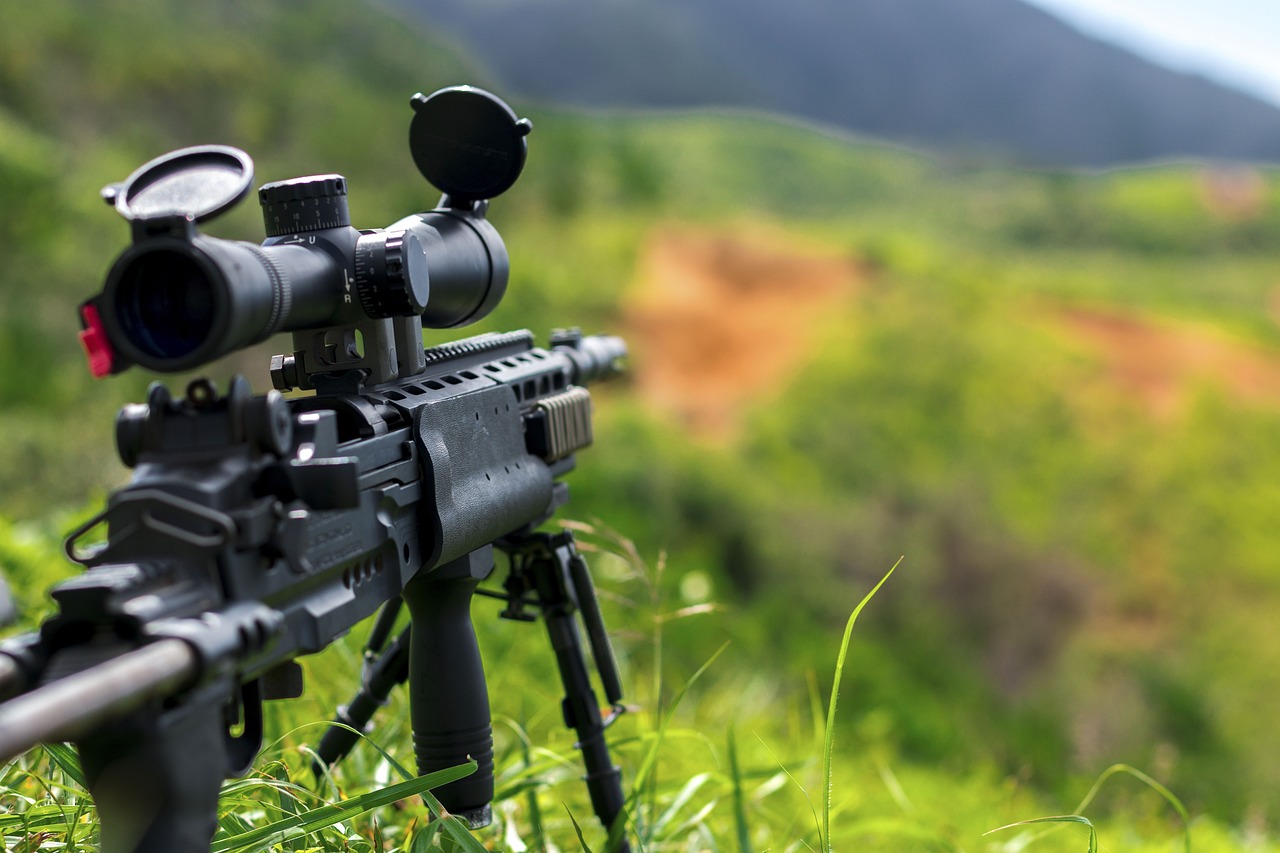
One reason premium production rifles attract attention is that they can offer a near-custom experience without the full custom process. Hunters who switched often say Christensen Arms gave them a more elevated feel right out of the box, from the stock design to the action smoothness to the way the rifle behaves once zeroed.
That matters for buyers who do not want to chase upgrades piece by piece. Instead of replacing stocks, rethinking barrels, or fine-tuning every component later, they feel like they started closer to the finish line. For many owners, that reduced urge to modify the rifle is a surprisingly important part of how they justify the initial price.
Confidence in the field is the real payoff
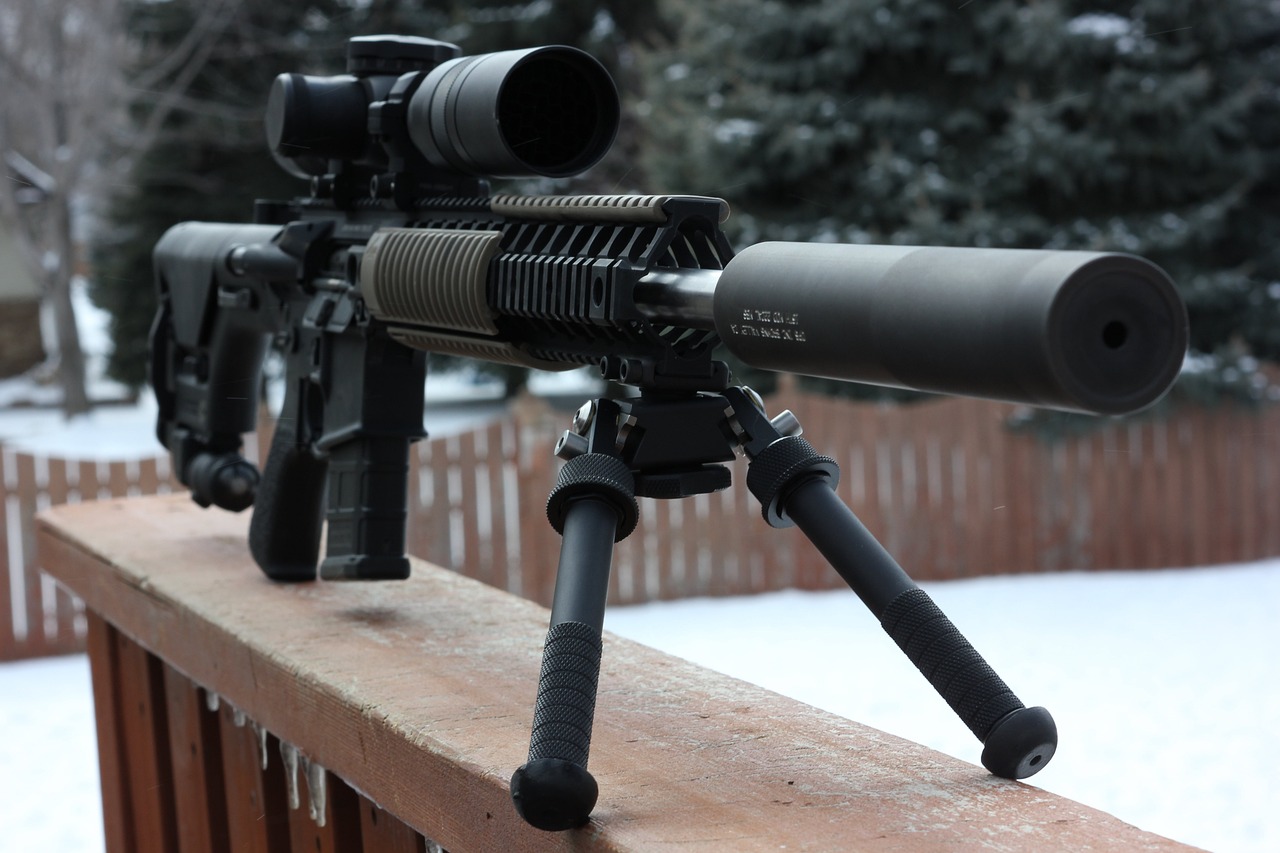
Ask hunters why they stay loyal after the switch, and the answer often becomes less technical. They trust the rifle. It carries easier, shoots where expected, and feels ready when a fleeting opportunity appears across a canyon or through timber. That accumulated trust is hard to assign a dollar amount to, but owners clearly try.
In practical terms, confidence reduces hesitation. Hunters are more willing to take a stable shot, more likely to pass on a bad one, and generally calmer because the rifle is not a question mark. For many people, that mental clarity is the premium feature they value most, even if it is the hardest one to advertise.
Resale value and long-term satisfaction help soften the hit

Even hunters who love premium gear notice the sticker shock, and many admit they justified it by thinking beyond a single season. A rifle that remains desirable on the secondary market and stays enjoyable to own year after year feels different from an impulse buy. Owners often frame the expense as an investment in a rifle they plan to keep.
That long-view mindset changes the math. If the rifle performs well, holds appeal, and prevents the cycle of buying and upgrading several cheaper options, the price can feel less extreme over time. For switchers, the cost is still real, but the satisfaction curve is what ultimately makes the decision feel smart.