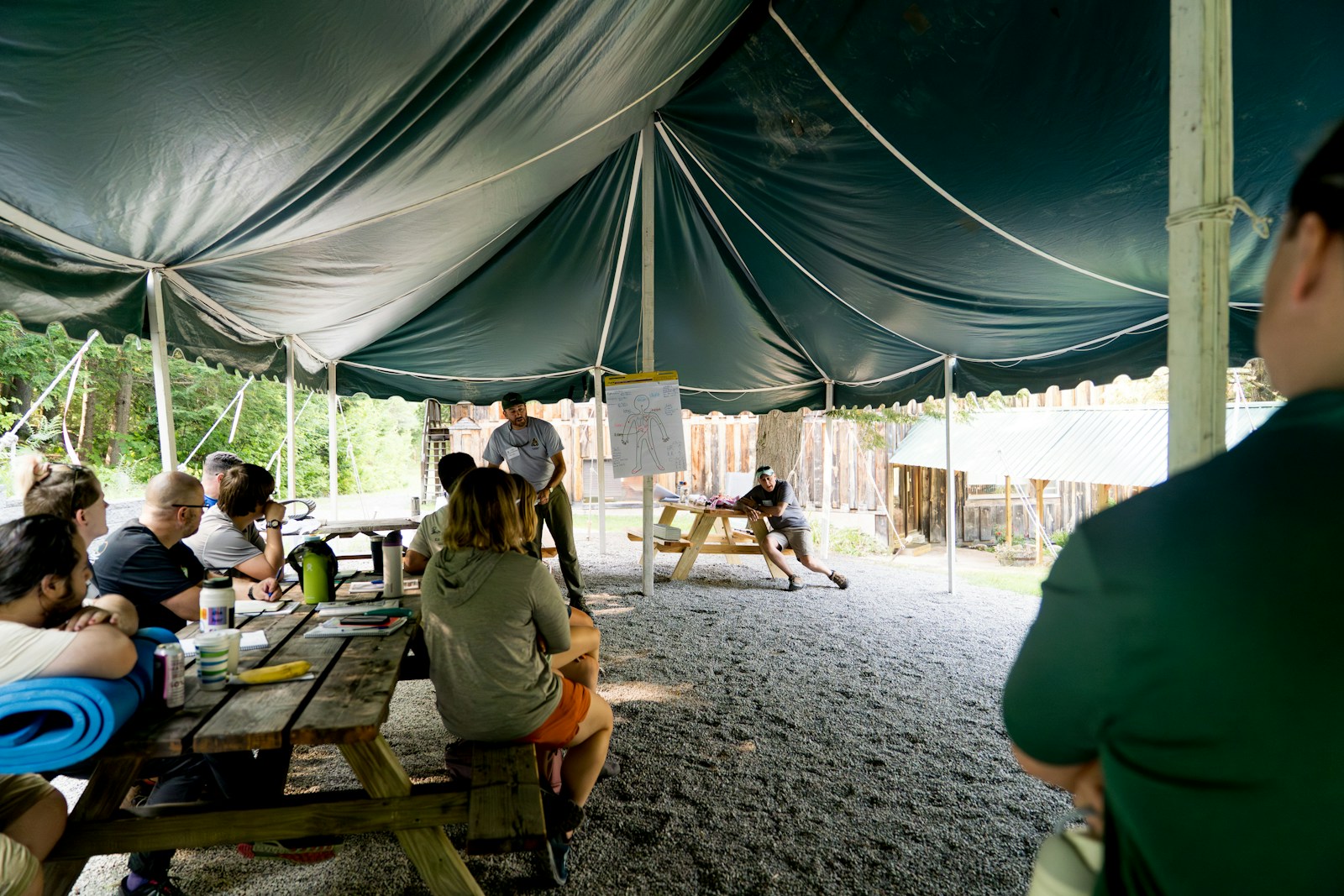
You can transform your next camping trip into a hands-on learning adventure by practicing bushcraft skills that connect you more deeply with nature. Bushcraft focuses on self-reliance, creativity, and understanding the outdoors, turning your campsite into both shelter and school. Whether you’re building fires, crafting tools, or foraging safely, these simple activities teach survival skills and mindfulness. With a little curiosity, your camp becomes a space for discovery and confidence.
Master Fire Building
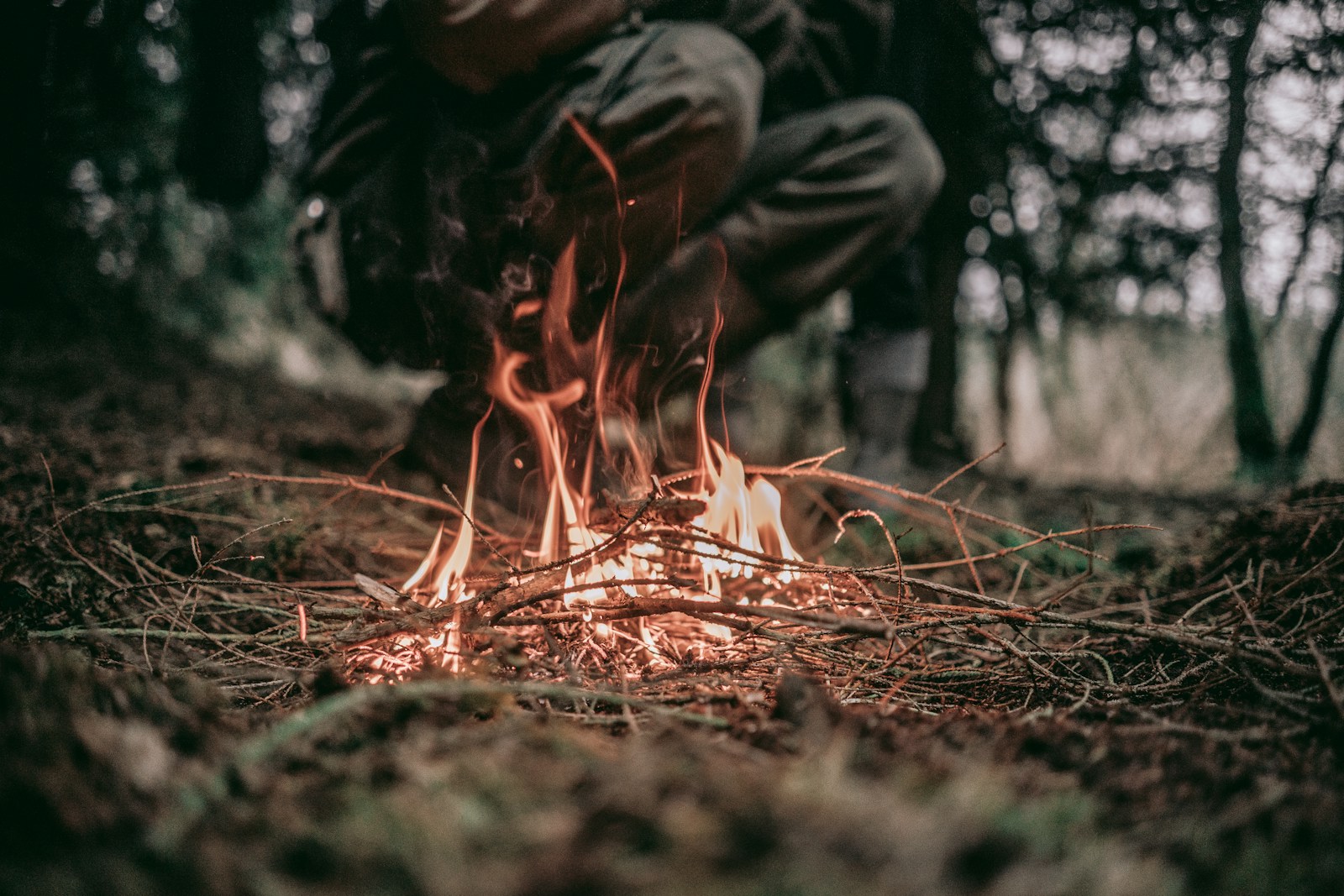
You should start by learning how to build a reliable campfire using natural materials. Gather dry wood, kindling, and tinder, then create a structure that encourages steady airflow. Practicing fire-starting with flint or friction teaches patience and technique. Once mastered, you’ll gain both warmth and an essential outdoor survival skill.
Learn Shelter Crafting
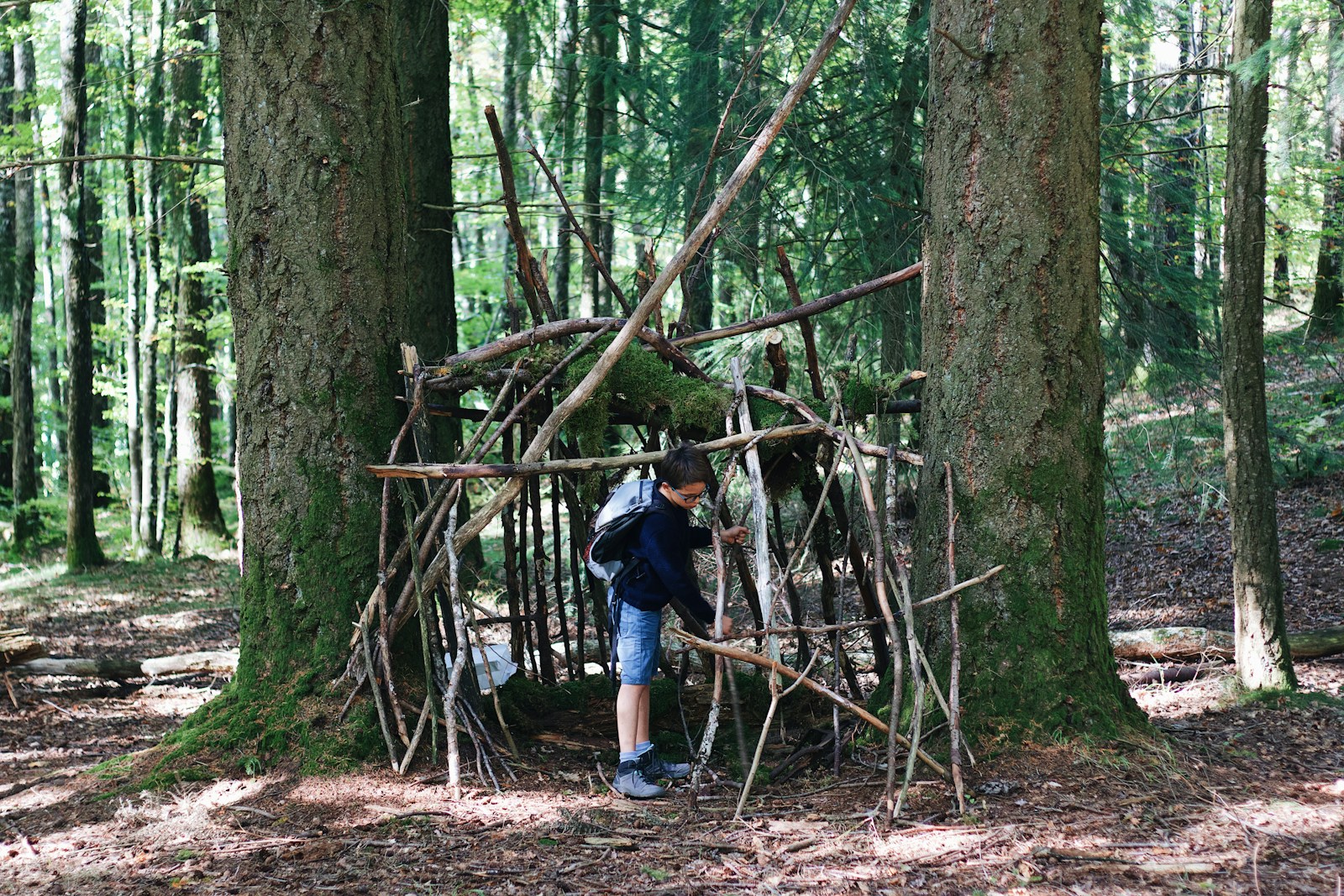
You can practice building a basic shelter using branches, leaves, and rope to stay protected from wind or rain. Start with a simple lean-to or debris hut that uses available resources efficiently. This activity sharpens problem-solving and spatial awareness. Creating your own shelter connects you to nature’s rhythm while enhancing your self-sufficiency outdoors.
Forage for Wild Edibles
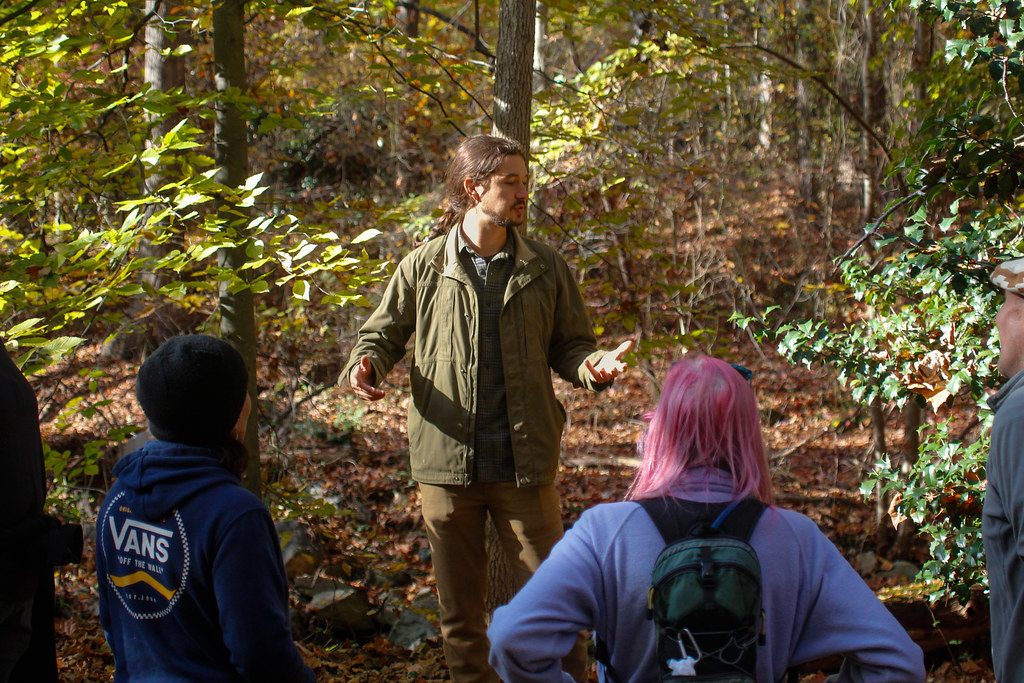
You should explore safe foraging by identifying local plants and edible roots near your camp. Use a field guide to ensure you collect only safe, sustainable options. Learning what nature offers teaches respect for ecosystems and provides valuable outdoor knowledge. Even sampling a few wild herbs can make your camping meals more exciting.
Craft Tools from Nature
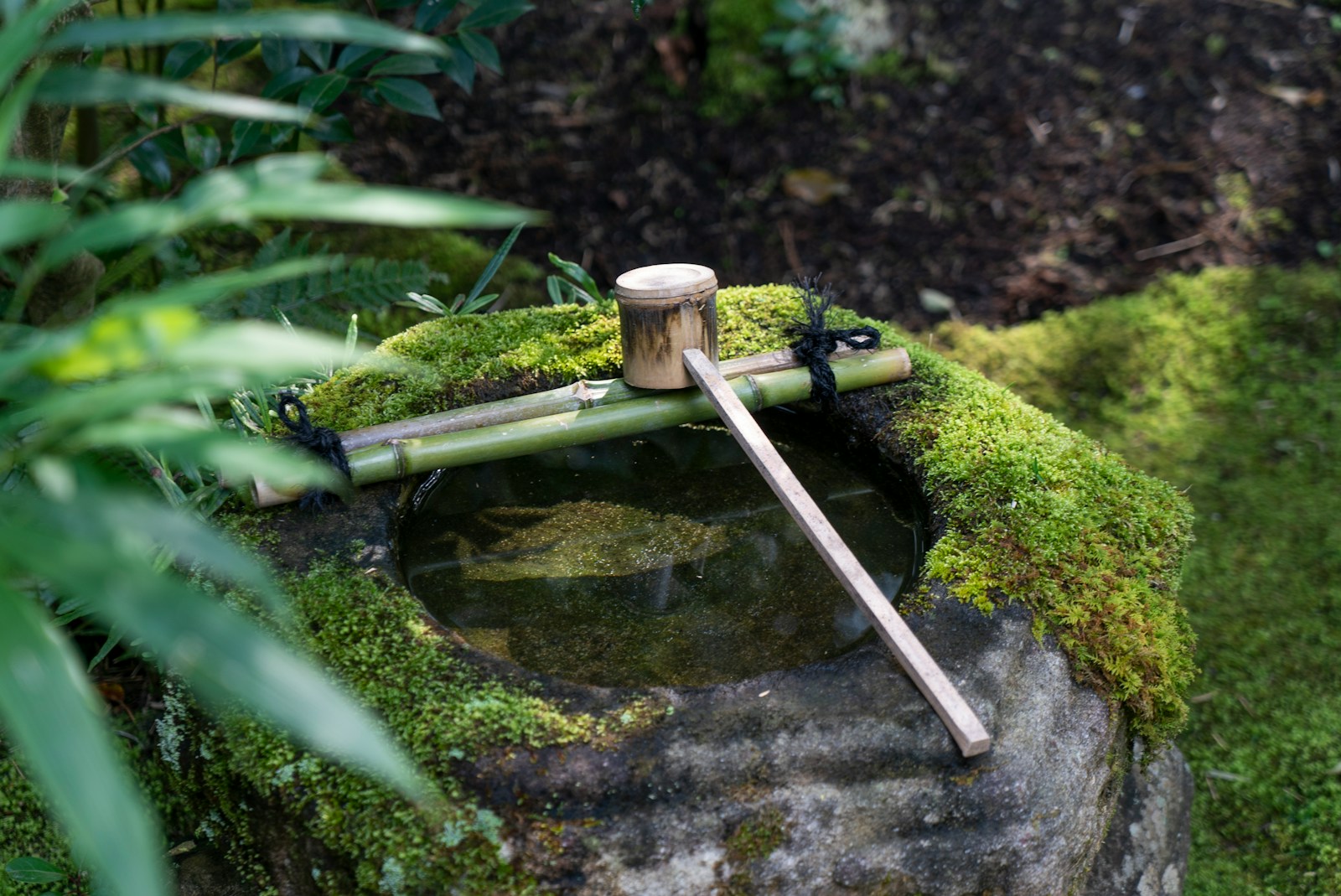
You can challenge yourself by making simple tools from wood, stone, or bone. Carving a spoon, tent peg, or small knife handle improves your focus and dexterity. Always prioritize safety and precision. Using your creations during the trip brings a sense of accomplishment and appreciation for traditional craftsmanship.
Practice Knot Tying
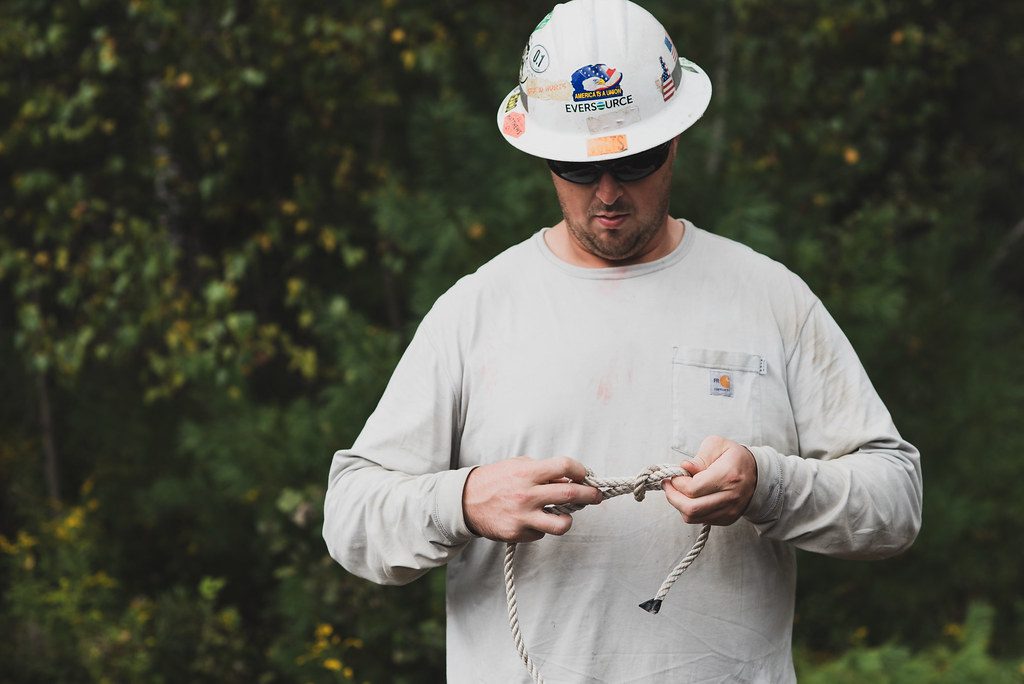
You should strengthen your camping setup by mastering essential knots used for shelter, cooking, and gear. Learn basic ones like the bowline, square knot, and clove hitch. Practicing with rope or paracord boosts coordination and problem-solving. These skills make your campsite safer and more efficient while teaching practical wilderness techniques.
Track Animal Signs
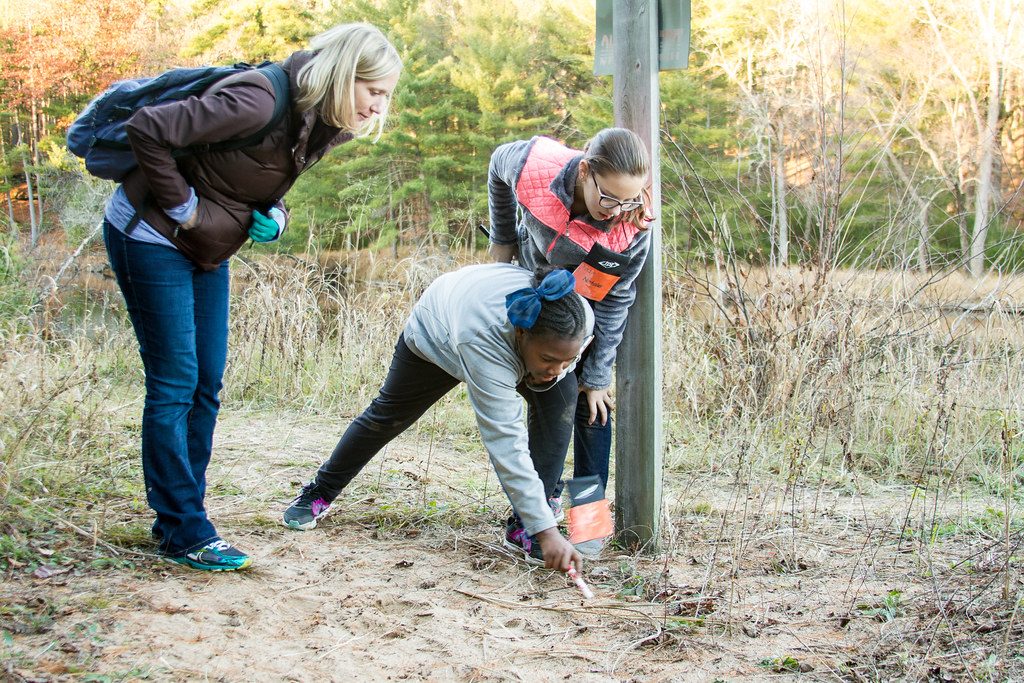
You can enhance your observation skills by studying animal tracks and signs near your camp. Look for footprints, scat, or feeding marks to learn which creatures share your surroundings. Understanding patterns helps you respect wildlife boundaries. It’s a fascinating way to read nature’s clues and appreciate the hidden life around you.
Purify Water Naturally
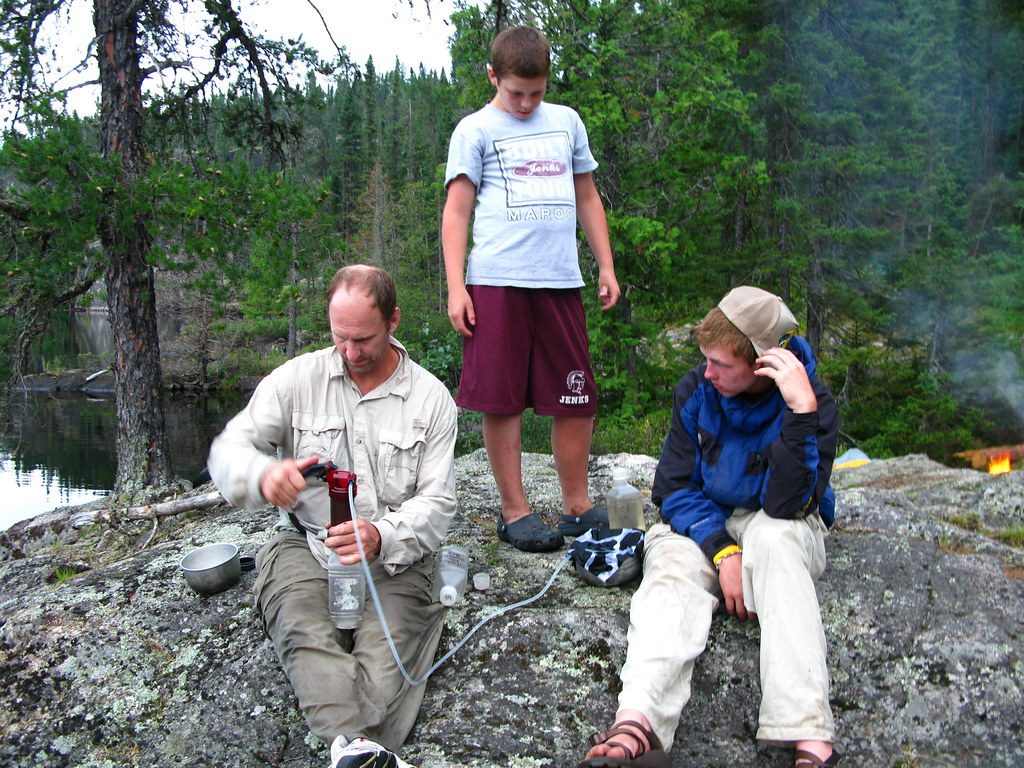
You should learn how to purify water using basic methods like boiling, filtering through sand and charcoal, or using portable purifiers. These techniques ensure hydration while reducing reliance on stored supplies. Practicing water purification builds confidence in handling unexpected situations and reinforces the importance of preparedness in the wild.