Over the past few decades, Michigan has seen a steep drop in the number of deer hunters. From around 1995 to 2023, the state reportedly lost about 200,000 hunters, roughly a 30 percent decline. This isn’t only a matter of fewer licenses sold: the reasons range from demographic shifts to land-access barriers to changing cultural interests. Understanding each factor helps reveal how hunting traditions and wildlife management are both affected.
Aging Hunter Population
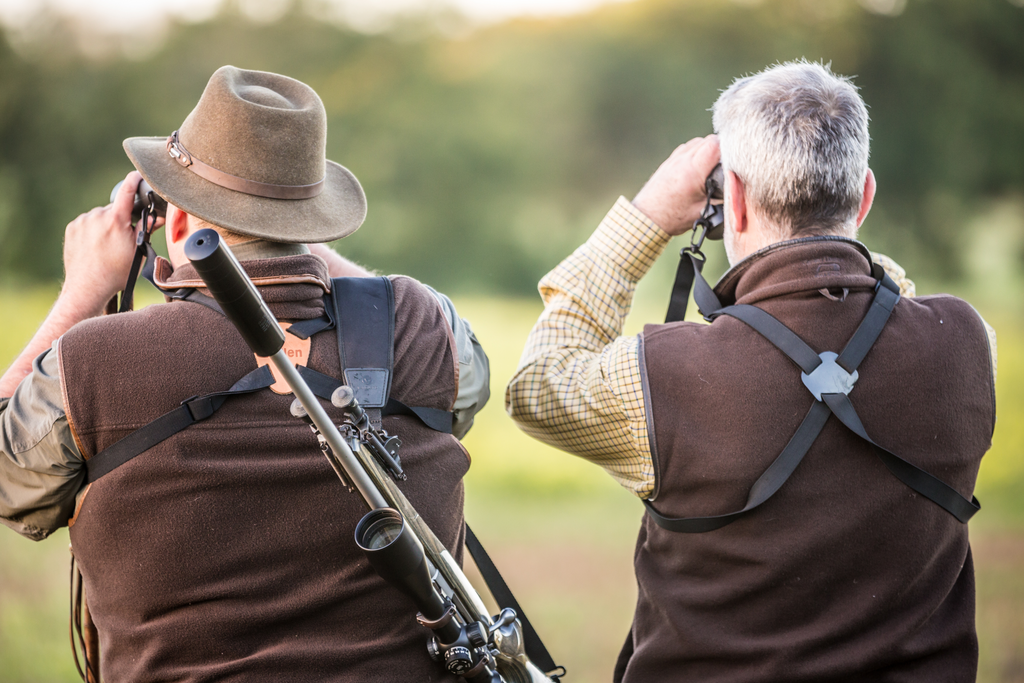
One of the clearest drivers is the aging of the hunter base. Many longtime hunters are retiring, slowing down, or no longer able to commit to early-morning treks and heavy gear. Younger people aren’t entering the sport in enough numbers to replace them. Many face time constraints, mobility changes, or different priorities, which contribute to the net loss of active participants in deer hunting across Michigan.
Fewer Young Hunters Entering the Sport
The pipeline of youth becoming hunters has weakened. State officials cite younger folks juggling multiple commitments, school, jobs, travel, and many moving away from rural areas where hunting is more common. Without early mentorship, strong traditions, and designated access, fewer teenagers and twenty-somethings pick up deer hunting. That leads to long-term decline since once people don’t start early, they often never engage.
Access to Private Land is Limited
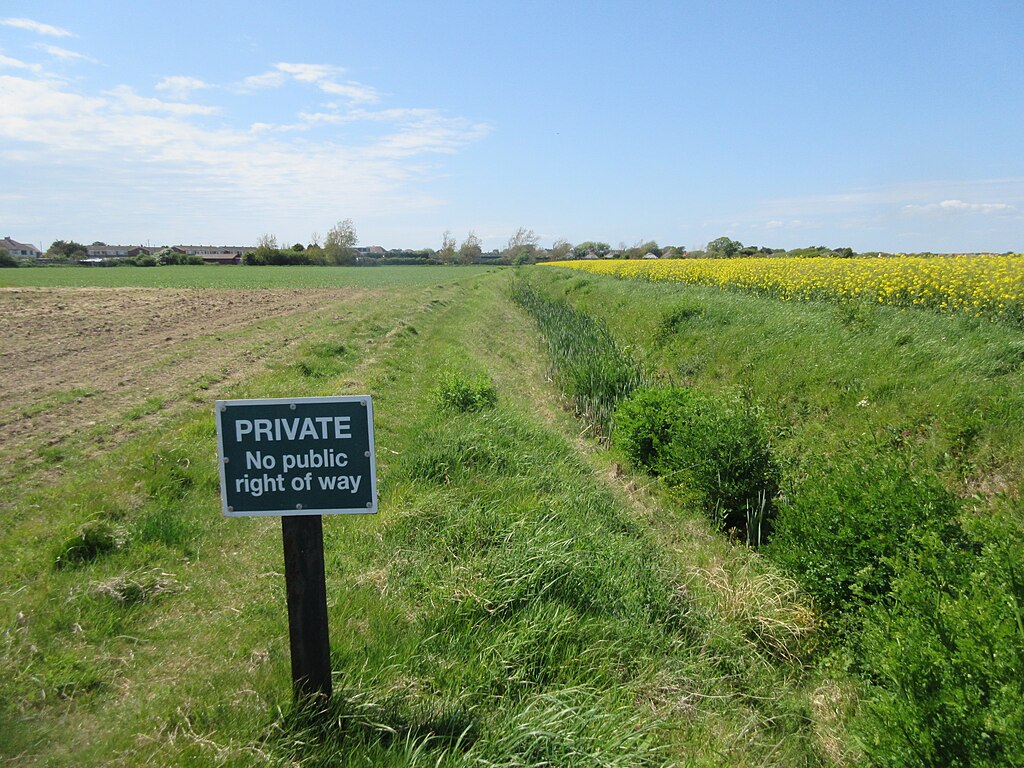
Hunting in Michigan often depends on access to private land, leases, or good public-land spots. Many new hunters report difficulty finding suitable terrain or navigating permissions and leases. When access is challenging, the barrier to entry becomes high, especially for newcomers without established family connections. Reduced access discourages participation and contributes to the broader decline.
Changing Recreation Preferences
Modern lifestyle trends mean more competition for outdoor time: travel, technology, alternative recreation, and urban living all compete with hunting. Younger generations might prefer other activities over early-morning sits in freezing weather. This cultural shift erodes the hunting tradition and reduces the number of people willing to jump into deer hunting, especially in states like Michigan with large rural areas needing support for participation.
Funding and Longer Seasons Strained
As hunter numbers decline, license sales and associated funding shrink. Michigan’s wildlife budget and management programs rely heavily on revenue from licenses, tags, and equipment-related taxation. With fewer participants contributing, the resources available to promote hunting, manage deer populations, and improve access diminish, creating a feedback loop that discourages new entrants.
Increased Deer Populations & Reduced Hunting Success

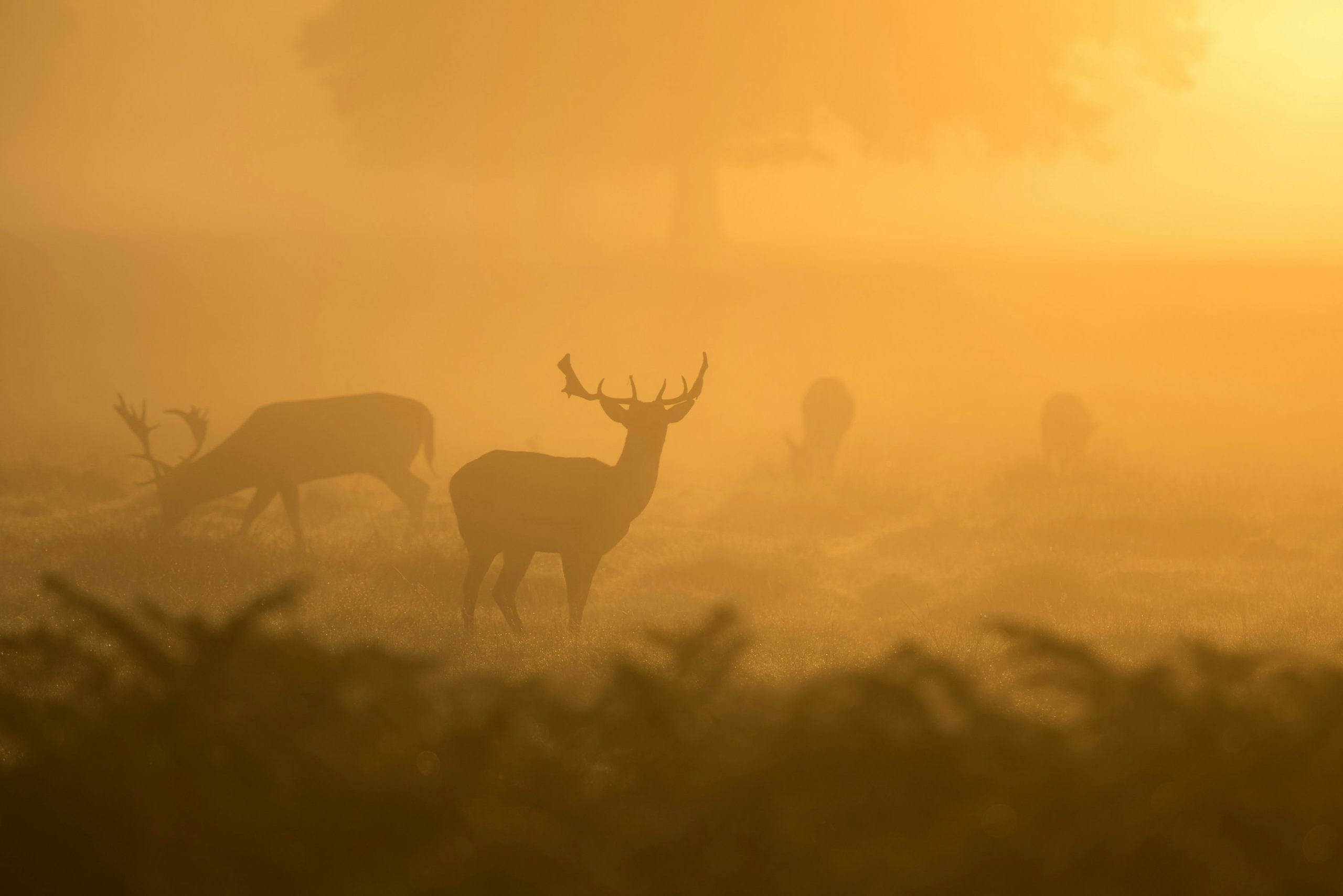
In some parts of Michigan, the deer population has grown because fewer hunters are managing it. As deer numbers increase, hunters may perceive reduced success or shifted conditions (such as fewer trophy bucks), which can discourage them from returning. Lower success rates and changing herd dynamics make the hunting experience less attractive for many, further reducing the base.
Regulatory and Seasonal Changes
Hunting regulations and season structures have evolved, sometimes in ways that raise barriers. Changes in tag availability, antler restrictions, or required reporting can make hunting seem more complex. Michigan’s officials note that changing rules and required harvest reporting have impacted experience. When perceived as more burdensome, potential and existing hunters may opt out, contributing to declining participation.
Urbanization and Land‐Use Shifts
Michigan, like many states, has seen shifts in land use: subdivisions, larger infrastructure, and fewer undeveloped parcels near urban centers. As farmland and woods give way to housing and commercial zones, hunting access declines. Additionally, younger generations often move to cities for work and life, further reducing rural hunter numbers. When fewer people live near or have a connection to hunting grounds, participation naturally drops.
Time Commitment & Lifestyle Changes
Deer hunting requires significant time: scouting, early mornings, gear prep, travel, and often cold conditions. Modern lifestyles with families, jobs, hobbies, and digital distractions make it harder to commit. Many potential hunters report they simply don’t have the time or flexibility. When an activity becomes too burdensome rather than enjoyable, it gets dropped. That’s exactly what many Michigan hunting officials observe.
Perception & Outreach Challenges
Finally, outreach and perception matter. Hunting must feel accessible, welcoming, and practical. Michigan’s wildlife officials say the sport struggles to attract new hunters because mentorship, social tradition, and exposure are declining. Without strong educational and recruitment efforts, future generations may not view deer hunting as something they “fit into.” That weakens the foundation of participation over time.