Most hunters grow up hearing that deer are nearly blind, then spend years learning the hard way that the truth is far more complicated. Deer may not see the world as humans do, but they are remarkably good at picking up the exact visual cues that betray a hunter. Understanding how they process movement, contrast, and light can change everything from what you wear to when you draw.
Deer Do Not See Color Like Humans Do

A deer does not experience the woods in the rich range of color that people do. Its eyes are better tuned to blues and greens, while reds and oranges tend to appear duller or less distinct. That is why blaze orange can look surprisingly muted to a deer even when it screams for attention to the human eye.
But muted does not mean invisible. If that orange garment is bright, reflective, or set against the wrong background, a deer can still notice it through contrast and shape. Smart hunters stop obsessing over exact color shades and start thinking more carefully about brightness, finish, and how their clothing separates them from the surroundings.
Blue Light Can Make You Stand Out
One of the biggest surprises for hunters is how strongly deer can pick up blue wavelengths. Many laundry detergents and fabric treatments contain optical brighteners that make clothing look cleaner and crisper to humans. In the woods, that same effect can make garments pop in a way that works against concealment.
This is why experienced hunters often pay attention to how they wash and treat their clothing, not just the camo pattern printed on it. A perfect setup can be undermined by fabric that reflects light in a range deer notice well. The lesson is simple: concealment starts with the material itself, not just the pattern on top.
Movement Gets Detected Faster Than Pattern
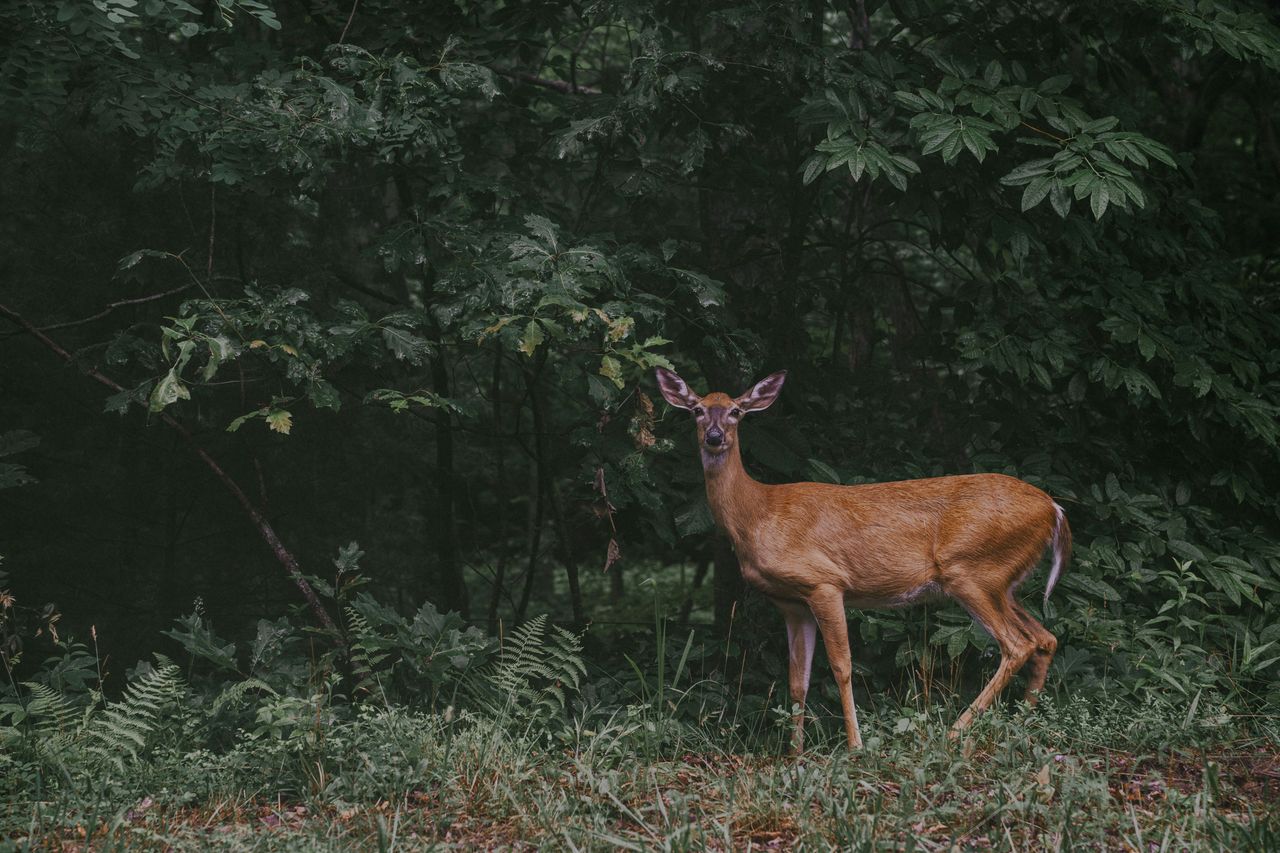
Hunters love to debate camouflage patterns, but deer often settle the argument in a second. A motionless person in ordinary earth tones can go unnoticed much longer than a fully camouflaged hunter who shifts at the wrong moment. Deer are built to spot movement quickly because that skill helps them survive predators.
That changes how serious hunters think about every small action in the stand or blind. Reaching for a call, turning your head, or lifting a bow too early can be far more damaging than wearing a less fashionable camo print. The best camouflage in the world cannot cover up bad timing when a deer is already scanning the area.
Sharp Contrast Creates A Human Outline
Deer may not identify a person the way another human would, but they are excellent at catching unnatural contrast. A dark upper body against a bright sky, pale hands moving near a face, or a solid block of color in broken timber can quickly form a recognizable warning sign. The issue is often outlined, not in detail.
That is why hunters try to break up the human silhouette with masks, gloves, and careful positioning. Sitting against a wide-open backdrop can make even great camo fail. Blend with shadow, brush, and texture, and the visual signal becomes much harder for a deer to sort out at a glance.
Low Light Gives Deer A Major Advantage
Deer are especially effective at seeing during dawn, dusk, and other low-light periods when hunters are most likely to be active. Their eyes are adapted to gather and use available light efficiently, which helps them move and detect danger when visibility is limited to people. That edge is one reason mature deer seem to appear and vanish so effortlessly.
For hunters, this means poor light is not the equalizer many assume it is. A person fumbling with gear in the dim woods may feel hidden, while a deer still catches the motion. Serious setups account for that by getting settled early and avoiding unnecessary adjustments during prime movement windows.
Head Position And Eye Contact Matter

Anyone who has watched a deer lock onto a suspicious spot knows how unsettling that stare can be. When a deer raises its head and fixes its eyes on movement, the margin for error shrinks fast. Even small motions that seemed safe a second earlier can suddenly become obvious once the animal is focused.
Hunters who understand this learn to read a deer before making their move. Drawing when the head is behind a tree, lowered to feed, or turned away is often more important than shaving another ounce off bow noise or tinkering with a decoy. Visual timing, not just concealment, is what keeps a close encounter alive.
Background Choice Can Beat Expensive Camo
A hunter pressed against the wrong background can be exposed no matter how advanced the clothing looks. Deer key in on shapes that do not belong, and a human form set against an open field edge, bright sky, or smooth tree trunk can appear unnatural right away. Good concealment is often about location before wardrobe.
That is why seasoned hunters care so much about shadows, brush, trunks, and depth behind them. A simple camo pattern used in the right pocket of cover will usually outperform premium gear worn in a poor position. Blend into complexity, and the deer has to work much harder to sort you from the environment.
Wind And Vision Work Together
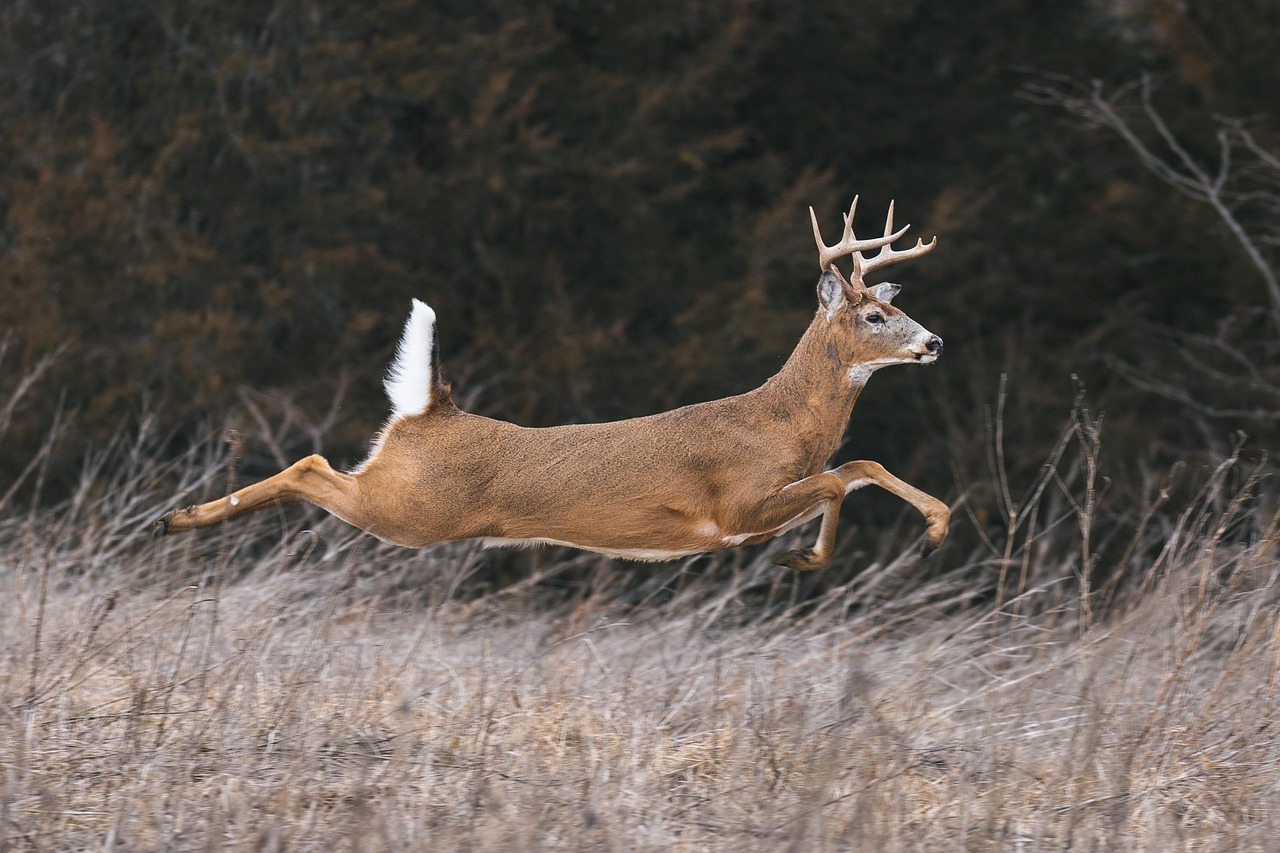
Hunters often separate scent control from visual concealment, but deer do not experience danger in neat categories. A deer that catches a flicker of movement may pause and use its nose to confirm suspicion. One weak visual clue can buy just enough time for the animal to turn, test the air, and end the encounter.
That is why smart hunters think in layers rather than isolated tactics. Staying still matters more when the wind is marginal, and clean shooting windows matter more when a deer is likely to linger. Visual mistakes rarely happen alone in the field. They tend to combine with scent and sound until the deer has all the proof it needs.
The Best Hunters Move Less And Plan More
The biggest takeaway from deer vision is not that camo does not matter. It is that camo matters most when it supports a larger strategy built around position, patience, and timing. Hunters who consistently get close to mature deer tend to think ahead, settle in early, and minimize every visual cue that can trigger alarm.
That mindset changes the entire approach to the hunt. Instead of asking whether a pattern is trendy or a jacket is perfectly matched, serious hunters ask whether they can stay hidden when it counts. In the end, deer vision rewards discipline far more than decoration, and that is where real advantage begins.