
Winter can be harsh, unpredictable, and unforgiving if you’re not prepared. Proper gear maintenance is crucial to staying safe, warm, and comfortable during the cold months. Before the first snow or freezing rain, take time to inspect, clean, repair, or replace essential equipment. From clothing to outdoor tools, a little attention now prevents major headaches later. Here’s a detailed guide to 20 items you shouldn’t overlook before winter arrives.
1. Winter Jackets and Coats

Your winter jacket is your first line of defense against cold, wind, and moisture. Inspect seams, zippers, and insulation for wear and tear. Wash or dry clean according to the care label, and treat any waterproof coating with a suitable spray. Patches or minor repairs on small tears can extend its life. A well-maintained jacket ensures consistent warmth and protection through the coldest months.
2. Boots and Footwear
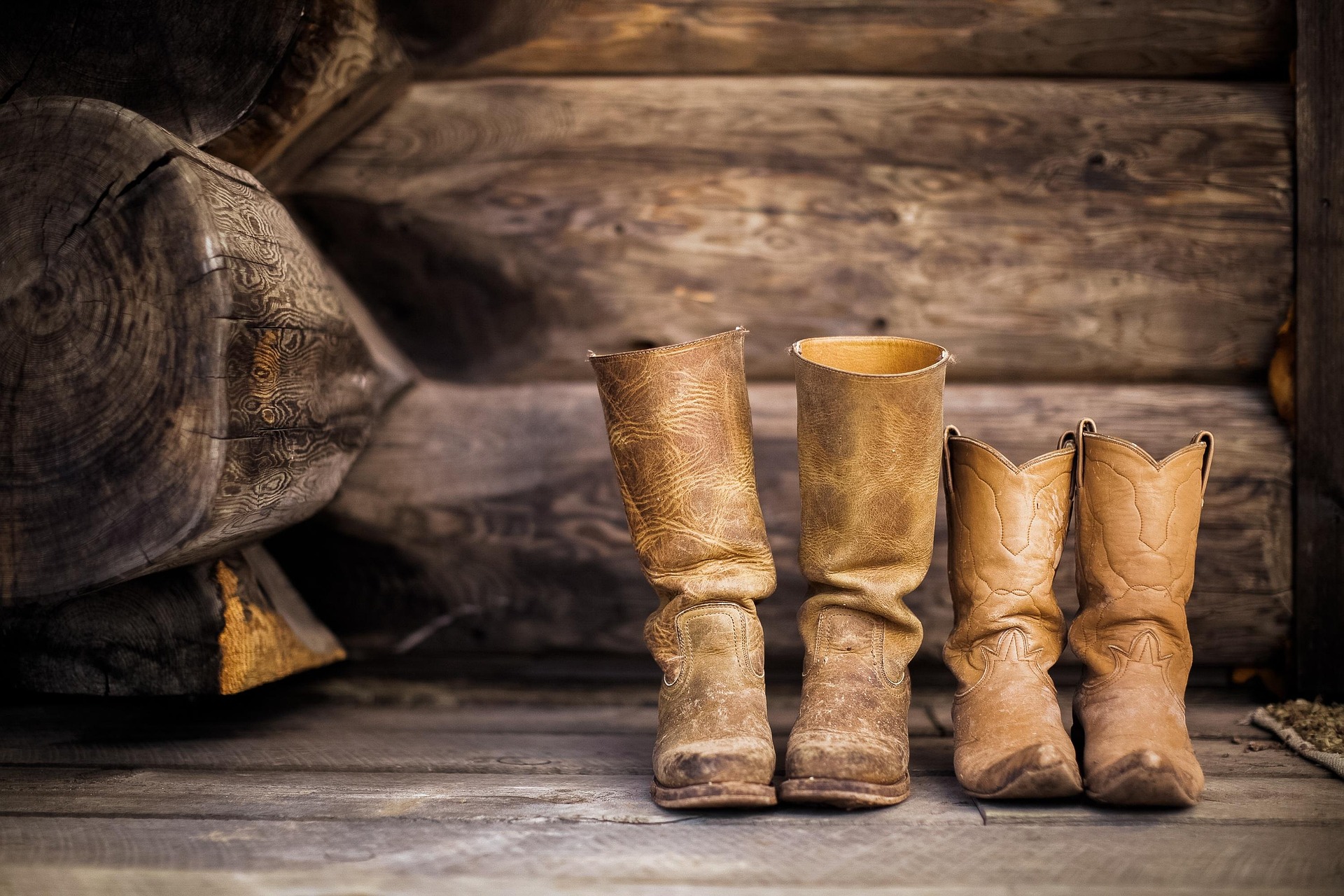
Cold weather demands reliable footwear. Clean dirt and salt stains, and apply waterproofing to leather or synthetic boots. Check soles for wear and replace if slippery or worn down. Insulated liners should be cleaned or replaced if damp or compressed. Properly maintained boots prevent frostbite and improve traction on snow or ice, keeping winter treks safe and comfortable.
3. Gloves and Mittens
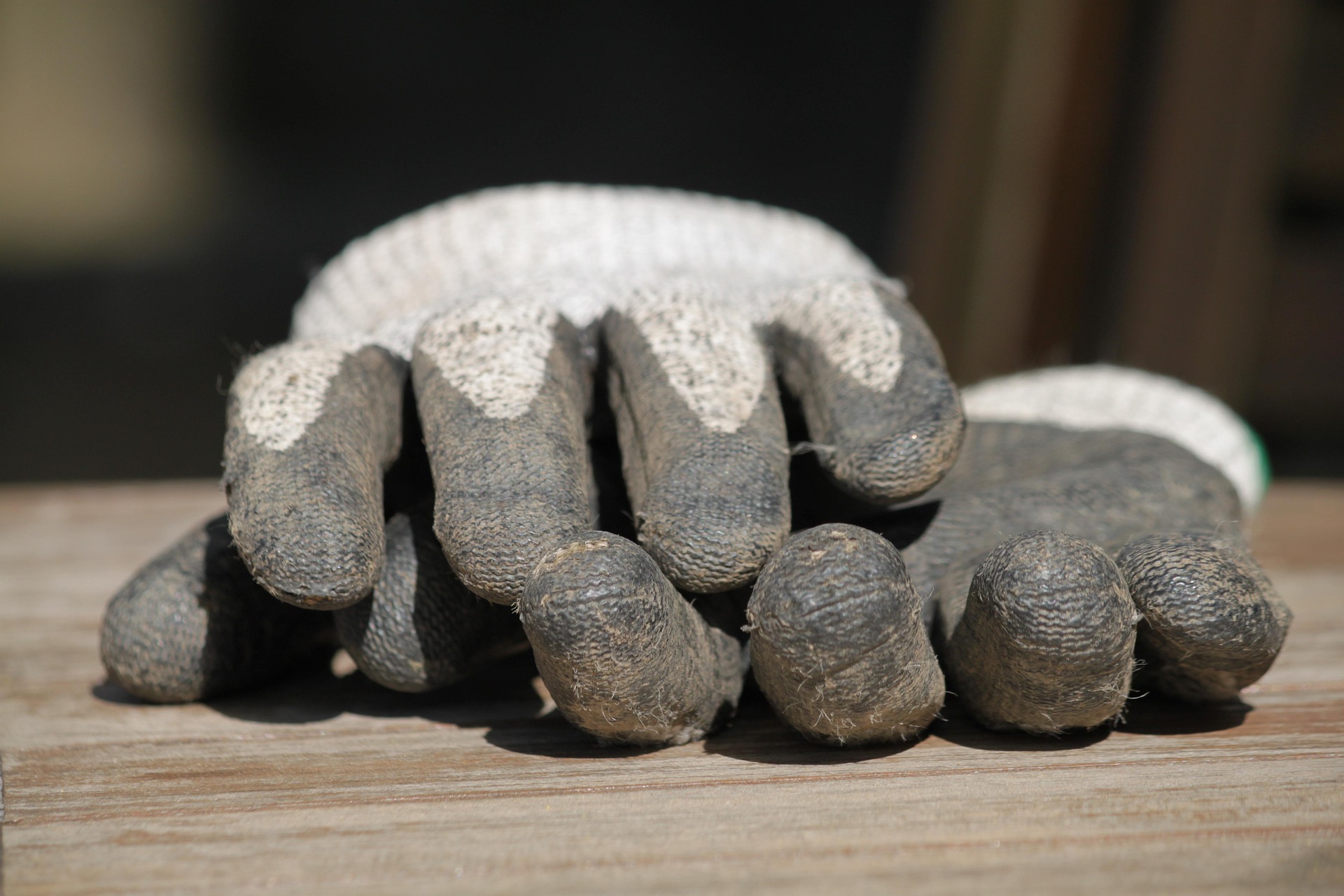
Hands lose heat quickly, making gloves critical for winter. Wash or wipe down liners, and check seams for holes or loose stitching. Replace worn insulation and ensure waterproof gloves are still effective. A sturdy pair protects against frostbite, keeps fingers nimble, and allows safe handling of tools, doors, and equipment in freezing temperatures.
4. Hats and Beanies
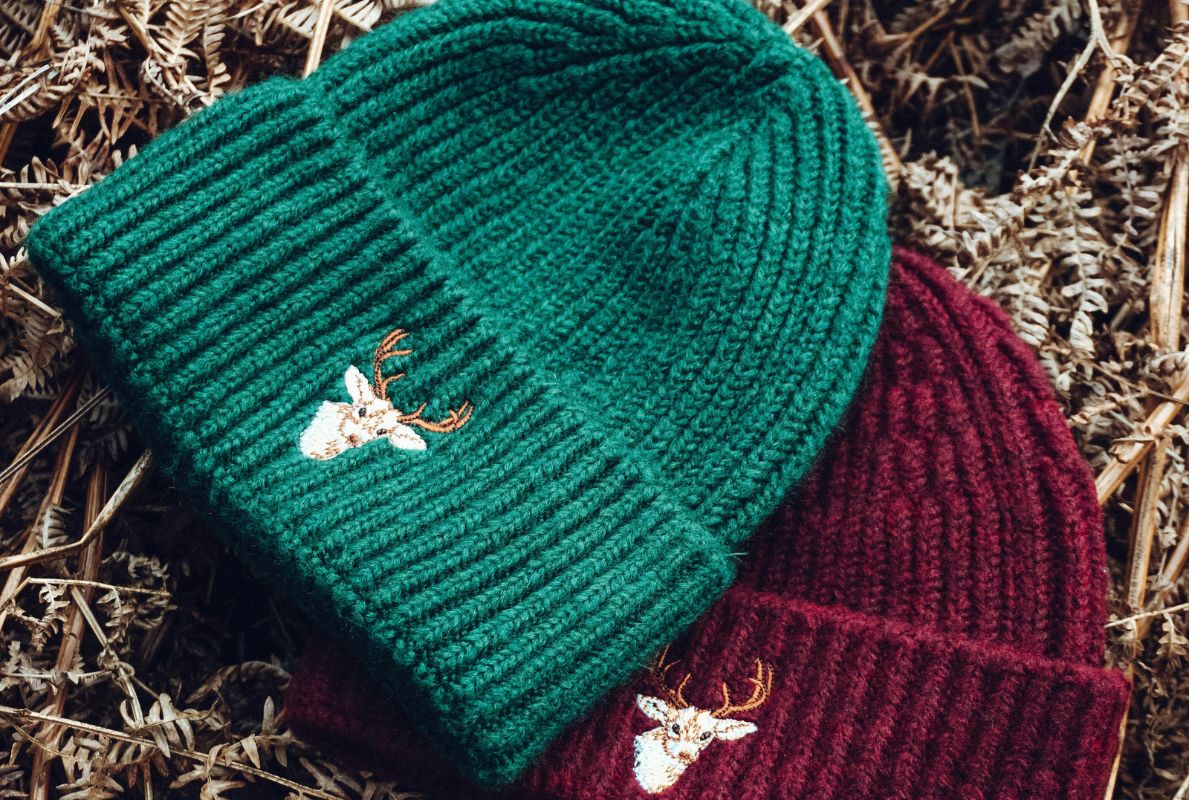
Headgear is essential for heat retention. Inspect your winter hats for thinning fabric, loose stitching, or pilling. Wash wool or synthetic materials according to instructions. Consider replacing older hats that no longer retain warmth. A proper hat keeps body temperature regulated and prevents heat loss, making even extremely cold days manageable.
5. Scarves and Neck Gaiters

Your neck and face need insulation against biting winds. Clean scarves and gaiters to remove dirt, dust, or oils that degrade fibers. Check for thinning spots or fraying edges and replace as needed. Properly maintained neckwear keeps drafts out, enhances overall warmth, and complements jackets and hats to protect vulnerable areas from cold exposure.
6. Thermal Base Layers

Layering is essential for winter comfort. Wash base layers before storage to remove sweat and body oils that degrade fabric. Inspect for thinning or holes and replace damaged items. Well-maintained thermals trap heat efficiently and wick moisture away, ensuring comfort during outdoor work or recreational activities, even in subzero temperatures.
7. Socks and Foot Liners
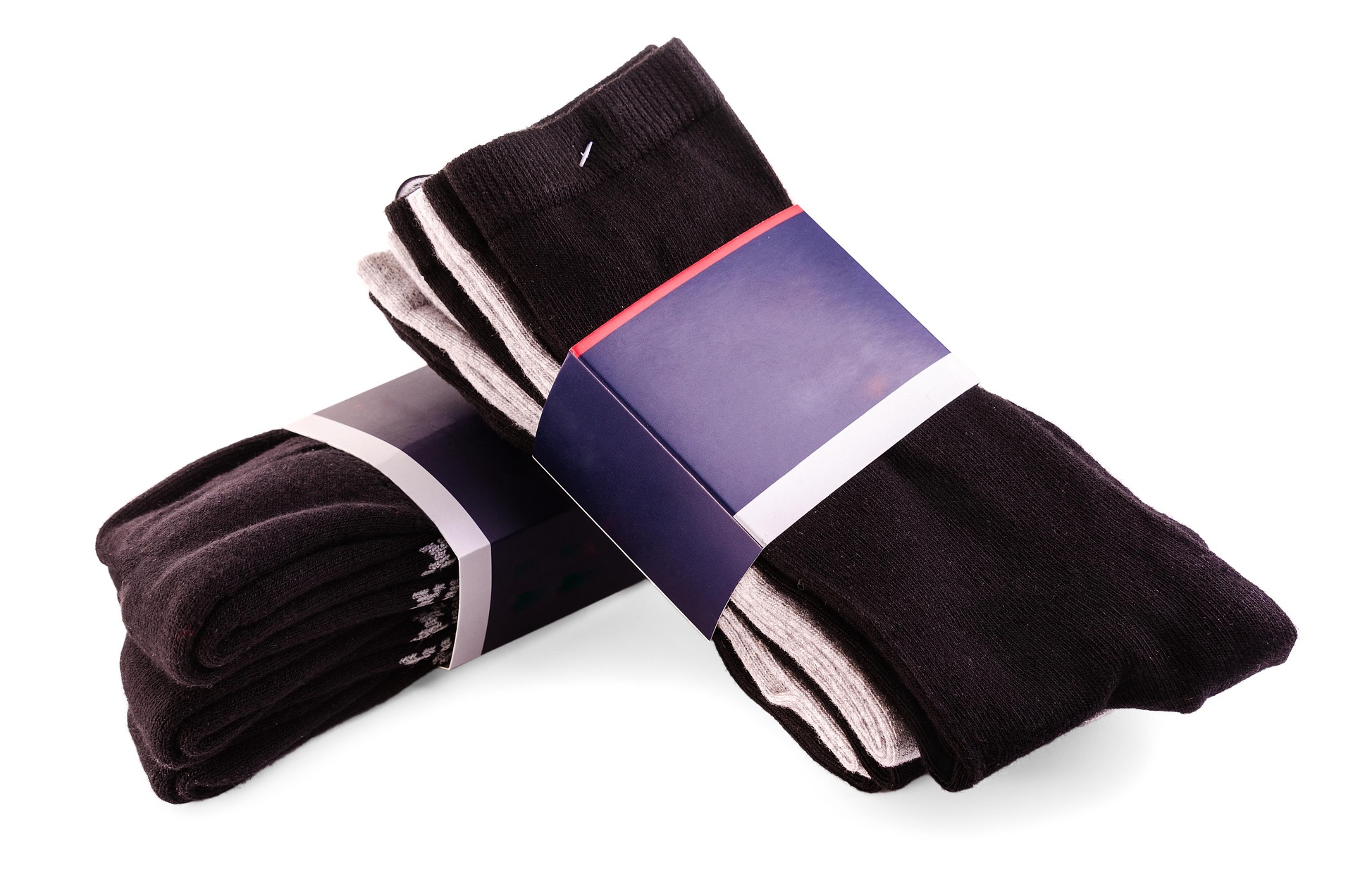
Feet need warmth and moisture control. Sort through your socks, discarding worn or thin pairs. Wash wool or synthetic socks before use, and consider adding moisture-wicking liners. Proper socks prevent blisters, keep feet dry, and maintain warmth throughout the day, which is essential for hiking, commuting, or any prolonged outdoor activity.
8. Snow Pants and Outer Layers
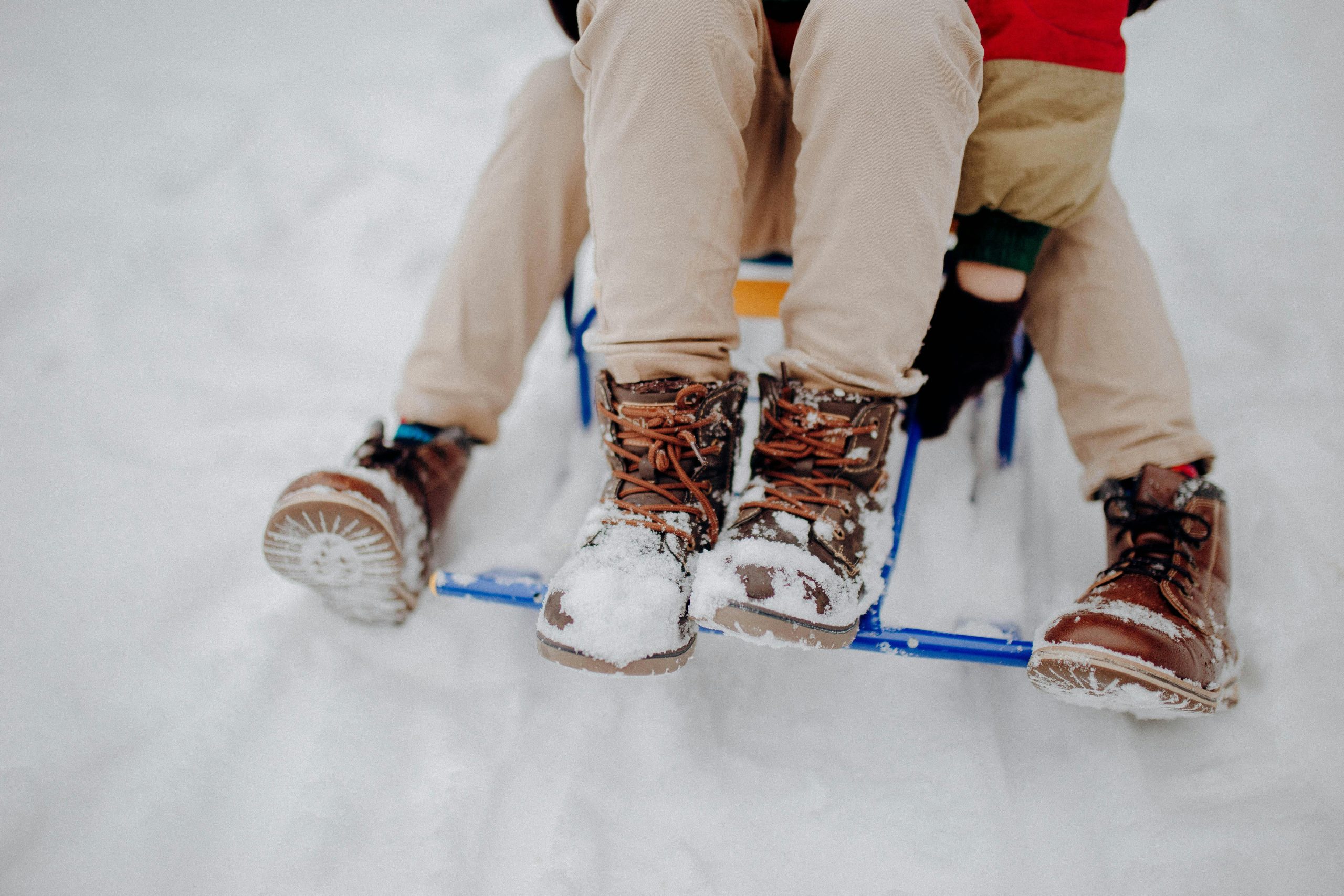
Snow pants shield your legs from cold and moisture. Inspect zippers, seams, and reinforcement patches for damage. Wash layers according to care instructions and reapply waterproof treatments. Replacing worn or torn pants ensures dryness, warmth, and freedom of movement during snow sports, shoveling, or winter walks.
9. Sleeping Bags and Insulated Blankets

Cold nights demand high-quality insulation. Shake out sleeping bags, wash liners, and check zippers or draft tubes for damage. Re-stuff insulation if flattened or uneven. For blankets, inspect edges and fabric integrity. Proper maintenance ensures warmth during camping trips or power outages and prolongs the lifespan of expensive winter bedding.
10. Backpacks and Gear Bags

Winter activities require durable storage. Clean dirt and debris, check straps and buckles for stress or fraying, and repair minor tears. Waterproof bags may need treatment to restore repellency. Well-maintained backpacks keep contents dry, organized, and accessible, reducing the risk of equipment failure in snowy or wet conditions.
11. Headlamps and Flashlights
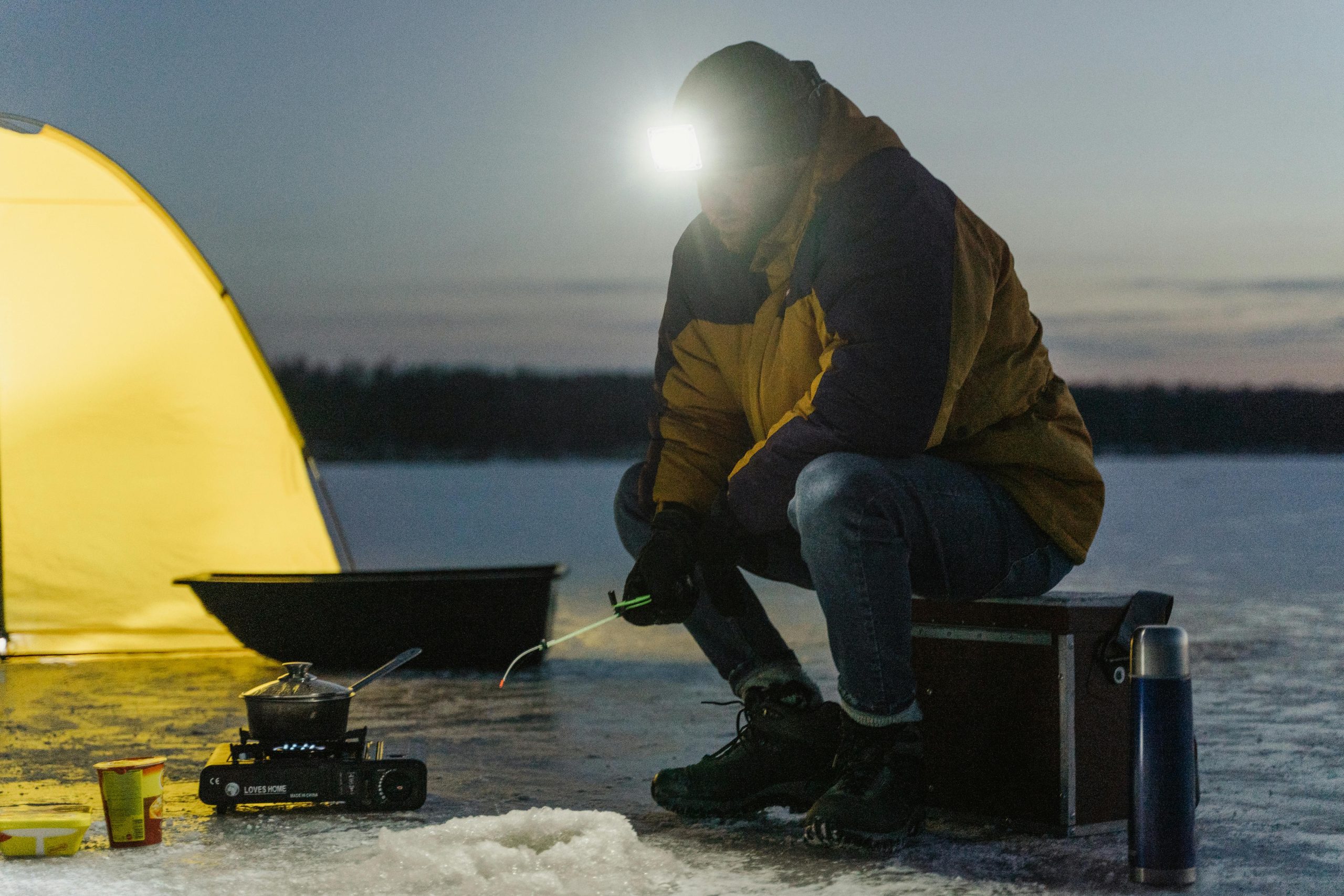
Shorter daylight hours make reliable lighting essential. Test batteries and replace old ones. Clean lenses, check switches, and inspect straps for wear. Consider carrying spare batteries. A dependable light source enhances safety on nighttime walks, winter hikes, or during emergencies when visibility is limited.
12. Ice Scrapers and Snow Shovels
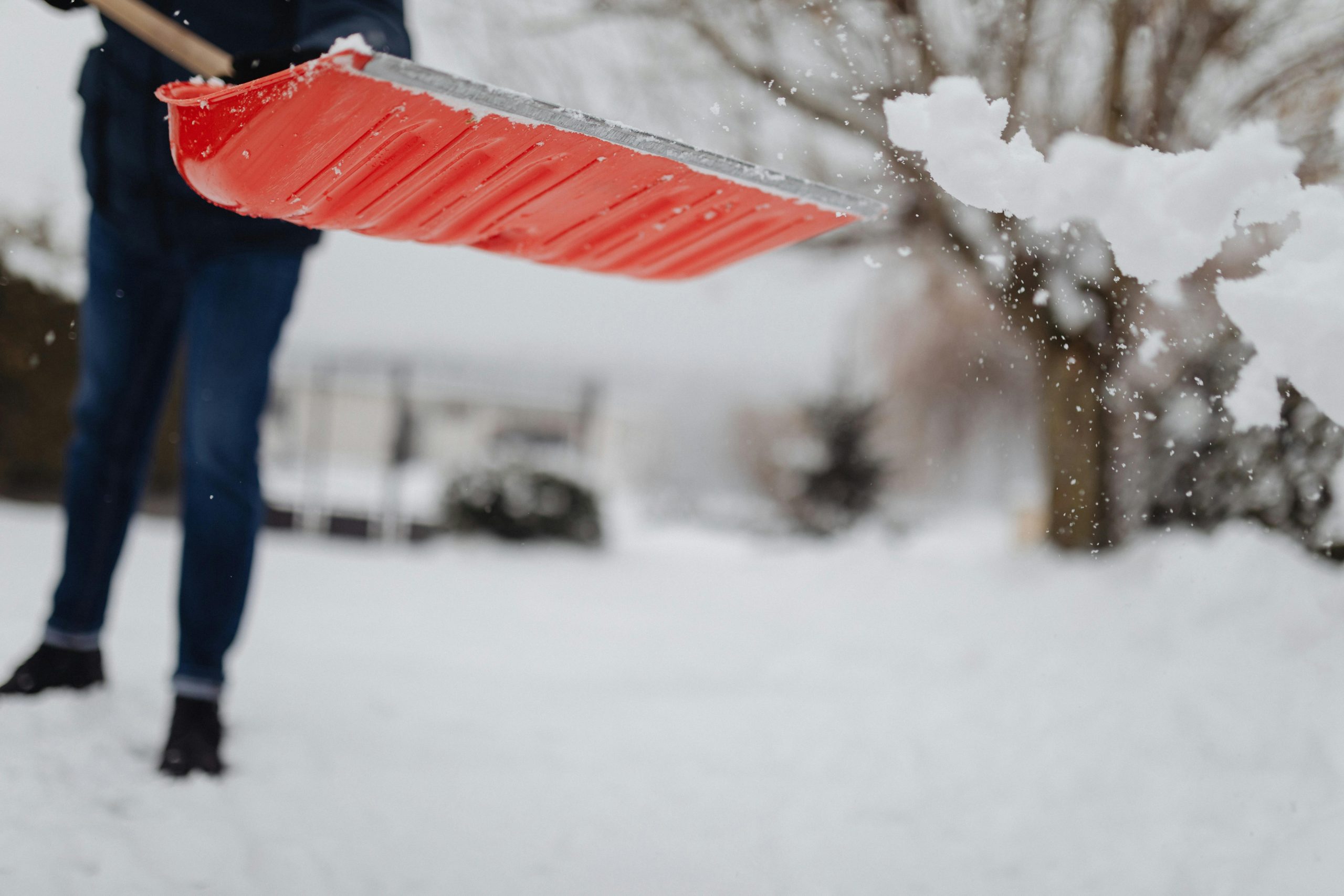
Cold-weather tools must be ready for action. Remove rust or debris, tighten loose handles, and inspect blades for cracks. Replace worn or broken tools to avoid accidents. Proper maintenance ensures cars, driveways, and sidewalks remain clear, preventing injuries and improving winter accessibility.
13. Snow Tires and Chains
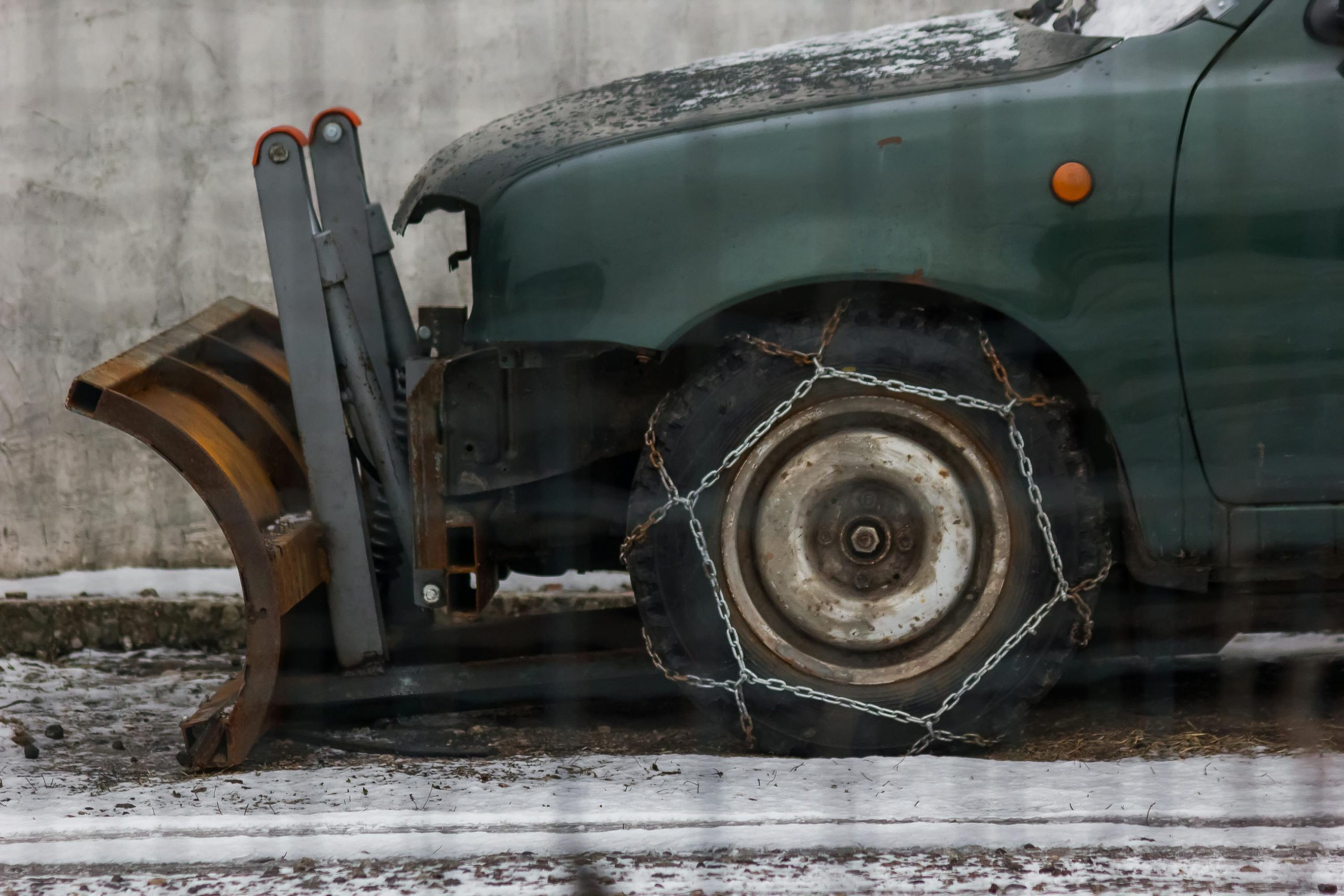
Vehicle safety is critical in winter. Check tire tread and air pressure, replace worn tires, and inspect chains for rust or weak links. Properly fitted tires and chains improve traction on icy roads, reduce accident risks, and ensure your vehicle performs safely in extreme conditions.
14. Car Batteries and Jump Starters
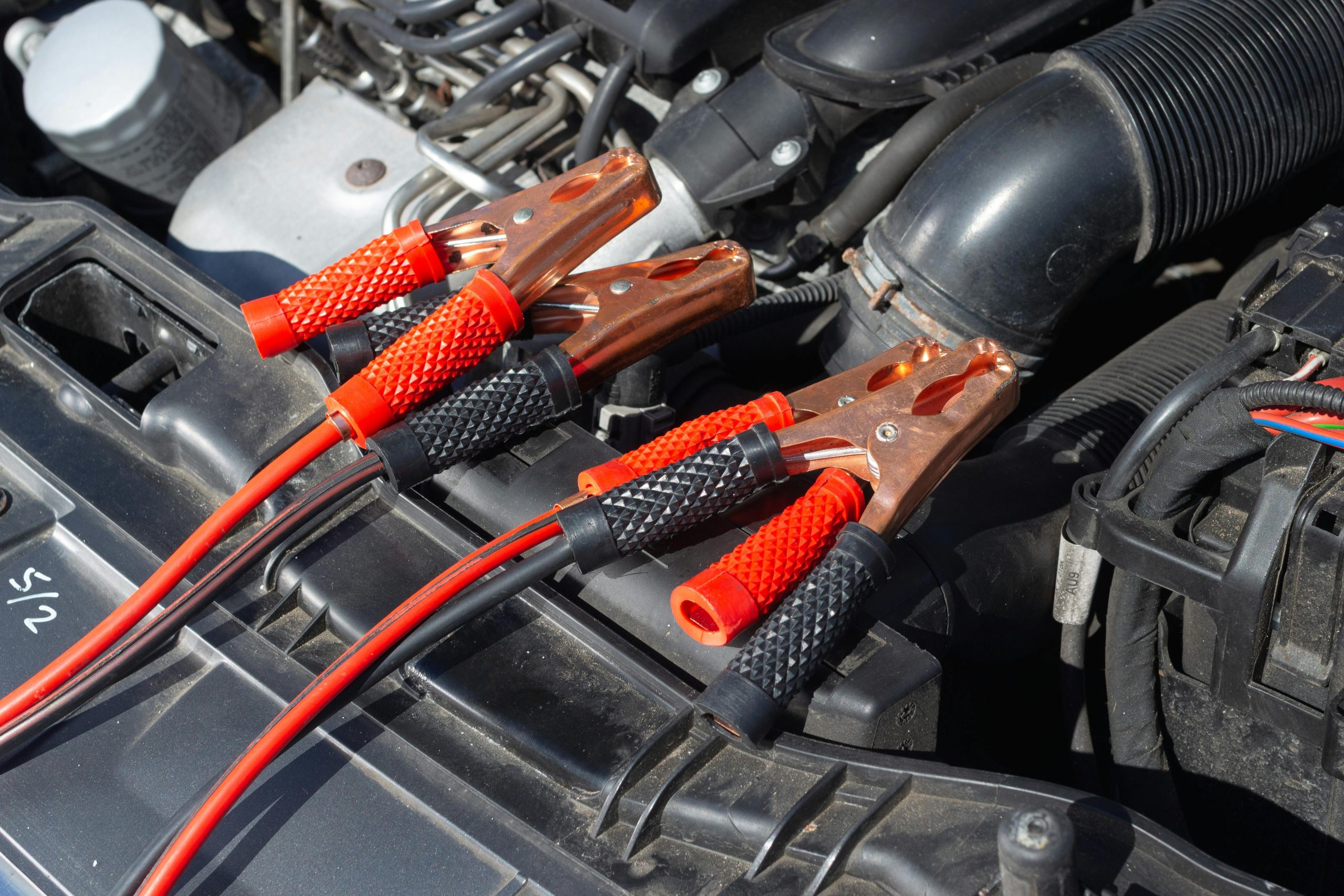
Cold drains battery power faster. Test battery health and clean corrosion from terminals. Charge fully or replace aging batteries. Check portable jump starters and ensure they’re functional. Reliable power sources prevent winter vehicle failures, helping you avoid being stranded in freezing temperatures.
15. Ski and Snowboard Equipment
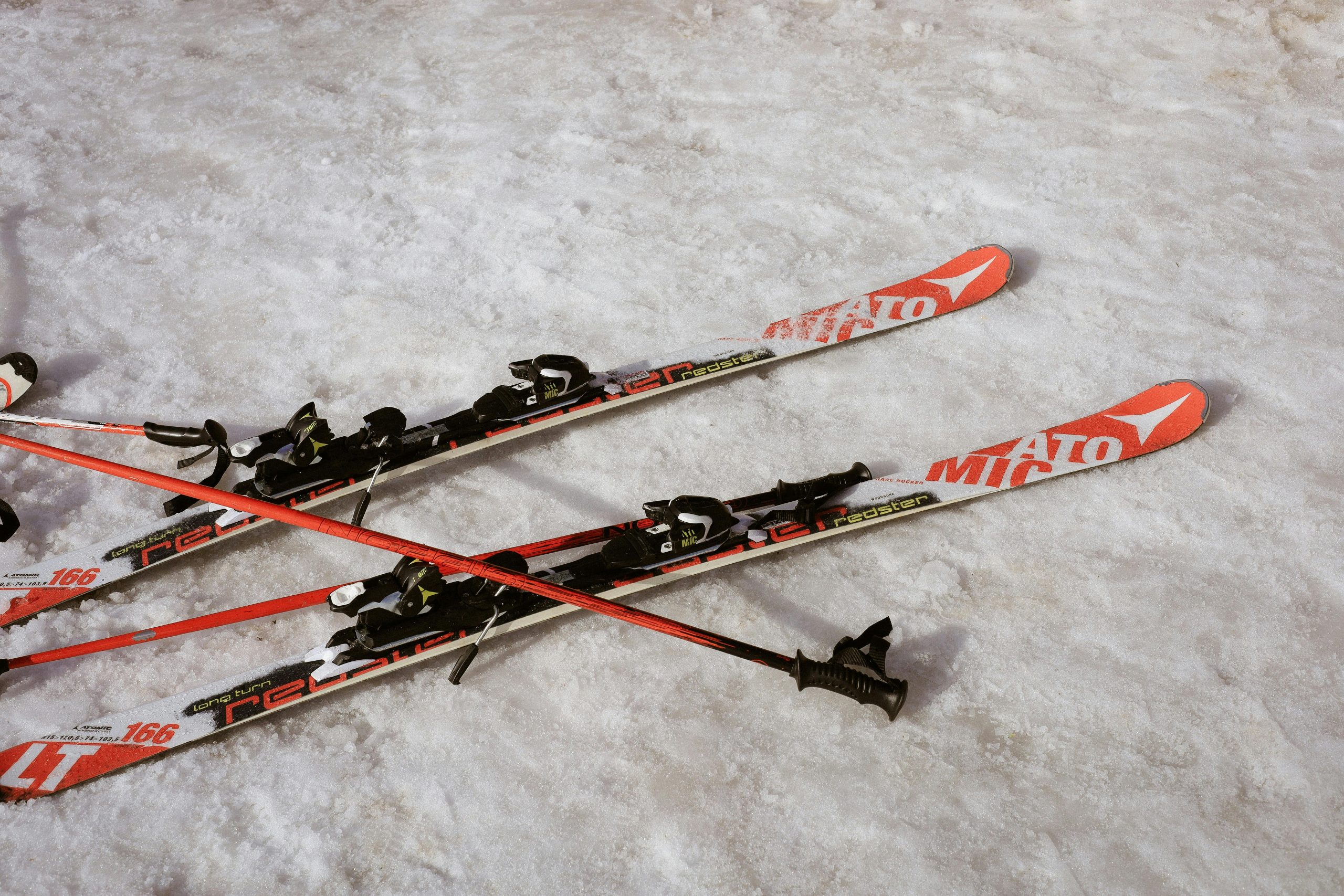
Winter sports gear requires inspection. Clean skis, snowboards, and bindings, and check for cracks or loose screws. Wax boards and sharpen edges for optimal performance. Properly maintained equipment ensures safety, control, and enjoyment on the slopes, minimizing injury risk.
16. Tent and Camping Gear
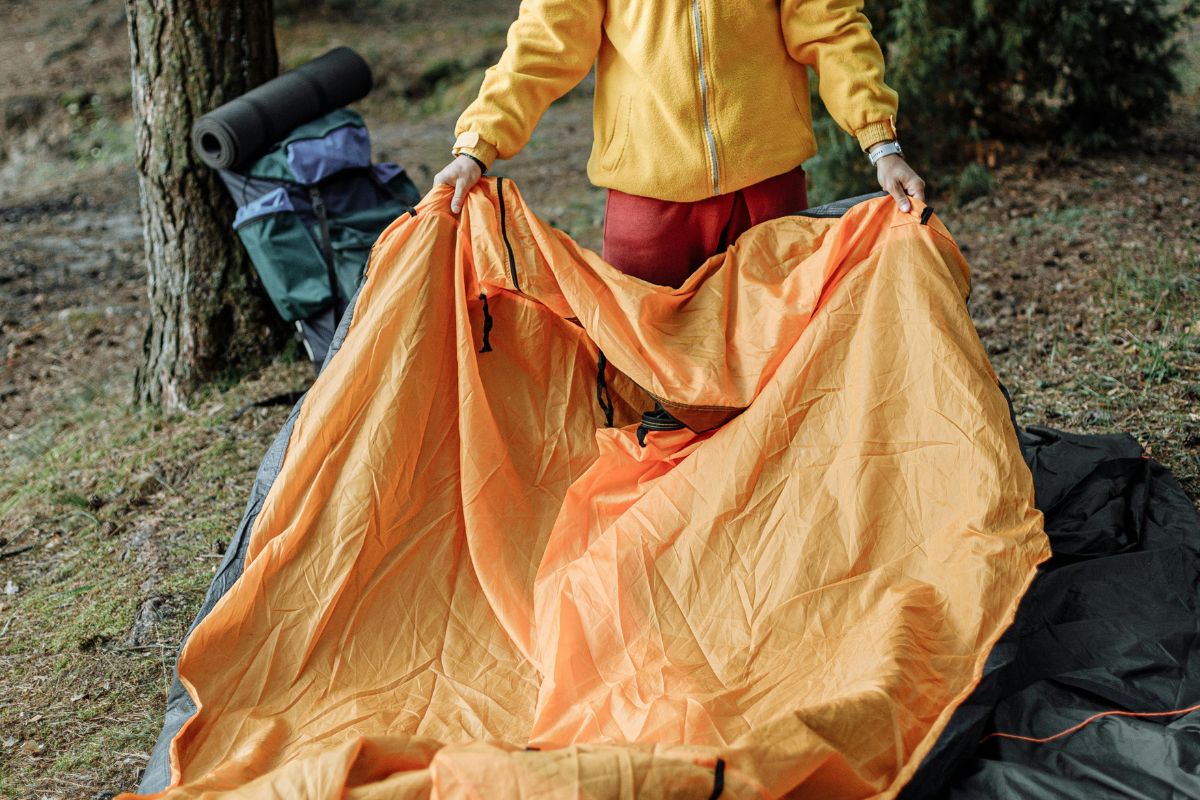
Cold-weather camping demands a durable shelter. Inspect fabric, seams, and poles for damage. Clean tent floors and walls, and test stakes and guylines. Replace worn stakes or broken poles. A sturdy, well-maintained tent protects against wind, snow, and moisture, keeping campers warm and secure.
17. Portable Heaters and Stoves
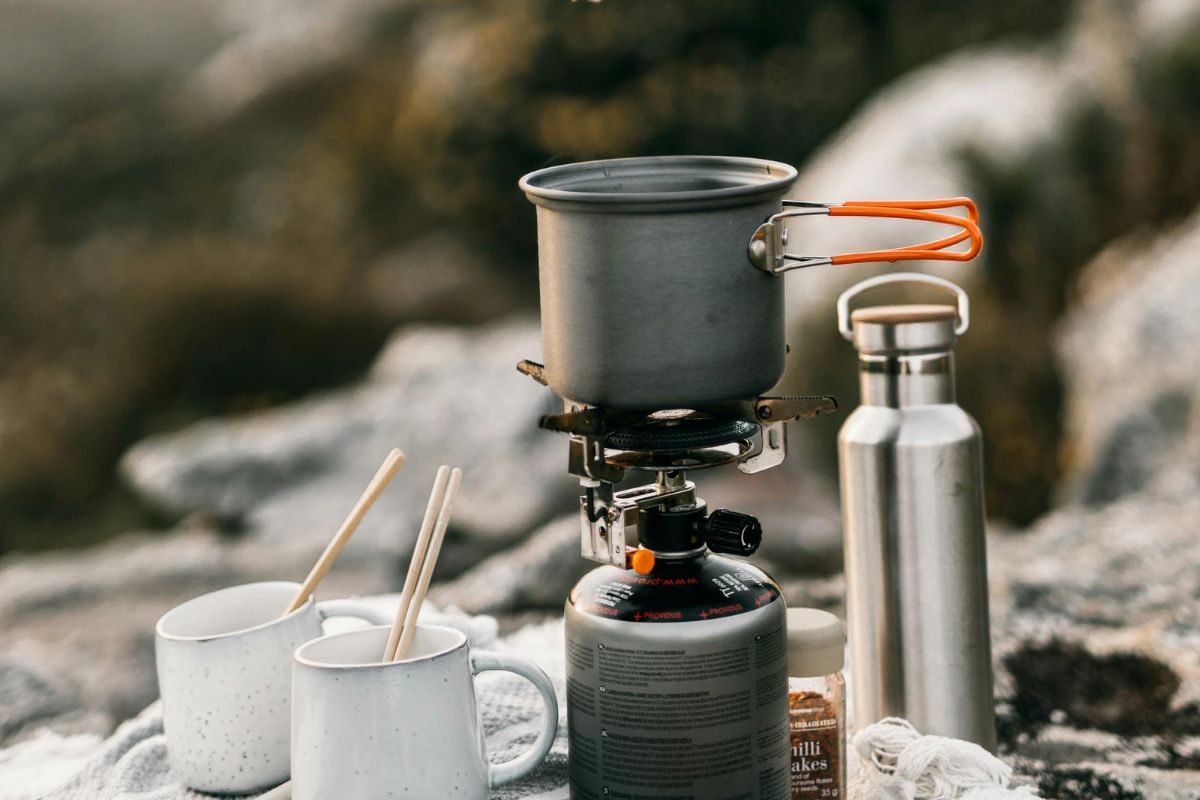
Heating tools are crucial for winter camping or emergencies. Test propane or electric units, clean burners, and inspect cords or hoses. Replace faulty parts immediately. Reliable heaters and stoves provide warmth, enable cooking, and ensure safety, reducing risks of carbon monoxide exposure or equipment failure.
18. Water Bottles and Hydration Systems
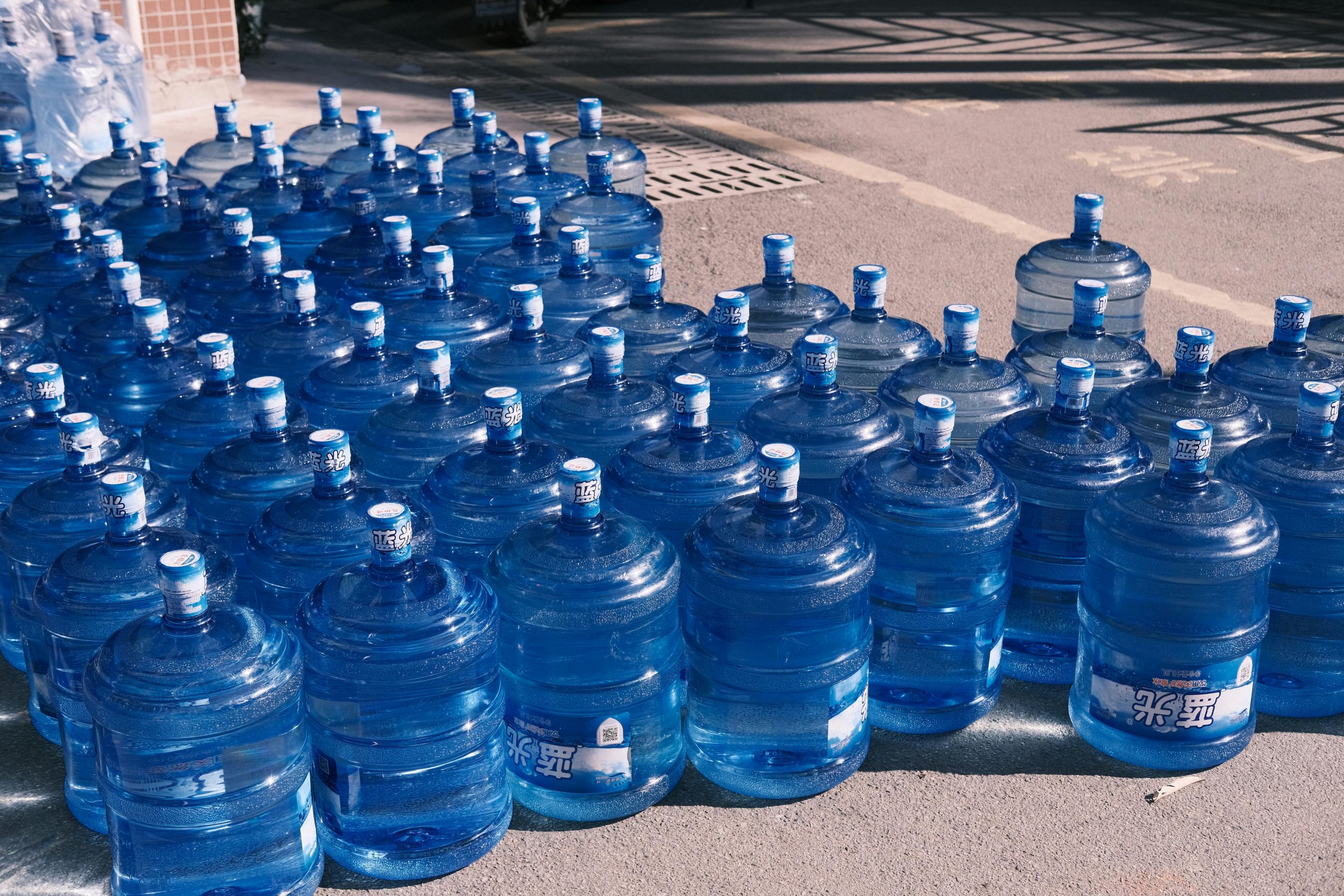
Cold weather can dehydrate you without notice. Wash bottles and hydration packs thoroughly to remove bacteria or mold. Inspect lids and seals for leaks. Freeze-resistant bottles or insulated flasks ensure liquids remain accessible, warm, or safe from freezing, keeping hydration convenient even in extreme cold.
19. Snow Goggles and Sunglasses

Winter glare and wind demand eye protection. Clean lenses, remove scratches with proper solutions, and inspect straps for elasticity. Replace fogged or damaged goggles. Properly maintained eyewear protects against snow blindness, enhances visibility, and ensures comfort during outdoor winter activities.
20. First Aid Kits and Emergency Supplies
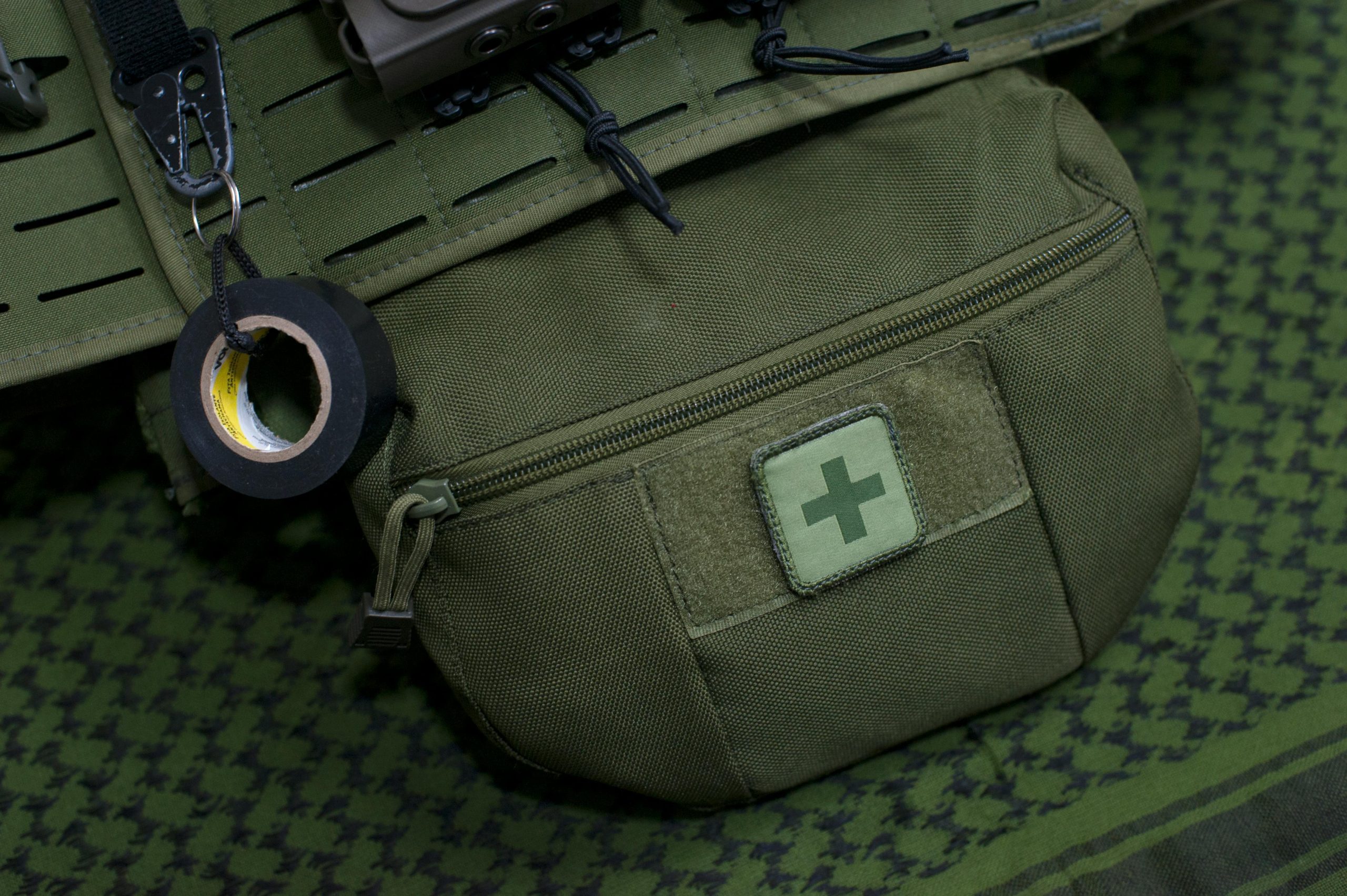
Cold conditions increase the risk of injuries and frostbite. Check expiration dates on medications, replace used bandages, and restock essential items. Ensure supplies are waterproofed and organized. A ready first aid kit is critical for winter safety, whether on trails, at home, or traveling in harsh weather conditions.