A firearm can look brilliant during trials and still reveal uncomfortable weaknesses once soldiers carry it through mud, dust, heat, and sustained combat. Across different wars, designers and armies learned that accuracy, clever mechanisms, and impressive specifications mean little if a weapon cannot remain dependable under pressure. Some of the firearms below were outright troubled, while others were promising designs undermined by ammunition, manufacturing, logistics, or battlefield conditions. Their stories show why combat has always been the harshest test of military engineering.
1. Ross Rifle
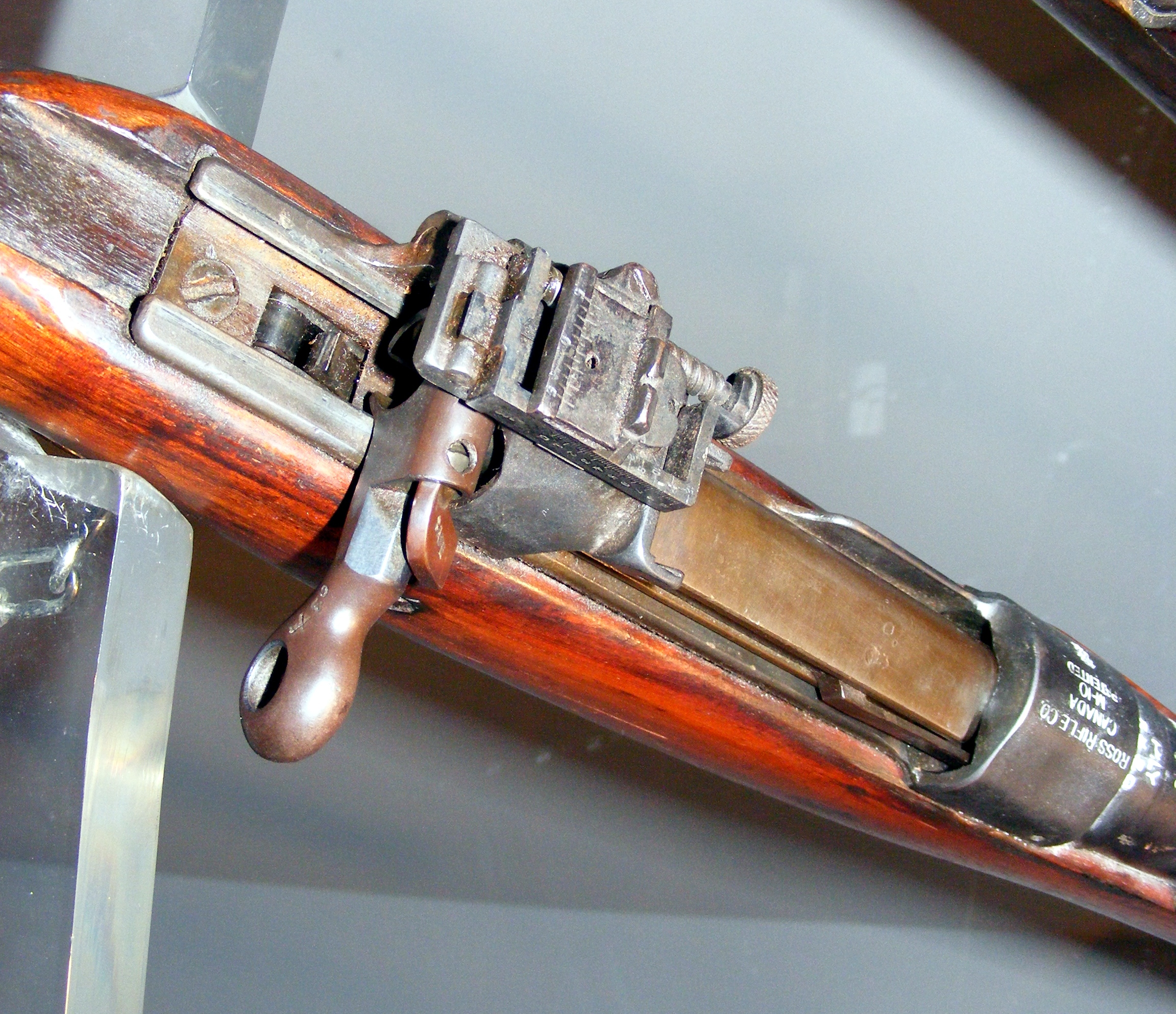
The Ross looked impressive on a clean range, but war exposed problems that target shooting could hide. Canada adopted the straight-pull rifle in 1905, and its accuracy appealed to marksmen. In World War I trenches, however, it could be sensitive to dirt and incorrect assembly. Its bolt could also be assembled improperly, creating a serious safety hazard. Canadian troops increasingly preferred the Lee-Enfield, and the Ross was withdrawn from infantry service in 1916. The rifle fired .303 British ammunition and used a 5-round magazine. Its straight-pull action was fast in clean conditions, but field reliability and assembly discipline mattered more than range performance.
2. Chauchat
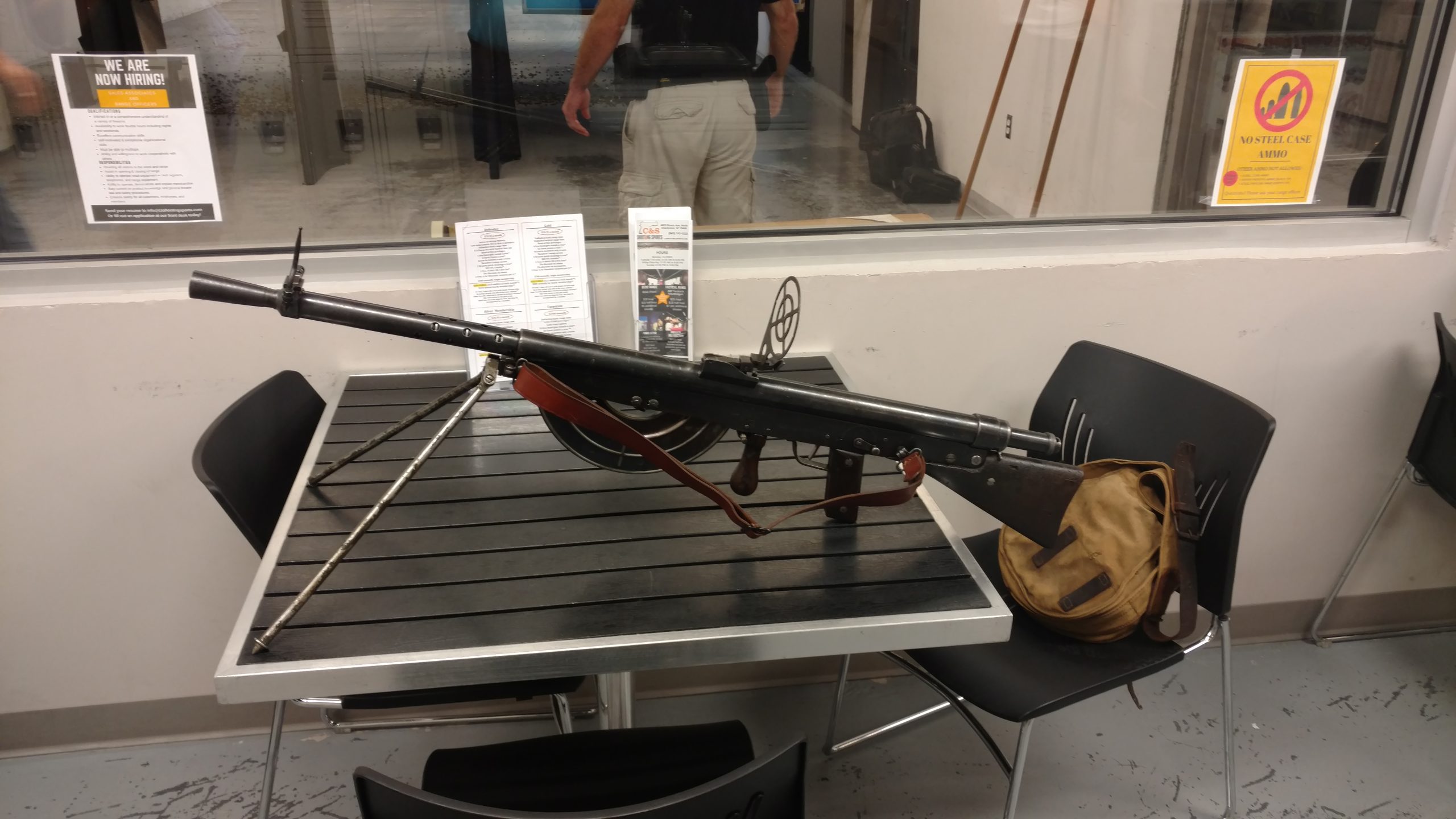
The French Chauchat was created for a new infantry fight, where portable automatic fire could help soldiers cross exposed ground. Its 8 mm version used a 20-round magazine with large openings along one side, making feeding vulnerable to mud and grit. French battlefield surveys in 1916 linked roughly two-thirds of reported stoppages to the magazine. Crews sometimes loaded 18 or 19 rounds instead of 20 to reduce feeding trouble. Its long-recoil action could also become difficult when the gun heated, adding another problem to an already awkward weapon. The design showed how one clever feature could become a liability in the environment it was meant to conquer.
3. Breda 30
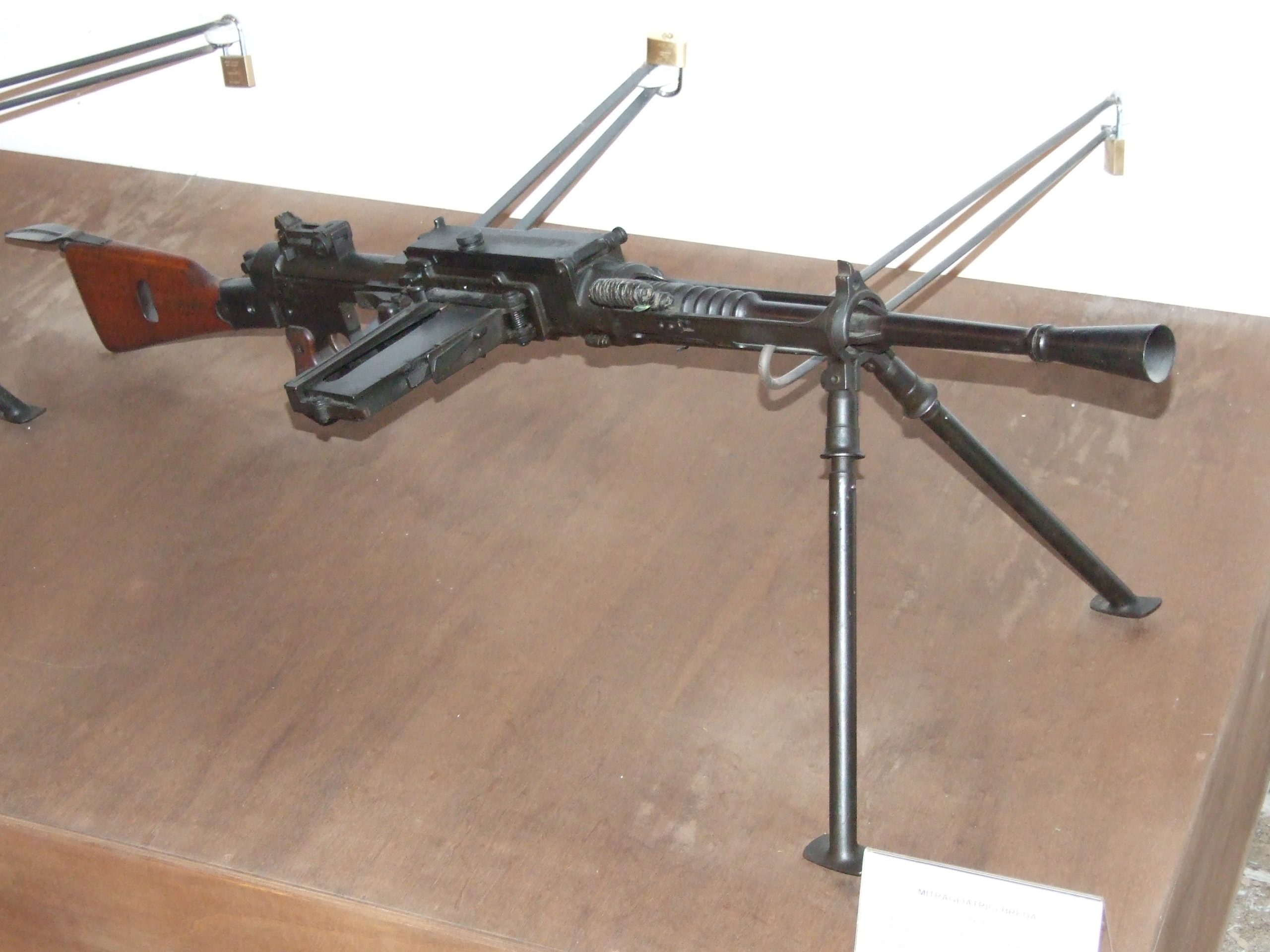
Italy’s Breda 30 tried to make a compact light machine gun that could feed through a fixed 20-round magazine. Its designers used lubricated cartridges to assist extraction. In North Africa, that idea could turn against the gun: oil attracted dust and sand, increasing stoppages. Its slow feeding system and low capacity limited sustained fire. The Breda is therefore a useful example of a design whose battlefield results depended heavily on climate, ammunition condition, and maintenance. It entered Italian service in 1930 and remained an important squad weapon during World War II. Its practical rate of fire could become surprisingly low during stoppages and slow reloading, reducing the advantage expected from an automatic weapon.
4. Gewehr 41
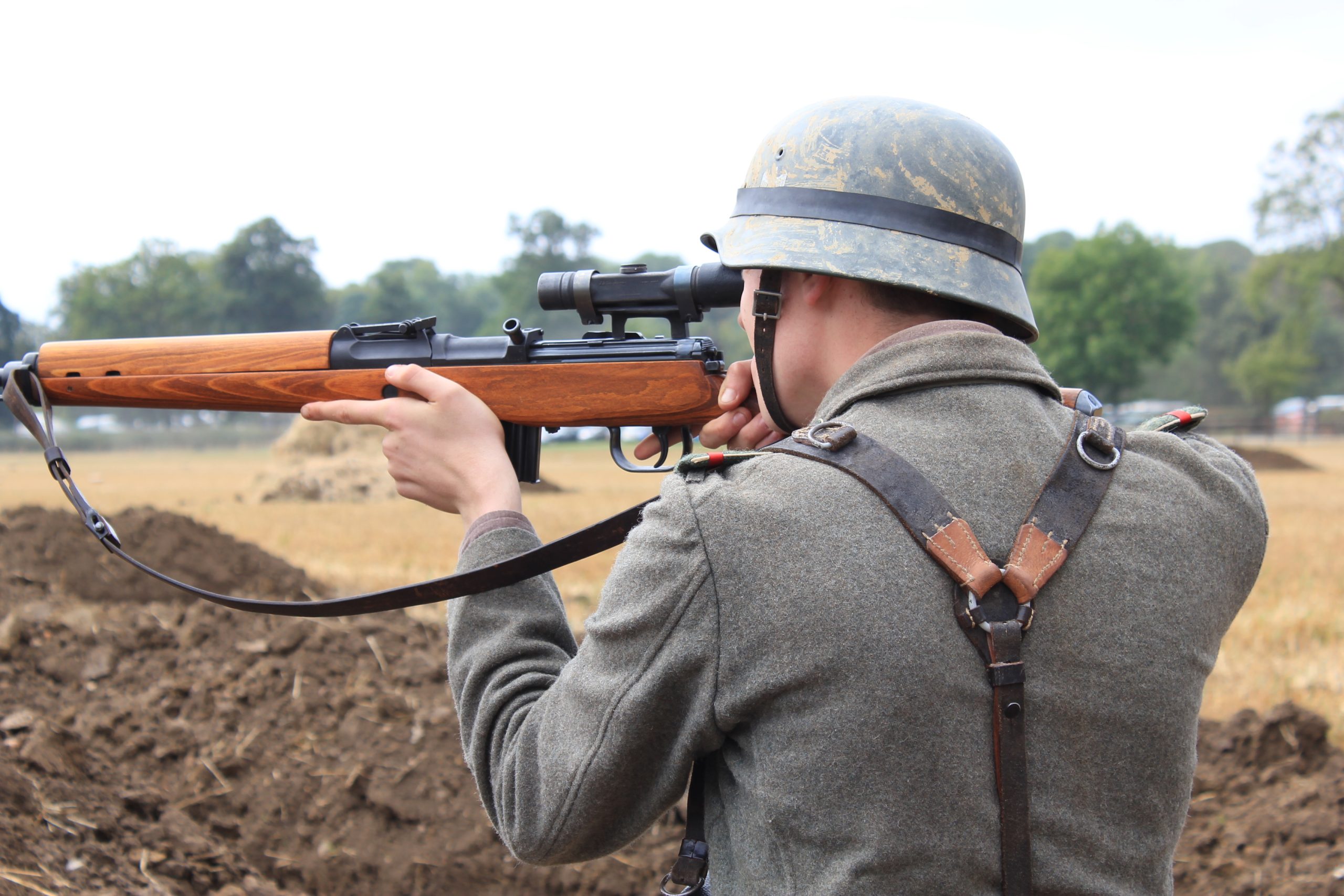
Germany’s Gewehr 41 was meant to give infantry a self-loading rifle without abandoning familiar operating principles. The Walther G41(W) and Mauser G41(M) used a muzzle gas-trap system because German requirements discouraged a conventional gas port. That choice produced heavy, complicated rifles. The G41(M), at about 5.10 kg, was especially cumbersome, while both versions held 10 rounds. Experience quickly pushed Germany toward a simpler solution. The later G43 used a conventional gas system and detachable magazine, showing how practical requirements forced the program away from several original assumptions. The G41 entered service in 1941, but development soon moved toward the improved G43.
5. M16 in Early Vietnam Service
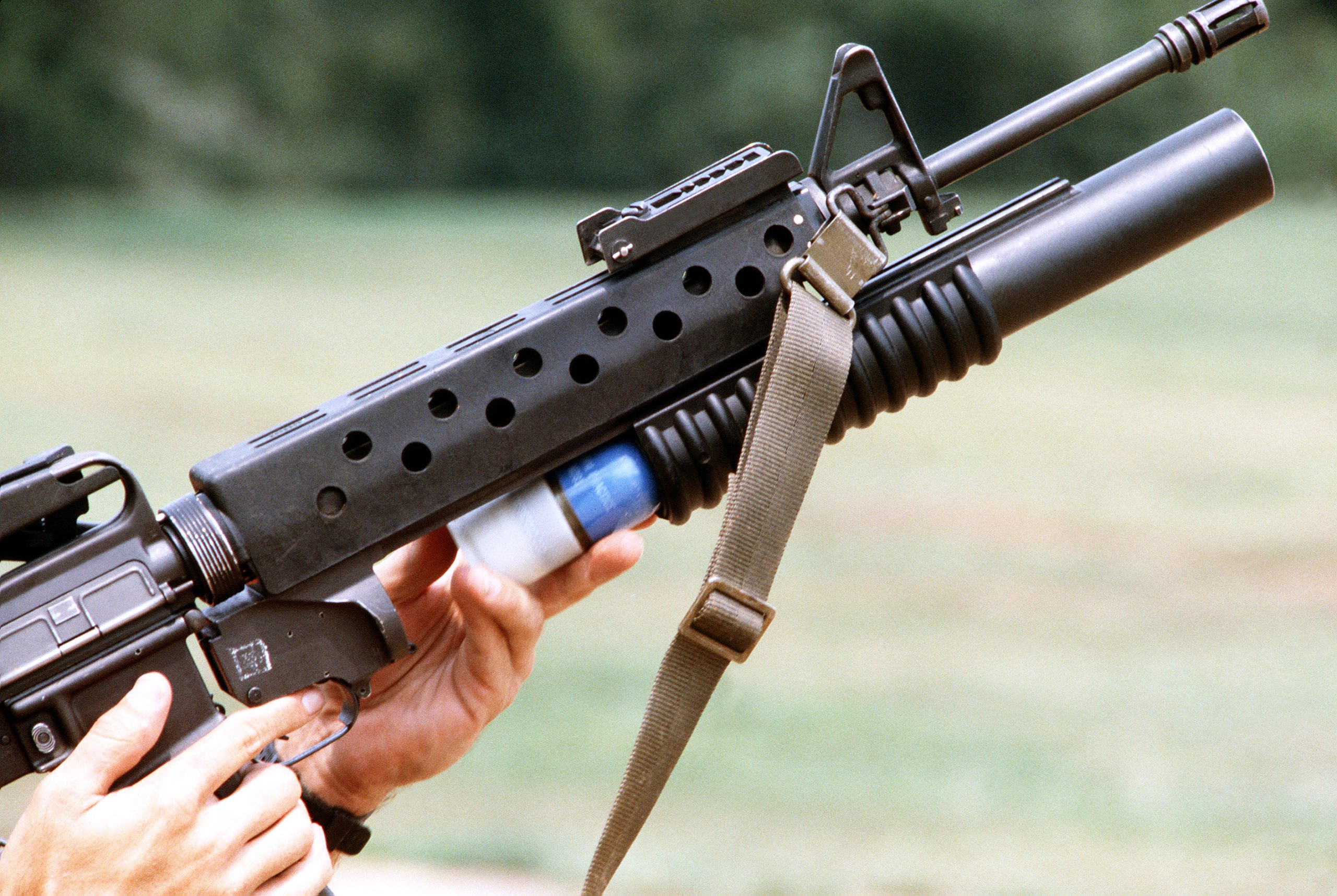
The early M16 story is less about a bad basic rifle than a troubled introduction. In Vietnam, early rifles suffered serious stoppages when ammunition propellant changes increased fouling and when chambers lacked the chrome lining later added to improve reliability. Corrective steps included ammunition changes, cleaning equipment, training, and engineering improvements. The M16A1 that followed was substantially more dependable. The M16 entered U.S. service in 1964, and the M16A1 followed in 1967. Fielding procedures were overhauled. The rifle was retained, with later improvements addressing ammunition, chamber treatment, maintenance, and training. Combat exposed a failure in the overall procurement and support system as much as a weakness in the underlying rifle.
6. L85A1
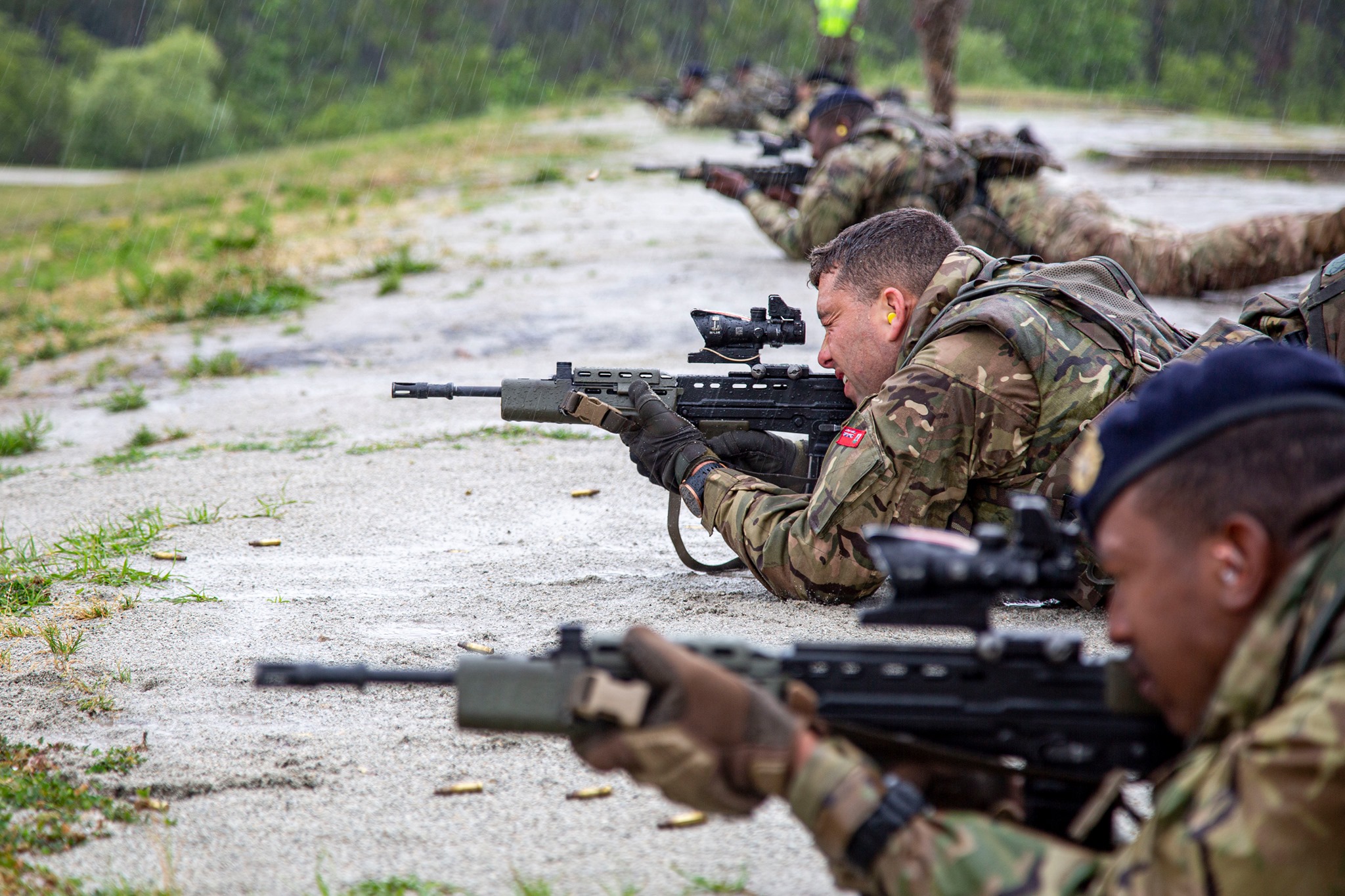
Britain’s L85A1 was compact, accurate, and chambered for the NATO 5.56×45 mm cartridge, but early operational experience exposed reliability problems. Its difficulties became especially visible during the 1991 Gulf War, when troops encountered stoppages and other issues in harsh conditions. The rifle later underwent a major overhaul by Heckler & Koch, creating the L85A2. The British Army says the A2 was modified after operational experience. The SA80 family uses a 5.56 mm cartridge, and the A2 update began in 2002. Feedback reshaped the weapon without replacing its basic concept. The overhaul concentrated on reliability and durability. The A1 and A2 should be treated as distinct standards rather than judged as though they were identical rifles.
7. Johnson M1941
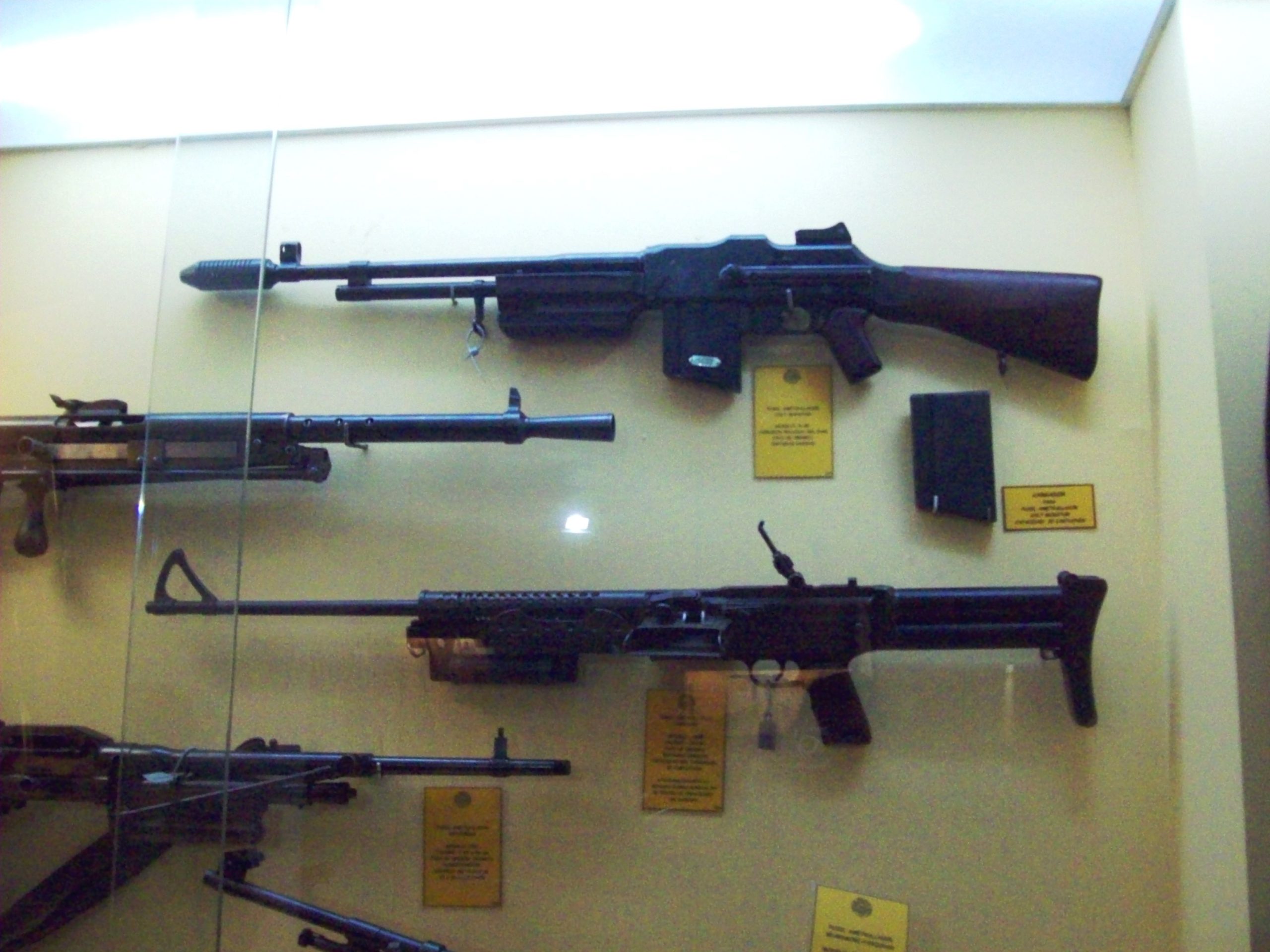
The Johnson M1941 was an ingenious American rifle with a rotary magazine, short-recoil action, and quick-change barrel. It was light and handy for a full-power service rifle, but its unusual architecture created logistical and compatibility problems. Its parts did not fit neatly into the U.S. Army’s established Garand system, limiting adoption. Only a small number entered combat with U.S. forces through Marine Raiders. Its story was not a simple failure; it arrived after the Army had committed to another system. The rifle fired .30-06 Springfield ammunition, used a 10-round rotary magazine, and weighed about 9.5 pounds. The Australian War Memorial records that it was unreliable in service and received wartime modifications. Logistics and standardization mattered more for widespread issue.
8. SVT-40
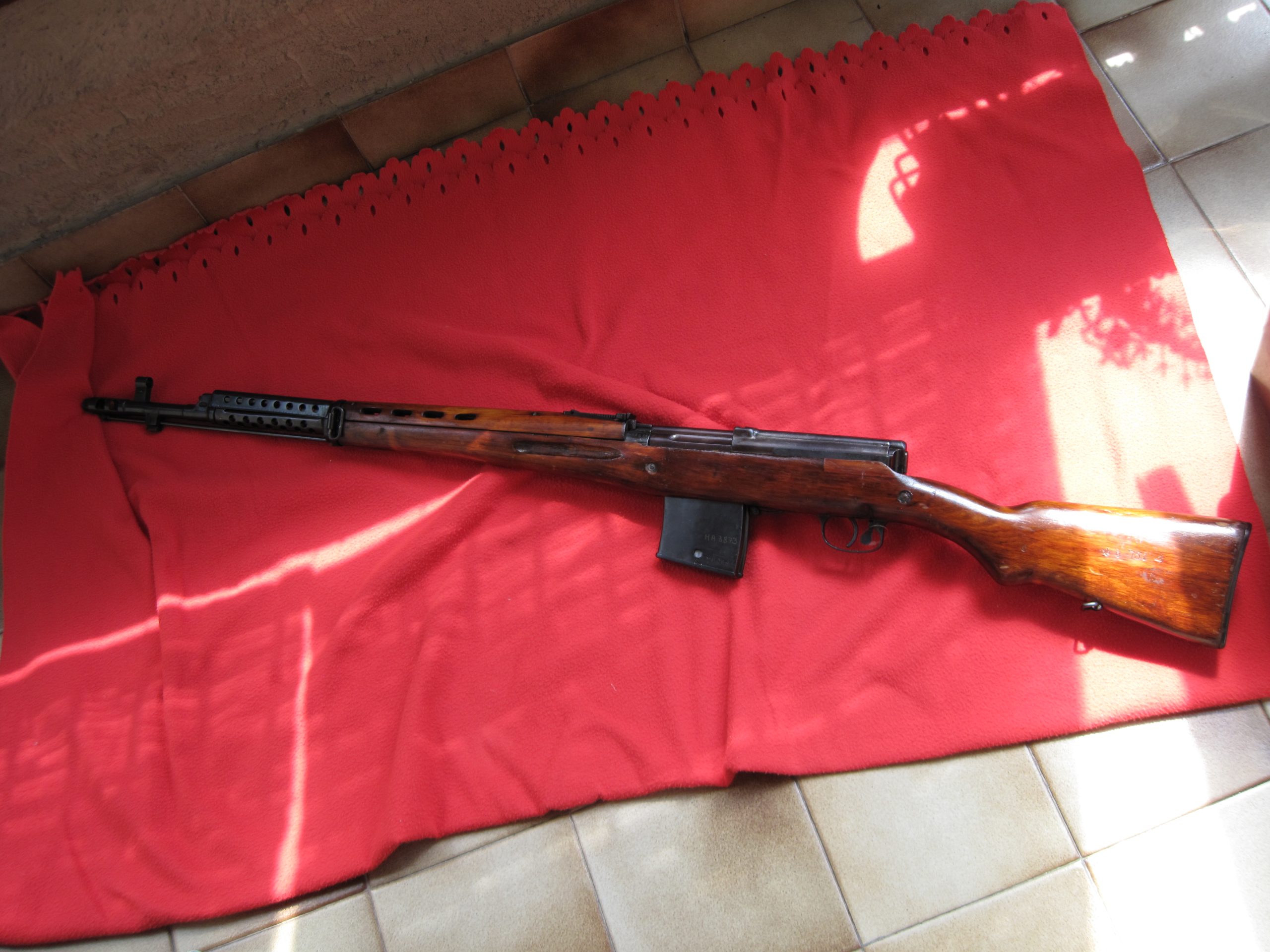
The Soviet SVT-40 was a major attempt to put a modern self-loading rifle into mass infantry service. It was lighter and faster to fire than the Mosin-Nagant, but wartime production exposed weaknesses in reliability, training demands, and manufacturing consistency. Its gas system required correct adjustment, and poorly maintained rifles could suffer stoppages. Production was reduced as simpler weapons became more practical. The SVT-40 fired 7.62×54mmR ammunition, used a 10-round detachable magazine, and weighed about 3.85 kg. Soviet production continued on a large scale, with museum records documenting nearly 2 million SVT-38 and SVT-40 rifles combined. The weapon shows a difficult wartime trade-off: advanced engineering can lose ground when an army needs huge numbers of simple, maintainable weapons.
9. MAS-49
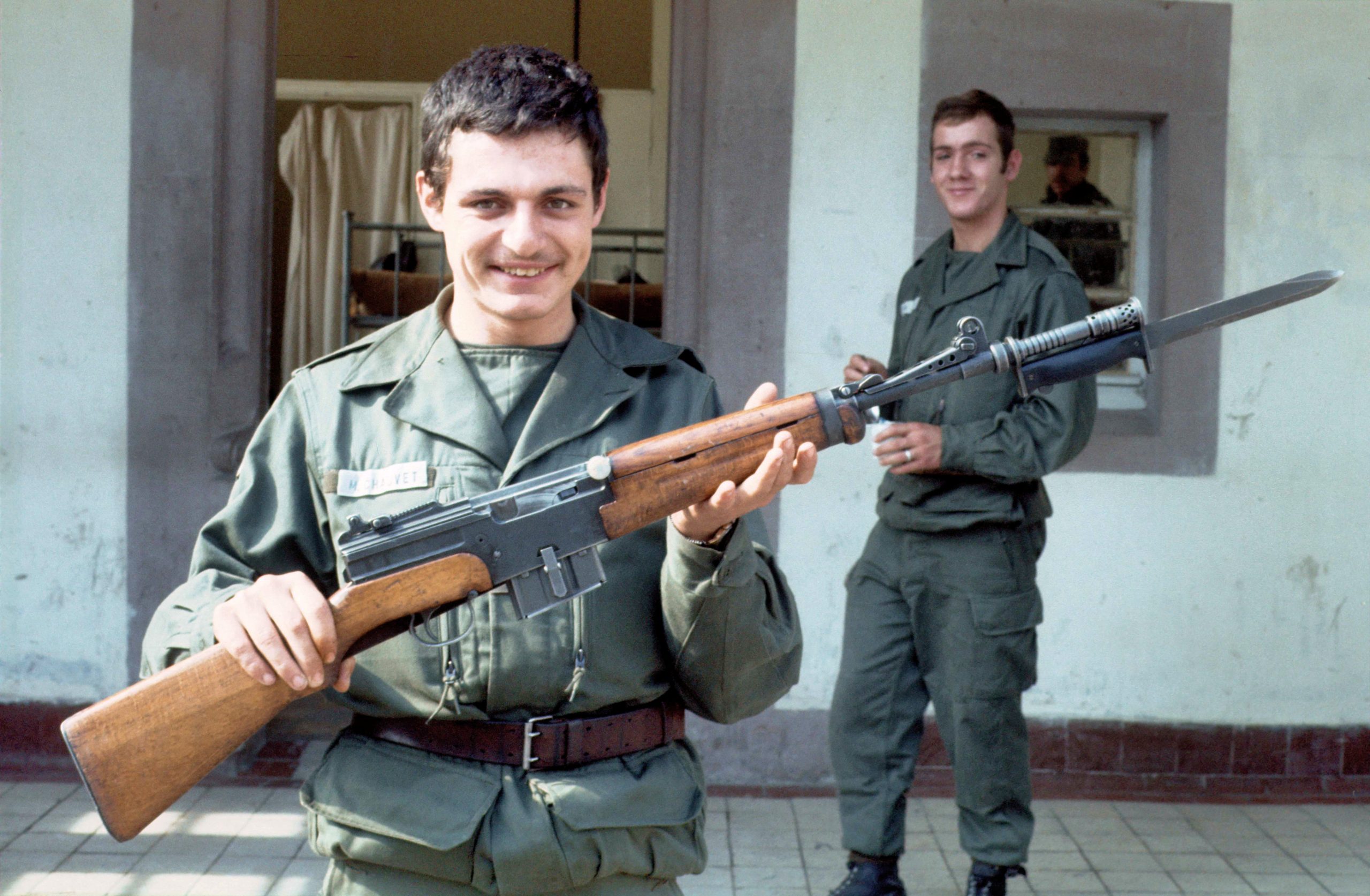
France’s MAS-49 was a much more successful postwar design, but its service history still showed why combat testing matters. It used a direct gas system and a 10-round detachable magazine, simpler than earlier French self-loaders. The later MAS-49/56 became shorter for modern infantry use. Its story was about refinement, not spectacular failure. Colonial service exposed practical needs in handling and durability. The MAS-49 entered service in 1949, fired 7.5×54mm French ammunition, and weighed about 4.7 kg. Its development illustrates the quieter side of design regret: engineers can build a sound weapon, then discover that soldiers need different details after long periods in difficult terrain. Sometimes combat does not destroy a design; it simply reveals where the next version must improve.