For many hunters, bow season is not just about choosing different gear. It is about getting into the woods earlier, staying there longer, and sometimes hunting places or timeframes that are off-limits once rifle season arrives. These eight states stand out because their archery opportunities can offer access, flexibility, and a quieter kind of advantage that gun season often cannot match.
Pennsylvania

Pennsylvania is one of the clearest examples of bow season opening doors before the crowds and orange hats take over. Archery hunters often get a long runway into the fall, with early opportunities that line up with active deer patterns, standing crops, and relatively calm woods on both public and private ground.
What makes the state especially appealing is how different the atmosphere can feel once rifle season begins. Pressure rises fast, movement patterns change, and some areas become dramatically busier. For hunters who value time, flexibility, and a more deliberate approach, Pennsylvania’s bow season can feel like access to a completely different version of the same landscape.
Ohio

Ohio has built a reputation for producing serious whitetails, and archery season is a big reason why. Bow hunters typically enjoy a long season that stretches across changing phases of fall, giving them more chances to hunt food sources early, rut movement later, and post-rut patterns after many casual hunters have packed it in.
That extended window matters in a state where access can be competitive and timing is everything. Rifle season is effective, but it is shorter and far more concentrated. Bow season lets hunters be selective about weather, wind, and pressure, which can make a major difference when chasing mature deer on small properties or crowded public parcels.
Wisconsin
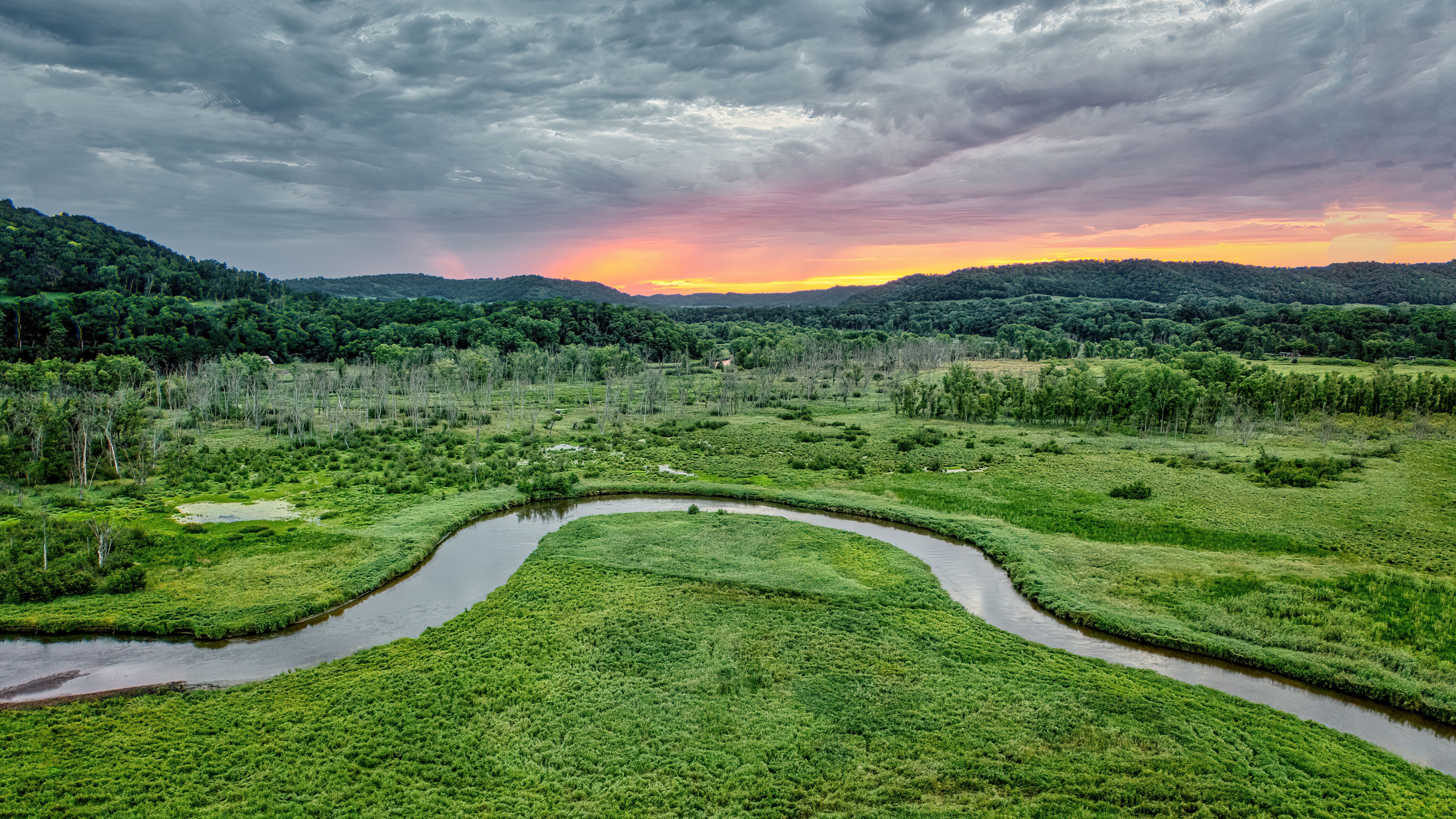
Wisconsin gives bow hunters one of the most valuable assets in deer season: time. Archery opportunities often begin well before the peak crush of firearm activity, allowing hunters to work patterns patiently in farm country, big timber, and marsh edges while deer are still behaving more naturally and predictably.
Once gun season opens, the rhythm changes quickly. More people enter the woods, deer shift into thicker cover, and hunting can become reactive instead of strategic. Bow season in Wisconsin rewards those who want to scout, adjust, and hunt specific conditions rather than compress everything into a brief, high-pressure stretch of rifle days.
Illinois
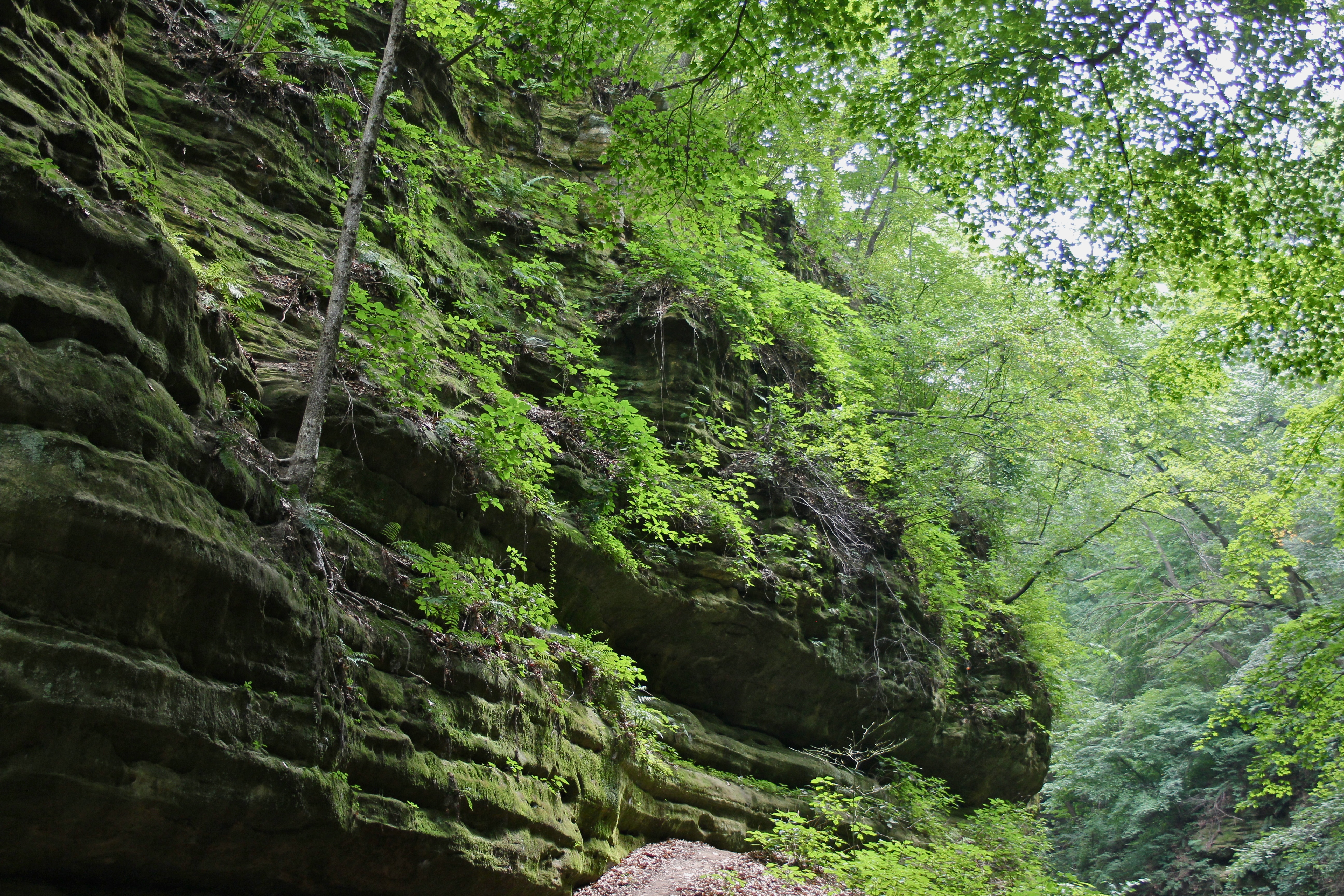
Illinois is famous for big-bodied whitetails and highly managed deer ground, and archery season is where much of that reputation comes to life. Bow hunters often have access to a long calendar that allows them to target early feeding patterns, the pre-rut shift, and prime rut movement without being boxed into a narrow firearm timetable.
That freedom is especially meaningful in a state where many hunters focus intensely on specific wind directions and stand locations. Rifle season can be productive, but it brings a faster, louder pace. Archery season offers the room to hunt carefully, preserve properties longer, and wait for the right moment instead of forcing the issue.
Kansas
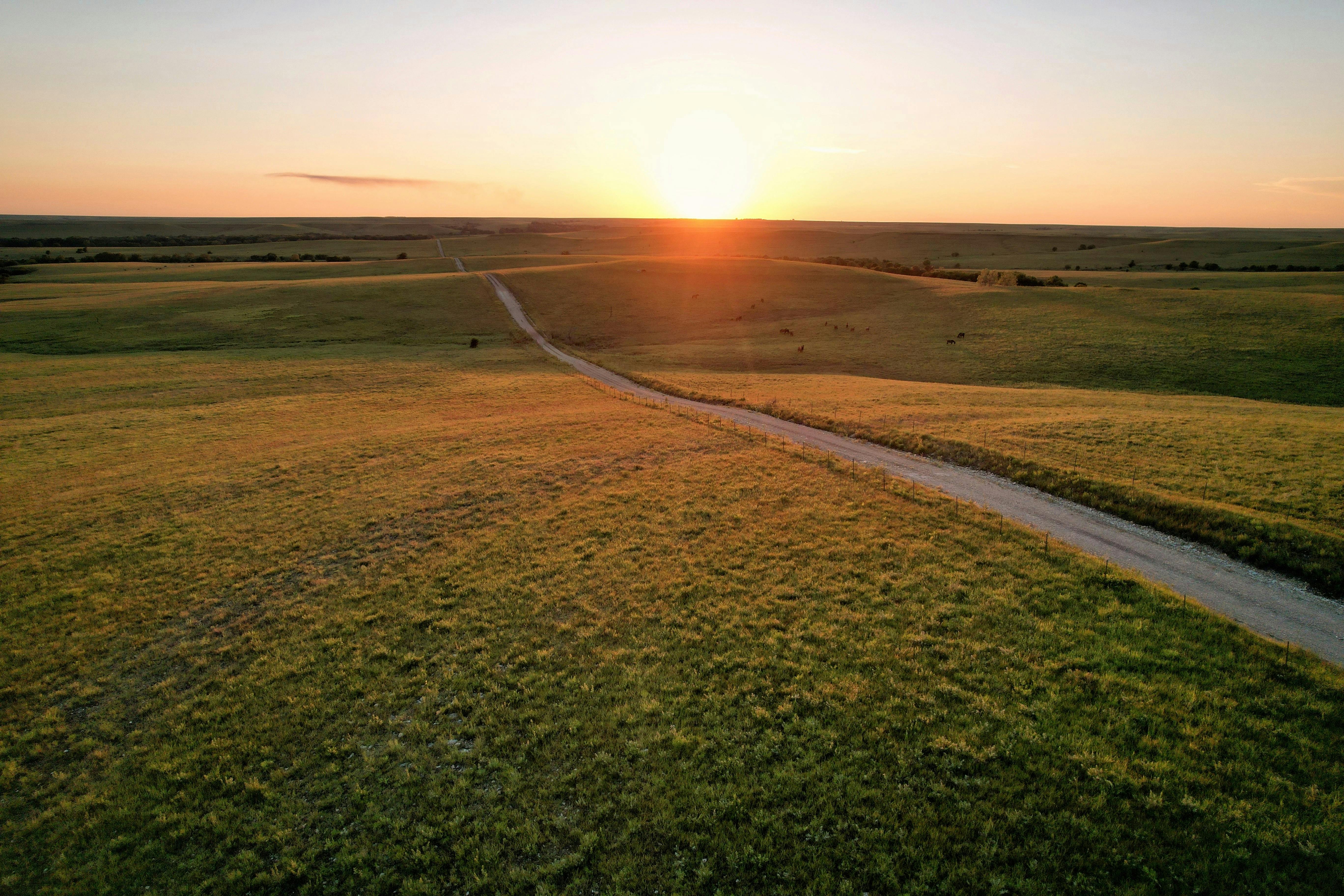
Kansas is often talked about in the same breath as trophy whitetails, but the state is also a lesson in how archery season creates access through timing. Bow hunters can get into the field during quieter weeks when deer are still tied to food and water patterns, long before the landscape feels pressured by more concentrated firearm activity.
For hunters traveling in or trying to make the most of limited permission ground, that lower-pressure period can be the real edge. Rifle season may draw attention, but bow season offers flexibility to hunt transitions, creek bottoms, and ag country with a more surgical mindset. In Kansas, access is often as much about calm conditions as it is about acreage.
Kentucky
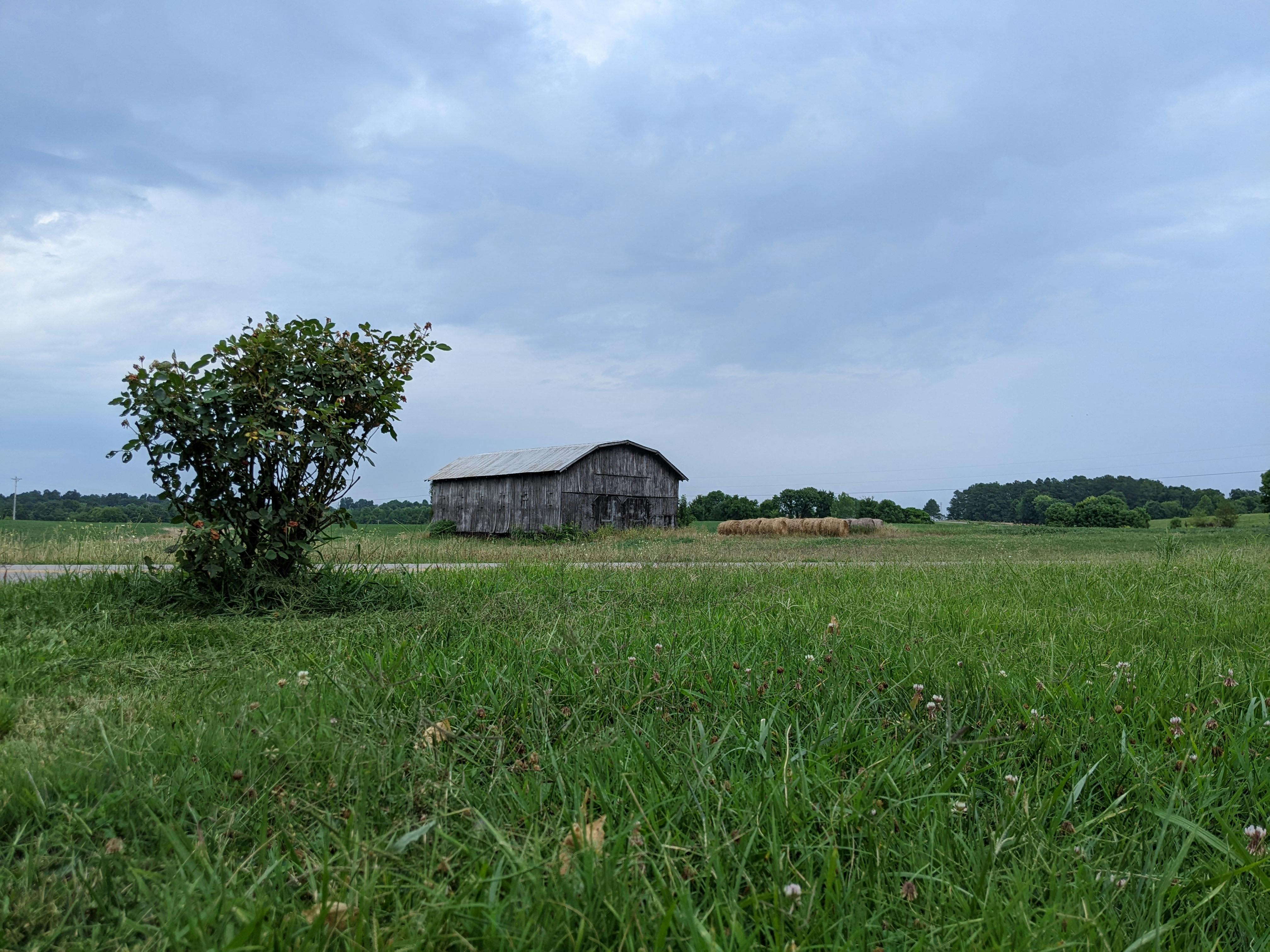
Kentucky gives archery hunters a notably long season, and that expanded calendar changes the game. It allows hunters to experience multiple chapters of deer behavior across hardwood ridges, crop fields, and reclaimed land, rather than hinging the whole year on a short burst of firearm opportunity.
That longer arc also means more choice. Hunters can wait out bad weather, avoid heavily pressured weekends, and return when conditions improve. Once rifle season starts, the woods can feel tighter and more hurried. Bow season in Kentucky offers a steadier pace, and for many hunters that translates into better access to deer that have not yet been pushed into survival mode.
Missouri

Missouri stands out because bow season often gives hunters a broader, quieter canvas to work with. From oak timber to river-bottom farms, archery hunters can get ahead of the major surge of firearm pressure and hunt deer while feeding routines and travel corridors still make sense from a patterning standpoint.
That difference becomes obvious later, when rifle season concentrates hunters and changes how deer use cover. Bow hunters who invest time early can capitalize on less disrupted movement and more manageable competition for space. In a state with a strong hunting culture and plenty of participation, that earlier and longer access is a meaningful advantage, not just a scheduling perk.
Iowa

Iowa is legendary among deer hunters, and archery season is central to that mystique. Bow hunters often have the kind of access serious whitetail hunters crave: a longer season, a lower-profile presence in the field, and opportunities that align with some of the most coveted weeks of deer movement in the entire fall.
Because firearm opportunities are more limited and highly anticipated, bow season can feel even more distinct. Hunters who draw permission or gain access to quality ground often guard those chances carefully, and the quieter nature of archery fits that approach. In Iowa, bow season is not just an alternative to rifle season. For many, it is the main event.