This question gets people fired up fast. And the reason is simple: it is not really about equipment alone.
Why This Debate Never Really Goes Away
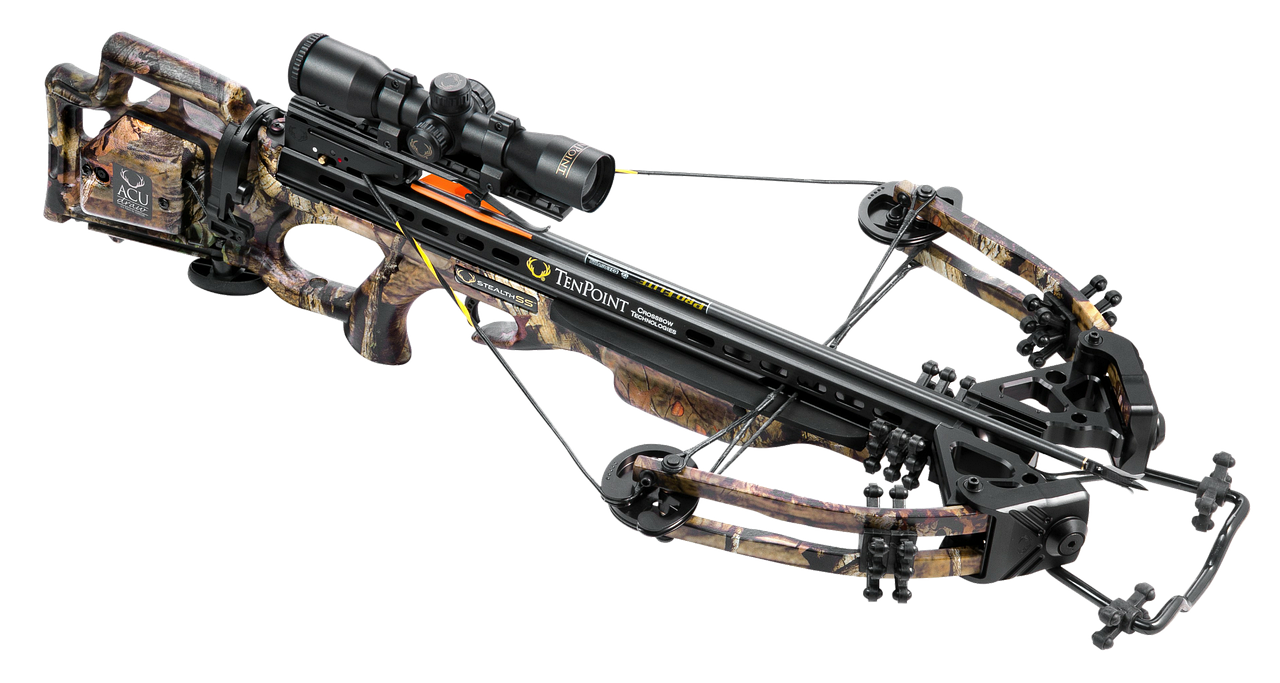
At first glance, the issue sounds narrow. A crossbow launches an arrow-like bolt, uses broadheads, and is regulated as archery equipment in many places. According to the Archery Trade Association, crossbows are considered archery equipment under the federal excise tax framework, and the organization explicitly supports them as legitimate hunting tools. In states like Indiana, official regulations say crossbows can be used during the entire archery season, which shows how normalized they have become in some regions.
But to many traditional bowhunters, the question is bigger than classification. They see archery season as a special challenge built around drawing and holding a bow at close range, often under pressure and in awkward body positions. The Pope and Young Club, one of the most influential record-keeping and bowhunting organizations in North America, takes a clear position that crossbows should not be considered for bowhunting-only seasons. That stance reflects a philosophy, not just a rulebook preference.
That is why this argument survives every season-setting meeting and campfire discussion. One side asks whether a crossbow is simply another arrow-launching tool. The other asks whether archery season should protect a style of hunting defined by hand-drawn bows and the difficulty that comes with them. Until hunters agree on what archery season is for, they will keep disagreeing about who belongs in it.
The Case For Letting Crossbows In
The strongest argument for crossbows is access. They lower the physical barrier to entry for older hunters, smaller-framed hunters, new hunters, and people recovering from injuries. In Florida, the Fish and Wildlife Conservation Commission provides a permit that allows qualified hunters with disabilities to use a crossbow or airbow during archery season on public land. Michigan also maintains disability-based permitting for some restricted situations, underscoring how access remains a real policy concern.
There is also a recruitment argument, and it is not trivial. The Archery Trade Association and Responsive Management released a national crossbow market study in early 2026 focused on recruitment, retention, and reactivation of hunters. That matters because wildlife agencies need participation, license sales, and Pittman-Robertson funding to support conservation. If crossbows bring lapsed hunters back and help new hunters stay engaged long enough to become ethical, competent participants, agencies are going to pay attention.
Real-world adoption shows this is more than theory. Pennsylvania’s Game Commission has said roughly 350,000 people head afield for whitetails with either a vertical bow or crossbow, and the agency has long treated both as part of its archery hunting community. Virginia law also defines “archery equipment” to include a bow and arrow or a crossbow. Once that legal and cultural shift happens, excluding crossbows starts looking less like preservation and more like gatekeeping to many hunters.
The Case Against It

The opposition is not just nostalgia, even if critics are sometimes painted that way. Traditionalists argue that crossbows change the nature of the hunt because they are held at full draw mechanically, can be supported in ways vertical bows cannot, and often shorten the learning curve for getting hunting-ready accuracy. For hunters who spent years mastering draw cycle, anchor point, release control, and close-range shot timing, that difference is the entire point of archery season.
Organizations like the Pope and Young Club are blunt about this. Their position statement says the crossbow should not be considered for use in bowhunting-only seasons, and their record-book standards exclude crossbow-taken animals from eligibility. That does not mean they consider crossbows unethical in all circumstances. It means they view crossbows as different enough from hand-drawn bows that they do not belong under the same seasonal label.
There is also a resource-management concern, even if it varies by state. Critics worry that expanding access to highly effective short-range equipment during long early seasons can raise harvest pressure, crowd more hunters into prime weeks, and chip away at the distinct opportunity archers once had. In other words, the concern is not only fairness between hunters. It is whether the original tradeoff of archery season, more time in exchange for more difficulty, still holds once the tool changes. That is a policy question every state has to answer for itself.
What State Rules Tell Us
The clearest answer to the practical question is this: there is no single American rule. States treat crossbows very differently, which tells you the debate is still unsettled. Indiana’s official guidance says crossbows can be used during the entire archery season. Virginia law defines archery equipment to include crossbows, and Pennsylvania publicly describes archery deer hunters as using either a vertical bow or crossbow.
Other states use a narrower approach. Michigan still preserves disability-based restrictions in certain late archery situations, requiring a Disabled Bow Permit for using a modified bow or crossbow during the late archery deer season in some areas. Florida’s public-land archery-season crossbow access is explicitly tied to a disability permit. Those details matter because hunters often assume a neighboring state’s rule applies everywhere. It does not.
Maryland and Virginia show another path: define crossbows as lawful archery tackle in regulation and move on. Maryland regulations allow an individual to use a bow to hunt deer and black bear during all legal deer and black bear seasons, while Virginia’s administrative code explicitly includes the crossbow in its archery-equipment definition. That variety is the real story. Crossbows already belong in archery season in some states by law, and clearly do not in others unless special conditions are met.
Ethics Matter More Than The Trigger Style

A lot of this debate becomes cleaner when you stop treating legality and ethics as the same thing. Legal means a wildlife agency has decided the equipment fits its management goals. Ethical means the hunter using it can make clean shots, knows realistic distance limits, and treats the season with respect. A crossbow in careless hands is a problem. So is a vertical bow in careless hands.
Crossbows do offer practical advantages. They can usually be aimed from a ready-to-fire position without the movement of drawing at the moment of truth, and that can reduce shot opportunities lost to busted movement. But those advantages do not erase the core realities of bowhunting. Range is still limited compared with firearms, broadhead placement still has to be exact, and poor judgment still creates wounded game. The tool can help, but it does not replace discipline.
That is why hunter education matters so much. Pennsylvania promotes successful bowhunting and archery safety coursework for archery-season participants, and that is the model worth following. If crossbows are in the season, standards should rise with access: more practice, more emphasis on shot selection, and more honesty about effective range. The ethical question is not whether the limb orientation is horizontal or vertical. It depends on whether the hunter behind it is prepared.
Tradition, Identity, And The Meaning Of Archery
If you listen closely, many hunters are arguing about identity more than ballistics. Archery season has long carried a certain image: close encounters, quiet woods, intimate distances, and a demanding skill set that takes months or years to build. For traditional and compound bow hunters, crossbows can feel like a shortcut into a culture built on delayed gratification. Even when that is not fully fair, it is emotionally real.
On the other hand, hunting culture has always changed. Compound bows were controversial once. Inline muzzleloaders were controversial. Optics, saddle systems, rangefinders, and high-performance broadheads all changed the field, yet most eventually became normal. According to Virginia’s deer management planning, crossbows were made legal for all deer hunters there in fall 2005, and the state later removed the separate crossbow license in favor of a single archery license structure. That is what normalization looks like over time.
So when someone says crossbows do not belong, they may really mean they do not fit the tradition they inherited. When someone says they absolutely belong, they may mean hunting should remain open to people whose bodies, schedules, or backgrounds do not line up with old expectations. Both positions are about values. Equipment is just where those values collide.
So, Do Crossbows Belong In Archery Season?
My honest answer is yes, but not automatically and not for the same reason everywhere. If a state’s wildlife agency determines that crossbows help recruitment, access, and conservation funding without undermining herd goals, then there is a solid case for including them. The law in places like Indiana, Virginia, Pennsylvania, and Maryland shows that many agencies have already made that judgment. In those states, the argument is mostly cultural now, not legal.
Still, I understand the pushback. Archery season was built around a distinctive challenge, and states are justified if they want to protect a separate experience for hand-drawn bowhunters. A split structure can make sense too, with certain dates for all archery equipment and certain dates reserved for vertical bows only. That kind of compromise respects tradition without pretending crossbows are going away. This last point is partly an inference from how differently states structure seasons and permits today.
So yes, crossbows can belong in archery season. But whether they should belong to the states, the biology, and the kind of hunting experience each region wants to preserve. The smarter question is not whether crossbows count as “real” archery. It is whether the rules create fair opportunity, ethical harvests, and a stronger future for hunters and wildlife alike.