Backcountry wildlife encounters are not always random. Sometimes they happen because hikers unknowingly create the conditions for a close meeting. Walking silently through thick brush, leaving food exposed, approaching animals for photographs, or camping directly beside a wildlife trail can remove the distance that normally keeps people and animals apart. The good news is that many of these mistakes are preventable. Understanding what attracts wildlife and recognizing when to slow down can make a major difference. These eight habits are especially worth remembering before heading into remote country.
1. Ignoring Fresh Animal Signs
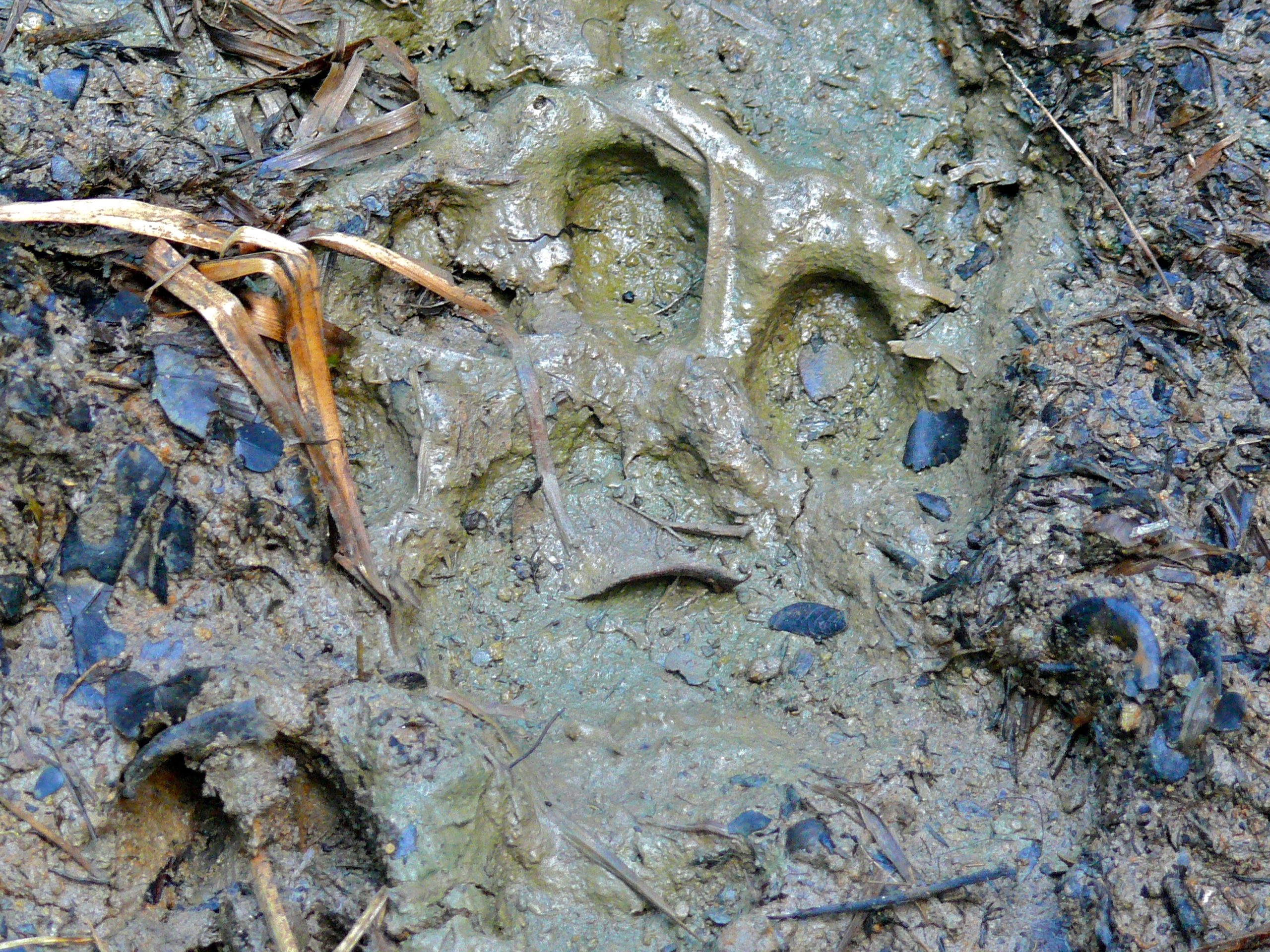
A trail covered with tracks, scat, torn vegetation or fresh digging is giving you information, but many hikers walk past it without slowing down. That is a mistake because recent signs can show that an animal is using the same route, feeding nearby, or resting in the area. Yellowstone backcountry guidance specifically warns visitors not to camp where bear tracks, scat, or digging are obvious. The number to remember is 1: one fresh sign should trigger a closer look, not panic. Check the wind, scan ahead, and consider changing direction when several signs point to recent activity. The safest response is to treat fresh evidence as a reason to increase awareness and distance.
2. Hiking Quietly Around Blind Corners
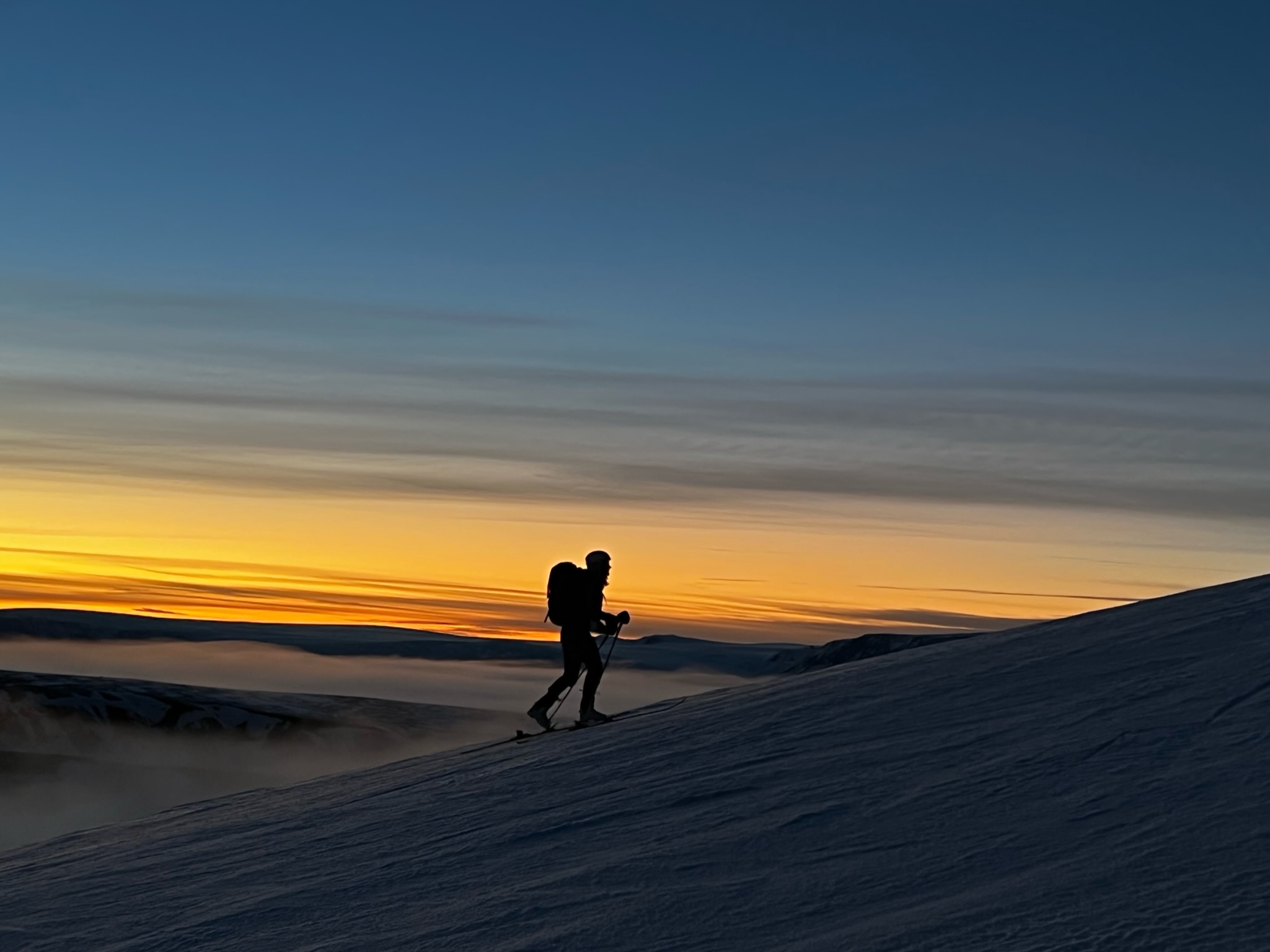
Silence can feel peaceful in the backcountry, but it can also remove the warning distance between you and a wild animal. Dense brush, narrow trails, rushing streams, and windy ridges can hide sound, leaving both you and the animal surprised. National Park Service guidance recommends making your presence known in areas with bear activity, especially where vegetation or other noise limits visibility. A useful number is 2: give yourself at least two opportunities to slow down before blind corners, steep crests, or thick brush. Talk naturally, scan ahead, and avoid charging around a bend without checking what is beyond it. That small pause can give both you and an animal more time to detect each other.
3. Leaving Food and Scented Gear Exposed

A forgotten snack wrapper can become more than litter when you are camping in wildlife country. Bears and other animals can investigate food, garbage, toiletries, sunscreen, and even cooking equipment because these items carry strong scents. NPS guidance says unattended food and scented items can attract wildlife and teach animals to associate people with food. Think of 3 as a useful campsite rule: secure food, secure garbage, and secure scented toiletries. Use the storage method required by the area, keep packs under control, and clean cooking equipment promptly. Never assume sealed packaging makes an item wildlife-proof. Even a tiny scent source can become an invitation for curious wildlife to investigate.
4. Splitting Up the Hiking Group
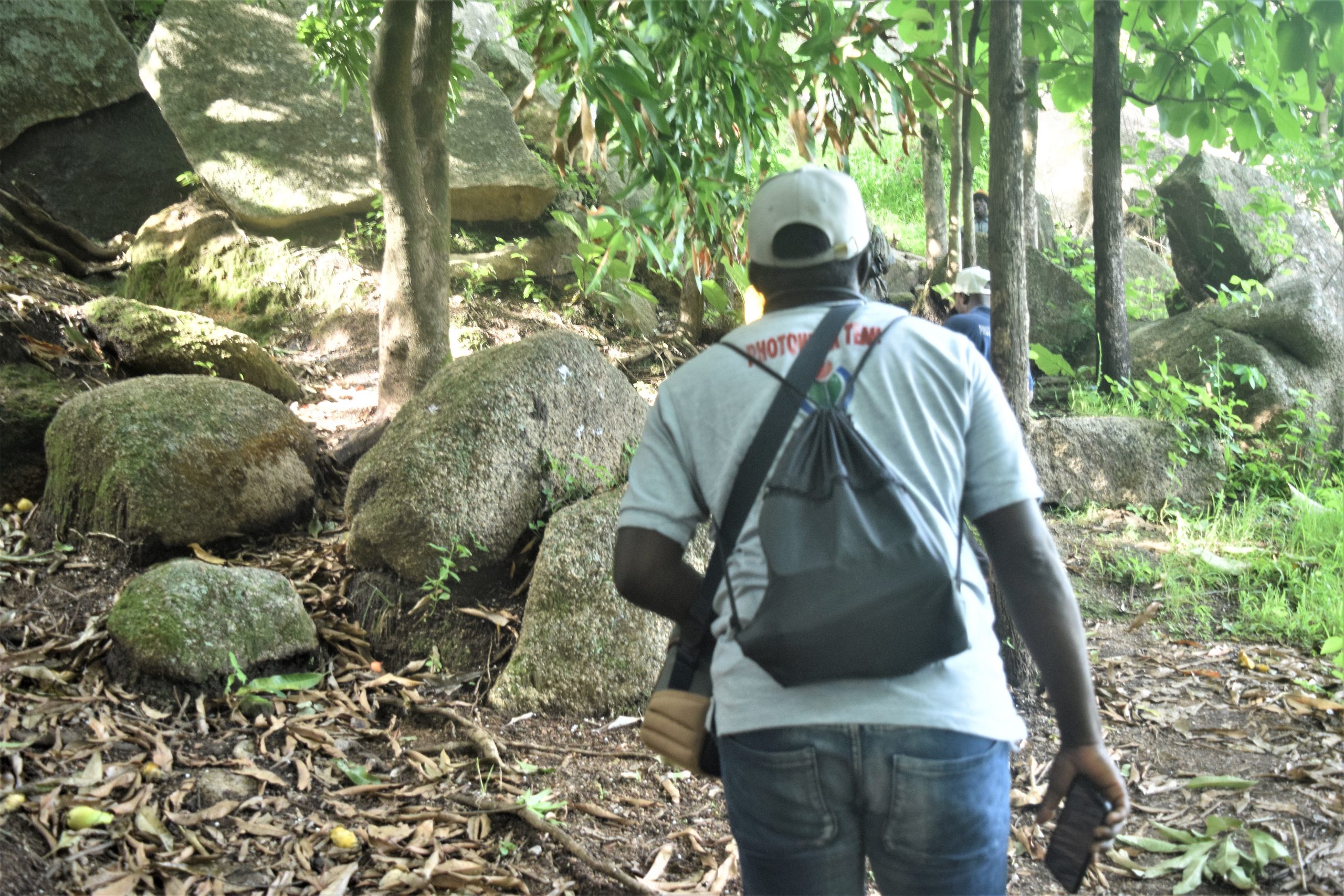
A lone hiker has fewer eyes watching the trail and may be harder for an animal to notice before the two meet. Groups are generally more visible and produce more natural sound, which can reduce surprise encounters with bears. NPS guidance recommends hiking in groups in bear country and keeping children close to the group. A practical number is 4: use four simple habits by staying together, communicating, scanning ahead and keeping vulnerable members close. If someone wants to photograph wildlife or inspect a side trail, the group should not casually scatter. Distance from one another can remove the warning advantage that a group provides. This is especially important when visibility is poor.
5. Letting a Dog Roam Ahead
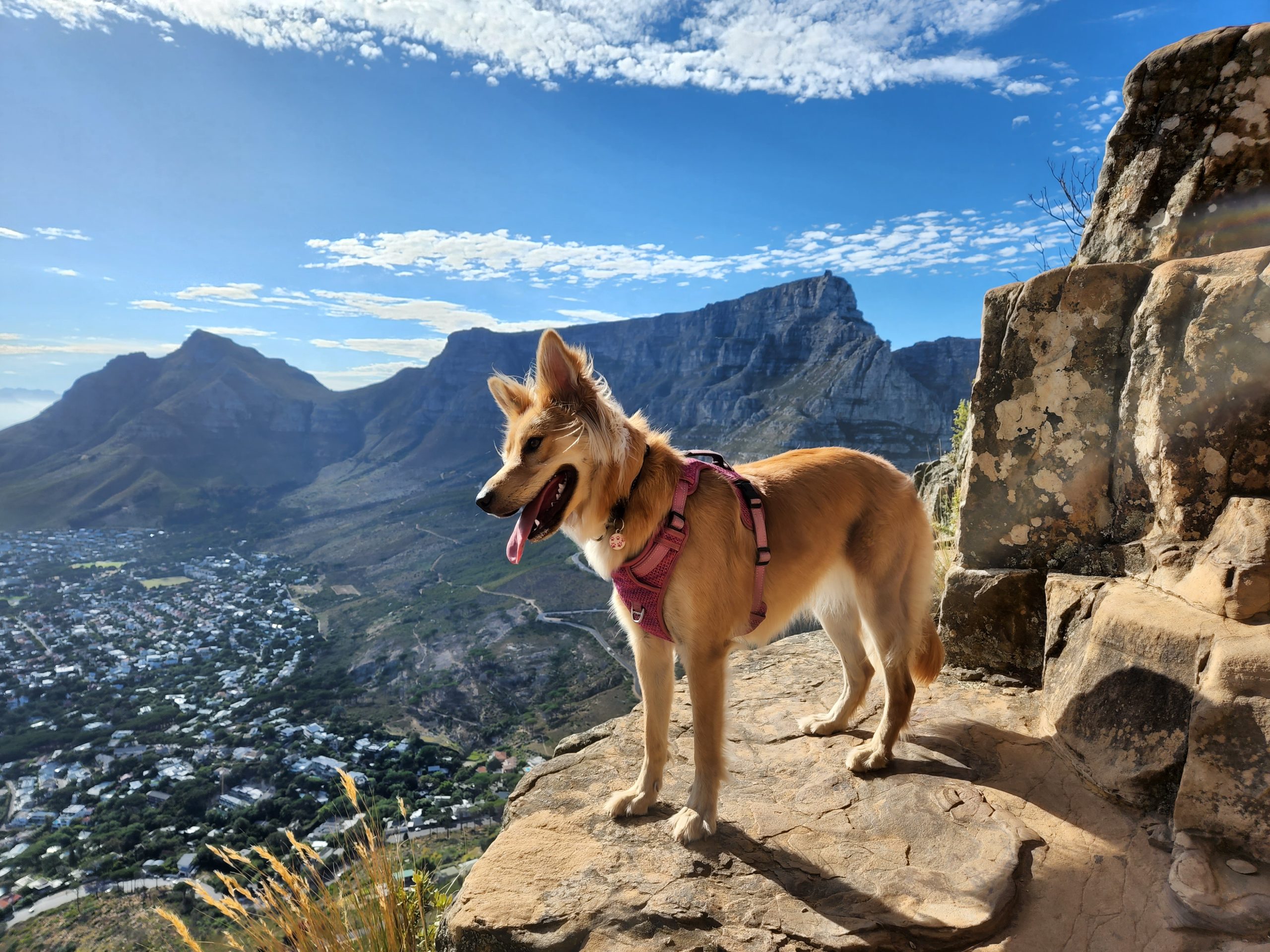
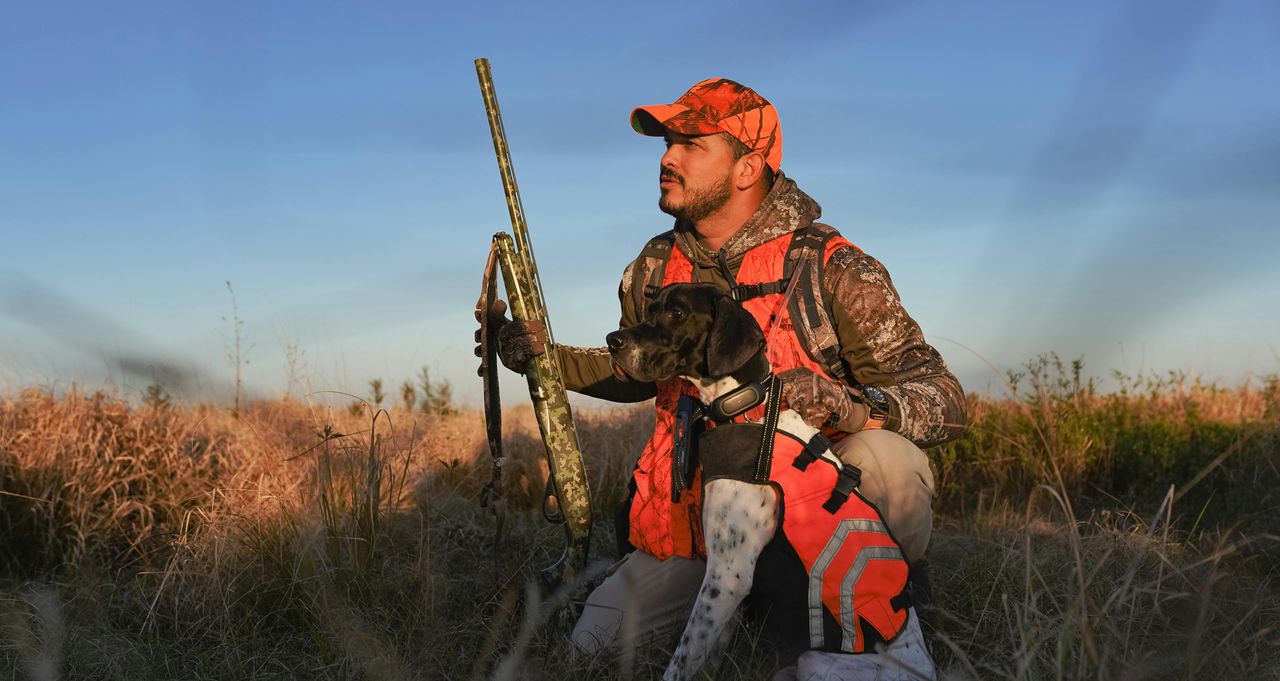
An off-leash dog can turn an ordinary hike into a wildlife confrontation. A dog may chase, bark at, or corner an animal and then run back toward its owner with the animal following. North Cascades National Park specifically warns that unleashed dogs can provoke large wildlife to chase or defend themselves aggressively. The key number is 5: think five habits before letting a dog range freely: leash control, visibility, distance, awareness, and recall. Keep the dog close where required, especially around dense vegetation or known wildlife habitat. A controlled dog gives you far more options when an animal appears. A controlled dog gives you more time to respond if wildlife appears.
6. Camping Beside an Animal Travel Route
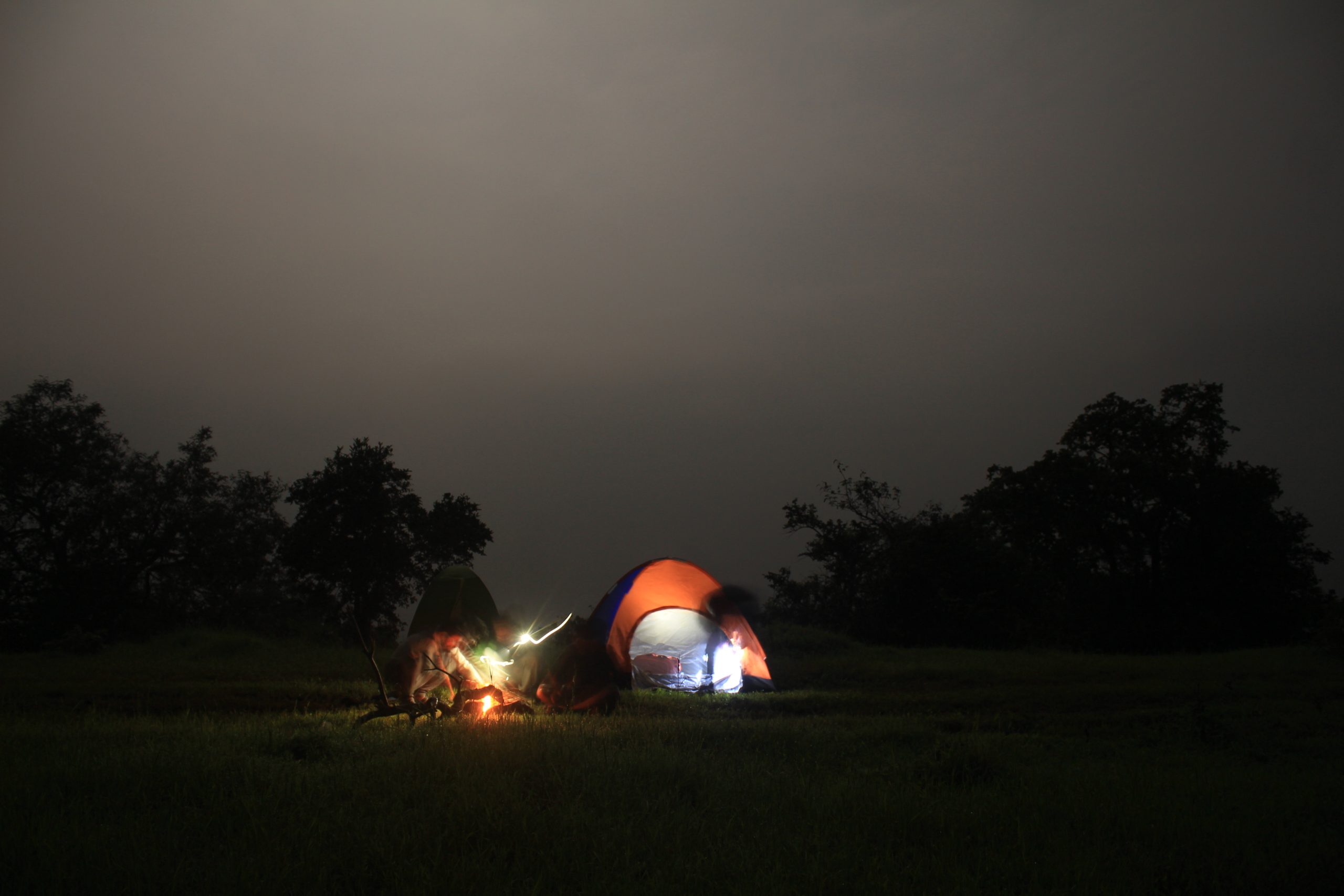
A beautiful flat campsite can still be a poor choice if it sits directly on a wildlife trail. Animals often follow established routes around water, food sources, valleys, and terrain openings, and placing a tent there can create an unnecessarily close encounter. Yellowstone advises campers to avoid areas showing obvious bear activity and to keep sleeping areas separated from cooking and food-storage zones. Remember 100: some backcountry guidance recommends keeping tents at least 100 yards from the core cooking and food-storage area. Before pitching camp, inspect the ground for tracks, scat, trails, feeding signs, and other evidence of regular animal movement.
7. Approaching Wildlife for a Better Photo
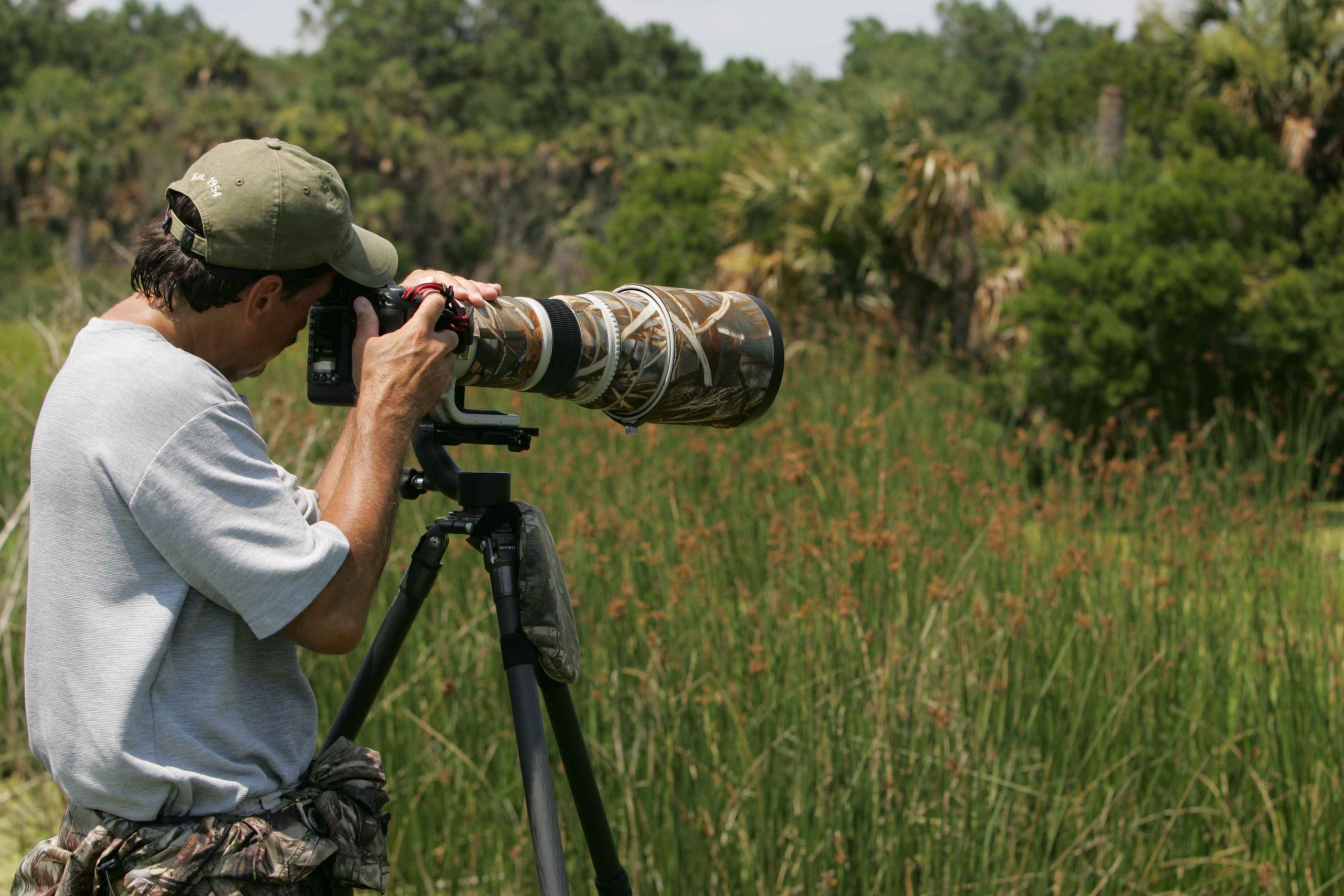
Moving closer for one impressive photograph is one of the easiest ways to turn a harmless sighting into a tense encounter. Animals may tolerate distant observers but react differently when their escape route disappears. NPS guidance emphasizes keeping distance and changing course when necessary rather than approaching wildlife. One useful number is 50: some parks require visitors to remain at least 50 yards from bears, although exact rules vary by location and species. A telephoto lens or binoculars can provide a better view without forcing the animal to respond. If the animal changes its behavior because of you, increase the distance immediately.
8. Running When an Animal Appears
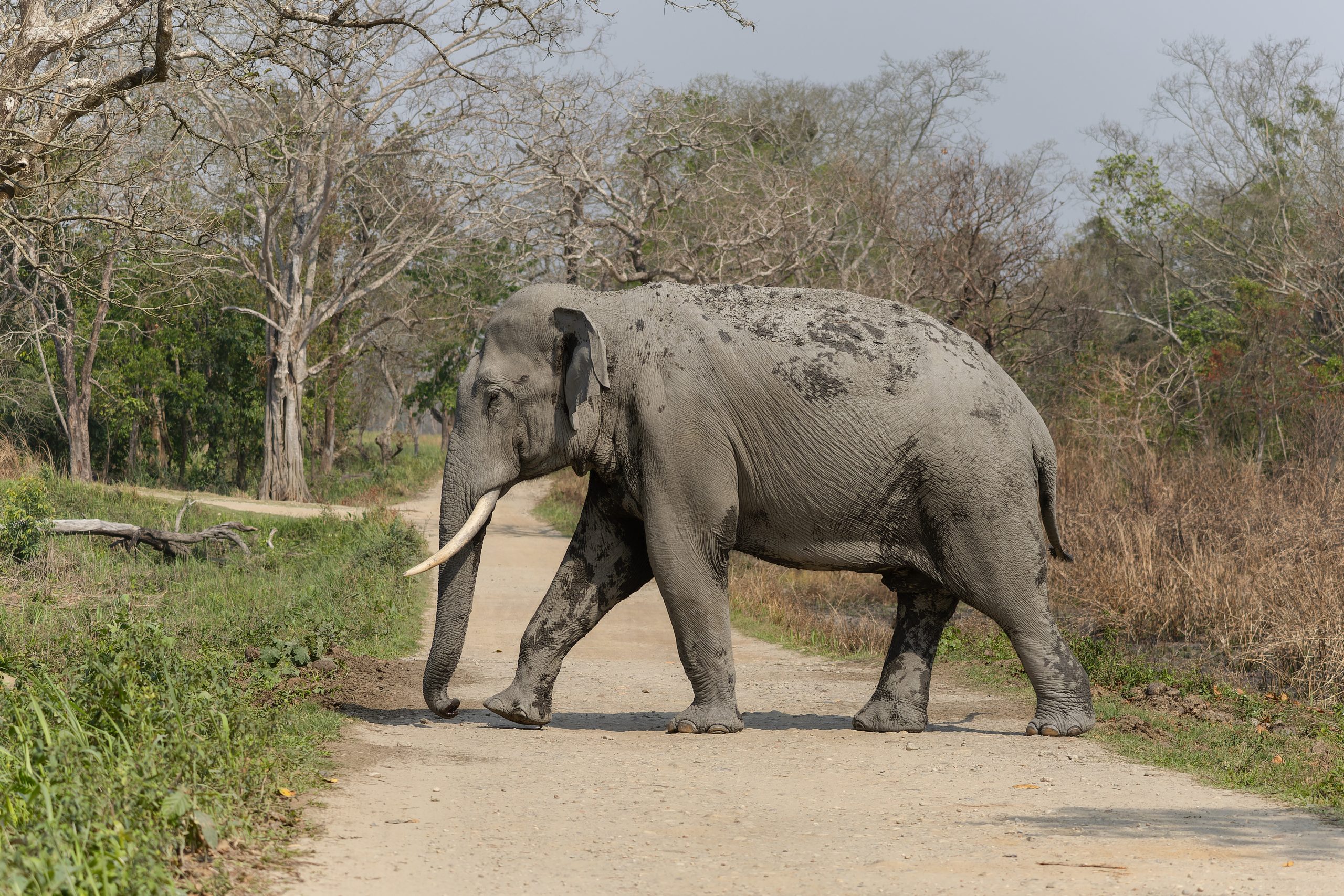
The instinct to run can be powerful, but it can also create exactly the response you are trying to avoid with some large wildlife. NPS guidance says not to run from bears and advises visitors to move away calmly while keeping track of the animal. The number 0 is the simplest rule here: make zero sudden sprints when a large wild animal first appears. Stop, assess the species and situation, and follow the local park or wildlife agency guidance. Do not assume one response works for every animal. Bears, mountain lions, moose, and other species behave differently, so knowing the correct procedure before entering the backcountry matters.