Sticker price gets a lot of attention. What matters more is what that money actually buys you.
The first question is not price but purpose.
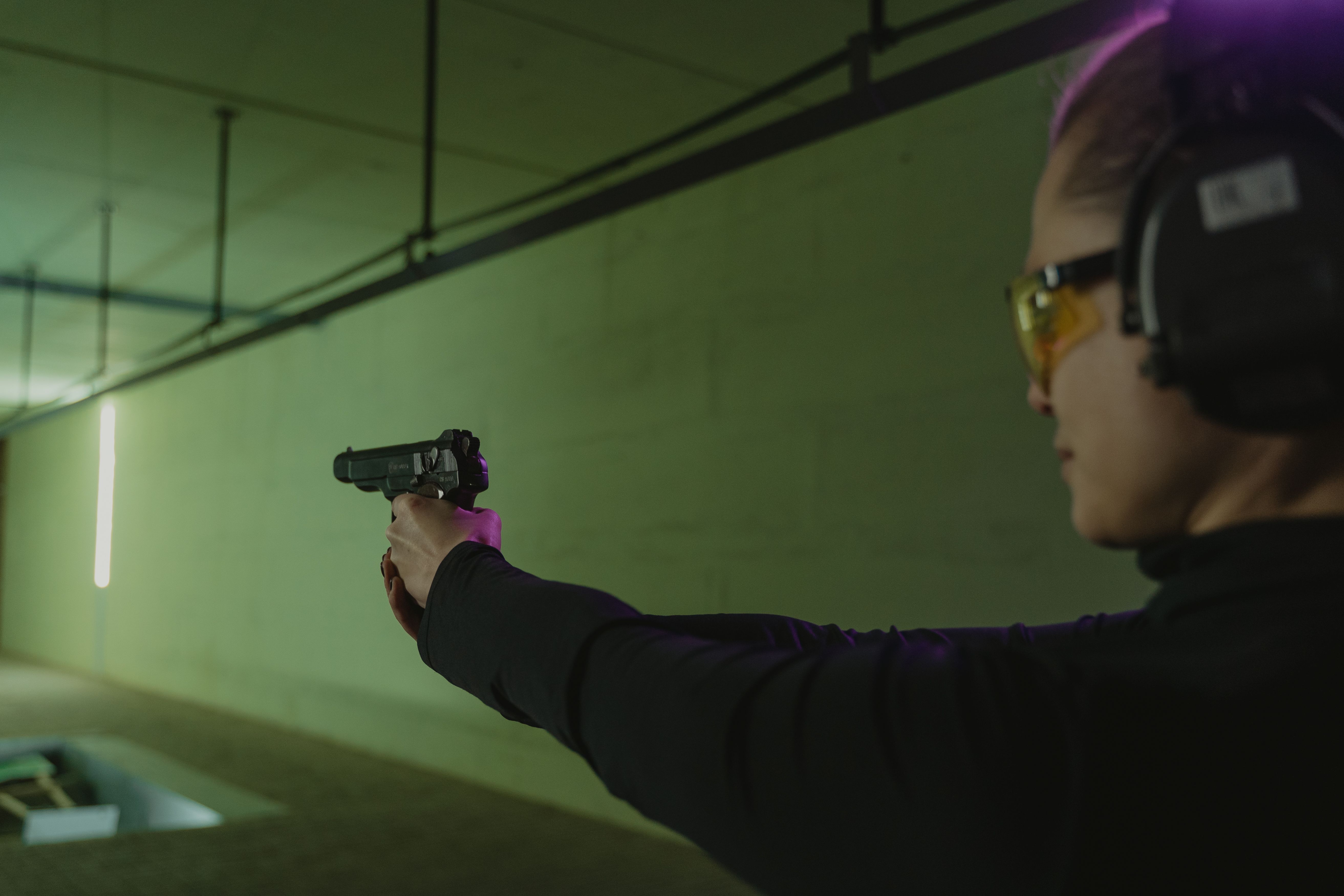
Before comparing a $500 handgun to a $1,200 one, you need to decide what job the pistol is expected to do. A range toy, a home-defense gun, a concealed-carry sidearm, and a competition pistol all ask for different strengths. One may prioritize compact size and easy concealment, while another rewards a longer sight radius, a better trigger, anda heavier weight for recoil control.
That is why price alone is such a poor shortcut. A basic polymer-framed striker-fired pistol around $500 may be nearly ideal for a first-time buyer who wants simple operation and dependable performance. In contrast, a $1,200 all-metal handgun with premium sights and a tuned trigger may be a better fit for someone shooting thousands of rounds per year.
The key point is that expensive and appropriate are not the same thing. A person who carries daily may value corrosion resistance, low maintenance, and magazine availability more than hand-fitted slide-to-frame smoothness. Meanwhile, an enthusiast who cares about match accuracy and trigger reset may happily pay more for details a casual owner would barely notice.
What you usually get in the $500 range
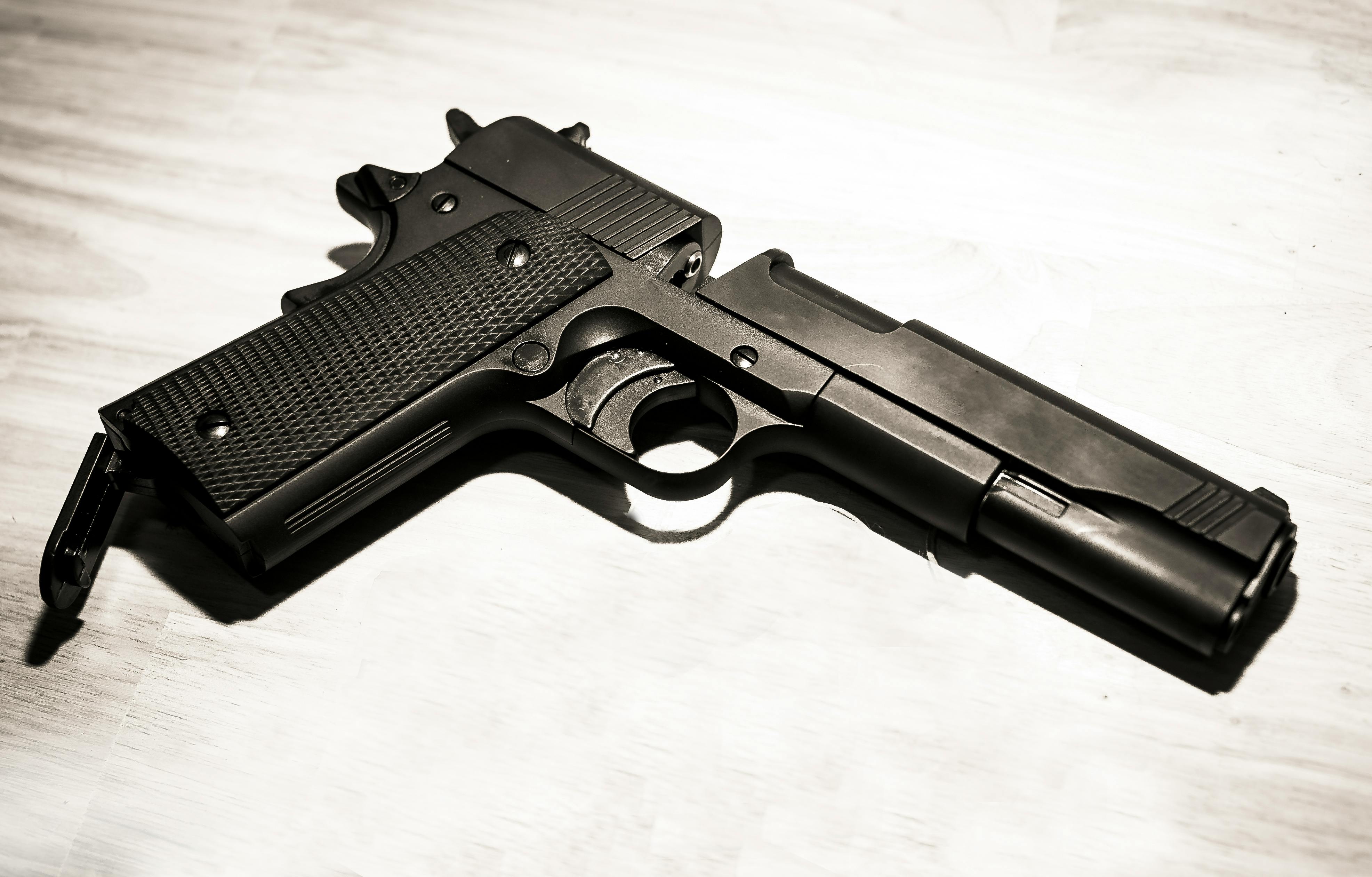
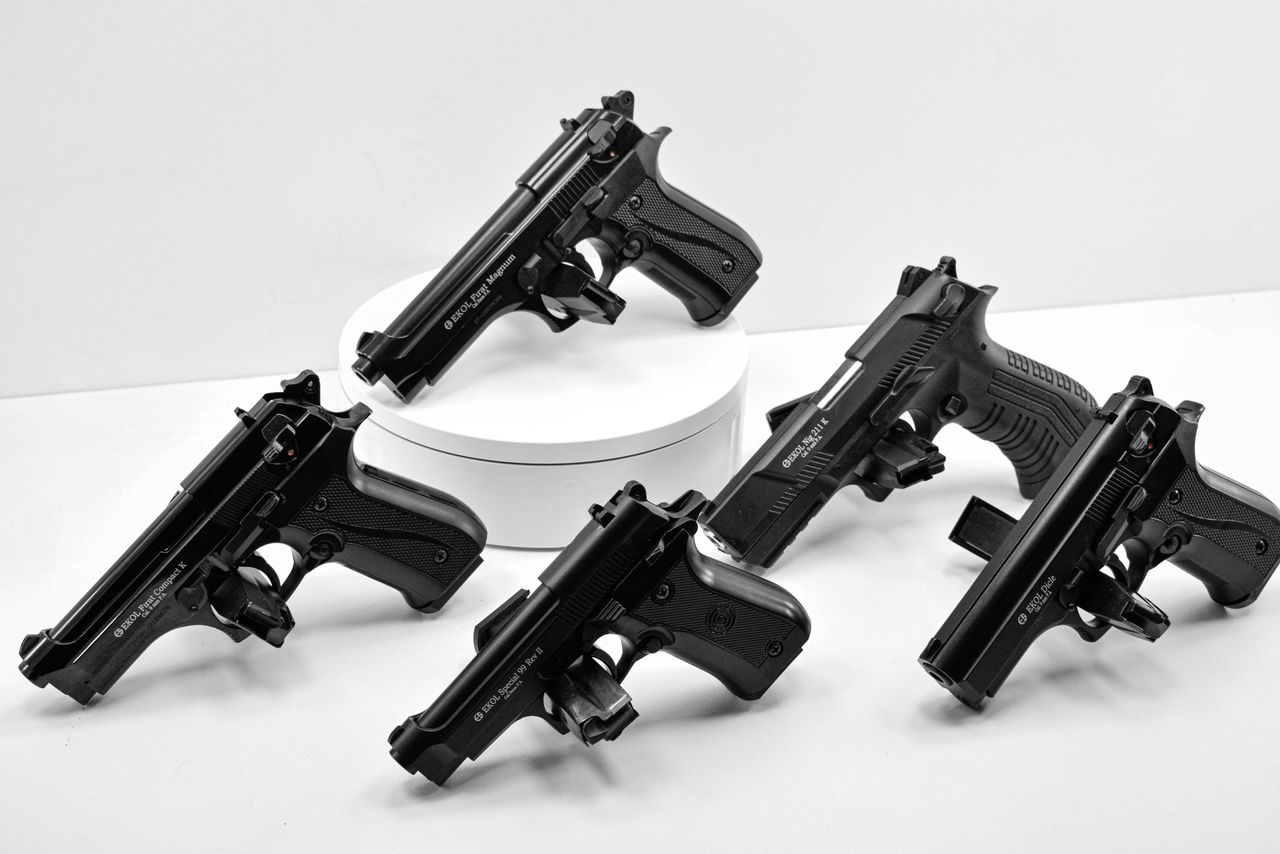
The $500 class is crowded because it hits the sweet spot for practical ownership. This is where many mainstream duty-style handguns live, especially polymer models from established manufacturers. In this tier, buyers often get proven reliability, usable sights, accessory rails, decent ergonomics, and straightforward field stripping without paying for cosmetic refinement.
In real-world terms, these pistols often perform better than their price suggests. Modern manufacturing, CNC machining, and improved quality control have made budget and midrange handguns far more capable than many older shooters remember. It is common today for a $500 handgun to fire thousands of rounds with only routine cleaning and spring replacement, especially when fed decent ammunition and factory magazines.
Where lower-priced guns typically give ground is in refinement. Triggers may feel spongier, sights may be basic white-dot units, and slide finishes may show wear earlier. Grip texture, machining marks, and overall fit can feel more utilitarian, but none of that automatically harms defensive usefulness.
For many owners, that tradeoff is completely rational. If the gun is reliable, accurate enough at defensive distances, and comfortable enough to practice with, the remaining money can go toward holsters, extra magazines, training, and ammunition. In many cases, that spending will improve real capability more than stepping up to a pricier pistol.
What the extra money often buys at $1,200
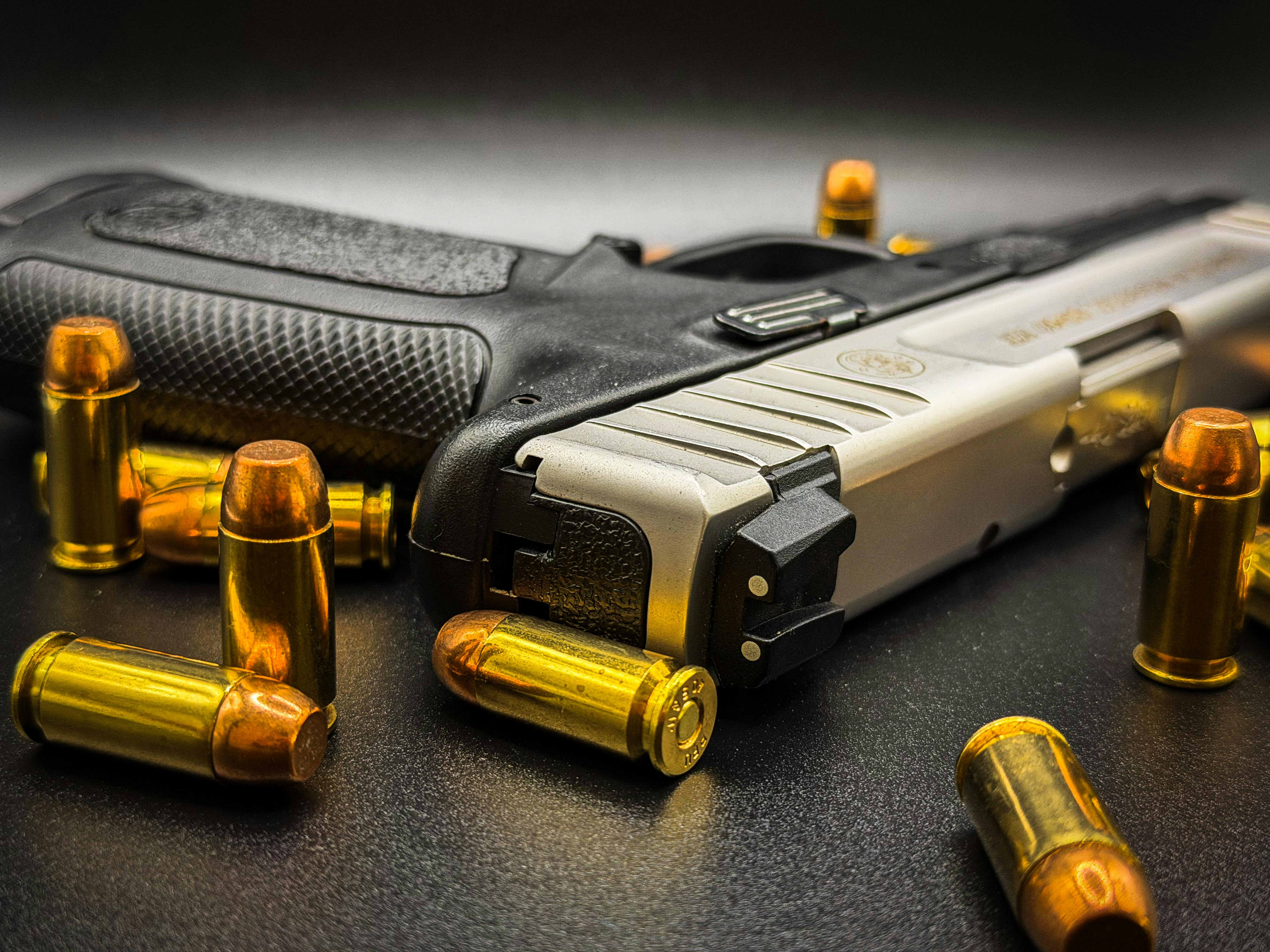
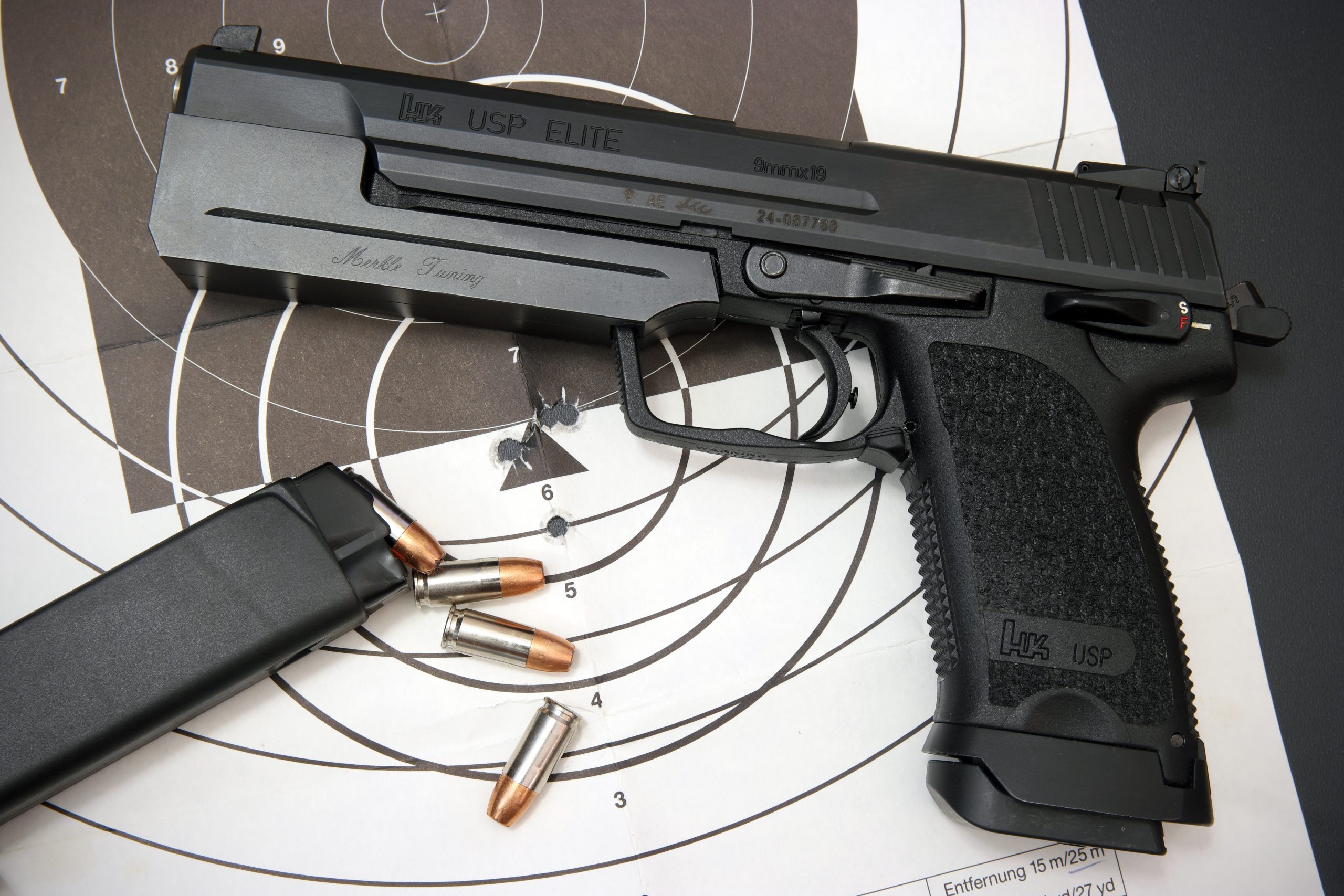
Once you move into the $1,200 class, you are usually paying for refinement, materials, and specialized performance rather than a simple jump from unreliable to reliable. The pistol may offer better metal finishing, tighter tolerances, upgraded sights, improved trigger geometry, optics-ready cuts, and enhanced controls. You may also see steel or aluminum frames, match-grade barrels, and more deliberate ergonomic shaping.
The shooting experience can be noticeably better. A cleaner trigger break, shorter reset, and more stable recoil impulse may help skilled shooters shoot faster and more accurately. On the range, that often shows up in smaller groups, quicker follow-up shots, and less fatigue during longer practice sessions.
Premium pistols may also receive more hand fitting or more careful final inspection. That does not guarantee perfection, but it often means a stronger sense of polish in the way the slide cycles, the controls actuate, and the barrel locks up. Enthusiasts notice these details immediately because they affect confidence and consistency.
Still, the improvement is rarely 2.4x simply because the price is 2.4x. A handgun that costs $1,200 is not usually 140% more effective in the role that matters most to average owners. The gains are real, but they are often incremental, and they reward experience more than impulse buying.
Reliability, accuracy, and durability are not identical
People often assume a more expensive handgun must be more reliable, but that is only partly true. Reliability depends on design maturity, magazine quality, ammunition compatibility, maintenance, and manufacturing consistency. A widely adopted $500 duty pistol may have a stronger reliability record than a niche premium model that is more sensitive to specific loads or break-in periods.
Accuracy deserves the same reality check. Mechanical accuracy may indeed improve with a fitted barrel, tighter lockup, or better trigger, but practical accuracy is still driven by the shooter. For a large share of owners, the limiting factor is grip, sight alignment, recoil management, and time on the trigger, not whether the gun can print a slightly tighter group from a bench rest.
Durability is where price can sometimes show clearer long-term advantages, especially at high round counts. Better coatings, stronger small parts, metal frames, and higher-quality springs can matter over years of hard use. But many owners never put enough rounds through a handgun to fully exploit those differences, making the premium less important than they first imagine.
This is why law enforcement and private citizens often land on different buying logic. Agencies care about fleet reliability, parts support, and predictable maintenance cycles. Individual enthusiasts may care more about feel, prestige, and the satisfaction of owning something built to a finer standard.
The hidden costs matter more than most buyers expect

The handgun is only part of the purchase. If you buy a $500 pistol, you still need a safe storage solution, spare magazines, eye and ear protection, cleaning supplies, and ammunition. If it is for concealed carry, add a quality belt and holster, and if it is optics-ready, include the cost of a red-dot sight and possibly taller backup irons.
Training is the biggest overlooked line item. A basic defensive handgun course, followed by regular range practice, can easily equal or exceed the price gap between a $500 and $1,200 gun. From a performance standpoint, that money often produces a larger return than premium frame texture or a hand-polished feed ramp.
There is also the issue of aftermarket support and parts availability. Some affordable, high-volume models enjoy huge ecosystems for holsters, sights, triggers, magazines, and replacement components. A more expensive handgun may offer excellent quality but fewer accessory options, longer wait times for parts, or higher magazine prices, all of which affect ownership over time.
That ownership cost changes the value equation. A shooter who trains monthly may be better served by a dependable, common pistol with cheap magazines and easy service. A collector or connoisseur may accept higher running costs because the enjoyment comes from craftsmanship as much as utility.
Skill level changes how much you notice the difference
A new shooter may barely detect what makes the $1,200 gun special. If fundamentals are still developing, features like a flatter trigger face, superior checkering, or subtle improvements in slide tracking may go largely unused. In that stage, comfort, simplicity, and confidence usually matter more than the kind of refinement that experienced shooters discuss in detail.
Intermediate and advanced shooters often see the equation differently. Once a person has thousands of repetitions behind them, small differences become easier to measure. Better triggers can reduce unnecessary movement at the break, more visible sights can speed target acquisition, and a heavier metal frame can help control recoil in rapid strings.
Competition provides a clear example. Shooters chasing tenths of a second or tighter group sizes often benefit from the precision and consistency of premium pistols. In that environment, the extra cost can be justified because equipment upgrades support measurable gains under pressure.
For defensive use, however, the threshold is different. A reliable handgun that fits your hand, runs your chosen ammunition, and encourages regular practice is usually the wiser choice than a costly pistol that stretches your budget and reduces your training. In practical terms, competence beats luxury almost every time.
So which one should you actually choose?
Choose the $500 handgun if you want dependable function, broad aftermarket support, and enough money left over for the things that truly build competence. That path makes particular sense for first-time buyers, practical carriers, and anyone who values a tool over a trophy. In today’s market, many pistols in this range are more than capable of serious defensive use.
Choose the $1,200 handgun if you already know what refinements you value and can clearly explain why they matter to your use case. Maybe you shoot often, compete regularly, appreciate better triggers and metal frames, or simply want a pistol built with more polish and premium materials. In those cases, the extra cost can absolutely be worthwhile.
The wrong move is buying expensive because you assume price alone guarantees superiority. The better move is to test examples side by side, if possible, and pay attention to ergonomics, trigger quality, sight picture, recoil behavior, and total ownership cost. The best handgun is not the one with the bigger number on the tag, but the one you will shoot well, maintain properly, and trust when it counts.