A firearm can look perfect in the case and still become a disappointment once real use begins. Many regrets start with rushed decisions, unrealistic expectations, or a mismatch between the gun and the owner’s actual needs. This gallery walks through ten purchases that often leave buyers frustrated, and explains what typically goes wrong after the excitement of buying fades.
The Ultra-Cheap Pocket Pistol
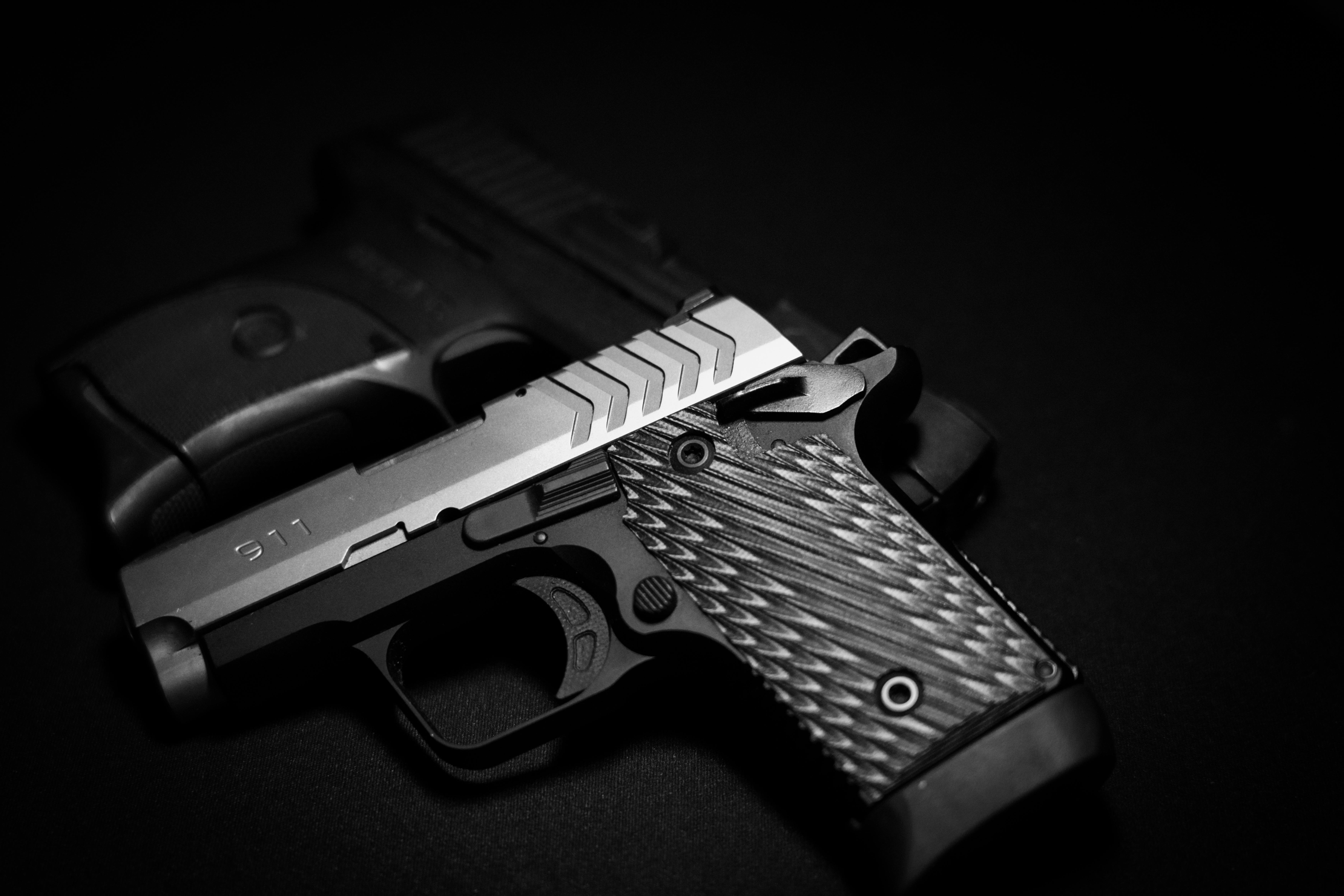
The low sticker price is usually what pulls people in. A tiny carry gun that costs far less than the competition can feel like a smart, practical buy, especially for someone entering the market for the first time.
Regret sets in after range day. The gun may have punishing recoil, a stiff trigger, tiny sights, and reliability issues that only appear with regular use. Suddenly the bargain does not feel like one.
Many buyers realize they would rather have paid a bit more for better shootability and confidence. A defensive firearm that is unpleasant to practice with often ends up sitting unused.
The Featherweight Revolver With Brutal Recoil

Lightweight revolvers are easy to admire in the display case. They are simple, compact, and marketed as excellent carry pieces, which makes them especially appealing to new buyers who want something straightforward.
The problem often appears with live ammunition. A very light revolver firing defensive loads can be surprisingly harsh, with sharp recoil that stings the hand and slows follow-up shots. Practice becomes something owners avoid rather than prioritize.
That is where regret grows. Buyers wanted simplicity, but ended up with a gun that is difficult to shoot well under stress and unpleasant enough to discourage regular training.
The Hunting Rifle Bought for a Single Season

A specialized hunting rifle can seem completely justified when a particular trip or season is on the calendar. In the moment, it feels like the right tool for a specific job, and that urgency makes the purchase easy to rationalize.
Months later, many owners see the pattern. The rifle was used once or twice, then stored away because it is too niche for target shooting, too heavy for casual use, or chambered in an expensive cartridge.
The regret usually is not about quality. It comes from buying around one event rather than long-term habits. A firearm with limited use can become an expensive souvenir of a short-lived plan.
The Shotgun That Kicks Too Hard

Shotguns have a reputation for versatility, which leads many people to believe almost any model will work for home defense, hunting, and clay shooting. That broad promise can hide a very important detail: recoil.
A lightweight shotgun with a hard-hitting load can be miserable to shoot. New owners often find that the stock fit is wrong, the gun bruises the shoulder, and follow-up shots are slower than expected. Fun disappears fast.
The regret becomes obvious after a few boxes of shells. Instead of practicing, owners start making excuses to leave it in the closet. A versatile firearm is only versatile if people can actually shoot it comfortably and well.
The Race Gun Too Specialized for Real Life

Competition-ready pistols can be seductive purchases. They tend to have excellent triggers, eye-catching finishes, enlarged controls, and a premium feel that makes ordinary handguns seem bland by comparison.
The trouble begins when buyers expect that same firearm to fit every purpose. A race-oriented setup may be heavier, harder to conceal, less practical for duty or defense use, and fussier about maintenance or holster compatibility.
Owners often realize they paid for speed and specialization they do not actually need. It is a great tool in the right lane, but regret shows up when someone buys a specialist while imagining a generalist.
The Bargain Optic-Ready Pistol With No Support
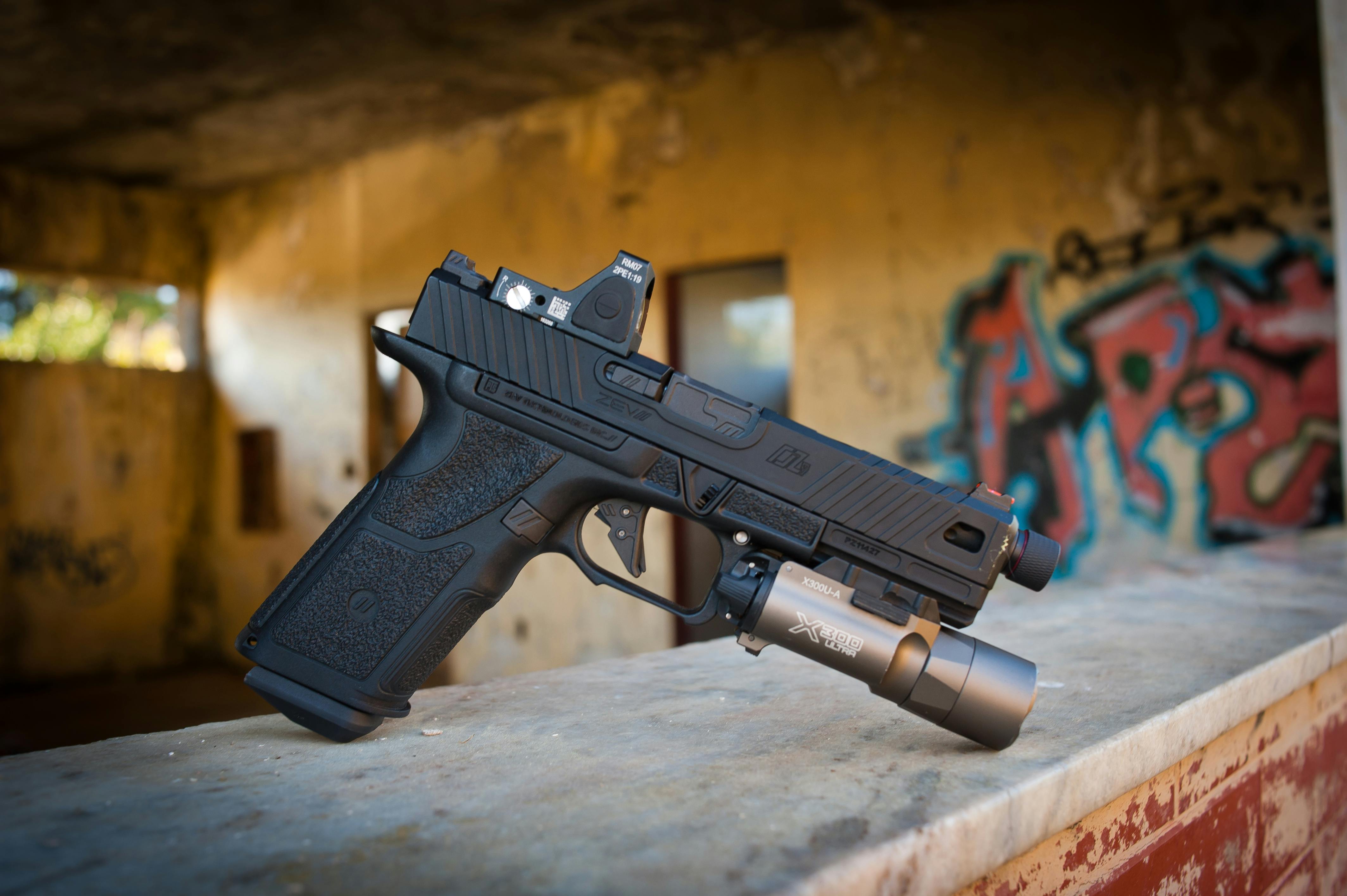
An optic-ready handgun at a low price sounds like modern value. Buyers picture an easy path to a red-dot setup without spending premium-brand money, and the feature list can look surprisingly generous.
Then the after-purchase headaches arrive. Mounting plates are unavailable, holster options are thin, magazines are scarce, and customer service can be inconsistent. The savings start evaporating once owners try to build around the gun.
That is the deeper regret. The pistol itself may be adequate, but the ecosystem around it is weak. Buyers eventually learn that support, parts, and compatibility can matter almost as much as the firearm itself.
The Magnum Revolver Bought for the Idea of Power

Power sells, and few firearms project power like a magnum revolver. For some buyers, the appeal is emotional as much as practical. It promises authority, range-day excitement, and a sense of owning something serious.
What often gets overlooked is how rarely that power is useful for everyday shooting. Heavy recoil, loud blast, expensive ammunition, and slower recovery between shots can make the gun more exhausting than enjoyable over time.
Regret tends to set in after the novelty wears off. Buyers wanted a thrilling experience, but discovered they had purchased a firearm that is expensive to feed and difficult to enjoy regularly.
The Fancy Collector Piece Too Costly to Use
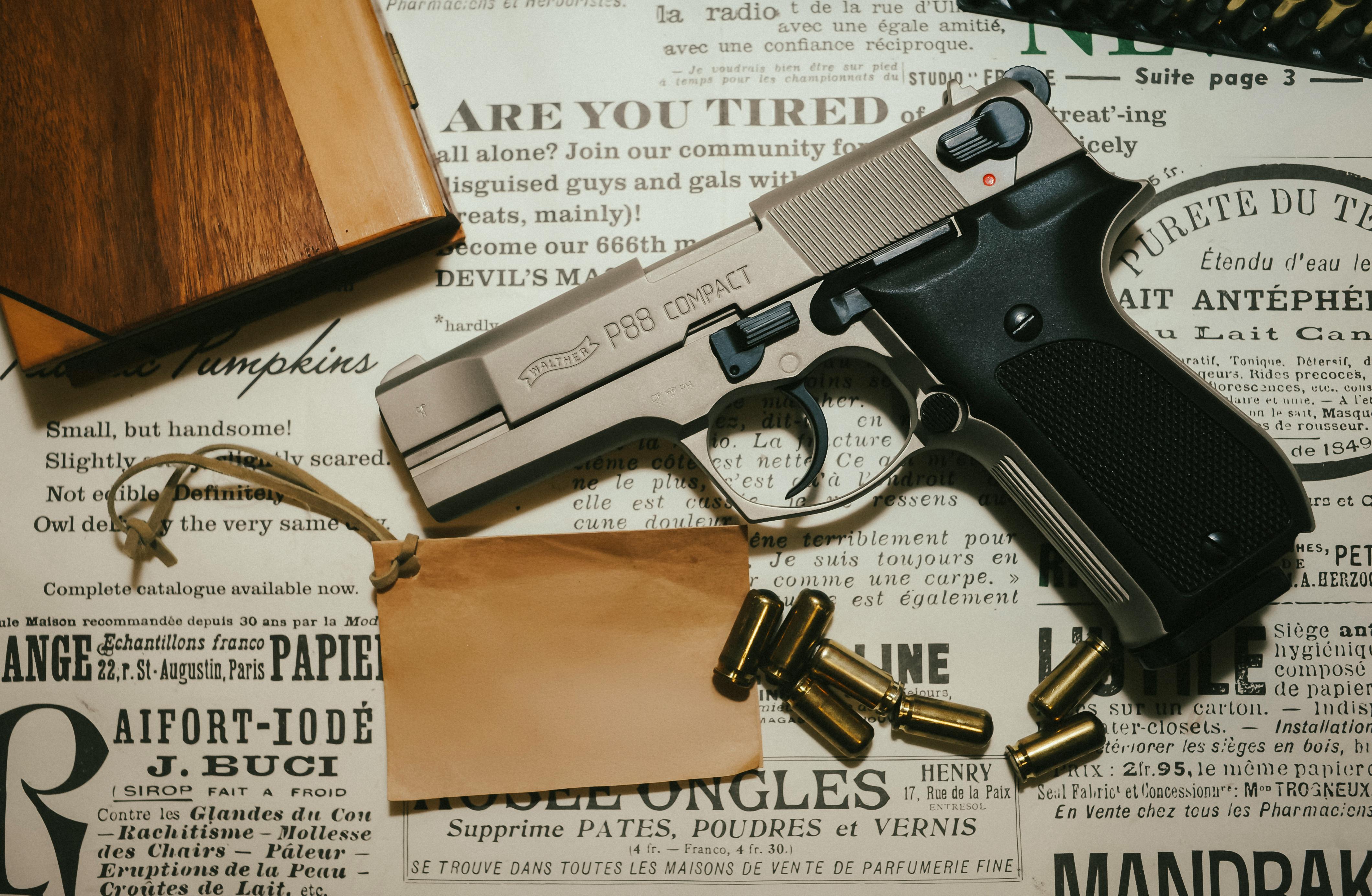
Collector appeal can be powerful. A limited edition finish, a commemorative engraving, or a discontinued model can make a firearm feel special enough to justify stretching the budget far beyond the original plan.
The problem appears once ownership starts. Some buyers become reluctant to shoot it for fear of wear, replacement parts may be difficult to source, and resale value becomes a constant concern. Instead of enjoyment, the gun creates anxiety.
That is why this regret feels surprisingly common. People thought they were buying something meaningful, but ended up with an object they admire more than use. Ownership becomes careful preservation, not satisfying experience.