Some trends roar in. Others simply endure. In shooting, the quiet comeback usually belongs to the cartridge that never really stopped working.
Newer does not always mean better at the firing line
For a while, the market conversation centered on whatever was newest, flattest, or fastest. That made sense in an era when every product launch promised better ballistics, less wind drift, and more range. But experienced shooters tend to be less impressed by marketing language and more interested in what actually holds up over years of use.
That is part of why older calibers are getting a second look. Many of them solve ordinary shooting problems better than trendier options do. They are easier to find, easier to tune, easier to shoot well, and backed by an enormous base of firearm and ammunition support. SAAMI still maintains standards for these long-established cartridges, which matters because standardization helps preserve broad compatibility across guns and factory loads.
The broader shooting population also gives those classic rounds staying power. NSSF reported that more than 52.7 million people in the United States participated in sport and target shooting activities in 2024. In a market that large, practical cartridges with deep supply chains and widespread familiarity naturally keep winning loyal users over time.
The calibers are making a quiet comeback.
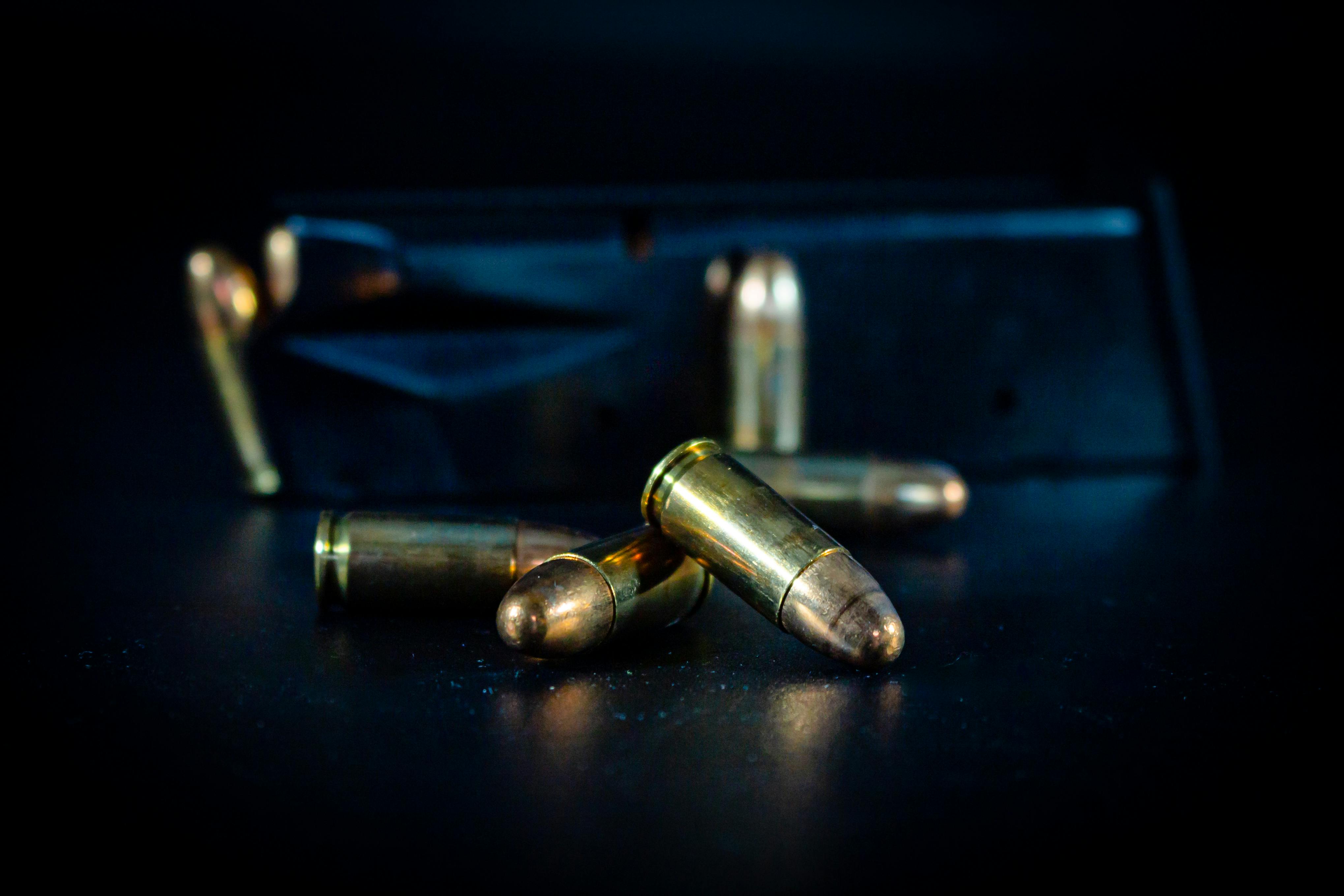
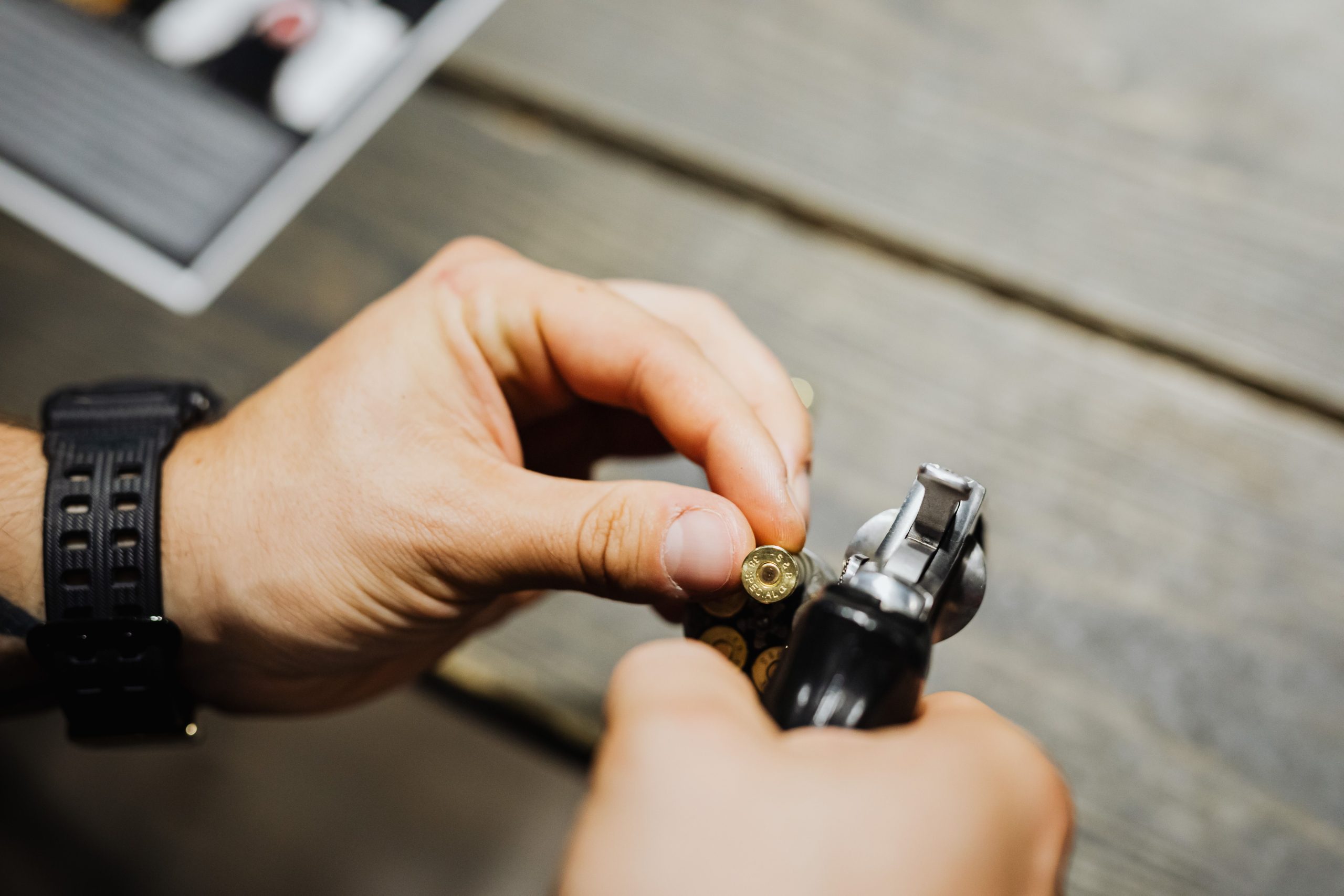
The list is not mysterious. It is mostly the old names that never stopped proving themselves: .38 Special, .357 Magnum, .45 ACP, .308 Winchester, and .30-06 Springfield. None of them is fashionable in the way a hot new cartridge can be, but each one has a reputation built on decades of use by competitors, hunters, instructors, and ordinary range shooters.
Take .38 Special and .357 Magnum. In action shooting and revolver circles, these rounds remain central enough that current rules and equipment documents still account for them directly. USPSA notes that the most commonly used calibers in the Revolver Division are .45 ACP and .357 Magnum, while IDPA’s 2025 equipment appendix specifically addresses .38 Special in .357 Magnum revolvers. That is not nostalgia. That is continued relevance in organized shooting.
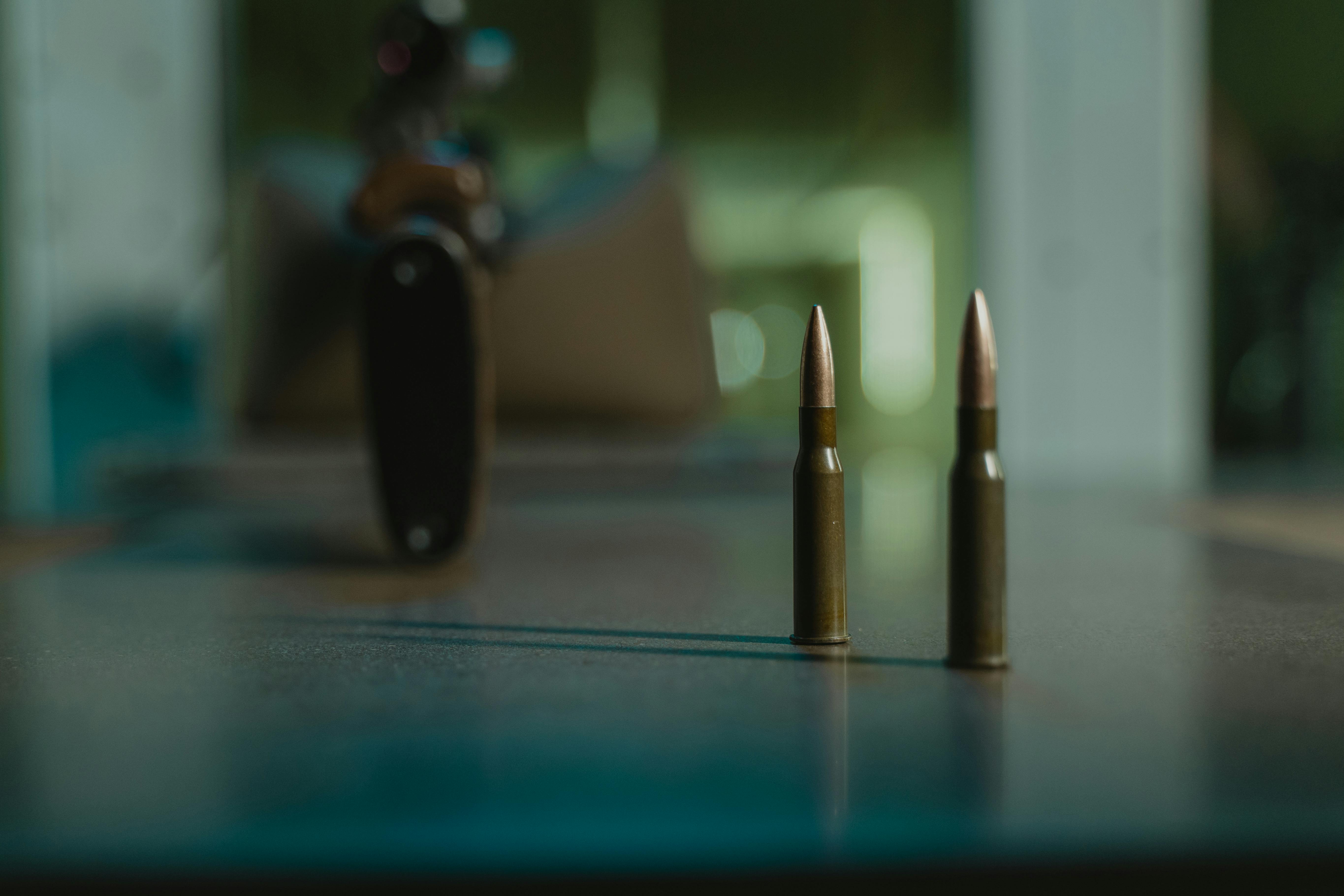
On the rifle side, .308 Winchester and .30-06 Springfield still dominate conversations because they cover an enormous amount of real-world ground. Outdoor Life noted in its 2025 comparison that rifle makers still widely chamber both cartridges and that both remain highly practical all-around choices. Older shooters, especially, tend to appreciate that kind of versatility more than headline velocity.
Recoil, rhythm, and the value of a cartridge that you can actually shoot well
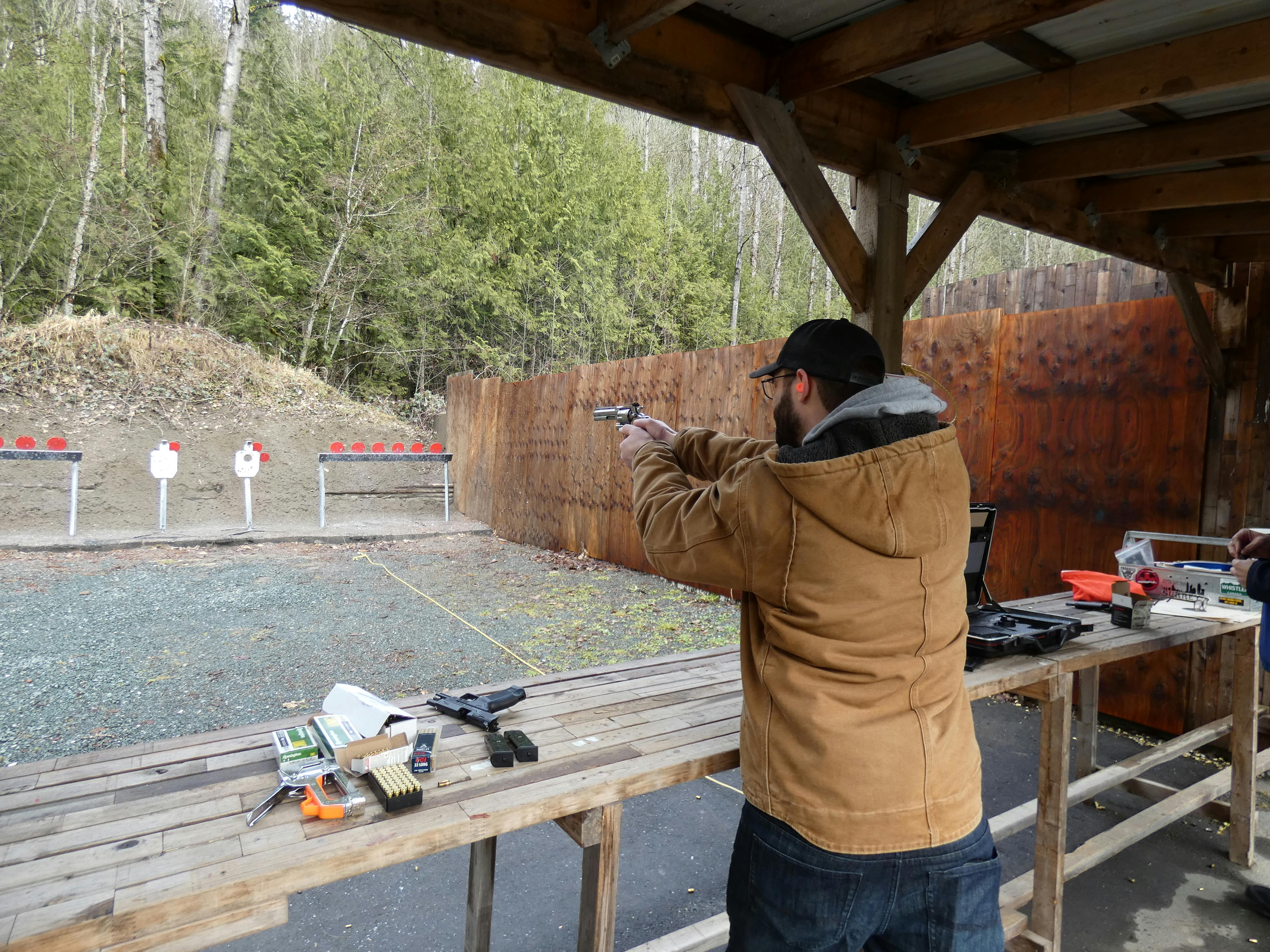
One of the biggest reasons veterans circle back to older calibers is simple: they have learned that shootability matters more than theory. A cartridge can look fantastic on paper and still be unpleasant enough in a real rifle or pistol that people practice less with it. Skill does not come from ballistic charts. It comes from repetitions you are actually willing to do.
That is why moderate, familiar cartridges age so well. In Outdoor Life’s 2025 comparison of .308 and .30-06, the recoil difference was described in practical terms, with a 7-pound .308 generating about 21 foot-pounds of recoil compared with roughly 25 foot-pounds for a 7-pound .30-06. Neither is extreme, but the direction of the comparison matters. Shooters often discover that a little less recoil buys better follow-up shots, longer practice sessions, and less fatigue.
The same principle explains the staying power of .38 Special and .45 ACP. Neither depends on speed to feel effective. Both reward consistent technique. Experienced shooters often become less ego-driven over time. They stop asking what sounds impressive and start asking what lets them shoot cleanly, quickly, and predictably under ordinary conditions.
Ammunition availability matters more than enthusiasts like to admit
A caliber is only useful if you can feed it. That sounds obvious, yet it is one of the strongest advantages older cartridges still hold. Legacy rounds benefit from huge installed bases of firearms, decades of manufacturing experience, and broad acceptance among major ammunition makers. When the market gets weird, those factors matter.
That support network is one reason older calibers keep showing up in serious gun cabinets. SAAMI’s current standards pages continue to list the long-established centerfire pistol, revolver, and rifle standards that underpin the commercial market. Standardization does not guarantee cheap ammo, but it does reinforce long-term industry support, consistent dimensions, and a stable framework for manufacturers.
Experienced shooters think in decades, not product cycles. They know a rifle or handgun can outlast several trend waves, and they prefer chamberings with staying power. A .308, .30-06, .45 ACP, or .38 Special is rarely an orphan. Even when shelves tighten, these are the kinds of cartridges manufacturers and retailers generally expect customers to keep demanding because so many people already own guns chambered for them.
Competition has a way of exposing what really works
Shooting sports are brutally honest. They do not care what was hyped online last month. They reward what performs under time, pressure, and repetition. That is one reason older calibers never truly disappear. If a cartridge remains visible in competition for years, it usually means it keeps solving practical problems well enough that skilled shooters see no reason to abandon it.
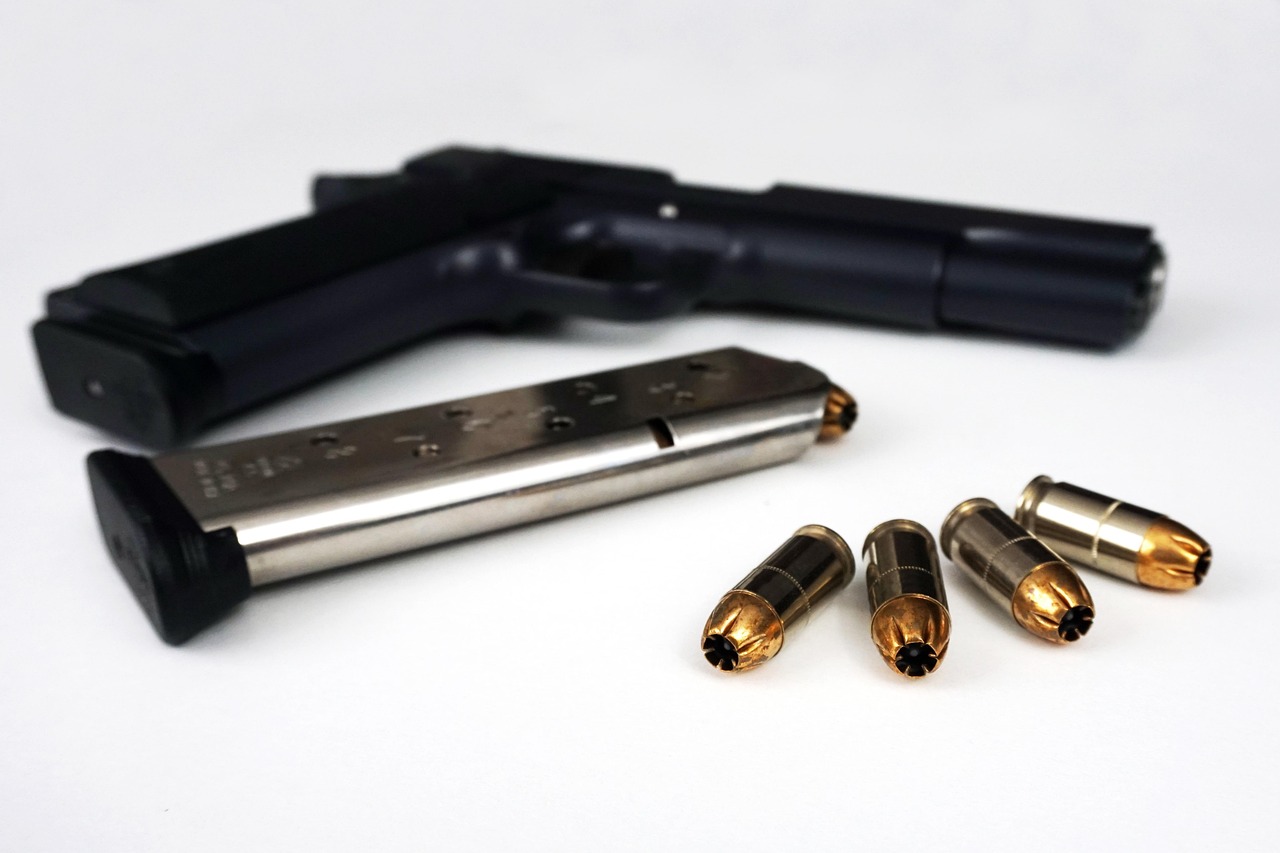
The revolver world is the clearest example. USPSA still identifies .45 ACP and .357 Magnum as the most common Revolver Division chamberings, which says a great deal about durability, scoring strategy, moon clip use, and shooter confidence. Over in CMP competition, official rule structures continue to support historic service rifle and pistol formats, including M1 Garand and M1911-oriented competition. That preserves not just old firearms, but the cartridges tied to them.
The CMP also still highlights the enduring appeal of the M1911 platform and continues to offer 1911-related sales information and competition pathways. Likewise, Garand and vintage military rifle events keep .30-06 part of the living culture, not just museum history. Seasoned shooters notice that. They understand that cartridges with active competitive ecosystems tend to remain viable far longer than trend watchers assume.
Hunters are rediscovering usefulness over novelty.
In hunting, older calibers benefit from an uncomfortable truth: game animals are not impressed by trend cycles. Hunters who have spent enough time in the field often come back to cartridges that are easy to sight in, easy to shoot from field positions, and loaded by nearly everyone. That practical mindset favors classics.
The .30-06 is the obvious case. It has remained a default North American big-game cartridge because it handles a broad spread of bullet weights and hunting roles without drama. Outdoor writers and long-time hunters continue to describe it as one of the most versatile all-around cartridges ever adopted at scale. The .308 occupies a similar lane with slightly less recoil and shorter-action efficiency, which many modern hunters appreciate.
Even on the handgun side, older calibers keep their place where simplicity matters. A .357 Magnum revolver can shoot .357 Magnum or .38 Special, giving one gun two very different personalities. That flexibility is hard to dismiss. Experienced shooters often become less interested in specialized gear and more interested in equipment that can cover practice, field use, and defensive familiarity without demanding constant reinvention.
What this shift really says about experienced shooters
When veteran shooters drift back to older calibers, they are not rejecting progress. They are filtering it. They have enough range time behind them to know that many supposed breakthroughs are really tradeoffs dressed up as revolutions. A cartridge that feeds well, groups well, recoils reasonably, and remains easy to buy is not outdated. It is mature.
That is the deeper appeal of these older rounds. They have survived because generations kept finding them useful. The .38 Special still has a place in revolver competition and training. The .45 ACP still commands respect in practical shooting. The .308 and .30-06 still cover target work and hunting with remarkable breadth. Their longevity is evidence, not inertia.
So yes, experienced shooters are quietly going back to older calibers. Quietly is the key word. They are not doing it to be retro. They are doing it because time tends to strip away romance and leave only performance. And once that happens, the cartridges that keep showing up are usually the ones that earned their reputation the hard way.