Ageing does not end adventure, but it changes how the body responds to effort, weather, and strain. Once people reach their fifties, certain fitness declines begin to influence balance, endurance, and recovery in ways that affect outdoor performance. Choosing the right gear becomes a smarter, more personal process because well-designed equipment can support weaker joints, slower reaction times, and reduced thermal regulation. Understanding these changes helps older hikers, campers, and travellers stay confident, safe, and comfortable on the trail.
1. Reduced Leg Strength Affects Load Carrying
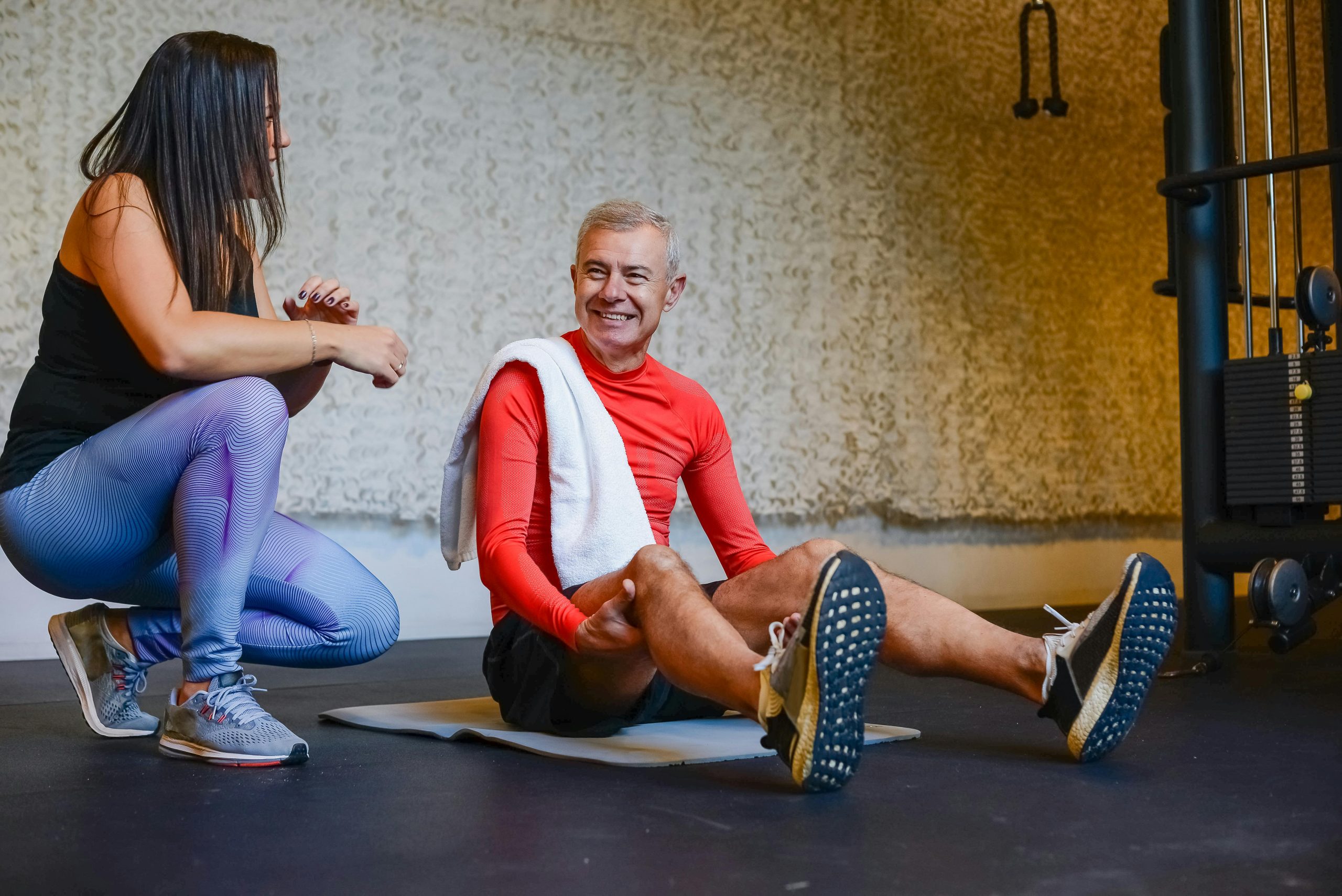
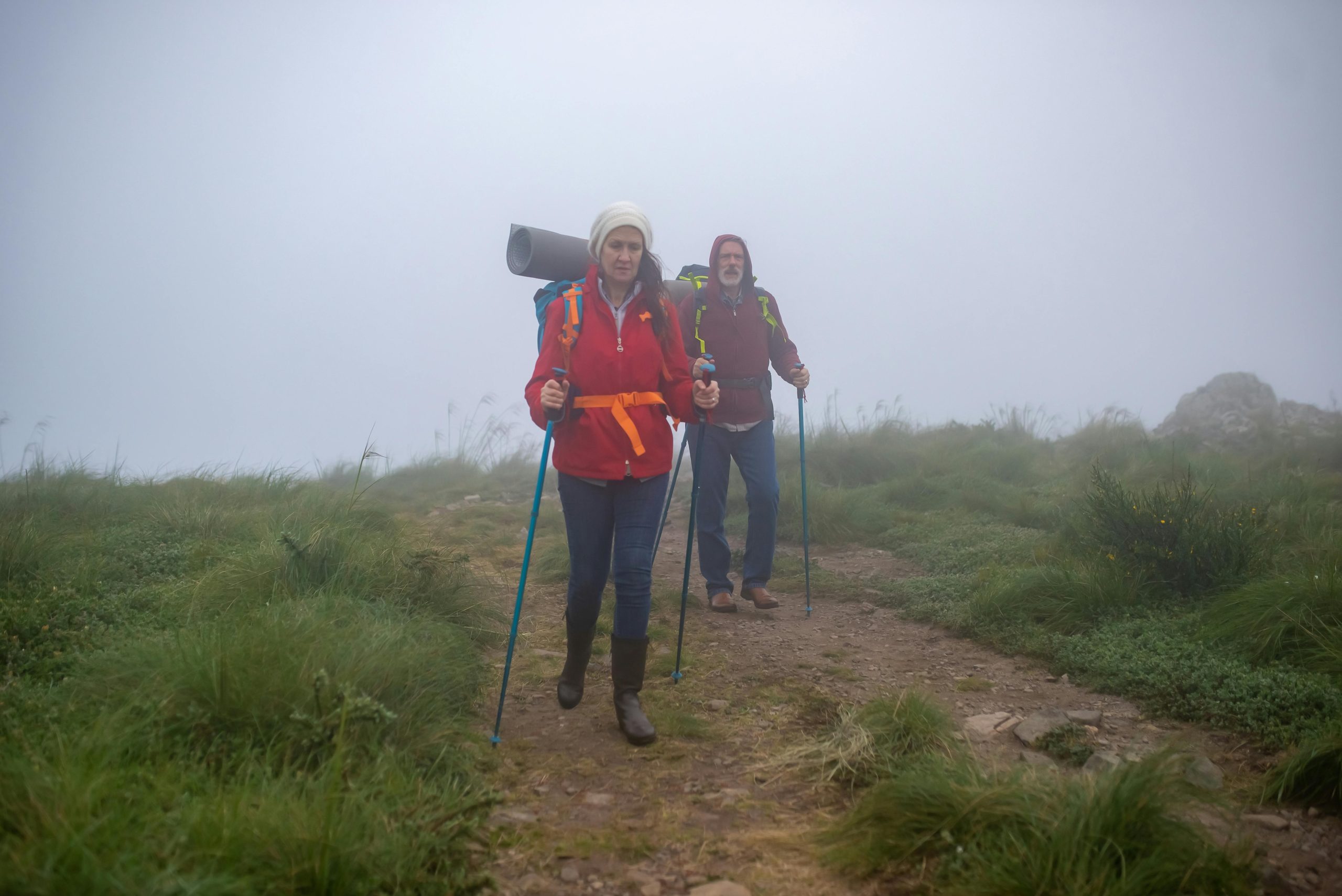
Leg muscles naturally weaken with age, making long climbs and heavy backpack loads feel more tiring. Reduced power impacts how quickly hikers can step over rocks or stabilise on uneven surfaces. Gear choices should prioritise lighter pack frames, efficient trekking poles, and supportive footwear that reduces strain. Older hikers benefit from redistributing weight away from the hips and knees, allowing them to maintain steadier movement across varying terrain without risking fatigue that builds too quickly.
2. Slower Recovery After Physical Effort
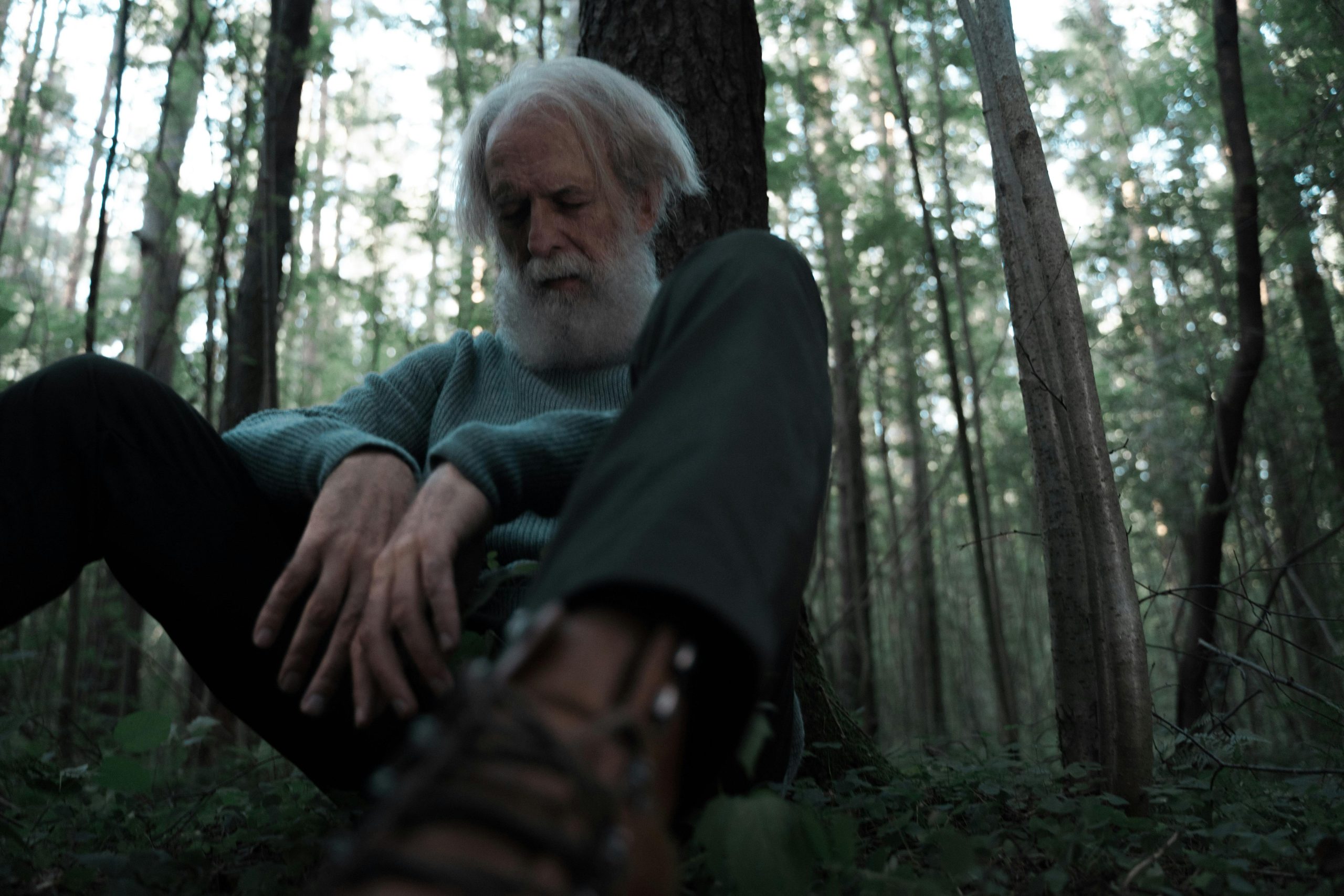
Recovery time increases in the fifties as muscles repair more slowly and inflammation lingers longer. This affects how often hikers can push their pace or handle consecutive long days on the trail. Gear should support smoother movement and less strain, like cushioned midsoles, ergonomic trekking poles, and moisture-wicking base layers. Choosing sleep systems that improve rest also becomes important, since deeper sleep helps the body rebuild overnight and prepares hikers for another day outside without soreness.
3. Declining Balance And Coordination
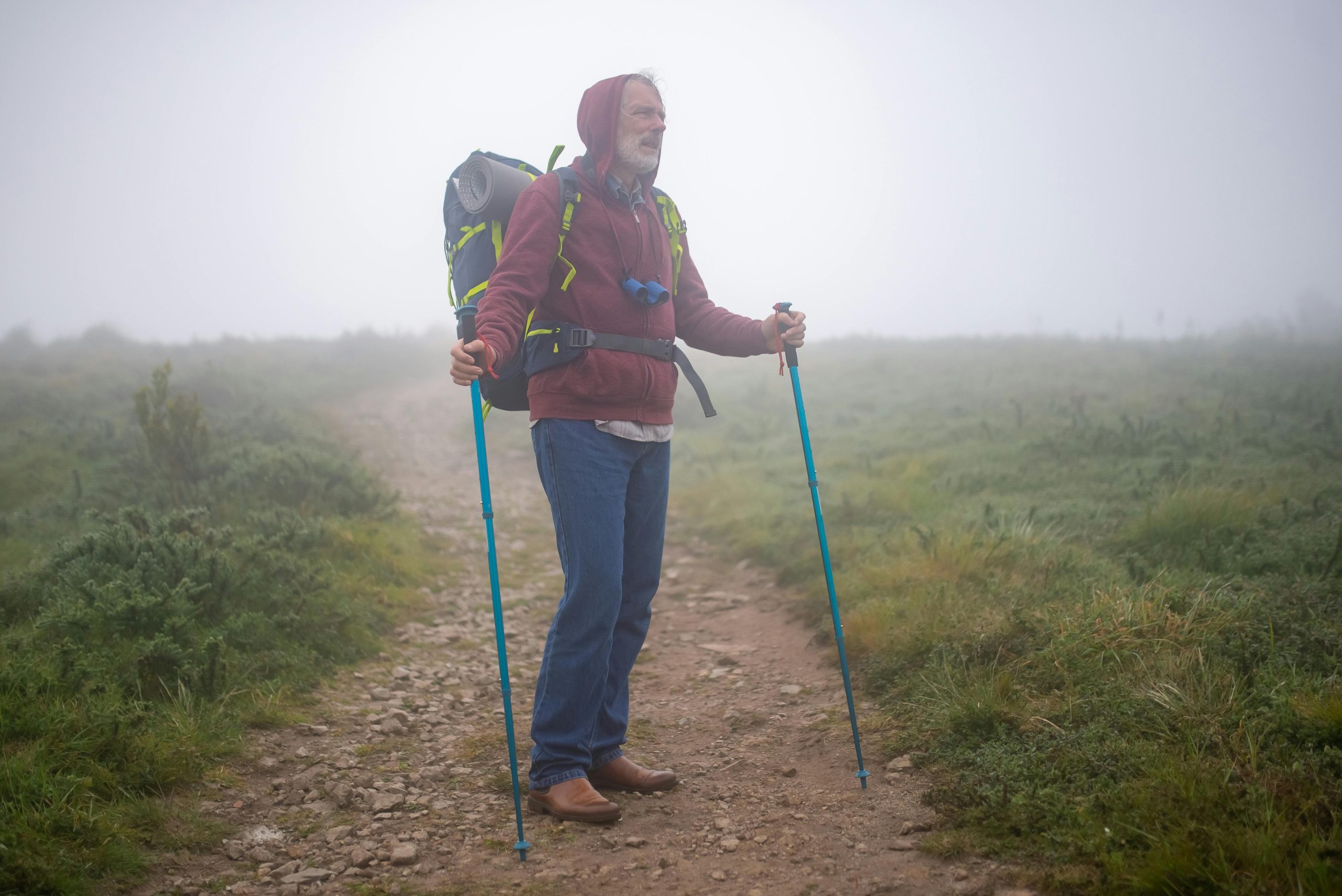
Balance becomes less reliable with age because sensory feedback from the joints and inner ear changes. This makes rocky paths, wet roots, and steep switchbacks more challenging. Trekking poles, stable boots, and grippy outsoles help compensate by adding extra points of contact with the ground. Older hikers should also consider packs that keep weight close to the torso. These small adjustments reduce falls and support confident footing, especially when stepping through loose gravel or narrow trail sections.
4. Lower Cardiovascular Endurance
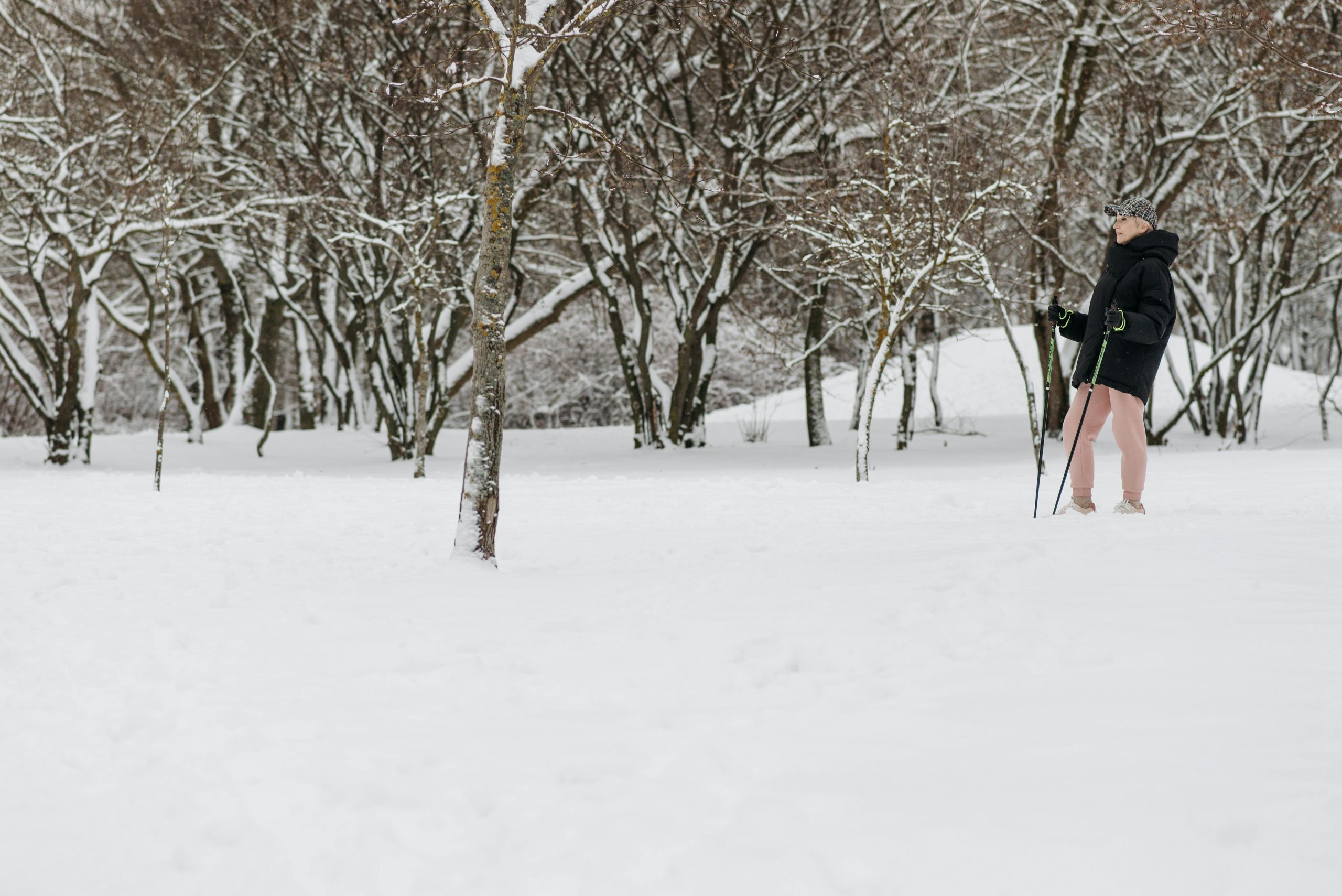
Cardiovascular capacity decreases naturally, making steep ascents feel harder and causing quicker breathing during exertion. Lighter gear becomes essential so the heart does not carry unnecessary physical load. Choosing efficient hydration systems helps maintain energy, and breathable fabrics prevent overheating during climbs. Poles can also reduce strain on the heart by sharing work between the upper and lower body. This approach allows hikers to maintain a steady pace without feeling overwhelmed on longer or hotter routes.
5. Reduced Thermal Regulation
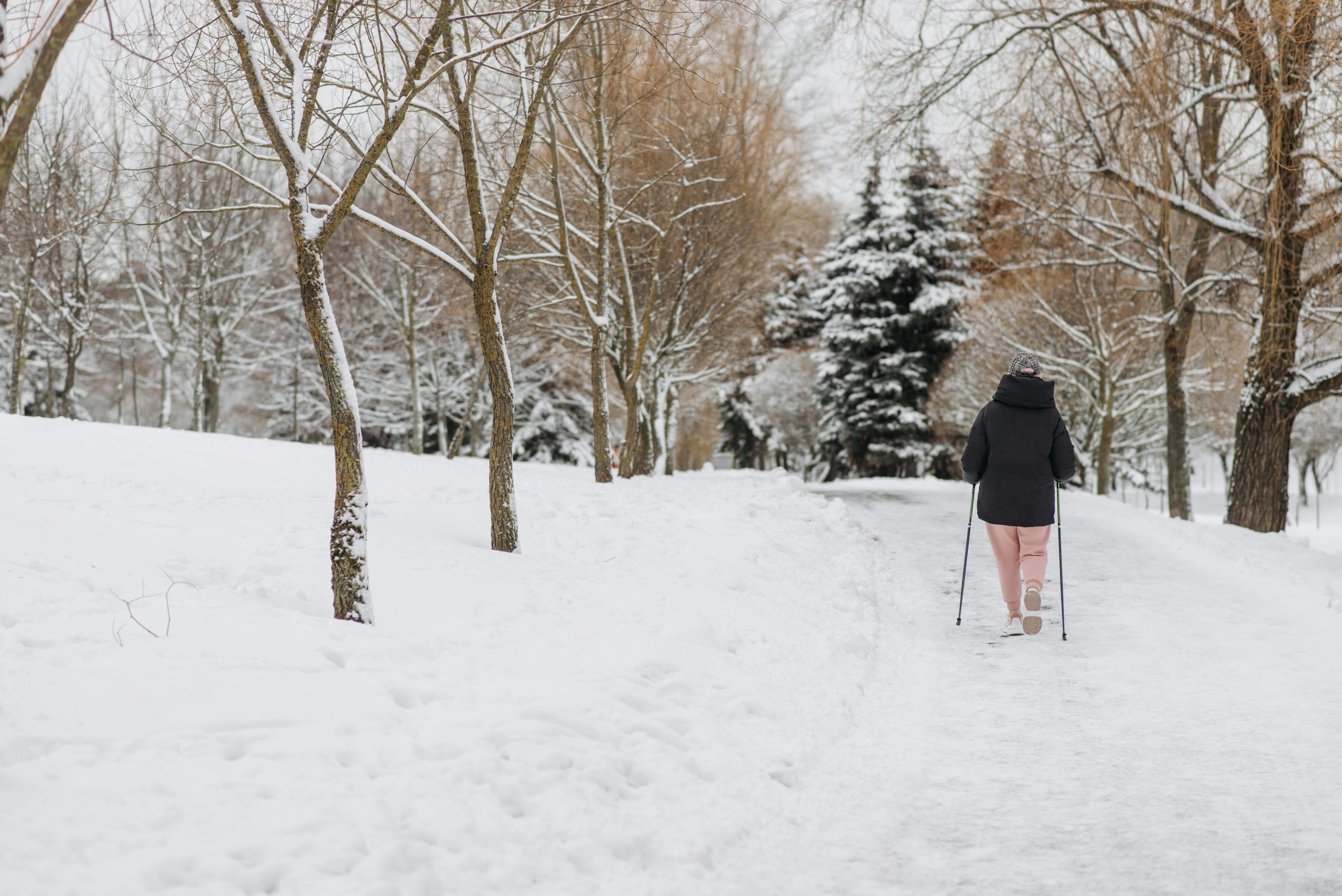
Older adults often struggle to retain heat or cool down efficiently. Temperature swings on the trail become more noticeable, creating discomfort or even risk. Gear choices should include high-quality insulating layers, breathable shells, and moisture-managing base fabrics. Accessories like warm gloves and quick-drying socks also matter because extremities lose heat faster. Proper clothing helps stabilise body temperature, reducing the fatigue that comes from constant warming or cooling throughout changing trail conditions.
6. Increased Joint Pain And Stiffness
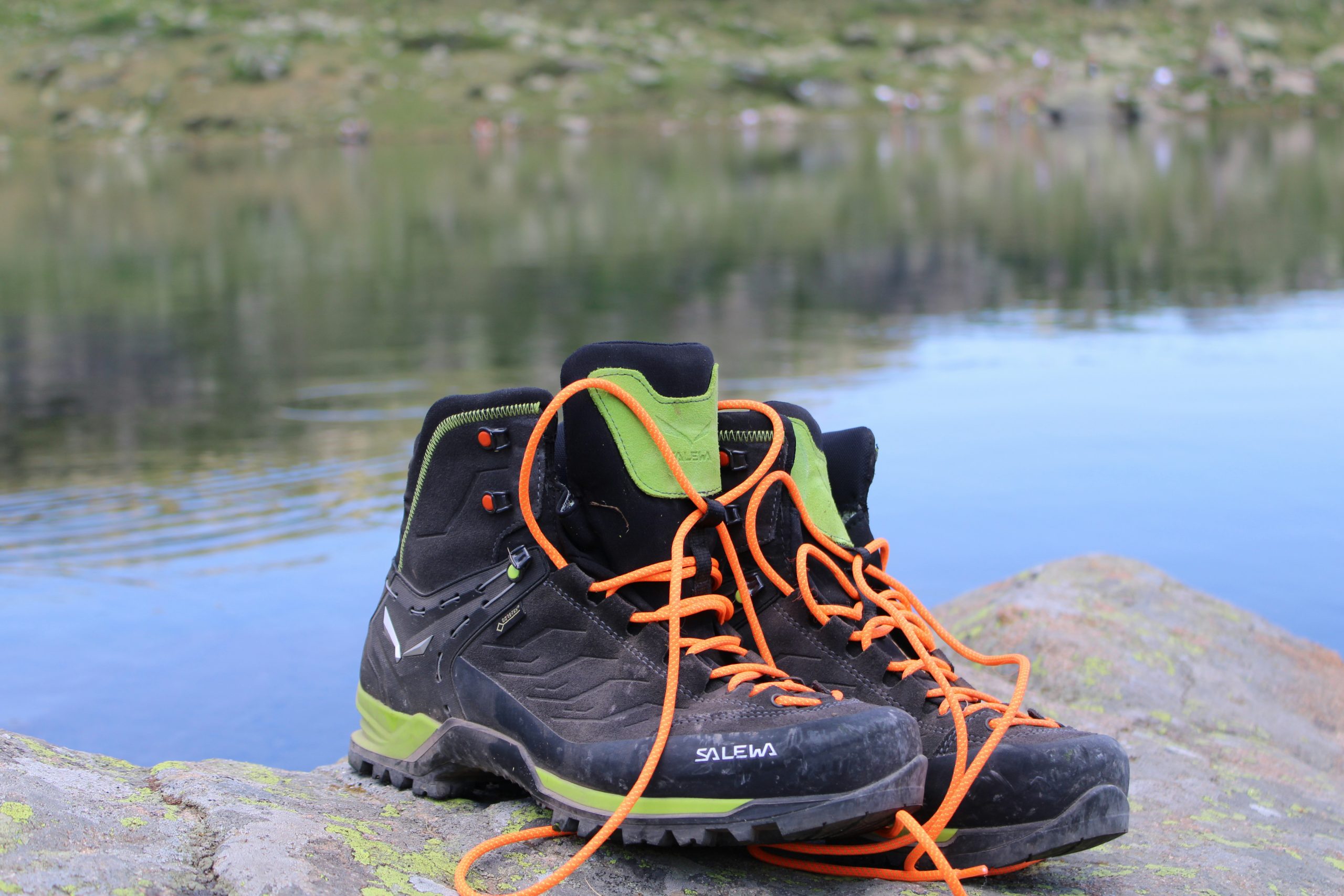
Joint discomfort grows with age due to cartilage wear, previous injuries, or simple daily strain. Long descents or rocky surfaces can aggravate knees, hips, and ankles. Supportive gear such as cushioned boots, shock-absorbing insoles, trekking poles, and adjustable knee supports can ease impact. Packs with efficient suspension systems also help reduce pressure on the lower body. These small choices protect joints from unnecessary stress and keep hikes comfortable even on uneven or extended routes.
7. Slower Reaction Times On The Trail
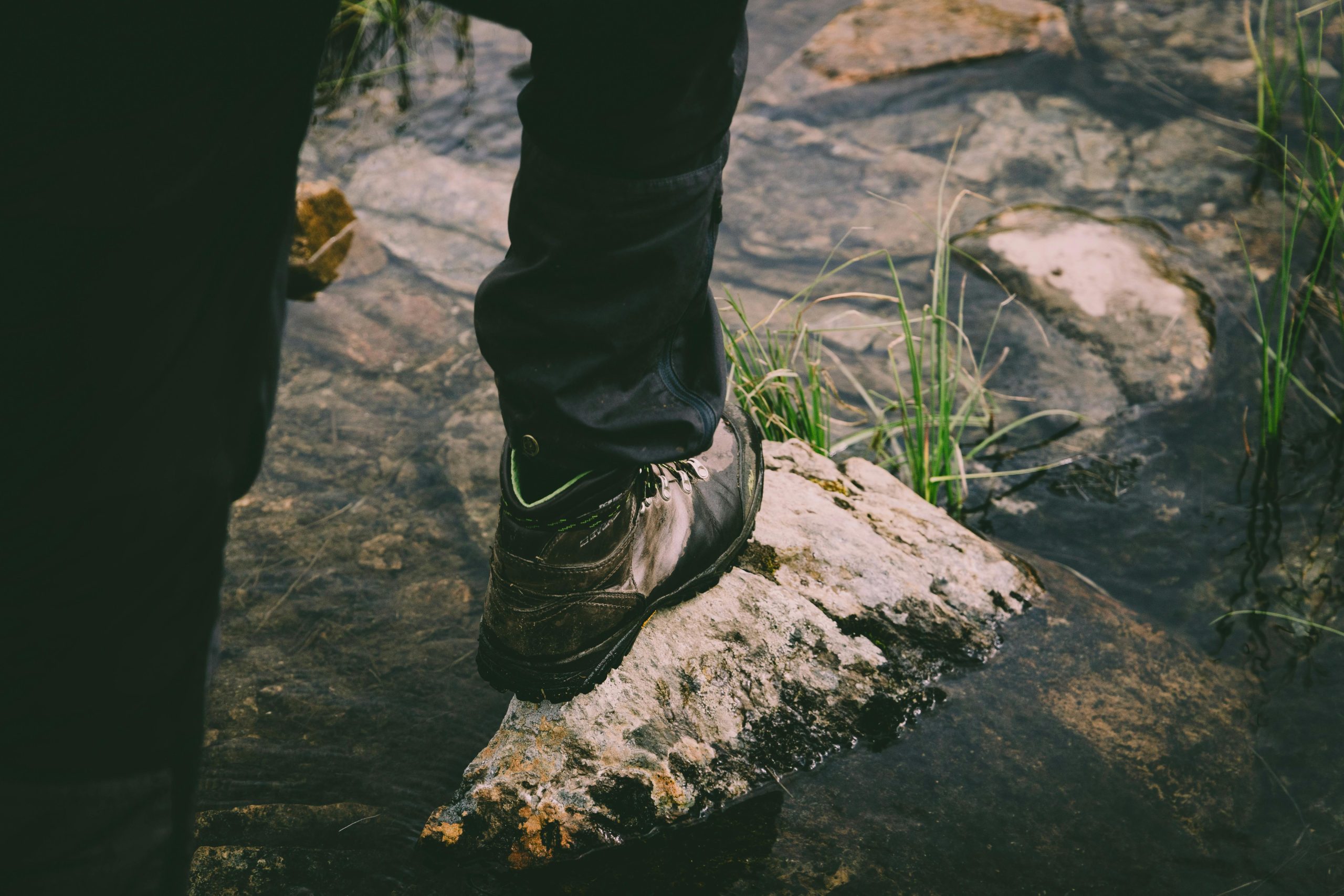
Reaction speed declines gradually after 50, meaning quick adjustments to slips, loose stones, or sudden obstacles become harder. Choosing gear that increases stability is important, including reliable footwear with strong traction and poles that steady each step. Simpler pack designs that avoid dangling straps help avoid snags. Clear headlamps with good beam distance also improve night awareness. These tools help hikers stay ahead of surprises and move more securely across unpredictable terrain.
8. Reduced Grip Strength
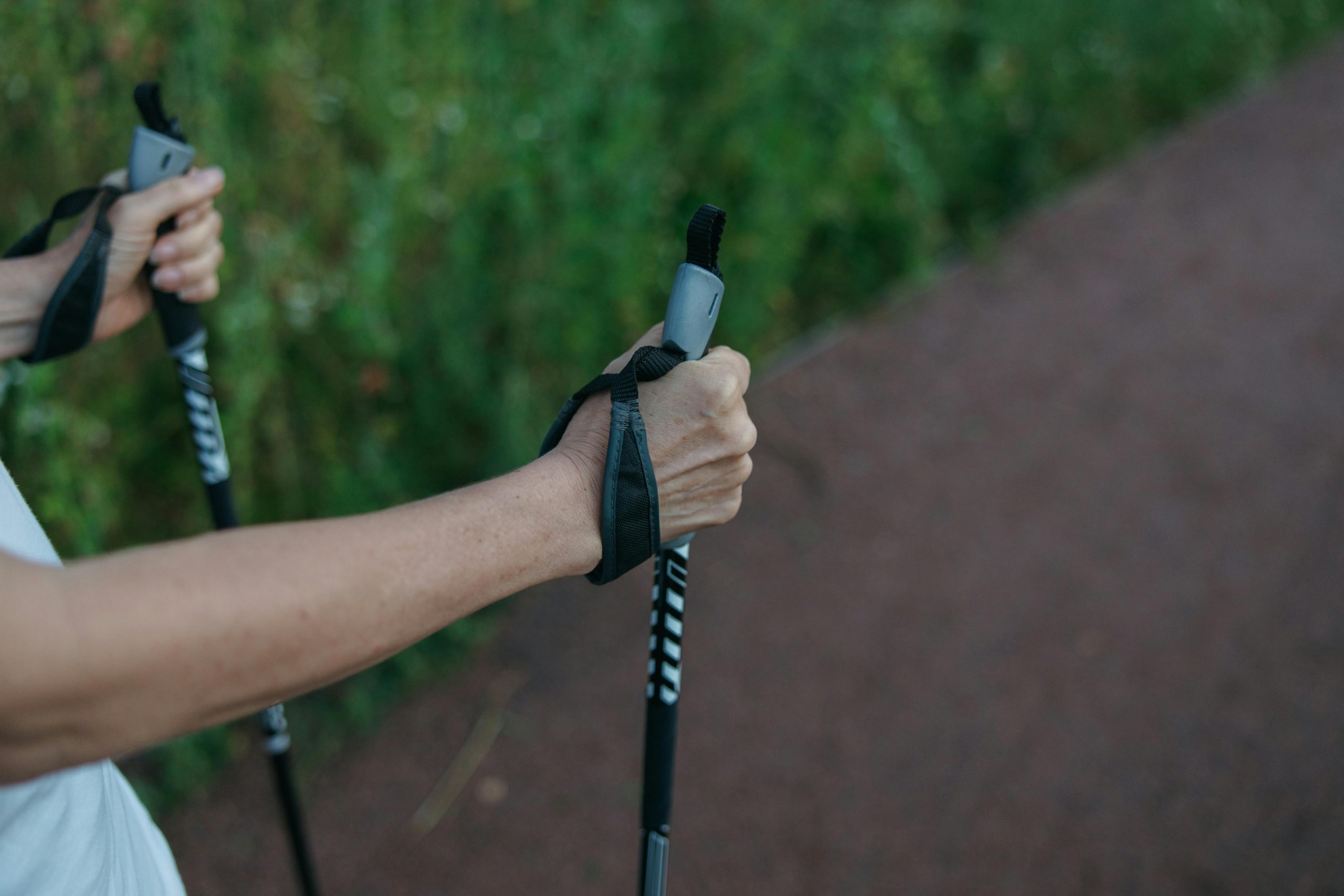
Grip weakens over time as muscle fibres change and hand joints stiffen. Activities like tightening pack straps, holding poles for hours, or opening gear can become harder. Outdoor equipment with easy pull tabs, ergonomic handles, and softer materials helps reduce strain. Poles with padded grips provide comfort on long hikes, and hydration bottles with textured surfaces offer better control. These adaptations help older hikers stay confident handling their gear without hand fatigue.
9. Increased Sensitivity To Pack Weight
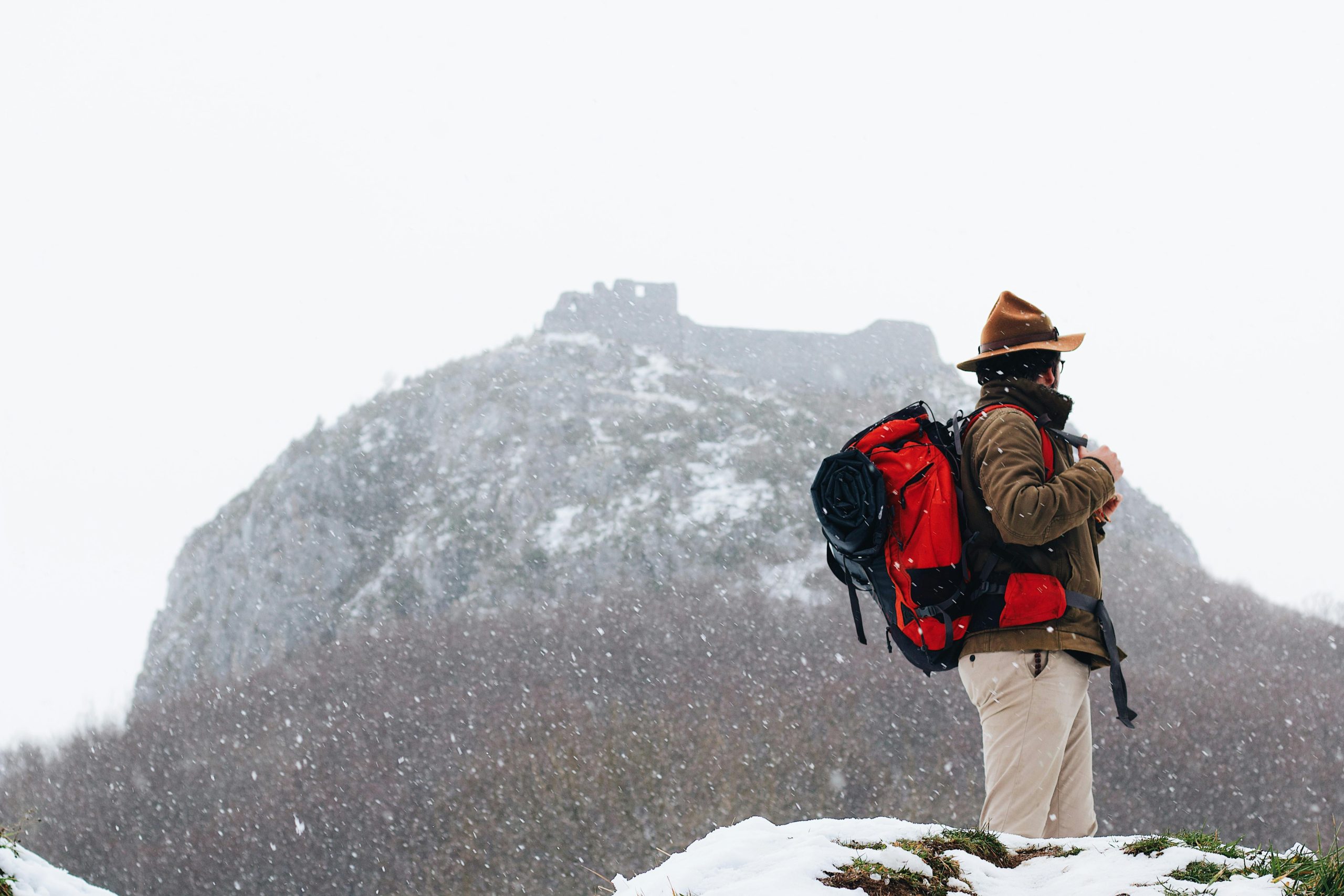
Even moderate backpack loads feel heavier with age as muscle support decreases. Carrying unnecessary bulk can create fatigue or imbalance on long outings. Choosing ultralight tents, compressible insulation, and efficient cooking systems helps reduce overall load without sacrificing comfort. Packs with adjustable suspension distribute weight more evenly across the torso. Keeping gear intentional and streamlined allows older hikers to enjoy the trail with less physical strain and better stamina throughout the day.
10. Reduced Lung Capacity During Effort
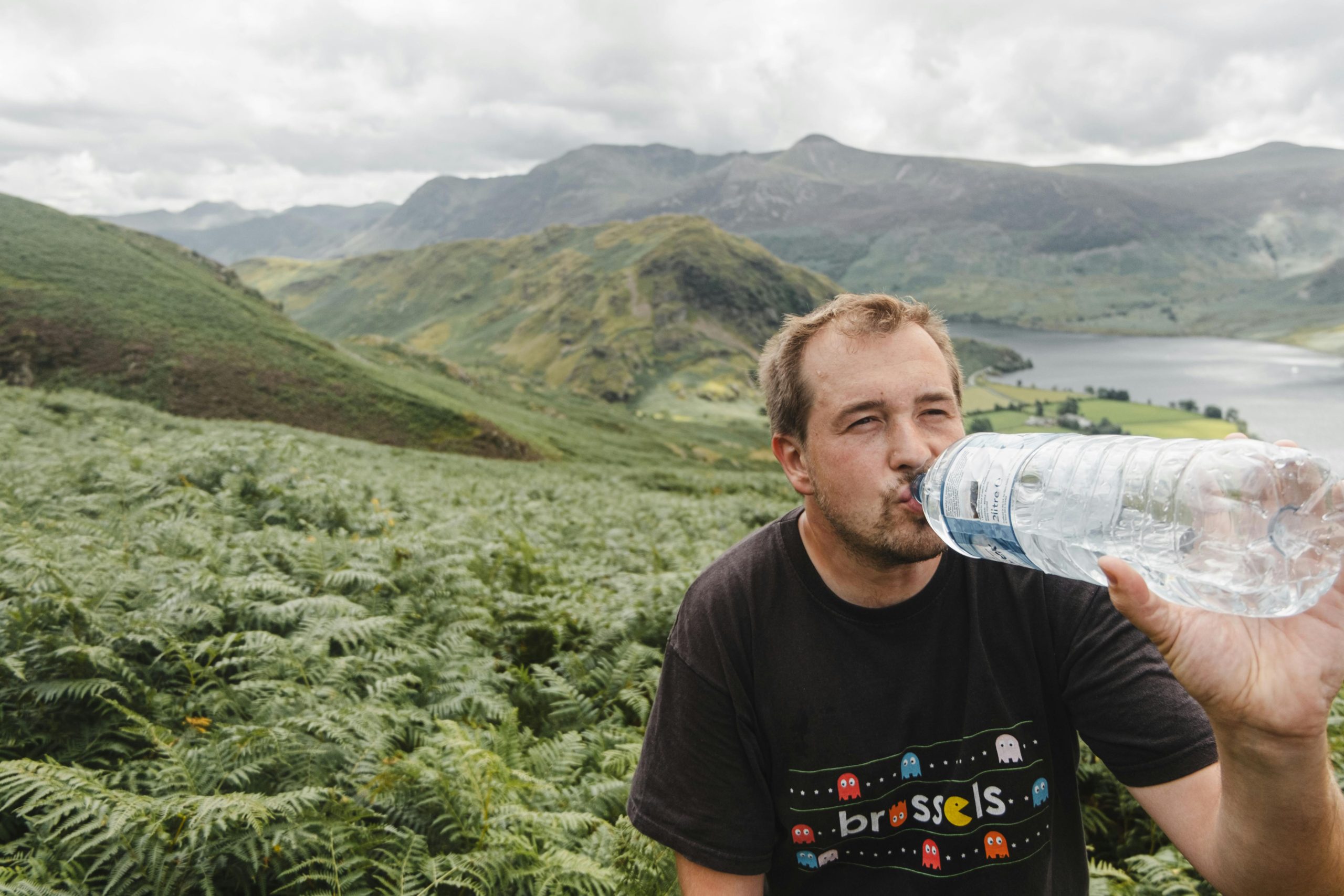
Lung efficiency slowly declines, making high elevation or steep climbs feel more draining. Breathable fabrics, hydration systems, and lightweight gear help reduce stress on the lungs. Trekking poles also support steady pacing by sharing exertion across muscle groups. Hikers should avoid heavy cotton layers that hold heat and slow breathing comfort. By choosing gear that supports airflow and reduces unnecessary work, older hikers maintain a stronger rhythm during extended outdoor efforts.
11. Slower Metabolism Influencing Energy Levels
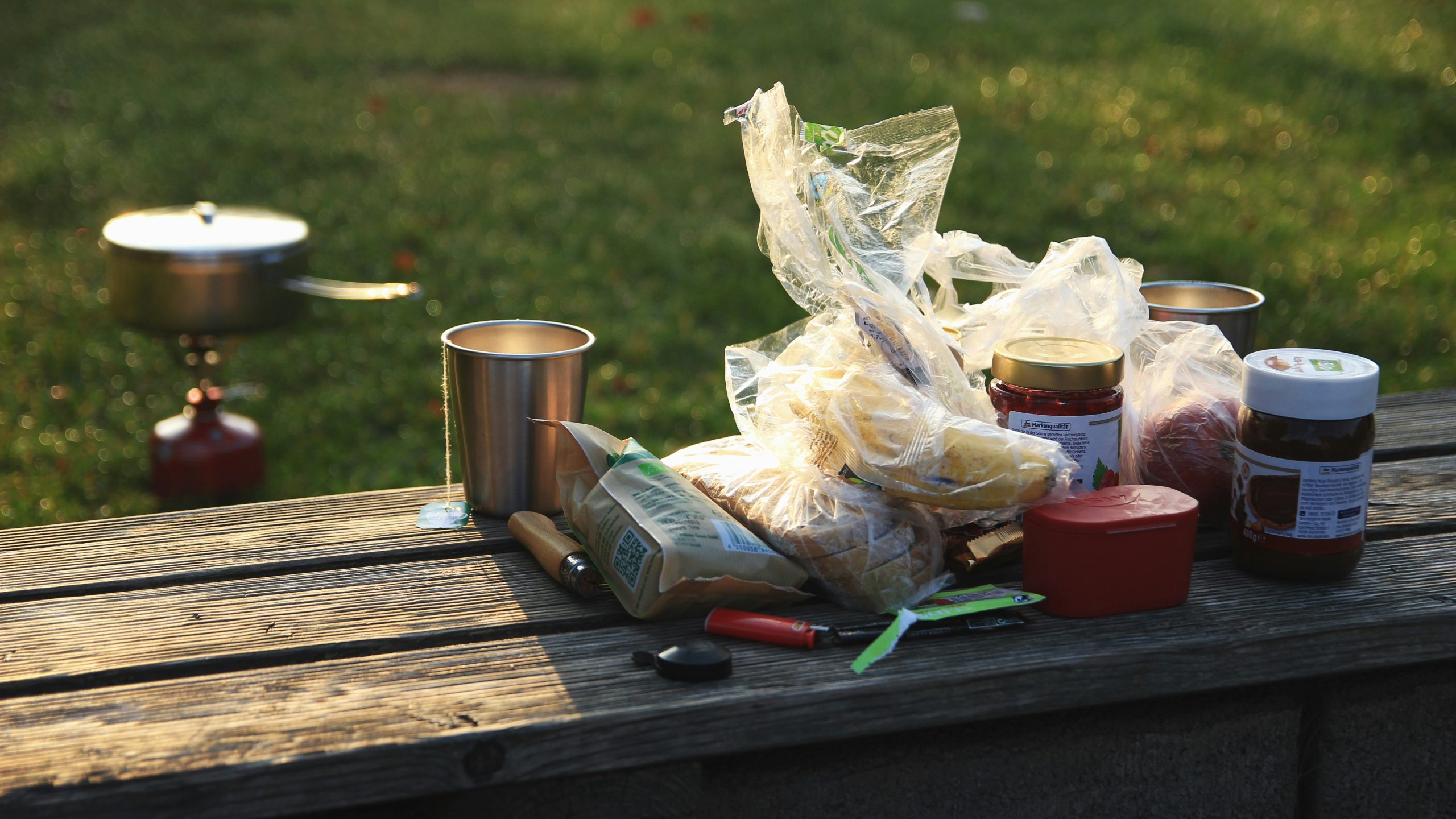
Metabolism drops with age, causing quicker fatigue during strenuous hikes. Keeping energy stable requires gear that supports consistent comfort, including moisture-wicking clothing and lightweight footwear. Packs that prevent shoulder strain help conserve strength. Easy access pockets for snacks and hydration also matter because quick fueling prevents dips in stamina. These considerations help older hikers maintain steady energy and avoid sudden exhaustion that can affect trail safety.
12. Reduced Flexibility In Hips And Back
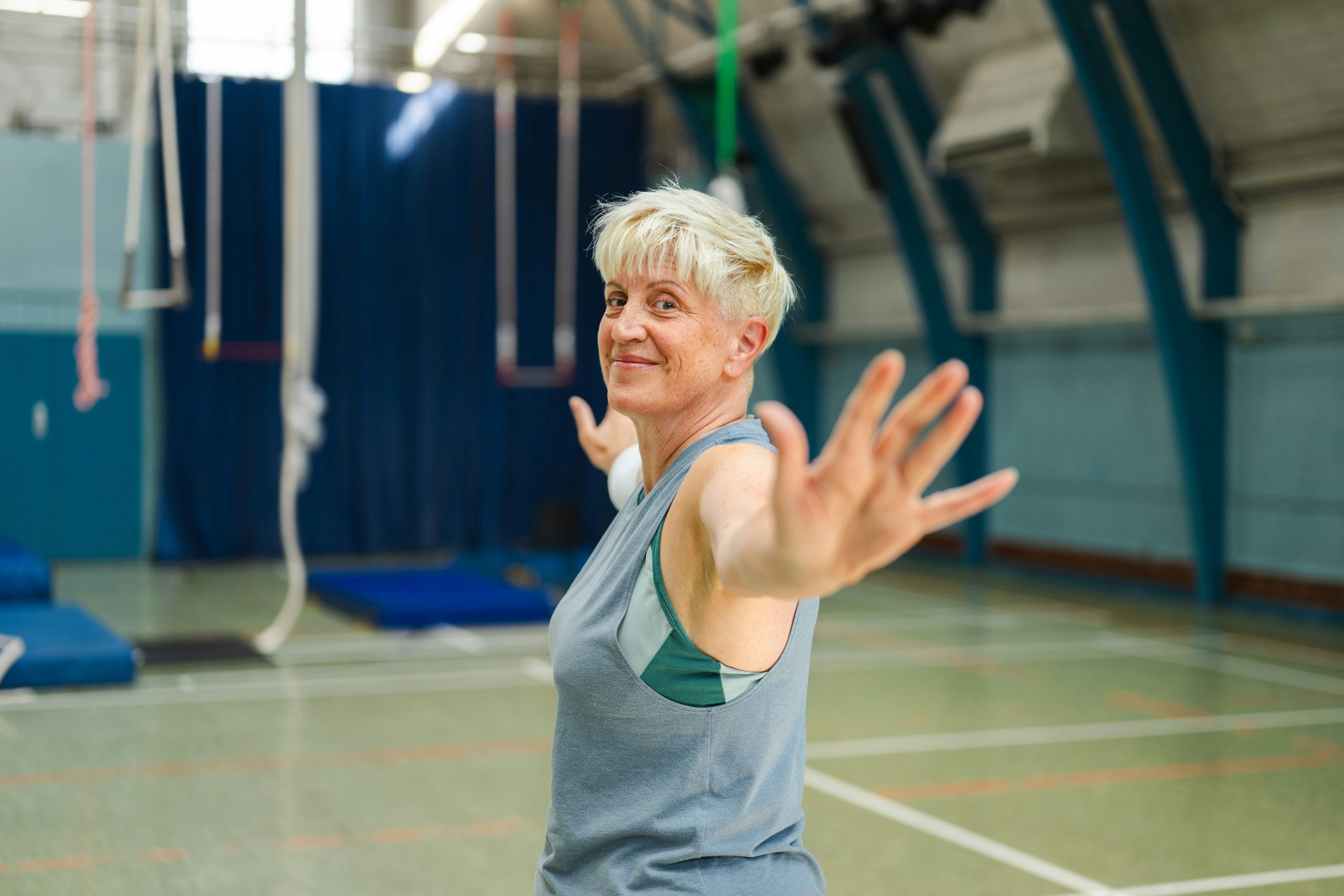
Flexibility declines with age, making bending, stretching, and stepping over obstacles more challenging. Gear that supports comfortable movement becomes essential, including stretch-friendly pants, ergonomic pack frames, and boots with ankle mobility. Lightweight shelter systems reduce the need for awkward lifting or crouching. Choosing gear that respects natural range limitations lets hikers move more freely and avoids strain that can lead to lingering soreness after a long day outdoors.
13. Heightened Sensitivity To Foot Impact
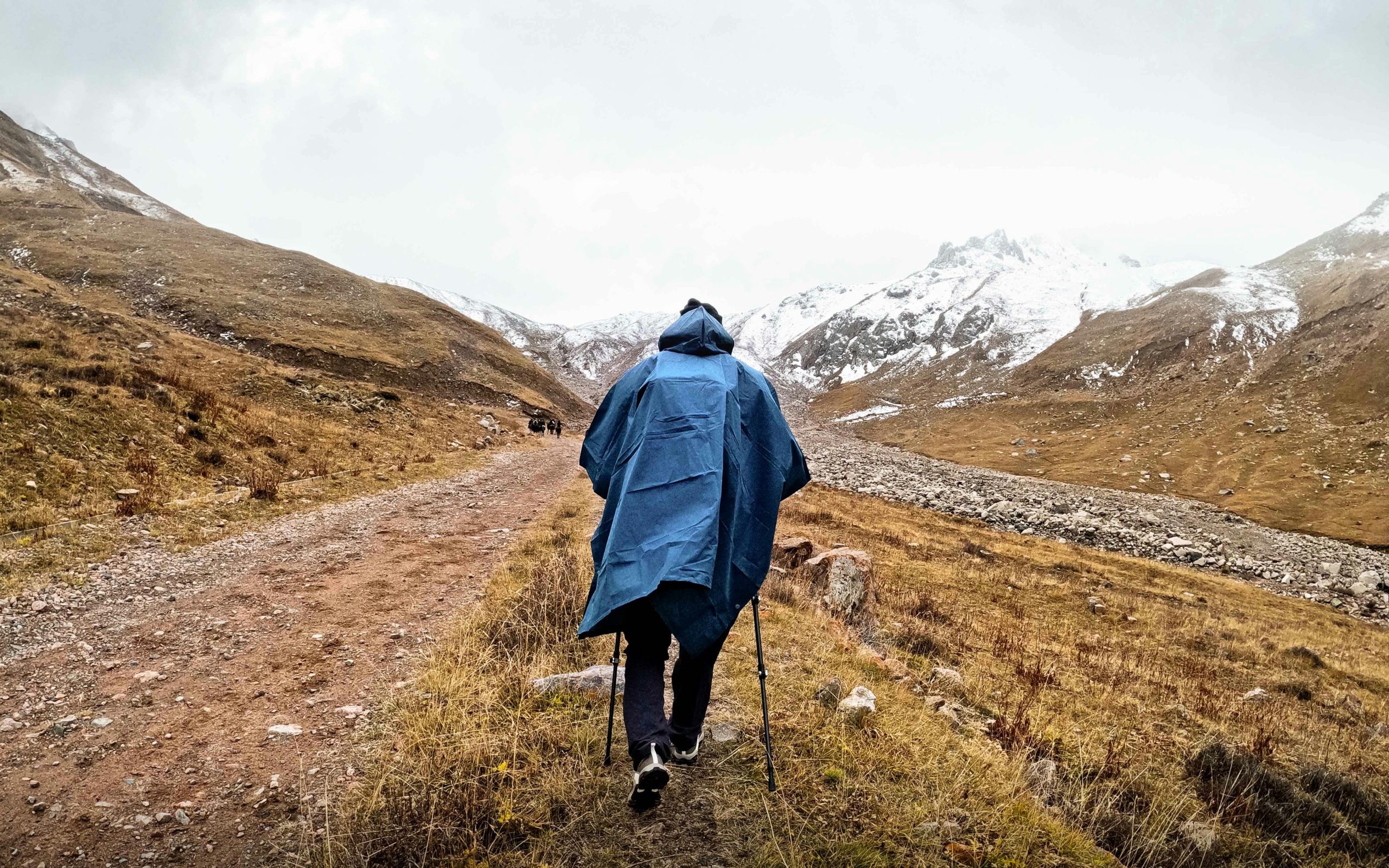
Feet become more sensitive due to thinner fat pads and long-term wear. High-impact surfaces like rock slabs or packed dirt can feel punishing. Supportive insoles, cushioned midsoles, and boots with shock absorption reduce discomfort. Moisture-wicking socks help prevent friction and blisters. Selecting footwear that prioritises comfort and impact protection allows older hikers to stay comfortable mile after mile without foot pain slowing their pace.
14. Weakened Core Strength
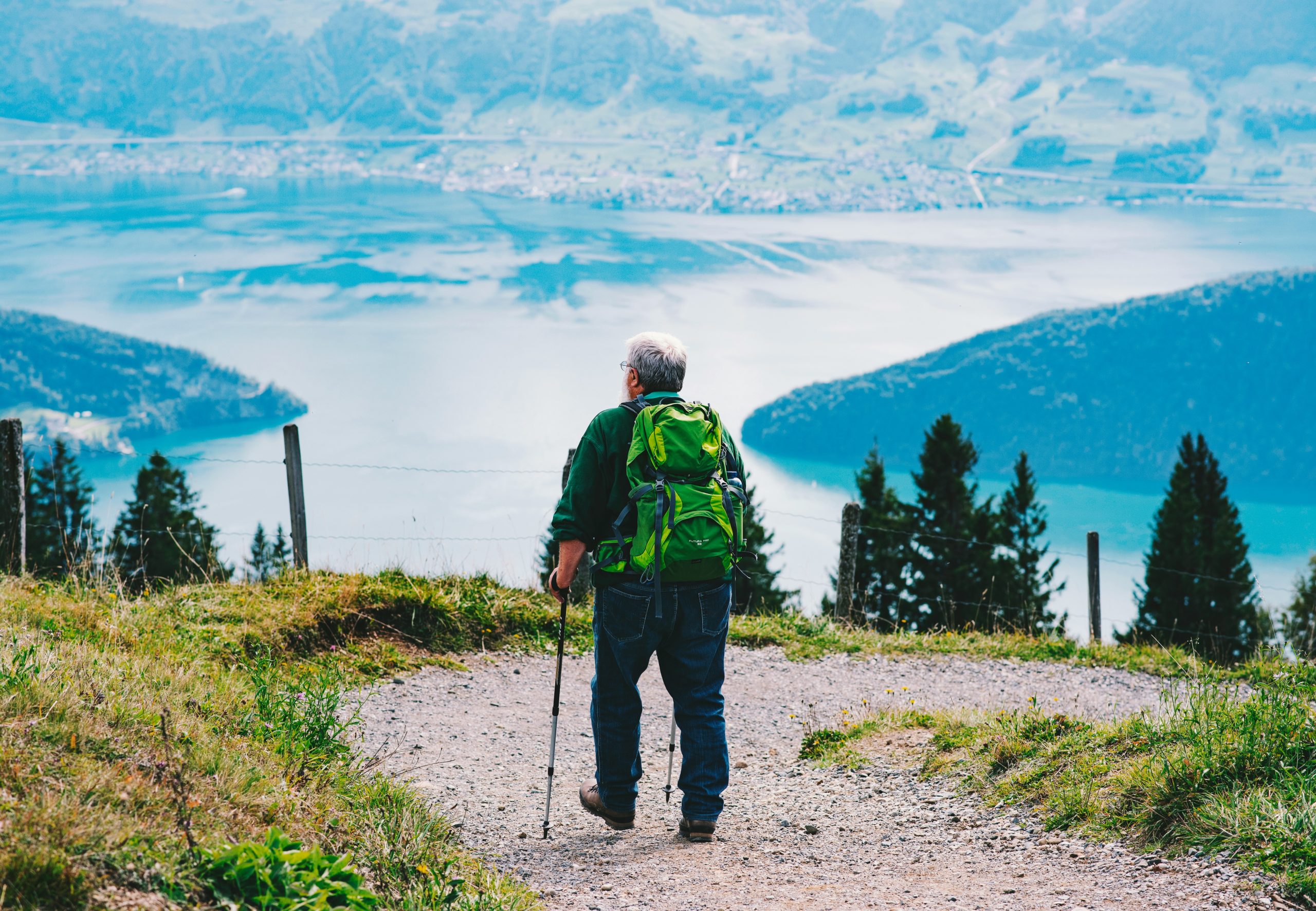
Core muscles lose tone with age, affecting stability, posture, and long-distance comfort under load. Packs with solid hip belts and proper back support help keep the torso aligned. Trekking poles add extra balance when climbing or descending. Clothing that fits well and does not bunch or pull also improves comfort. Supporting the core through smart gear choices reduces fatigue and helps maintain smooth, controlled movement across varied outdoor environments.
15. Higher Risk Of Overuse Injuries
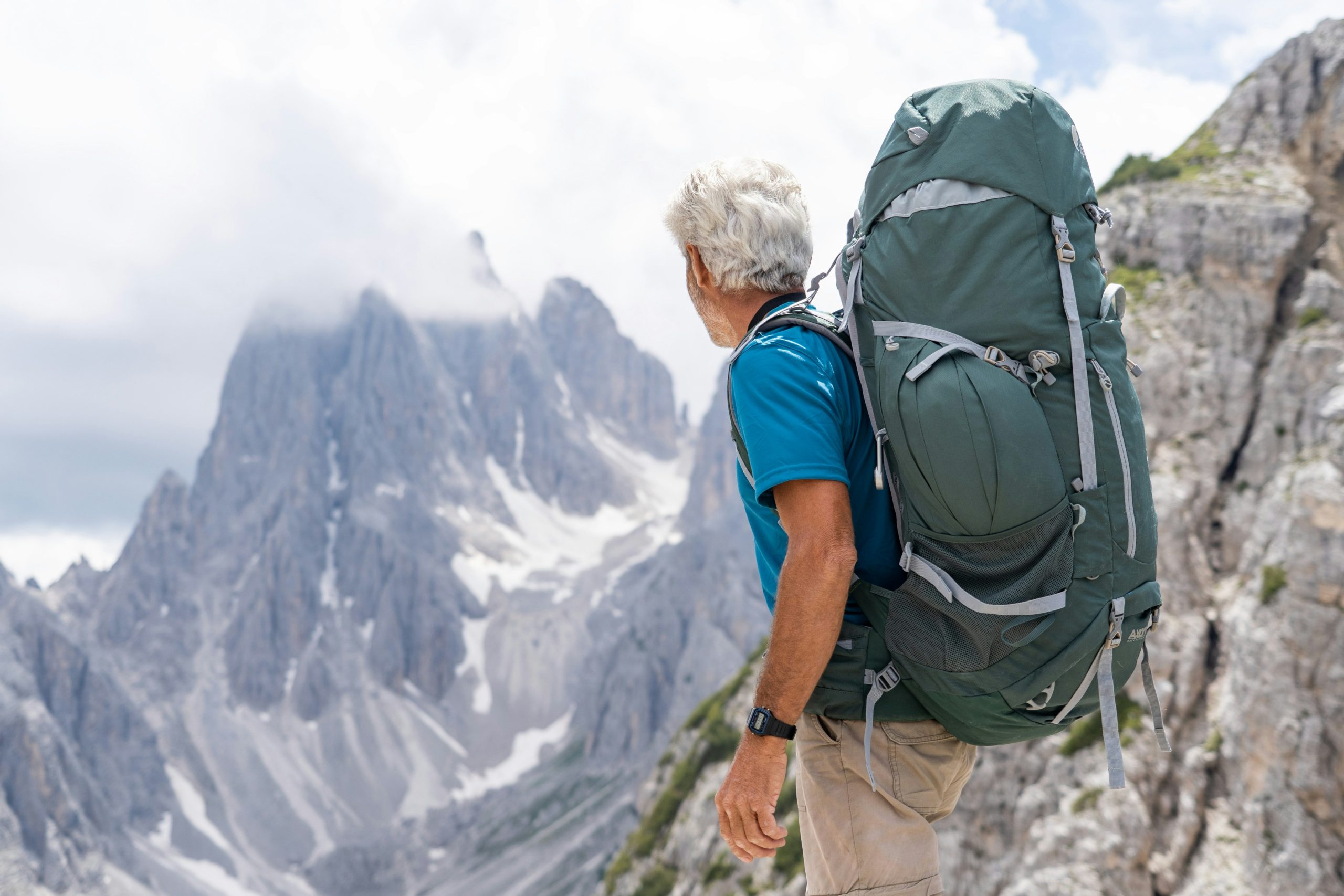
Older hikers are more prone to tendon and ligament strain during repetitive motion, especially on long treks. Gear that minimises stress, including cushioned footwear, poles, and packs with supportive suspension, becomes important for preventing injury. Choosing lighter equipment reduces strain on joints and connective tissues. These decisions help hikers avoid setbacks that can take longer to heal and allow them to enjoy consistent, safer time outdoors without avoidable discomfort.