
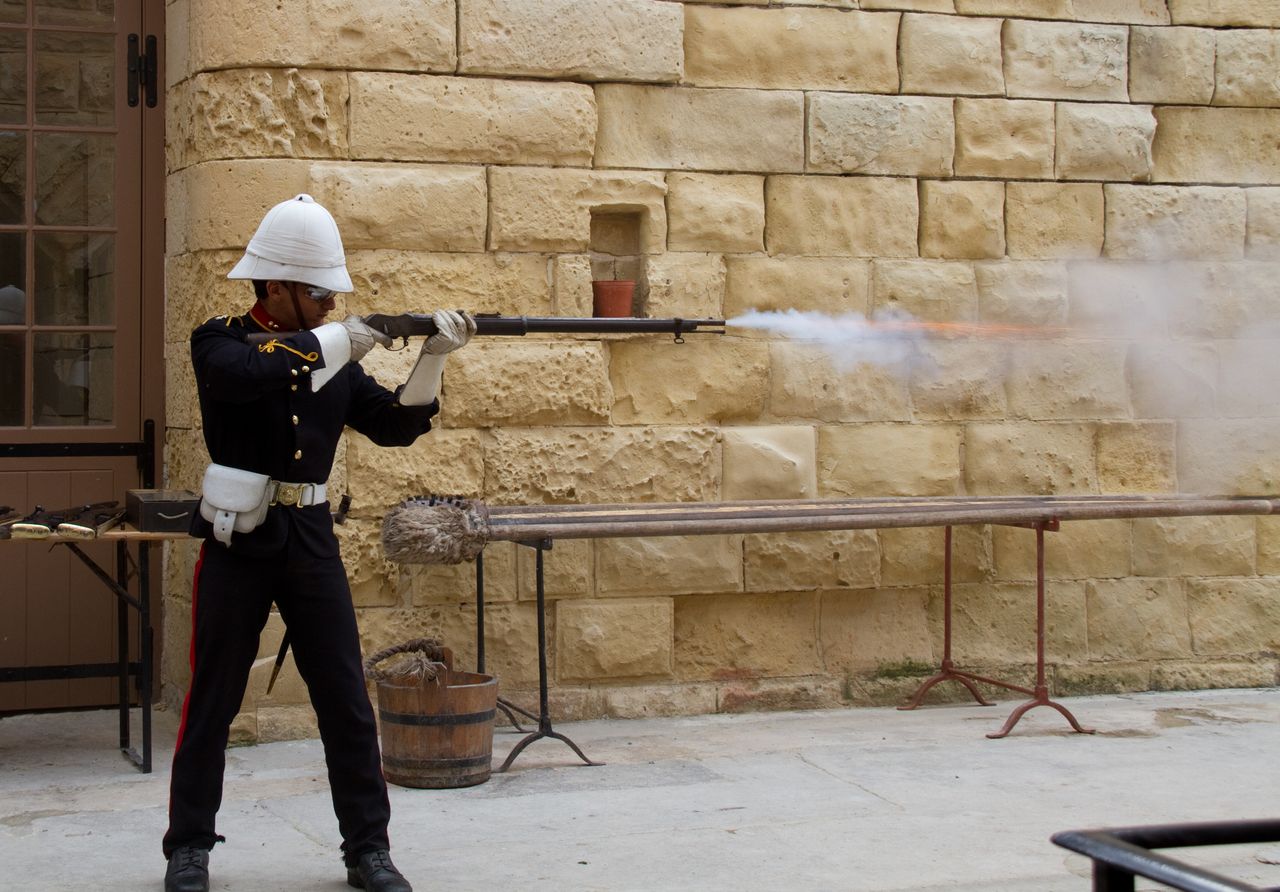
The Martini-Henry was more than a famous Victorian rifle. Its design shaped how British soldiers fought, drilled, and survived in colonial campaigns from southern Africa to Afghanistan. This gallery looks at seven practical features that gave the weapon its battlefield identity, and explains why they mattered so much in the age of empire.
A strong single-shot breechloader

The Martini-Henry’s most basic defining trait was its single-shot breechloading action. Instead of loading from the muzzle, a soldier dropped the lever, opened the breech, inserted a cartridge, and closed the rifle in one compact sequence. That made the weapon far quicker and more practical than the older muzzle-loaders it replaced.
In colonial warfare, that mattered immediately. Troops could reload while lying down, behind cover, or in tighter formations, all while maintaining steadier fire. The design also had fewer moving parts than many repeating systems of the era, which gave it a reputation for rugged simplicity under the rough conditions of imperial campaigning.
A powerful .577/450 cartridge
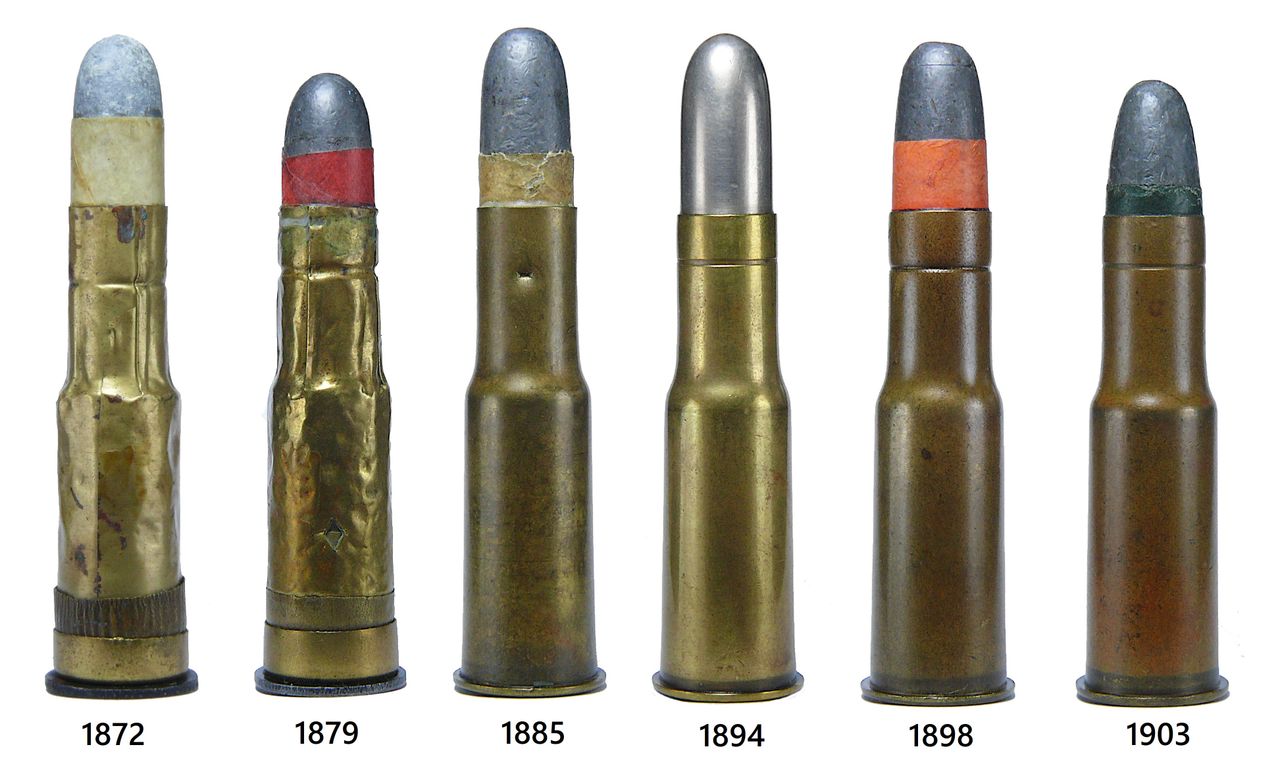
The rifle fired the hefty .577/450 cartridge, a bottleneck round that packed serious stopping power. In an era when many colonial campaigns involved close to medium range fighting, that kind of impact was highly valued. British troops expected one solid hit to disable an opponent, even through brush, equipment, or the momentum of a charge.
That power came with trade-offs. Recoil was stout, ammunition was bulky, and sustained shooting could be punishing. Even so, the cartridge helped create the Martini-Henry’s fearsome battlefield image. Against massed attackers or enemies taking cover at awkward distances, its punch gave British infantry a confidence that became central to imperial military doctrine.
Fast handling through lever action
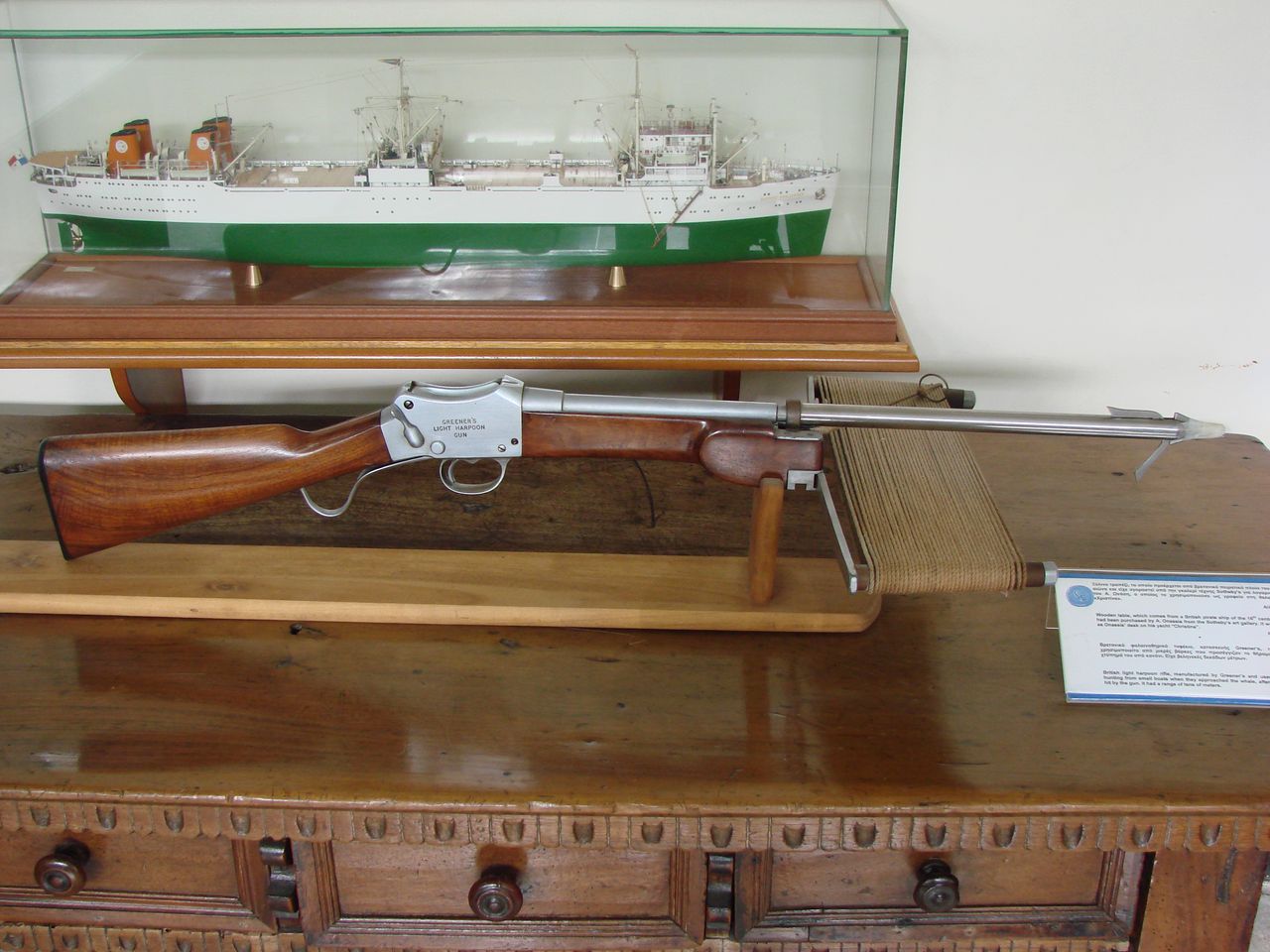
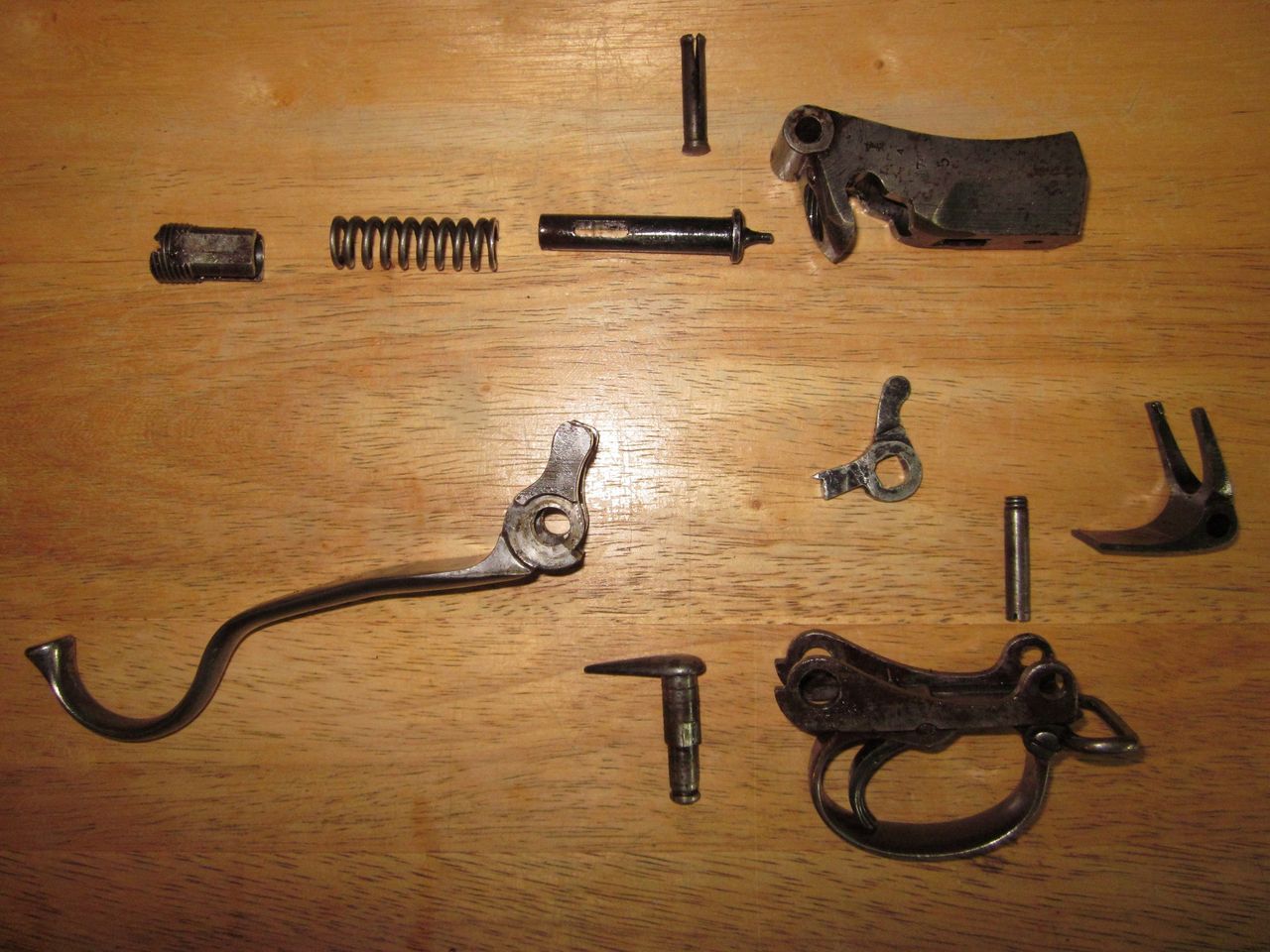
The under-lever mechanism gave the Martini-Henry a distinct rhythm in trained hands. A soldier could drop the lever, eject the spent case, chamber a fresh round, and return to firing with impressive speed for a single-shot rifle. British drill emphasized repetition, and the weapon rewarded that discipline with a smooth, almost mechanical cadence.
This mattered in colonial battles where fire superiority often decided whether a thin line held or broke. A well-drilled unit could deliver rapid volleys that felt relentless to opponents advancing over open ground. The rifle was not a repeater, but in the hands of practiced infantry, its handling characteristics helped narrow that gap more than many people assume today.
Long-range volley fire capability
Victorian military thinking still placed enormous value on controlled volley fire, and the Martini-Henry fit that world well. Its sights allowed troops to engage at considerable distances, including the long-range fire that officers believed could disrupt enemy formations before they closed. In open colonial terrain, that was seen as a major tactical advantage.
The reality was more complicated, of course. Individual marksmanship under pressure was never easy, and battlefield visibility could be poor. Still, the rifle’s combination of power and reach supported the British preference for disciplined, collective fire. It helped infantry dominate ground psychologically as well as physically, projecting force well before hand-to-hand fighting became a danger.
Rugged construction for hard service
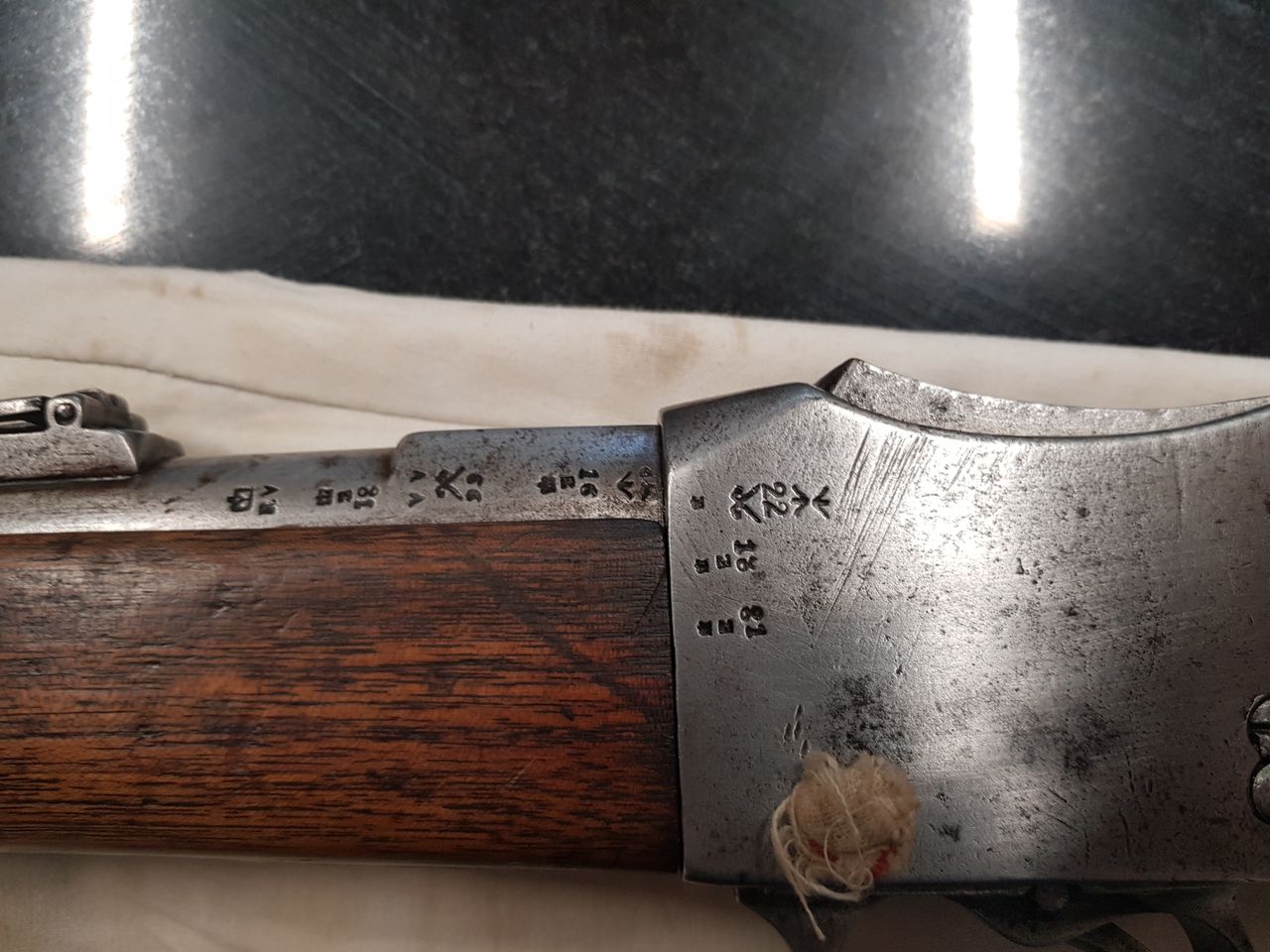
Colonial campaigning was brutal on equipment. Dust, rain, heat, rough transport, and long marches exposed every weakness in a firearm’s design. The Martini-Henry earned respect because its construction was comparatively sturdy, with a solid receiver and a straightforward action that could stand up to harsh field use better than more delicate systems.
That durability did not mean perfection. Fouling, wear, and extraction problems could still appear, especially during heavy firing. But for an army operating across distant theaters with uneven supply lines, robustness counted for a lot. The rifle’s reputation as a dependable workhorse helped make it a standard bearer of British military presence across the empire.
A bayonet-ready infantry weapon
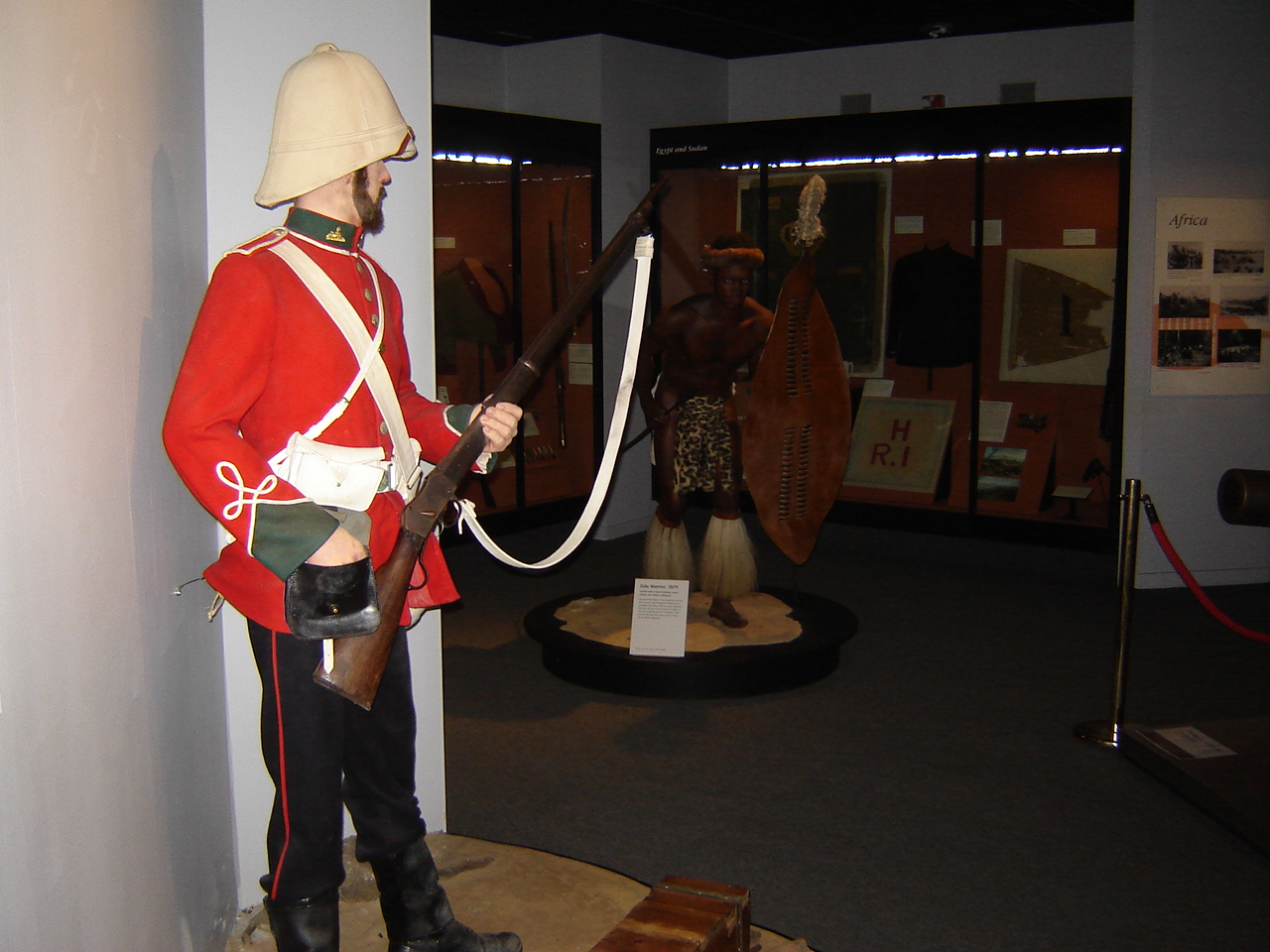
Like many military rifles of its time, the Martini-Henry was designed to work with a bayonet, turning it from firearm into spear-like infantry weapon when needed. That reflected a period when armies still expected close combat to happen, especially in confused fighting, defensive stands, or sudden rushes against a firing line.
In colonial campaigns, the psychological value of the bayonet could be as important as its practical use. It symbolized discipline, aggression, and the willingness to hold ground at the last moment. Mounted on the Martini-Henry, it made an already imposing rifle even more formidable, reinforcing the British emphasis on steady nerves and battlefield intimidation.
Black powder smoke and battlefield limits

One of the Martini-Henry’s defining features was also one of its biggest limitations: it used black powder ammunition. Every shot produced dense smoke, adding drama to volleys but quickly obscuring visibility in sustained engagements. On a battlefield, that could make target identification, command, and accurate follow-up fire much harder than modern viewers might expect.
Black powder also left significant fouling in the weapon. As rounds piled up, heat and residue could complicate extraction and reduce comfort for the shooter. These drawbacks were part of the rifle’s real combat story. The Martini-Henry was powerful and iconic, but it belonged to a transitional moment in firearms history, not a flawless one.