Long before lightweight, high-powered sporting rifles became common, Western sheepherders had to depend on firearms that could handle the realities of isolated ranches and open grazing country. Their days often involved protecting valuable flocks, dealing with predators, and spending long hours far from towns or reliable supplies. A firearm was therefore valued for more than its reputation or appearance. Practical considerations such as durability, ammunition availability, ease of maintenance, and usefulness on horseback all mattered. From traditional single-shot rifles to early repeating designs, several firearms became part of the working equipment associated with the American West.
1. Hawken-Style Plains Rifle
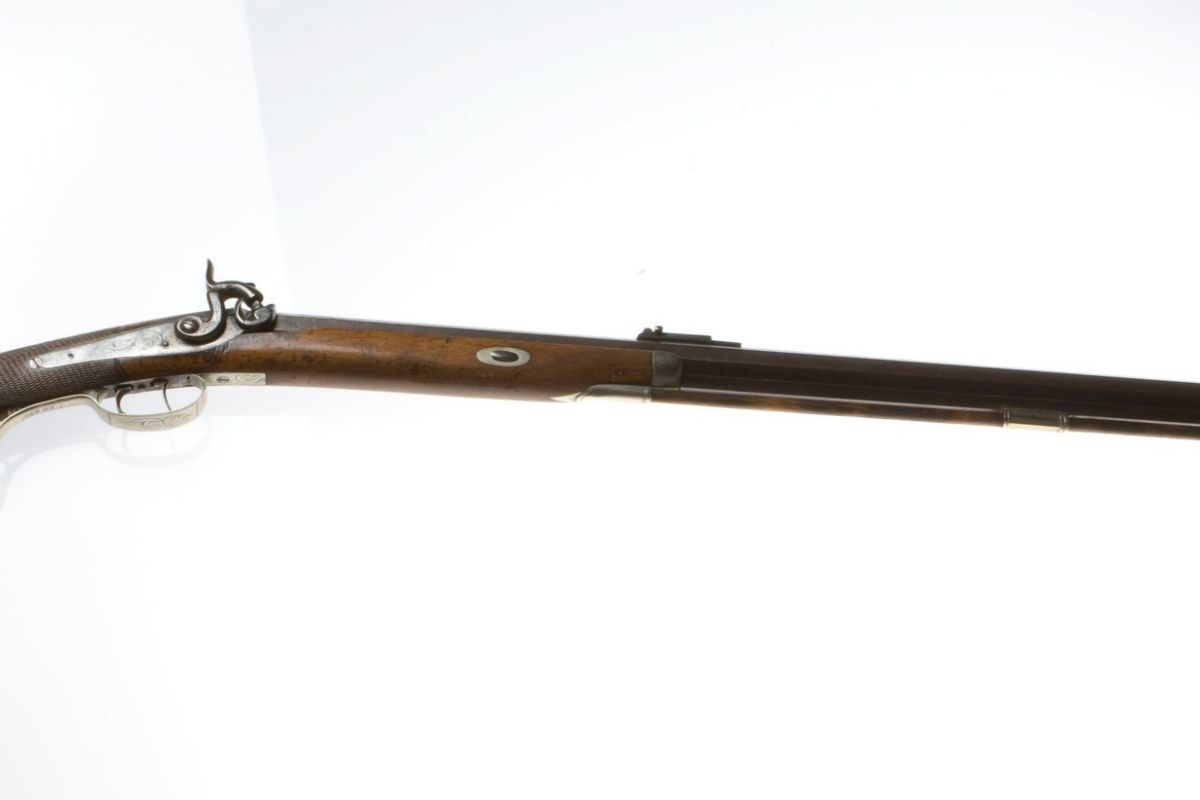
Before metallic-cartridge repeaters spread across the West, percussion Plains rifles were familiar frontier long guns. Makers such as Hawken of St. Louis built sturdy half-stock rifles with heavy barrels, often in large calibers suited to western game. A Plains rifle was loaded at the muzzle and fired one shot before reloading, demanding time and care. Its handier form, compared with older long rifles, made it easier to manage on horseback or in rough country. A shepherd in an earlier period might have inherited one and kept using it after newer designs appeared.
2. Sharps Model 1874
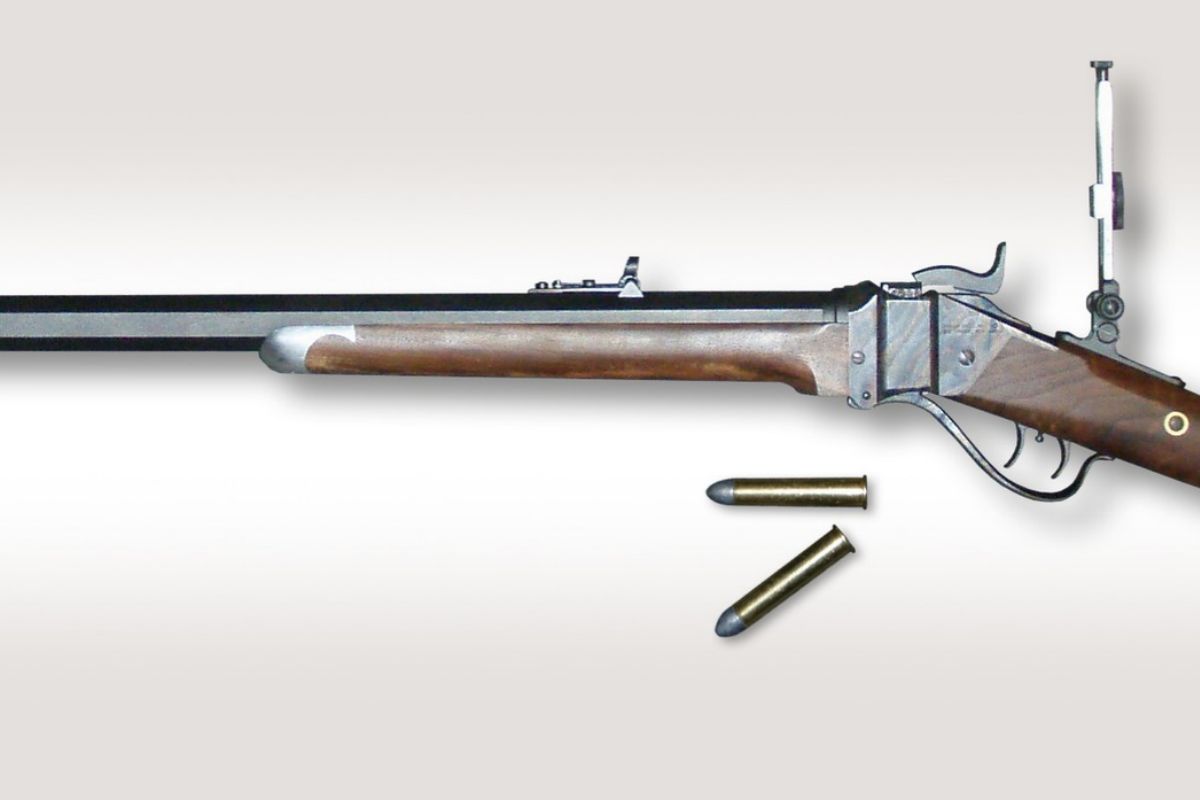
The Sharps Model 1874 represented the powerful single-shot rifle of the post-Civil War West. Its falling-block action used metallic cartridges, and sporting versions came in substantial calibers, including .50-90 Sharps. That combination made the design famous among commercial buffalo hunters and users who valued accuracy at distance. It was not a quick-firing flock gun, and its size could be inconvenient during daily herding. Still, a ranch household in the 1870s or 1880s might consider a Sharps a serious rifle for hunting and protection in remote country.
3. Remington Rolling Block
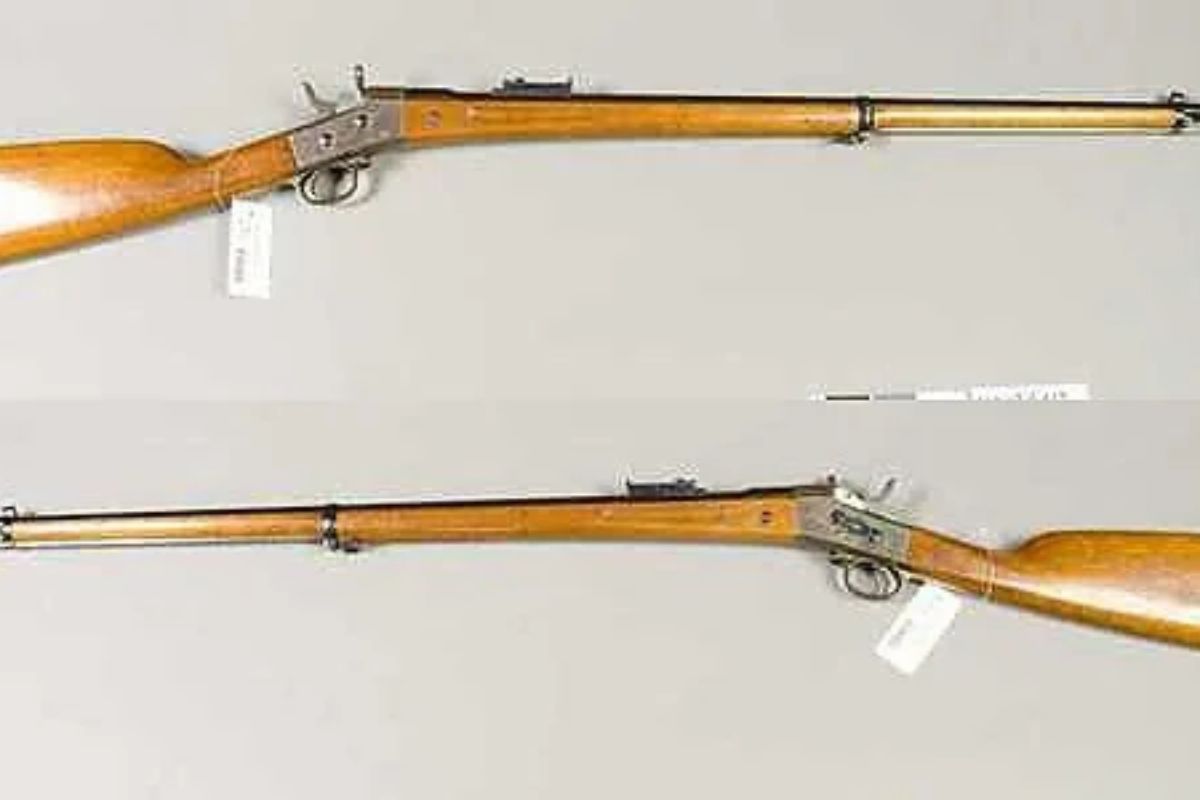
Remington’s rolling-block rifle earned a reputation for a simple, sturdy breech mechanism. Introduced in the 1860s, it was sold in military and sporting chamberings and used a hammer with a rotating breechblock rather than a lever-operated magazine. Examples appeared in cartridges such as .50-70 and .45-70 Government, depending on model and contract. Its single-shot operation required deliberate reloading, but the design was straightforward to maintain. For a rural family far from a gunsmith, that simplicity could appeal, although no one rifle was standard across western sheep camps.
4. Springfield Model 1873 Trapdoor
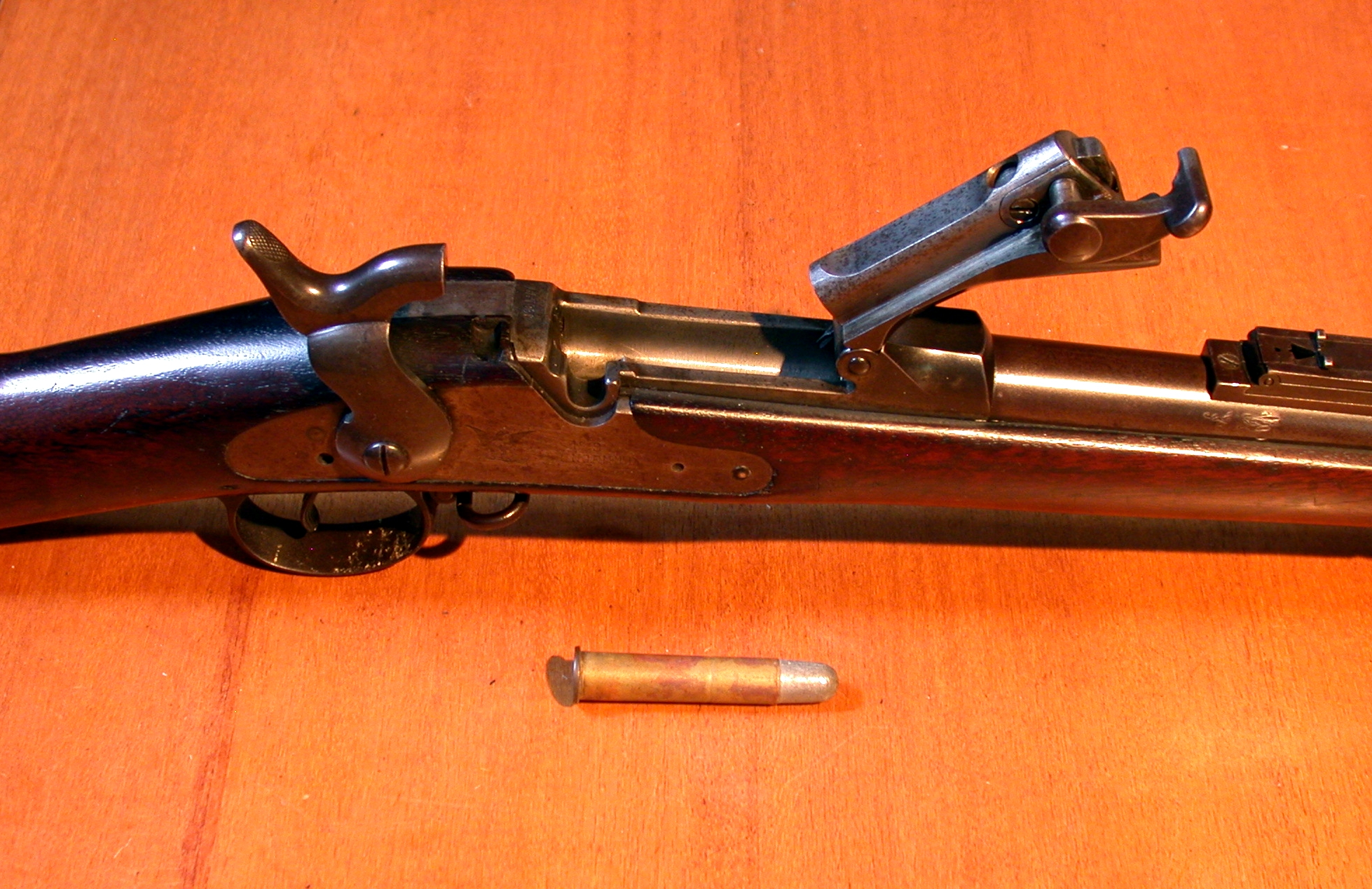
The Springfield Model 1873, commonly called the Trapdoor, was a military rifle and carbine chambered for .45-70 Government. Its hinged breechblock opened upward for loading, replacing the slower muzzle-loading system. Springfield Armory produced nearly half a million .45-70 Trapdoor-family arms over about 20 years, and surplus examples later circulated beyond military service. The full-length rifle measured about 52 inches; the carbine was roughly 41 inches. A used example could reach civilian hands, but it should not be described as a firearm issued specifically to sheepherders.
5. Winchester Model 1866
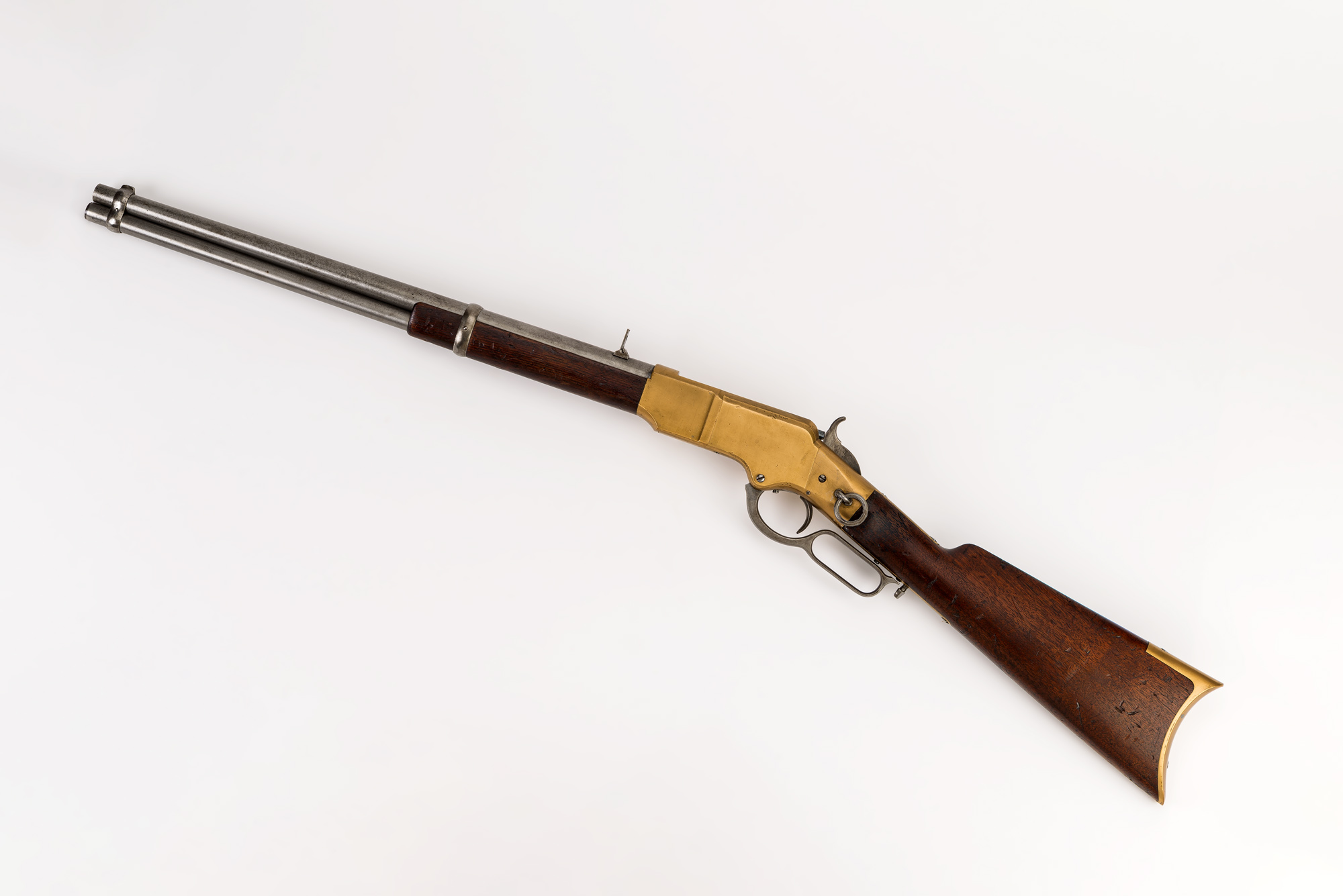
The Winchester Model 1866 brought a repeating metallic-cartridge rifle to a wider civilian market. Its brass receiver and lever action earned it the nickname Yellow Boy. Depending on configuration, its tubular magazine held as many as 17 rounds. It fired .44 Henry rimfire ammunition, less powerful than later centerfire cartridges but capable of multiple shots before reloading. Introduced in 1866, it appealed to users who valued repeat fire in a handy package. In the West, it was one option a rancher or herder might encounter, not a universal piece of working equipment.
6. Winchester Model 1873

The Winchester Model 1873 became one of the best-known repeating rifles of the frontier era. Often chambered in .44-40, it used a lever action and a tubular magazine holding up to 12 cartridges in a standard 24-inch-barrel configuration. The .44-40 cartridge was also offered in compatible revolvers, simplifying ammunition needs for some owners. Production ran from 1873 to 1916, with more than 720,000 made. Its popularity made it a plausible working rifle around western ranches, although its fame does not prove that every sheepherder owned one widely.
7. Marlin Model 1893
By the 1890s, Marlin’s Model 1893 gave western shooters another lever-action choice. Its solid-top receiver and side ejection distinguished it from many contemporary repeaters. It was chambered for cartridges including .30-30 Winchester and .32-40, and its tubular magazine allowed follow-up shots without single-shot reloading. Introduced in 1893, it belongs to the later edge of this story, rather than the earliest sheep camps. A rancher or herder with access to a dealer might have chosen one, but availability and affordability differed across the enormous western grazing country.
8. Colt Single Action Army
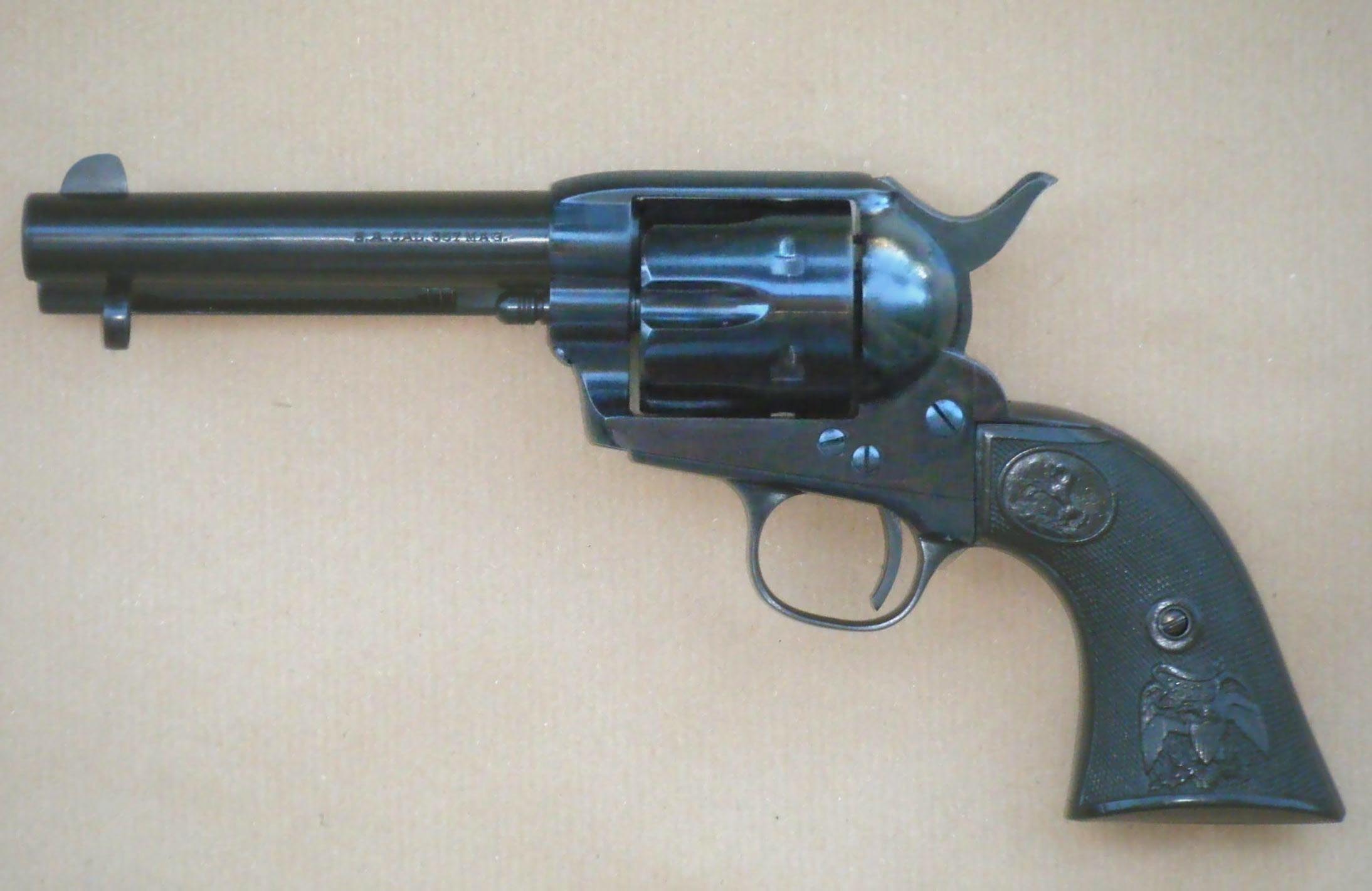
A rifle was more useful at distance, but a sidearm was easier to carry while riding or moving among animals. Colt introduced the Single Action Army in 1873, initially in .45 Colt, with a six-round cylinder and a loading gate. It was no substitute for a rifle against threats at longer distances, and not every sheepherder carried a handgun. Yet its compact form and broad western presence made it a possible companion to a ranch rifle. The revolver shows how frontier firearms could serve different, complementary roles rather than one gun doing every job.