Military history is full of rifles that once equipped entire armies but are now surprisingly difficult to encounter. Some disappeared when countries replaced their standard weapons, while others were dismantled, exported, or lost through decades of conflict. A rifle that was manufactured in enormous numbers can still be scarce today, especially in its original configuration or with its matching military markings. The nine examples below reveal how changing technology, political upheaval, and the passage of time transformed widely issued service rifles into increasingly sought-after historical artifacts.
1. M1 Garand
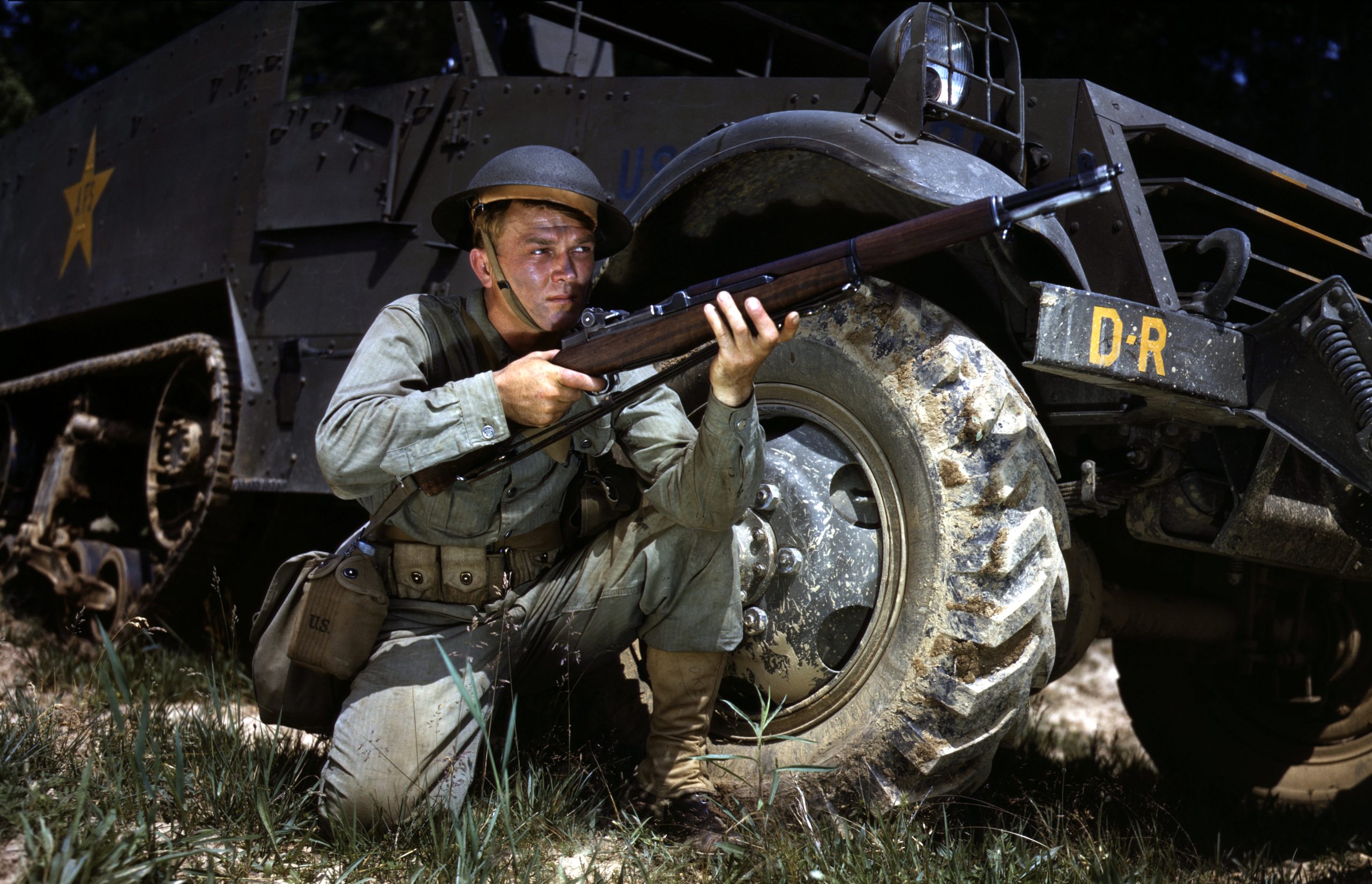
The U.S. M1 Garand became standard issue in 1936 and served through World War II and Korea. About 5.47 million were made by American manufacturers, yet an original, well-preserved example is not the same as a rebuilt service rifle. Many Garands passed through arsenal overhauls, where parts were replaced and stocks refinished. Later transfers and civilian sales spread them widely, but matching-period components, early production details, and documented service histories can be harder to find. Its familiar profile therefore hides a complicated collecting story.
2. M1903 Springfield
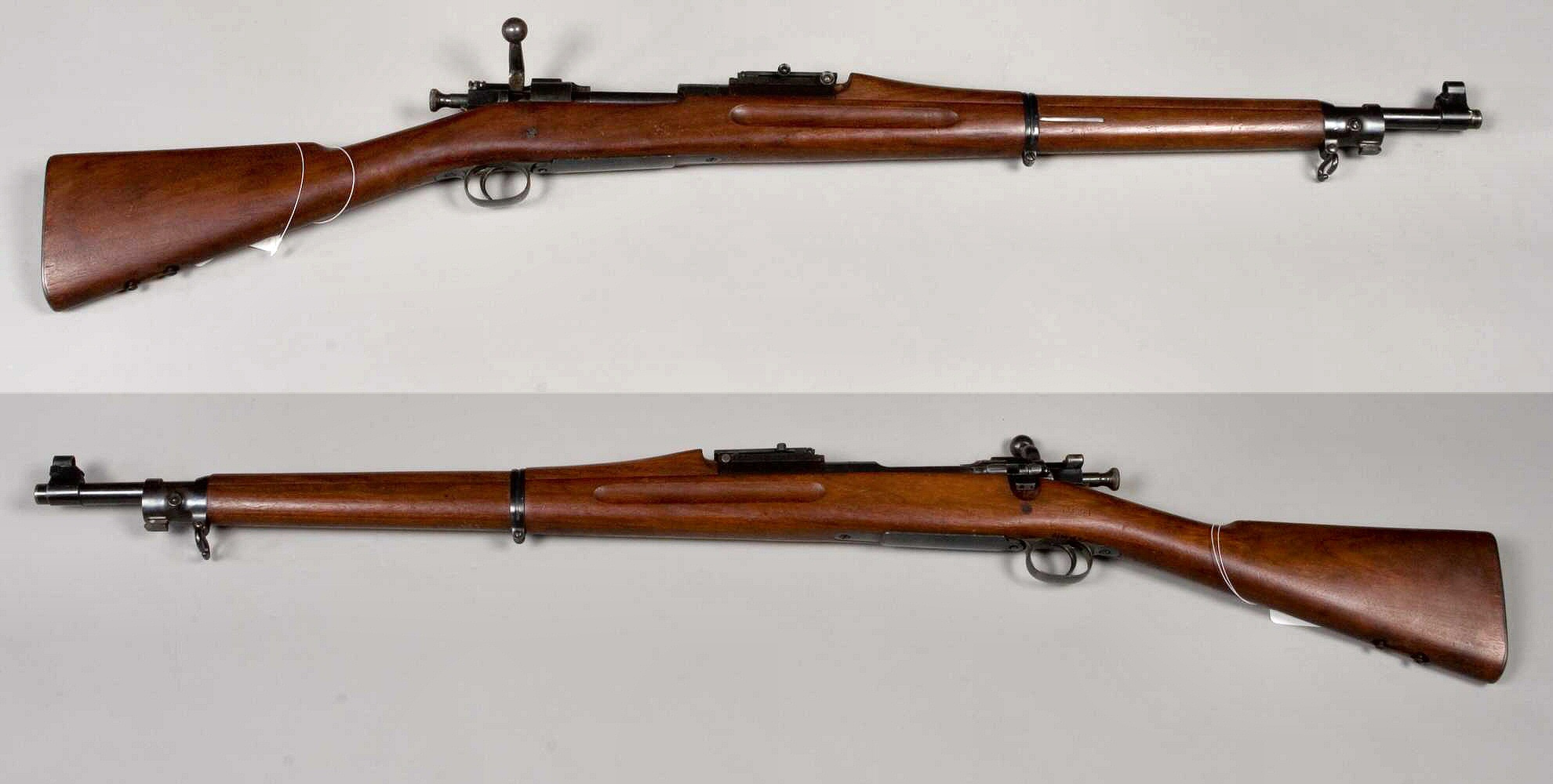
Adopted in 1903, the U.S. M1903 served in both world wars, even after newer rifles arrived. Production exceeded 1.3 million across early makers and wartime contracts, with later M1903A3 versions adding more. Many rifles were rebuilt, converted for training, or adapted for sniper use, so untouched examples are less common than the headline total suggests. Collectors pay close attention to maker marks, serial ranges, heat-treatment history, and whether parts belong to the rifle’s original configuration. Its long service life left a varied legacy.
3. Lee-Enfield No. 1 Mk III
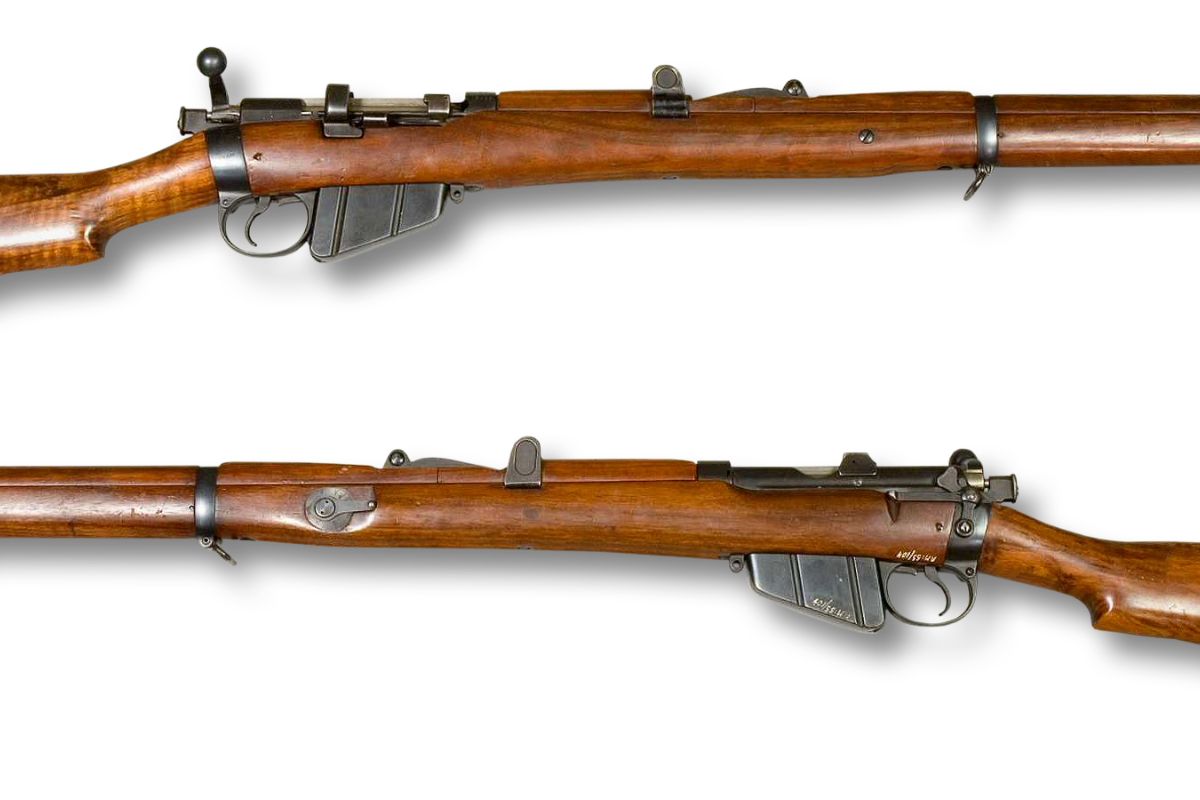
The Lee-Enfield No. 1 Mk III entered British service in 1907 and became a familiar rifle across the British Empire. Millions of Lee-Enfields were produced, but surviving rifles vary greatly because factories, arsenals, and allied forces repaired them repeatedly. Wartime shortages led to simplified production, while postwar conversions and refurbished parts changed many original examples. A rifle retaining its correct markings, matching components, and period furniture can be far harder to locate than a typical surplus specimen, despite the design’s enormous historical footprint.
4. Mosin-Nagant M1891
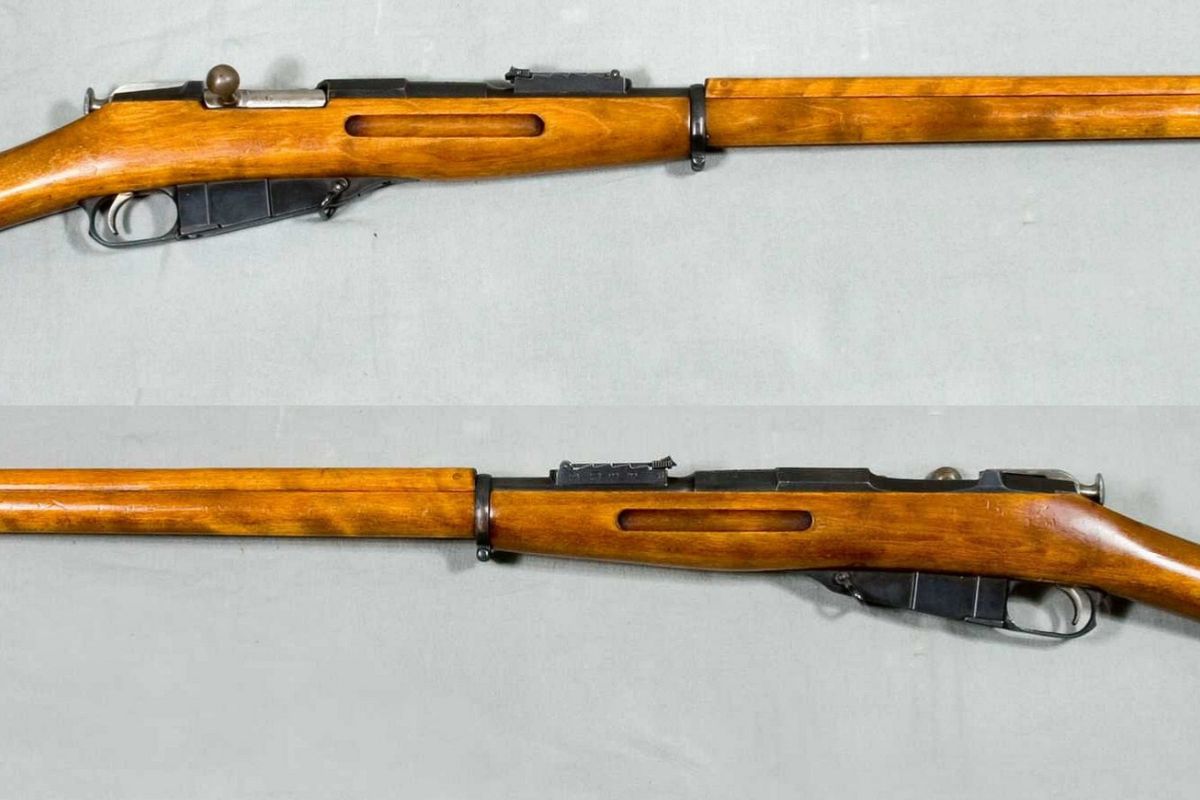
Adopted by Russia in 1891, the Mosin-Nagant family expanded through two world wars and service across several countries. Estimates commonly reach tens of millions, although totals vary by model and production source. That scale can make the rifle seem universally available, yet specific Imperial-era, early Soviet, or uncommon arsenal examples are much less straightforward to find. Many were refurbished, re-stocked, or reworked after service. Original markings and configuration matter because a familiar name covers many versions made over several decades.
5. Japanese Type 38 Arisaka
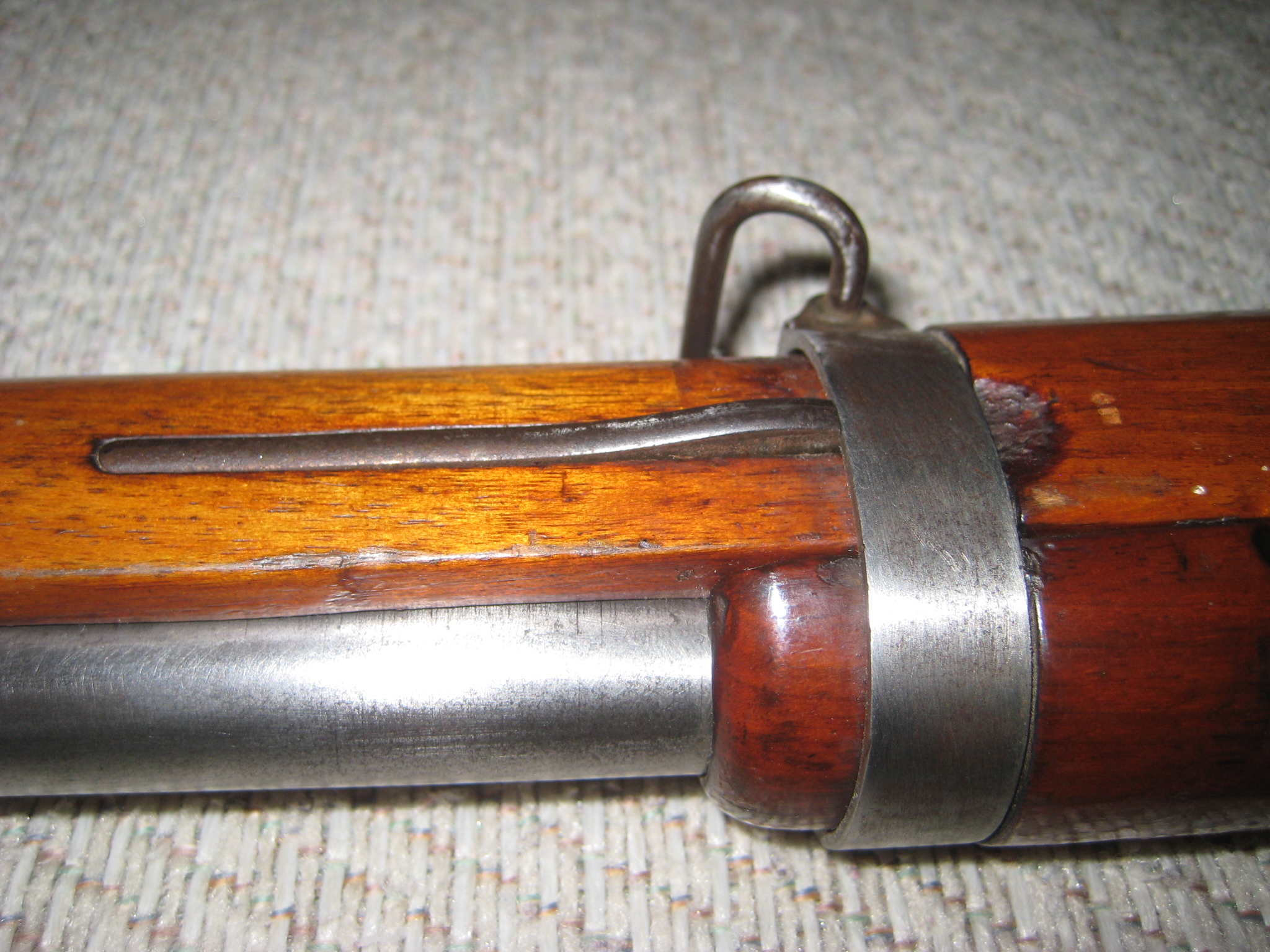
Japan adopted the Type 38 in 1905, and it remained in use well into the Second World War. More than 3 million are often attributed to the Type 38 family, but many rifles were captured, surrendered, scrapped, or altered after 1945. The surviving examples differ in arsenal markings, condition, and late-war repairs. Rifles with intact original features are less common than heavily used examples, and some were sporterized for civilian use. Its long service life means that identifying the exact variant is essential to understanding its history today.
6. French MAS-36
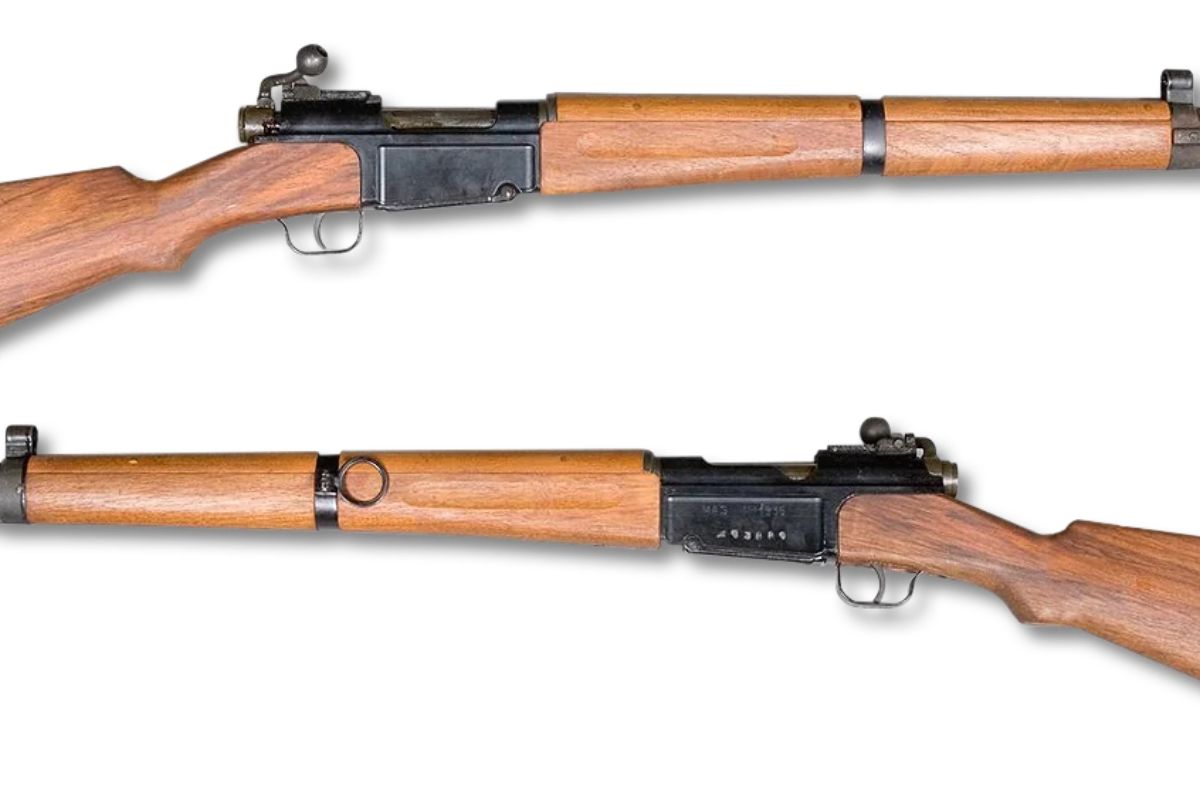
France adopted the MAS-36 in 1936 as a compact bolt-action service rifle, and production continued through the postwar period. Roughly 1.1 million are commonly cited, though figures vary by source and production period. It served during the Second World War and later conflicts, including in French colonial service. Many rifles were stored, refurbished, or used by reserve units, while others were exported or converted for civilian markets. A standard example may appear occasionally, but condition, original fittings, and clear provenance separate scarcer survivors from ordinary surplus.
7. Swiss Schmidt-Rubin K31
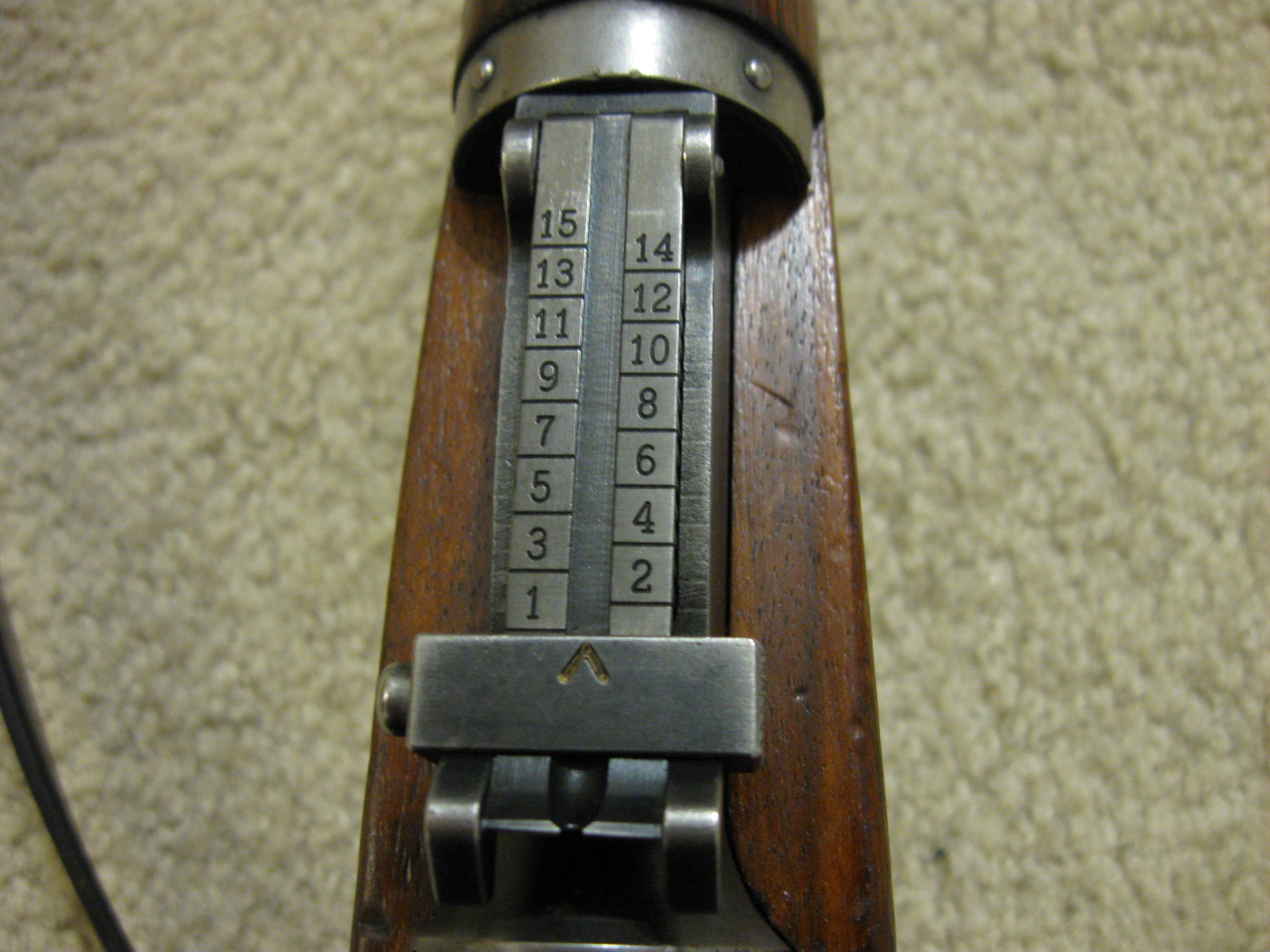
Switzerland adopted the K31 in 1931, and production ran until 1958, with about 528,000 rifles manufactured. That total is modest beside mass wartime arms, and the rifle spent decades in a well-maintained militia system rather than being consumed in major combat. Many reached civilian hands after military service, but individual rifles can still be historically distinctive through unit tags, serial records, and original condition. The K31’s straight-pull action and careful Swiss workmanship make it recognizable, while documented service details add interest beyond its mechanical design.
8. U.S. Krag-Jørgensen M1898
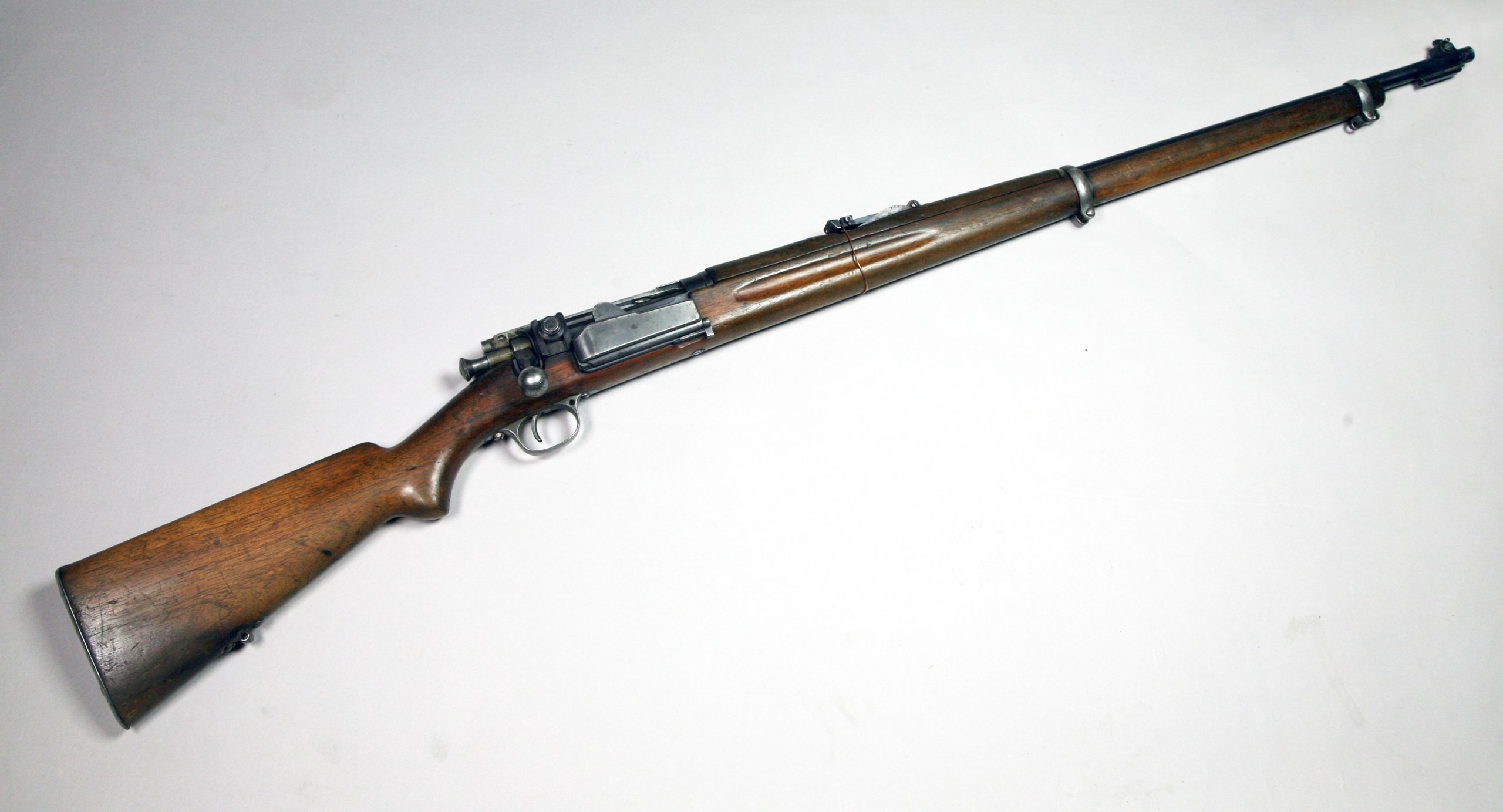
The U.S. Army adopted the Krag-Jørgensen in the 1890s, before replacing it with the M1903 Springfield. American production was comparatively limited, with roughly 400,000 U.S. military Krags made across the main service models. Its distinctive side-loading magazine and smooth bolt made it different from later service rifles. Many examples saw use in the Spanish-American War era and later training roles, then passed through civilian hands. Surviving rifles are not all rare, but original military configuration and intact period details can be difficult to preserve.
9. Italian Carcano M91
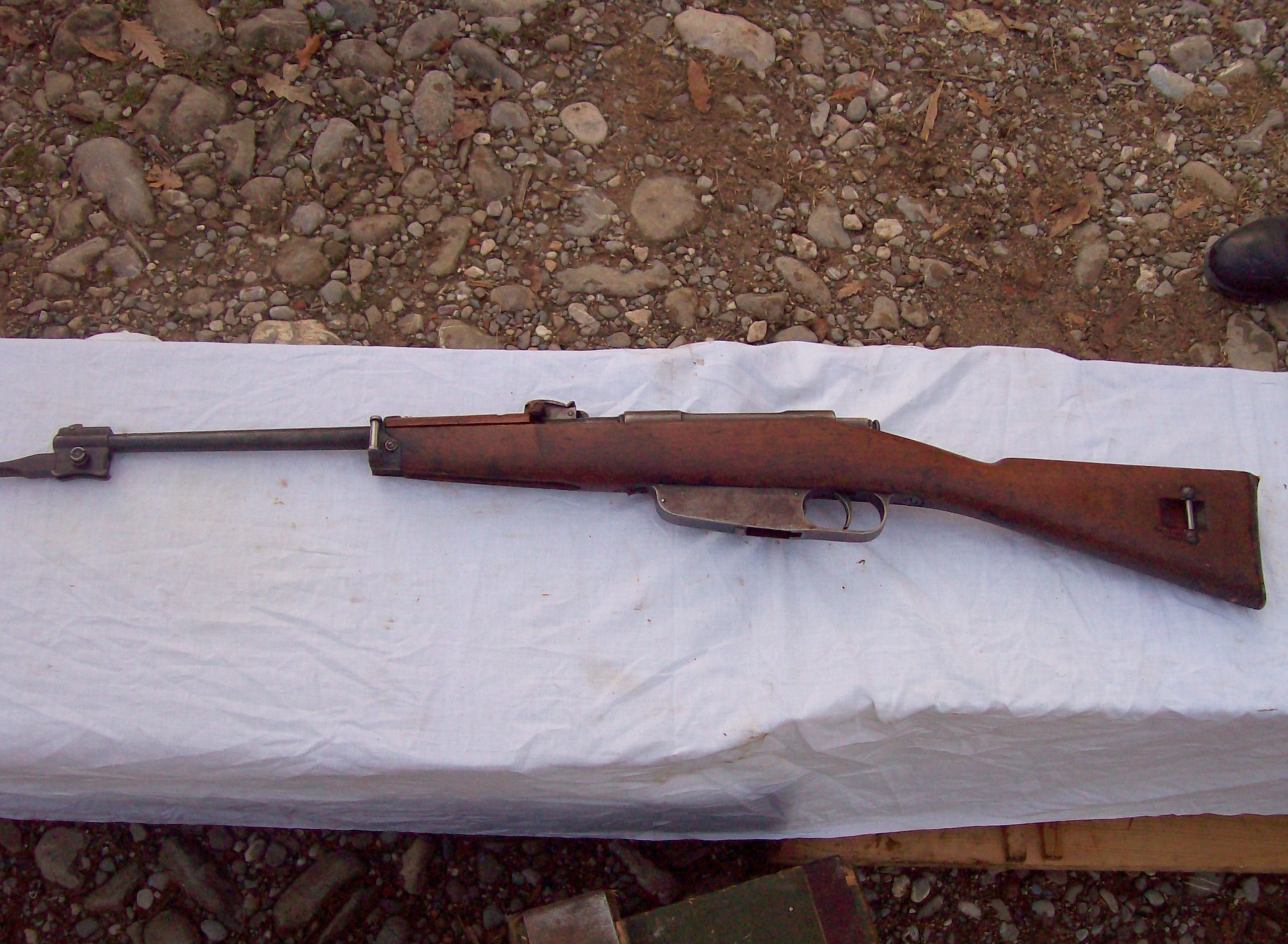
Italy adopted the Carcano Model 1891 in the late 19th century, and the wider family served through both world wars. Several million Carcano-pattern rifles and carbines were made, with production spread across multiple models and factories. Postwar disposal, conversion, and export changed many survivors, while some variants were rebuilt using mixed components. The result is a broad family rather than one uniform collectible. A rifle’s exact model, arsenal markings, and original configuration often matter more than the Carcano name alone when judging how unusual a surviving example really is.