Old hunting cabins can hold decades of forgotten history. Some were used by generations of hunters, while others served as seasonal shelters, remote homesteads, or temporary camps during difficult times. When people return to these buildings after years of neglect, they sometimes discover objects tucked beneath floorboards, buried in dusty trunks, or concealed behind walls. A rusty tool or handwritten note may appear ordinary at first, yet it can offer clues about the people who once lived there. These 12 unusual discoveries show how much a forgotten cabin can reveal about the past.
1. Handwritten Diaries Behind Loose Wallboards
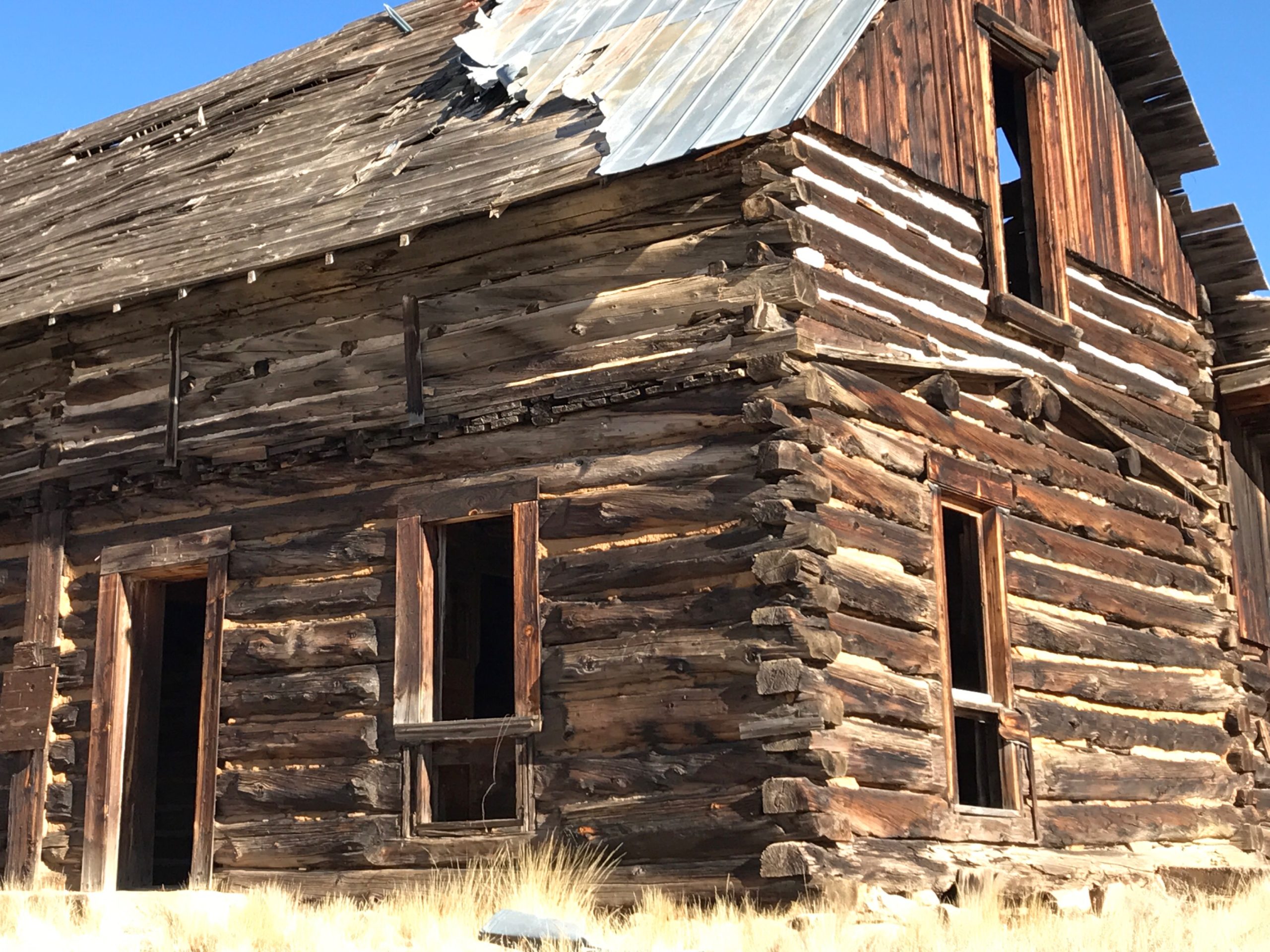
A diary hidden behind a loose wallboard can turn an abandoned cabin into a personal time capsule. Hunters may find entries describing storms, long journeys, food shortages, or the names of visitors who stopped by decades earlier. One notebook covering even 30 days can reveal how isolated life really was, especially when the writer recorded weather and supplies each evening. Paper may be brittle, stained, or partly illegible, so it should be photographed before pages are handled. The most valuable clue is often an ordinary detail that connects the cabin to a family or a date.
2. Rusted Tools Beneath the Floor
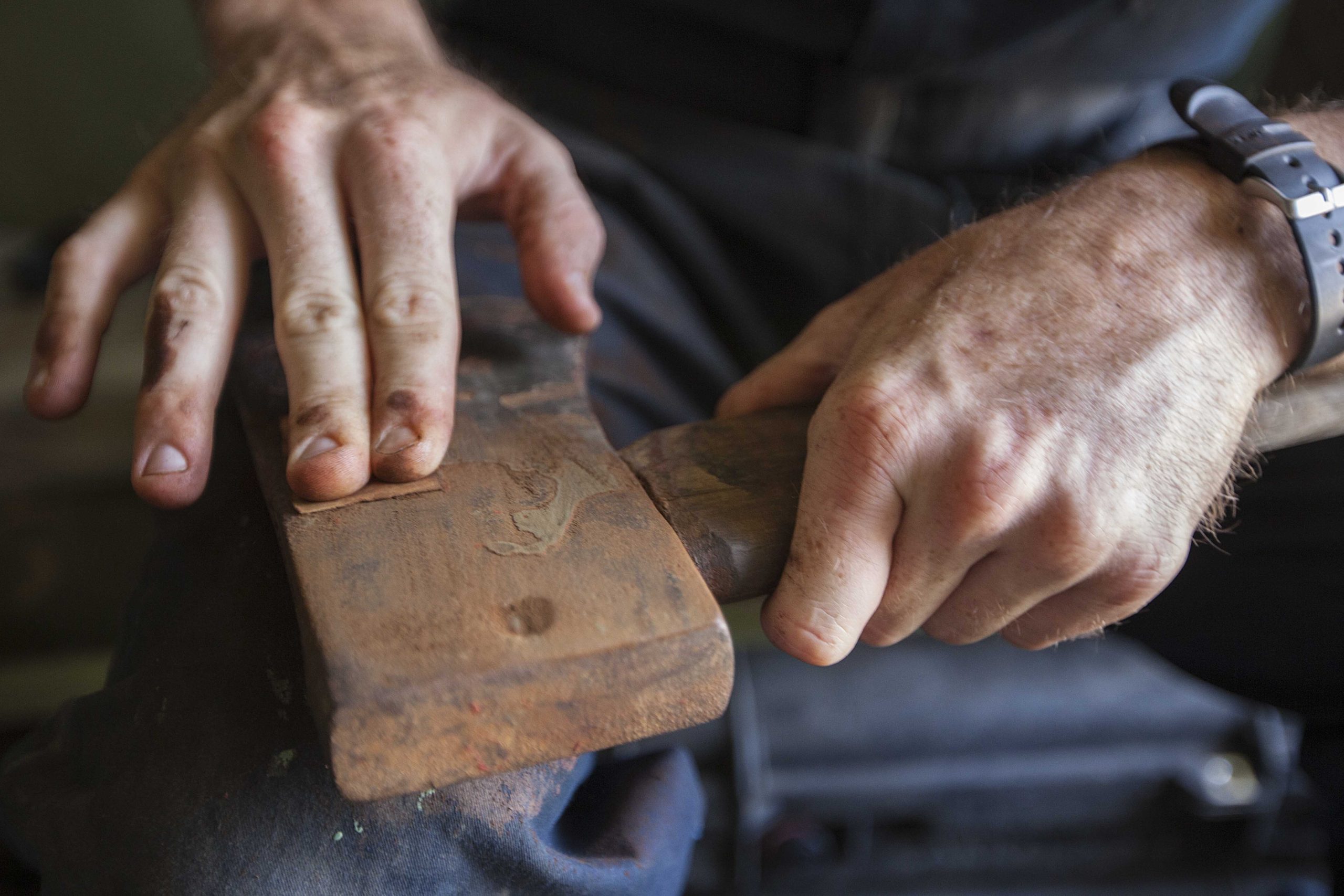
A hunter checking a sagging floor may uncover old axes, hand drills, saws, or nails packed into a shallow space below the boards. These tools were practical possessions, not necessarily deliberate secrets; someone may have stored them there to keep them dry or away from children. A set of 4 or 5 tools can suggest the work once done around the cabin, from cutting firewood to repairing a roof. Their shape, maker’s marks, and construction may help estimate their age, but rust alone cannot establish when they were left behind. A careful inventory can preserve these details.
3. A Box of Unsent Letters

A small box of letters can explain why a cabin was abandoned or why its occupants rarely visited town. The messages might mention a delayed journey, a family disagreement, or plans to return the following spring. Even 6 letters written over several months can establish a rough timeline when dates and place names survive. Old envelopes should be kept in their original order, since postmarks and handwriting may be useful evidence. The discovery feels mysterious, but the letters should be treated as private historical records rather than proof of a dramatic story.
4. Forgotten Canning Jars and Food Stores

Behind a shelf or inside a cellar, hunters may find jars, tins, and containers left from an earlier season. A dozen glass jars could once have held peaches, beans, or preserved meat, while labels might record a year such as 1978. That date does not prove the food is safe to eat, and sealed containers can still contain dangerous spoilage. Bulging tins, leaking jars, and unknown contents should be left untouched. The arrangement can nevertheless reveal how occupants planned for winter, when the nearest shop may have been many miles away. Labels may also identify a former owner.
5. Old Maps Marked With Pencil

A folded map with pencil circles and handwritten notes can show which trails mattered to a cabin’s former occupants. Hunters might notice 3 marked creeks, a ridge route, or a hand-drawn shortcut that no longer appears on modern maps. Roads change, trees grow back, and property boundaries can shift, so the markings should not be used as current navigation or permission to cross land. Comparing the map’s printing date with its annotations may help separate original features from later additions. Its greatest value is the glimpse it gives into how people moved through the landscape.
6. A Child’s Wooden Toy
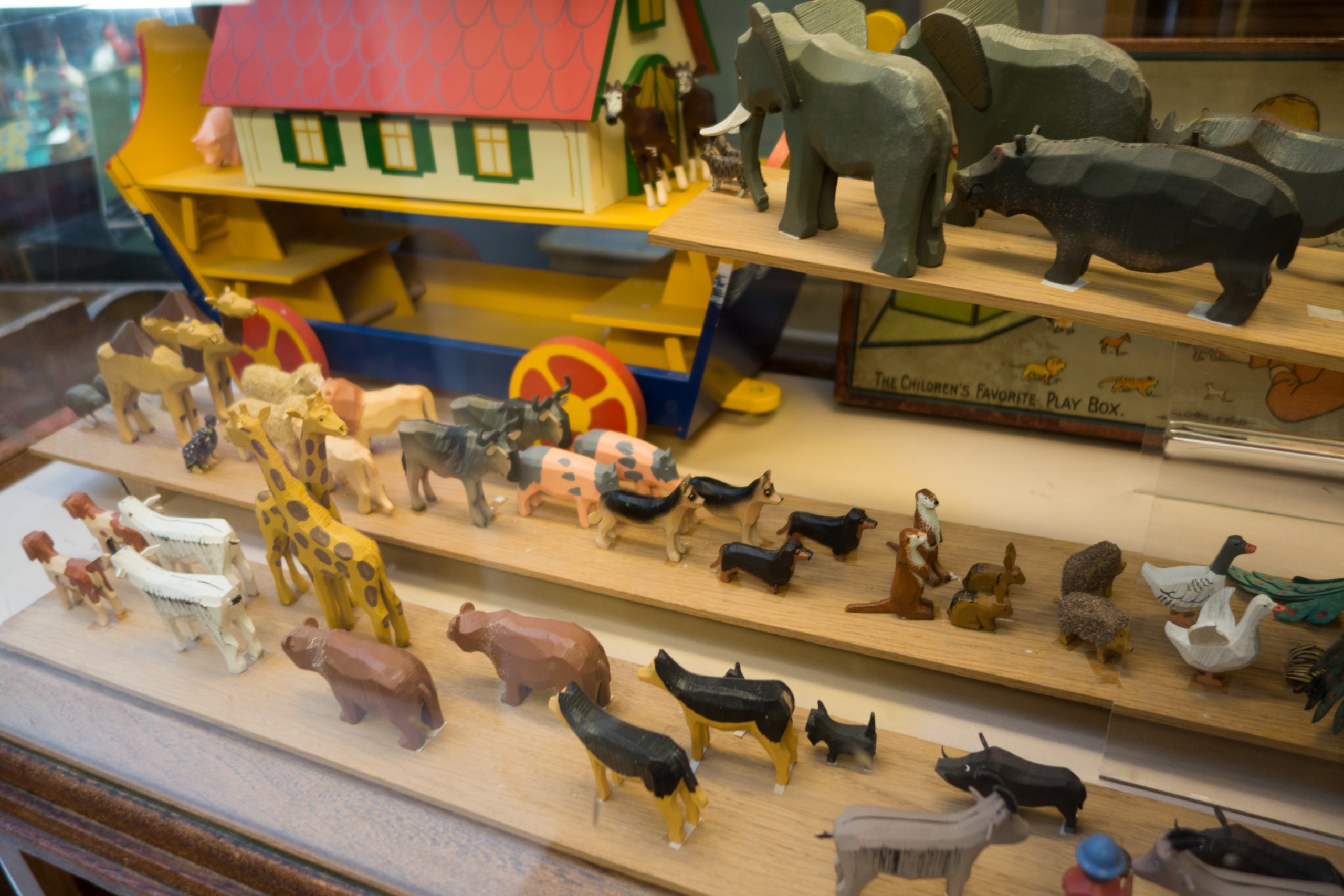
A wooden horse, carved boat, or simple spinning top hidden in a trunk can suggest that a cabin was more than a hunting shelter. A toy with 2 chipped wheels might have belonged to a child who visited during school holidays or lived there with family members. The object alone cannot identify its owner or establish a precise date, but paint layers, construction, and nearby photographs may offer clues. Small toys are easily damaged by damp and insects, so they should be documented where found before being moved. One modest object can make an empty room feel unexpectedly personal.
7. Military Buttons and Service Papers
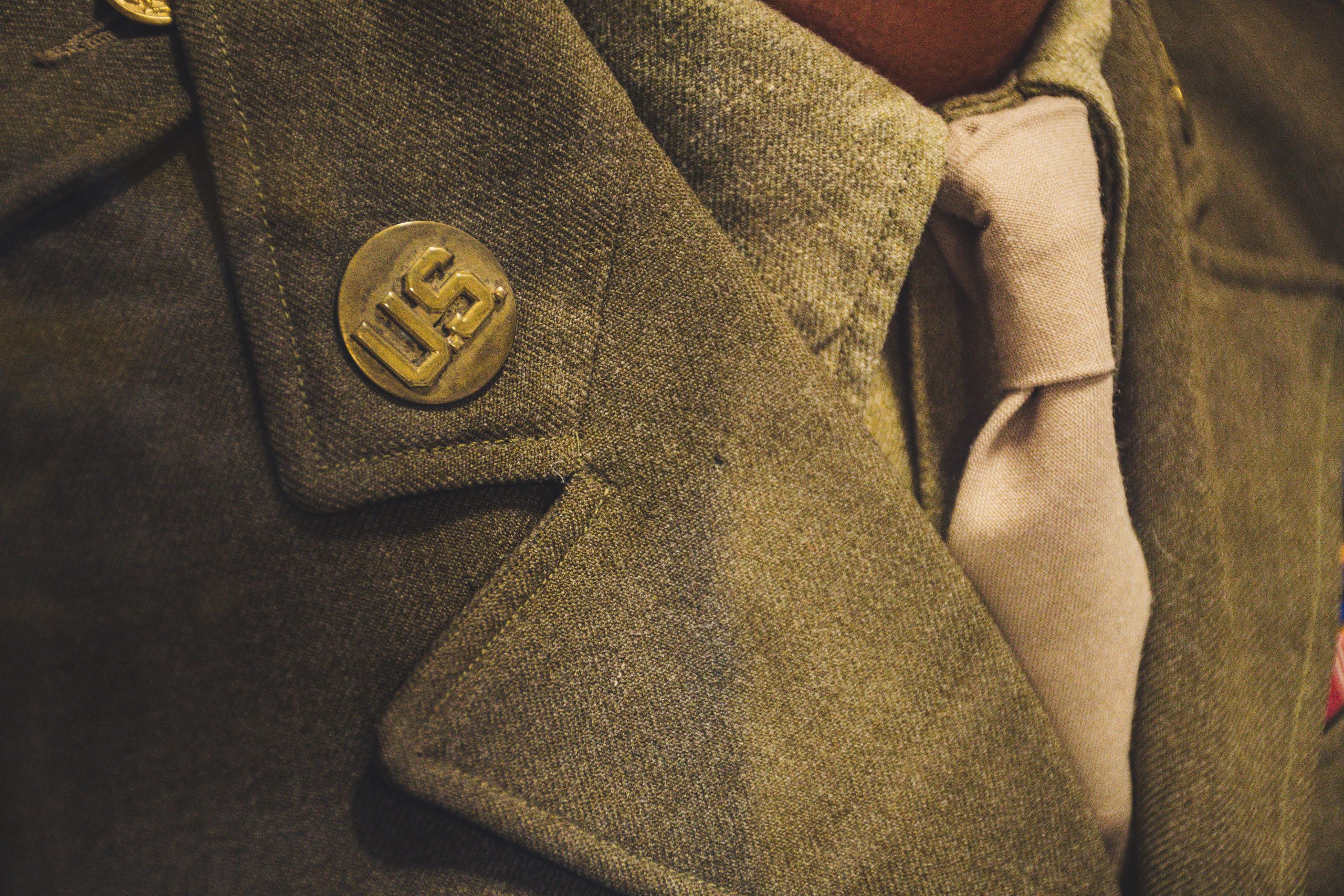
A tin containing military buttons, a service card, or a folded photograph may connect a former cabin occupant to wartime service. Even 3 matching buttons can help identify a uniform style, although they do not prove that the wearer served in a particular conflict. Dates, names, unit references, and official markings are stronger clues than appearance alone. Paper documents may crumble when unfolded, so avoid forcing them open. If the items appear historically significant, a local museum or archive can help assess them and explain how they fit into the area’s wider history.
8. A Hidden Bottle Collection

Behind a beam or beneath a loose stair, a hunter may find several old bottles left by people who used the cabin for years. A group of 7 bottles could include medicine containers, soda bottles, or plain glass jars, each with different marks and shapes. Embossed lettering, base numbers, and manufacturing seams can sometimes help date them, though a single mark rarely gives an exact year. Do not drink from unknown bottles or assume their contents are harmless. The collection may reflect everyday routines, local trade, or simply a habit of saving containers for later use.
9. A Homemade Weather Log
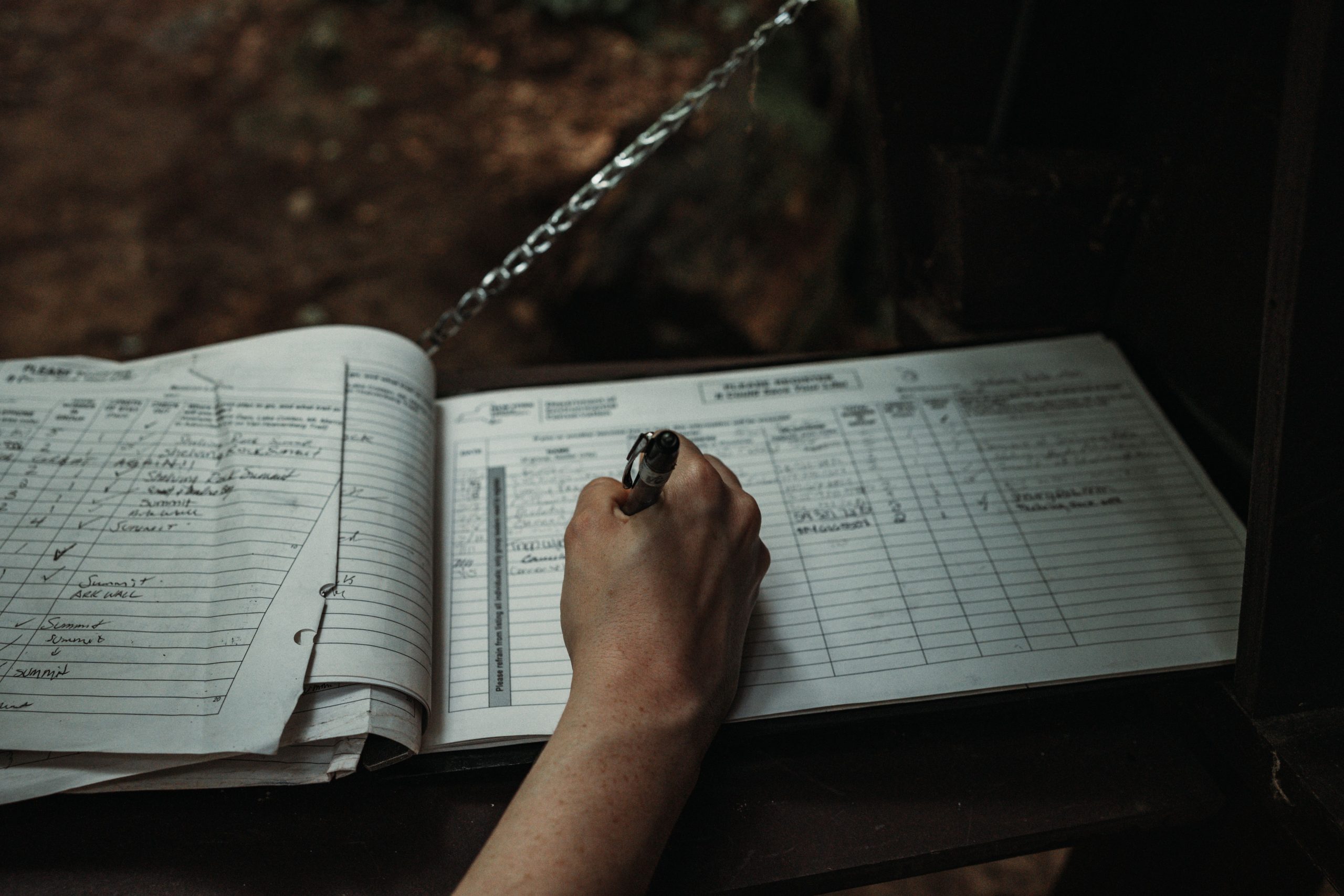
A notebook listing temperature, snowfall, and rainfall can be surprisingly useful when found in an old cabin. One occupant might have recorded readings for 10 winters, noting when a creek froze or when the first heavy snow arrived. Such records are not necessarily scientific measurements, because instruments and observation times may have varied, but they can still describe local conditions. Dates and consistent entries make the log more useful than isolated comments. A thermometer or rain gauge nearby may show how closely someone watched the weather before heading into the woods.
10. A Sealed Trapdoor to a Small Cellar
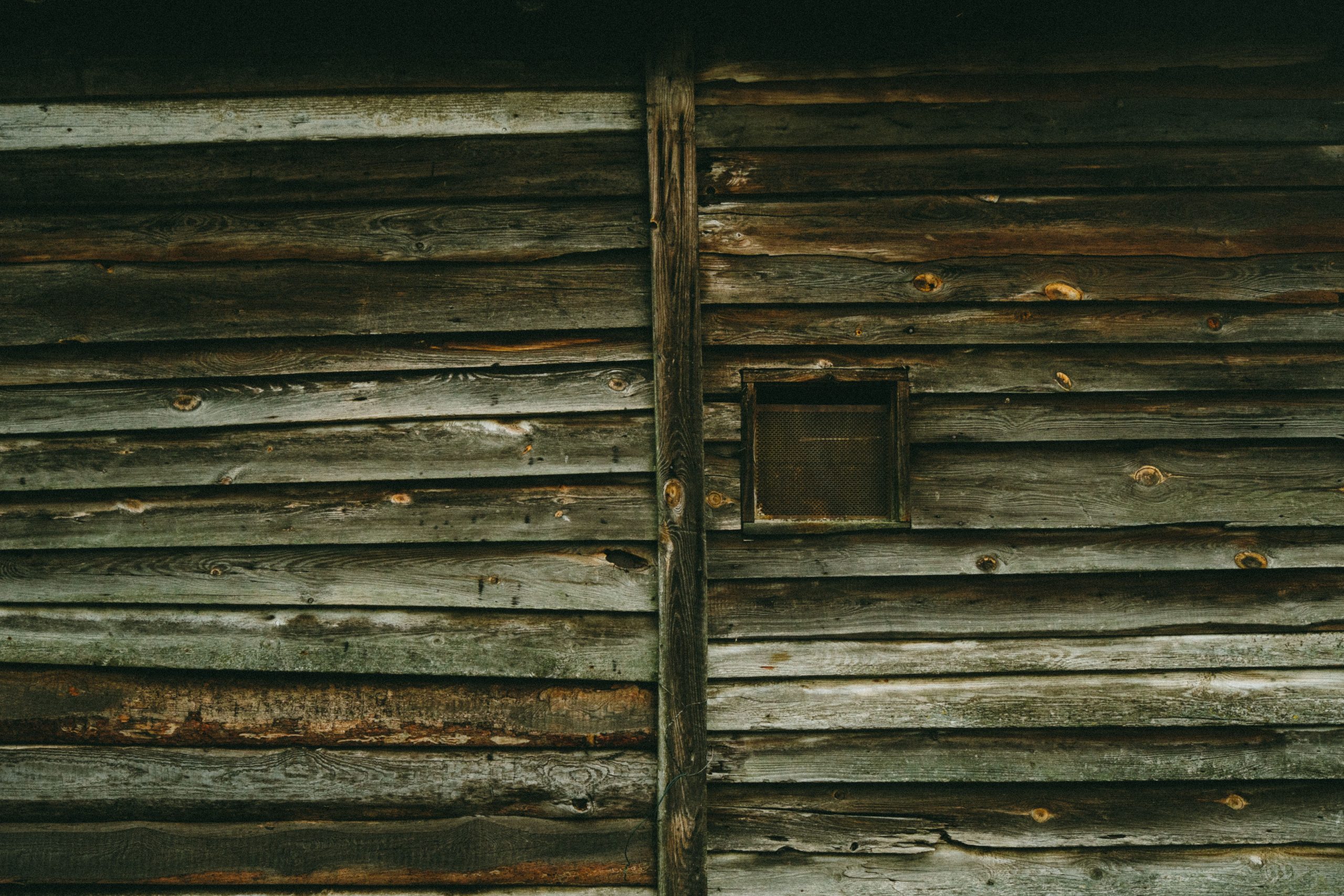
A cabin floor may conceal a trapdoor leading to a shallow cellar used for storage rather than anything sinister. The space might contain 2 shelves, broken crates, or a stone-lined pit that helped keep supplies cool. Before entering, hunters should check for rotten supports, poor air, snakes, or other hazards; old cellars can collapse without warning. The opening may explain how occupants stored potatoes, tools, or preserved food through winter. Its construction and contents can also help distinguish a year-round homestead from a shelter used only during hunting season.
11. Photographs of Unknown Visitors
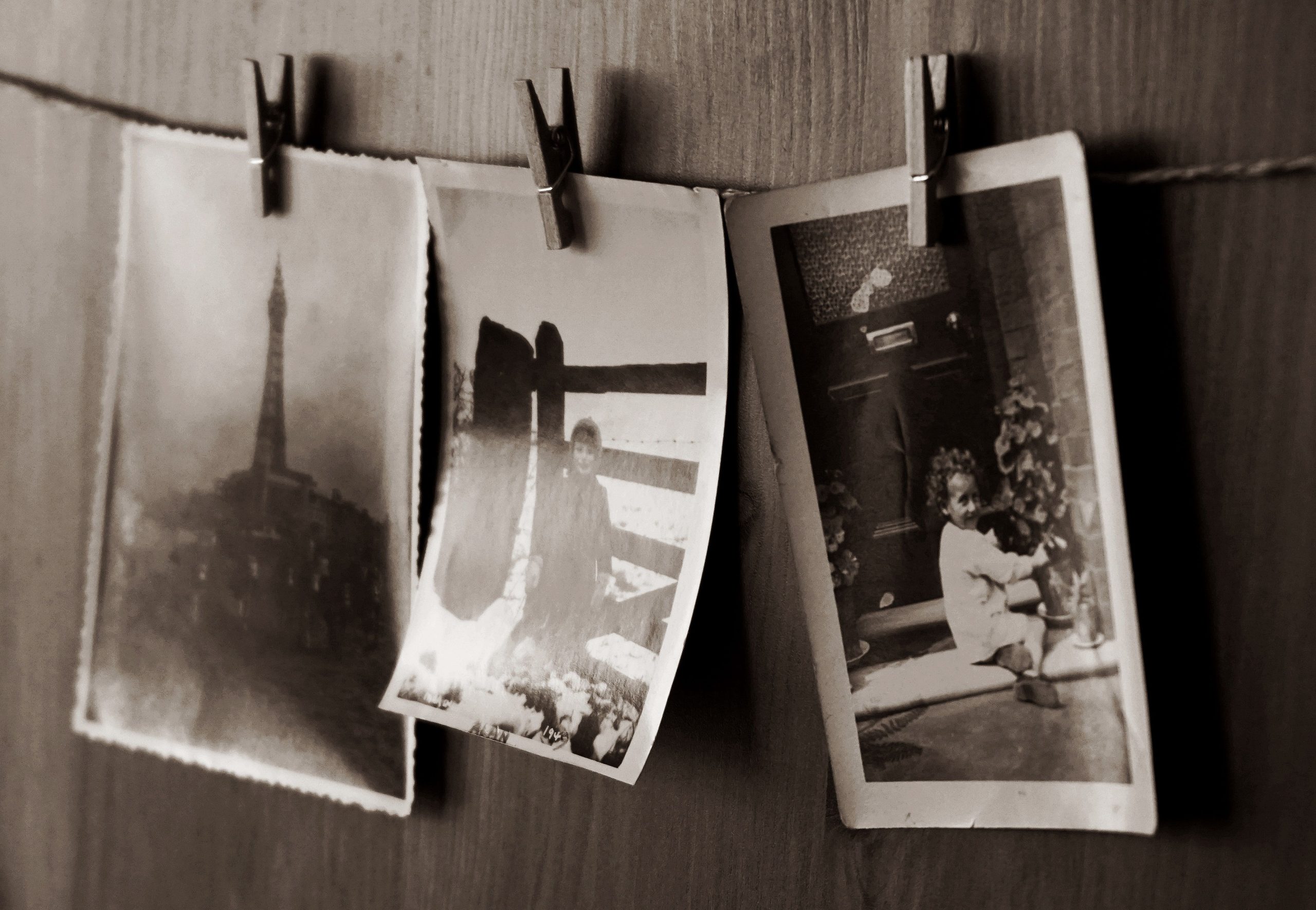
A bundle of photographs can introduce people whose names have vanished from local memory. One image might show 4 adults standing outside the cabin, while another captures a roof before later repairs changed its shape. Clothing, vehicles, visible tools, and writing on the back can help establish an approximate period, but guesses should be kept separate from confirmed facts. Keep photographs flat, dry, and away from direct sunlight. Comparing the cabin’s windows or chimney with the pictures may also help establish when an addition was built or when the property changed hands.
12. A Cache of Old Coins and Tokens

A small tin of coins or trade tokens may be hidden in a drawer, wall gap, or forgotten travel bag. Finding 12 pieces from different years could point to repeated visits rather than one dramatic event, especially if the dates span several decades. The newest coin only shows that the cache cannot predate that item; it does not reveal exactly when the box was placed there. Avoid polishing the pieces, since cleaning can damage their surfaces and reduce historical value. Local currency, shop tokens, and worn dates may offer clues about the people who once passed through the cabin.