Military surplus rifles offer something that many newly manufactured firearms cannot easily reproduce: a direct connection to the people, conflicts, and manufacturing traditions that shaped the modern world. Some became famous through major wars, while others earned lasting respect through unusual engineering, limited production, or decades of dependable military service. Their appeal goes beyond age alone. Original markings, matching components, documented history, and surviving condition can make one example far more desirable than another. Here are 10 historic rifles that continue to attract collectors, even when compared with modern sporting firearms.
1. M1 Garand: The American Rifle That Defined an Era
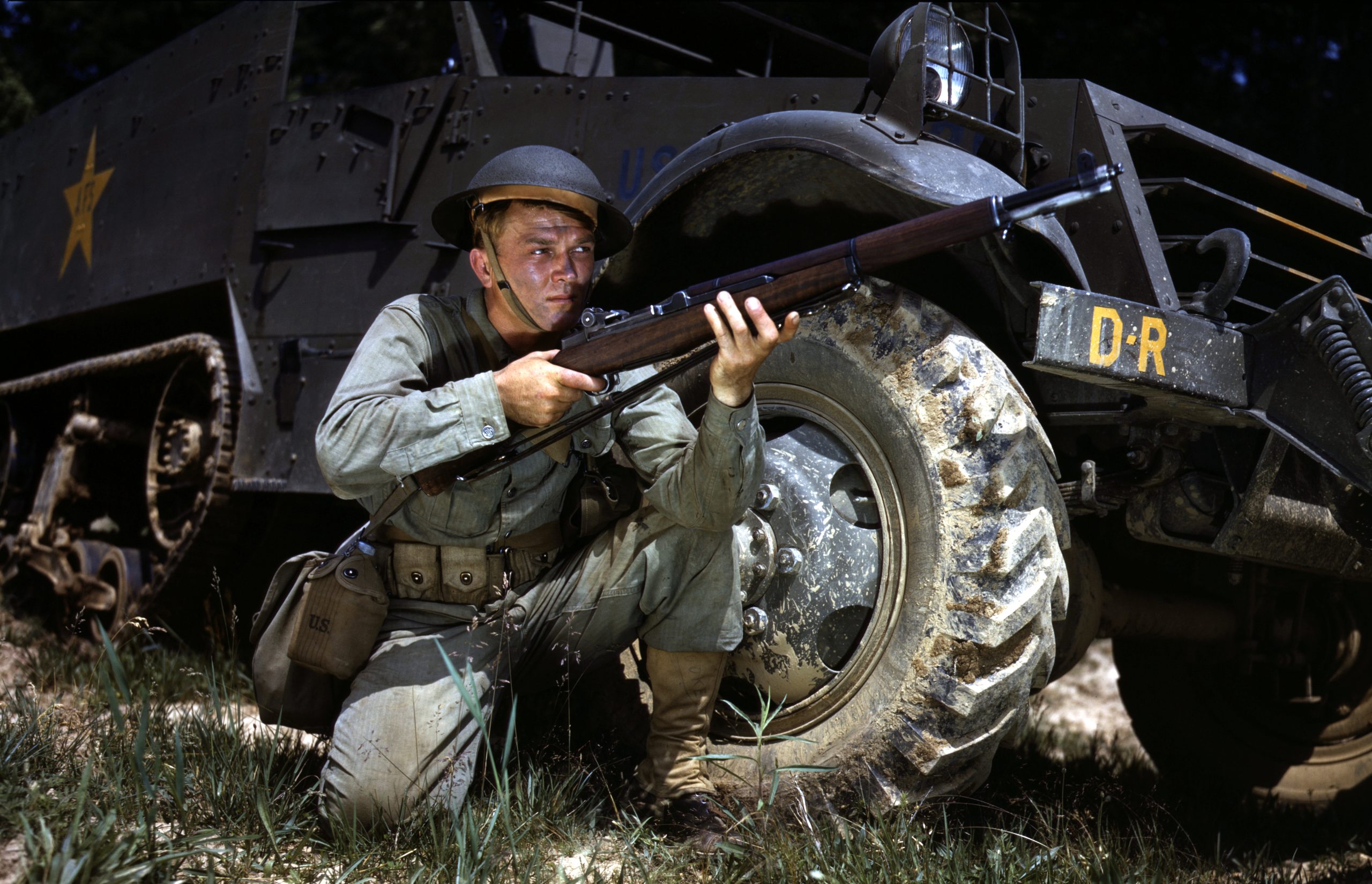
Adopted in 1936, the M1 Garand became one of the most recognizable American service rifles of World War II. Nearly 5.5 million were produced, and its semi-automatic action distinguished it from many bolt-action rifles used by opposing forces. Collectors value early production examples, original manufacturer markings, and documented service history. Although modern rifles offer lighter materials and updated features, an authentic Garand preserves a significant chapter of military history. Its appeal depends heavily on originality, condition, and whether its components remain consistent with its production period.
2. Lee-Enfield No. 4 Mk I: Britain’s Wartime Classic
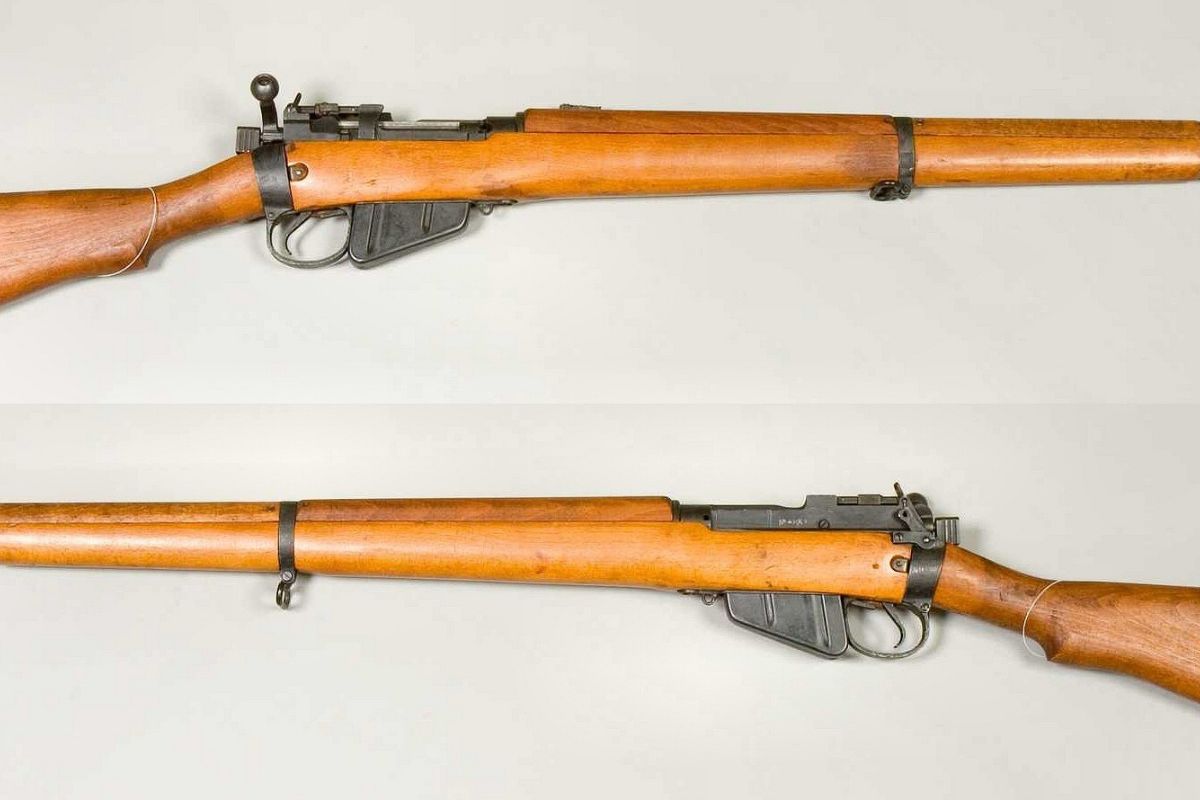
The Lee-Enfield No. 4 Mk I became a familiar British and Commonwealth service rifle during World War II, which began in 1939. Its 10-round magazine and bolt-action design reflect the priorities of an army that relied on established rifle training and dependable equipment. Collectors appreciate its distinctive receiver, military inspection stamps, and surviving original wooden furniture. Some examples were rebuilt or refurbished during service, making their markings especially interesting to researchers. Compared with modern sporting rifles, its strongest attraction is the tangible link it provides to British military history and the soldiers who carried it.
3. Mauser Karabiner 98k: A Landmark of German Arms History
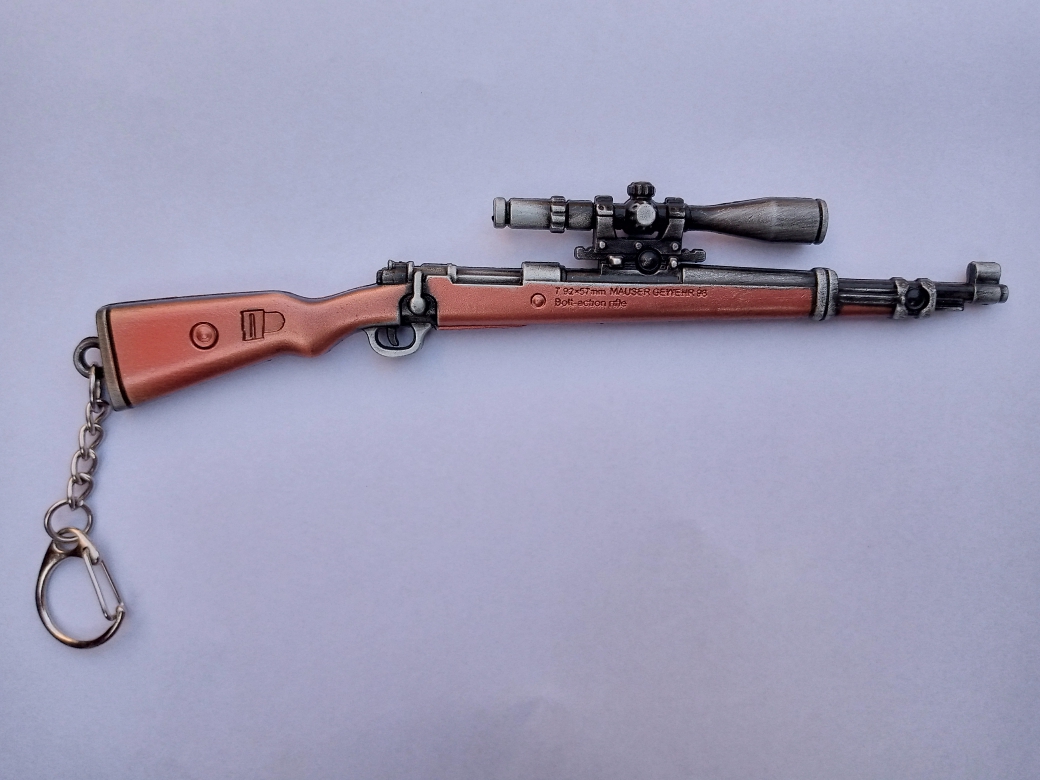
Introduced in 1935, the Karabiner 98k served as Germany’s principal bolt-action service rifle during World War II. Its Mauser 98 action influenced numerous later rifle designs, giving the model an important place in firearms history. Collectors examine manufacturer codes, production markings, stock condition, and the consistency of numbered components. Rifles assembled from mismatched parts may tell a different story from examples retaining their original configuration. Its historical significance attracts enthusiasts even though contemporary rifles generally offer more modern ergonomics. Authenticity matters particularly because postwar repairs, refinishing, and reproductions can complicate the identification of surviving examples.
4. Mosin-Nagant M91/30: The Rifle of the Eastern Front
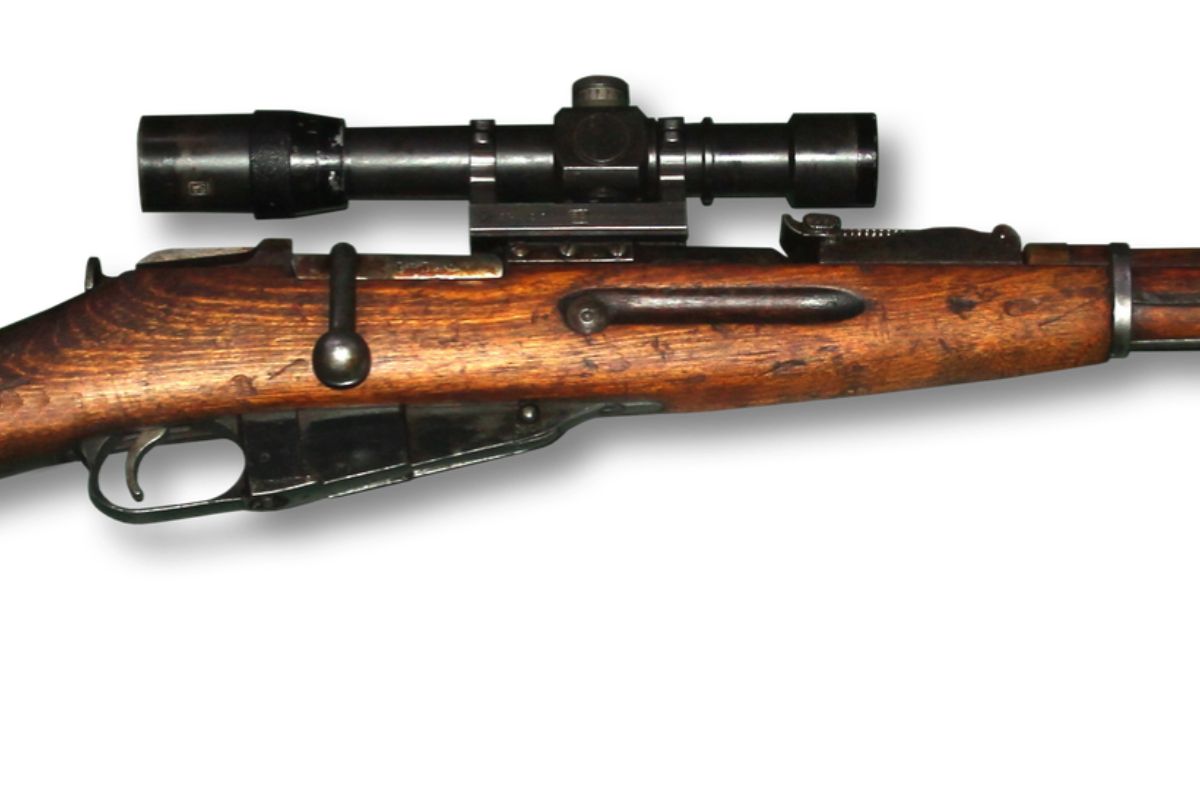
The Mosin-Nagant Model 1891 entered Russian service in the late 19th century, while the M91/30 became a major Soviet military rifle during the 20th century. Produced in enormous quantities, it accompanied Soviet forces through the Second World War and remained in service in various forms for decades. Collectors study arsenal stamps, receiver types, import markings, and refurbishment history to distinguish individual examples. Its former abundance once made it an accessible entry into surplus collecting, but changing availability has affected prices. The rifle’s appeal today lies in its long service history and the differences preserved across surviving national and production variants.
5. Springfield M1903: An American Military Classic
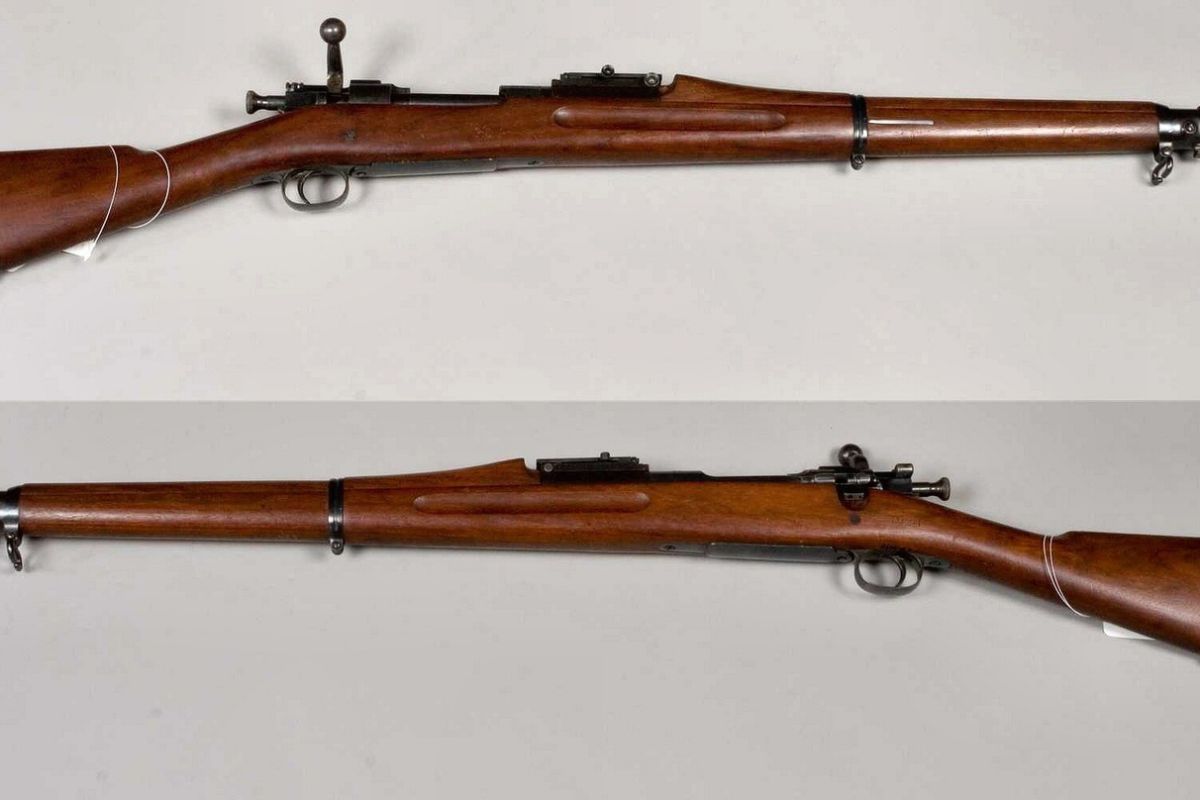
Adopted in 1903, the Springfield M1903 served American forces through World War I and continued in selected roles during World War II. Its bolt-action design and .30-06 chambering made it an important part of US military rifle development before the widespread adoption of the M1 Garand. Collectors distinguish early rifles from later wartime variants, including the M1903A3 introduced during World War II. Original finish, manufacturer markings, and documented history influence desirability. However, some early receivers have known heat-treatment concerns, making expert identification essential. These rifles are valuable historical artifacts, not simply older alternatives to modern sporting firearms.
6. M1 Carbine: A Compact Symbol of World War II
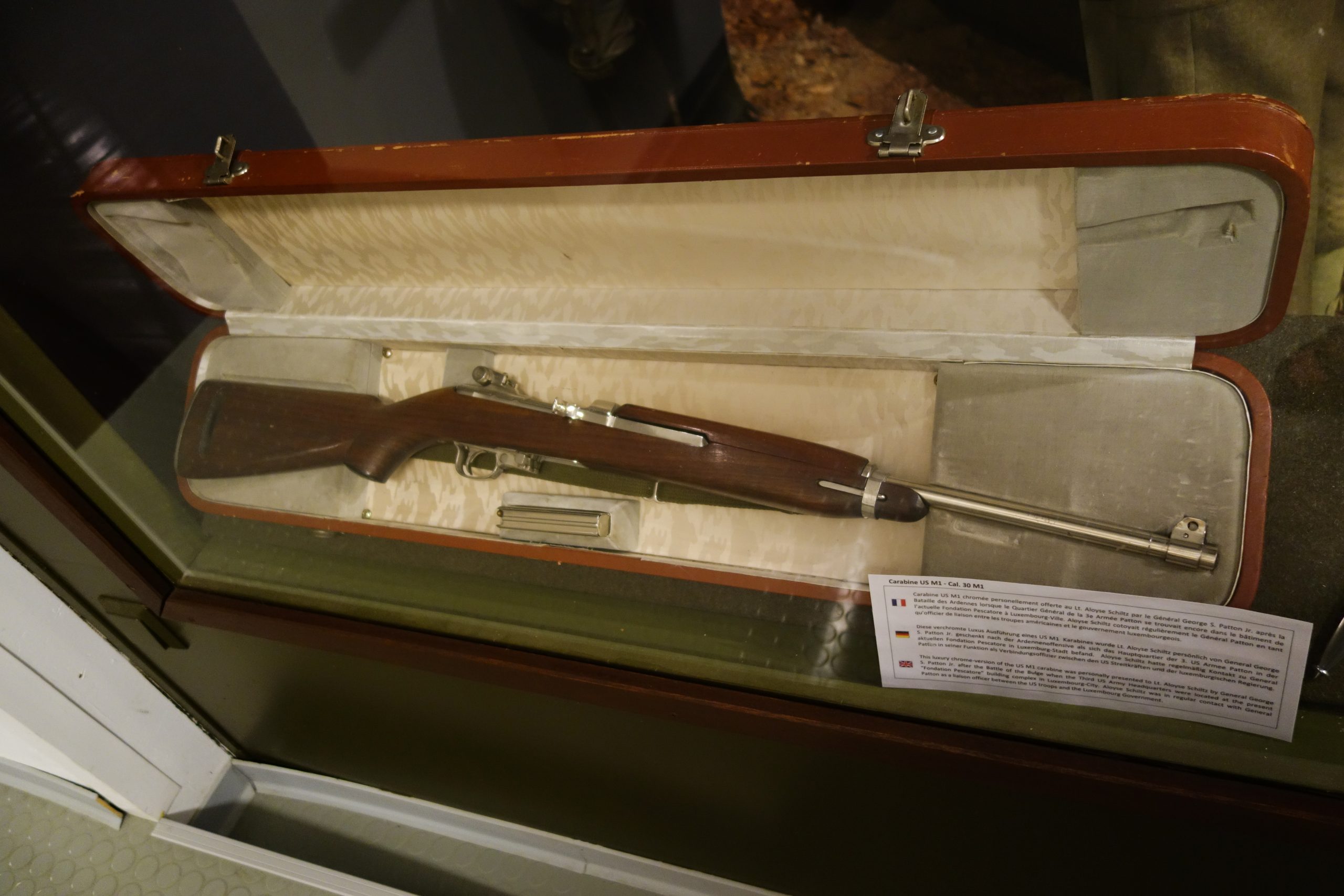
Introduced in 1941, the M1 Carbine provided American troops with a lighter firearm than the standard M1 Garand. More than 6 million carbines were manufactured during the wartime production era, involving numerous contractors beyond traditional firearm makers. That unusual industrial history creates a fascinating collecting field, with manufacturer markings helping identify individual examples. Collectors also distinguish standard carbines from historically significant variants, including the M1A1 folding-stock model. Original components and credible documentation can substantially influence desirability. Modern carbines may offer contemporary accessories, but the M1’s compact design and wartime manufacturing story give it a distinctive historical identity.
7. Arisaka Type 99: Japan’s Distinctive Wartime Rifle
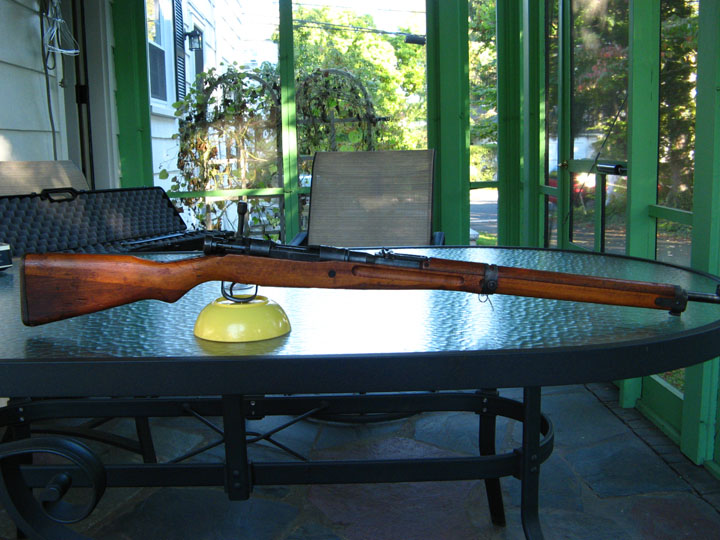
Introduced in 1939, the Japanese Type 99 Arisaka became a standard military rifle during World War II. Its production history includes several manufacturers and wartime variations, making careful identification important to collectors. Features such as the original chrysanthemum marking, arsenal stamps, and surviving military accessories can help establish a rifle’s history, although markings must be interpreted in context. Late-war examples may show simplified manufacturing associated with material shortages. That variation provides a record of changing industrial conditions rather than merely differences in appearance. Compared with modern rifles, the Type 99 offers a particularly revealing connection to Japan’s military production during the 1940s.
8. Swiss Schmidt-Rubin K31: Precision From a Neutral Nation
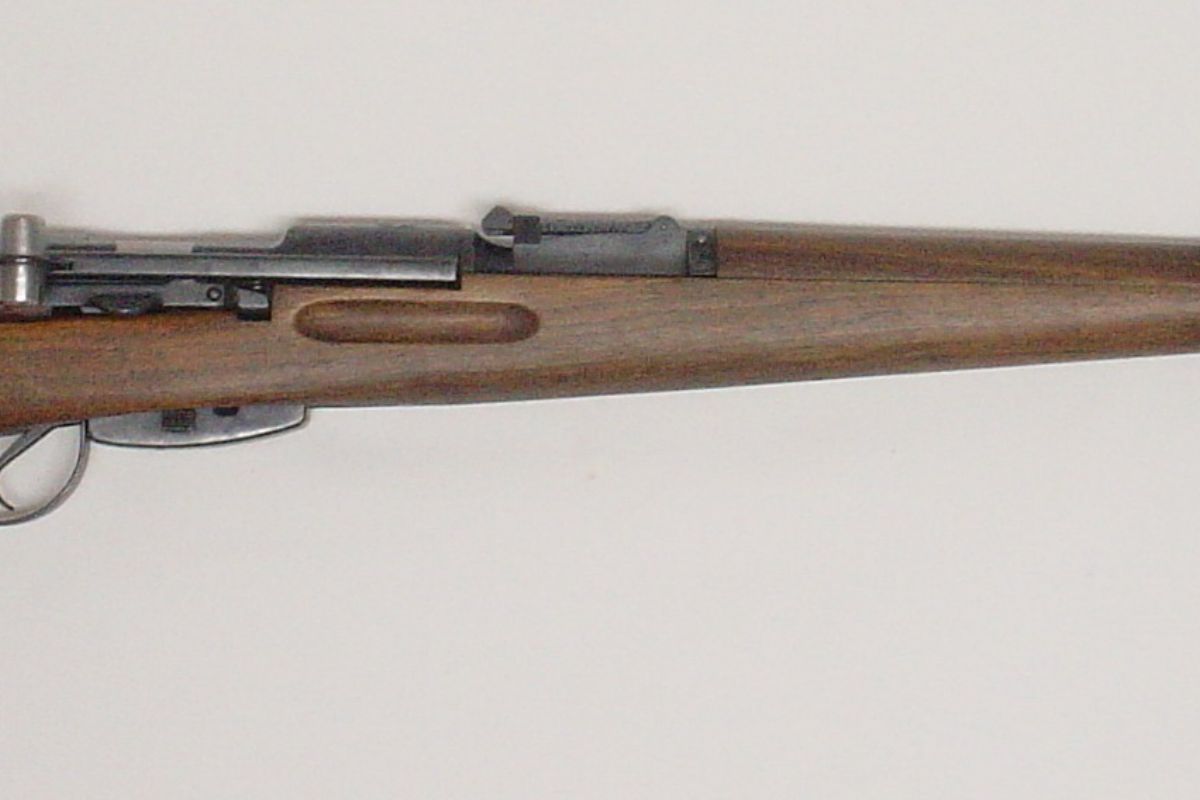
Introduced in 1933, the Swiss K31 represents a different tradition from rifles designed for armies engaged in major global offensives. Switzerland issued the straight-pull bolt-action rifle to its military, and the design became known among enthusiasts for its distinctive operating system and careful manufacture. Collectors often investigate serial numbers, unit markings, stock condition, and the rifle’s documented service background. Some examples retain historical inscriptions that offer clues about previous owners, though these details should be authenticated. Its appeal comes from engineering, craftsmanship, and national history rather than battlefield fame alone. A modern sporting rifle may be more adaptable, but the K31 preserves a remarkably specific military tradition.
9. Swedish Mauser M96: A Long-Lived Service Rifle
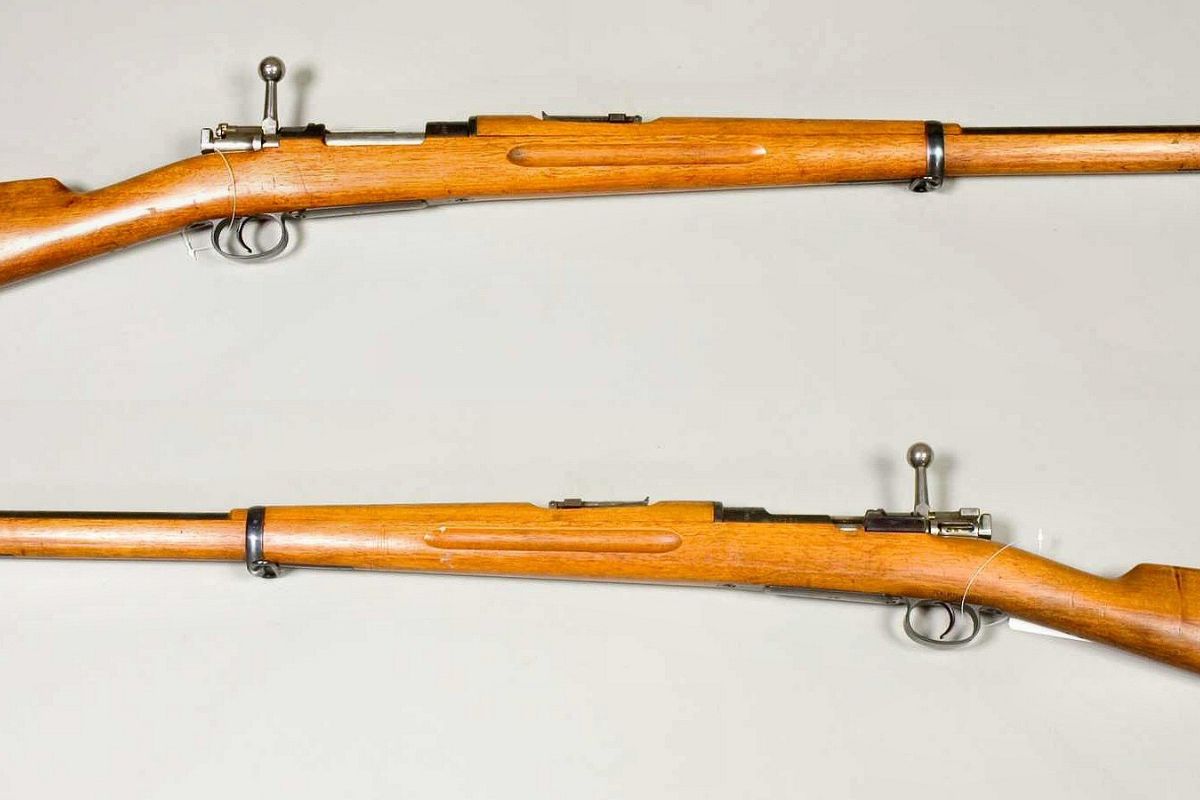
Adopted in 1896, the Swedish Mauser M96 remained an important part of Sweden’s military rifle history well into the 20th century. Its long production period and multiple arsenal markings give collectors plenty to investigate, from manufacturing dates to original stock details. Swedish military firearms are often discussed for their careful production standards, while surviving examples can differ according to refurbishment and later service changes. Collectors particularly value clear markings and documented originality rather than age alone. Although modern rifles provide contemporary materials and features, the M96 offers a lasting example of early smokeless-powder military rifle development and the distinctive Scandinavian approach to service firearms.
10. French MAS-36: A Postwar Design With Character
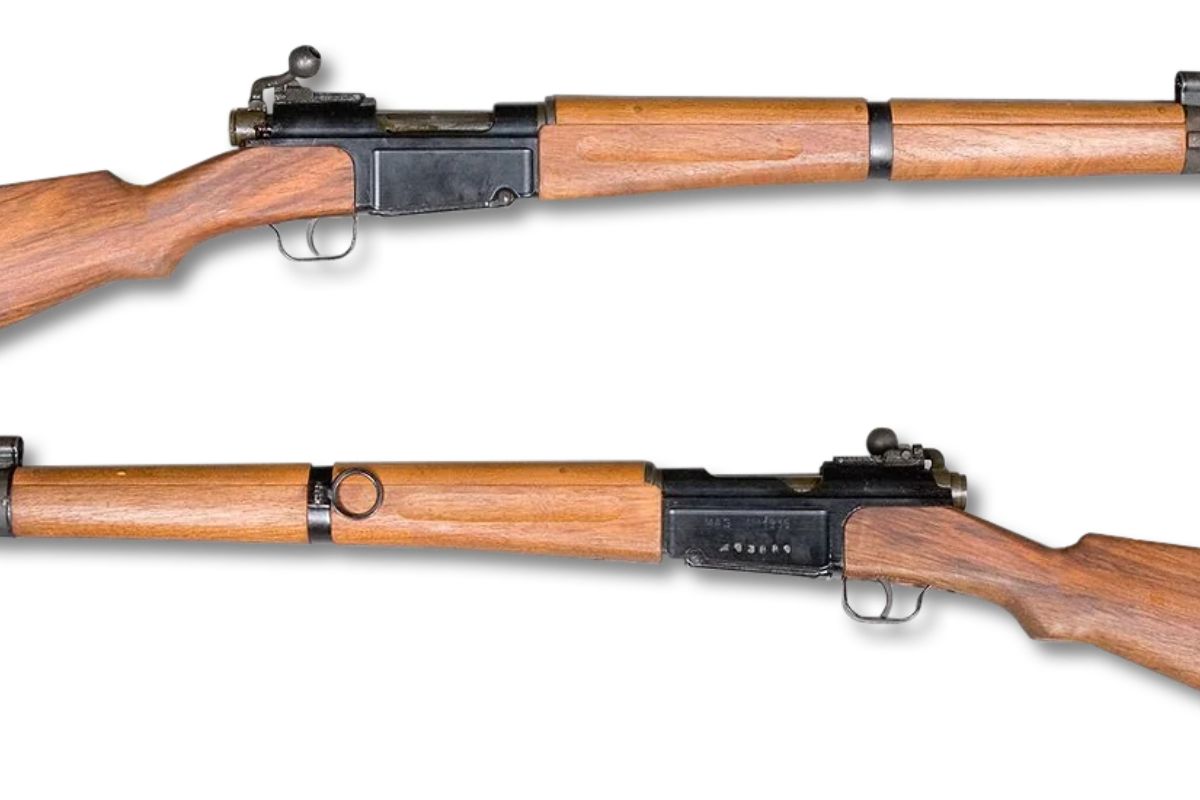
Adopted in 1936, the French MAS-36 was a bolt-action service rifle designed during the years leading up to World War II. Its distinctive appearance, unusual bolt handle, and straightforward construction separate it from many better-known military rifles. French forces used the model across several decades, including conflicts after 1945, giving surviving rifles a broader history than their original adoption date suggests. Collectors look for intact military configuration, arsenal markings, and evidence of later alterations. Its historical importance comes from the way it reflects French military planning between the world wars. For collectors, the MAS-36 offers a less familiar but rewarding alternative to more widely celebrated surplus rifles.