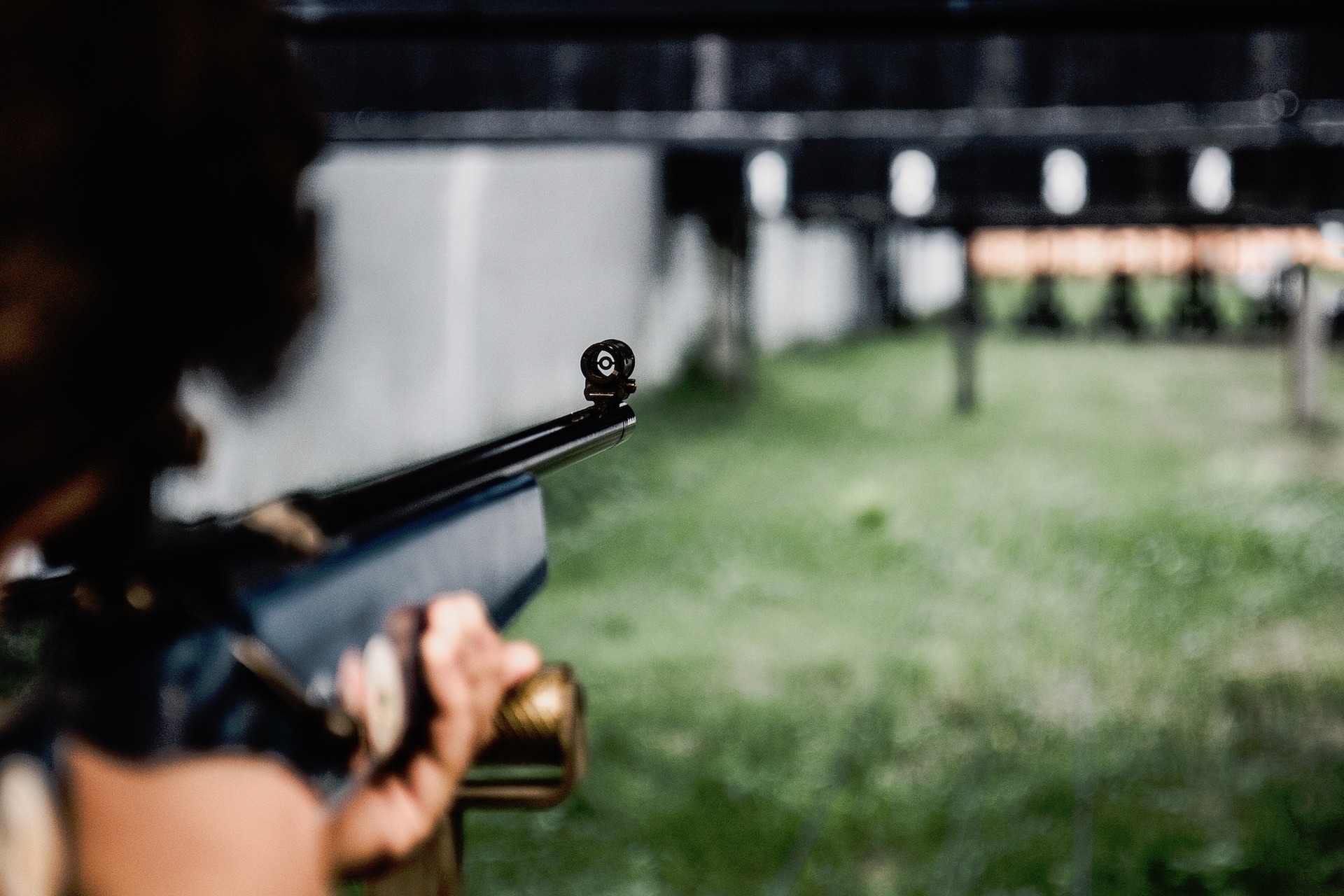
A hunting rifle may seem like the obvious prize in an old sporting collection, but experienced collectors often pay considerably more for the equipment that once accompanied it. Rare duck decoys, handmade calls, vintage ammunition boxes, and unusual field accessories can carry remarkable historical and artistic value. Some have sold for thousands or even hundreds of thousands of dollars at specialist auctions. Their appeal comes from more than age. A recognised maker, original finish, unusual design, documented ownership, and limited surviving examples can transform an ordinary piece of hunting equipment into a highly desirable collectible. Here are seven categories that demonstrate why the gear sometimes becomes more valuable than the firearm itself.
1. Hand-Carved Waterfowl Decoys
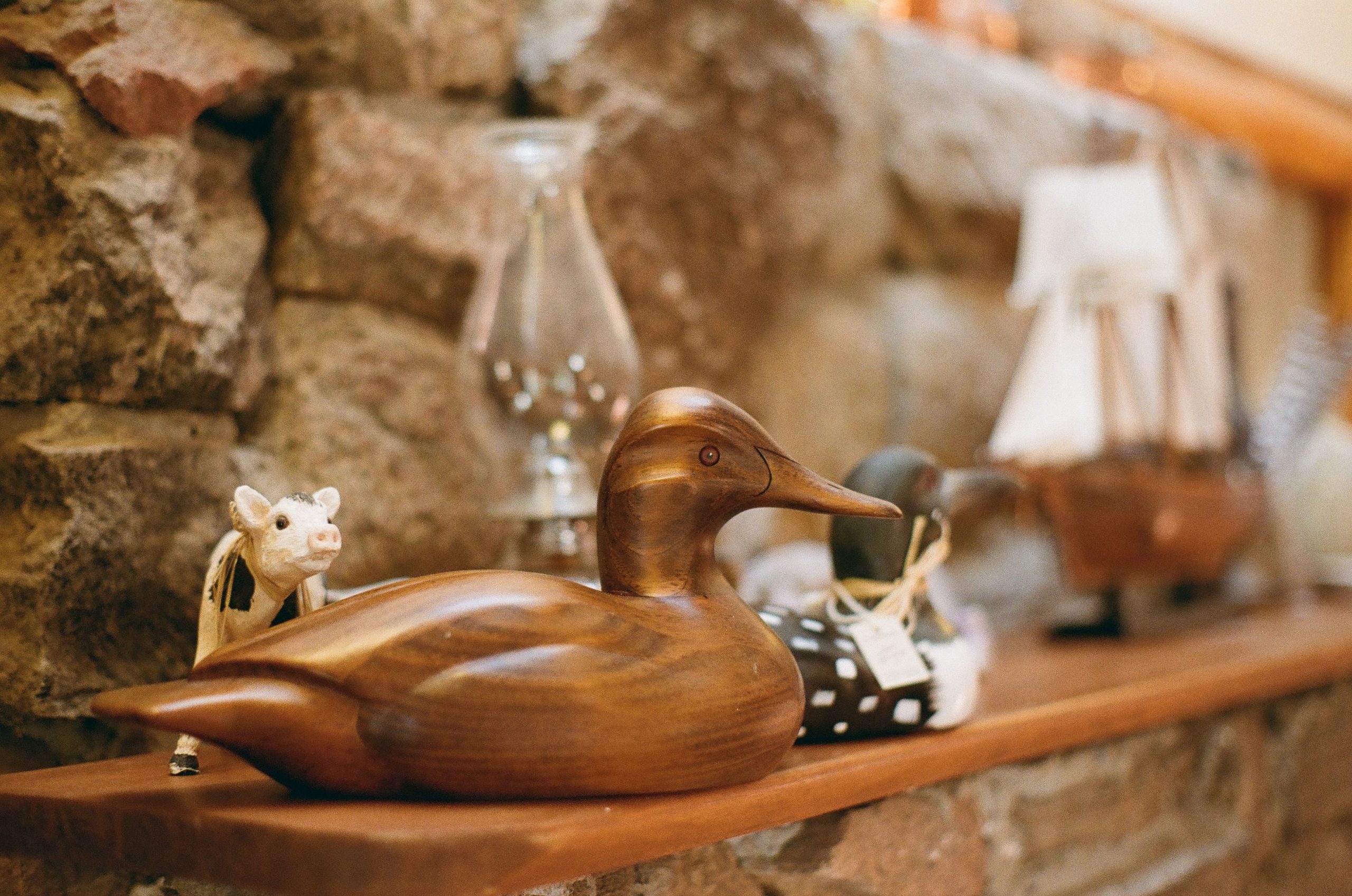
A wooden duck decoy began as a practical tool, but the finest examples are now treated as American folk art. Collectors look for identifiable carvers, regional styles, original paint, convincing wear, and a documented history. A famous result shows how far the market can stretch: in 2026, a Joseph Lincoln wood duck from the Jim and Diane Cook collection sold for $1.26 million, including buyer’s premium, setting a decoy record. That is not a normal price for an old decoy; many sell for modest sums. The lesson is that maker, rarity, condition, and provenance matter far more than age alone.
2. Early Duck Calls

Small enough to fit in a pocket, an early duck call can command the price of a substantial firearm when its maker and design are scarce. Collectors study the material, shape, finish, reed, labels, and signs of repair. At a January 2026 sporting auction, a Claude Stone checkered call reached $7,320, while his smooth-barrel example brought $5,640. A rare Kinney & Harlow duck-head call had earlier sold for $24,250 in 2012. These results do not describe every old call: common examples may be inexpensive. Original surfaces and a credible maker attribution are central to serious valuations.
3. Vintage Ammunition Boxes
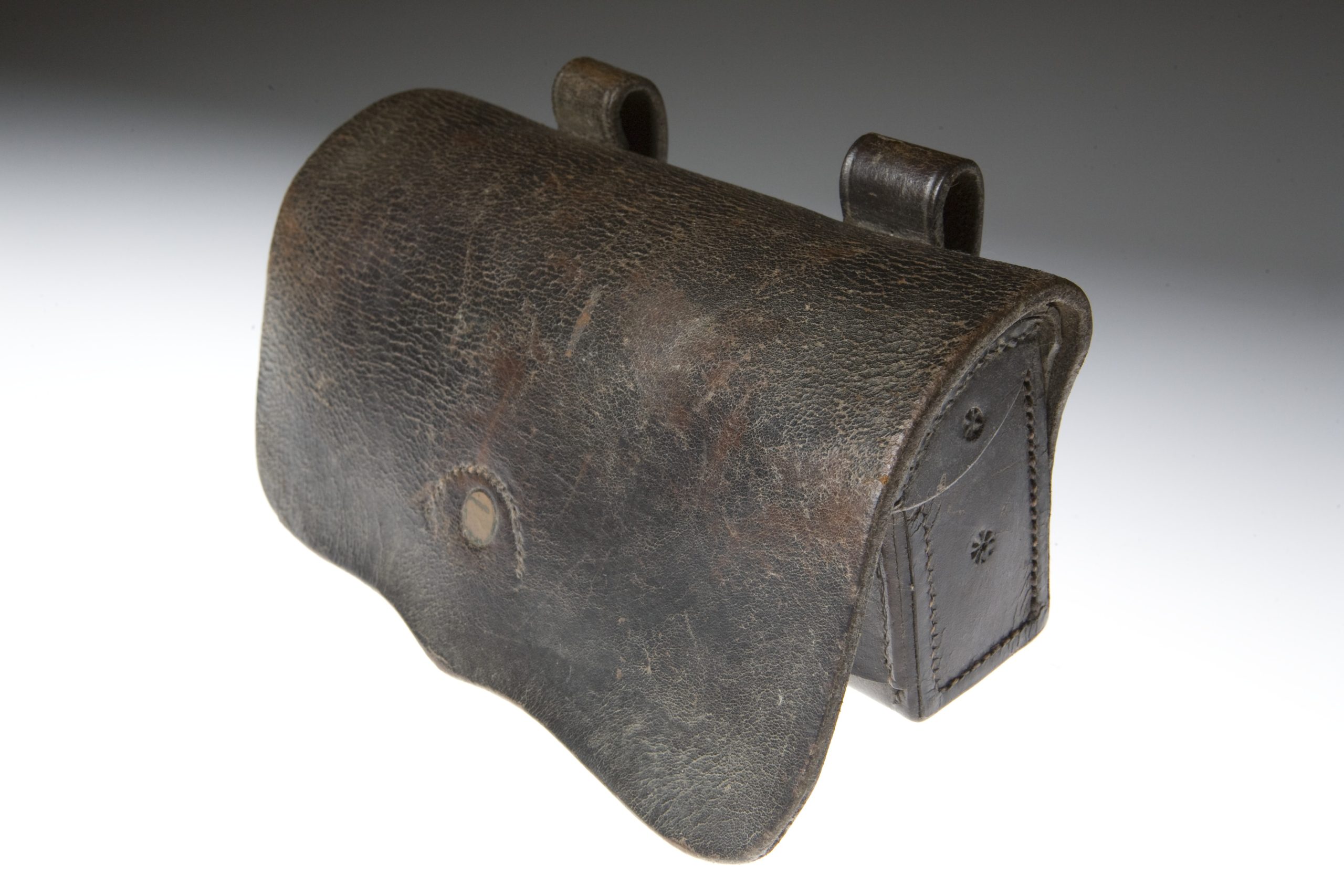
An empty ammunition box can be more collectible than the cartridges it once held, especially when its graphics and packaging survive intact. Collectors seek scarce labels, seasonal artwork, original inserts, and clean examples without heavy fading. At a major 2000 sporting collection sale, a Winchester Repeating Arms “Christmas” shell box sold for $39,100, including buyer’s premium. That exceptional result reflects rarity and display appeal, not a typical value. Most boxes are worth far less, but unusual designs with documented age attract firearms collectors and advertising-art buyers.
4. Antique Fish Decoys
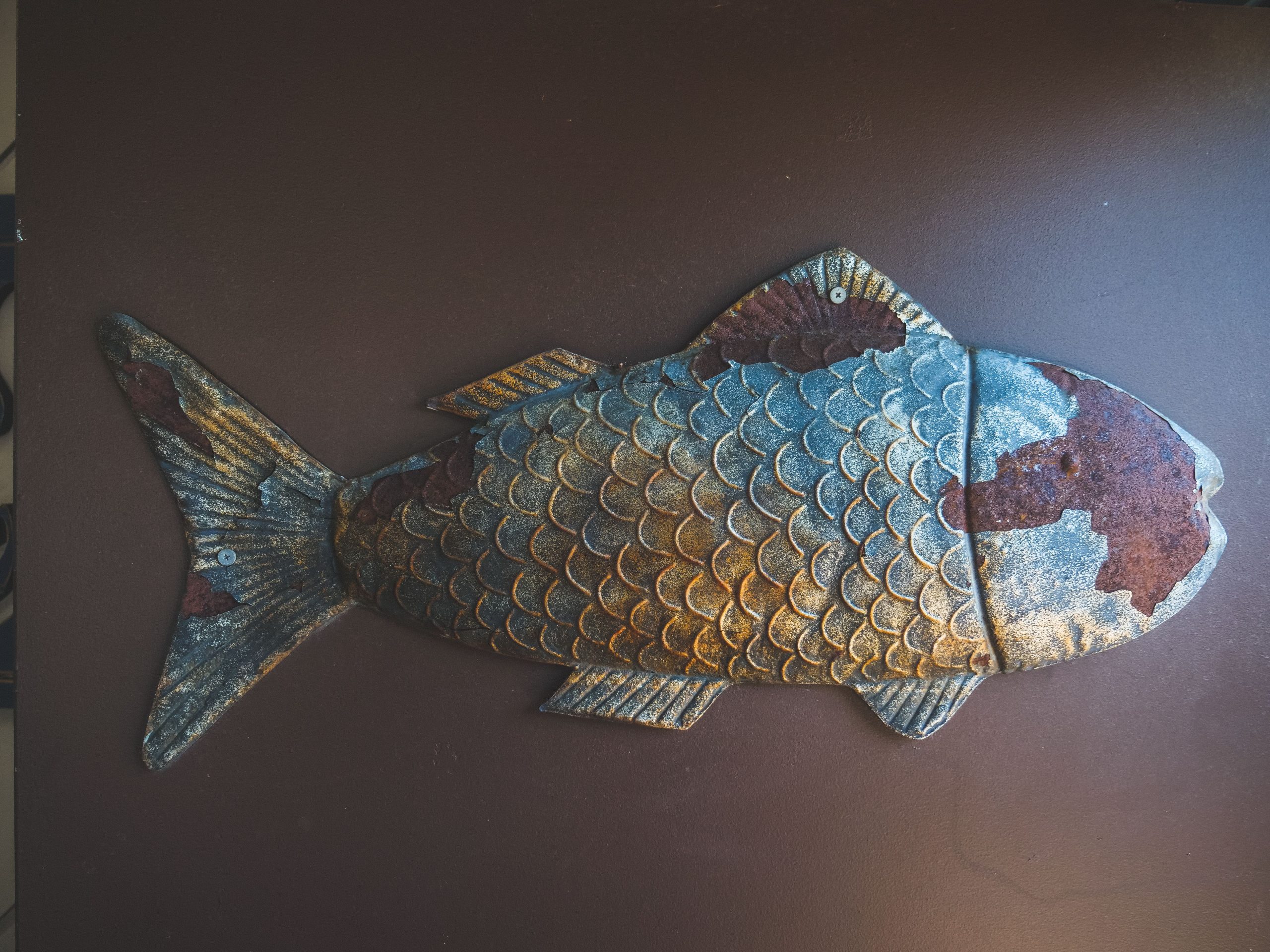
Ice-fishing decoys are a specialist field where a small wooden object can become a serious collectible. Regional carving traditions, unusual species, expressive paint, and the maker’s identity influence demand. Some historic examples were designed to move beneath the ice, while others were decorative. In the 2000 McCleery collection sale, a rare Lake Chautauqua sucker fish decoy brought $32,200, and a perch reached $10,925. These are standout results, not everyday prices. Repairs, repainting, and uncertain attribution can sharply reduce what buyers will pay.
5. Engraved Powder Horns and Hunting Pouches
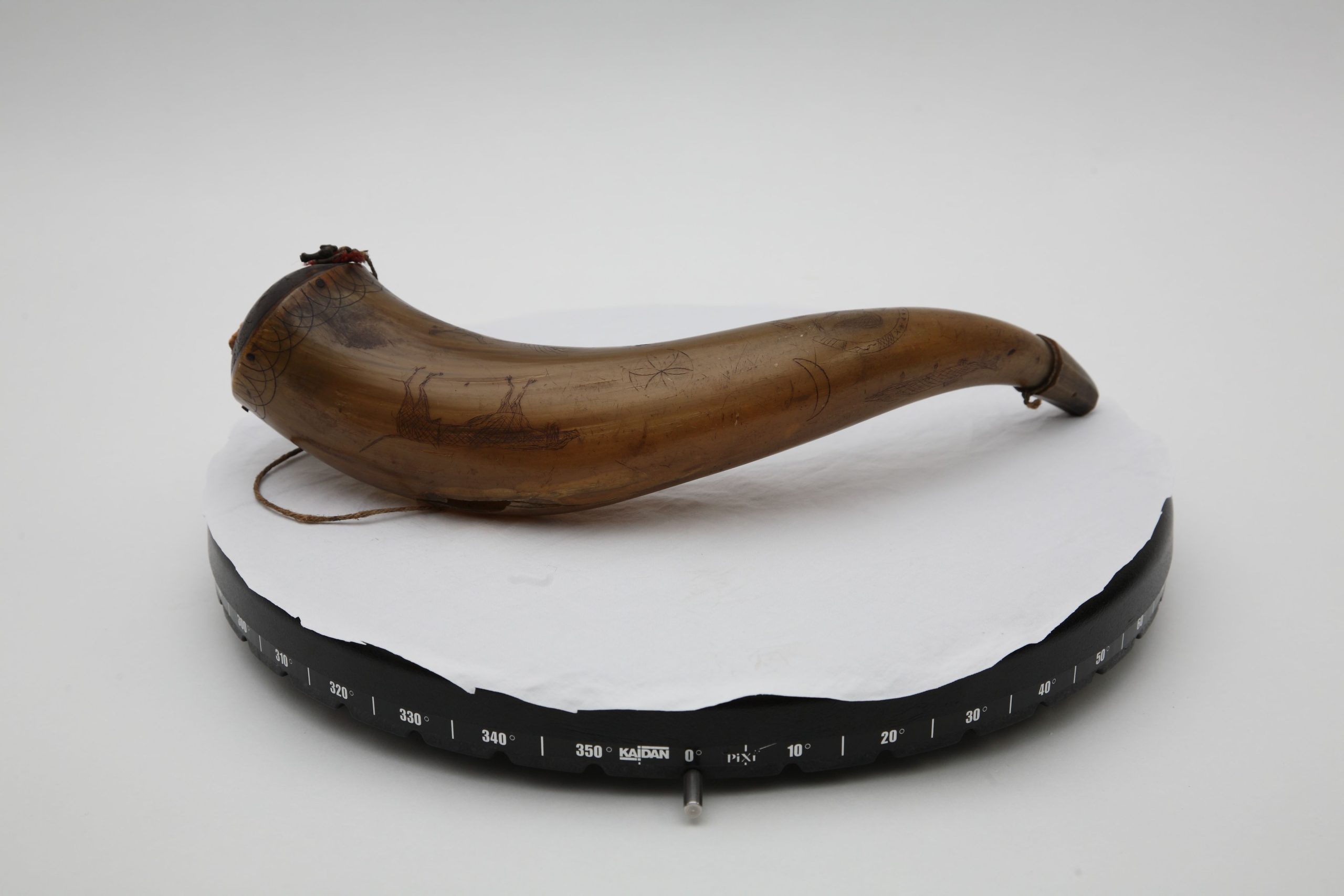
Before modern cartridge systems became widespread, hunters carried powder and shot in containers often personalised through carving, engraving, and family markings. Today, collectors value readable names, dates, regional decoration, original fittings, and a traceable history. A rare Connecticut powder horn dated around 1750, engraved with a message about the French and Indian Wars, sold for $8,000 in November 2025. A documented mid-1800s hunting pouch and powder horn ensemble brought $1,500 at a 2024 auction. Ordinary examples may sell for much less, so age alone is no guarantee of value.
6. Fine Vintage Hunting Knives
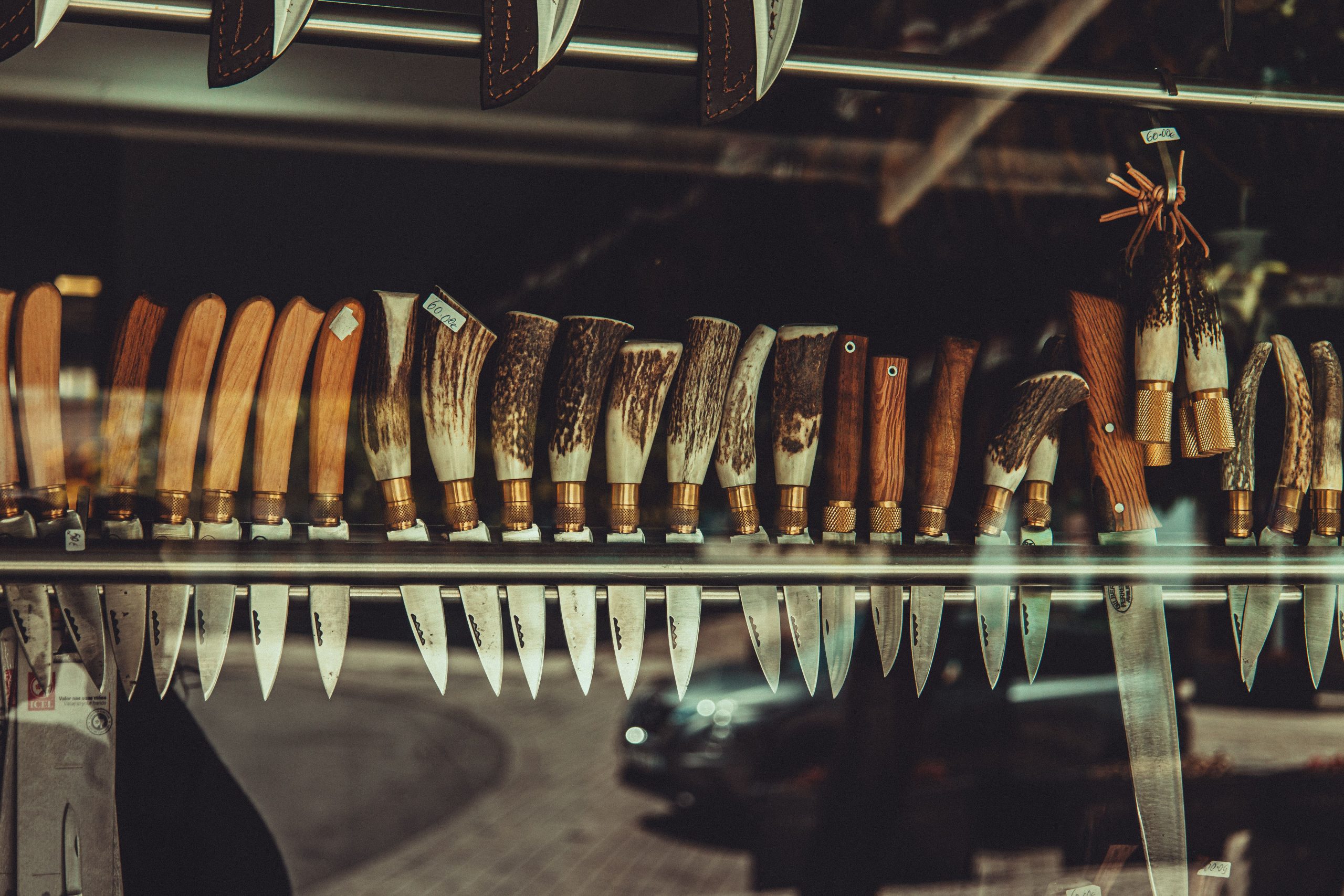
A well-made hunting knife interests collectors for its maker, blade finish, handle, sheath, and connection to a known owner. Factory marks and original components matter because replacement handles or polished blades can erase useful evidence. In December 2024, a vintage German Eickhorn hunting knife with an engraved blade and fitted scabbard sold for £520, against an estimate of £80 to £120. A knife associated with actor Steve McQueen brought $2,000 at a 2022 auction, helped by documented provenance. An ordinary used knife and a scarce, documented example are very different things.
7. Antique Trapping Equipment
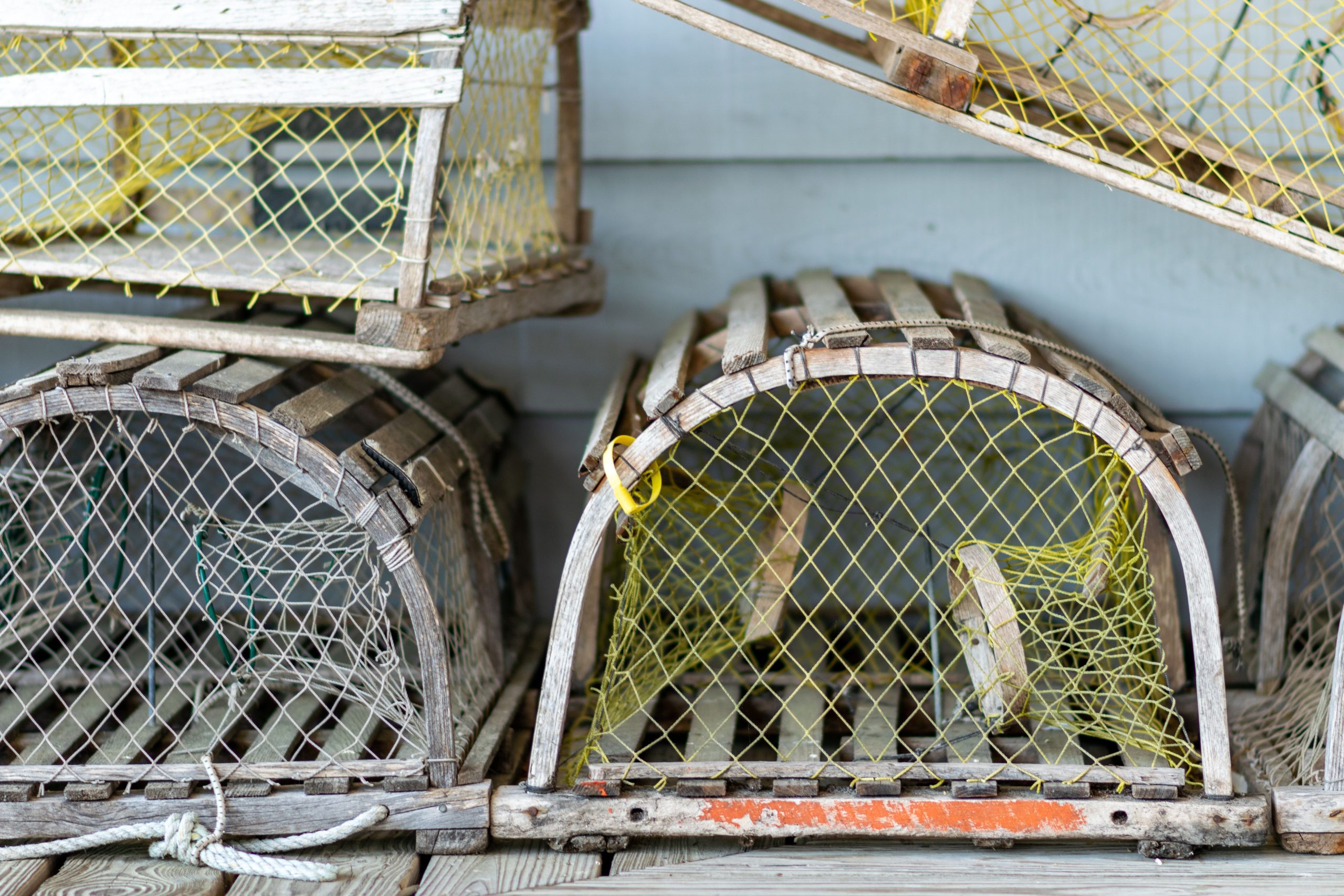
Older traps attract collectors interested in rural hunting, fur trading, and manufacturing history. Makers such as Newhouse, Blake and Lamb, and Gibbs can help identify an item, while unusual mechanisms, surviving chains, and clear markings add interest. Condition matters: heavy rust, missing parts, and incomplete mechanisms can reduce value. One auction lot containing 25 antique traps of several brands sold for $369, despite an estimate of $500 to $1,000. Age and quantity do not automatically create a premium. Check local laws before buying or transporting historic traps.