When people imagine an apocalypse, they often picture dramatic explosions or movie-style chaos. In reality, survival would depend on preparation, adaptability, and having the right essentials ready before systems collapse. Power grids fail, clean water disappears, medical help becomes scarce, and everyday comforts vanish fast. Panic and poor planning would be more dangerous than the disaster itself. Packing wisely is not about fear, but about responsibility and foresight. The goal is to stay healthy, mobile, and mentally focused when normal life stops working. These ten items are not fantasy gear or extreme luxury tools. They are practical, proven essentials that address real human needs like hydration, nutrition, shelter, safety, and decision making when help is no longer coming.
1. Clean Water Storage Containers
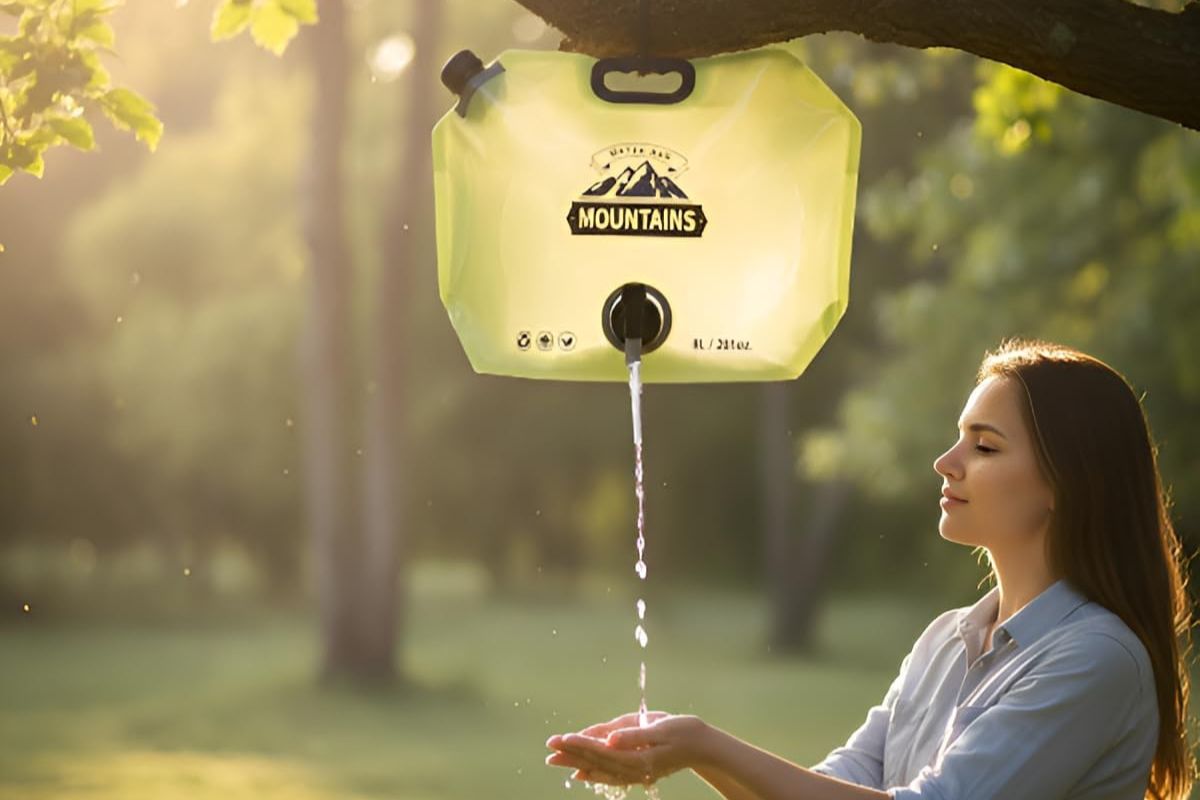
Water is the first and most critical survival priority during any real-world collapse. Without it, dehydration can become life-threatening in just a few days, especially under stress or physical movement. Sturdy water storage containers allow you to collect, transport, and preserve clean water safely. Collapsible jugs, hard plastic canisters, or stainless steel bottles all work if they are food-grade and seal tightly. These containers protect water from dirt, bacteria, and environmental contaminants that become common when infrastructure fails. They also allow you to ration consumption carefully. Clear containers help you visually monitor water quality and remaining supply. In an emergency, reliable water storage keeps you alive long enough to find purification methods, safer locations, or natural water sources without risking immediate illness.
2. Water Purification System
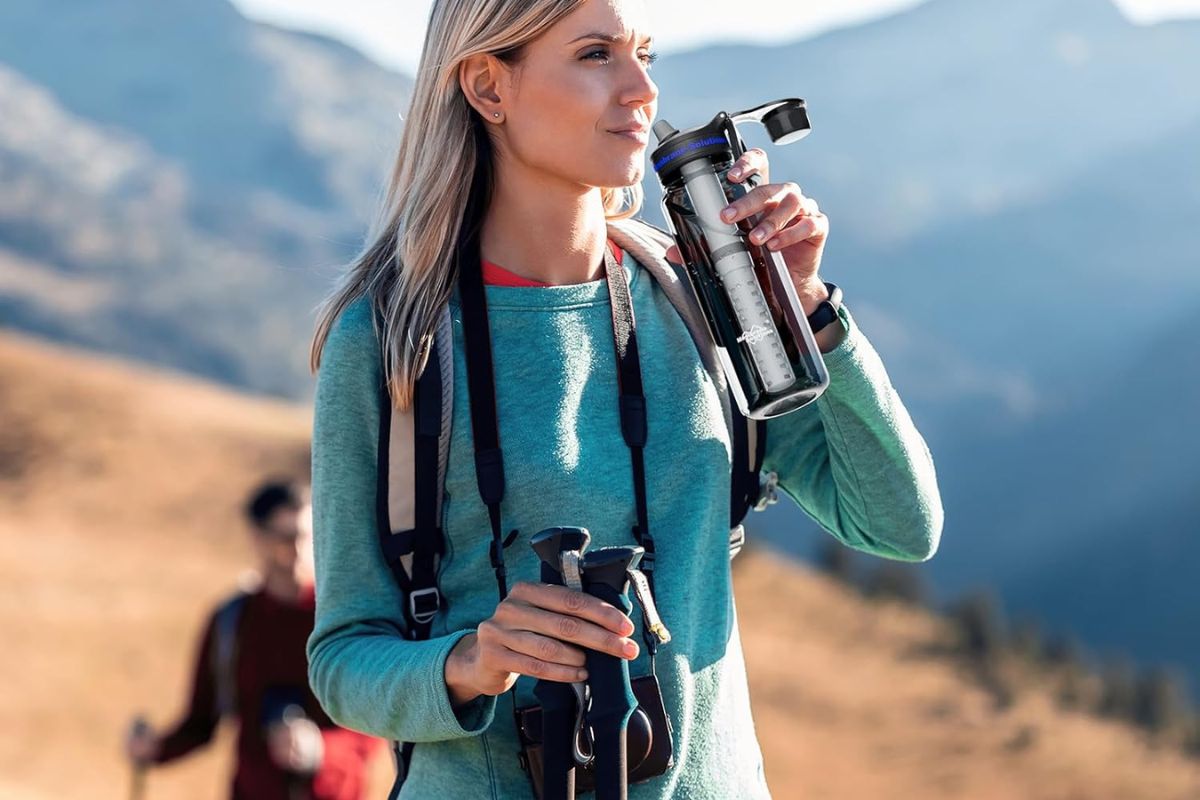
Even with containers, safe drinking water will quickly become difficult to find. Rivers, rainwater, and abandoned plumbing may look clean, but often carry bacteria, parasites, or chemical contaminants. A portable water purification system turns questionable water into something your body can safely handle. Gravity filters, pump filters, purification tablets, or UV purifiers all have advantages depending on conditions. These systems remove or neutralize harmful organisms that cause serious sickness. Illness during an apocalypse can be fatal without medical care. A purification system gives you independence from bottled water and allows movement instead of being tied to one location. It also reduces panic and risky decisions driven by thirst. Clean water equals clarity, strength, and the ability to keep going when others cannot.
3. Non-Perishable Emergency Food

Food supplies disappear quickly during any large-scale disaster. Grocery shelves empty within hours, and resupply stops soon after. Non-perishable emergency food provides calories, nutrients, and energy when fresh food is unavailable. Items like freeze-dried meals, protein bars, canned goods, rice packets, and nut-based foods last long and store easily. These foods require minimal preparation and predictable portions, which helps with rationing. Hunger weakens judgment, lowers immunity, and drains morale. Balanced emergency food keeps your body functioning under stress and physical strain. Packaging that resists moisture and pests is essential. The goal is not comfort eating, but consistent fuel that supports survival tasks like walking, carrying supplies, staying alert, and maintaining body heat during uncertain conditions.
4. Reliable Fire-Starting Tools
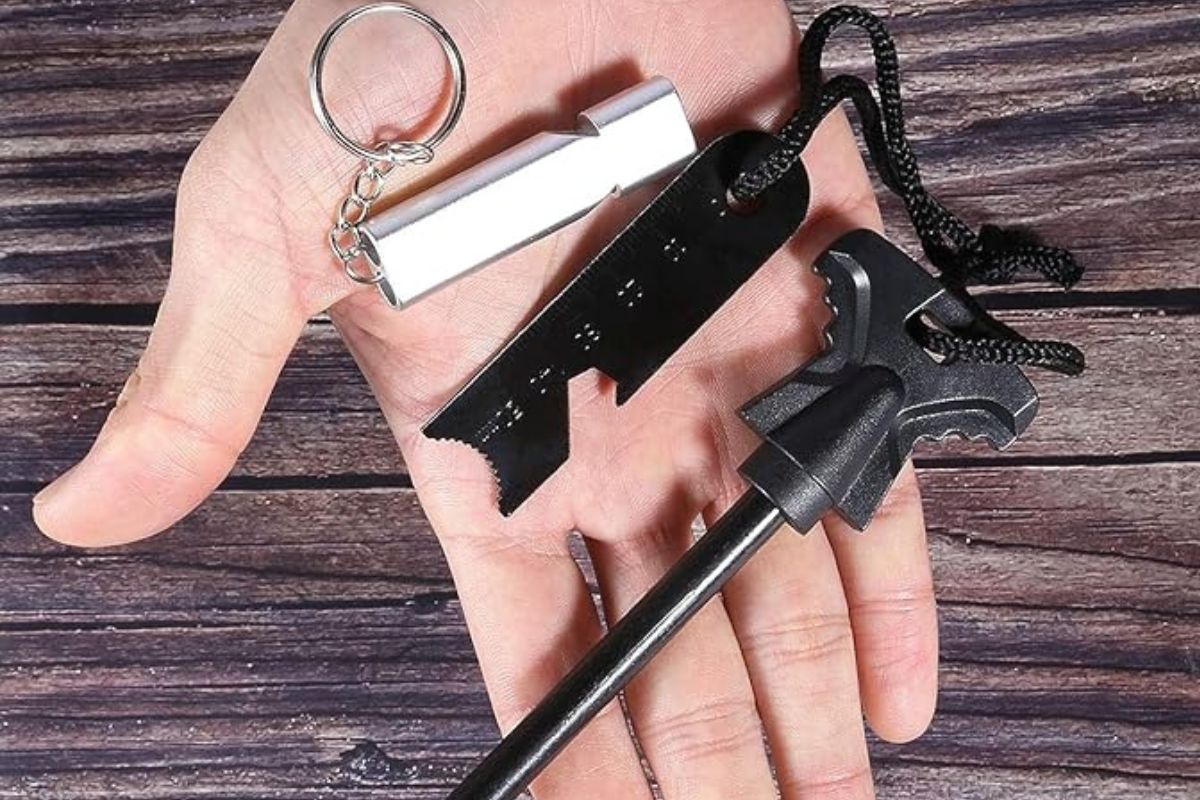
Fire remains one of humanity’s most powerful survival tools. It provides warmth, light, the ability to cook food, purify water, and signal for help. A reliable fire-starting kit ensures you can create flame even in rain, wind, or cold. Waterproof matches, ferro rods, lighters, and tinder backups should all be included. Fire supports mental comfort as much as physical survival, offering a sense of safety and control when surroundings feel hostile. It helps prevent hypothermia and allows safe preparation of food that would otherwise be risky to eat. In a real apocalypse, the ability to make fire consistently separates those who endure from those who struggle. Redundancy is critical because failure is not an option.
5. First Aid and Medical Supplies
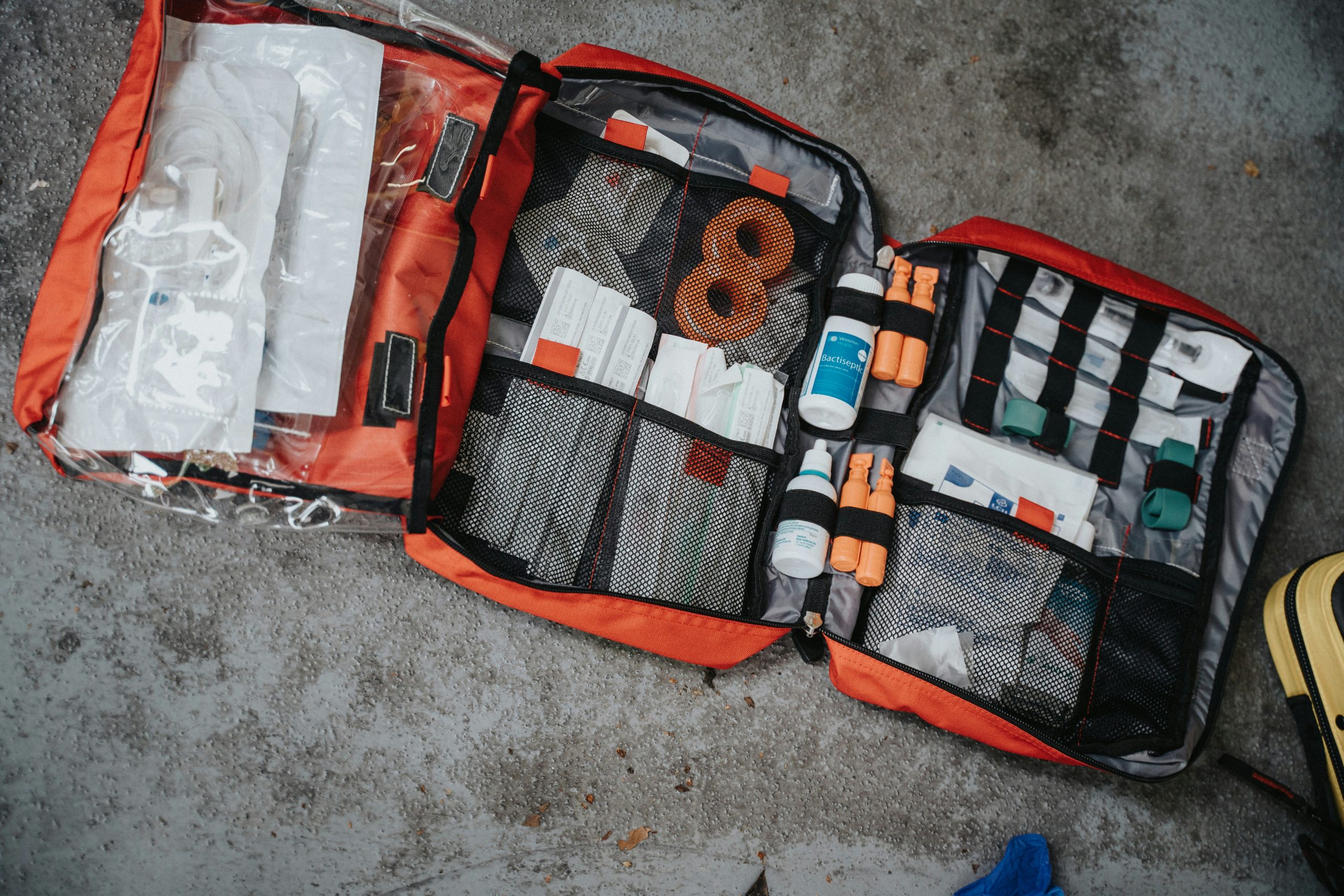
In a collapsed system, even small injuries can become life-threatening. A well-stocked first aid kit allows you to treat wounds, infections, burns, and common illnesses without professional help. Essentials include bandages, antiseptics, pain relief medication, gloves, gauze, tweezers, and basic wound closure supplies. Medical items prevent minor problems from becoming disabling conditions. Clean treatment reduces infection risk when hospitals are inaccessible. Personal medications and backup prescriptions are equally important. Mental calm increases when injuries can be addressed immediately. A medical kit does not make you a doctor, but it buys time, mobility, and safety. In survival situations, managing health is as critical as finding food or shelter.
6. Durable Multi-Tool or Knife
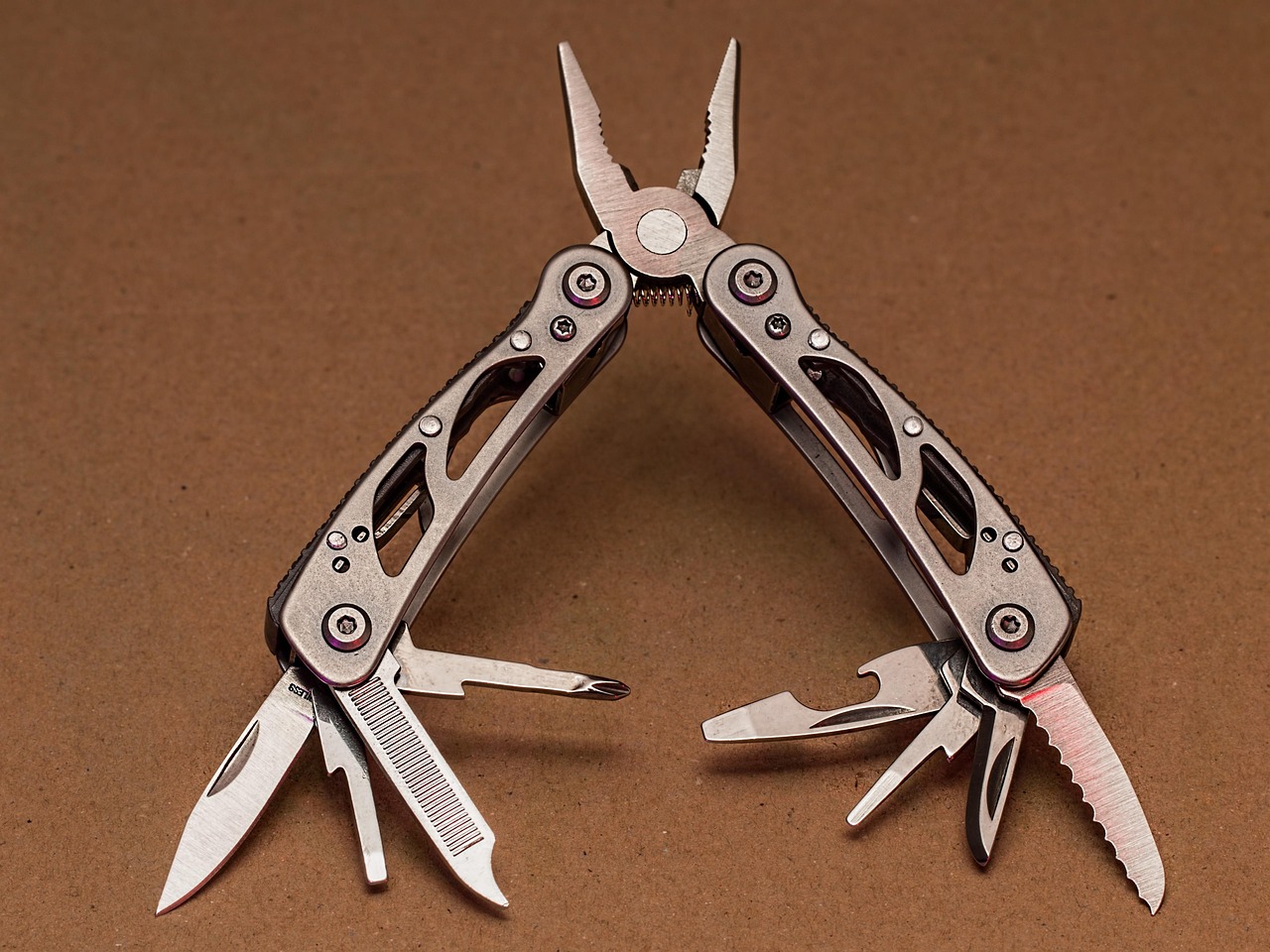
A strong multi-tool or fixed blade knife is one of the most versatile items you can carry. It assists with cutting rope, preparing food, repairing gear, opening containers, and crafting basic tools. Durability matters more than appearance. A reliable blade becomes an extension of your hands when resources are limited. Multi-tools add screwdrivers, pliers, and saws that help solve everyday problems creatively. This single item supports countless survival tasks and reduces dependence on multiple bulky tools. Safe handling is essential, as injuries are costly in emergencies. When properly maintained, a quality knife or multi-tool supports efficiency, problem-solving, and adaptability in unpredictable environments.
7. Weather-Resistant Shelter Gear
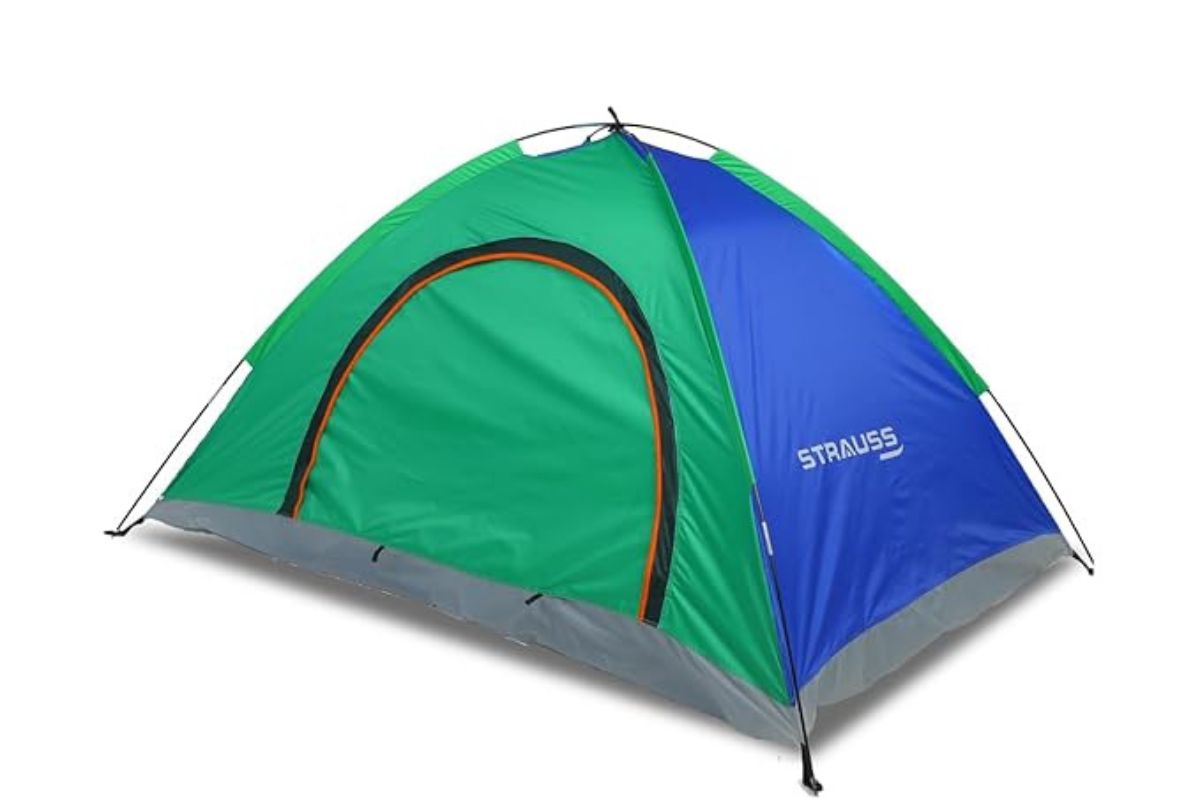
Exposure to the elements is a major survival threat. Rain, wind, heat, and cold drain energy fast. Lightweight shelter gear, like a compact tent, tarp, bivy sack, or emergency blanket, protects your body from environmental stress. Proper shelter preserves body heat, improves sleep quality, and boosts morale. It creates a safe space to rest, regroup, and plan. Weather-resistant materials prevent moisture buildup that causes illness or discomfort. Shelter gear should be easy to deploy and pack quickly. In an apocalypse, mobility matters. The ability to create shelter anywhere gives freedom to move away from danger zones, overcrowded areas, or unstable environments without sacrificing safety or rest.
8. Navigation and Communication Tools
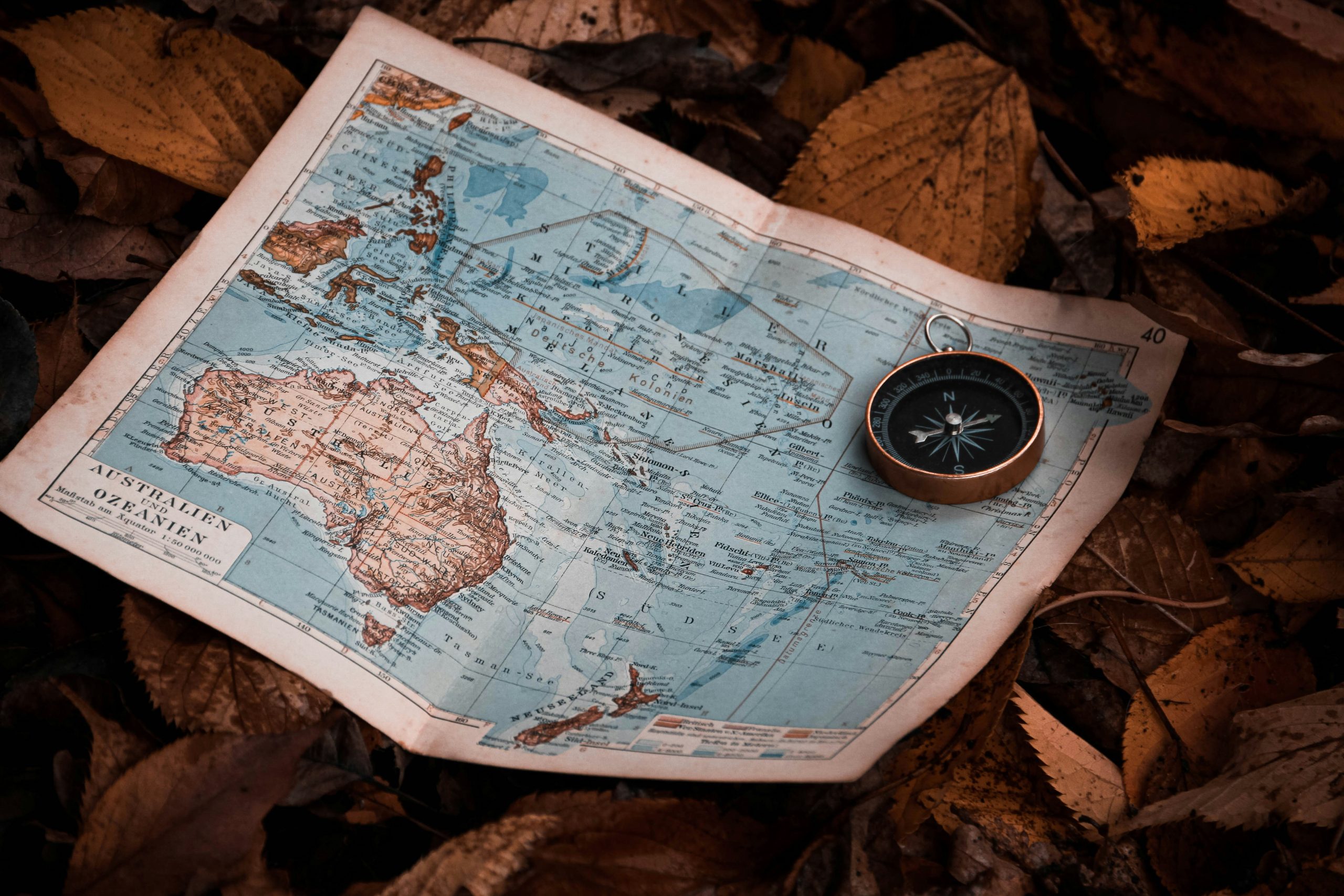
When modern systems fail, navigation becomes uncertain. Paper maps, compasses, hand-crank radios, and signal devices help maintain awareness of surroundings and events. These tools guide movement, prevent getting lost, and provide access to emergency broadcasts. Radios with weather alerts keep you informed about hazards, migration routes, or relief efforts. Communication tools also offer psychological comfort by reducing isolation. Understanding location and direction reduces panic-driven mistakes. Technology may fail, but simple navigation tools remain dependable. Knowledge of terrain helps conserve energy and avoid danger. In survival situations, information becomes as valuable as food. Knowing where you are and what is happening around you shapes every decision you make.
9. Protective Clothing and Footwear
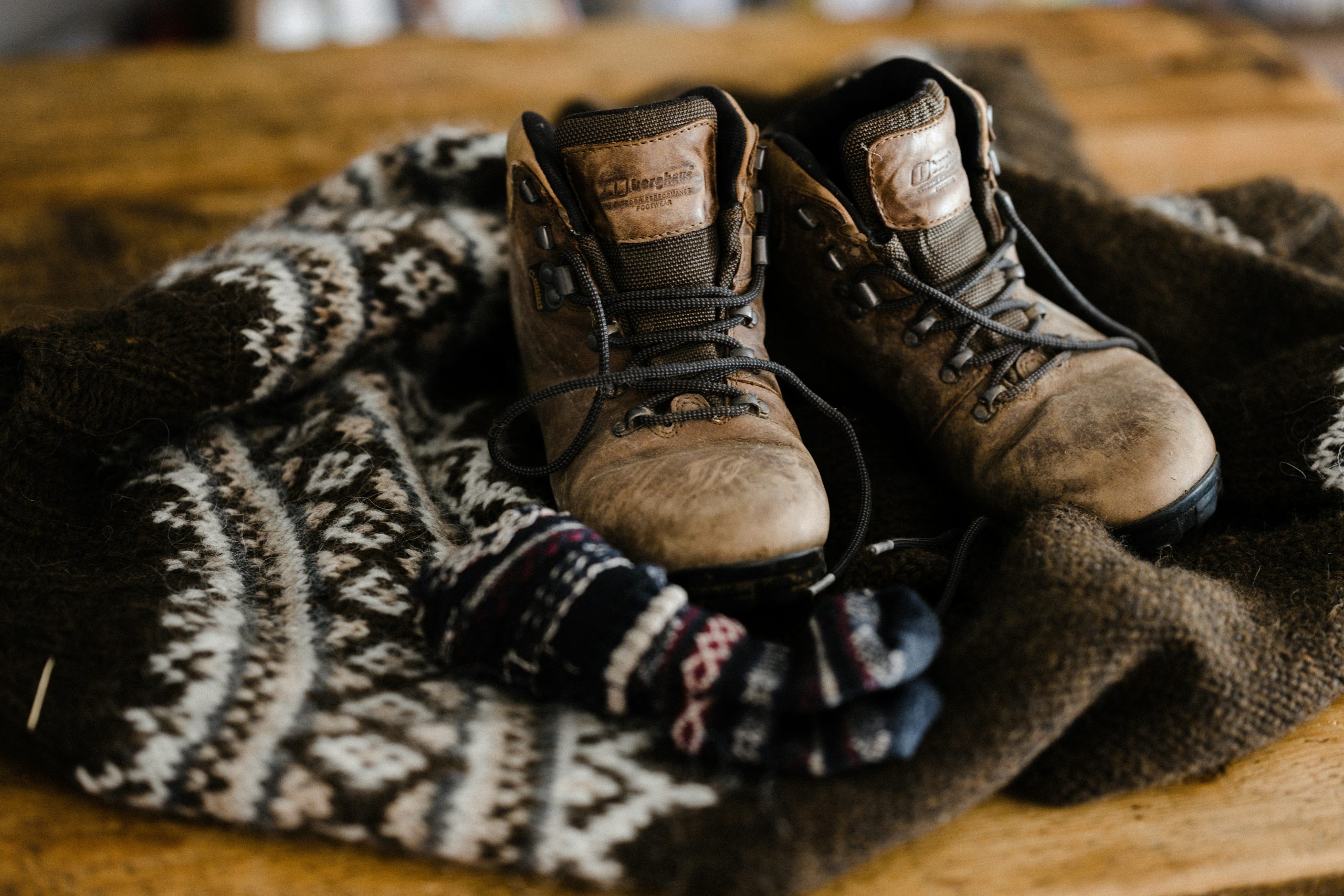
Clothing is survival equipment, not fashion. Durable, weather-appropriate clothing protects against injury, exposure, and exhaustion. Layered clothing allows temperature control during changing conditions. Strong footwear prevents foot injuries that can immobilize you completely. Gloves protect hands during physical tasks, while hats regulate body heat. Fabrics that dry quickly reduce infection risk and discomfort. Clothing that blends durability with comfort improves endurance and confidence. In an apocalypse, medical help is limited, so preventing injuries is essential. Good clothing allows longer movement, safer travel, and greater resilience. When your body is protected, your mind stays focused, and survival becomes more manageable.
10. Portable Light and Power Sources

Darkness increases danger and fear. Portable lighting, like headlamps, flashlights, and lanterns provide visibility during night movement or enclosed spaces. Power sources such as solar chargers or hand-crank devices keep essential electronics functional. Light prevents accidents, deters threats, and allows work after sunset. Efficient lighting conserves energy and reduces stress. Rechargeable systems reduce dependence on disposable batteries. In prolonged emergencies, light represents safety, clarity, and control. Being able to see your surroundings clearly improves decision-making and confidence. When systems collapse, reliable light and power become symbols of preparedness and stability in an otherwise uncertain world.