A healthier ammunition market does not necessarily mean every caliber becomes easy to find. Production can increase while distributor inventories, regional demand, product variety, and purchasing patterns continue to create gaps. Recent industry forecasts point to continued growth in ammunition demand, while 2026 product announcements show manufacturers are still expanding certain offerings.
Below are 10 calibers where availability can remain inconsistent even when the broader supply picture appears to be improving. The figures provide useful context rather than suggesting that every retailer experiences the same shortage.
1. .22 LR
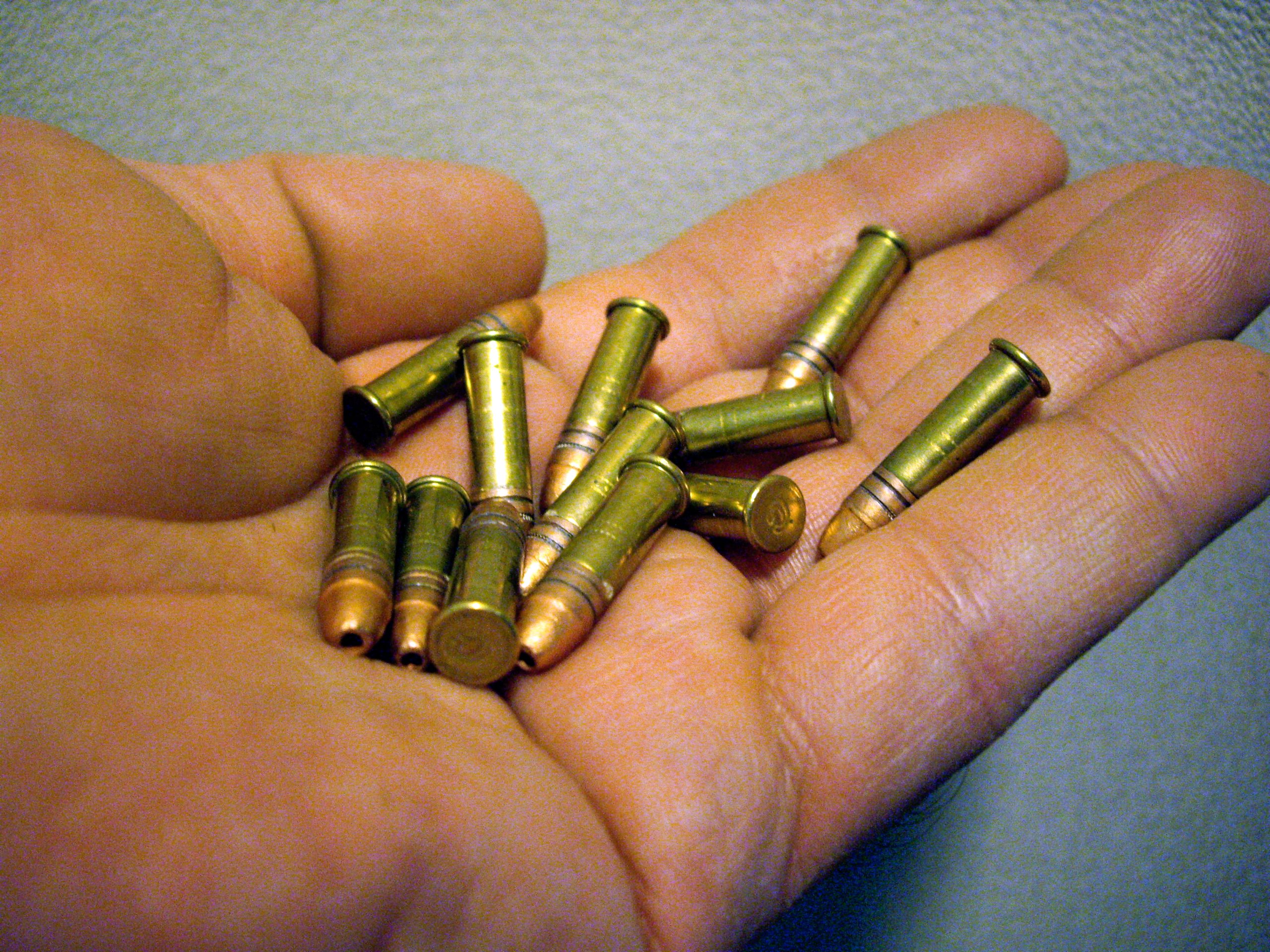
The .22 LR market can look healthy one week and thin the next. Its user base spans training, target shooting, and small-game applications, so demand can absorb incoming shipments quickly. The issue is not always a complete shortage; it is often the uneven mix of standard, match, and specialty loads reaching retailers. In 2026, market reports still describe sustained civilian and sporting demand, while global production remains under pressure from broader defense requirements. 13 billion is a benchmark: one 2025 industry estimate put worldwide small-caliber ammunition production above that level. That scale explains why shelves can refill while some .22 LR choices remain difficult to find.
2. 9mm
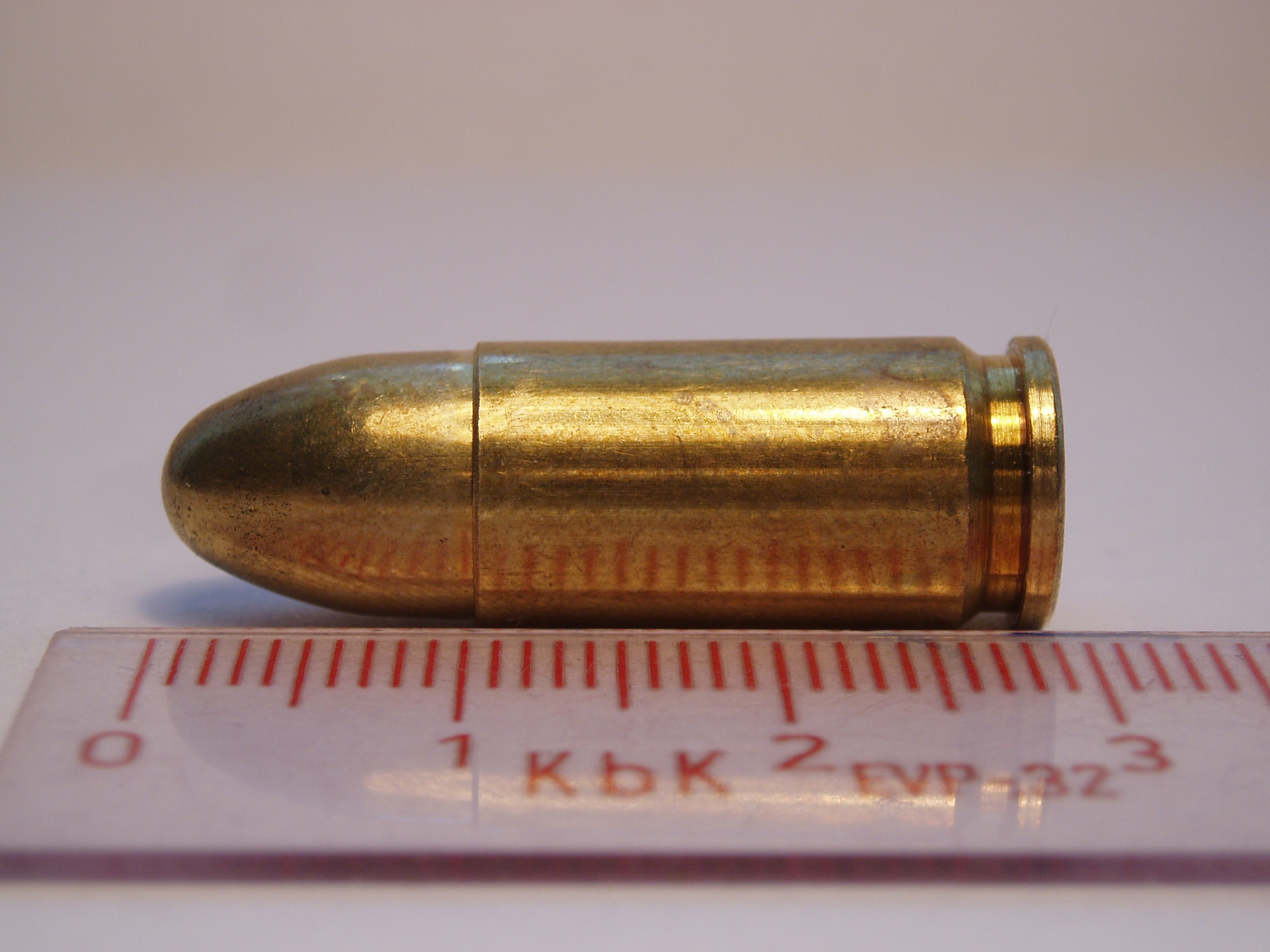
9mm shows why improving supply does not mean every shelf stays full. It is among the world’s most widely used handgun cartridges, creating enormous commercial and institutional demand. A 2025 market study gave 9mm Parabellum a 23.6% share of the small-caliber ammunition market, showing its huge footprint. When distributors receive shipments, common loads can disappear quickly because so many buyers are competing for them. Retailers can therefore report better inventory while customers still encounter gaps in preferred brands or quantities. The takeaway is simple: high production volume and high consumption can coexist, leaving availability uneven.
3. 5.56 NATO
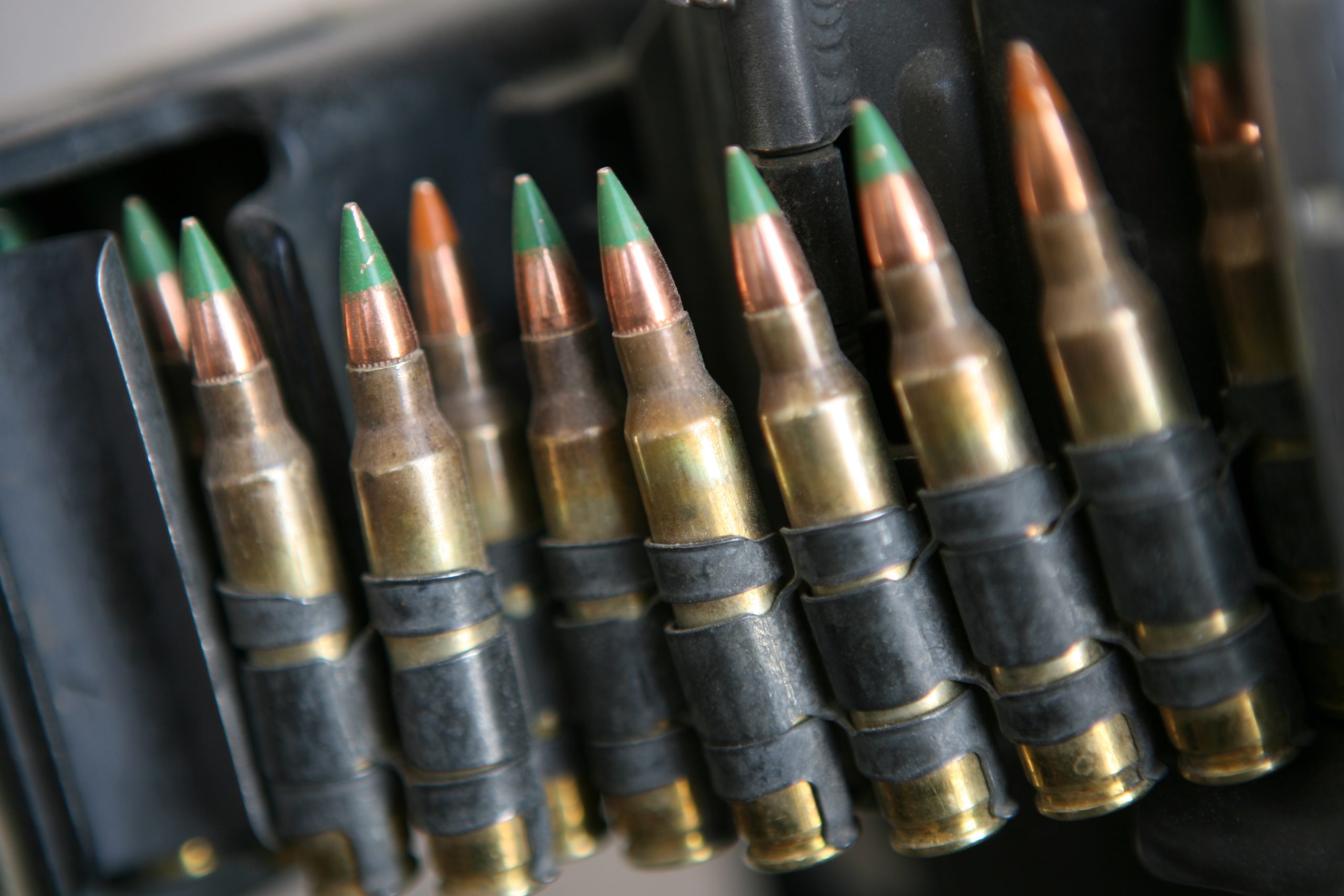
5.56 NATO remains tied to military procurement, training activity and civilian sporting demand, making its supply picture more complicated than a simple retail shortage. Large contracts can redirect manufacturing capacity toward institutional orders, while commercial shelves depend on distributors receiving planned allocations. Current market research identifies 5.56 mm as a major small-caliber segment and links demand growth to military modernization. A useful benchmark is the projected 13.7% annual growth rate for the broader global ammunition market from 2026 through 2031 in one industry forecast. Strong demand can keep 5.56 moving quickly even as production improves.
4. .223 Remington
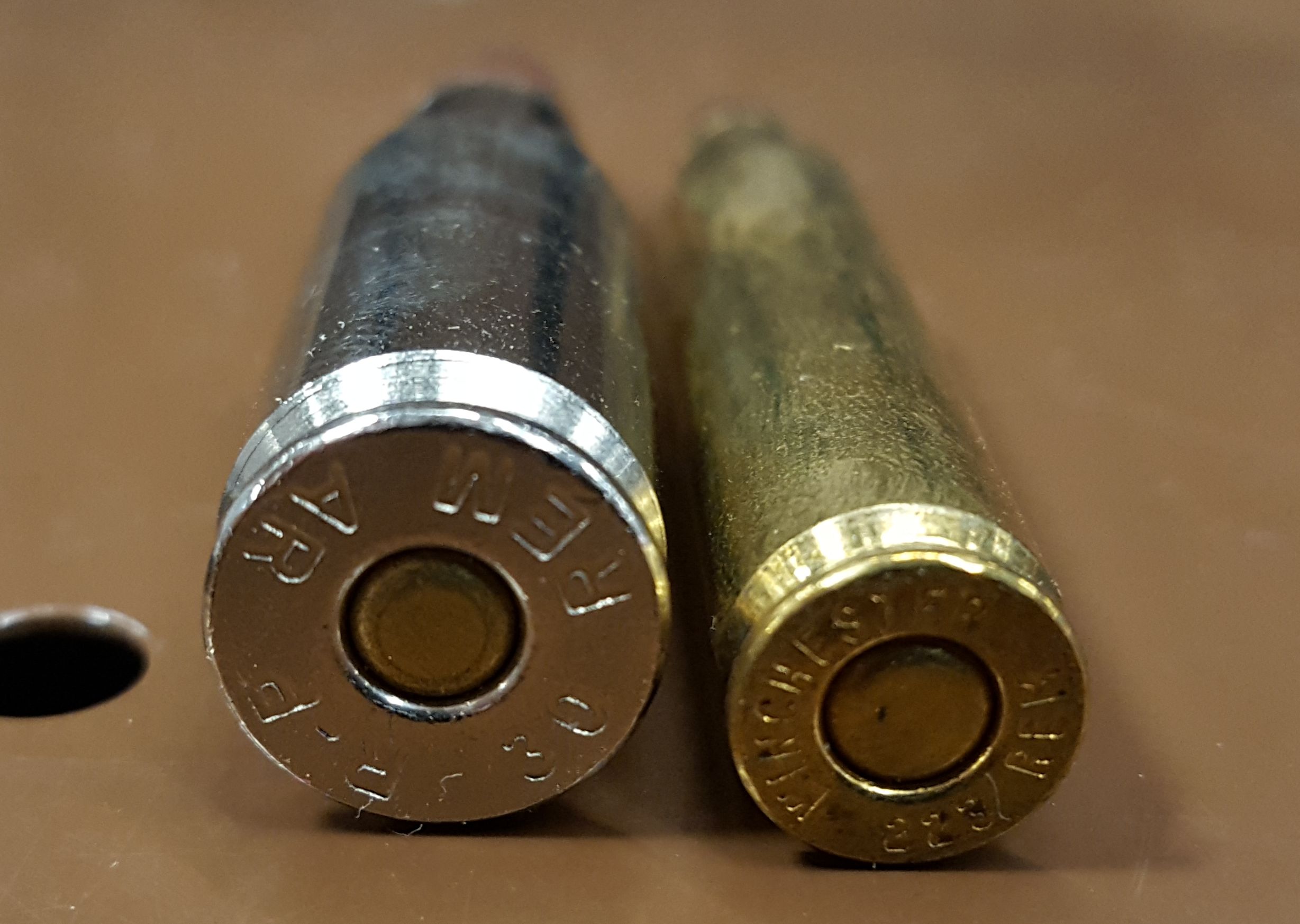
.223 Remington often shares production attention with 5.56 NATO because the cartridges are closely related, although they are not interchangeable in every firearm or chambering. That relationship can create the impression that supply should always be abundant, yet production schedules fluctuate by manufacturer and product line. Hunting, training, and sporting demand also pull from the same commercial pipeline. The broader small-caliber market was estimated at $9.31 billion for 2026 by one recent study, illustrating the sector’s size without guaranteeing local stock. National supply can improve while a retailer remains out of a favored .223 load.
5. .308 Winchester
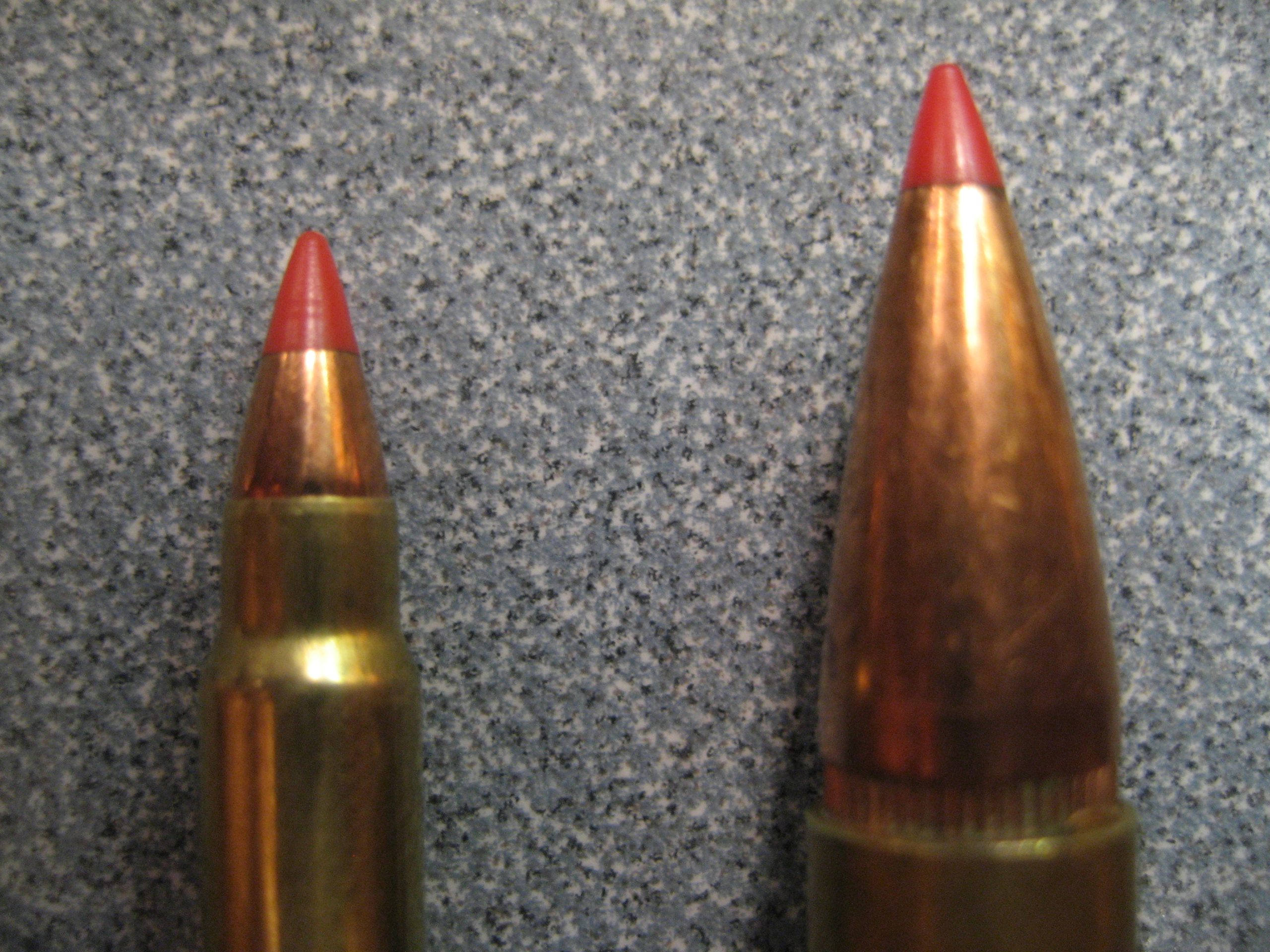
.308 Winchester continues to attract demand from hunting, sporting and general-purpose rifle users, while its relationship to the 7.62×51 NATO family adds another layer to supply. Manufacturers may produce several bullet weights and performance categories, but retailers do not necessarily receive every variant together. In 2026, new .308 offerings were still being introduced, including a 175-grain load announced by Black Hills, showing that product development continues alongside demand. A useful market figure is the $8.79 billion global small-caliber ammunition estimate for 2026 from Fortune Business Insights. Growing production does not guarantee equal distribution.
6. 7.62×39
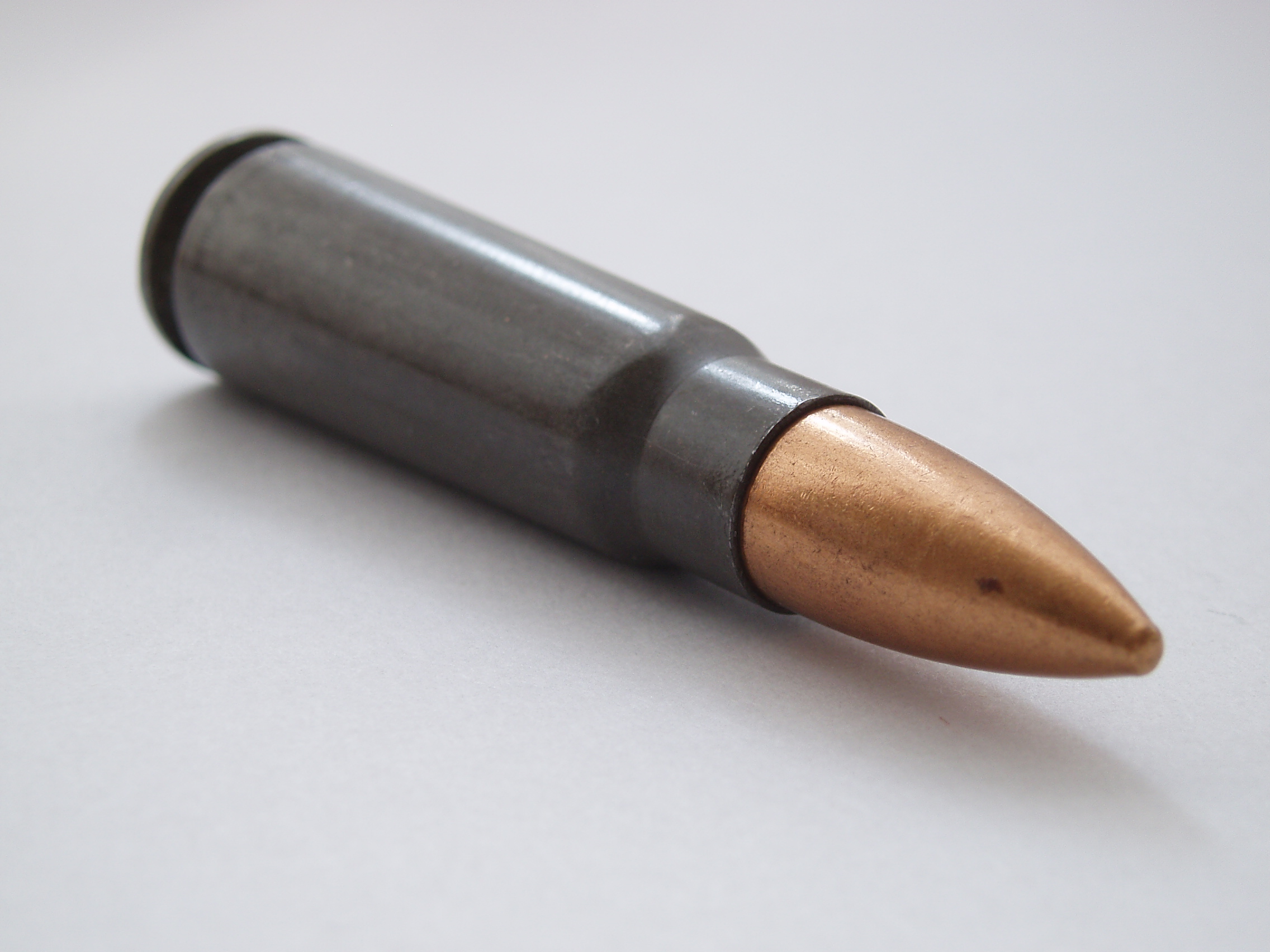
7.62×39 can experience sharper availability swings because its commercial supply is influenced by import conditions, domestic production choices and consumer demand. Some buyers rely heavily on particular manufacturers or imported product lines, making disruptions more visible when shipments are delayed or suppliers change priorities. The wider ammunition market is also expanding, with one 2026 forecast placing global value at $34.81 billion and projecting $66.06 billion by 2031. Those figures show strong overall demand, but they do not mean every caliber receives equal manufacturing attention. Local 7.62×39 shortages can therefore persist even in a healthier market.
7. .300 Blackout
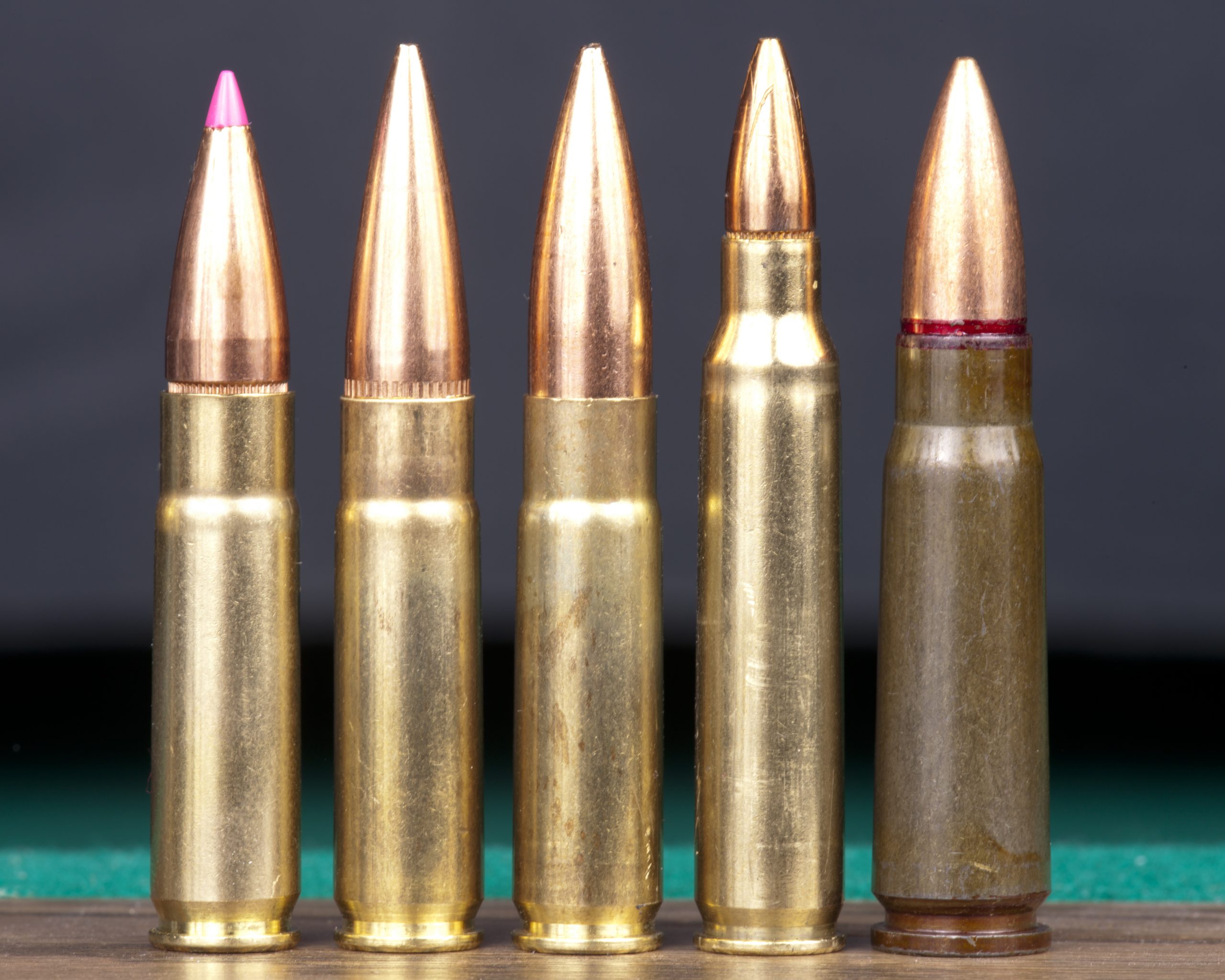
.300 Blackout illustrates how a popular but specialized cartridge can remain inconsistent on store shelves. Its customer base is smaller than that of 9mm or .22 LR, yet manufacturers must divide output among multiple loads and bullet designs. When a production run is limited, retailers may receive only a narrow selection rather than a complete range. That can make the caliber appear scarce even when factories are producing it regularly. The broader small-caliber industry was estimated at $9.08 billion in 2025 and is projected to expand through 2034 in recent research. For .300 Blackout, the issue is often product variety and distribution timing rather than a universal shortage.
8. 6.5 Creedmoor
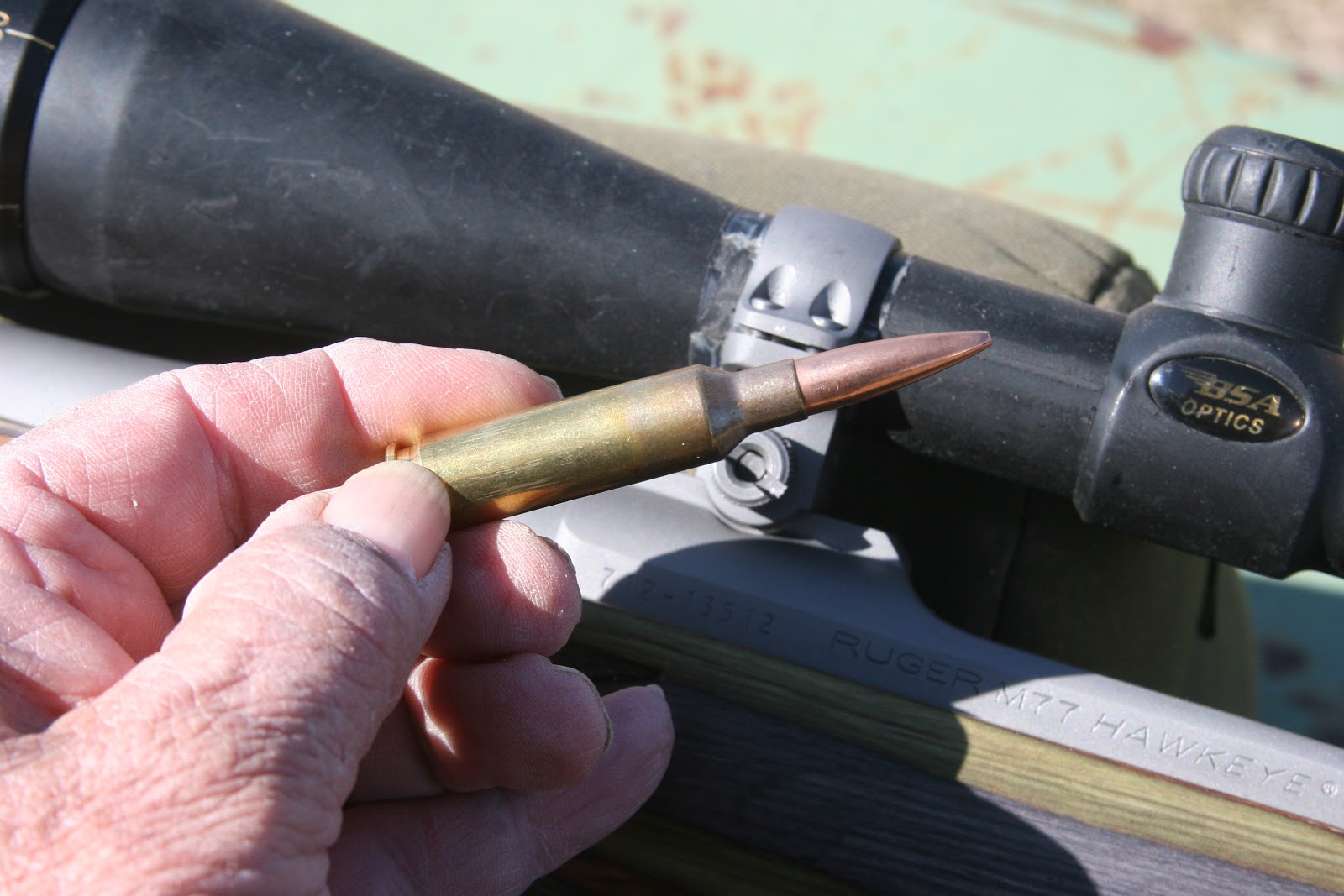
6.5 Creedmoor remains an example of a modern sporting cartridge whose popularity can keep selected products moving quickly. It is widely associated with hunting and precision-oriented rifle use, and manufacturers continue to add offerings. In 2026, Black Hills announced a 142-grain 6.5 Creedmoor load, evidence that companies are still investing in the category. Yet every new product competes for manufacturing, shipping, and retail space with established loads. One recent forecast values the global small-caliber sector at $8.79 billion in 2026. That rising market does not eliminate shortages; it can mean demand is expanding faster for certain specialized variants.
9. .45 ACP
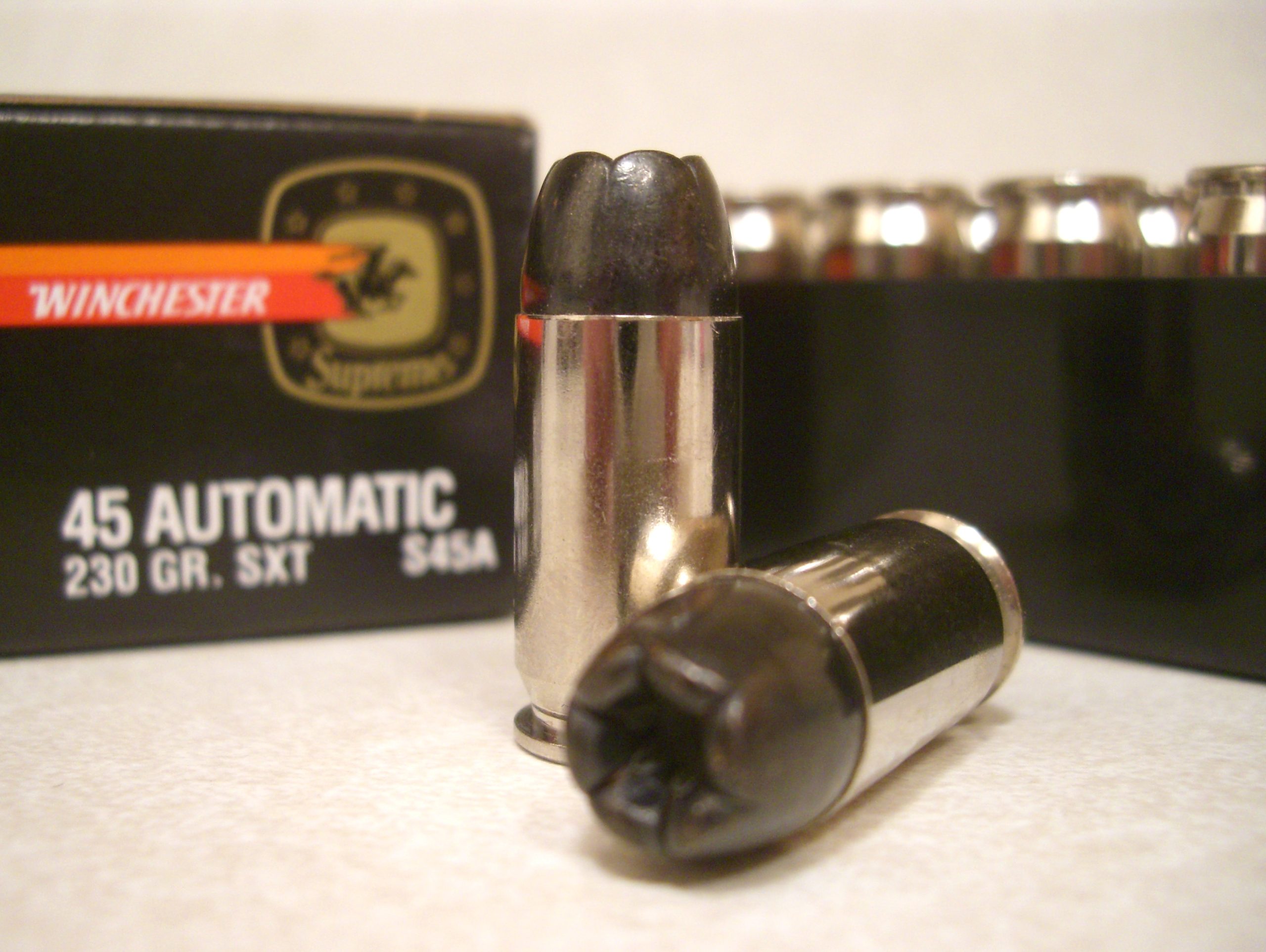
.45 ACP can be harder to find consistently because its market is substantial but smaller than the enormous 9mm segment. Retailers may carry several common loads, but specialty or match variants can disappear longer when distributors prioritize faster-moving products. This is a case of assortment scarcity rather than necessarily a nationwide production failure. Industry research continues to show strong ammunition demand, supported by defense spending, law-enforcement requirements and civilian shooting activity. One 2026 report estimates the small-caliber market at $10.74 billion, up from $10.39 billion in 2025. Factories can stay busy without every .45 ACP option getting equal shelf space.
10. .380 ACP
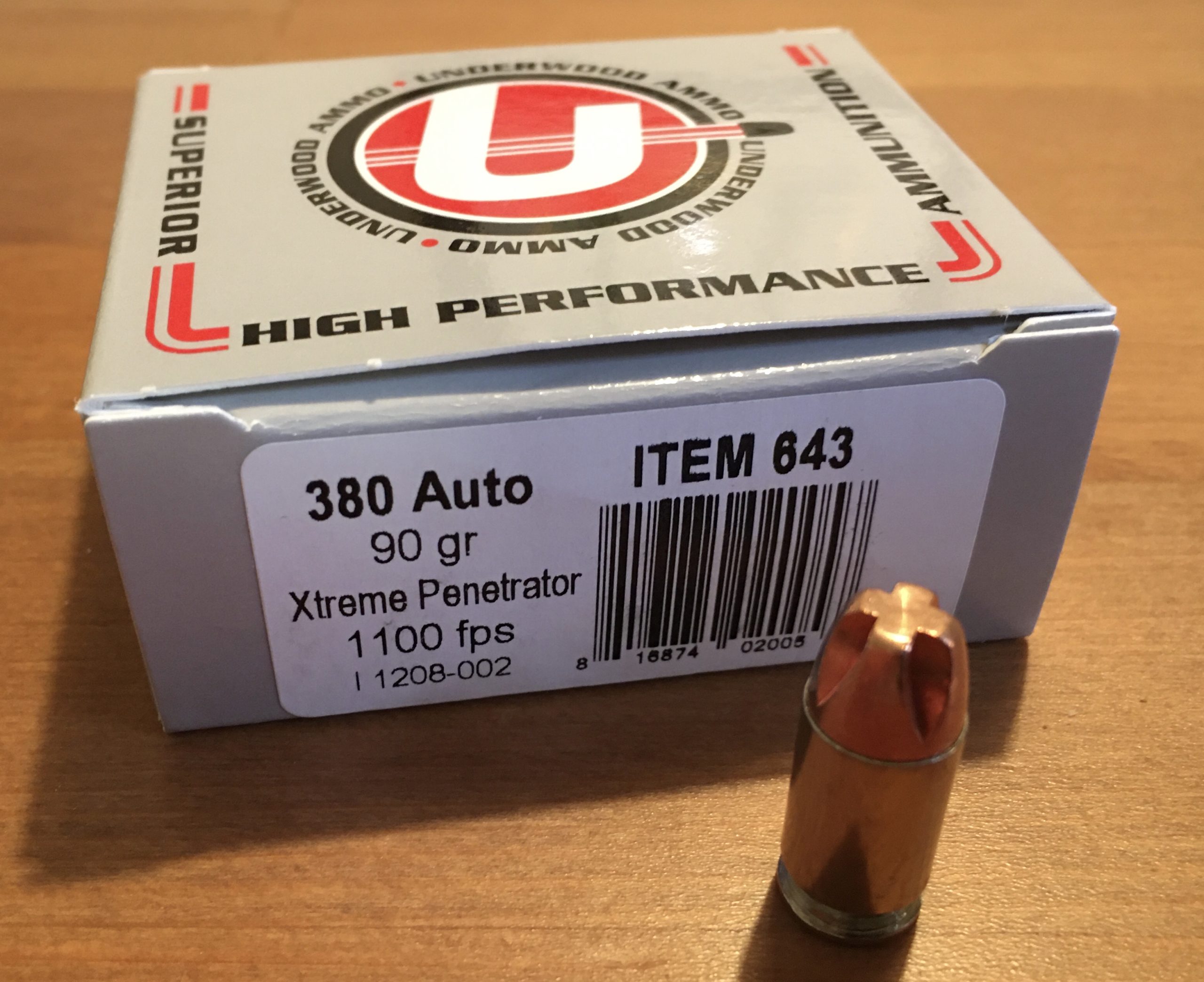
.380 ACP has a distinctive place in the handgun ammunition market because demand is linked to compact and lightweight pistols, while consumption remains smaller than 9mm. That can produce an unusual retail pattern: a store may receive several boxes and sell them quickly, then wait for the next distributor shipment. Manufacturers also balance different bullet designs and specifications across their catalogs. The broader small-caliber market is projected to grow from about $9.31 billion in 2026 to $11.64 billion by 2034 in one current forecast. For .380 ACP, improving factory output does not necessarily translate into steady local availability, especially for specific loads.