Some revolvers spent decades being treated as ordinary working guns rather than desirable collectibles. They were often overshadowed by more famous models, dismissed as outdated designs, or overlooked because they lacked the performance and convenience modern shooters expected. However, collectors increasingly appreciate the unusual mechanisms, manufacturing details, historical connections, and limited production runs that make these revolvers interesting. From forgotten service handguns to mechanically unusual experiments, each has a story that extends beyond its original purpose. What once seemed unremarkable to everyday shooters can now represent an important and fascinating piece of firearms history.
1. Colt Army Special
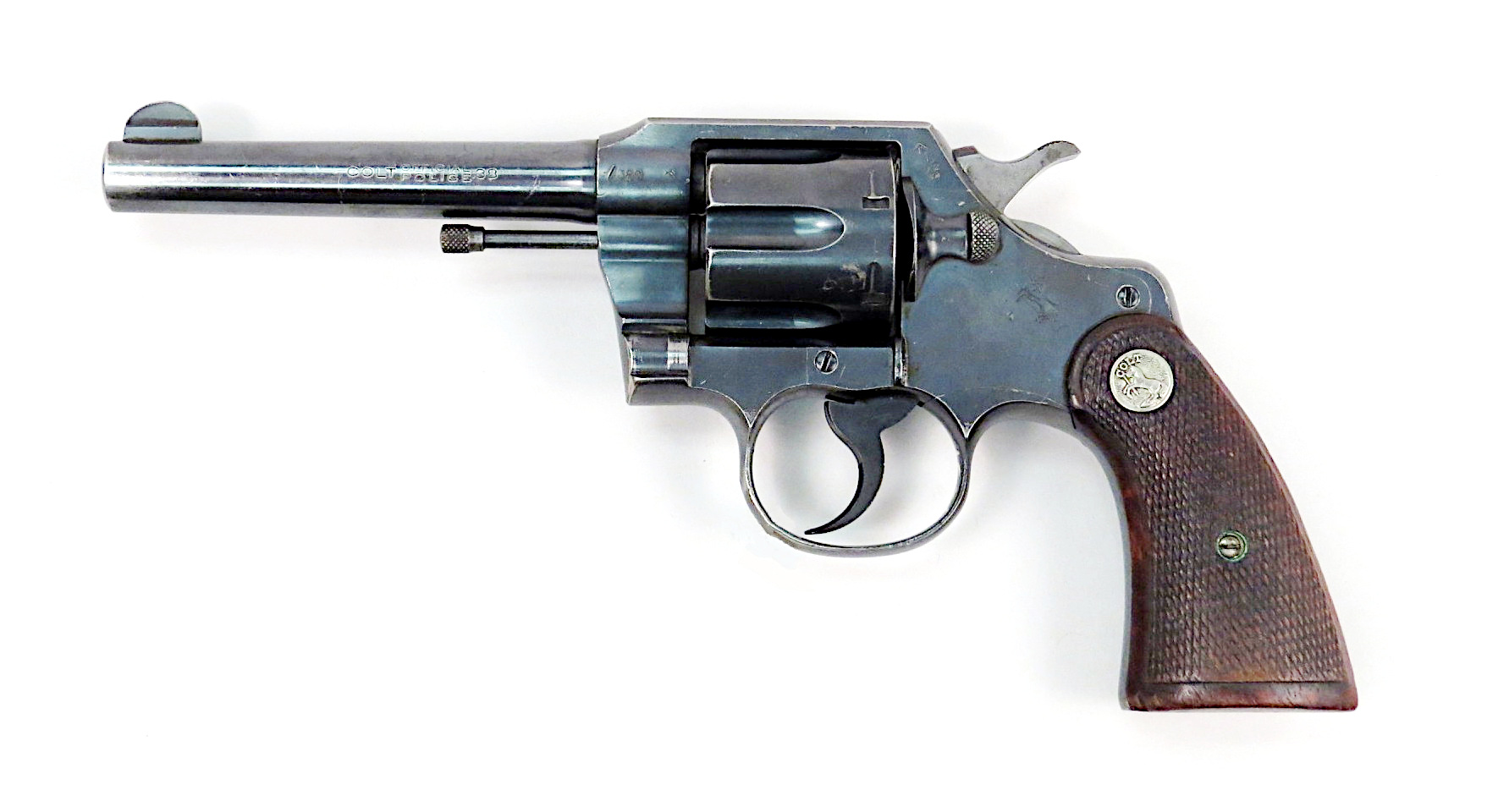
Introduced in 1908, the Colt Army Special was a practical double-action revolver. Chambered mainly in .38 Special, it had a six-shot cylinder and a solid frame intended for service use. Police and civilian owners valued its straightforward design, but later shooters often saw it as an ordinary old duty gun. Collectors now appreciate its place in Colt’s development of police handguns, along with barrel lengths, grip styles, markings, and original finishes. Production ended in 1927, giving surviving examples a place in American firearms history. Its understated appearance is part of its appeal.
2. Smith & Wesson .38 Safety Hammerless
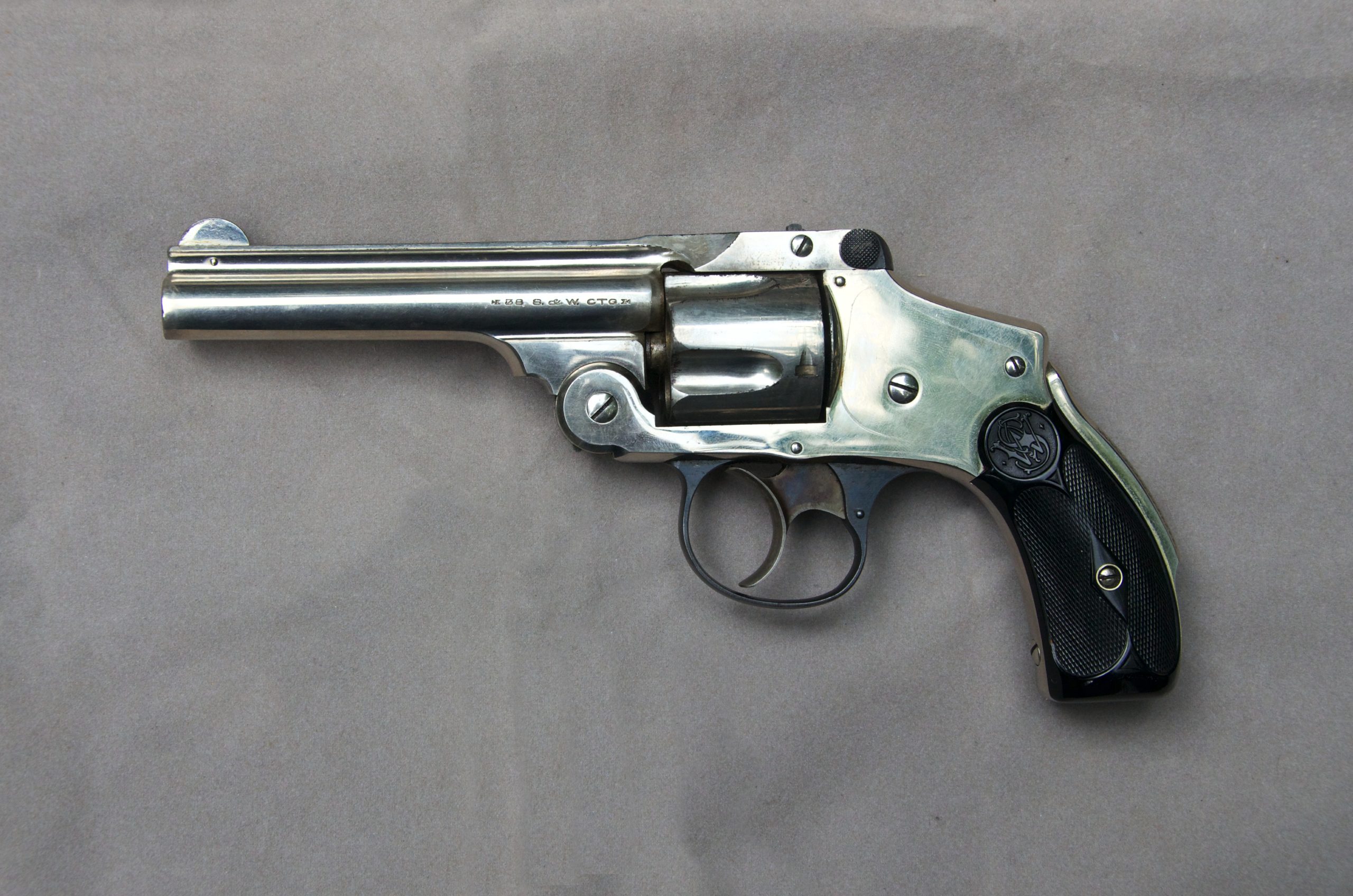
Smith & Wesson introduced the .38 Safety Hammerless in 1887, featuring an enclosed hammer and a grip safety. Nicknamed the Lemon Squeezer, it was designed for discreet carry rather than sporting prestige. Its five-shot cylinder and top-break action gave it a distinctive profile. Many shooters later regarded it as an obsolete curiosity, but collectors value its several model generations and late Victorian-era character. The design remained in production into the 1940s, with variations in finish, barrel length, and detail that collectors compare today.
3. Merwin, Hulbert & Co. Revolvers
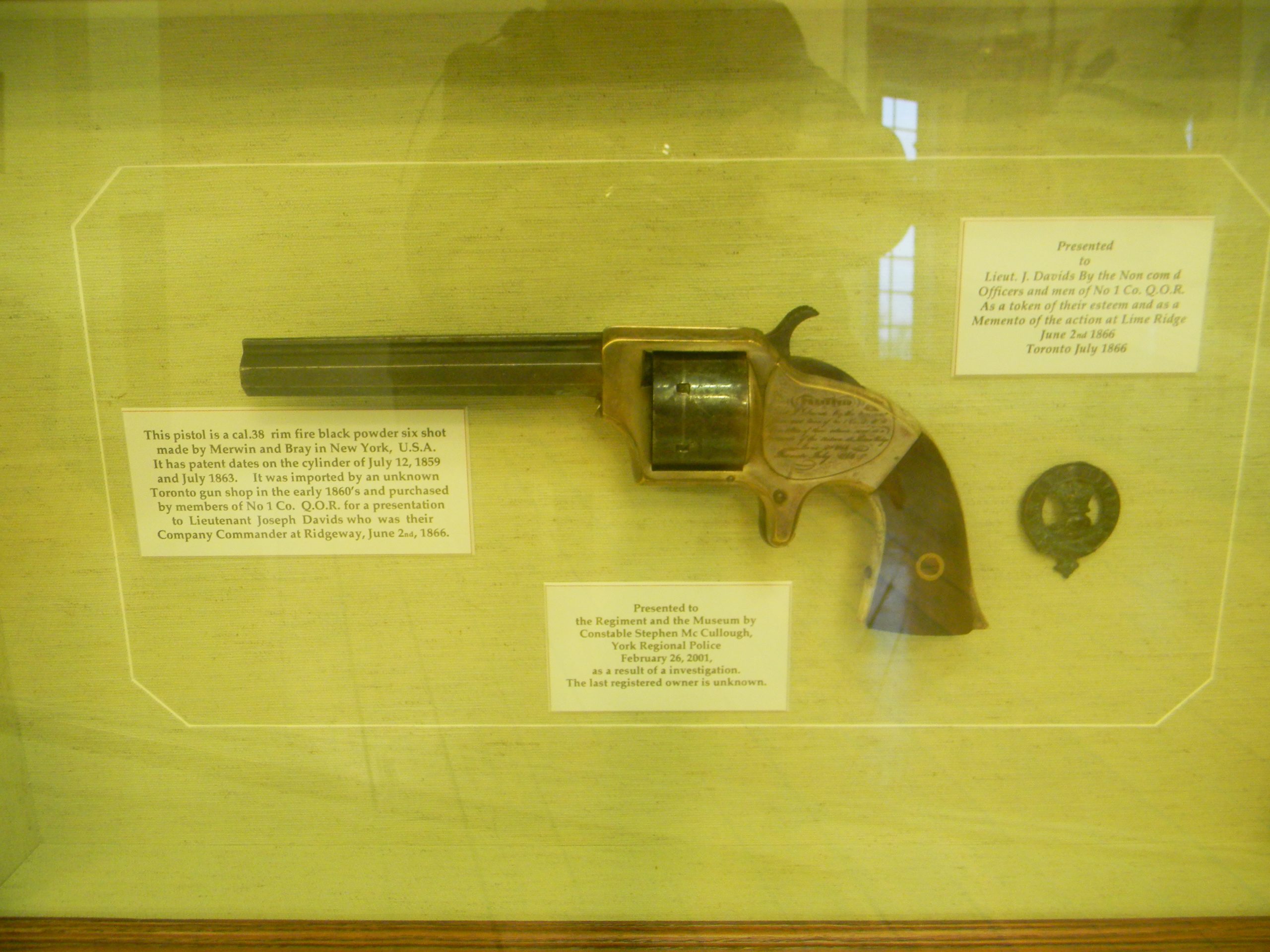
Merwin, Hulbert & Co. revolvers appeared in the late nineteenth century and became known for a mechanism that let the barrel and cylinder assembly move forward for extraction. The company disappeared in the 1890s, leaving a relatively brief production history. Shooters later dismissed these handguns as obscure antiques, but collectors seek them for their unusual engineering, engraved finishes, and variations in caliber and frame size. Original markings and features make them a distinctive alternative to better-known American designs. Their unusual form remains memorable among antique revolver enthusiasts.
4. Webley-Fosbery Automatic Revolver
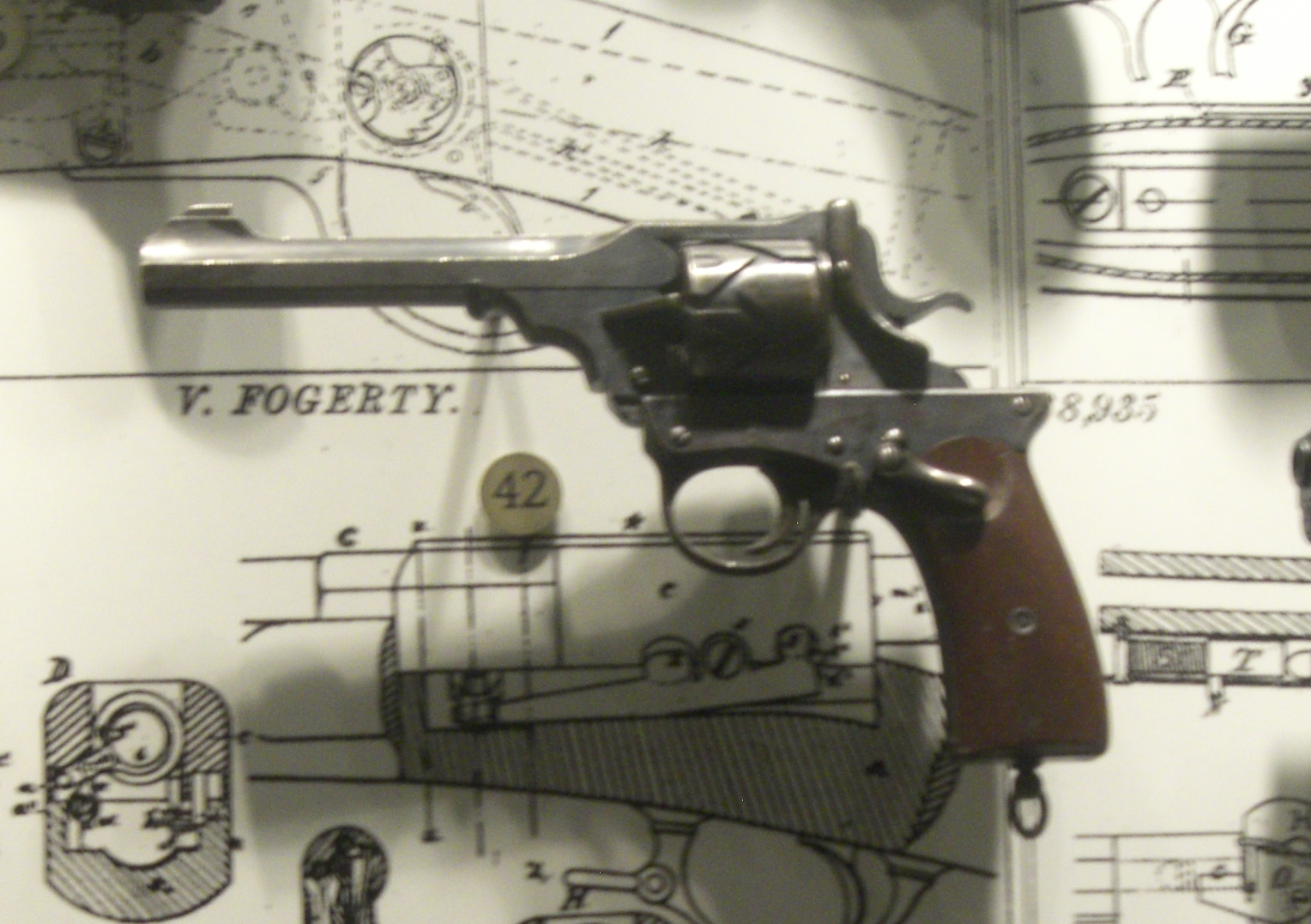
The Webley-Fosbery used recoil energy to rotate its cylinder and cock its hammer. Patented in the late 1890s and introduced commercially around 1901, it appeared in .455 Webley and .38 ACP versions. Its complex mechanism made it expensive and less practical than conventional service revolvers, so many shooters preferred simpler designs. Collectors now prize its unusual engineering, ribbed cylinder, and limited production history. It remains a striking attempt to rethink the revolver, with a mechanism rarely encountered in other handguns of its period.
5. Nagant Model 1895
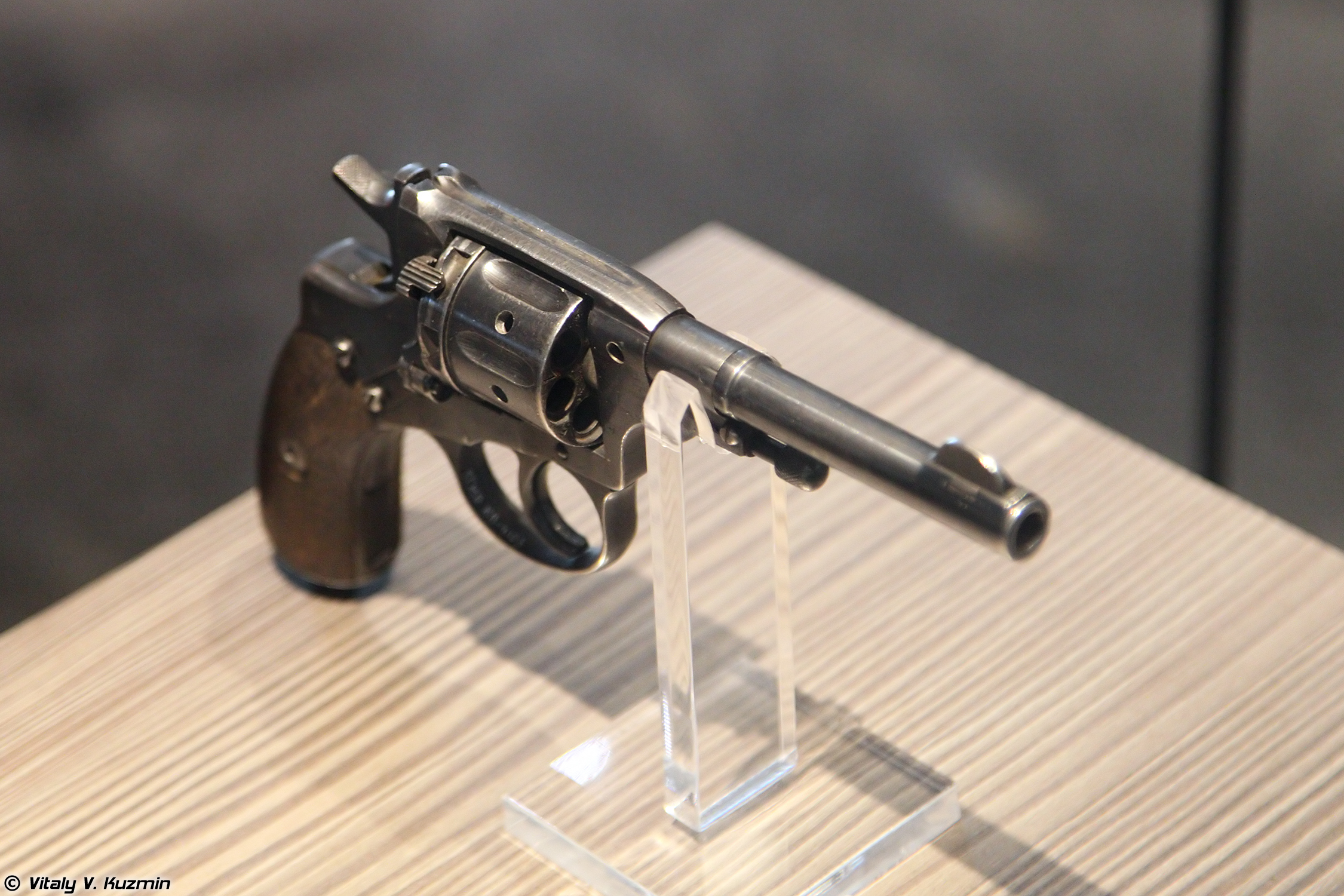
Adopted by the Russian Empire in 1895, the Nagant revolver became closely associated with Russian and Soviet military history. Its seven-shot cylinder and unusual gas-seal system helped close the gap between cylinder and barrel when fired. Manufactured in large numbers, it remained in service for decades. Collectors now value its military markings, arsenal variations, and links to major events of the twentieth century. Examples from different production periods reveal changes in finish and manufacture, making this familiar service handgun a rich historical subject for collectors today.
6. Colt Official Police
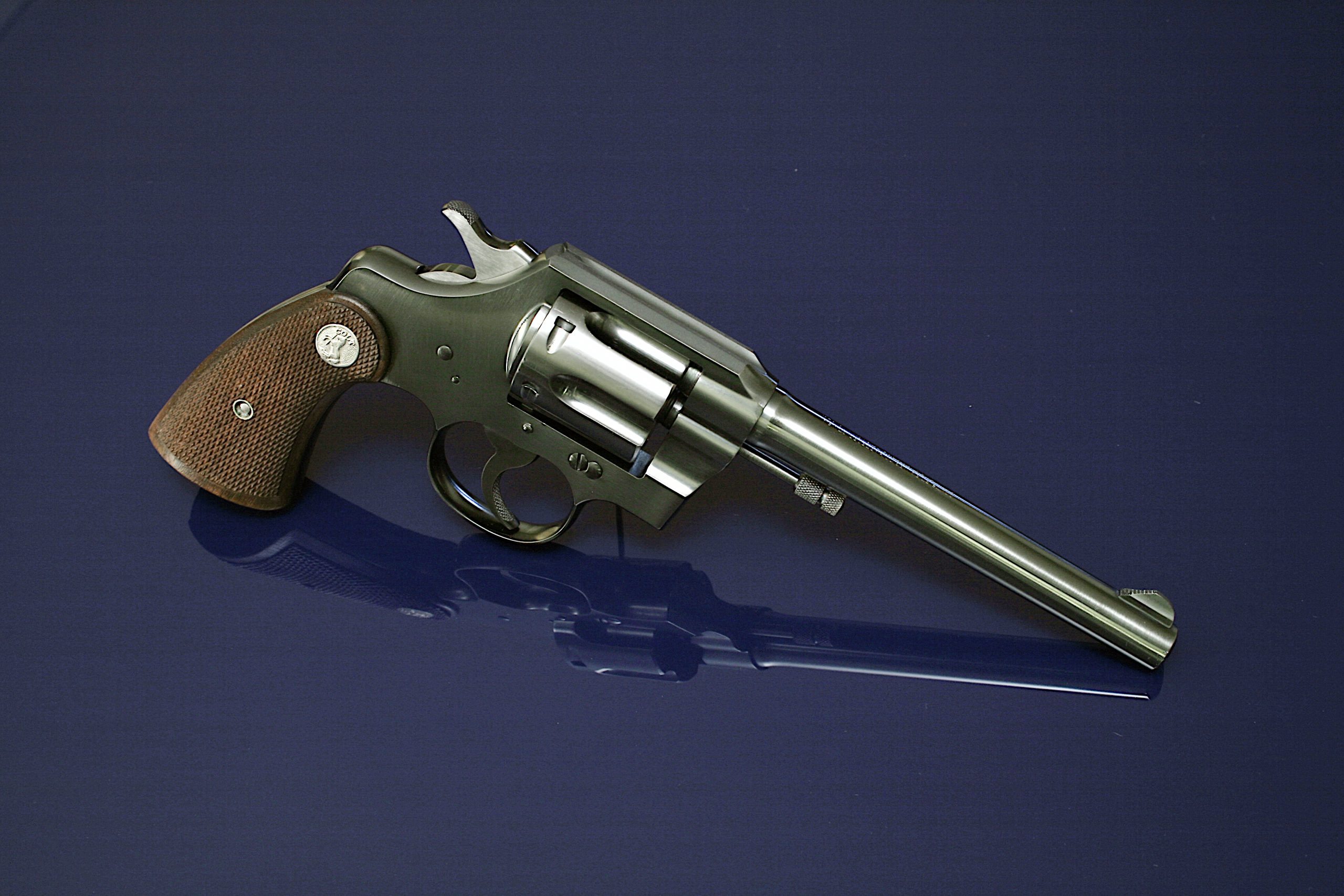
Colt introduced the Official Police in 1927 as a medium-frame double-action revolver chambered in .38 Special. It became a familiar law-enforcement sidearm, valued for its six-shot cylinder and sturdy construction. Because so many were produced and carried, it was often treated as a common working handgun. Collectors now examine early production, markings, original grips, and less common finishes. The model remained in Colt’s catalog until 1969, a 42-year run that reflects changing police preferences and the company’s influence on twentieth-century service revolvers.
7. Smith & Wesson Model 1917
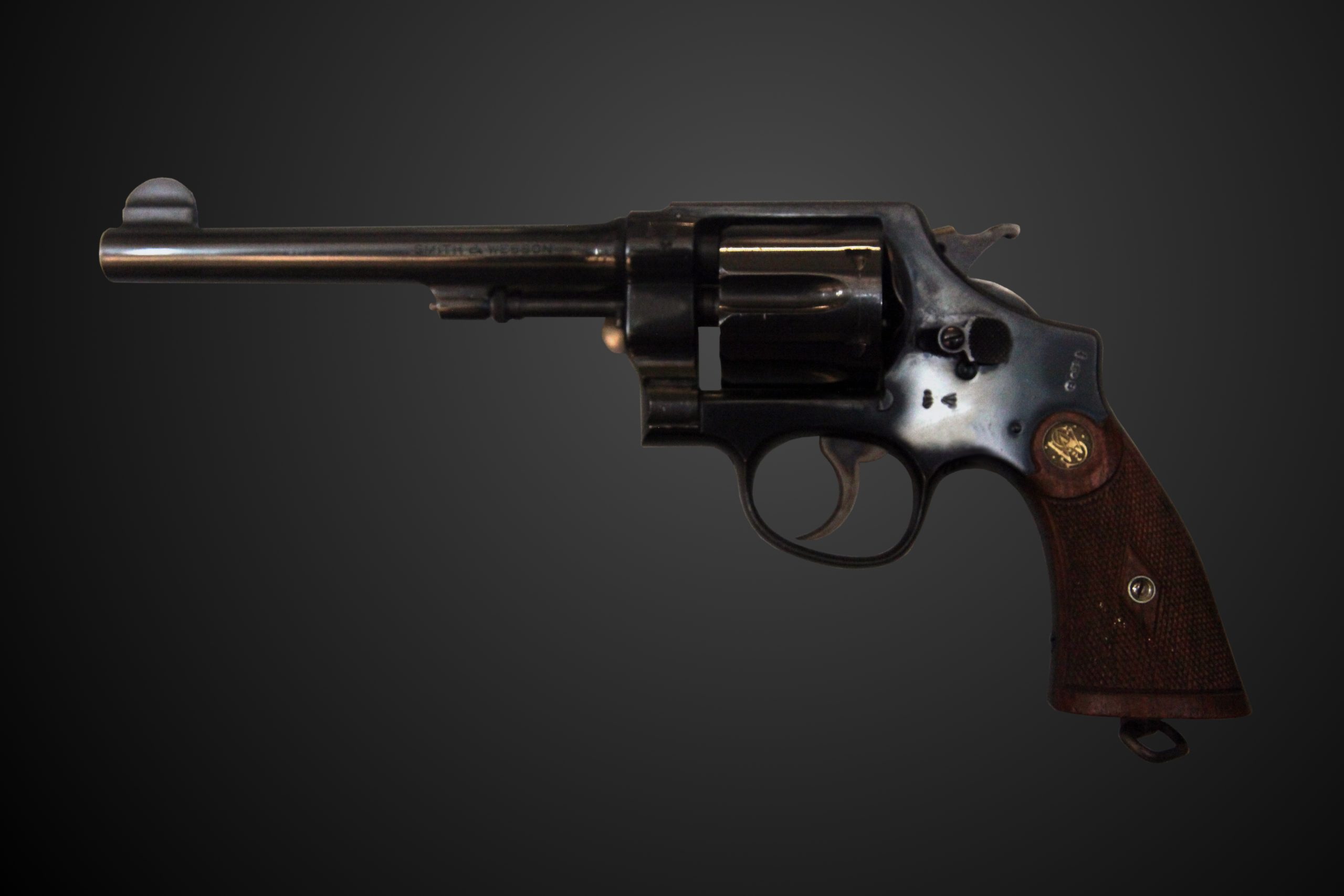
The Smith & Wesson Model 1917 was developed during the First World War. Introduced in 1917, it adapted a large-frame revolver to fire .45 ACP ammunition with half-moon clips. Its six-shot cylinder and military markings connect it directly to the conflict. After the war, surplus examples reached civilian owners and were sometimes dismissed as outdated leftovers. Collectors now appreciate its wartime role, production details, and place in the history of revolvers chambered for automatic-pistol ammunition. Its military connection gives this practical design considerable historical character.
8. Colt Police Positive
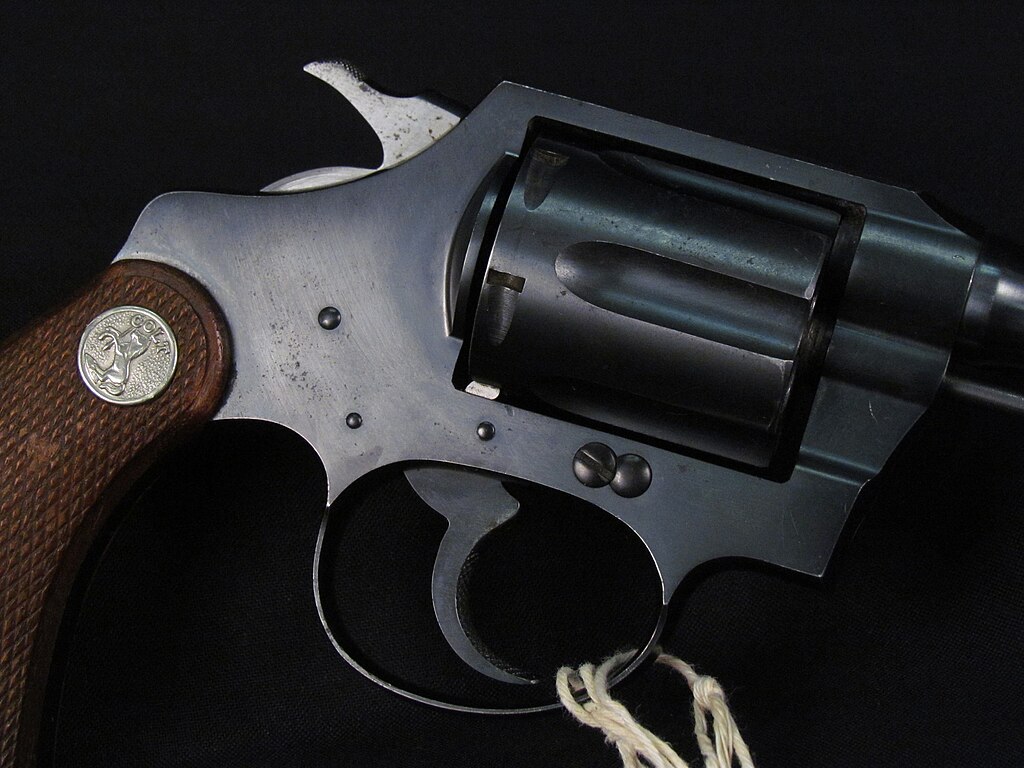
Introduced in 1907, the Colt Police Positive was a compact double-action revolver intended for police use. It came in several chamberings, including .32 and .38 cartridges, and standard versions held six rounds. Its modest size and practical appearance meant it rarely attracted the attention given to larger handguns. Collectors value its variations in barrel length, caliber markings, and finish across a long production life. The Police Positive remained in production until 1947, making it an example of an understated revolver that served generations of owners.
9. Rast & Gasser M1898
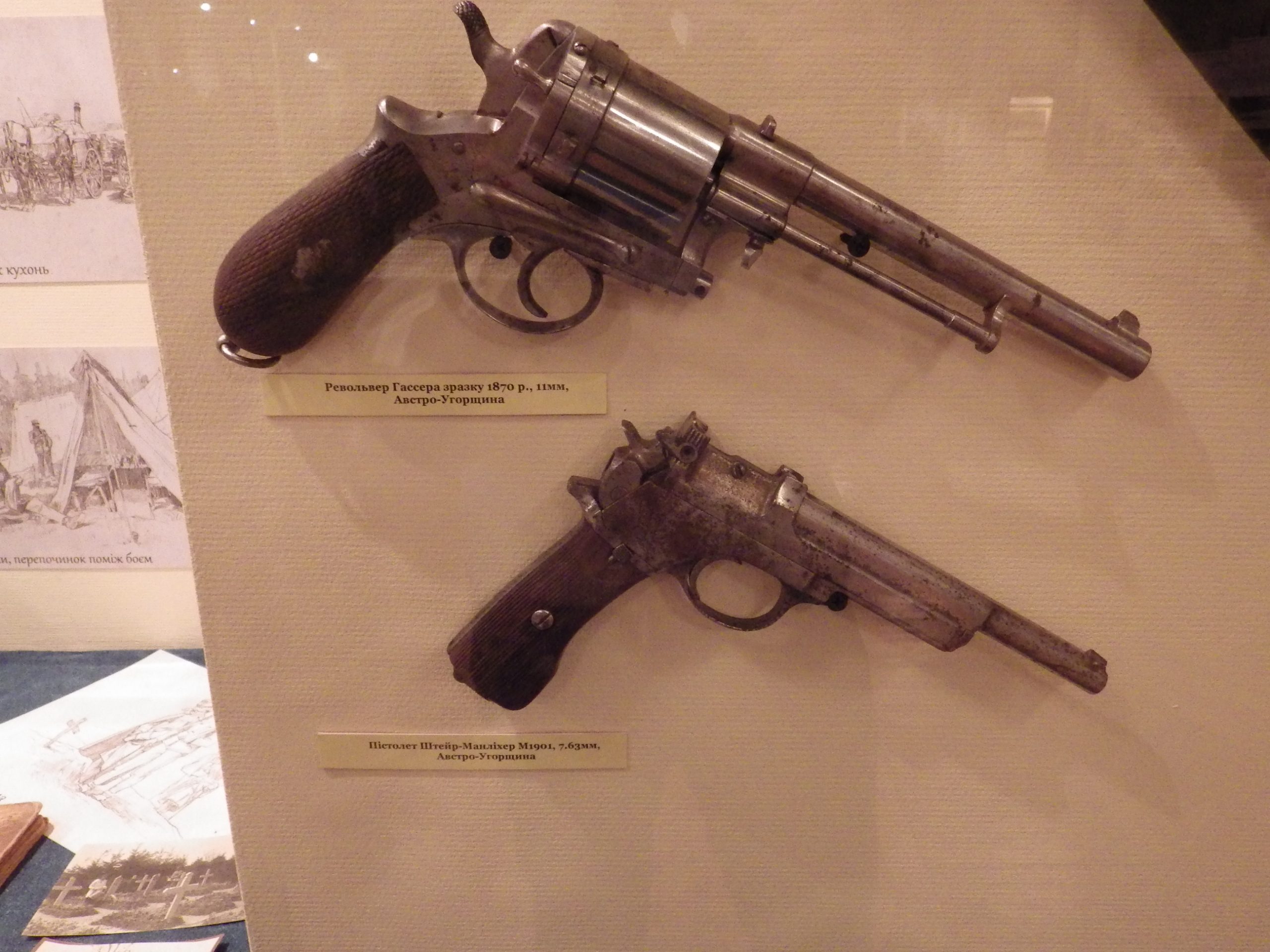
Austria-Hungary adopted the Rast & Gasser M1898 as a military revolver. Chambered in 8 mm Gasser, it used an eight-shot cylinder, a capacity that stood out among contemporary service handguns. Its sturdy construction made it functional rather than fashionable, and it was later overshadowed by self-loading pistols. Collectors seek examples for their Austro-Hungarian markings, historical associations, and distinctive design. The revolver remained in use through the First World War and beyond in some settings, linking it to the final decades of the Habsburg military system.
10. Smith & Wesson Model 16
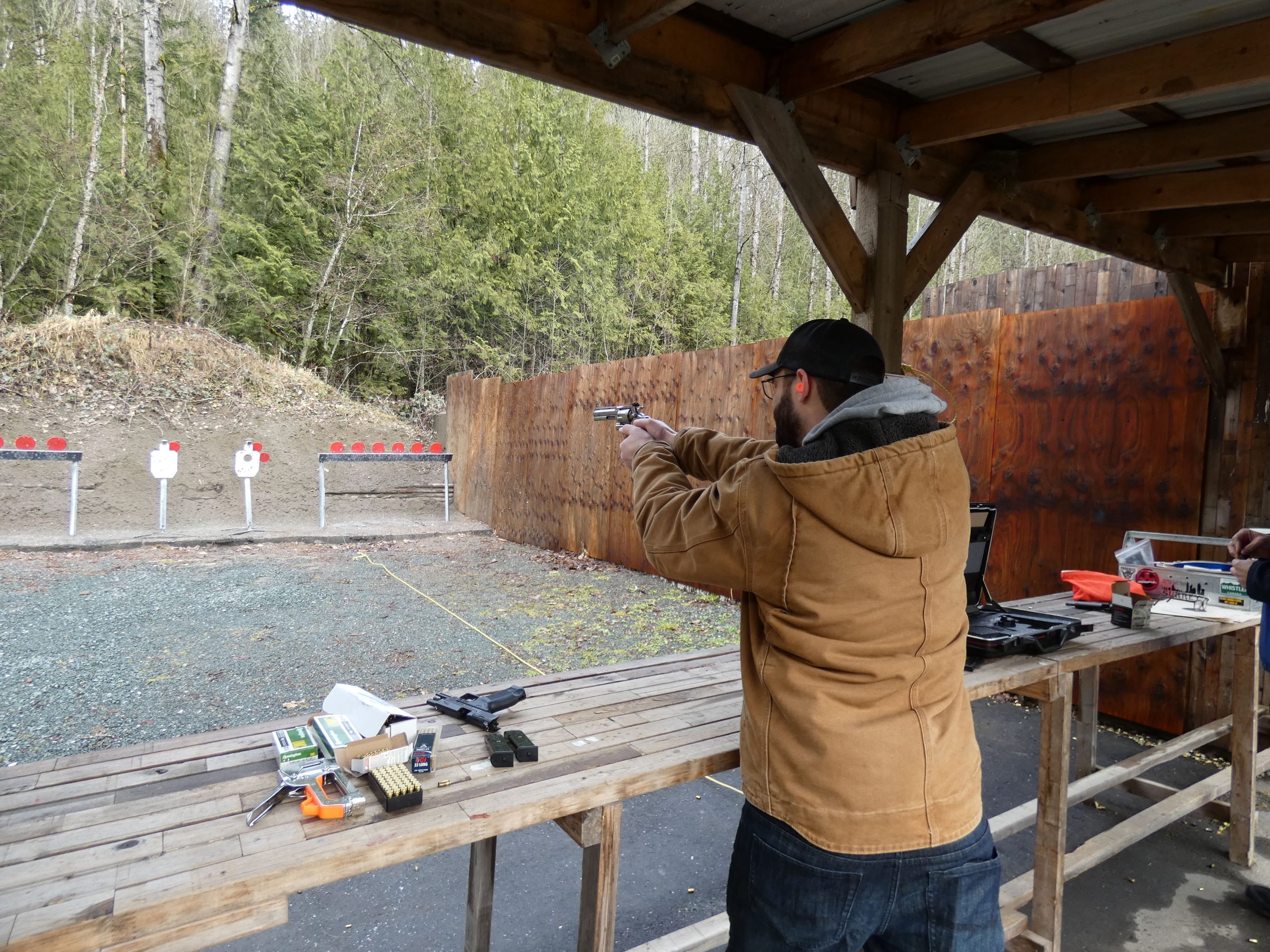
Smith & Wesson’s Model 16 was a six-shot K-frame target revolver chambered in .32 S&W Long. It was overshadowed by better-known .38 Special and .357 Magnum models, and its sporting purpose brought less public attention. Those qualities interest collectors today. Production variations offer useful points of comparison, while original target grips, adjustable sights, and finish condition affect desirability. The Model 16 reflects an era when precision rimmed-cartridge revolvers still had a dedicated following among competitive and recreational shooters.
11. Harrington & Richardson Young America
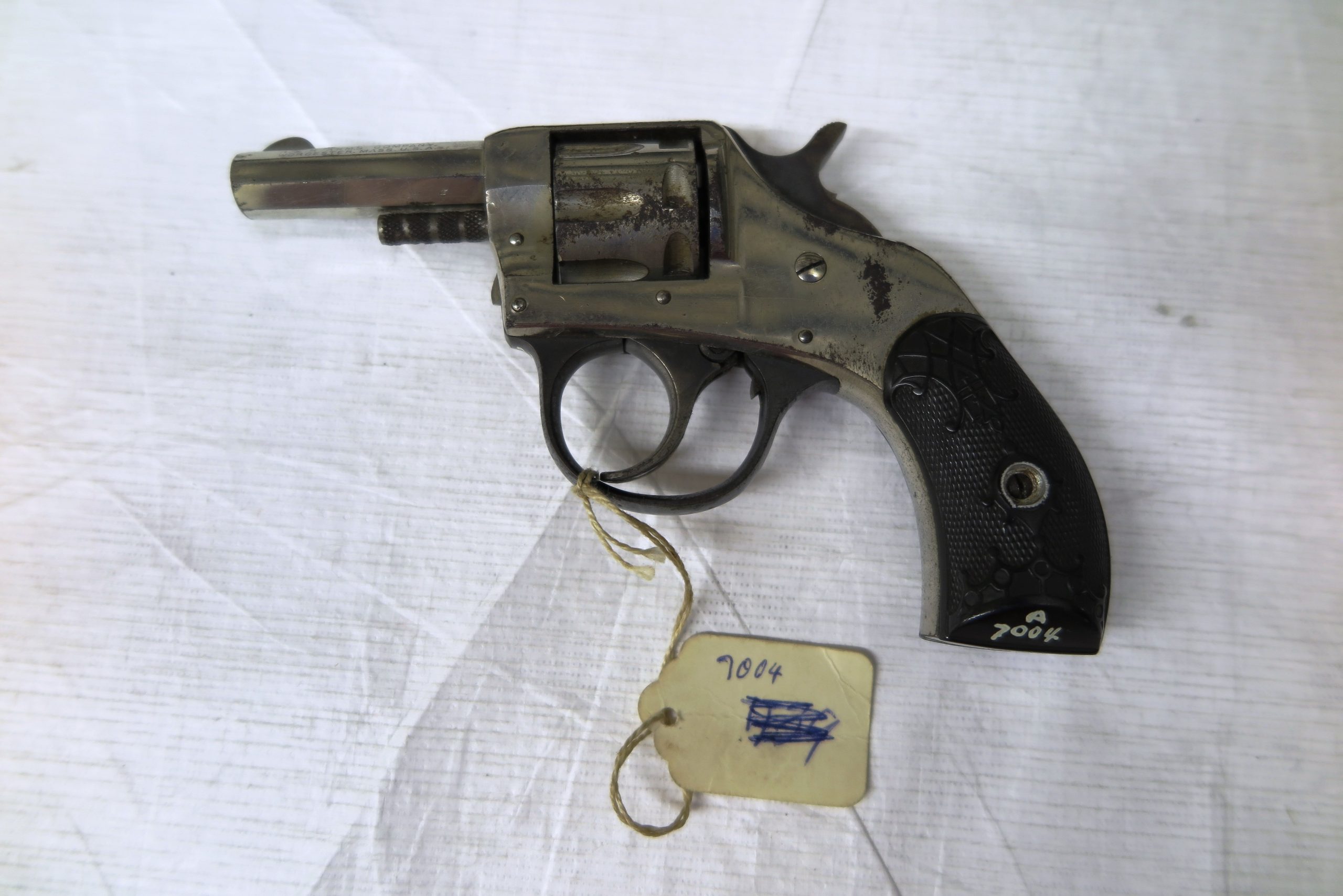
Harrington & Richardson’s Young America revolvers were small pocket handguns produced from the late nineteenth century into the early twentieth century. Typically built around a compact frame and a five-shot cylinder, they were sold as affordable firearms rather than luxury pieces. Their ordinary background is part of their appeal today. Collectors examine markings, barrel lengths, grip materials, and surviving finish to distinguish variations across the series. These revolvers document an affordable pocket-gun market of more than a century ago.