Hunting has plenty of rules already. The problem is that one of the rules we most need is still missing in too many places.
If I could change a single hunting rule tomorrow, I would require every first-year big game hunter to complete at least one season under a structured mentor system before hunting fully solo.
The rule I’d change, plain and simple

Not a new caliber restriction. Not a new tag lottery formula. Not another page of gear definitions. I would create a rule that says any brand-new big game hunter, regardless of age, must hunt their first season with a qualified mentor who is physically present in the field for key hunts or scouting days.
That idea may sound restrictive at first, but hunting has always depended on apprenticeship. The modern problem is that regulation often assumes passing hunter education is enough. Hunter education is essential, and standards from the International Hunter Education Association make clear that hunting laws exist to protect people and property, conserve wildlife, ensure fair chase, and distribute game fairly. But classroom knowledge and field judgment are not the same thing.
A mentoring rule would bridge that gap. It would turn the first season from a lonely trial-and-error exercise into a guided experience where new hunters learn shot discipline, animal identification, recovery, etiquette, and land access habits the right way. In practice, that would likely do more for safety and ethics than many highly debated equipment bans.
Why does this matter more than another equipment debate?

Hunters love arguing about technology. Trail cameras, smart optics, thermal gear, drones, and long-range systems all trigger real concerns about fair chase. The Boone and Crockett Club has repeatedly warned that technology can undermine fair chase when it gives hunters an improper advantage or delivers real-time location data that prompts immediate pursuit. Idaho’s new law limiting certain technologies, including thermal imaging, night vision, drones, and transmitting trail cameras, shows those concerns are not theoretical anymore.
But equipment rules, while important, usually deal with the margins of hunting behavior. Mentorship deals with the center of it. A hunter who learns patience, ethics, and clean-shot standards from a respected mentor is less likely to misuse technology in the first place. A hunter with no mentor can obey every equipment law on the books and still make poor decisions.
That is why I would prioritize people over gear. A mentoring requirement would shape conduct before bad habits harden. It would also reinforce the deeper definition of fair chase as a lawful, ethical, sportsmanlike pursuit that does not give the hunter an improper advantage. That principle is easier to understand when someone experienced shows what it looks like in the field.
Safety is the strongest argument.

The best argument for this rule is safety. According to CDC surveillance, hunting accounts for a small share of unintentional firearm deaths compared with other contexts, but those deaths still happen, and every one of them matters. In the 2022 National Violent Death Reporting System summary, hunting was listed in 11 unintentional firearm deaths, or 2.5% of the cases captured in that dataset. Broader CDC reporting also shows unintentional firearm injuries are preventable, not inevitable.
What reduces risk in the field is rarely just a written rule. It is muzzle control when crossing a fence. It is knowing when not to take a shot at movement. It is recognizing fatigue, buck fever, bad angles, and bad weather. These are judgment calls, and judgment is best transferred person to person.
A mentor requirement would also help with treestand practices, blood trailing after dark, map reading on public land, and communication under stress. Those are not side issues. They are exactly where novice mistakes tend to happen. If states are serious about preventing avoidable accidents, they should stop treating first-season hunters as if a certificate and a license are the same thing as readiness.
It would help keep new hunters in the sport.t
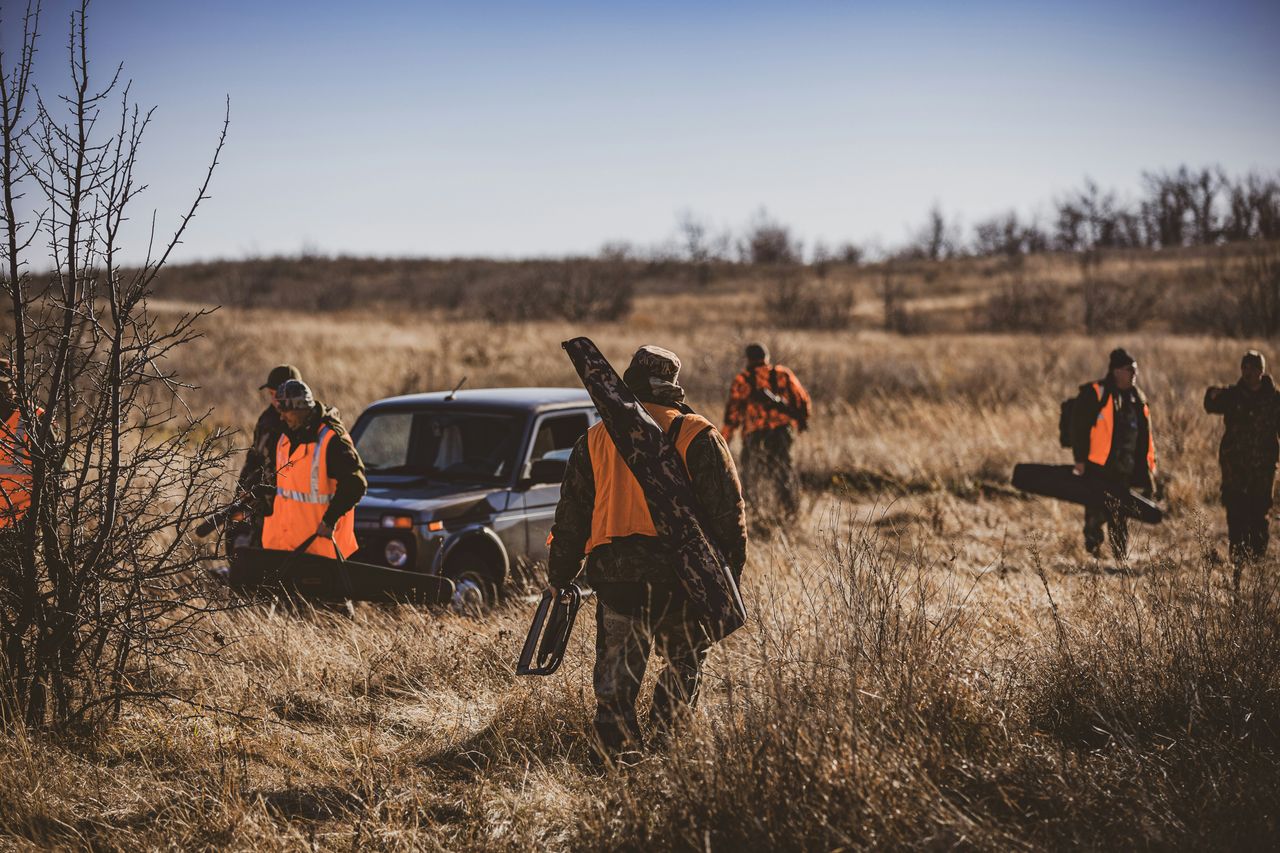
There is another reason this rule matters: hunting needs newcomers who actually stay. The National Shooting Sports Foundation continues to invest in R3, meaning recruitment, retention, and reactivation, because participation does not sustain itself automatically. NSSF also points to mentorship as a practical answer, and its +ONE initiative has reported more than 2.5 million potential mentees since 2018. The organization also cites the U.S. Fish and Wildlife Service’s 2022 survey showing more than 14.4 million hunters in the United States.
That sounds healthy, but participation can still be fragile. NSSF’s research says many interested people lack confidence, guidance, and a clear place to turn for help. The National Deer Association’s Field to Fork effort and similar programs exist for a reason: new hunters are much more likely to continue when someone walks them through the process.
A mandatory first-year mentorship rule would formalize what successful programs already know. People do not quit hunting only because of cost or access. Many quit because the learning curve feels steep, the culture feels closed, and one bad experience in the field can erase early enthusiasm.
Critics would say it is too burdensome, but that misses the point
The obvious objection is access. What if someone has no parent, no hunting buddy, no nearby club, and no easy mentor? That is a fair concern, and any serious proposal would need a practical answer. States could approve certified volunteer mentors through wildlife agencies, conservation groups, and local chapters already doing R3 work.
Another objection is that adults should not need supervision. In one sense, true. In another, hunting is one of the few activities where a legal mistake, safety lapse, or poor shot can injure someone, waste game, or damage public trust in a single moment. We already accept waiting periods, training standards, tag quotas, and weapon restrictions. Requiring field mentorship for one season is mild by comparison.
The key is flexibility without weakness. Mentorship would not have to mean every minute of every hunt. It could mean a required number of mentored field days, a mentored harvest attempt, or sign-off on core competencies such as species ID, shot judgment, recovery, and tagging. The goal is not bureaucracy. The goal is competence. What wouldd the best version of this rule look like
If I were writing the regulation, I would keep it simple. First-year big game hunters would need to register a mentor approved by the state, complete a minimum number of field hours, and log certain basics: preseason scouting, safe firearm or bow handling, species identification, legal shooting hours, shot placement, tracking, recovery, and meat care.
The mentor should not just be an experienced hunter. The mentor should meet a clean record standard, hold a valid license where required, and complete a short online orientation on coaching new hunters. That matters because being skilled and being teachable are not always the same thing. Good mentoring is patient, specific, and calm.
States would also need off-ramps for people with prior military marksmanship, extensive shooting backgrounds, or documented hunting experience in another country. But the presumption should still lean toward guided transition, not instant independence. A clean, modern rule would respect tradition while recognizing that many new hunters now enter the sport without family ties or rural upbringing.
Why this one change would improve hunting culture fast
The strongest reason to make this change is cultural. Hunting’s future does not depend only on deer numbers, tag allocations, or gear innovation. It depends on whether the next wave of hunters learns to see the activity as disciplined, ethical, conservation-minded, and worth doing well.
A first-year mentorship rule would quietly improve all of that. It would create better ambassadors in camp, fewer sloppy shots, stronger recovery habits, and more respect for landowners, public land users, and the animals themselves. It would also answer a problem many agencies and organizations already recognize: interest is there, but guidance often is not.
So if you ask me what one hunting rule I would change tomorrow, that is the answer. Not because it is flashy, and not because it would end every debate, but because it would make hunting safer, fairer, and more durable from day one. Some rules control behavior after a mistake. This one could prevent the mistake in the first place.