Constitutional carry laws kept evolving in 2026, with several states revising where, how, and under what conditions residents can carry handguns without a permit. For gun owners, the practical impact is often less about headlines and more about daily routines, from car storage to signage rules to age requirements. This gallery breaks down 10 states that changed their laws and explains what those updates could mean on an ordinary day.
South Carolina expands permitless carry rules

South Carolina’s 2026 updates built on its recent shift to permitless carry, with lawmakers refining training language, signage standards, and where carrying is still restricted. For many residents, the biggest change is not whether they can carry, but how clearly the rules now define public spaces and private property.
In daily life, that means paying more attention at the door than in the holster aisle. Business signage, event security, and rules for storing a firearm in a vehicle can shape an ordinary trip to lunch, work, or church. Residents who once relied on a permit handbook are now expected to know the fine print themselves.
Louisiana rewrites practical carry expectations

Louisiana’s 2026 changes sharpened the day-to-day boundaries around constitutional carry, especially for younger adults and for people moving between public spaces, vehicles, and private businesses. The broad principle stayed familiar, but the details became more important than ever.
For residents, the adjustment is mostly about routine judgment. A quick stop at a gas station, a visit to a festival, or storing a firearm while running errands can all raise different legal questions. The law may feel simpler on paper, yet daily carry still depends on understanding prohibited locations, police interactions, and property rights.
Alabama clarifies restrictions after earlier permitless carry
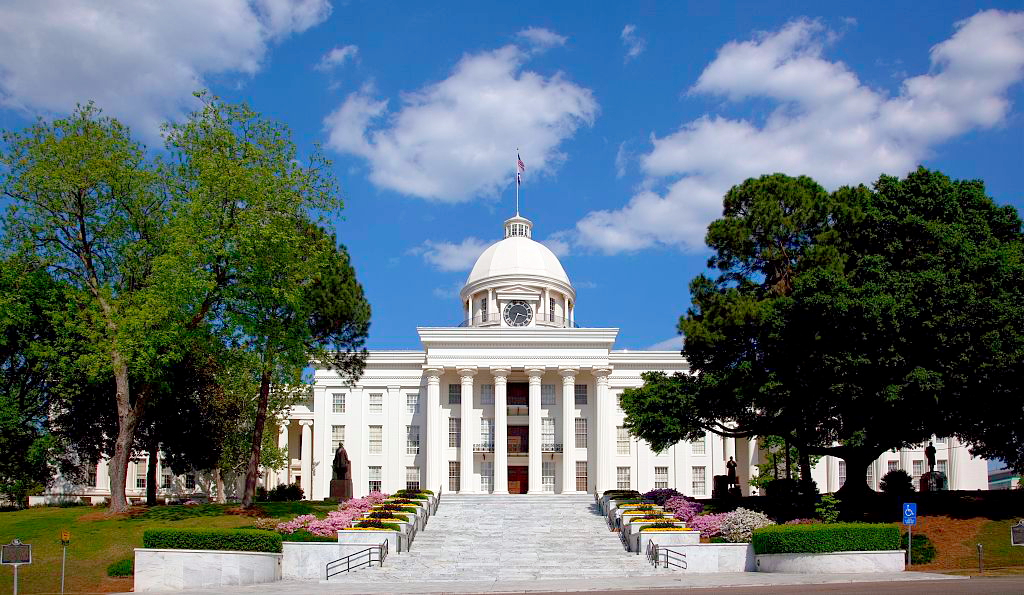
Alabama already allowed permitless carry, but 2026 brought clarifications that matter to people who carry every day. Lawmakers and state officials focused on how existing rules apply in sensitive places, during traffic stops, and when private property owners want to limit firearms on site.
That leaves residents with a familiar freedom and a slightly more demanding checklist. Carrying to the grocery store may be straightforward, while stepping into a posted building or leaving a firearm in a car at work can be less obvious. The practical message is simple: permitless does not mean ruleless, especially when local routines cross into restricted spaces.
Arkansas tightens definitions around lawful possession

Arkansas used 2026 to clean up definitions tied to lawful carry, possession, and the places where even constitutional carry can run into limits. These kinds of revisions rarely make dramatic headlines, but they can reshape how confidently residents interpret what is allowed.
On an ordinary day, clearer definitions can reduce guesswork while also exposing mistakes people did not realize they were making. Someone carrying while traveling between home, work, and a family event may now need to think more carefully about school zones, public buildings, and firearm storage. The daily effect is less drama and more legal precision.
Georgia adjusts carrying rules in public places

Georgia’s 2026 changes focused on how constitutional carry interacts with public venues, posted restrictions, and the rights of private property owners. The state remains permissive overall, but the latest revisions highlight a familiar truth: where you carry often matters more than whether you carry.
For residents, that can change the flow of a normal weekend. A restaurant stop, sports event, or family outing may require more attention to entry policies and building rules than before. In practice, people who carry daily are being nudged toward planning ahead, not just strapping on a holster and assuming every stop on the map is treated the same.
Florida revises location-based restrictions and notice rules

Florida kept its permitless carry framework in place in 2026 but revised parts of the law tied to restricted places, notice requirements, and enforcement language. That kind of update may sound technical, yet it can make a real difference for anyone carrying through a busy day of errands.
In practical terms, residents may need to be more alert about where a firearm can remain on their person and where it must be secured before entering. Office buildings, school-adjacent areas, and certain public events can quickly complicate what feels like a routine outing. The result is a daily carry culture that depends heavily on situational awareness.
Mississippi updates how carry rights meet private property rules
Mississippi’s 2026 revisions centered on the meeting point between constitutional carry and private property rights. Residents can still carry broadly, but business owners, employers, and venue operators now have clearer lanes for setting limits, especially through signage and access policies.
That matters because most daily carry does not happen in abstract constitutional spaces. It happens at pharmacies, offices, parking lots, and family gatherings in rented venues. A person may be fully lawful while driving across town and suddenly out of bounds at the next stop if a property rule is posted or enforced differently. Everyday carry now requires reading the room as much as reading the statute.
Tennessee refines carry boundaries for common destinations

Tennessee spent 2026 refining how constitutional carry applies in places residents visit all the time, including parks, public facilities, and entertainment venues. The changes did not erase the state’s broad carry rights, but they added definition around the exceptions that can trip people up.
For many gun owners, this means more pre-trip thinking and fewer assumptions. A day that includes a child pickup, an outdoor event, and a stop at a government office may now involve different legal rules at each location. Daily carry becomes less about one statewide principle and more about moving carefully through a patchwork of common destinations.
Texas sharpens enforcement language around permitless carry
Texas remained one of the most closely watched constitutional carry states in 2026, especially as lawmakers and courts revisited enforcement language and practical compliance questions. The right to carry stayed broad, but the legal wording around notice, prohibited places, and police encounters became more central.
For residents, the shift is mostly about reducing bad assumptions. Carrying into a posted property, driving with a firearm during a stop, or entering a place that serves alcohol can all carry different consequences depending on the exact circumstances. In a state known for a strong gun culture, the newest message is surprisingly procedural: know the rules before the routine begins.
Oklahoma fine-tunes everyday carry limits and exemptions

Oklahoma’s 2026 law changes focused on the edges of constitutional carry, including exemptions, restricted areas, and how the rules apply to different categories of residents. These are the kinds of revisions that may seem narrow, but they can influence thousands of ordinary decisions.
A person heading to work, dropping off a child, or attending a public meeting may now need to think more carefully about whether a stop falls under a standard rule or an exception. The broad right to carry remains, yet daily life still runs through regulated spaces. Oklahoma’s update underscores a larger pattern in 2026: constitutional carry is simple in theory and highly specific in practice.