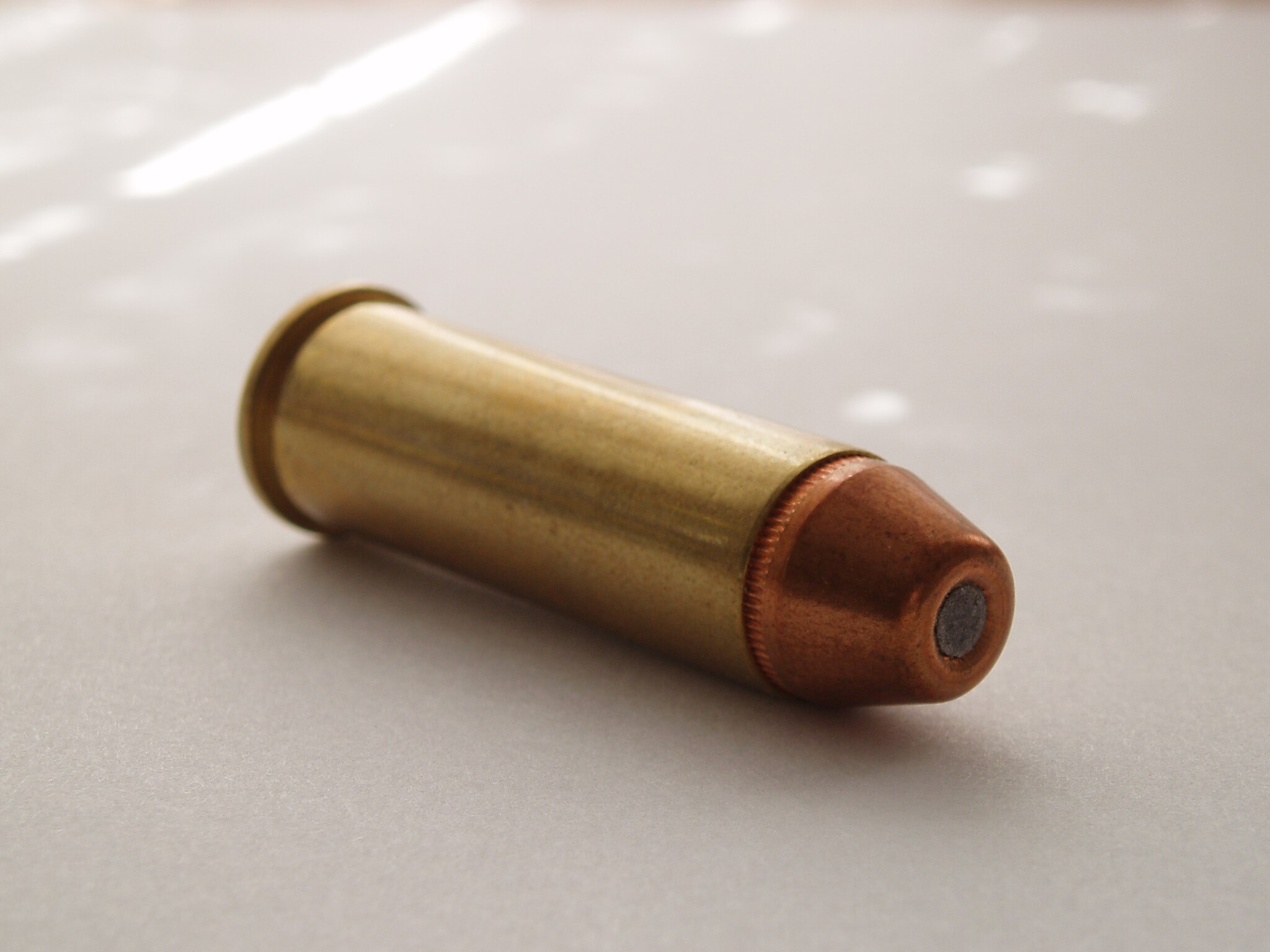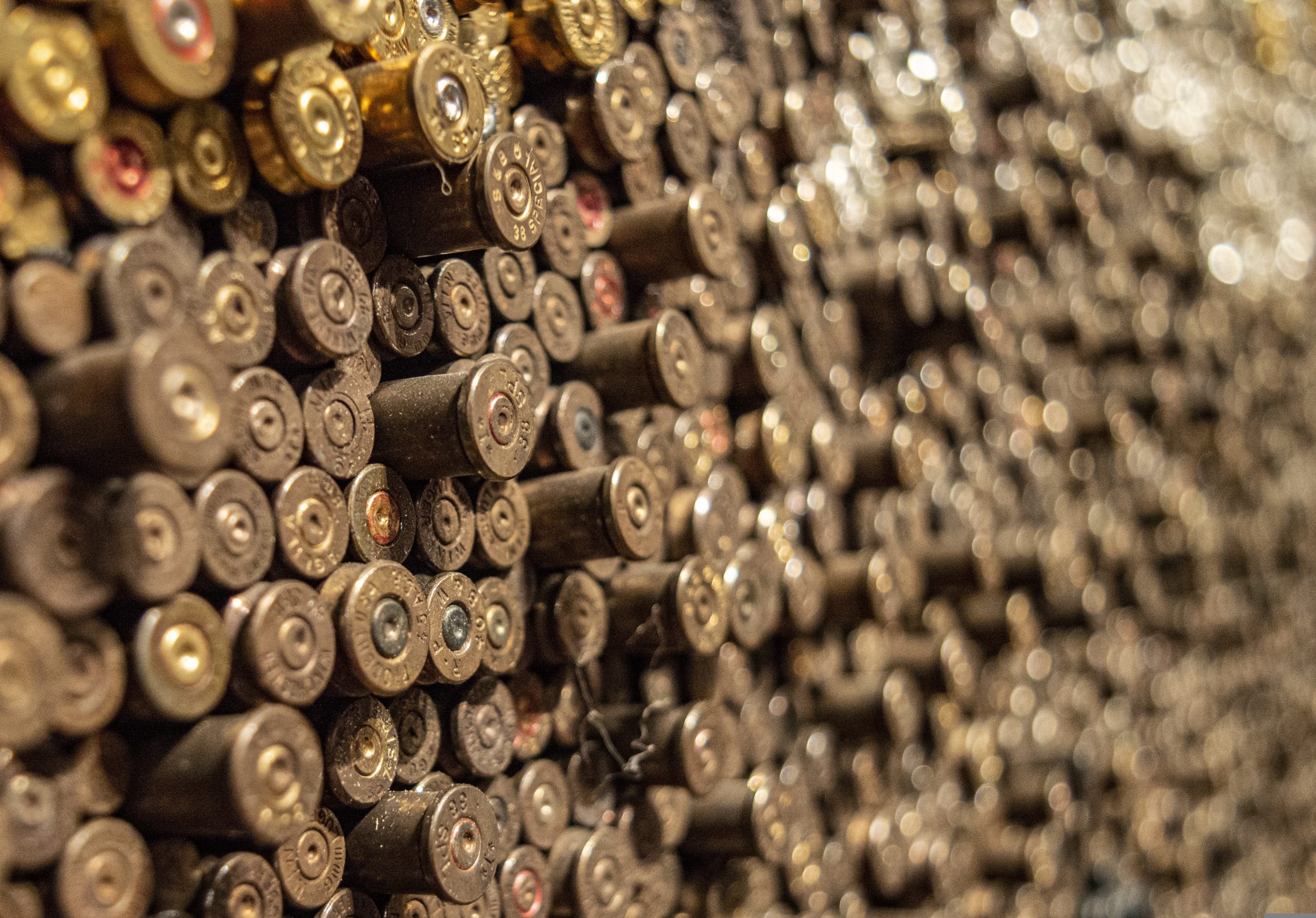
Some cartridges survive because militaries adopt them, manufacturers promote them, or hunters rely on them for generations. Others find a second life through a group of shooters that their original designers may never have expected to become their strongest supporters. Competitive target shooters, handgun enthusiasts, cowboy-action competitors, and varmint hunters have all helped keep particular chamberings relevant long after their original markets changed. Their demand can encourage ammunition production, inspire new firearm designs, and preserve specialist knowledge. These 10 calibers illustrate how dedicated shooting communities can influence the commercial fortunes of cartridges across decades.
1. .45 Colt: Cowboy-Action Shooters

The .45 Colt arrived in 1873 for the Colt Single Action Army, but its later popularity owed much to cowboy-action shooting. This sport, which grew during the 1980s, asks competitors to use period-style firearms in timed stages. That demand encouraged manufacturers to keep revolvers and rifles chambered for the old cartridge in production. Modern loads vary widely, and ammunition suitable for one firearm may not be safe in another, especially older revolvers. Its second life shows how a niche sport can preserve a cartridge long after its original service role ends.
2. .44-40 Winchester: Western-Shooting Competitors
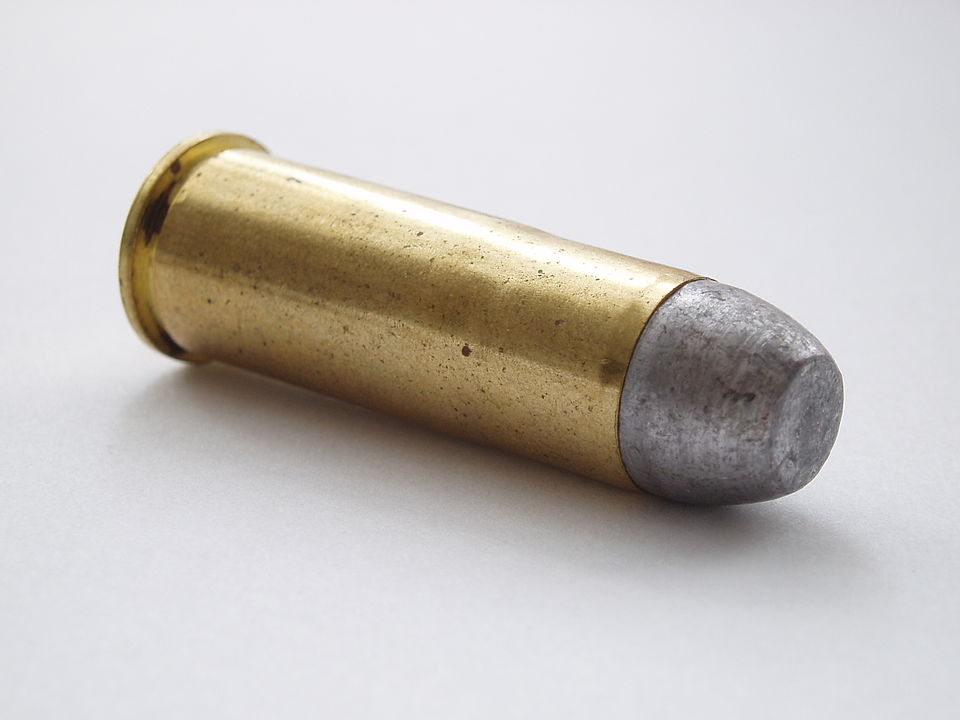
Introduced in 1873 for the Winchester Model 1873, the .44-40 became a classic rifle-and-revolver cartridge in the American West. Its modern audience includes cowboy-action competitors who value historically styled firearms and the convenience of one chambering across compatible guns. That niche helps sustain brass, ammunition, and reproduction firearms. The cartridge’s thin case neck can be damaged during reloading, so careful handling matters. Organized competition gives shooters a practical reason to keep this 150-year-old design in regular use.
3. .38-40 Winchester: Cowboy-Action Shooters
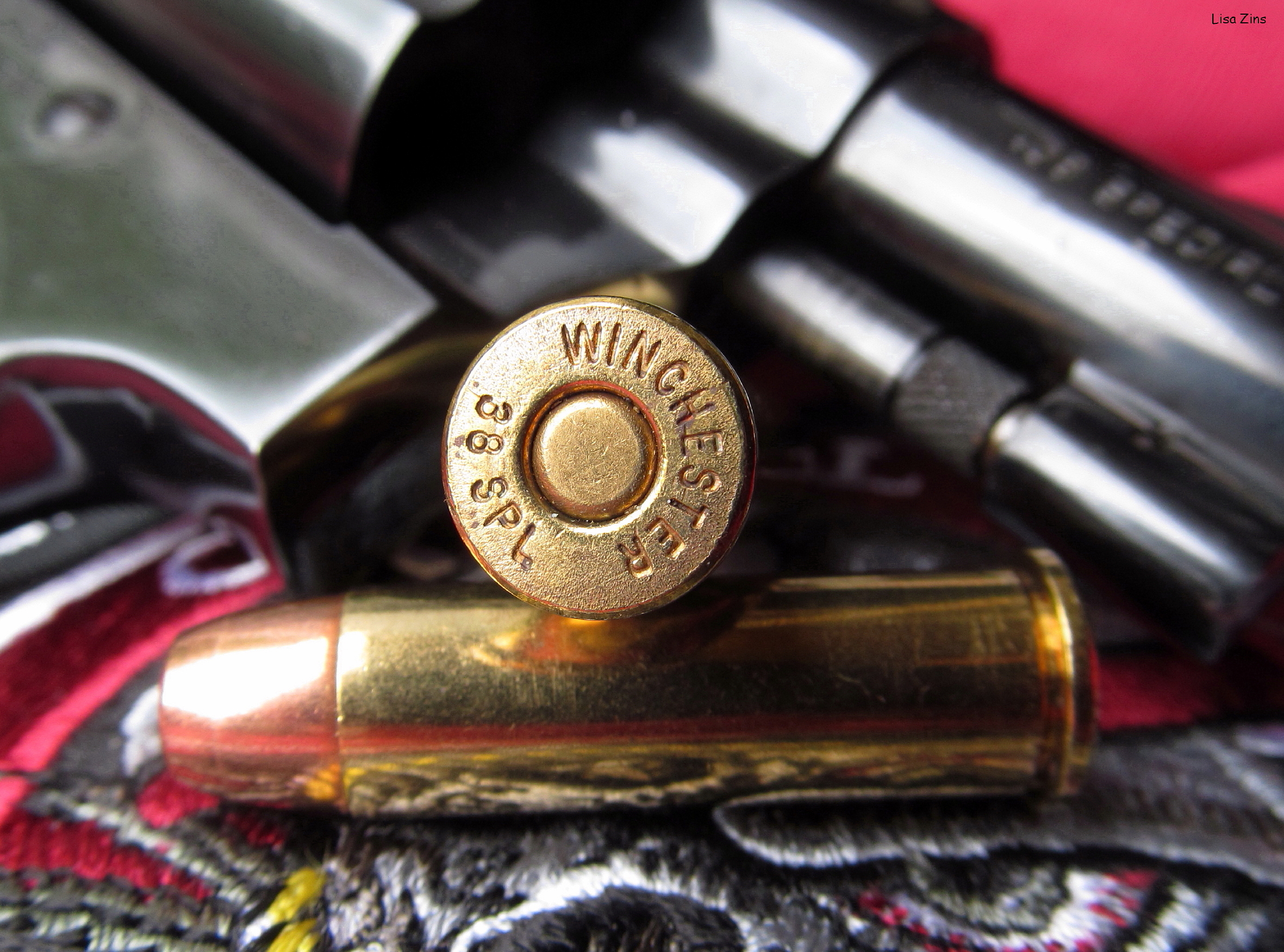
The .38-40 Winchester debuted in 1874, despite its name describing a .40-caliber bullet rather than a true .38. It gained a modern foothold through cowboy-action shooters who favor late-19th-century revolvers and lever-action rifles. Reproduction firearms and specialist ammunition keep the chambering visible even though it is far less common than mainstream modern cartridges. Its narrow market can mean fewer choices on store shelves, making supply from dedicated makers important. The sport preserves knowledge of a cartridge that might otherwise be a collector’s curiosity.
4. .32-20 Winchester: Traditional Shooters
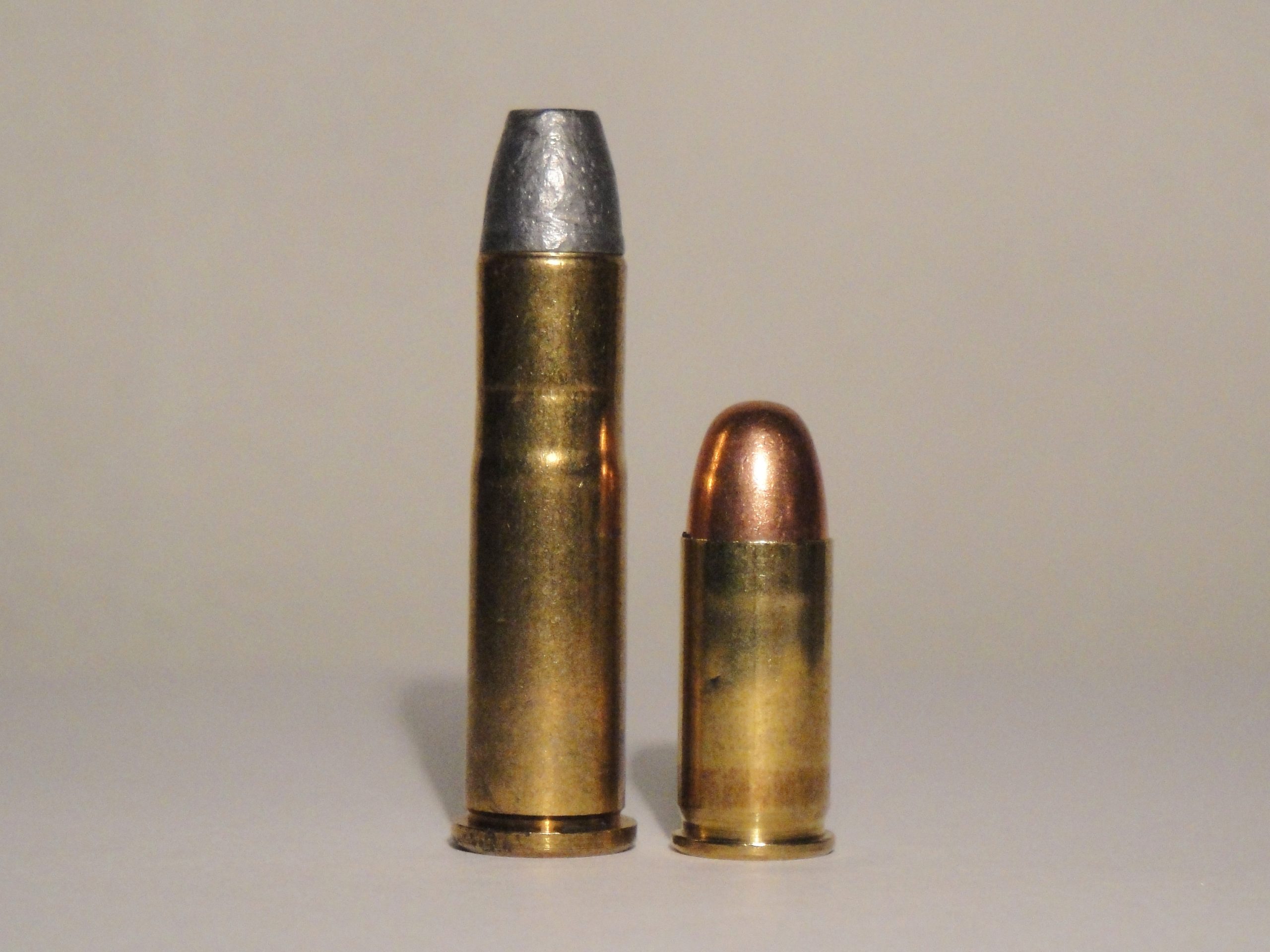
Released in 1882, the .32-20 Winchester began as a small-game and varmint cartridge and later appeared in both rifles and revolvers. Today, traditional-shooting enthusiasts and cowboy-action competitors help maintain interest in period-style firearms. Its mild recoil and modest report can appeal to experienced shooters seeking an older design rather than a high-powered option. Ammunition availability is more limited than for common modern rounds, and old firearms require careful assessment before use. Its survival reflects demand from people who enjoy classic guns as working sporting arms.
5. .38 Special: Revolver Competitors
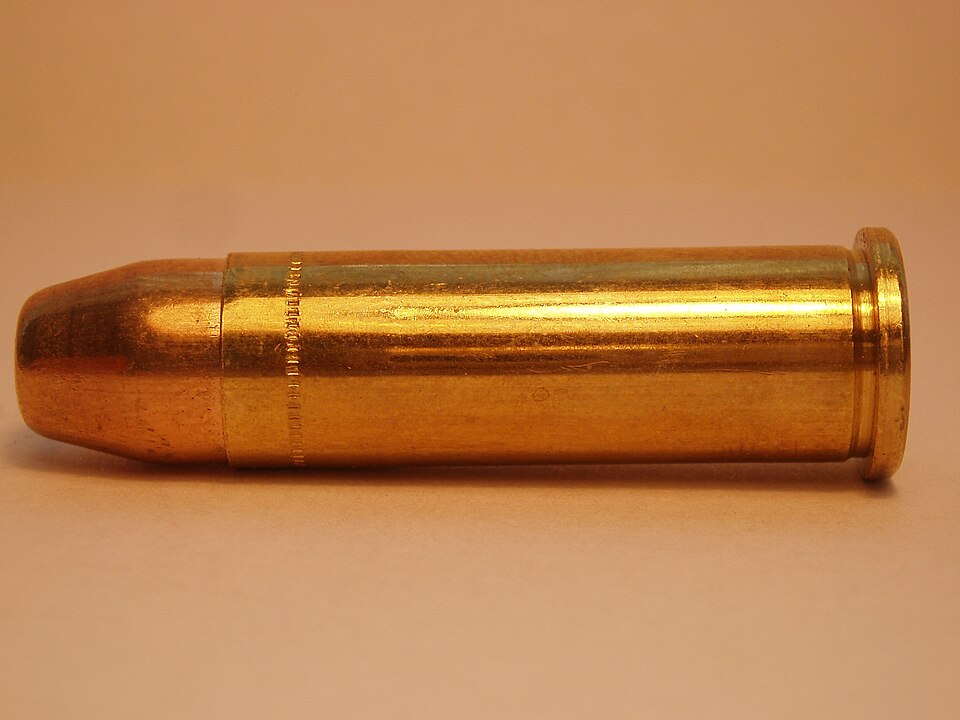
Introduced in 1898, the .38 Special has remained useful partly because revolver competitors continue to shoot it in practical and precision events. Its manageable recoil, long service history, and broad range of factory loads make it adaptable to different sporting needs. Competitive demand also supports revolvers, brass, and reloading components. Although often overshadowed by newer cartridges, its continued presence in clubs and matches helps keep it commercially relevant. Shooters must match ammunition to the firearm and competition rules; not every load suits every revolver or event.
6. .41 Remington Magnum: Handgun Hunters

Introduced in 1964, the .41 Remington Magnum was intended to bridge the gap between the .357 and .44 Magnums. It never achieved the broad market its supporters hoped for, but handgun hunters and metallic-silhouette shooters helped keep it from disappearing. Its power and recoil sit between those familiar neighbors in many loadings, although actual performance depends on bullet and barrel. Production has been intermittent across firearm makers, so the cartridge remains a specialist choice. Dedicated users preserve demand for revolvers and ammunition that a mass market alone might not sustain.
7. 10mm Auto: Backcountry Shooters
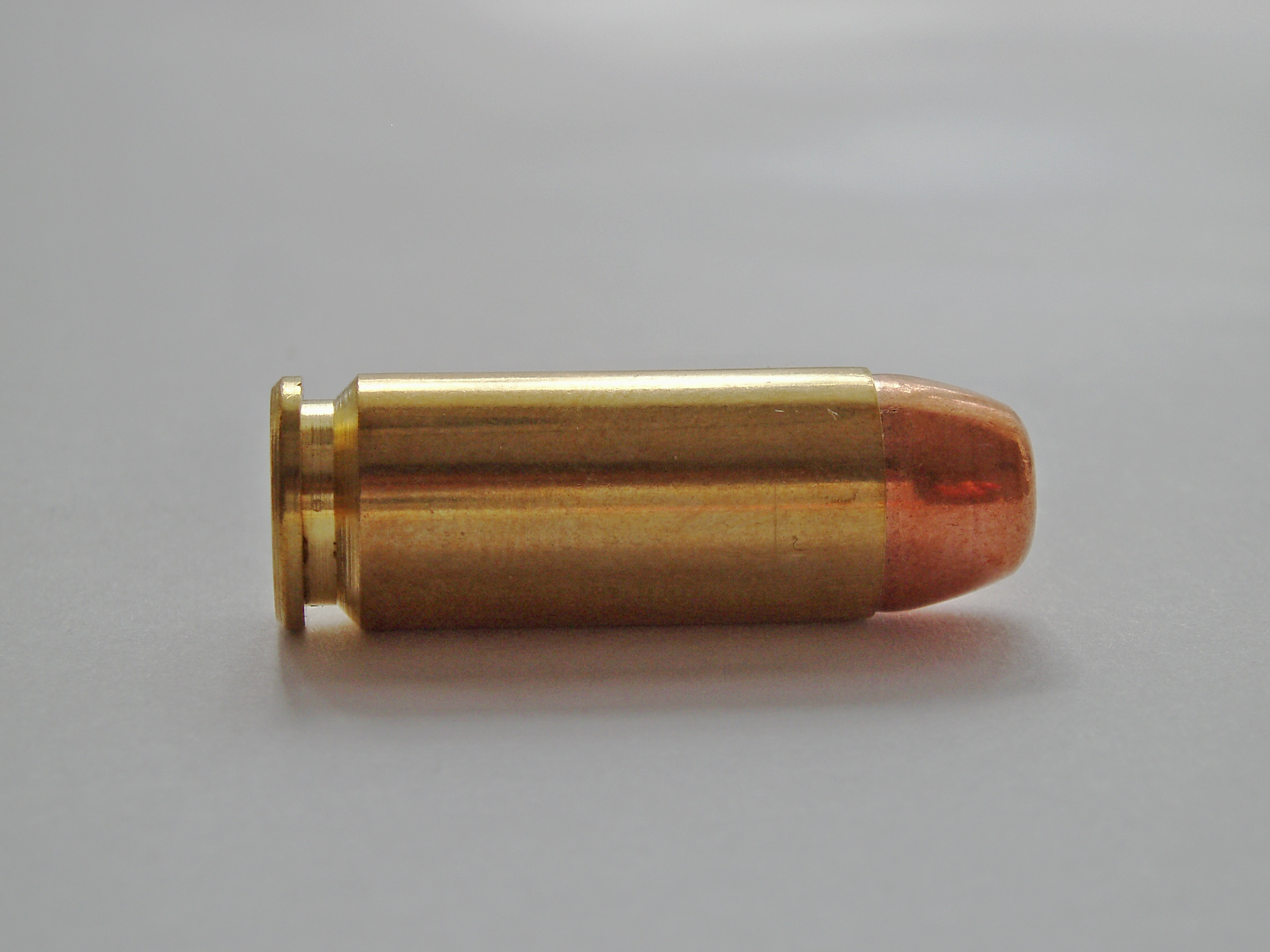
The 10mm Auto was introduced in 1983 and gained attention through the FBI’s brief adoption in the late 1980s. After the Bureau moved toward shorter-recoil .40-caliber pistols, the cartridge found support among handgun enthusiasts and people wanting a powerful semi-automatic option for backcountry use. Its loads range from softer practice ammunition to full-power hunting offerings, so the label alone does not describe performance. Renewed interest in outdoor handguns encouraged modern pistol choices, helping the 10mm remain a commercial cartridge rather than a historical footnote.
8. .22 Hornet: Varmint Shooters
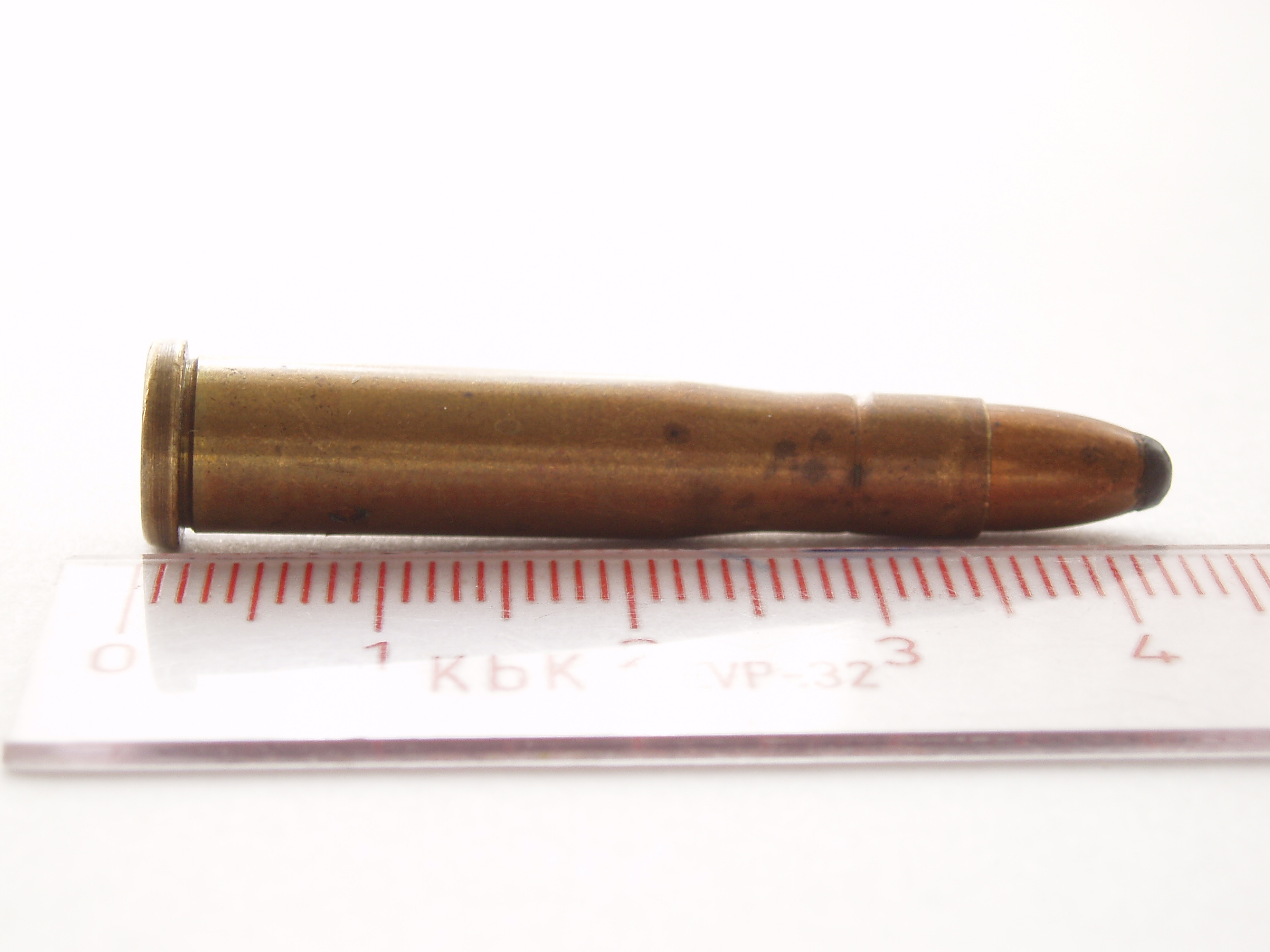
Introduced commercially in the 1930s, the .22 Hornet earned a following among varmint hunters who wanted a compact centerfire cartridge with less noise and recoil than many larger options. Modern high-velocity rounds later stole some of its spotlight, yet small-game hunters and traditional rifle enthusiasts kept demand alive. Its case capacity remains appealing for suitable field use, though wind and range still affect small bullets. Ammunition choices can be narrower than for mainstream .223 rifles. Its survival shows how a dedicated niche can sustain a cartridge as technology moves on.
9. .25-20 Winchester: Traditional Small-Game Shooters
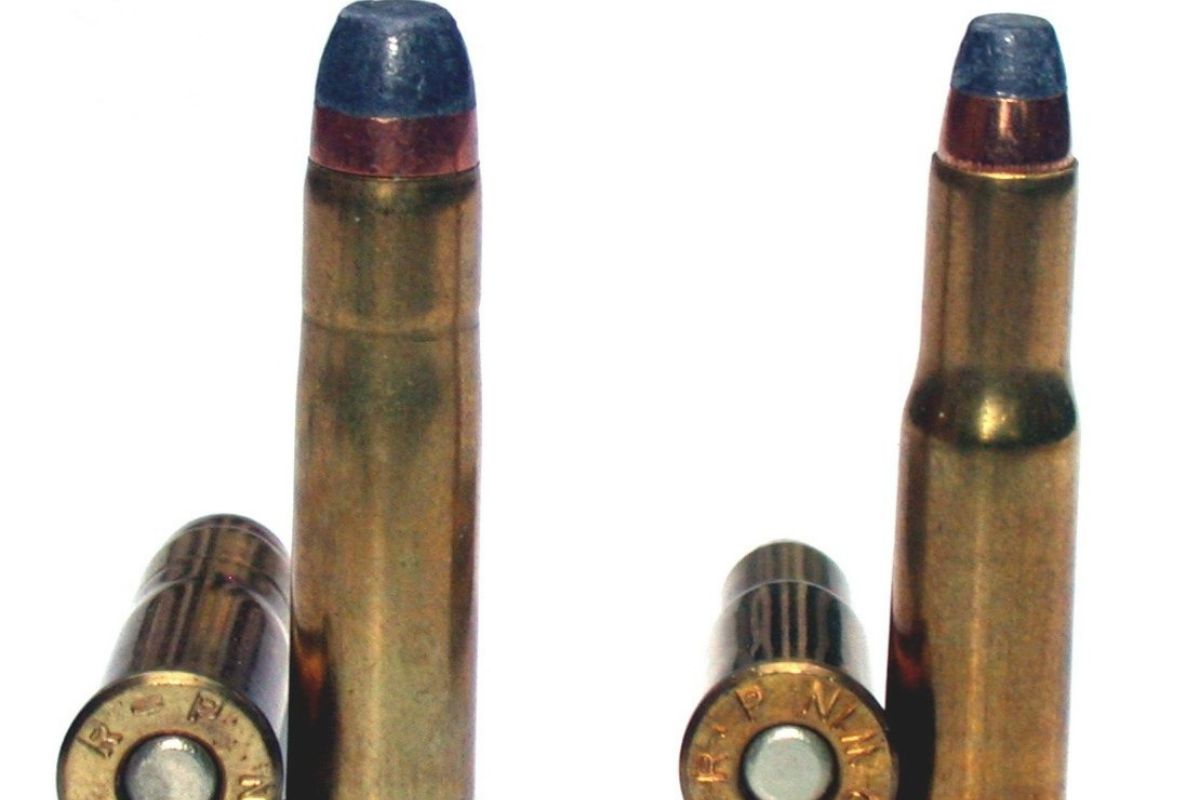
The .25-20 Winchester emerged in the late 19th century and became known for small-game hunting and light sporting rifles. As more powerful cartridges took over the market, its role narrowed, but collectors and traditional small-game shooters continued to value rifles chambered for it. That interest helps preserve specialist ammunition and the historical knowledge needed to keep surviving examples in use. Factory options are limited, and old rifles should be inspected by a qualified gunsmith before firing. A cartridge can persist through modest demand rather than mass-market popularity.
10. .327 Federal Magnum: Revolver Enthusiasts
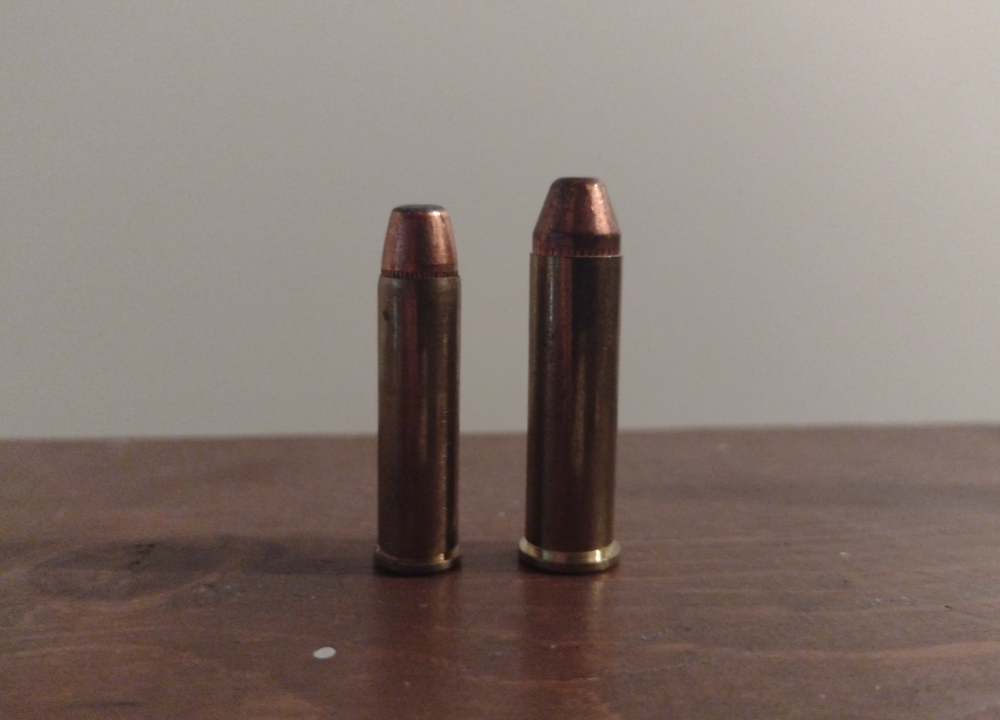
Launched in 2008, the .327 Federal Magnum aimed to offer magnum-level revolver performance in a small-frame platform while allowing compatible revolvers to use shorter cartridges such as .32 H&R Magnum and .32 S&W Long. Its audience remains specialized, but revolver enthusiasts value that flexibility when the firearm maker approves those cartridges. The round has not matched the sales of .38 Special or .357 Magnum, and ammunition availability varies by region. Continued interest from compact-revolver fans gives manufacturers a reason to keep this unusual chambering alive.