This sounds like clickbait until you read the law. Then you realize the entire controversy really does come down to one tiny part inside the gun.
What Maryland actually did
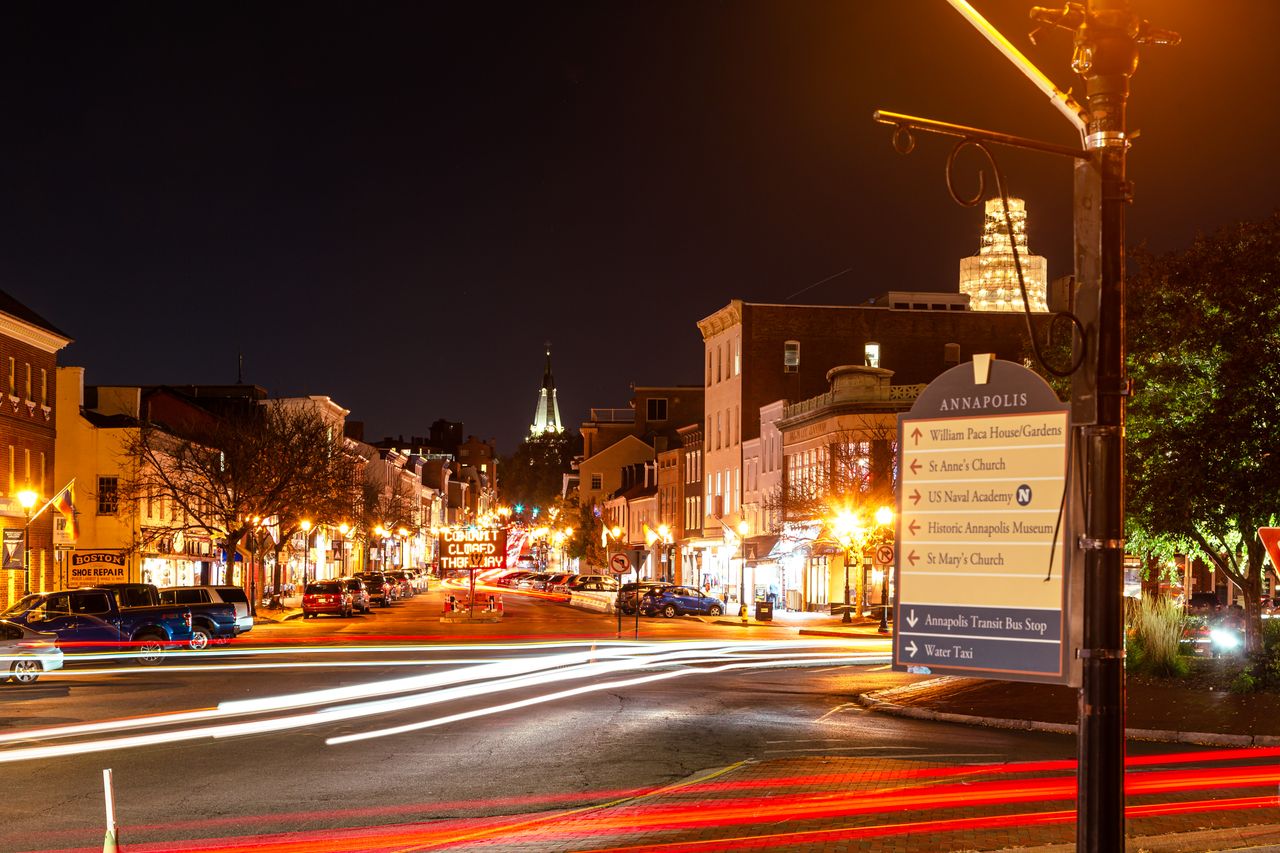
Maryland did not pass a statute that says “Glock is banned.” What passed was Senate Bill 334, now Chapter 771, which creates a new category called a “machine gun convertible pistol.” The law takes effect in stages, with the core sales and transfer ban applying on or after January 1, 2027. It prohibits manufacturing, selling, offering for sale, purchasing, receiving, or transferring one of those pistols, while carving out a list of exceptions for law enforcement, certain family transfers, temporary servicing by dealers or gunsmiths, and a few other narrow situations.
That matters because Maryland already runs handgun sales through its Handgun Roster system. The roster decides what handguns may be sold in the state, but the state police licensing portal makes clear that roster approval does not save a handgun that is “otherwise prohibited by law.” In plain English, a pistol can be approved for sale and still become unlawful to sell later if a separate statute bans it.
The political fight is over how the bill defines the affected guns. The bill summary says Maryland State Police must publish a list of prohibited machine gun convertible pistols. The practical result is that a general feature-based ban now sits on top of the roster process, and that feature lines up with how most Glock pistols are built.
The tiny part at the center of the fight
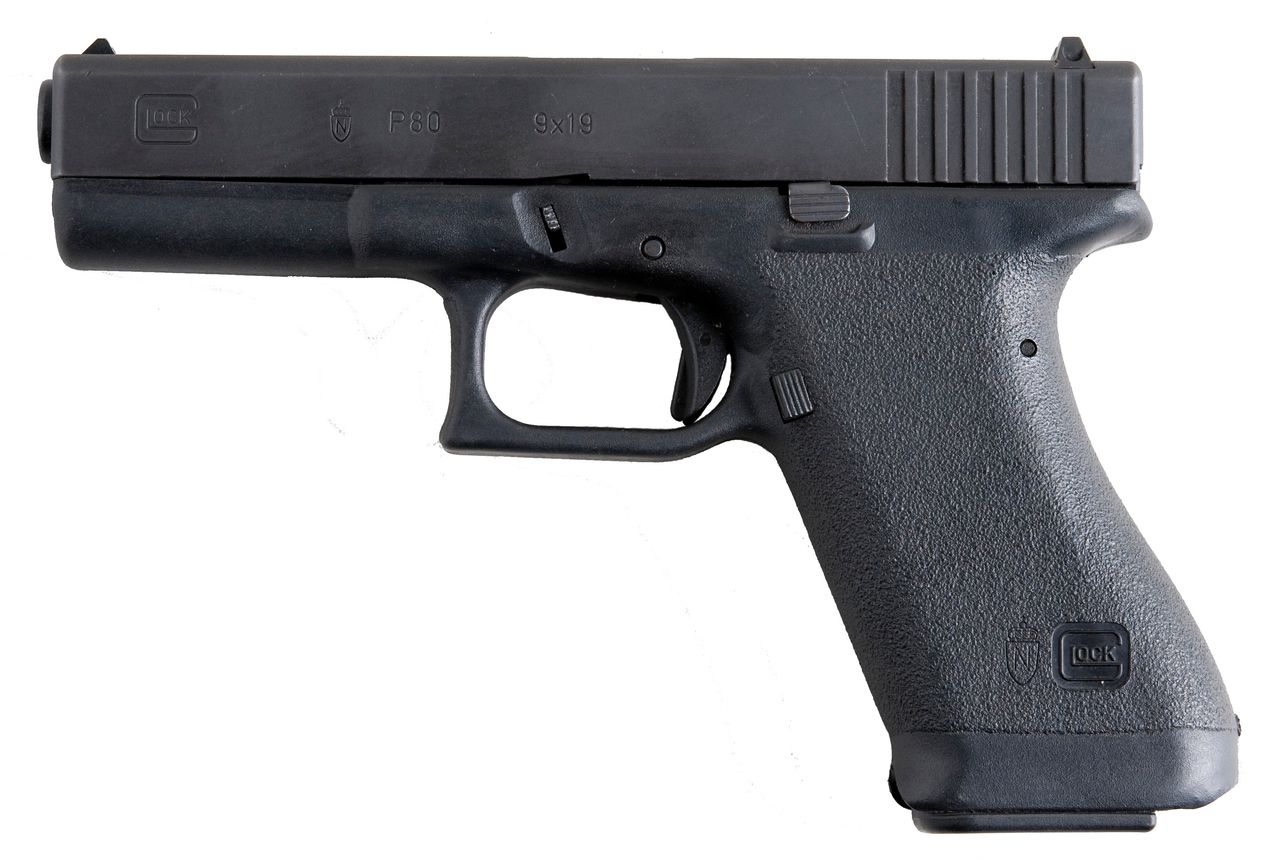
The tiny part is the cruciform trigger bar. In ordinary terms, it is a cross-shaped rear section of the trigger mechanism that plays a role in Glock’s Safe Action firing system. Maryland’s attorney general review letter described the target guns as semiautomatic pistols with a cruciform trigger bar that can be readily converted into a machine gun by hand or with common household tools through a replacement backplate device, often called a pistol converter.
That device is what most people know as a Glock switch. Federal and state laws already ban civilians from possessing machine guns and the conversion devices themselves. Supporters of Maryland’s new law argued that it was not enough, because the underlying host pistols remain common and the illegal parts are small, cheap, and easy to hide.
In testimony supporting the bill, Everytown’s senior firearms analyst said Glock-style pistols are uniquely easy to convert because the switch contacts the cross-shaped trigger bar. He said installation can take less than a minute and that the guns can then fire around 20 rounds per second. That testimony also argued the bill was aimed not just at Glock, but at any pistol using the same basic trigger-bar geometry.
So yes, one small internal part is the whole story. Not because the part is trivial, but because lawmakers used it as the legal dividing line between pistols they view as ordinary semiautos and pistols they believe are too readily convertible into illegal machine guns.
Why people say this amounts to a Glock ban

The reason headlines call this a Glock ban is simple: most Glock pistols use that cruciform trigger bar design. If the law bars semiautomatic pistols built around that system, then the brand most exposed is Glock. That is why gun-rights groups immediately framed SB 334 as a backdoor prohibition on one of America’s most common handguns.
The law also reaches beyond Glock itself. Critics pointed out during the legislative process that a large number of Glock-pattern pistols and clones use compatible or closely similar fire-control geometry. Testimony opposing the bill specifically warned that it could hit models from companies such as Palmetto State Armory, Shadow Systems, ZEV, Anderson, and Lone Wolf, not just factory Glock handguns.
There is another wrinkle that makes the story even stranger. On June 3, 2026, the Maryland Handgun Roster Board approved the Glock 17 Gen 6, Glock 19 Gen 6, and Glock 45 Gen 6. The board minutes say those approvals would be published on June 26, 2026, and, barring objections, become legal for sale on July 26, 2026. In other words, Maryland approved new Glock models for sale even after the broader political fight had already made clear that a 2027 ban was coming.
That is why dealers and buyers have been confused. A Glock can be roster-approved today, legally sold through the end of 2026, and still fall into the prohibited category once the January 1, 2027 restriction arrives.
Supporters say it targets convertibility, not the brand

Supporters insist the law is about convertibility, not brand hostility. Their central claim is that machine-gun conversion devices have become a major public-safety problem and that Glock-pattern pistols are especially vulnerable because of how their internals interact with a replacement backplate switch. From that perspective, Maryland is not punishing popularity. It is targeting a design feature lawmakers believe creates unusual risk.
The attorney general’s legal review made that argument directly. It said courts have long upheld bans on machine guns and conversion devices, and it suggested a readily convertible pistol could be treated similarly because it has an “inherent capacity for imminent and easy conversion.” The review leaned on recent federal case law involving machine guns and Maryland’s broader tradition of regulating what the state sees as especially dangerous firearms.
Supporters also argue this was meant to be narrower than a general handgun ban. Everytown’s testimony said the measure would not touch most of the handgun market because many pistols from Smith & Wesson, SIG Sauer, Springfield, and others use different trigger-bar arrangements that are less susceptible to this style of illegal conversion.
In that telling, the law is a technical fix. The problem for Maryland is that the technical fix lands on an enormous share of one of the best-known handgun families in the country, which makes the distinction sound much less modest in the real world than it does on paper.
Critics say the law is overbroad and internally contradictory
Critics have attacked the bill as vague, overbroad, and contradictory. The strongest practical argument is the most obvious one: conversion devices were already illegal, so banning the host pistol punishes ordinary buyers and lawful self-defense users for crimes committed with contraband parts. In their view, that is like banning a pickup truck because somebody might illegally modify it.
Opponents also say the law is broader than advertised because it does not stop at a named list of models. It uses functional language, and functional language can reach far beyond the public’s mental picture of “a Glock.” That leaves dealers, owners, and even regulators waiting on the Maryland State Police to publish the prohibited list that the statute contemplates.
Another criticism is technical. Opposing testimony argued that the cruciform section is essential to Glock’s fire-control and safety system, and that newer Glock variants were designed to make switch use harder, not easier. That testimony went so far as to call the bill irrational because it turns a legitimate safety-related feature into the marker of a prohibited gun.
Then there is the contradiction everybody notices. Maryland’s own roster board approved Gen 6 Glock models in June 2026 after examining them for reliability, safety, utility, and other statutory factors. To critics, that looks like the state saying a pistol is safe and suitable with one hand while preparing to outlaw future sales of that same pistol with the other.
What it means for Maryland gun owners and dealers

For Maryland consumers, the biggest date is January 1, 2027. That is when the law’s main ban on manufacturing, selling, offering for sale, purchasing, receiving, or transferring these defined pistols kicks in. Until then, roster-approved Glock models can still move through the ordinary Maryland process, assuming they are otherwise lawful and in stock.
Current owners are in a somewhat different position. The law is not written as a blanket confiscation measure. It includes exceptions for certain transfers to immediate family members and for temporary transfer to a licensed dealer or gunsmith for servicing, along with law-enforcement exceptions. That means existing ownership and limited post-ban movement are treated differently from ordinary retail commerce.
Dealers face the hardest compliance burden because they will need to align inventory, paperwork, and transfers with both the roster and the new prohibition. Maryland State Police is expected to publish a list of prohibited machine gun convertible pistols, and that list will matter enormously. Until then, the market runs on reading statutory language, manufacturer design details, and a lot of educated guesswork.
For buyers, the takeaway is straightforward. If someone wants a roster-approved Glock in Maryland, the relevant window closes at the end of 2026, not October 1, 2026. October 1 is the law’s effective date, but the core commercial ban for these pistols starts January 1, 2027.
The bigger picture behind the headline
The broader story is that Maryland found a way to regulate a famous handgun family without naming it outright. Instead of writing “Glock” into the statute, lawmakers wrote a design-based definition centered on a cruciform trigger bar and easy compatibility with a replacement-backplate converter. Legally, that is more flexible. Politically, it is also more defensible for supporters.
But in practical terms, most people are going to understand this exactly the way the headline suggests. If a law captures nearly every mainstream Glock a dealer would normally stock, plus a wide slice of Glock-style clones, then for everyday buyers it functions a lot like a Glock ban, whether or not the brand name appears in the text.
That is also why this fight is headed for courts and continued political backlash. Gun-rights plaintiffs have already challenged the measure, arguing that Maryland used a narrow mechanical feature to wipe out access to handguns in common lawful use. Supporters will answer that the state acted against unusually dangerous convertibility, not ordinary self-defense ownership.
So yes, Maryland really did upend Glock sales over one tiny trigger part. The smallness of the part is what makes the story sound ridiculous. The importance of that part, in both engineering and law, is what makes the ban real.