Two things made the Navajo code extraordinary: it was brilliantly designed, and it was built for combat.
What Japan faced in the Pacific was not just a foreign language, but a layered military code that stayed secure under pressure.
It Started With A Real Battlefield Problem
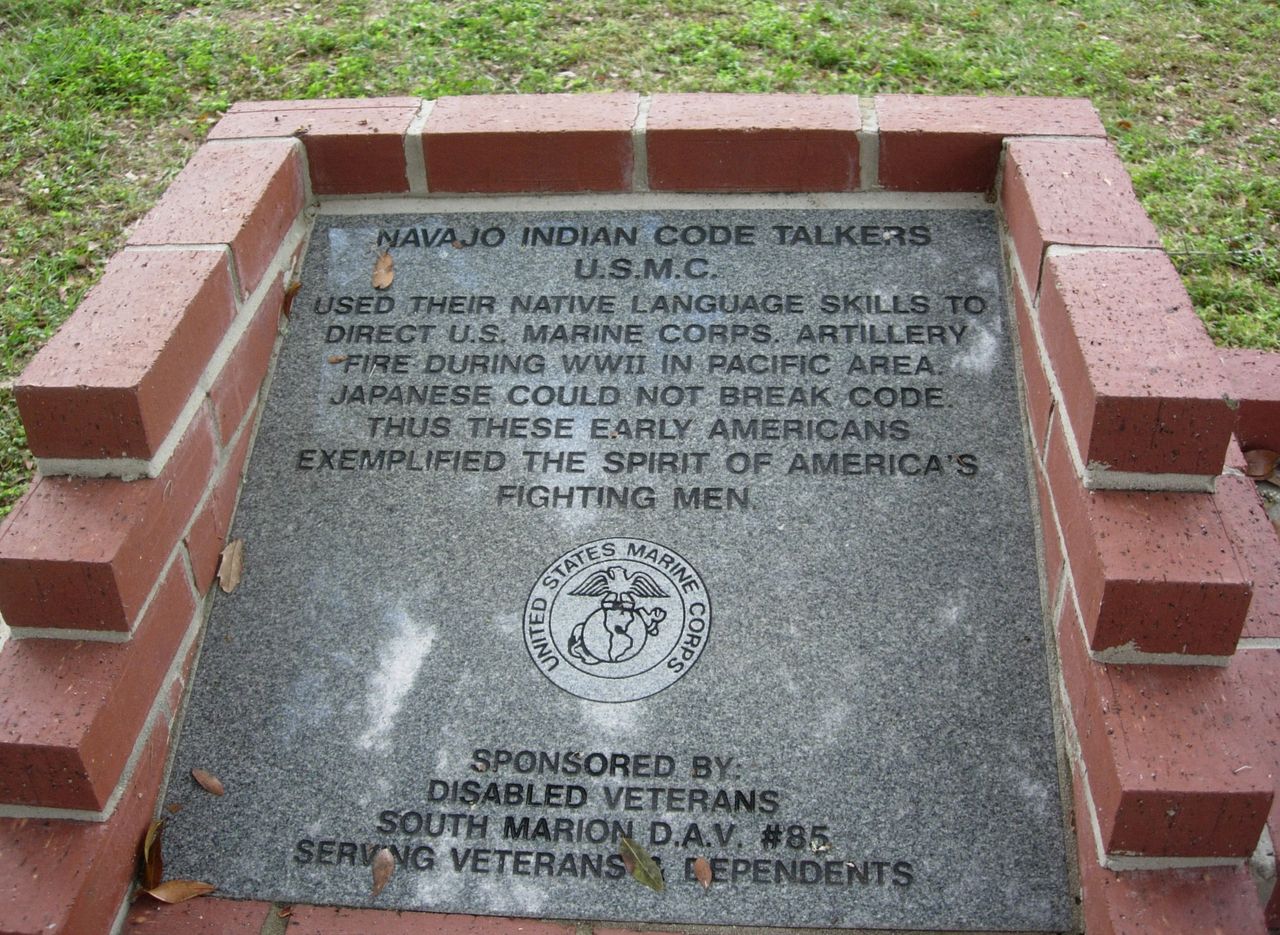
In the early Pacific war, American units needed a way to send tactical messages quickly without handing useful intelligence to Japan. Existing encryption could be secure, but it often took too long for fast-moving amphibious combat.
That gap mattered. Marines storming beaches, shifting artillery, or calling for support could not wait while messages were encoded and decoded through slower systems.
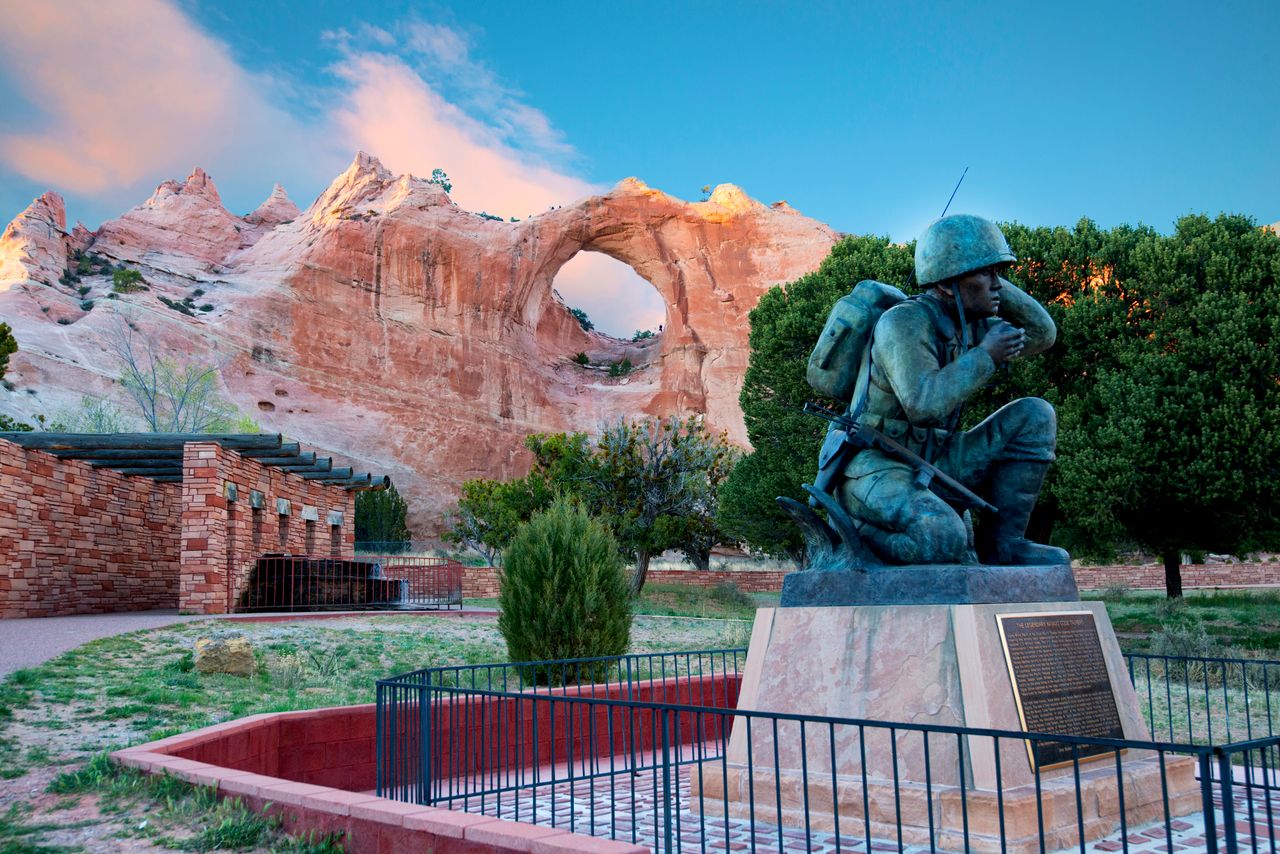
According to the National Archives and the NSA, the Marine Corps recruited 29 Navajo men in 1942 to develop a code based on the Navajo language. Those recruits were not simply translators; they became code creators.
The Navajo Language Was An Ideal Foundation
Navajo already gave the Marines a major security advantage. At the time, it was largely unwritten, extremely complex, and spoken fluently by very few non-Navajos.
Its sound system, grammar, and vocabulary made it difficult for outsiders to parse even if they heard it clearly over radio traffic. That alone created a barrier Japan was unlikely to overcome quickly.
But the language by itself was not enough. The genius of the program was turning Navajo into a purpose-built wartime system, something more sophisticated than just speaking ordinary conversation on the air.
The Code Added A Second Lock On The Door
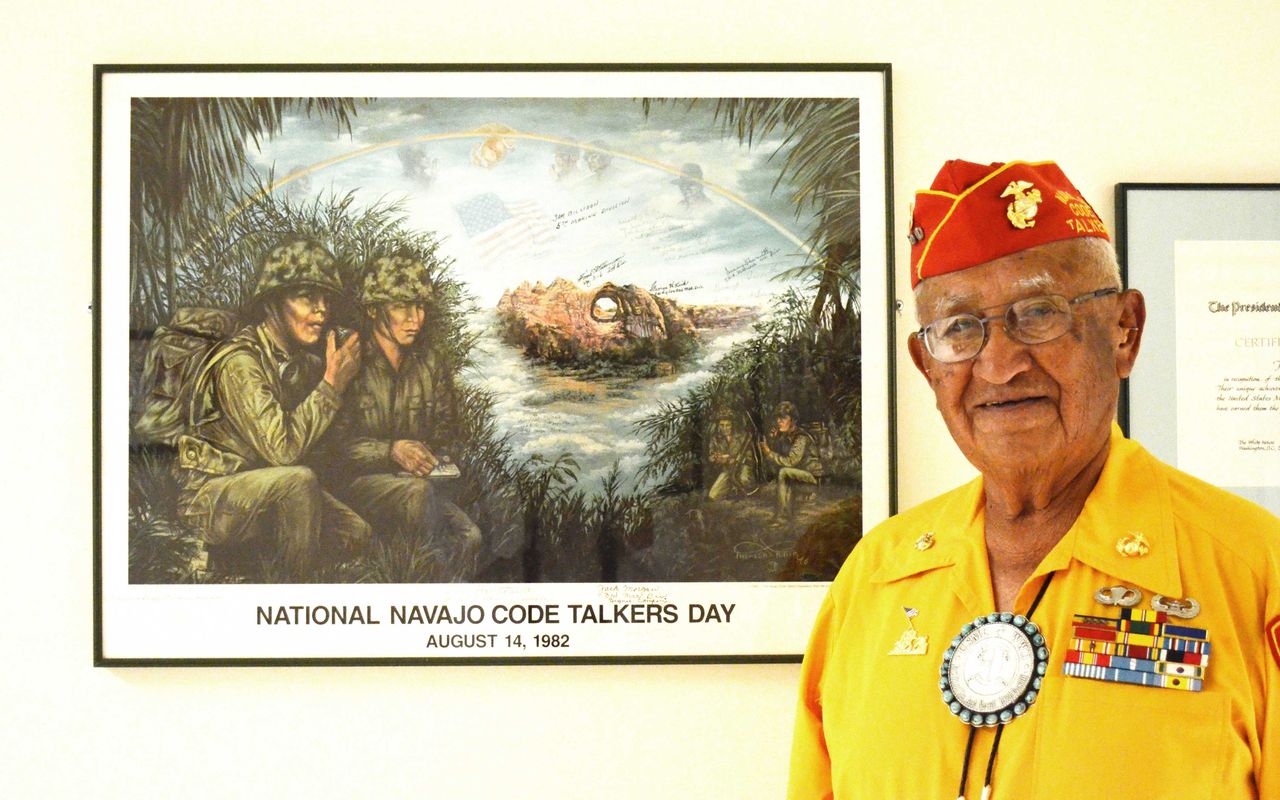
The original 29 developers created special terms for military language that did not exist in traditional Navajo. A submarine could become a tortoise, and a fighter plane could be represented by a hummingbird.
They also built an alphabet system using Navajo words assigned to English letters. That meant names, coordinates, and unfamiliar terms could be spelled out when needed.
The result was double protection: first the enemy had to understand Navajo, then it had to understand what the coded Navajo substitutions meant. The Navy history program notes that the code eventually included hundreds of standardized terms.
Speed Made The System Deadly Effective
Security alone does not win battles. What made the Navajo code so valuable was that trained Code Talkers could transmit and interpret messages in seconds.
That speed was a battlefield advantage encryption machines and manual cipher systems often could not match in chaotic frontline conditions. Marines got usable information fast, which meant quicker decisions under fire.
The system proved itself from 1942 to 1945 in every major Marine assault in the Pacific, according to official histories. At Iwo Jima, Major Howard Connor famously said the Marines could not have taken the island without the Navajos.
Japan Never Managed To Break It
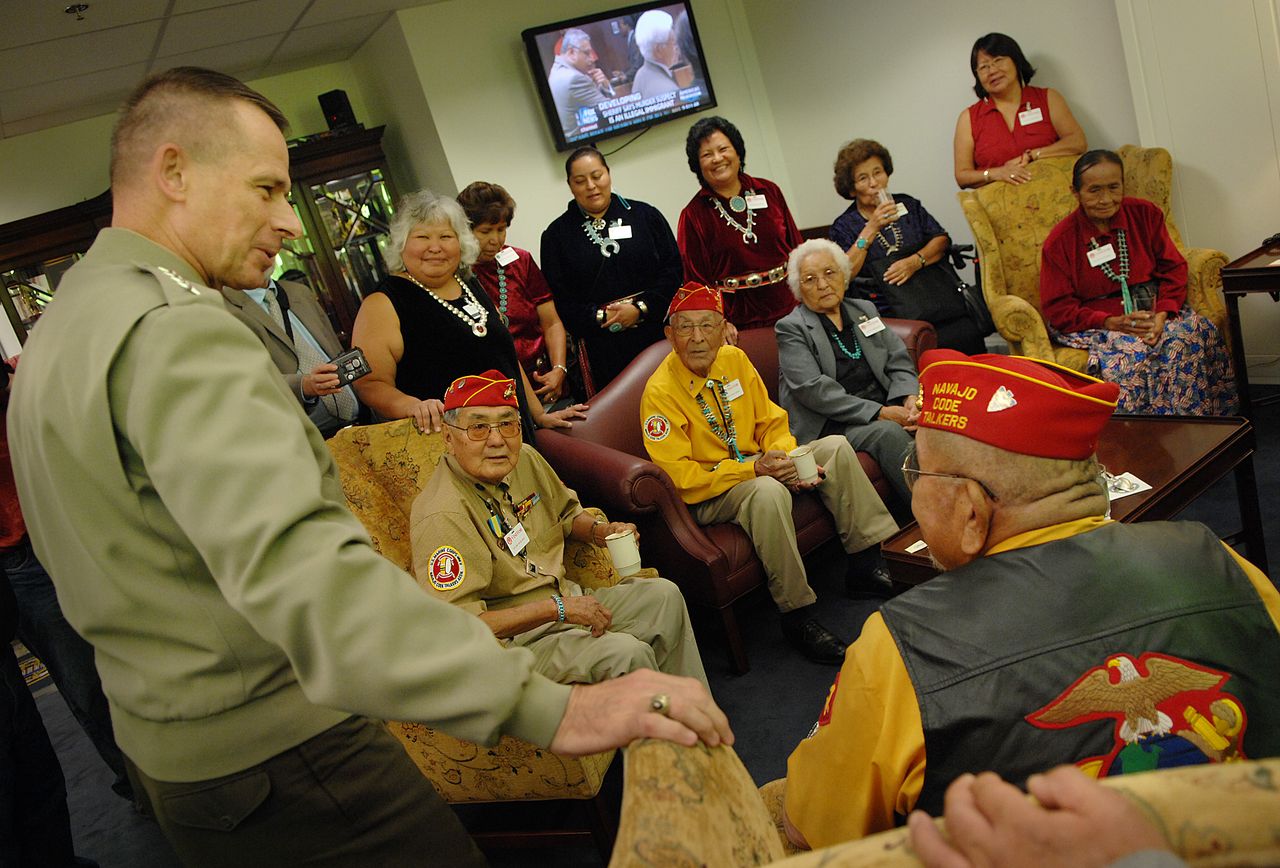
The most famous fact about the Navajo Code Talkers remains the simplest one: the code was never broken during the war. NSA history is explicit on that point, saying enemy forces never cracked their codes.
That record becomes even more impressive when you consider how aggressively Japan targeted Allied communications throughout the Pacific. Interception was common; understanding what was intercepted was the hard part.
In other words, Japan could hear the traffic but could not reliably turn it into actionable intelligence. A rare language, a custom codebook, strict training, and disciplined operators created a communications wall that held.
Training And Standardization Kept It Reliable
An unbreakable idea still fails if users make mistakes. The Marines avoided that by training Code Talkers carefully and standardizing vocabulary, procedures, and delivery.
Official records show the code expanded beyond the initial alphabet to include hundreds of military terms. That reduced confusion and let different units communicate with shared definitions under stress.
The NSA notes that Code Talkers did not make transmission errors in combat. That reliability mattered as much as secrecy, because a garbled message on a battlefield can be almost as dangerous as a captured one.
Their Success Was Human, Not Mystical
It is tempting to describe the Navajo code as magic, but that misses the point. Its success came from disciplined design, memorization, adaptability, and the intelligence of the men who used it.
The Marines chose a language few outsiders knew, then worked with Navajo recruits to transform it into an operational tool. That combination of Indigenous knowledge and military necessity produced something unique in modern war.
So when people ask why Japan never broke the code, the answer is clear: it was never just Navajo. It was Navajo language, engineered structure, battlefield speed, and exceptional operators fused into one remarkable system.