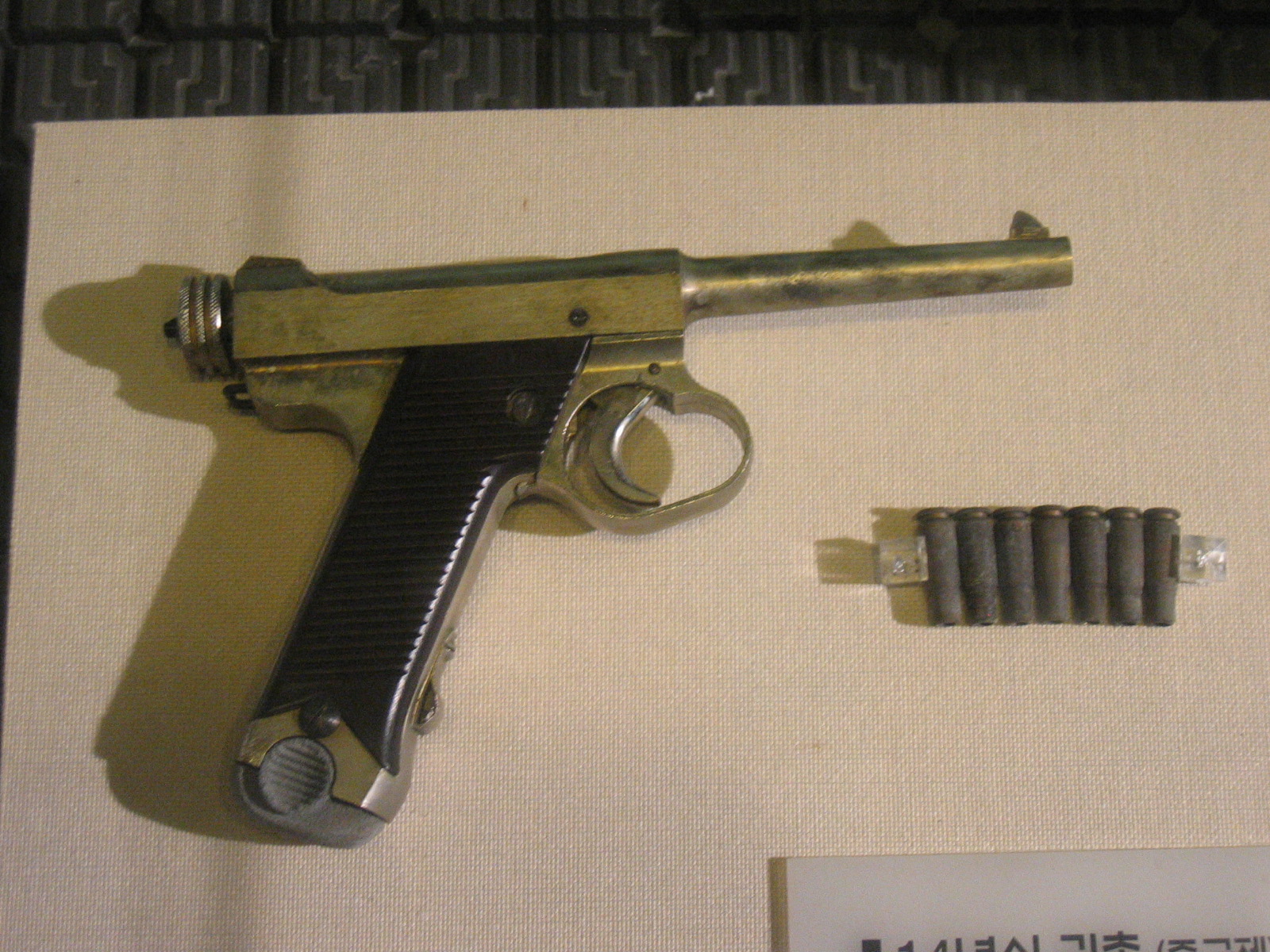
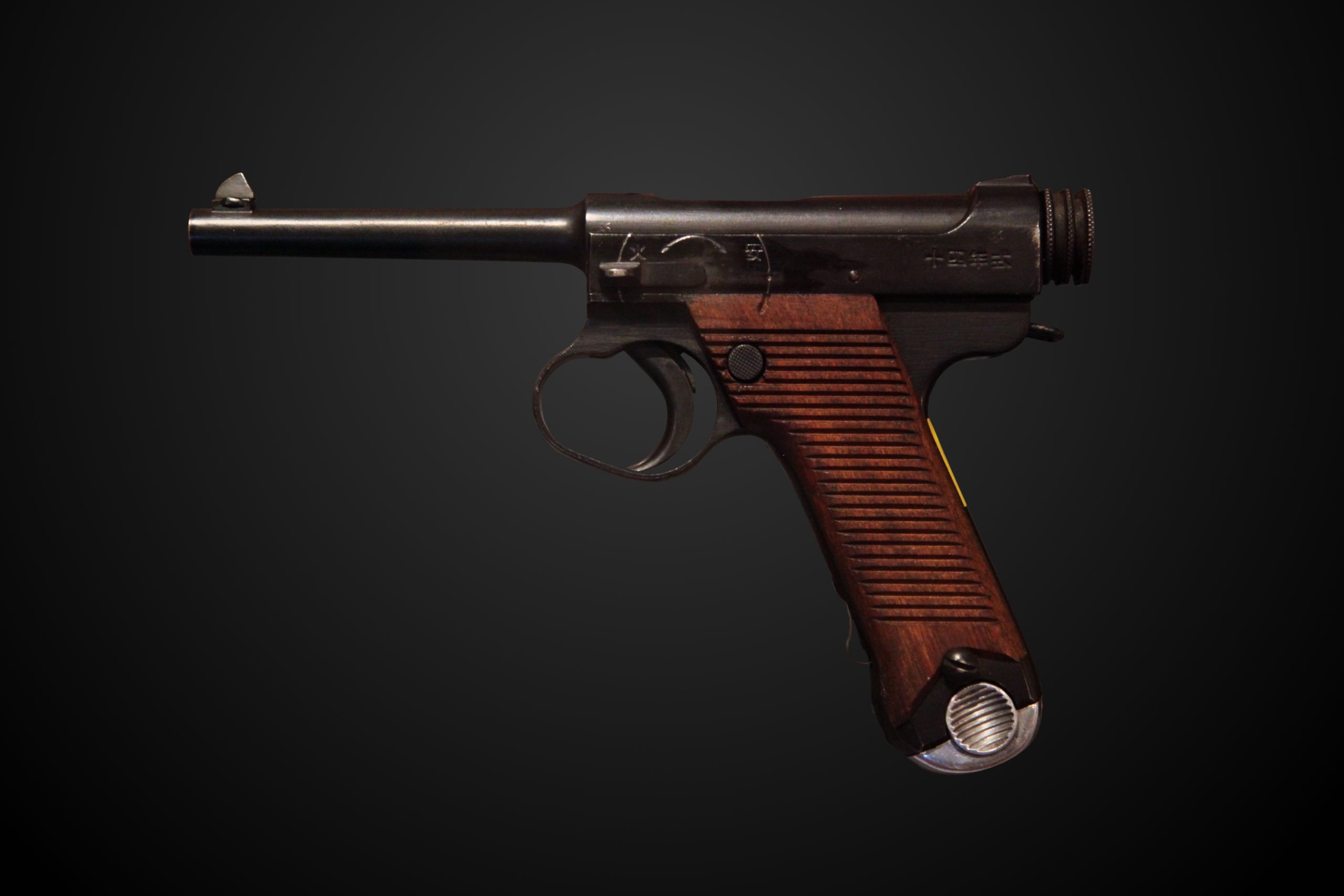
The Nambu Type 14 remains one of the most recognizable Japanese military pistols of the Second World War. Its distinctive profile, unusual controls, eight-round magazine, and evolving wartime construction make it far more interesting than its reputation suggests. Behind the criticism were genuine engineering compromises, production pressures, field complaints, and attempts to correct weaknesses as the war progressed. Here are 10 facts that explain why the Type 14 earned such a complicated reputation.
1. It Was Designed to Cut Costs
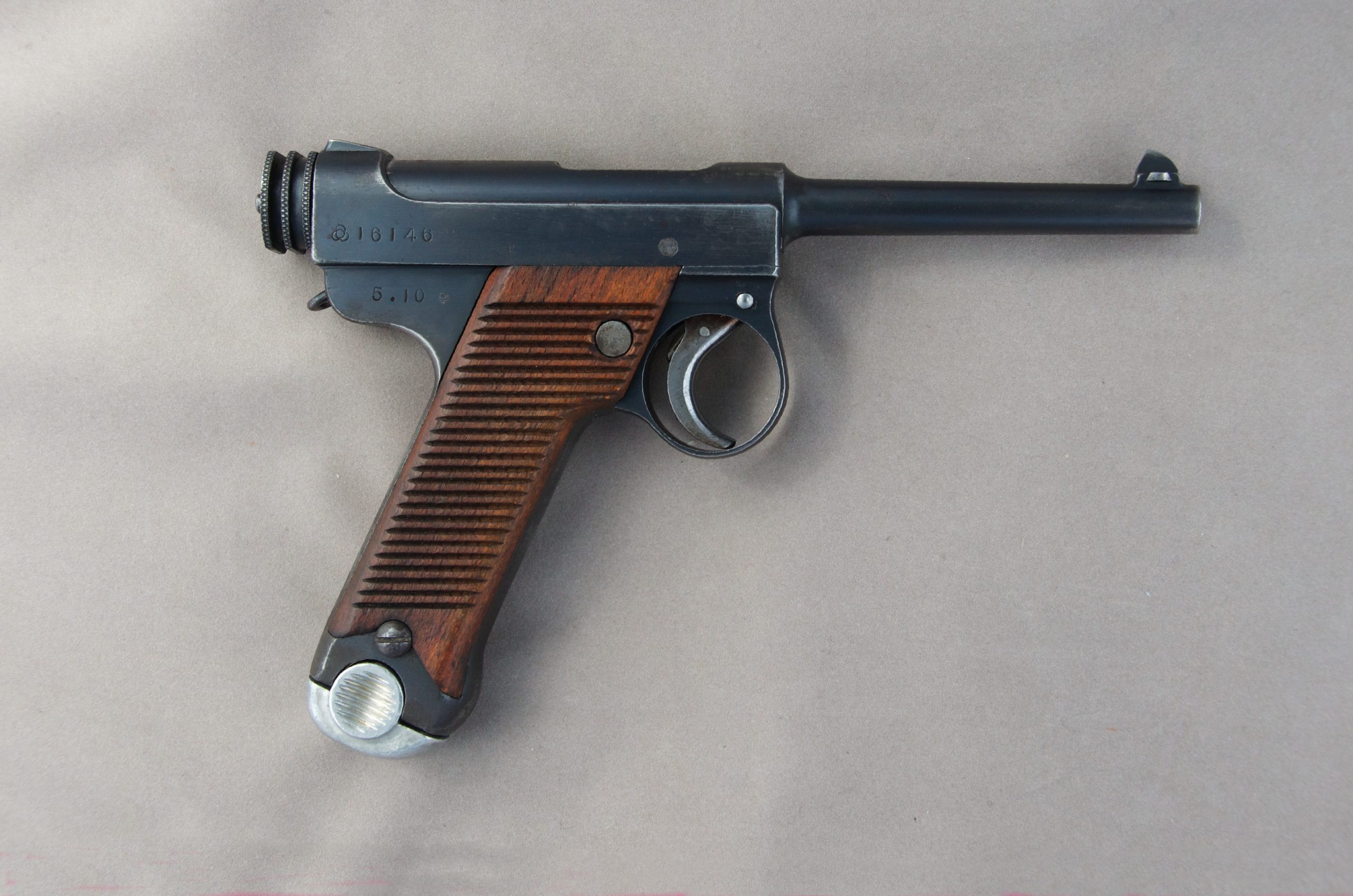
The Type 14 was born from a practical problem: Japan wanted a less expensive service pistol than earlier Nambu models. Introduced in 1925, it retained the 8×22mm Nambu cartridge but simplified several features to reduce machining and assembly time. That economy mattered because procurement had to support a growing force. The pistol, therefore,e represented a compromise, trading some refinement for easier production. Its name came from the 14th year of the Taisho era, which corresponds to 1925. Designers wanted a service sidearm without repeating earlier expenses.
2. Its Eight-Round Magazine Was Compact
The Type 14 used a single-column magazine holding 8 rounds of 8×22mm Nambu ammunition. The cartridge was a bottlenecked design, and the pistol’s magazine was shaped around it rather than a more widely shared military caliber. Early magazines could have nickel-plated bodies and aluminum floorplates, while later wartime examples commonly used darker finishes and simplified parts. The capacity was modest by modern standards, but eight rounds were normal enough for many service pistols of the period. The magazine itself became part of the pistol’s handling quirks.
3. Reloading Was Not as Simple as It Looked
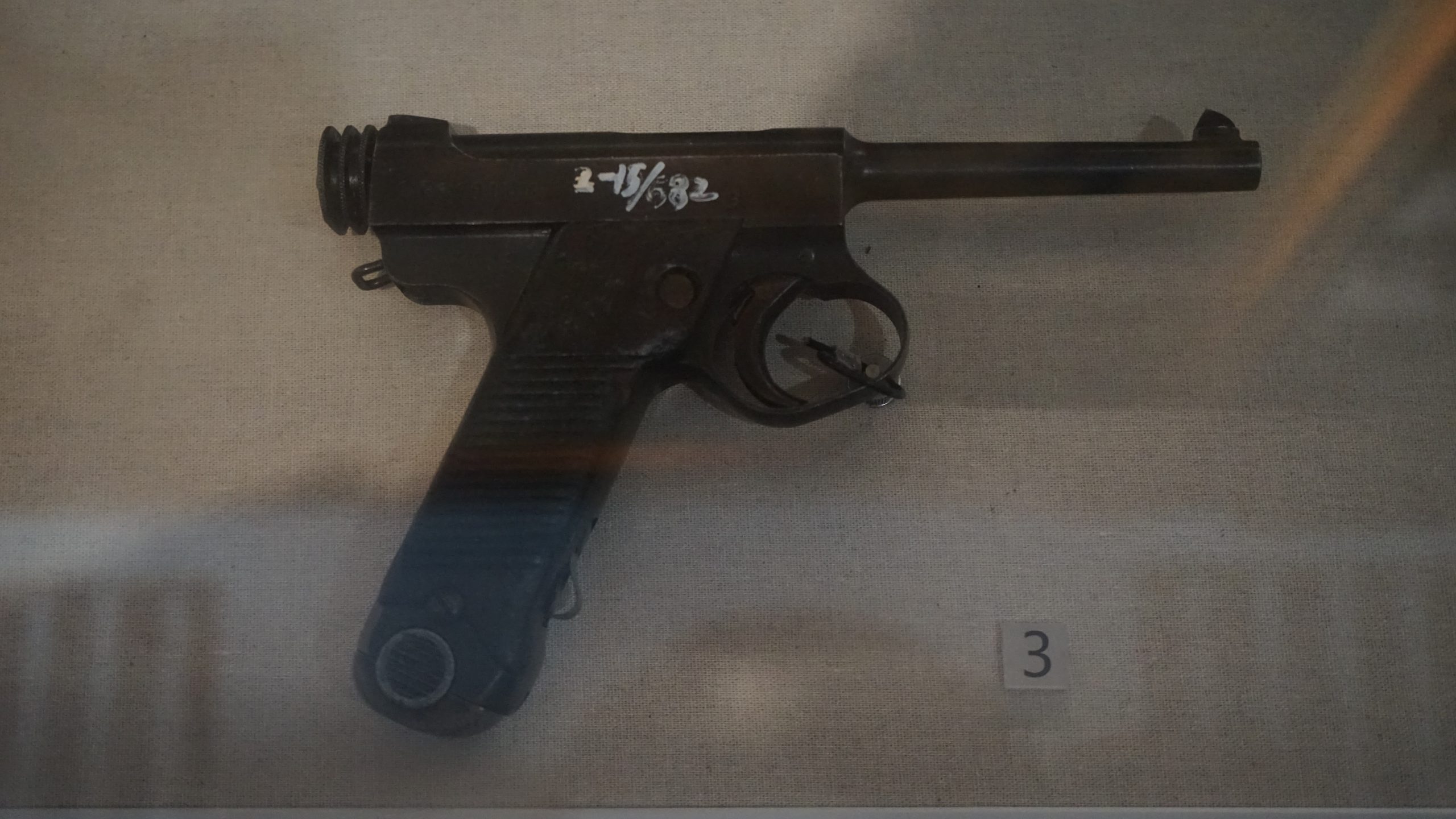
One of the Type 14’s most awkward traits appeared during a reload. The magazine was not intended to fall freely from the grip, so the shooter had to pull it out rather than simply let gravity do the work. When the magazine was removed after the last shot, the bolt could move forward, meaning the shooter had to manipulate the cocking piece again after inserting a fresh magazine. In a stressful situation, those extra movements could feel surprisingly cumbersome. It made reloading less intuitive than expected.
4. Soldiers Had Reasons to Distrust the Firing Pin
The Type 14’s striker, often called its firing pin, developed a reputation for breakage, particularly on earlier pistols with the longer design. The problem was serious enough that spare firing pins were commonly carried with the weapon, and some holsters included a dedicated compartment for one. Later production and retrofit changes addressed the weakness by using a shorter, revised striker arrangement. This history explains why surviving examples can show different internal parts. Reliability was not simply a matter of age; production period and subsequent modifications also mattered.
5. Wartime Production Changed Its Appearance
Early Type 14 pistols could show careful machining, clean finishes, and well-fitted wooden grips. As wartime demand intensified, manufacturers introduced shortcuts to save time, materials,s and labor. Later examples may therefore display rougher machining, simplified finishes, and less polished wooden panels. These differences are historically important because they show how industrial pressure changed a service weapon over time. The pistol did not suddenly become a different design, but its manufacturing character shifted noticeably as Japan moved deeper into a resource-strained war economy.
6. The Trigger Guard Had to Grow
A surprisingly practical complaint came from troops serving in cold conditions: the original trigger guard was too small for comfortable use with heavy gloves. Around 1939, later Type 14 production adopted a noticeably enlarged trigger guard, often called the Manchurian pattern. The change was simple, but it reveals how field conditions could reshape equipment. A pistol designed on a workbench had to function in climates far removed from the assumptions of its original designers. The enlarged guard became one of the easiest visual clues for identifying a later wartime Type 14.
7. The Pistol Was Marked With Its Production Date
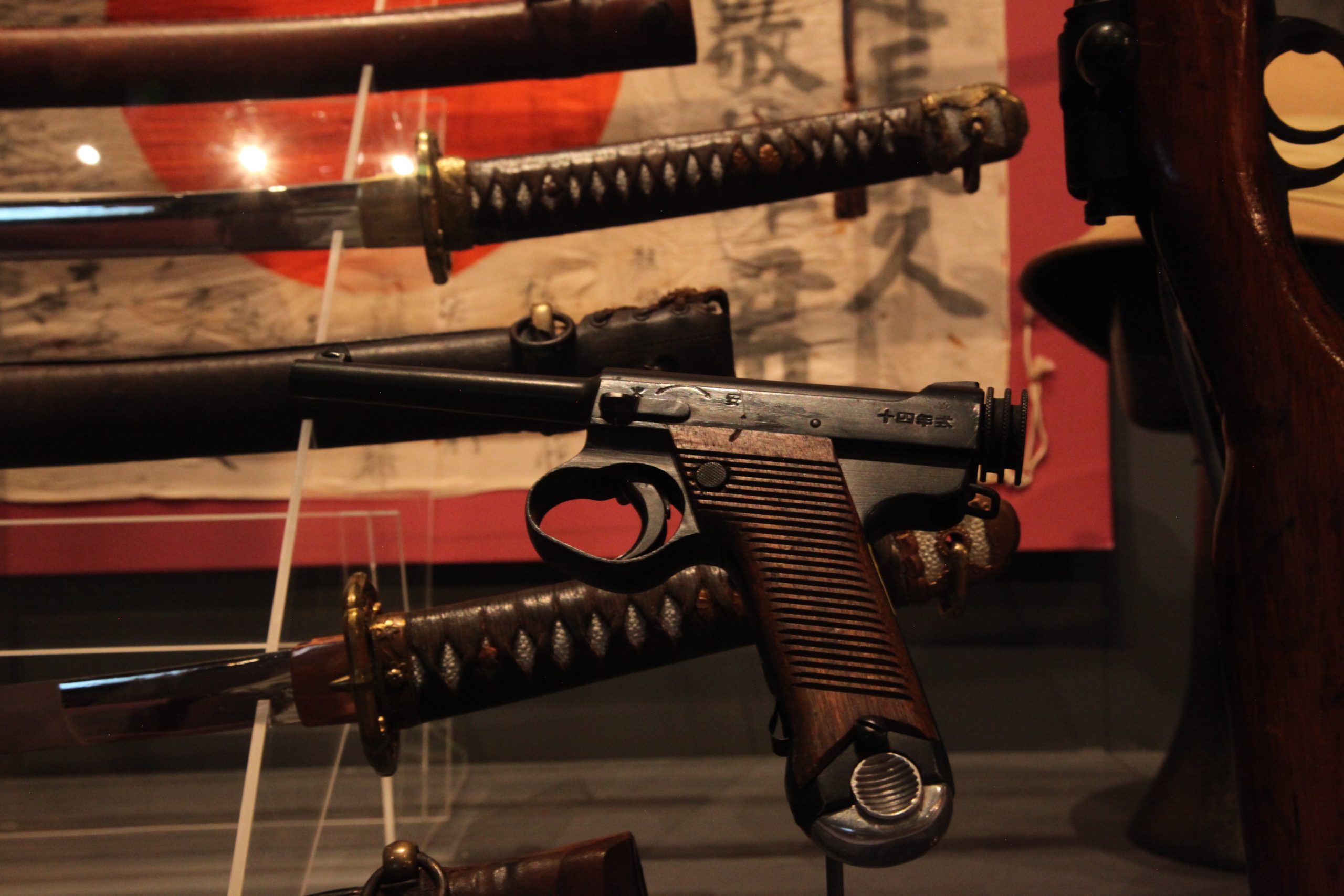
Type 14 pistols carry markings that can tell collectors considerably more than the model name alone. Manufacturing information included an arsenal or factory symbol, a serial number,r and a date tied to the Japanese imperial era. A date such as 19.2, for example, corresponds to February 1944 under the Showa dating system. These markings help place individual pistols within the production timeline and can reveal whether a specimen belongs to an early or late manufacturing period. For historians, those small stamped characters are valuable evidence of wartime industrial history.
8. Officers and NCOs Did Not Always Get Them the Same Way
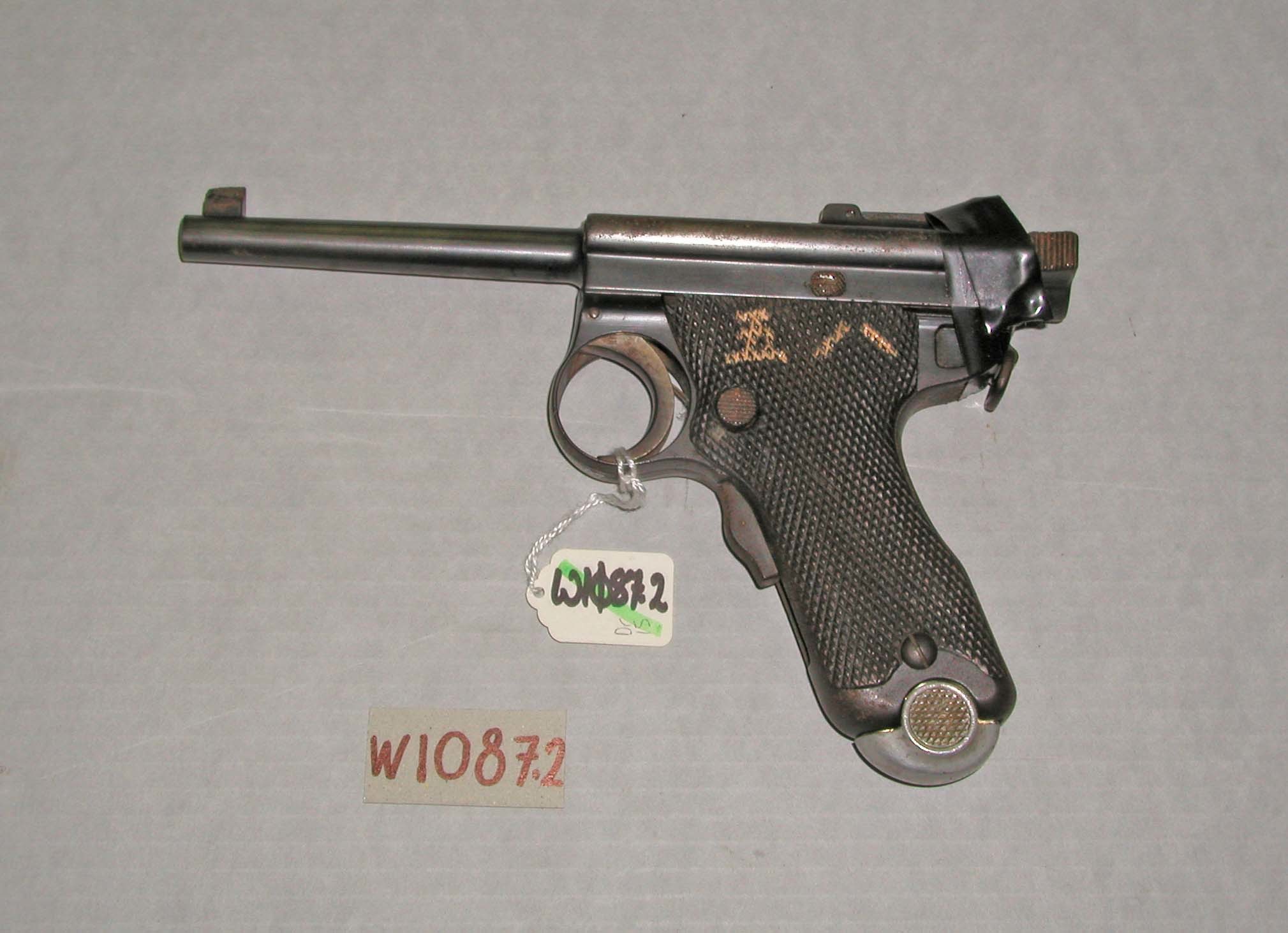
The Type 14 occupied an unusual place in Japanese military service. It became a standard sidearm for non-commissioned officers, while commissioned officers were generally expected to obtain their own pistols. Officers could therefore choose Japanese or foreign-made handguns. Even so, the Type 14 remained common because using the standard Japanese cartridge offered an obvious logistical advantage. Its widespread presence was therefore shaped by both military policy and the practical need to keep ammunition supply manageable. Choice still mattered.
9. Production Continued Until Japan Surrendered
Type 14 production began in the mid-1920s and continued through the Second World War, with manufacture involving more than one Japanese facility. Exact totals remain uncertain because wartime records were incomplete or lost, and published estimates vary substantially. Figures around 200,000 to roughly 400,000 pistols are commonly encountered. That uncertainty is itself part of the story. The Type 14 was not a tiny experimental weapon, but neither is there a universally accepted surviving factory total. Its long production run also created numerous variations in parts, finishes, and markings.
10. Its Reputation Is More Complicated Than the Nickname Suggests
Calling the Type 14 a pistol that soldiers simply could not trust misses the historical picture. It had genuine weaknesses, including awkward controls, troublesome magazines, and firing-pin concerns, yet many examples remained serviceable and saw extensive wartime use. Its design also reflected the technology, materials, and manufacturing priorities of its era. Today, the pistol is valuable because it captures a period of Japanese military industry in transition. The most revealing fact is not that it was flawless or useless, but that soldiers were asked to rely on a weapon shaped by compromise.