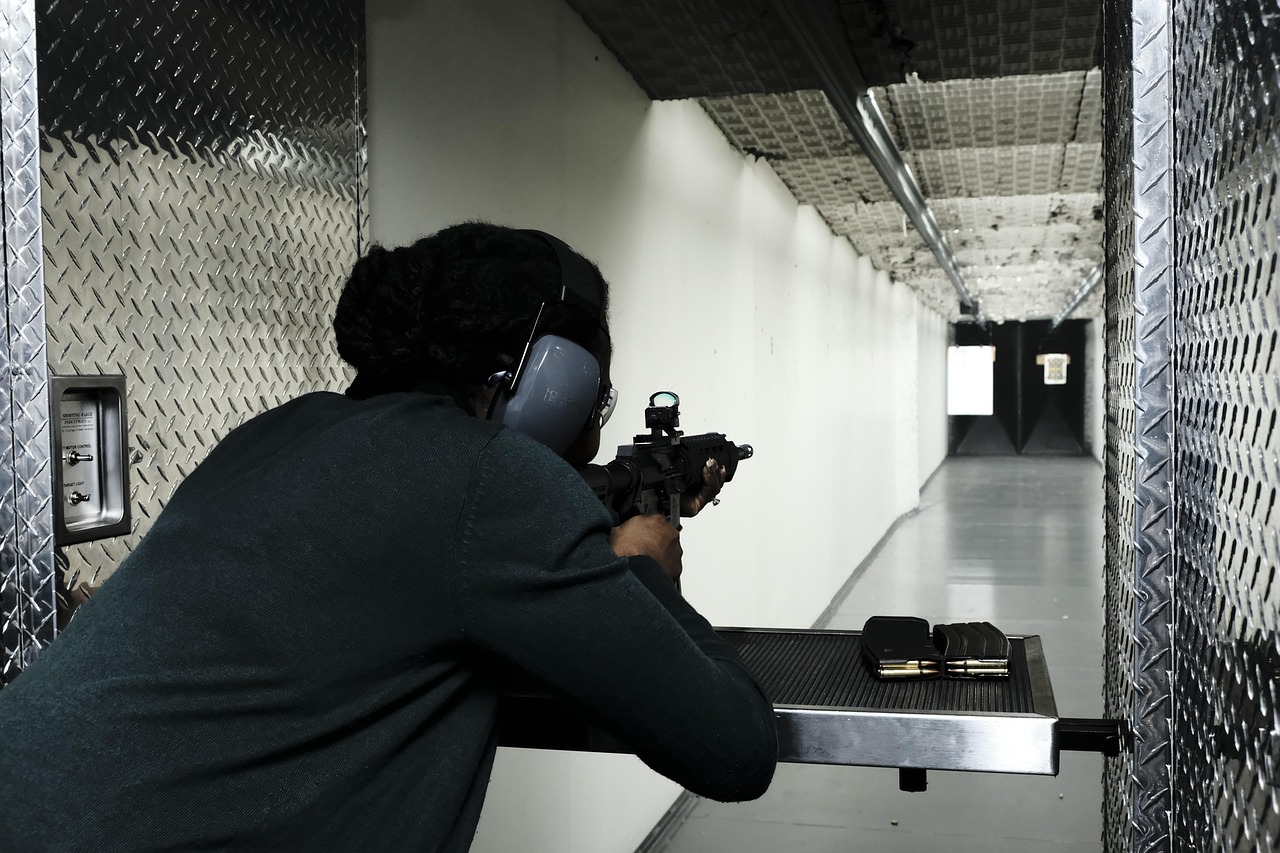
Missing a big target sounds impossible until a rifle, optic, or setup starts working against the shooter. In the real world, loose tolerances, harsh recoil, bad triggers, cheap sights, and poor ergonomics can turn an easy shot into a frustrating miss. This gallery looks at 10 rifles or rifle types that often earn that reputation, and explains what usually goes wrong.
Ultra-cheap break-action survival rifles

These minimalist rifles look appealing because they are light, simple, and often inexpensive. On paper, they seem perfect for casual plinking or a truck gun, but the reality can be less charming when the sights are crude and the lockup feels inconsistent from shot to shot.
A big target should be easy work, yet a rough trigger and skinny stock can make the sight picture wobble more than expected. Add basic iron sights that are hard to adjust precisely, and even a calm shooter can start spraying shots around the target instead of landing them where they belong.
The rifle is not always defective. It is often just asking more of the user than its budget design can comfortably deliver.
Worn-out military surplus trainers

Old surplus training rifles have tons of character, and many are genuinely fun to own. But a rifle that spent decades in storage, saw heavy use, or arrived with a tired bore can be a different story once it reaches the range.
Large targets can still become a challenge when the barrel is worn, the crown is damaged, or the stock fit has shifted over time. That vintage rear sight may also be charming to collectors and maddening to modern eyes, especially in poor light.
None of that means these rifles are useless. It simply means nostalgia does not always group tightly, and age often shows up first on the target board.
Budget .22 rifles with rough factory sights
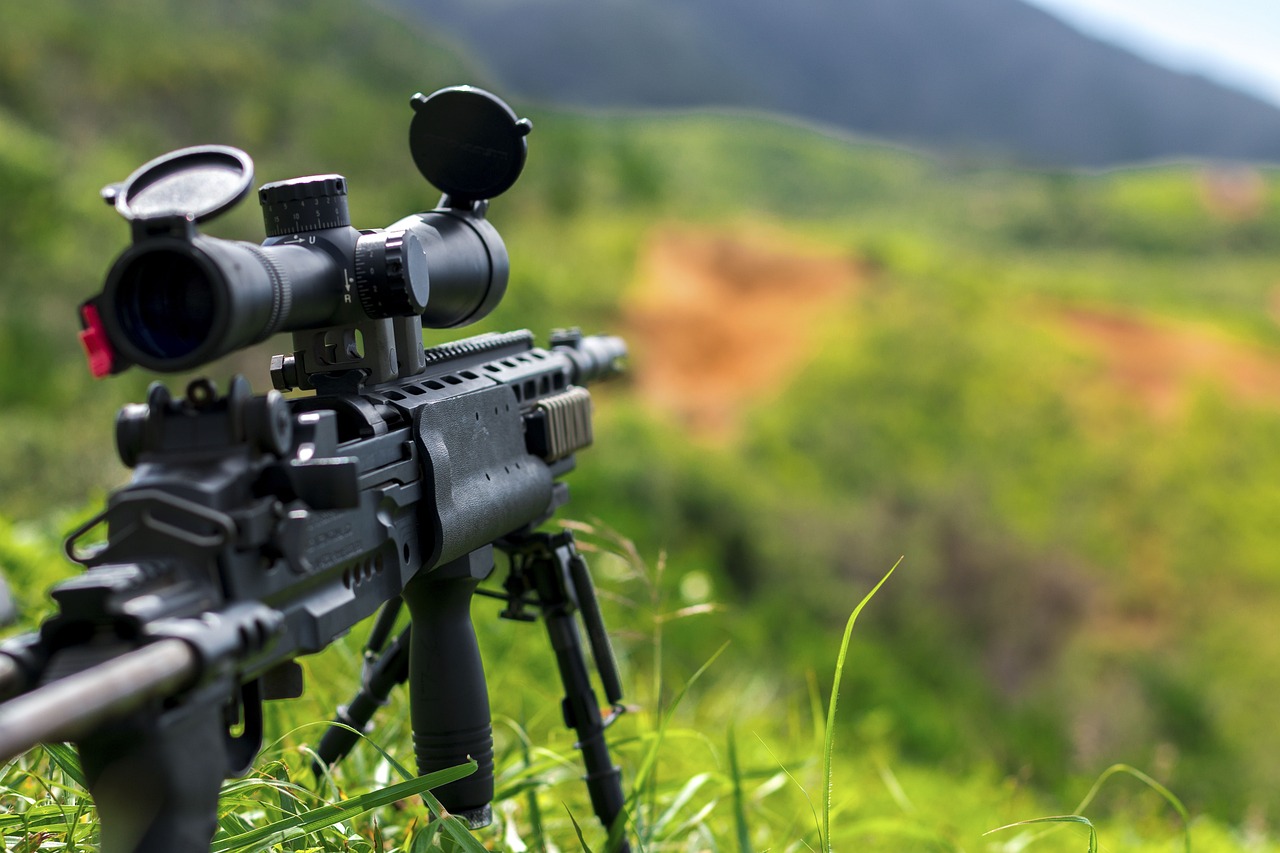
A basic .22 rifle is supposed to be the easiest path to confidence, but some entry-level models arrive with sights that feel more like placeholders than precision tools. If the front blade is thick and the rear notch is vague, the target can look blurry before the first shot is even fired.
That becomes a real problem when the trigger is heavy and the stock dimensions do not suit the shooter. Even at modest distance, a large target can absorb misses simply because the aiming system never gives a clean reference point.
The cartridge itself is usually not the villain here. More often, the weak link is a low-cost sighting package that asks for patience many new shooters have not built yet.
Hard-kicking lightweight hunting rifles

A featherweight hunting rifle sounds ideal when you are carrying it all day through hills or timber. The trouble starts when that same low weight meets a powerful cartridge and the recoil becomes sharp enough to encourage flinching, rushed shots, and a habit of lifting the head off the stock.
That is how even a large target starts looking safe from harm. The rifle may be mechanically accurate, but the human response to recoil can sabotage every good intention before the bullet leaves the muzzle.
Many shooters blame the rifle first, yet the real issue is often the combination of low mass, stiff recoil, and a stock shape that makes repeated practice less pleasant than it should be.
Semi-automatic rifles with bargain optics
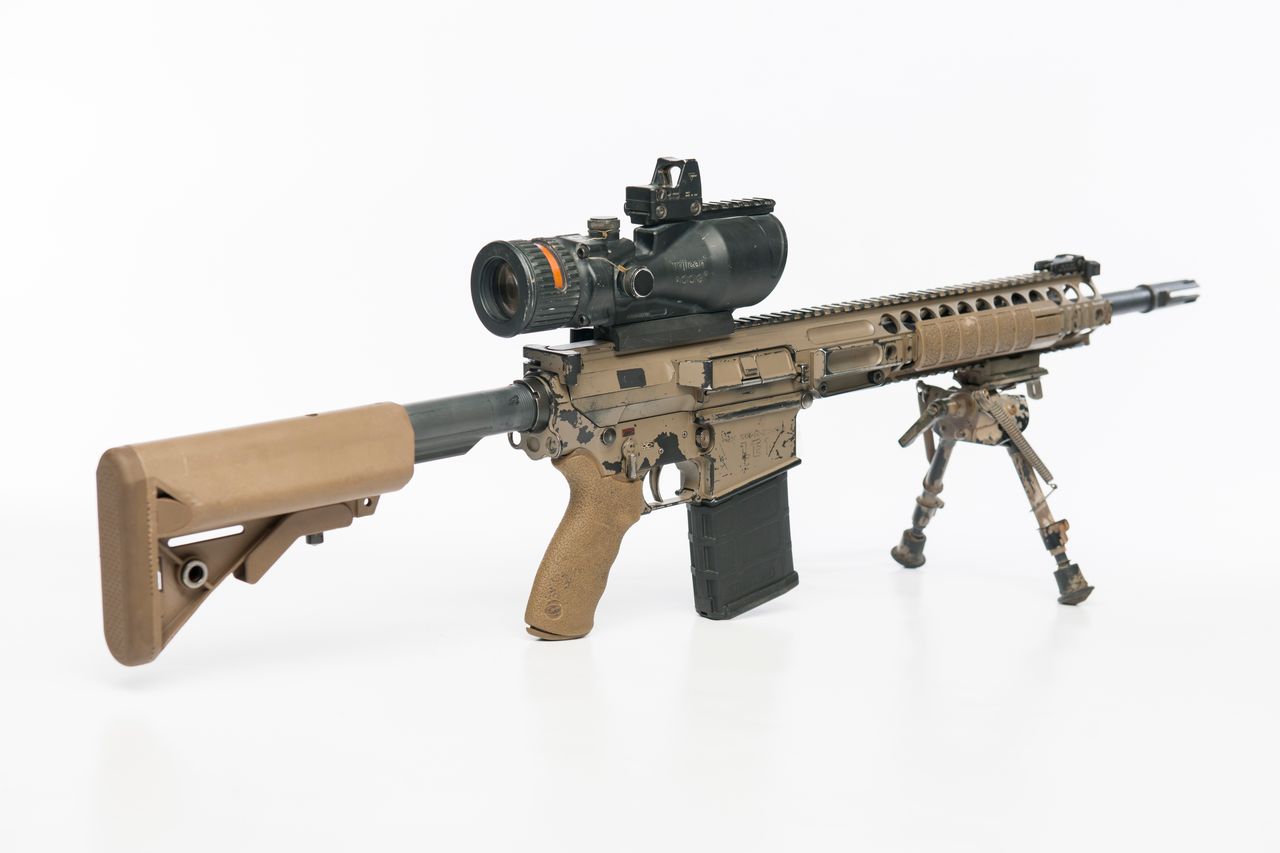
A dependable semi-automatic rifle can be impressively capable, but pairing it with a cheap optic often creates headaches that show up immediately. If the scope does not hold zero, has dim glass, or offers mushy adjustments, the shooter ends up chasing impacts instead of building confidence.
That can make a broad target seem oddly difficult, especially when eye relief is inconsistent and the reticle appears fuzzy under bright light. Fast follow-up shots do not help much if the first one never had a stable aiming point.
In many cases, the rifle gets blamed unfairly. The bigger problem is usually an accessory chosen for price alone, not durability or clarity.
Older lever-action rifles with buckhorn sights

Classic lever-action rifles are beloved for their handling, history, and style. But traditional buckhorn sights can be a stumbling block for shooters who did not grow up using them, particularly when target contrast is poor or the sight picture feels crowded.
A large target does not automatically solve that problem. If the front bead covers too much of the aiming area, precision starts fading quickly, and every slight variation in cheek weld changes what the shooter sees.
These rifles often shine inside their intended range and role. Still, when someone expects easy center hits without learning the sight system, frustration can arrive faster than the next round from the tube magazine.
Old sporterized rifles with questionable modifications

A sporterized rifle can be a smart project or a cautionary tale, and the difference usually lives in the details. When an older military rifle has been cut, drilled, refinished, and restocked without real care, the result may look fine from a distance and disappoint badly on the range.
Big targets often expose problems like poor bedding, crooked scope mounts, and altered triggers that break unpredictably. The shooter senses something is off but cannot always identify whether the fault is mechanical, ergonomic, or both.
These rifles are reminders that modification does not guarantee improvement. Sometimes a long list of changes only adds more places for accuracy to unravel.
Compact youth rifles used by full-size adults

Youth rifles serve an important purpose, and in the right hands they can be terrific starters. Problems show up when a compact rifle with a short length of pull is handed to a full-size adult who then has to crouch, scrunch, and compromise every part of the shooting position.
That awkward fit can make a large target surprisingly elusive. The shooter struggles to mount the rifle consistently, the eye may not line up naturally with the sights or scope, and trigger control suffers because the entire posture feels cramped.
Accuracy is not only about the barrel and ammunition. Fit matters, and a rifle sized for someone else can turn a simple shot into a clumsy one very quickly.
Loose-tolerance pump rifles

Pump-action rifles can be fast, handy, and genuinely enjoyable, but some examples develop enough play over time that consistency becomes a real concern. A little looseness may not sound dramatic, yet repeated motion and wear can affect how stable the rifle feels from shot to shot.
When the trigger is mediocre and the sights are basic, even a large target can start collecting edge hits instead of clean center impacts. The shooter may feel as though the rifle never settles into the same hold twice.
Not every pump rifle has this issue, of course. But worn examples often reveal why smooth handling and practical field accuracy are not always the same thing under range conditions.
Big-bore rifles that punish poor technique

Big-bore rifles have undeniable presence, and they are often bought with visions of authority and power. What gets overlooked is how brutally honest they can be about weak fundamentals, especially if the shooter has not learned to manage recoil, breathing, and follow-through.
That is when a huge target can still be missed by a wide margin. Anticipation creeps in, the hands tighten, the eyes blink, and the shot breaks with more emotion than control.
In fairness, many of these rifles are excellent within their purpose. They simply demand respect, practice, and a level of discipline that casual range sessions do not always provide.