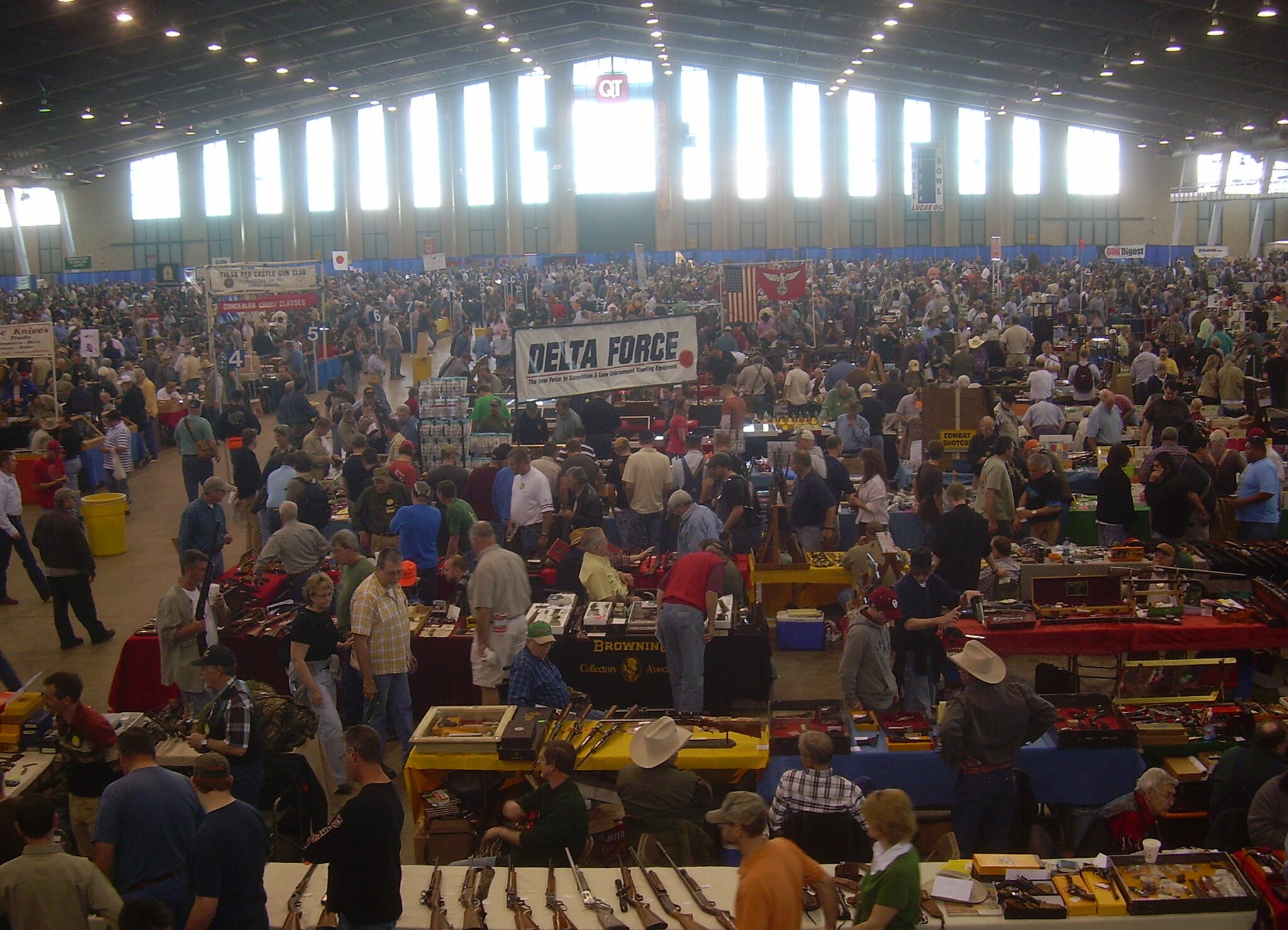
Concealed carry gets a lot more complicated when the forecast turns brutal and every outfit choice is about staying cool. Experienced carriers often say summer exposes little problems that barely register in cooler months, until they start affecting comfort, concealment, and confidence. This gallery looks at the heat-related details people rarely discuss enough, especially the small daily adjustments that can make a big difference.
Sweat changes everything
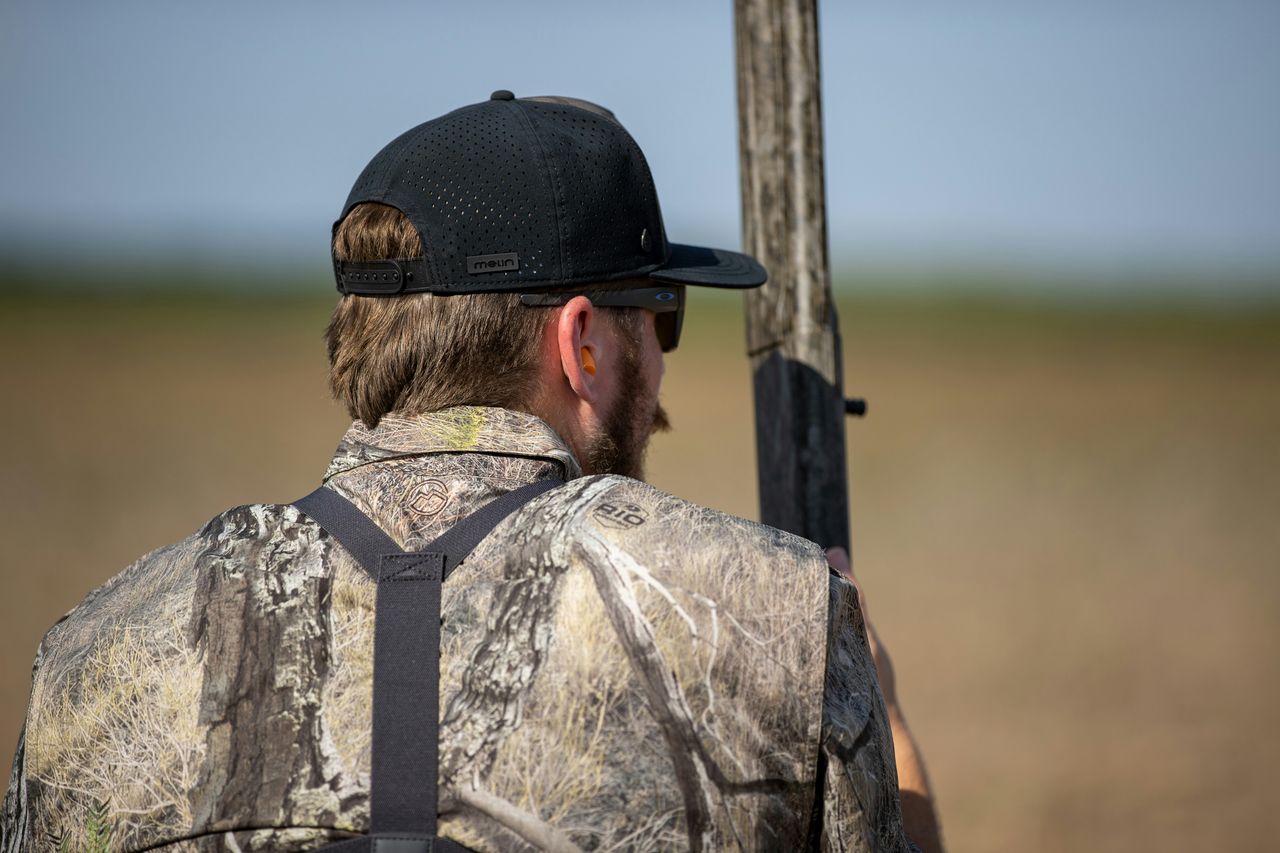
In extreme summer heat, sweat is not just annoying. It changes how a holster feels, how a shirt drapes, and how long you can comfortably wear the same setup before it starts rubbing in all the wrong places.
Experienced carriers often say this is the first thing newcomers underestimate. Moisture builds friction, softens fabric, and makes even a familiar rig feel less stable by midafternoon.
It also affects the firearm itself more than people expect. Salt from perspiration can be surprisingly hard on finishes, metal parts, and even hardware on belts and holsters if daily wipe-downs become an afterthought.
Your summer wardrobe may work against concealment

Lightweight shirts, athletic fabrics, and thinner waistbands feel great in July, but they do not hide equipment the same way heavier seasonal clothing does. What printed fine in spring can suddenly become obvious under a clingy tee.
Veteran carriers talk about this as a fabric problem as much as a gun problem. Thin material catches on grip texture, outlines hard edges, and shifts more with every bend or breeze.
That is why warm-weather concealment usually means rethinking cuts, patterns, and fit. Sometimes the answer is not a smaller gun. It is simply choosing clothing that hangs instead of hugs.
Comfort can disappear after a few hours
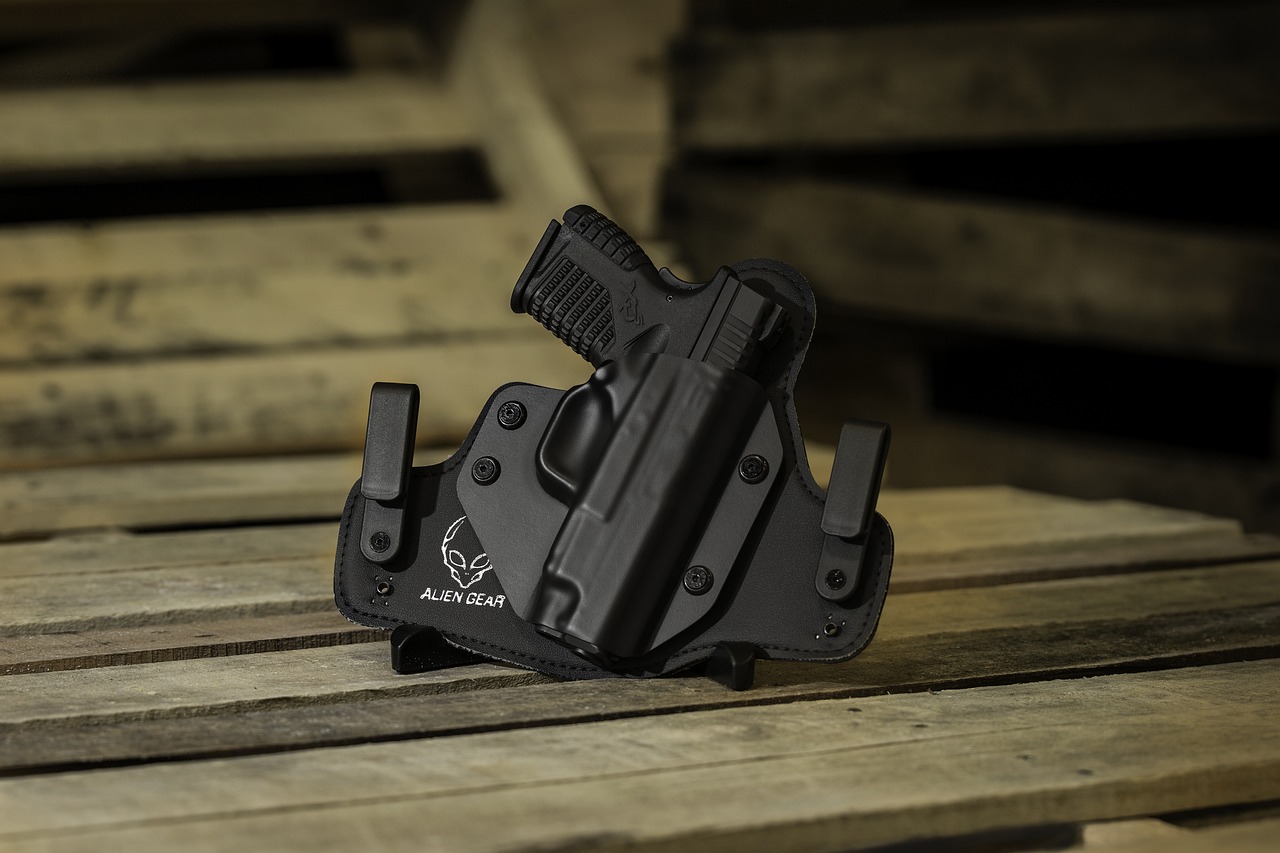
A carry position that seems perfectly acceptable in an air-conditioned store can become miserable during a long, humid afternoon outside. Heat amplifies every pressure point, especially where holster edges trap sweat against skin.
Seasoned carriers often mention that summer discomfort creeps up slowly. You start shifting your waistband, tugging at your shirt, or subtly adjusting your posture long before you realize the setup is distracting you.
That matters because distraction changes behavior. If you are constantly fidgeting with gear in public, you are not just less comfortable. You may also be drawing the exact kind of attention concealment is supposed to avoid.
Holster material matters more in hot weather

Extreme heat has a way of revealing what your holster is really like to live with. Materials that feel fine in cooler months may turn slick, sticky, or abrasive once sweat, body heat, and movement are part of the equation.
Experienced carriers often get surprisingly specific about backing materials, edges, and retention feel in summer. A setup that is technically secure can still become irritating if it traps heat or presses damp material into one spot all day.
This is also when build quality shows up fast. Cheap clips, softening components, and rough finishing tend to become much more noticeable when the weather is working against you from the start.
Skin irritation becomes a real issue
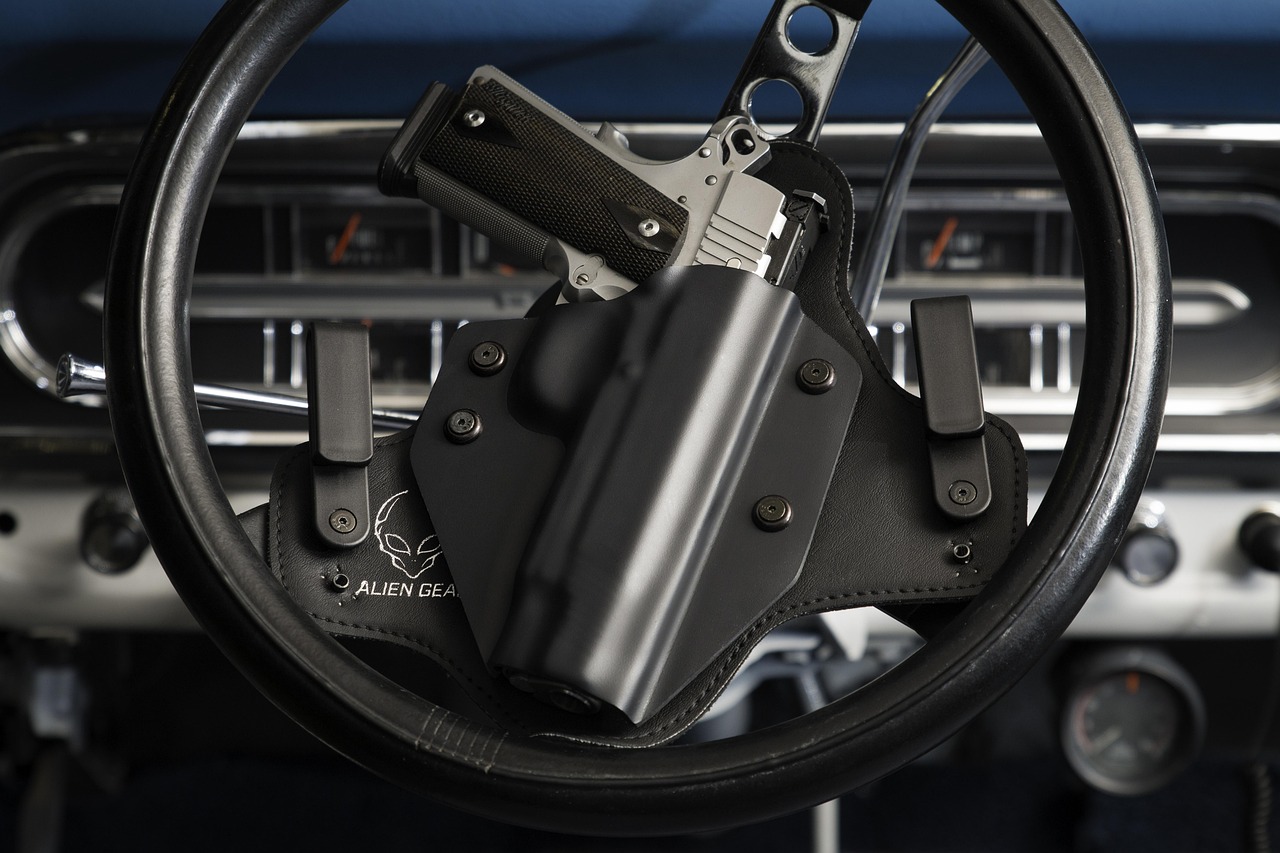
People talk plenty about calibers and carry positions, but not nearly enough about plain old skin irritation. In extreme heat, trapped moisture and constant contact can leave behind redness, chafing, and raw spots that make daily carry harder to sustain.
Those small irritations can snowball. Once skin gets tender, even a setup you normally tolerate may feel sharp, heavy, or impossible by the second or third consecutive hot day.
Experienced carriers usually learn to take barriers seriously, whether that means better undershirts, smarter placement, or giving their skin a chance to recover. Summer carry is often about reducing friction as much as concealing hardware.
Smaller is not always easier

When temperatures soar, the instinct is often to downsize everything. A smaller firearm can be easier to hide under light clothing, but experienced carriers are quick to point out that tiny guns come with tradeoffs people gloss over.
Shorter grips can still print in the wrong shirt, and lightweight pistols can shift more than expected if the belt and holster are not doing their job. In some cases, a compact setup actually feels less stable in motion.
There is also the shooting side of the equation. A gun chosen only for summer comfort may be less forgiving to train with, especially when sweaty hands and rushed practice sessions enter the picture.
Belts and support gear get tested harder
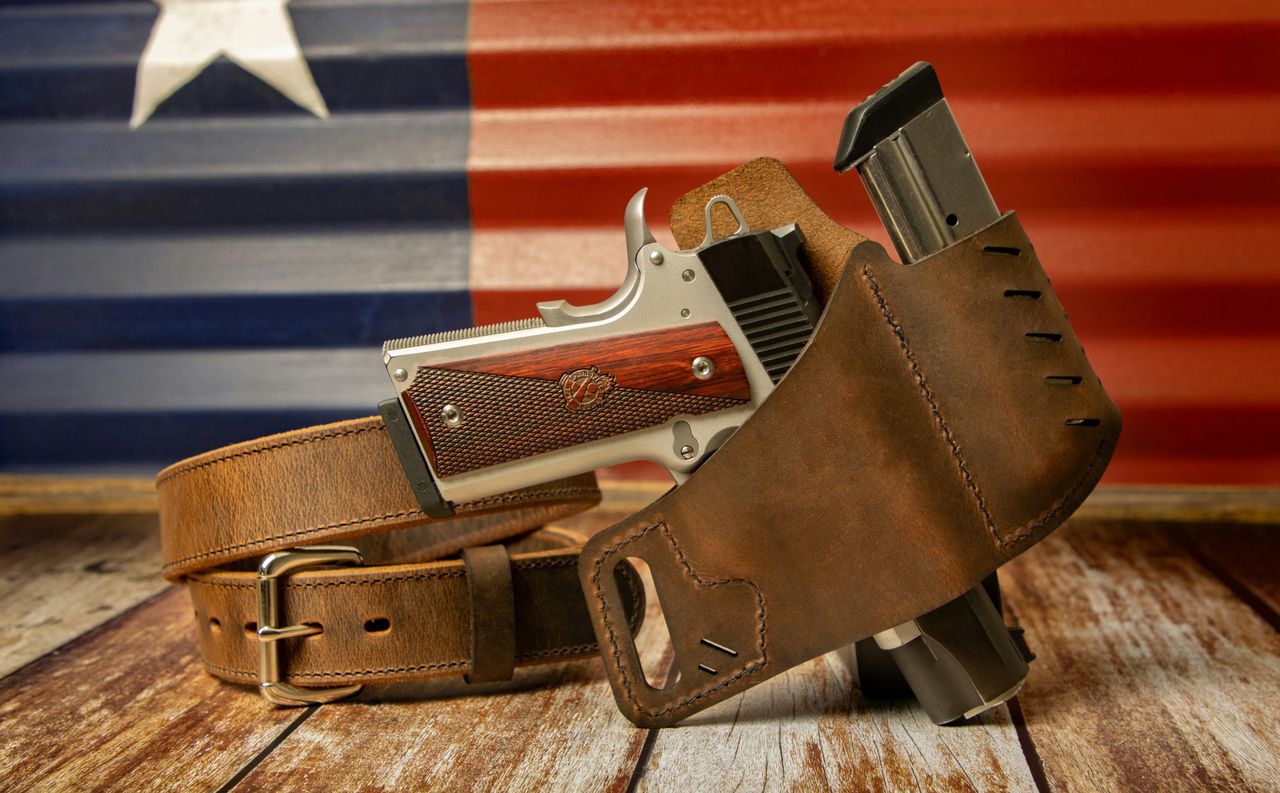
Heat does not just challenge the firearm and holster. It also exposes weak links in belts, clips, and other support gear that seemed fine when layered clothing was doing part of the concealment work.
In summer, many people switch to lighter shorts, softer waistbands, or more casual outfits that offer less structure from the start. That can make a dependable carry setup feel inconsistent from one day to the next.
Experienced carriers often say this is where frustration begins. If the foundation is unstable, everything shifts, prints, sags, or needs adjustment, and that becomes far more noticeable when you are already hot and trying not to fuss with your waistband.
Humidity can affect your daily routine

High humidity changes more than comfort. It influences when people carry, how often they check their gear, and how quickly they notice moisture collecting in places that stay hidden for hours.
Veteran carriers often describe summer as a season of extra little rituals. Wiping down metal, airing out holsters, rotating clothing, and checking screws or clips becomes part of the day instead of an occasional maintenance task.
That routine may sound minor, but it adds up. In muggy weather, neglect shows fast, and the people who carry consistently are usually the ones who build in simple habits before corrosion, odor, or wear become obvious problems.
Movement and activity reveal weak setups

Summer usually means more walking, more driving, more bending, and more time outdoors, all of which expose a carry setup that only works when you are standing still. Heat turns an average day into a gear test.
Experienced carriers say weak setups often reveal themselves during ordinary movement, not dramatic scenarios. Sitting in a car, reaching into a cooler, or picking something up can make printing and discomfort appear instantly.
This is why many carriers reevaluate in summer instead of just enduring it. If your system only feels concealed while you are motionless in climate control, it may not be as practical as it seemed during cooler months.
Heat can tempt people into bad compromises
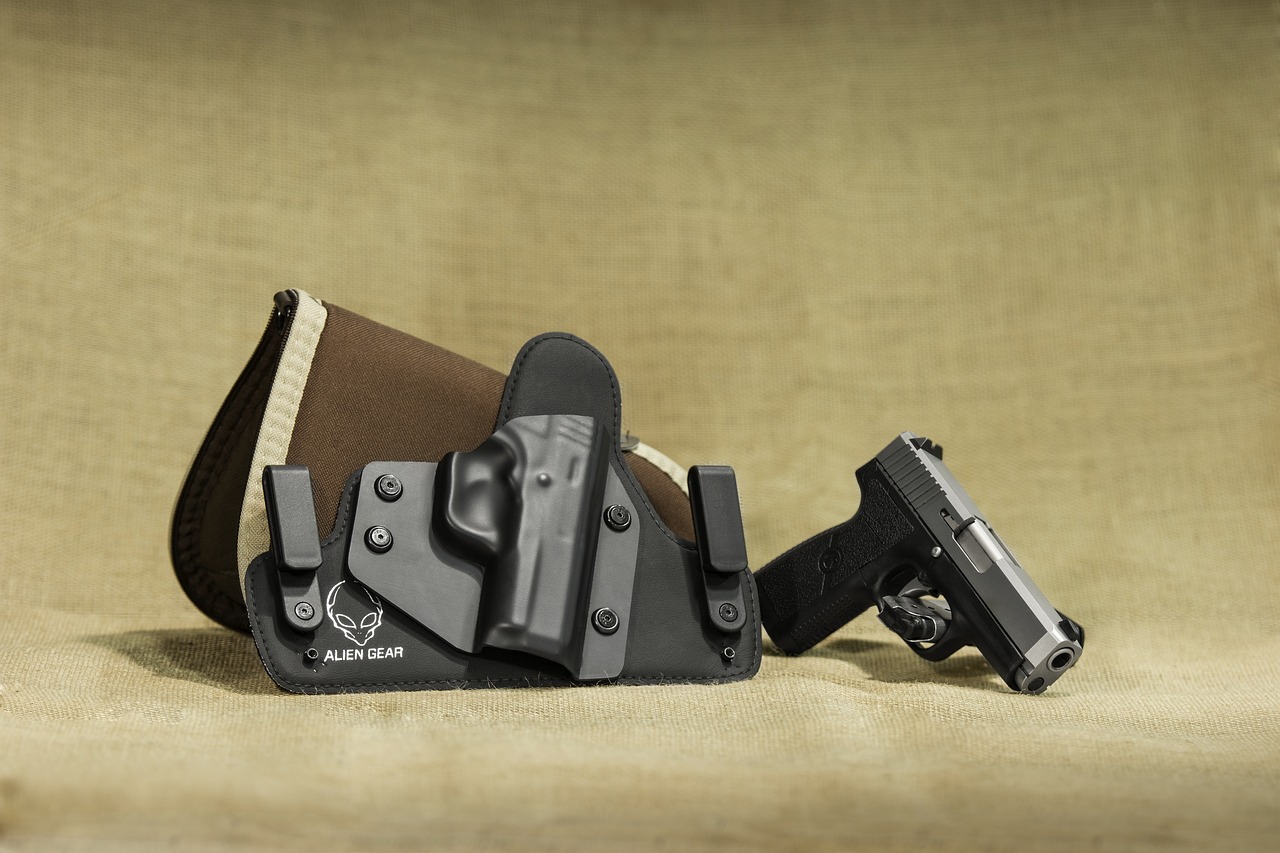
The least discussed part of extreme summer carry may be the temptation to cut corners. When it is scorching outside, people start convincing themselves that a looser routine, a less secure holster, or a quicker shortcut is close enough.
Experienced carriers are usually blunt about this. Hot weather is when discipline matters most, because discomfort can quietly push people toward inconsistent choices they would never make in cooler months.
That does not mean suffering through a bad setup. It means recognizing when heat is nudging you toward habits that reduce concealment, stability, or routine maintenance. Summer carry tends to reward planning and punish wishful thinking.