Muskie fishing has a way of humbling even confident anglers. The fish are famously elusive, and the techniques that consistently fool them often look simple until you try to execute them under pressure. This gallery breaks down nine skills serious muskie anglers say take years to truly learn, but once they click, they can completely change how you fish and how often you move giants.
The Figure Eight at Boatside

For many muskie anglers, the figure eight is the moment the whole game changes. A fish that trailed lazily for thirty feet can suddenly turn hot at the edge of the boat, and if the angler hesitates, speeds up awkwardly, or lifts too soon, the chance is gone.
Mastering it means learning smooth, wide turns, controlled rod depth, and the confidence to keep moving when your heart rate spikes. Serious anglers often say the best figure eights look almost boring, because every motion is deliberate. When that timing finally clicks, boatside stops feeling like the end of the cast and starts feeling like the strike zone.
Reading Spot-on-the-Spot Structure

Beginners often fish the obvious: the weed bed, the reef, the point. Experienced muskie anglers learn to search for the tiny irregularities inside those larger areas, the inside turn, the hard-to-soft bottom change, the isolated boulder, the single clean lane through cabbage.
That level of reading structure takes time because it blends mapping, electronics, casting angle, and local observation into one judgment call. The reward is huge. Instead of covering water randomly, you begin targeting places where a top predator can pin prey with maximum efficiency. When that understanding develops, familiar lakes start revealing hidden high-percentage windows everywhere.
Controlling Retrieve Speed Changes

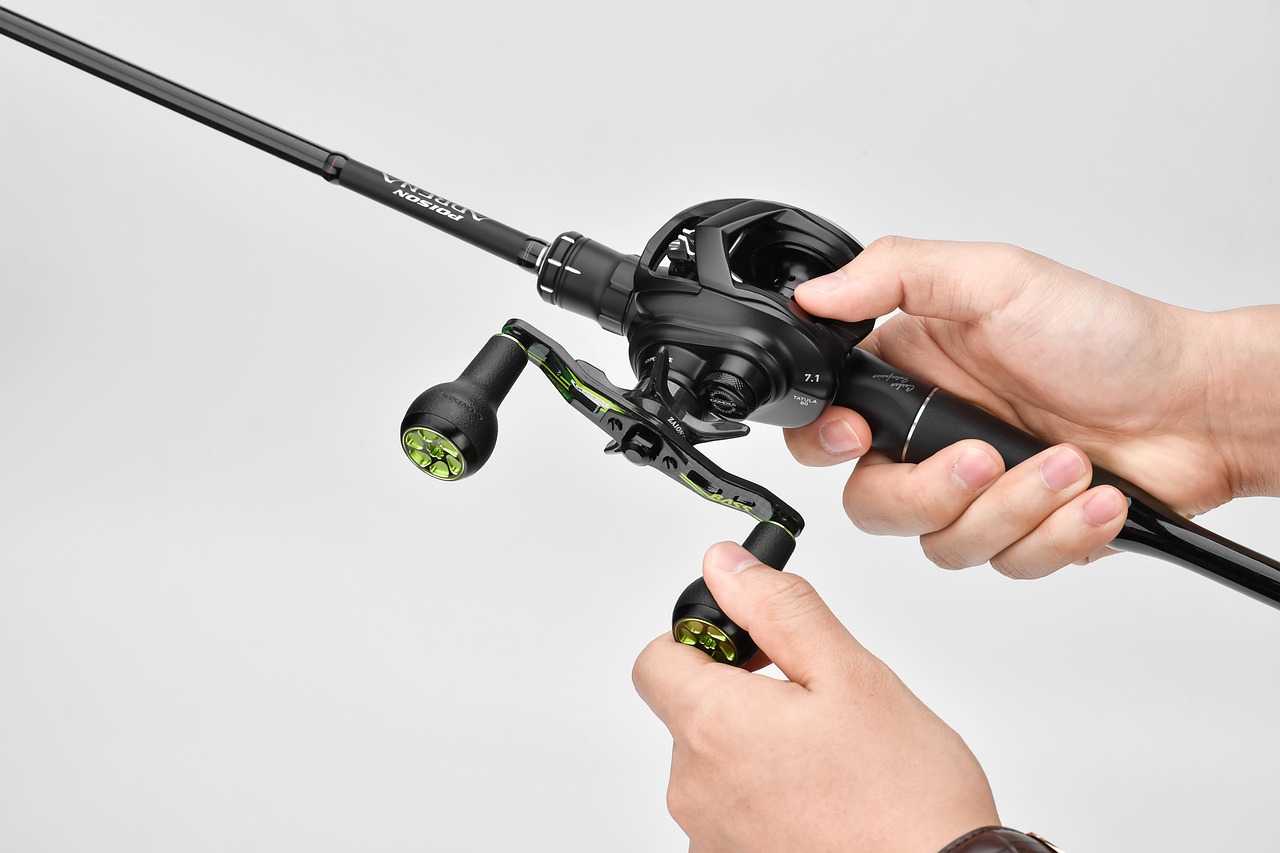
A lot of anglers can cast a bucktail or crankbait all day, but the truly dangerous ones know exactly when to burn, stall, pulse, or surge a retrieve. Muskies often react to change more than speed itself, especially when a lure suddenly looks vulnerable or starts to escape.
What makes this so hard is that the adjustment has to feel natural, not random. Good anglers read water temperature, lure resistance, fish mood, and following behavior in real time. After enough seasons, speed control becomes less about reeling and more about storytelling. The lure starts sending a message, and the fish finally answers it.
Fishing Heavy Cover Without Hanging Up

Some of the best muskie fish live where expensive lures seem destined to disappear. Thick cabbage, timber edges, reed lines, and mixed rock-and-wood banks all hold predators, but fishing them well means threading a very thin line between clean presentation and total disaster.
The skill is not just accuracy. It is understanding lure design, rod angle, boat position, and how different cover grabs hooks during each part of the retrieve. Serious anglers learn to make a bait glance, tick, and slip through the danger zone without killing the action. Once that confidence arrives, intimidating cover stops being a place to avoid and becomes the first place you want to cast.
Keeping Confidence Through Long Dry Spells

This may be the least glamorous muskie technique, but many serious anglers insist it is the one that ties everything together. Muskies can test your discipline for hours, days, even whole seasons, and when confidence slips, every cast gets sloppier, every decision gets reactive, and the plan falls apart.
Real confidence is not blind optimism. It is the ability to keep executing, adjusting, and believing the next window can open at any moment. The best anglers protect that mindset by trusting their process and staying observant instead of emotional. When this finally clicks, you stop fishing like someone waiting for luck and start fishing like someone prepared for inevitability.