Some revolvers earn loyal followings, and the Ruger GP100 is one of the clearest examples. Experienced shooters often describe it as a tank, not because it is flashy, but because it keeps running through years of heavy use. From its stout frame to its famously overbuilt internal design, this revolver has built a reputation for taking punishment that would leave lighter guns feeling tired.
A Frame Built With Extra Steel
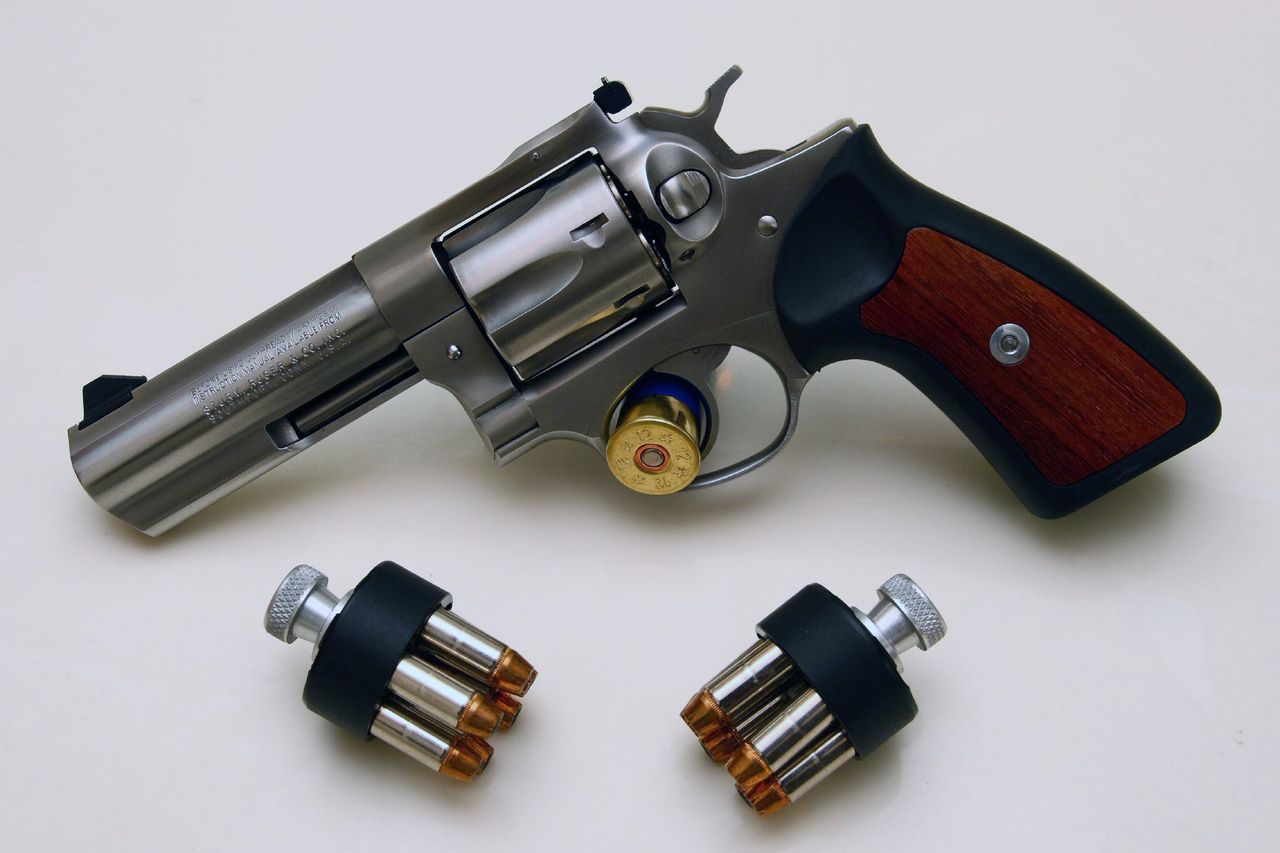
Veteran revolver shooters usually start with the GP100’s frame, because that is where the gun announces what it is all about. Ruger gave it a thick, solid structure with plenty of steel in the top strap, forcing cone area, and around the window where repeated magnum firing does its long-term work.
That extra mass is not just about weight in the hand. It spreads recoil forces more evenly and reduces the kind of stress concentration that can slowly loosen lighter revolvers over time. Shooters who feed a steady diet of .357 Magnum rounds often point to this overbuilt frame as the foundation of the GP100’s long service life.
A Triple Locking Cylinder Setup
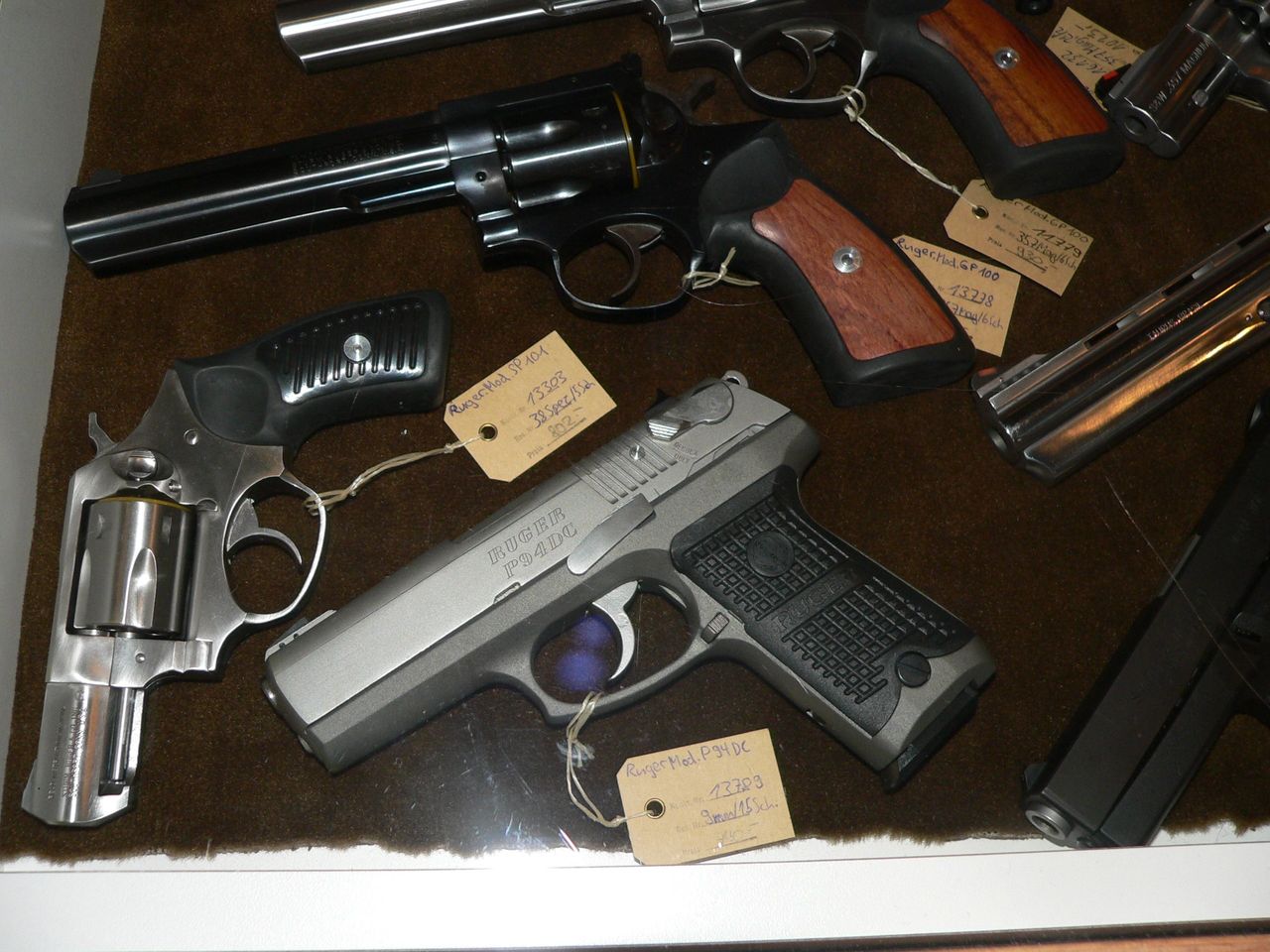
One reason experienced owners trust the GP100 under hard use is its robust cylinder lockup. Rather than relying on a minimal arrangement, the design secures the cylinder at multiple points, which helps keep alignment consistent even after thousands of rounds and a lot of brisk opening and closing.
That matters because the cylinder is one of the most stressed parts of any revolver. A strong lockup helps preserve timing, reduces wear from battering, and supports reliable chamber-to-barrel alignment. Shooters who know revolvers well tend to see this as one of the quiet engineering choices that pays off over decades, not just range trips.
No Side Plate To Weaken The Body
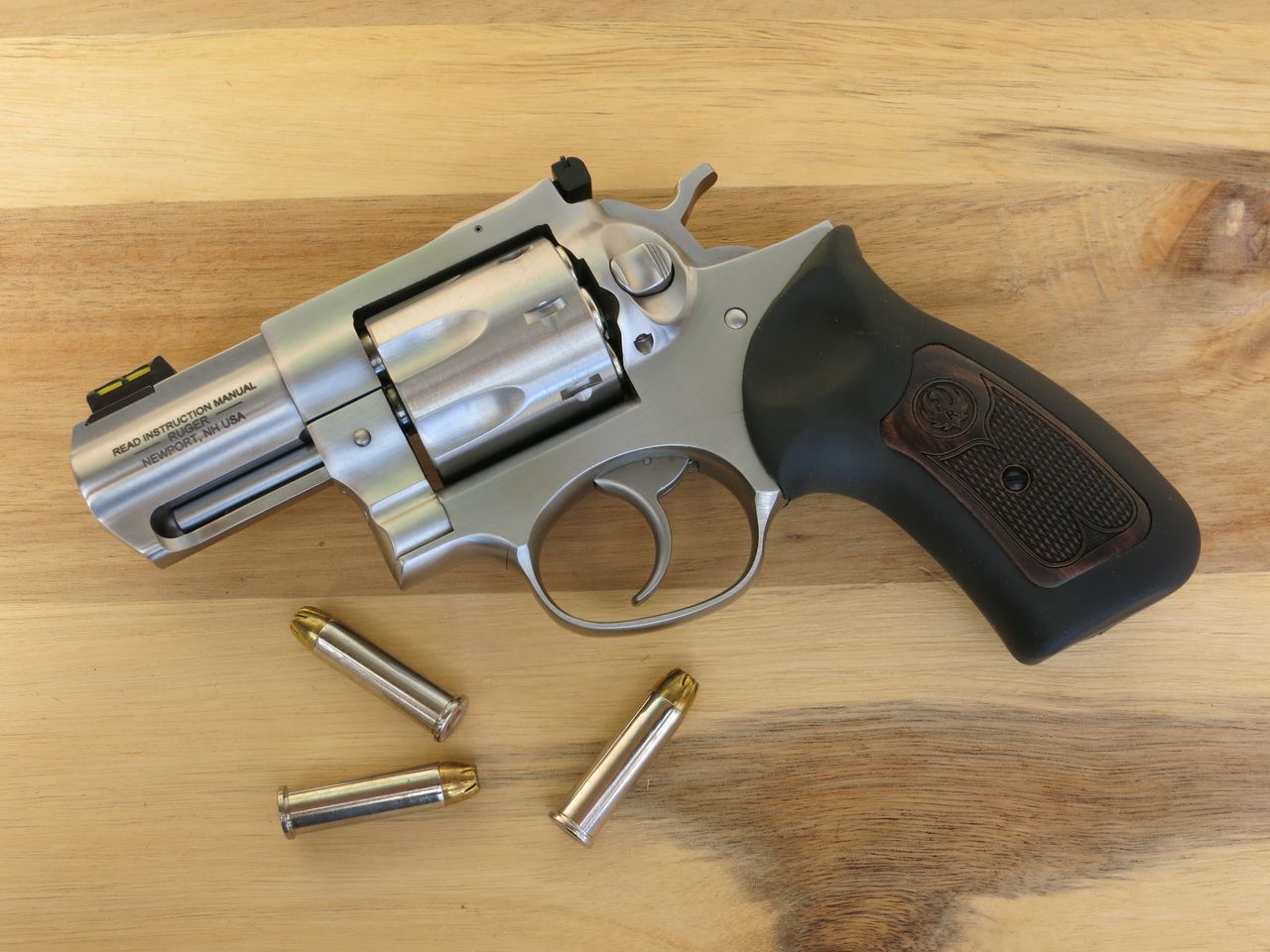
Unlike many traditional double-action revolvers, the GP100 does not use a removable side plate cut into the frame. Instead, its internals are installed in a way that preserves more uninterrupted steel through the main body of the gun, which longtime shooters see as a major durability advantage.
That solid-sided construction can make the revolver feel notably stout because it avoids creating a large opening in a high-stress area. Over time, that means fewer worries about frame flex, loosening, or subtle shifts caused by repeated magnum recoil. It is one of those features that may seem invisible at first glance, yet it helps explain the GP100’s hard-to-wear-out reputation.
A Crane And Cylinder Made For Abuse
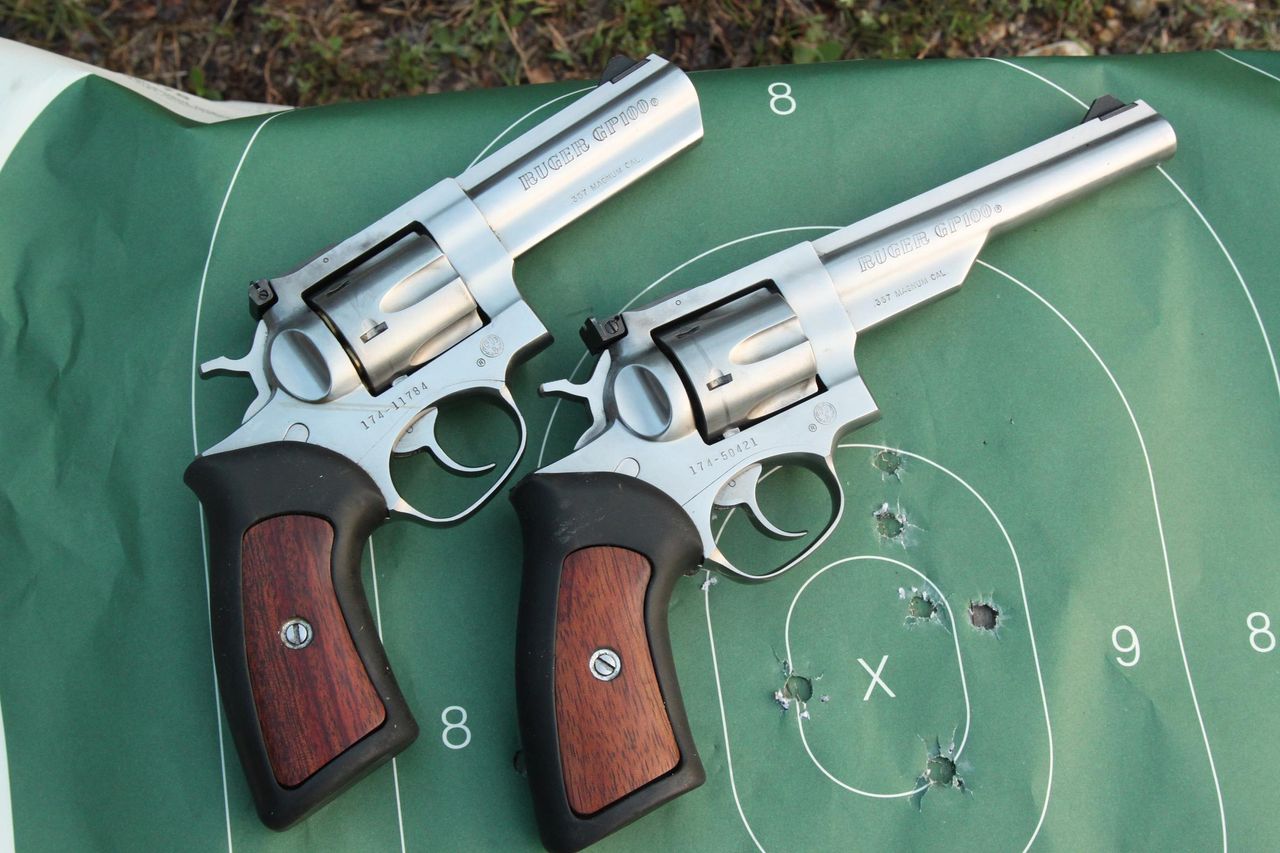
Ask revolver shooters what gets beaten up through years of use, and many will mention the crane and cylinder assembly. On the GP100, that whole area feels engineered with little patience for fragility. The parts are hefty, well-supported, and designed to tolerate a lot of opening, loading, firing, and closing without developing a loose or shaky feel.
This is especially appreciated by people who shoot often and handle their revolvers hard at the range. A stout crane helps maintain alignment, while a durable cylinder assembly resists the wear that can eventually show up as end shake or timing issues. That kind of longevity is a big part of why the GP100 is so often described as practically indestructible.
Springs And Internals With A Rugged Reputation

The GP100’s reputation is not built on frame strength alone. Shooters who have owned them for years often talk about the internal parts, especially the spring system and lockwork, as being built with reliability first and delicacy a distant second. The design has long been praised for staying functional under heavy round counts and rough conditions.
That does not mean every trigger feels perfect out of the box, but it does mean the mechanism tends to keep working. Many experienced owners would rather tune a durable action than baby a smoother but more fragile one. In the GP100, the internals reflect Ruger’s broader philosophy of making a service revolver that can absorb use without drama.
It Handles A Steady Diet Of .357 Magnum.
Plenty of revolvers can chamber .357 Magnum, but seasoned shooters often separate occasional magnum guns from true magnum workhorses. The GP100 is usually placed in the second category. It has earned that status by proving it can digest full-power loads for years without showing the kind of accelerated wear that worries heavy users.
That confidence comes from the whole package working together: frame strength, cylinder lockup, robust internals, and generous dimensions in the right places. Owners who spend serious time on the range often say the GP100 is one of the few revolvers they can shoot hard without constantly wondering what the round count is doing to the gun.
Easy Maintenance Helps It Stay Tight

Durability is not only about surviving recoil. It is also about whether a revolver can be cleaned, inspected, and maintained without turning into a headache. The GP100 has long been appreciated for a takedown process that is straightforward by revolver standards, which encourages owners to actually keep up with routine care.
That matters more than people sometimes admit. A gun that is easier to service is more likely to have fouling removed, springs checked, and wear spotted before it becomes a problem. Experienced shooters often say the GP100 benefits from this practical friendliness, because regular maintenance helps preserve the same tight, confidence-inspiring feel that made people buy it in the first place.
Its Weight Works In Its Favor

Nobody confuses the GP100 with a featherweight carry revolver, and for durability, that is part of the point. Its substantial weight helps soak up recoil, reducing the battering effect that repeated magnum shooting can have on both the gun and the shooter. Experienced revolver fans often see that heft as one of its smartest long-term design choices.
A heavier revolver moves less violently under recoil, which can translate into less cumulative stress on critical parts. It also makes practice more manageable, encouraging owners to shoot more and worry less. In that way, the GP100’s mass is not just a comfort feature. It is one more reason this revolver has a reputation for surviving an enormous amount of use.