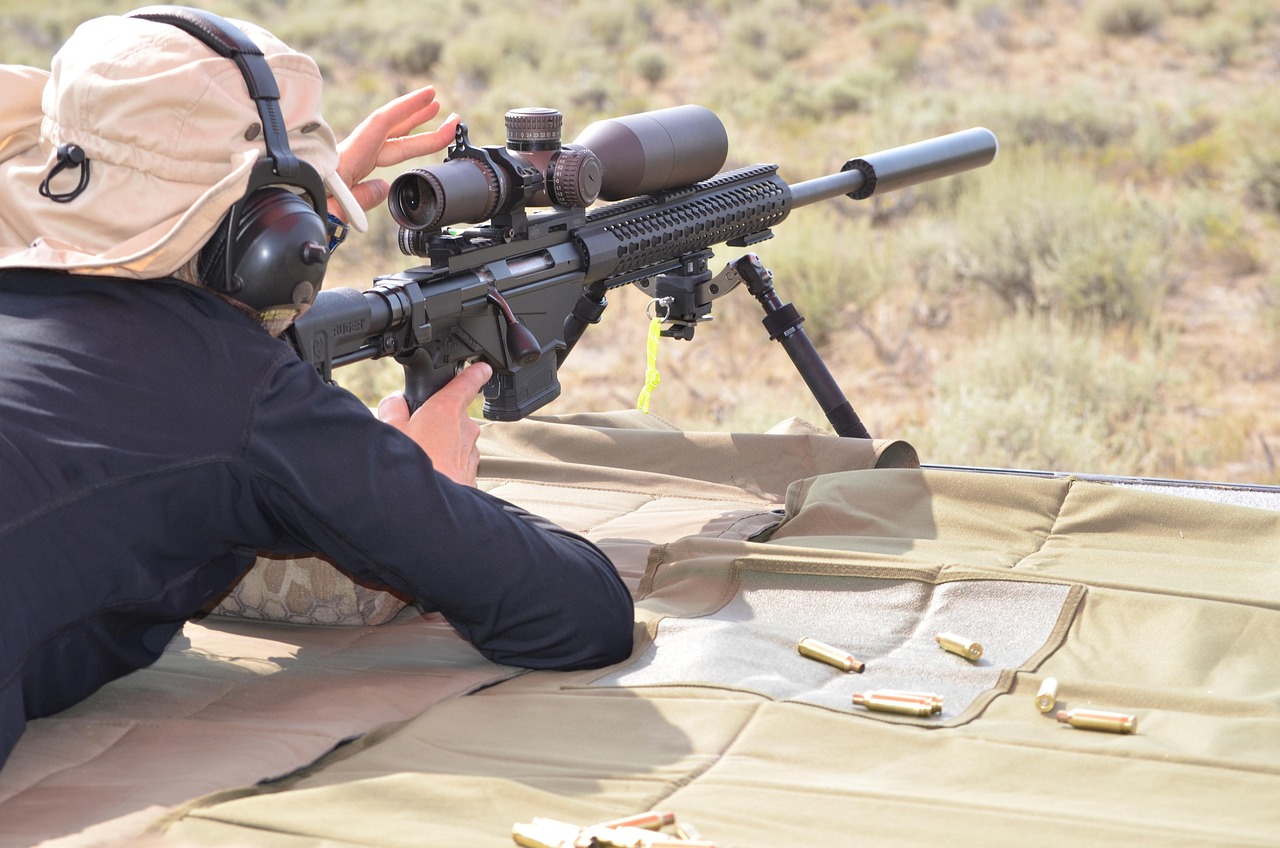
For serious precision hunters, the stock is far more than a place to hold a rifle. It shapes comfort, stability, recoil control, and the kind of repeatable shooting that matters when one cold-bore shot counts most. These 10 upgrades are the ones experienced shooters often say made an immediate difference, whether they were tightening groups at the range or settling in for a high-stakes hunt.
Adjustable cheek riser

A good cheek riser can change the feel of a rifle the moment it comes to the shoulder. Hunters who switch optics, mount taller scopes, or wear bulky cold-weather layers often say this is the first upgrade that finally gives them a natural, repeatable sight picture instead of a head position that never feels quite right.
That consistent cheek weld matters more than many new shooters realize. When your eye lands in the same place every time, parallax issues feel easier to manage and follow-up shots become less fussy. Serious precision hunters often describe the result as immediate confidence, because the rifle suddenly fits them instead of forcing them to adapt to it.
Length-of-pull spacers

Length-of-pull spacers sound simple, but they can solve one of the biggest fit problems in the field. A stock that is too short can make a rifle feel cramped and twitchy, while one that is too long can slow mounting and make stable prone shooting harder than it should be.
Hunters often notice the payoff right away when a rifle starts settling into the shoulder pocket with less effort. In practical terms, that means better trigger reach, a more relaxed firing hand, and a position that feels sustainable during long glassing-and-waiting sessions. It is one of those modest upgrades that rarely looks dramatic but can make a rifle feel custom built.
Recoil pad upgrade

A premium recoil pad is one of the most talked-about comfort upgrades among hunters who spend real time behind magnum calibers or lightweight mountain rifles. The change is not just about softness. It is about reducing the sharp, distracting jolt that can make shooters rush a shot or develop a flinch over time.
Many precision hunters say the transformation shows up from the first few rounds at the bench. A better pad helps the rifle stay planted, softens the blow during load development, and makes long practice sessions more productive. When the rifle feels calmer against the shoulder, shooters often find they can focus more on the reticle, breathing, and trigger press instead of anticipating impact.
Bedding pillars

Pillar bedding is one of those upgrades that tends to earn respect from hunters who care about consistency in changing conditions. By creating a more stable interface between the action screws and the stock, it helps reduce the subtle shifts that can show up as frustrating point-of-impact changes over time.
For precision-minded shooters, the appeal is not flashy. It is the feeling that the rifle returns to zero more predictably after transport, weather swings, or repeated disassembly for maintenance. Many describe the effect as a steadier, more trustworthy platform, especially when they are chasing small groups and need confidence that the stock is not introducing variables of its own.
Glass bedding

Glass bedding is often mentioned in the same breath as pillar bedding, but hunters who have had it done well know it deserves its own spotlight. The goal is a precise, stable fit between the rifle action and stock, reducing stress points and helping the barreled action sit the same way shot after shot.
That matters when a cold morning in rough country is not the time to wonder whether your zero wandered. Shooters often report a cleaner sense of consistency after this upgrade, with groups that feel less erratic and more honest. It is not glamorous from the outside, but for many serious hunters, it is one of the hidden changes that made the rifle behave like a more refined instrument.
Stiffer composite stock

A stiffer composite stock can be a revelation for hunters coming from flexible factory furniture. Under field pressure, a flimsy fore-end can contact the barrel or shift under a bipod, sling tension, or improvised rest, creating the kind of inconsistency that drives careful shooters crazy.
When that flex disappears, the rifle often feels more serious immediately. Hunters talk about a steadier hold, more predictable barrel clearance, and better confidence when loading a bipod or shooting from awkward terrain. The practical upside is simple: the stock stops being a weak link. Instead, it becomes a rigid foundation that lets the barrel and action perform the way they were meant to.
Wider fore-end

A wider fore-end may not sound exciting, but it can dramatically improve how a rifle rides a bag, pack, or improvised rest. Precision hunters who spend time shooting from prone often say this upgrade makes the rifle feel less tippy and easier to settle, particularly when they are trying to break a clean shot in wind.
That added stability can show up immediately on target. A broader contact patch helps the rifle track more smoothly and reduces the small side-to-side wobble that can creep into narrow hunting stocks. For shooters balancing mountain portability with long-range capability, a well-designed fore-end often strikes that sweet spot between field carry and practical precision.
Adjustable buttstock hardware

Adjustable buttstock hardware brings fine-tuning to the rear of the rifle, where small fit changes can have a surprisingly large effect. Tweaks to buttpad height, cant, or overall positioning can help the stock meet the shoulder more naturally, especially for hunters dealing with heavy clothing, uneven terrain, or unusual shooting angles.
Shooters who invest in this kind of adjustability often say the rifle starts feeling easier to align behind and easier to manage under recoil. The result is not just comfort for comfort’s sake. It is better repeatability, cleaner head position, and less unnecessary muscle tension. When a stock fits the body properly, serious hunters tend to notice it from the very first shot.