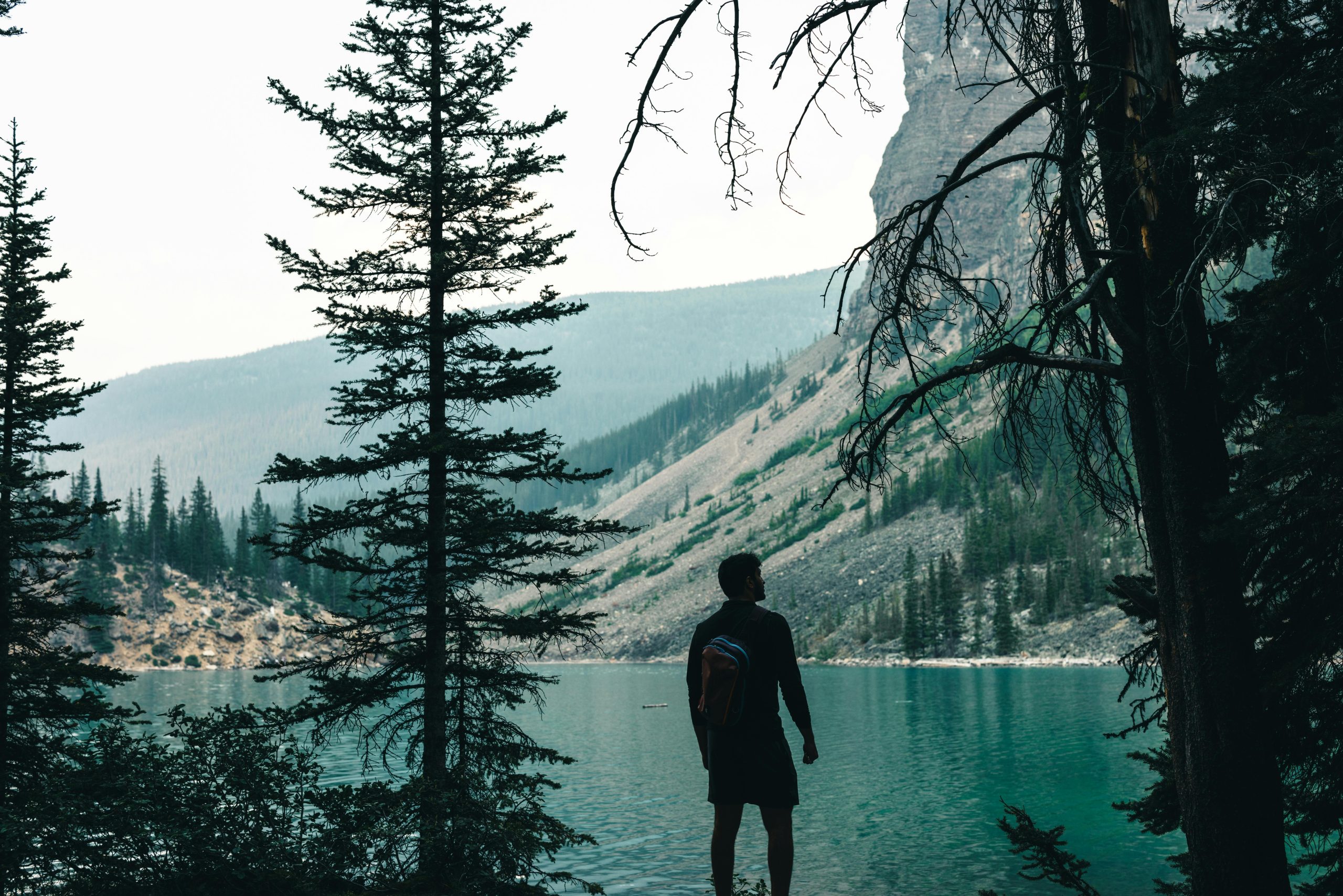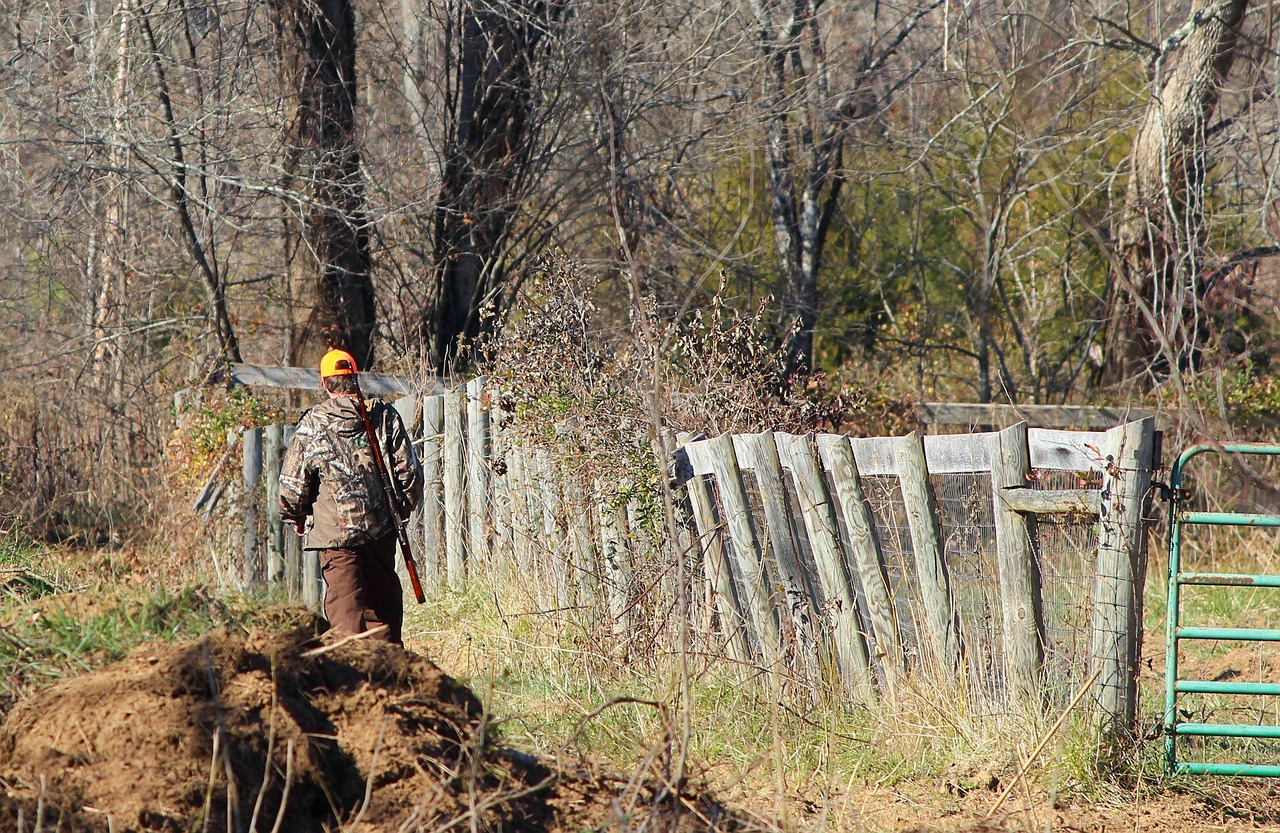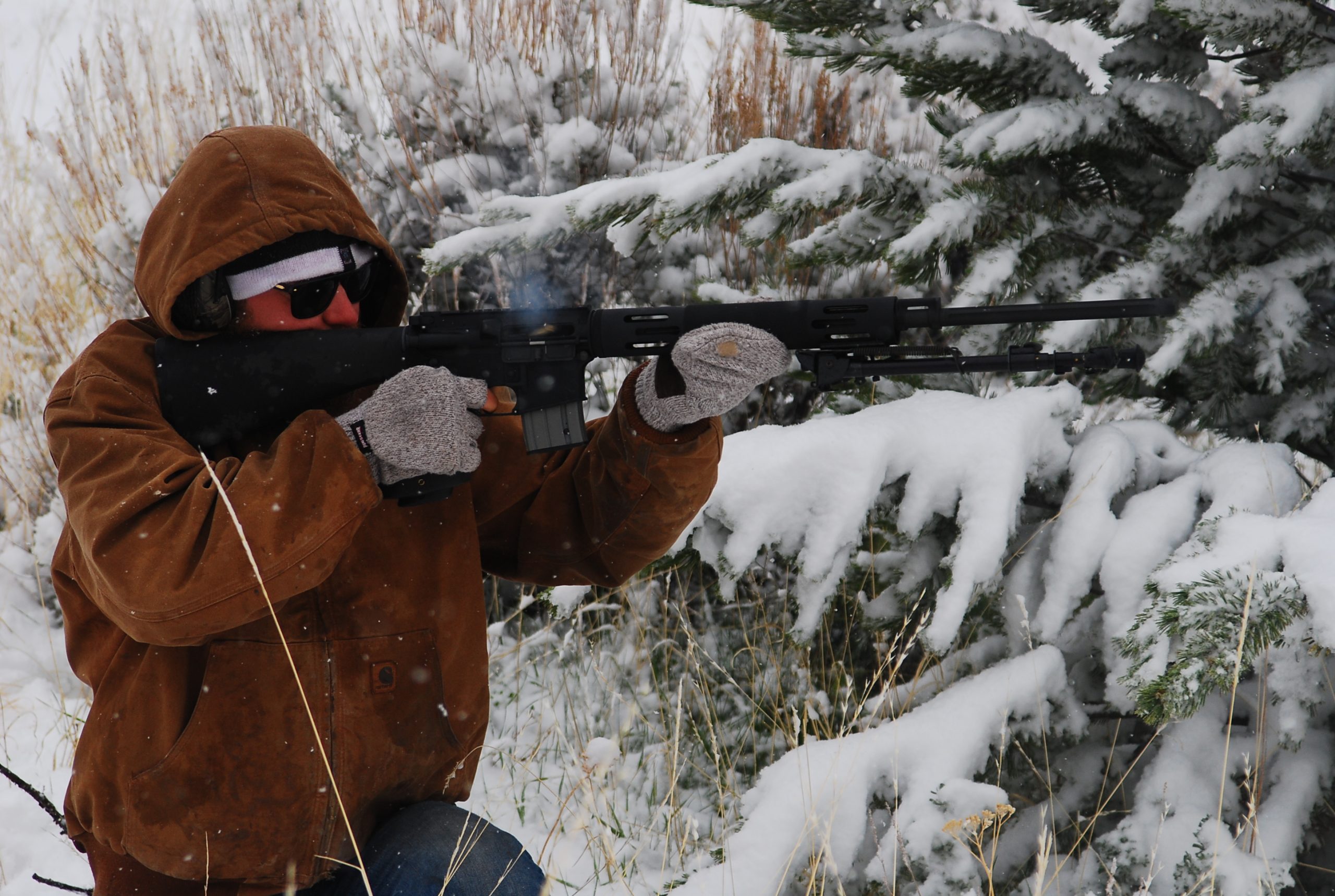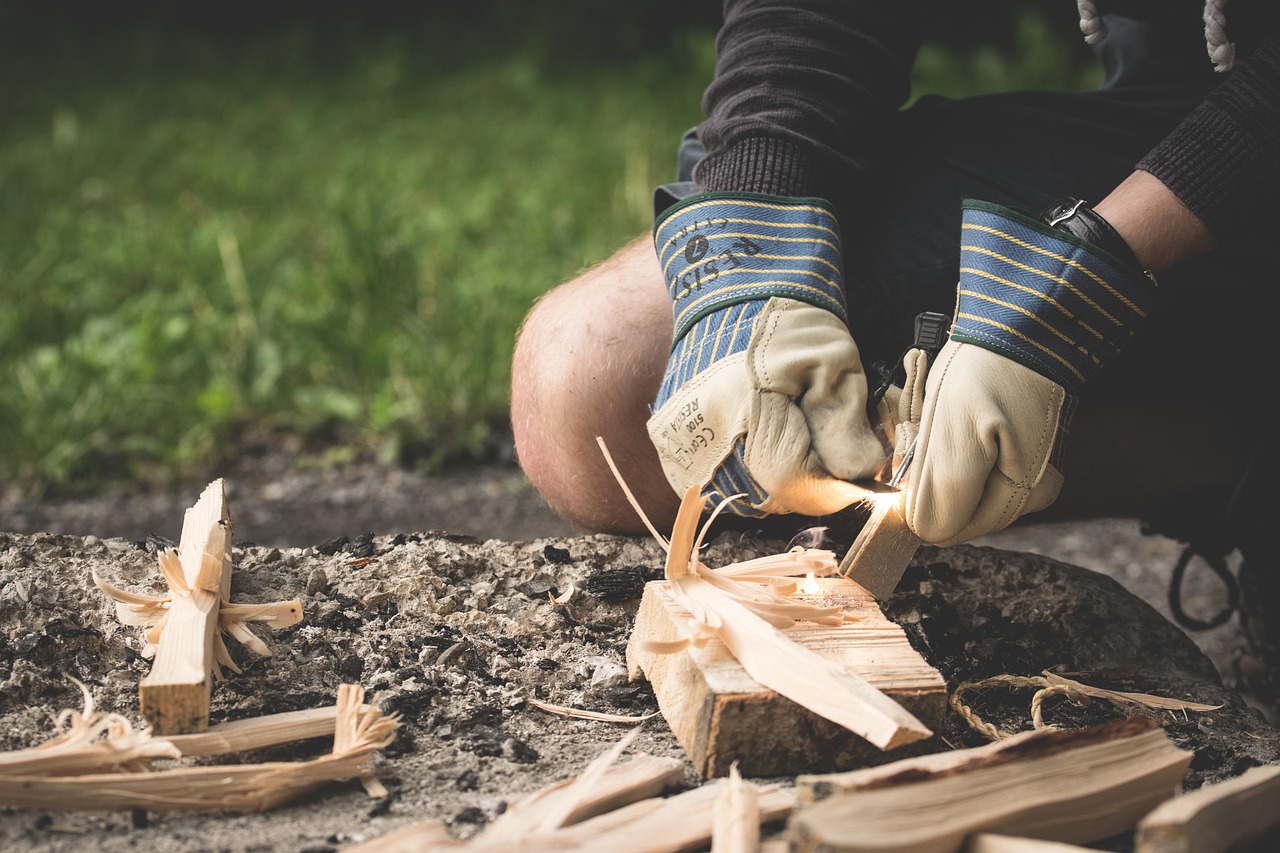
Some campers want more than a reservation number and a fire ring. They want competence, solitude, and the satisfaction of knowing they can handle the outdoors on its own terms.
Bushcraft Has Moved From Niche Hobby to Mainstream Outdoor Culture
Modern bushcraft in America is no longer confined to survival schools, hunting camps, or hard-core backcountry circles. It has moved into the broader camping conversation as more people look for hands-on, skill-based ways to spend time outside. According to the Outdoor Industry Association, outdoor participation reached a record 175.8 million Americans in 2023, showing just how large the potential audience has become for more self-reliant forms of recreation.
That surge matters because not every new camper wants a polished campground experience. A growing share wants something quieter, less managed, and more personal. Bushcraft speaks directly to that instinct by focusing on shelter building, fire craft, camp systems, navigation, wood processing, and the kind of practical judgment that makes a person feel capable instead of merely entertained.
Part of the appeal is cultural. Over the past few years, camping has split into multiple lanes, from glamping and van life to car camping and dispersed camping. Hipcamp and KOA both point to a market where campers are experimenting with trip styles, booking patterns, and simpler getaways, and that flexibility has created space for bushcraft to feel less fringe and more like the next logical step for people who are ready to go deeper.
The Off-Grid Appeal Is About Freedom, Not Fantasy

At its core, bushcraft sells a kind of freedom that modern life rarely offers. A fully off-grid camp strips away schedules, screens, hookups, and the constant low-level noise that comes with ordinary life. For many campers, the draw is not pretending to be a frontier settler. It is a rare chance to make deliberate choices about water, warmth, food, light, and shelter.
There is also a strong psychological pull. A 2024 paper in Nature Mental Health linked long-term greenness exposure with lower risk of depression and anxiety, while another 2024 research in Scientific Reports and PubMed continued to connect nature contact with lower stress and stronger mental well-being. Campers do not need to know the academic language to feel the effect. They simply know they come home calmer.
Bushcraft sharpens that effect because it turns passive recreation into active attention. You are not just sitting outside. You are reading wind, choosing a tarp angle, managing a fire safely, and noticing how terrain changes after sunset. That level of engagement gives people a break from digital overstimulation and replaces it with something many find more restorative: useful focus.
Money, Crowds, and Convenience Are Pushing Campers Toward Simpler Trips

Economics is quietly helping modern bushcraft grow. Camping can still be affordable, but many travelers have become more cost-conscious, and Hipcamp cited KOA’s 2025 camping report in noting that concern about camping costs had doubled. When hotel rates, airfare, and heavily equipped RV travel feel expensive, simple off-grid camping starts to look less extreme and more practical.
Dispersed camping also gives people access to lower-cost or free overnight options, especially on public land. The Forest Service defines dispersed camping as camping outside designated campgrounds, with no amenities such as piped water, toilets, or trash service. That sounds inconvenient to some travelers, but to bushcraft-minded campers, it is exactly the point. No amenities means fewer fees, fewer neighbors, and more control over the experience.
Crowding is another factor. Popular campgrounds can feel busy, structured, and overbooked during peak season. By contrast, primitive sites and remote forest roads offer the kind of space many people thought camping always promised. The result is a subtle but important shift: bushcraft is not just a philosophy of rugged living; it is also a very modern response to budgets, congestion, and the desire to travel on your own terms.
Skills Are the New Status Symbol in the Outdoors

For a long time, outdoor aspiration often centered on gear. The biggest cooler, the rooftop tent, the camp kitchen, the power station, the upgraded rig. Bushcraft flips that hierarchy. In this world, skill matters more than stuff. Knowing how to keep tinder dry, hang a tarp in bad weather, process deadfall responsibly, or cook with limited equipment carries more weight than showing up with a truck full of accessories.
That shift is especially attractive to newer generations of campers who are skeptical of overconsumption but still want meaningful experiences. Competence feels authentic. A carefully packed kit with a few proven tools can be more impressive than a pile of expensive gadgets, because it signals judgment, practice, and self-control rather than impulse buying.
Outdoor education organizations have long built their model around that idea. NOLS continues to emphasize wilderness skills, leadership, and risk management, and its training culture reflects a broader truth about bushcraft: self-reliance is learned, not purchased. Modern campers are increasingly drawn to that lesson. They want to come back from a trip with more than photos. They want better instincts, steadier habits, and evidence that they can solve problems without outsourcing every inconvenience.
Public Lands Make Off-Grid Travel Possible, but Rules Matter
The American bushcraft revival depends heavily on public land, especially national forests and some Bureau of Land Management areas where dispersed camping is allowed. But off-grid does not mean lawless. The Forest Service makes clear that dispersed camping rules vary by forest, and limits often include where you can camp, how close you can be to water, how long you can stay, and whether permits are required.
Those details matter because the rules can change dramatically from one forest to another. One forest may allow broad dispersed use with a 14-day limit, while another may require free permits, restrict roadside vehicle access, or limit camping to designated dispersed sites. Fire rules can change even faster, especially in drought and high-wind conditions. A legal camp in April can become an illegal one in July.
That reality is making modern bushcraft more disciplined than its romantic image suggests. Responsible off-grid campers now spend real time on maps, motor vehicle use rules, closure notices, and fire restrictions before they leave home. In other words, the rise of bushcraft is not just about primitive skills. It is also about planning, regulation awareness, and understanding that true self-reliance starts with knowing the boundaries of the landscape you are entering.
Ethics Are Becoming Just as Important as Skills
As bushcraft grows, its biggest test is ethical, not technical. The same skills that make off-grid camping appealing can cause damage when they are practiced carelessly. The National Park Service and Forest Service both reinforce Leave No Trace principles, including planning ahead, camping on durable surfaces, disposing of waste properly, and minimizing campfire impacts. For bushcraft, those ideas are not optional extras. They are the line between stewardship and abuse.
That matters because some popular images of bushcraft can be misleading. Cutting live branches, trenching camps, building oversized structures, or creating new fire scars may look dramatic on video, but land managers explicitly warn against practices that damage vegetation or expand campsite impacts. Forest Service guidance also stresses collecting only dead and down wood where permitted and avoiding harm to live trees.
The modern version of bushcraft is increasingly defined by restraint. The best practitioners leave little sign they were there, use existing sites when possible, and treat fire as a tightly managed tool rather than a theatrical centerpiece. In that sense, the movement is maturing. It is moving away from fantasy survivalism and toward a more credible ethic built around skill, humility, and respect for crowded landscapes.
What the Future of Bushcraft Looks Like in America
Bushcraft is likely to keep growing, but not as a mass movement where everyone starts carving spoons and sleeping under wool blankets. Its future is more practical than that. It will continue shaping how Americans camp by normalizing lower-impact gear lists, more dispersed travel, and a stronger emphasis on skills over amenities. Even campers who never call themselves bushcrafters are already borrowing parts of the mindset.
That influence is visible in the wider camping market. Hipcamp has highlighted interest in private land escapes, dispersed-style stays, and simple car-based trips, while KOA’s recent reporting shows that camping remains resilient even as households watch costs and shorten trips. Those conditions favor adaptable, low-infrastructure camping styles. Bushcraft fits neatly into that environment because it teaches people how to do more with less.
In the end, modern bushcraft is rising because it answers several American needs at once. It offers a cheaper trip, a quieter landscape, a break from constant connectivity, and a more satisfying kind of competence. For campers tired of curated experiences, that combination is hard to beat. Off-grid living, even for a weekend, gives people something rare: the feeling that they are not escaping reality, but relearning how to meet it.