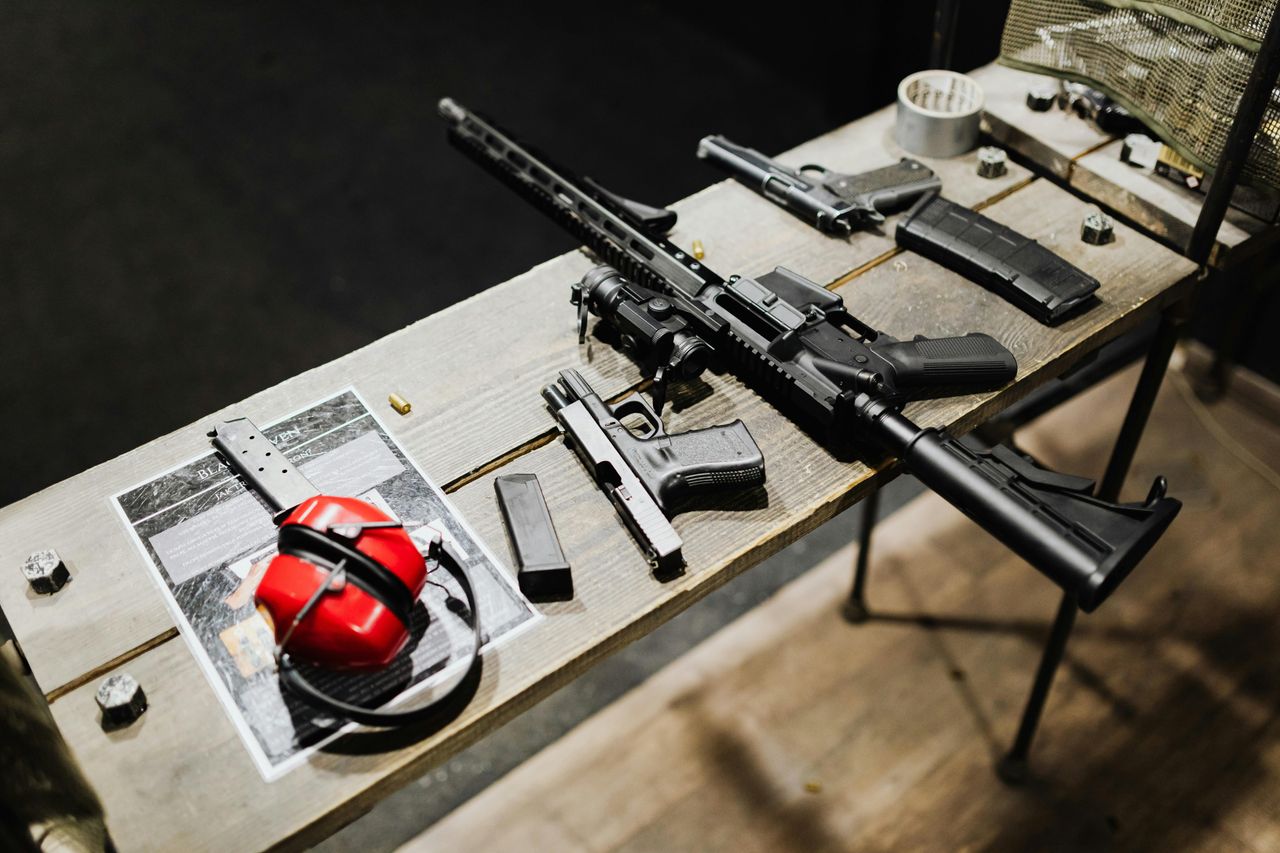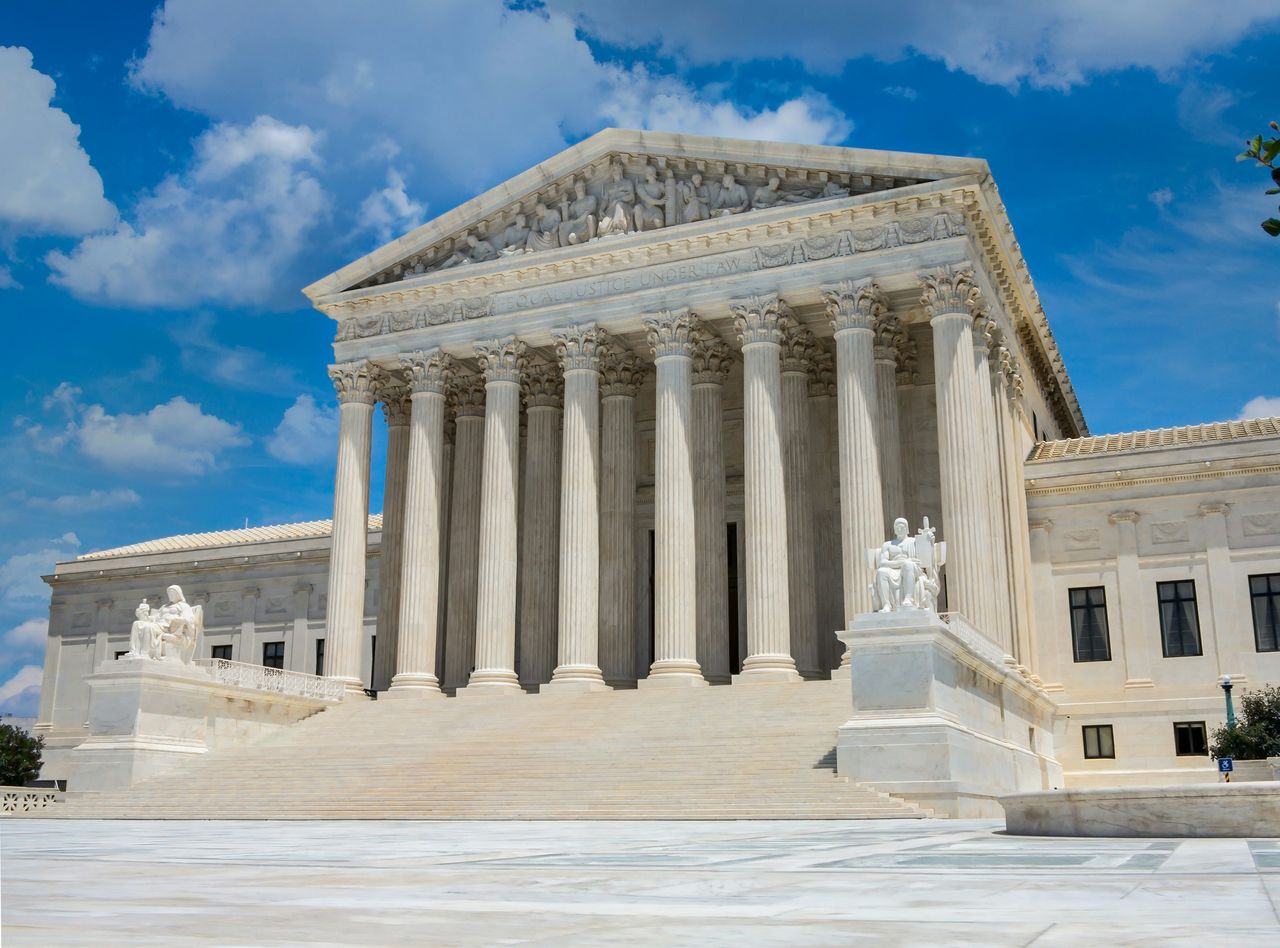
The fight over AR-15 bans is no longer a niche legal debate. It is becoming one of the most important Second Amendment battles in the country.
Why This Legal Fight Is Heating Up Now
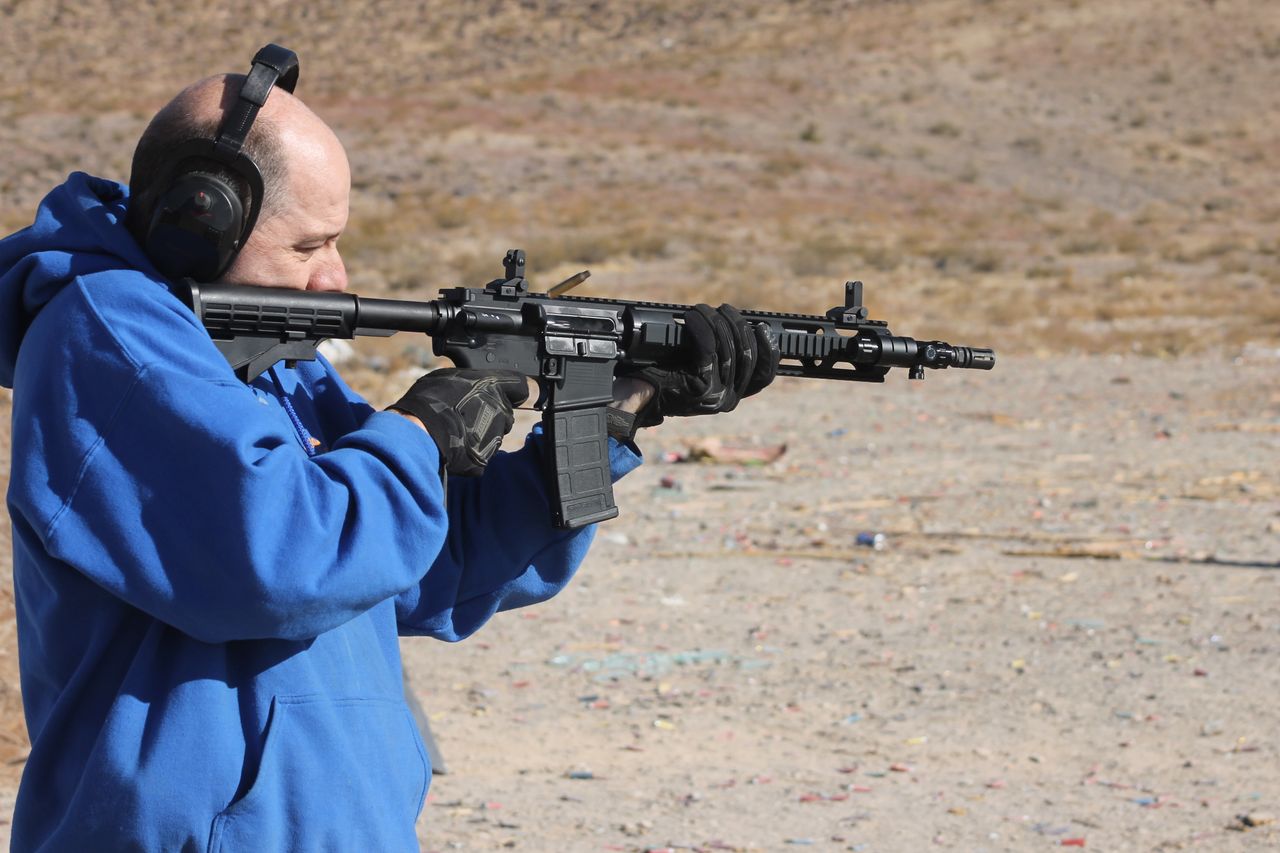
Several states have laws that ban or heavily restrict AR-15-style rifles, often classifying them as assault weapons. Those laws were once defended under a balancing approach that gave judges room to weigh public safety concerns against gun rights. That framework changed dramatically after the Supreme Court’s 2022 Bruen decision, which told lower courts to focus instead on the nation’s historical tradition of firearm regulation.
That shift has put existing state bans under fresh pressure. Courts now have to ask whether modern restrictions on some of the most popular rifles in America fit with the kinds of regulations that existed around the founding era or the Reconstruction period. For states defending these bans, that is a much harder argument to make than broad claims about the dangers of mass shootings.
The result is a legal landscape full of tension and uncertainty. Some federal judges have upheld assault weapon bans even after Bruen, while others have signaled deep skepticism. According to Reuters and other national outlets tracking the cases, the split in reasoning across federal courts has made a Supreme Court review increasingly likely.
Which States Could Be Most Exposed

The states most exposed to Supreme Court fallout are those with clear statutory bans on AR-15-style rifles or similar semiautomatic firearms. That list includes California, Illinois, Maryland, New Jersey, New York, Connecticut, Delaware, Massachusetts, and Washington, with some variation in how each state defines prohibited features, magazines, and grandfathered ownership. A high court ruling against one of these laws could send immediate shock waves through all of them.
Illinois is one of the most closely watched examples because its Protect Illinois Communities Act triggered a wave of lawsuits almost as soon as it passed. Plaintiffs argued that the law targeted firearms commonly owned for lawful purposes, a key point in modern Second Amendment litigation. The state has defended the law as a response to public safety threats, but that argument may not carry the same weight under the Bruen framework.
Maryland is another major focal point because its assault weapons restrictions have already been tested repeatedly in federal court. Cases from Maryland are especially important because they give appellate judges and eventually the Supreme Court a developed record on whether AR-15s should be treated as protected arms in common use. If the justices take a Maryland case, the decision could become the national template.
The Core Constitutional Question

At the center of these cases is a deceptively simple question: Is an AR-15 protected by the Second Amendment? Gun rights advocates say yes, and their strongest point is that the rifle is one of the most commonly owned firearms in the United States. Estimates vary, but industry groups and litigation records often place the number in the tens of millions, which makes it difficult to argue the platform is unusual.
That matters because Supreme Court precedents such as Heller emphasized protection for arms “in common use” for lawful purposes like self-defense. Opponents of bans argue that if millions of Americans legally own AR-15-style rifles, the government cannot simply declare them outside constitutional protection because they are politically controversial. In that view, common ownership is not a side issue. It is the issue.
States defending bans respond that AR-15s can be restricted because of their military-style features and their repeated use in high-profile mass shootings. They also argue that the Second Amendment does not prevent lawmakers from regulating especially dangerous weapons. The legal trouble for states is that courts now want stronger historical analogies, and there were no AR-15s in 1791, making the comparison exercise difficult and highly contested.
How Lower Courts Are Splitting
One reason this issue seems headed toward the Supreme Court is the growing disconnect among lower courts. Some judges have concluded that assault weapon bans survive because governments historically regulated dangerous weapons and because states retain authority to address exceptional public threats. Others have said that reasoning is too abstract and that Bruen demands a much tighter historical fit.
The Fourth Circuit, which includes Maryland, has been central to the debate. The Seventh Circuit, which includes Illinois, has also played an outsized role. When appellate courts analyze similar laws through slightly different methods and reach different conclusions or emphasize different legal principles, that creates the kind of instability the Supreme Court often steps in to resolve.
There is also a practical reason the split matters. State officials need to know whether they can keep enforcing these laws, gun owners want clarity on what they can legally buy and possess, and manufacturers need to understand whether large markets will remain closed. Until the justices give a definitive answer, every new ruling adds another layer of uncertainty.
What A Supreme Court Ruling Could Change

If the Supreme Court strikes down a state AR-15 ban, the immediate effect would almost certainly reach beyond the state whose law is under review. Other states with similar assault weapon bans would face rapid legal challenges, and lower courts would be expected to apply the new ruling broadly. In practice, a decision could either invalidate multiple bans at once or leave them legally indefensible.
A ruling for the states would also be significant, though in a different way. It would suggest that even under Bruen, legislatures still have room to ban certain semiautomatic rifles if they can frame those laws within a historical tradition of regulating dangerous weapons. That would strengthen not just existing bans, but potentially future state efforts to tighten restrictions on firearm features and accessories.
The decision could also affect magazine limits, feature-based restrictions, and registration requirements. These laws are often packaged together and defended with overlapping arguments. Once the Court draws a clearer constitutional line around AR-15-style rifles, the logic of that ruling could spill over into several adjacent categories of gun regulation.
Why The Politics Are So Intense
The political stakes are obvious because AR-15s sit at the center of America’s broader gun debate. Supporters of bans see the rifle as uniquely tied to modern mass casualty events and argue that limiting access is a reasonable step toward reducing public risk. For them, a Supreme Court decision striking down these laws would amount to a major setback for one of the most visible gun control strategies in blue states.
Gun rights advocates see the issue very differently. They argue that the AR-15 is popular precisely because it is modular, reliable, and suitable for lawful activities ranging from home defense to target shooting. In their view, banning one of the most commonly owned rifles in the country is exactly the sort of government overreach the Second Amendment is meant to prevent.
That clash explains why the legal battle has drawn governors, attorneys general, advocacy groups, sheriffs, and national political organizations into the same arena. It is not just a court fight over one type of firearm. It is a referendum on how far states can go in regulating weapons that are both politically polarizing and widely owned.
What Comes Next For States And Gun Owners
In the near term, the most important development is whether the Supreme Court agrees to hear one of the leading assault weapon cases now moving through the pipeline. The justices do not need dozens of cases to act. One well-positioned appeal from Maryland, Illinois, or another state with a clean legal record could be enough to produce a landmark ruling.
For states with current bans, the strategy will be to keep defending their laws as consistent with historical regulation and public safety tradition. For challengers, the focus will remain on common use, text, history, and the argument that AR-15s are ordinary arms protected by the Constitution. Both sides know that once the Court speaks clearly, the room for ambiguity shrinks fast.
For ordinary readers, the key takeaway is simple. This is not just about one rifle or one state law. A Supreme Court decision on AR-15 bans could redefine the limits of state gun control nationwide and set the rules for the next decade of Second Amendment litigation.