Moon phases have long fascinated hunters, often shaping expectations about deer movement and activity. Folklore suggests full moons halt movement, while dark nights spark feeding frenzies. These ideas persist despite mixed evidence. Focusing too heavily on lunar calendars can overshadow factors that consistently influence deer behavior. Weather, food availability, pressure, and seasonal biology play larger roles in shaping daily movement patterns. When attention centers on moon myths, preparation and decision making may drift away from reliable indicators. Understanding how deer actually respond to their environment offers a clearer path to consistent encounters than relying on lunar predictions that rarely account for complex, real world conditions.
The Appeal Of Moon Phase Theories
Moon phase theories appeal because they offer simple explanations for unpredictable outcomes. Hunters often seek patterns that promise certainty, especially after slow days afield. Lunar charts provide clear dates and times, creating the illusion of control. Stories shared among peers reinforce beliefs when occasional success aligns with predictions. However, confirmation bias strengthens these ideas while failures get dismissed. Deer do move at night, but that behavior occurs regardless of moon brightness. The moon does not dictate feeding or bedding schedules alone. This reliance on lunar explanations can distract from learning terrain, sign interpretation, and adaptive strategies that consistently influence deer movement.
Environmental Factors Matter More
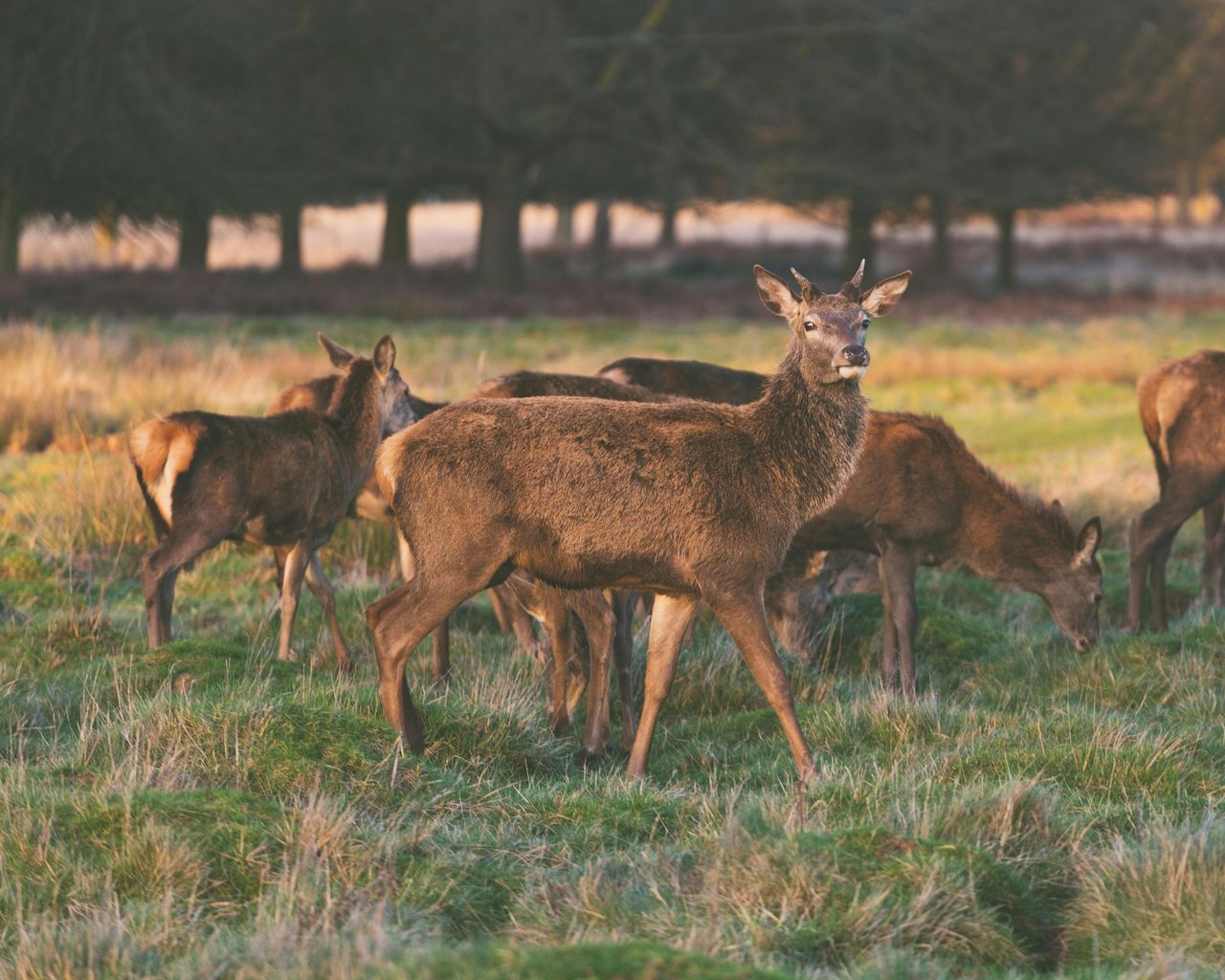
Environmental conditions consistently outweigh moon phases in determining deer activity. Weather changes such as temperature drops, barometric pressure shifts, and approaching fronts influence movement noticeably. Food availability concentrates deer near preferred forage regardless of moonlight. Hunting pressure alters patterns quickly, pushing deer toward cover or nocturnal behavior. Wind direction affects scent and security, shaping travel routes. Habitat features like edge cover and terrain funnels guide movement daily. These tangible factors create repeatable results. When hunters prioritize environmental cues over lunar calendars, decision making improves. Observing real time conditions leads to better stand placement and timing than relying on distant astronomical cycles.
Deer Movement Is Driven By Biology
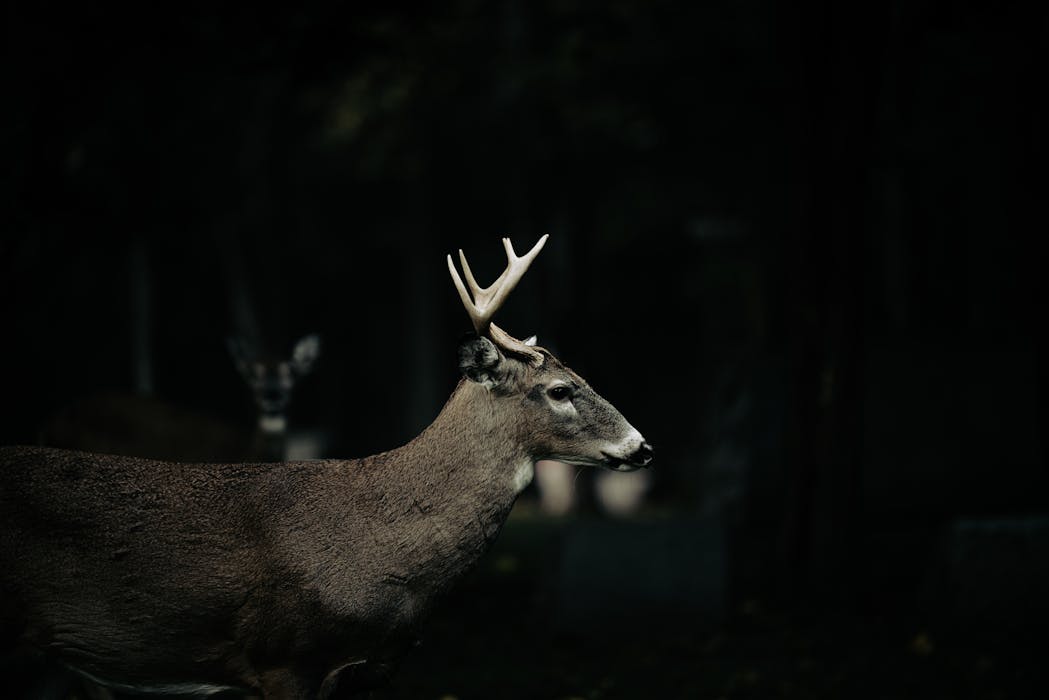
Deer behavior responds primarily to biological needs rather than moonlight. Feeding cycles depend on digestion rates, food quality, and energy demands. Bedding occurs where security and comfort intersect, not where the moon shines brightest. Seasonal changes like the rut, fawn rearing, and winter survival shape movement far more reliably. Hormonal shifts during breeding drive daylight activity regardless of lunar phase. Research shows deer maintain crepuscular patterns influenced by internal rhythms. While moonlight may slightly alter nighttime visibility, it does not override biological priorities. Understanding these internal drivers helps explain why deer often move predictably even when lunar conditions seem unfavorable.
How Moon Myths Affect Hunting Decisions
Moon phase myths can quietly shape poor hunting decisions. Hunters may skip productive days because a calendar suggests low movement. Others overcommit to specific times, ignoring fresh sign or changing conditions. This rigid thinking reduces adaptability. Belief in moon control can also discourage post hunt analysis, attributing outcomes to fate rather than strategy. When results disappoint, learning stalls. Effective hunting depends on observation, adjustment, and understanding local deer patterns. Letting go of lunar expectations encourages flexibility. By focusing on evidence in the field, hunters refine skills and respond to actual deer behavior rather than chasing patterns that rarely hold up consistently.