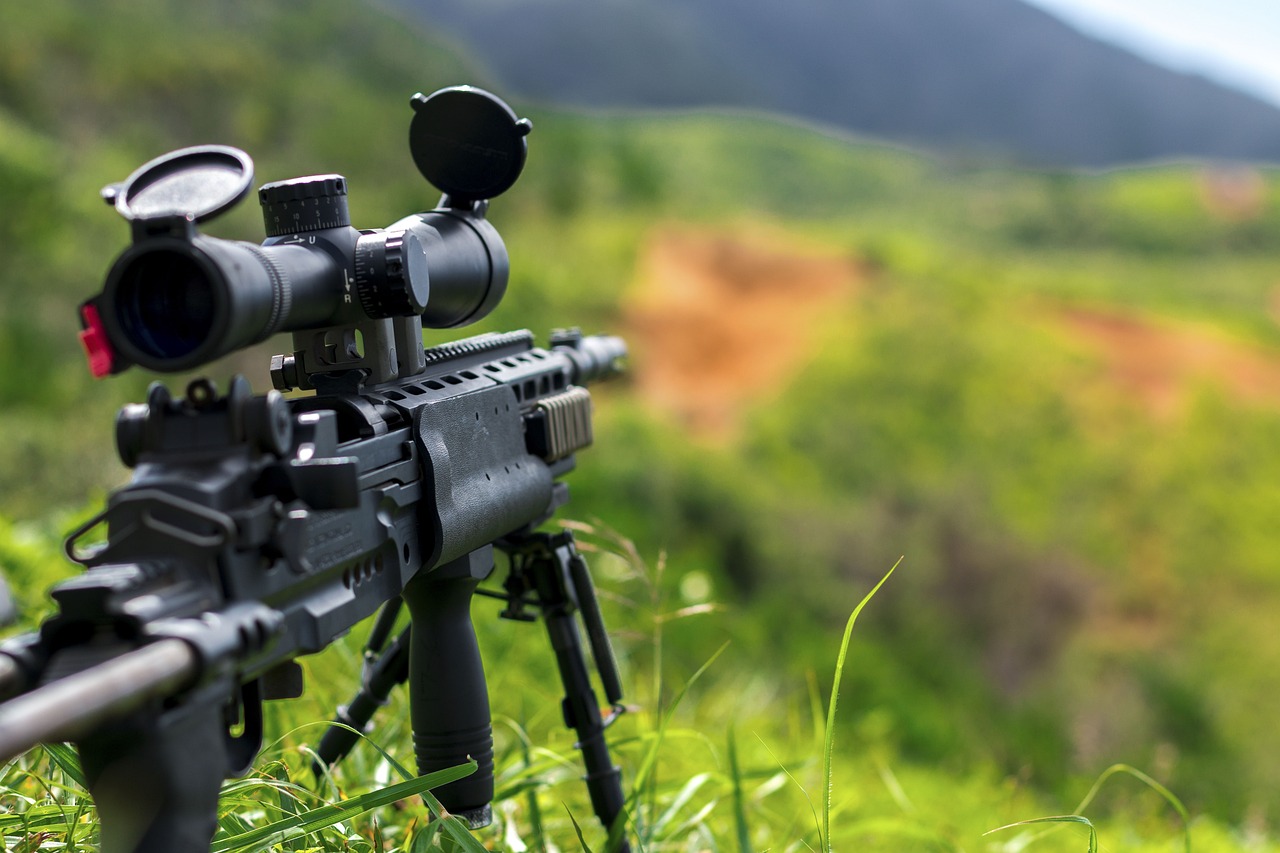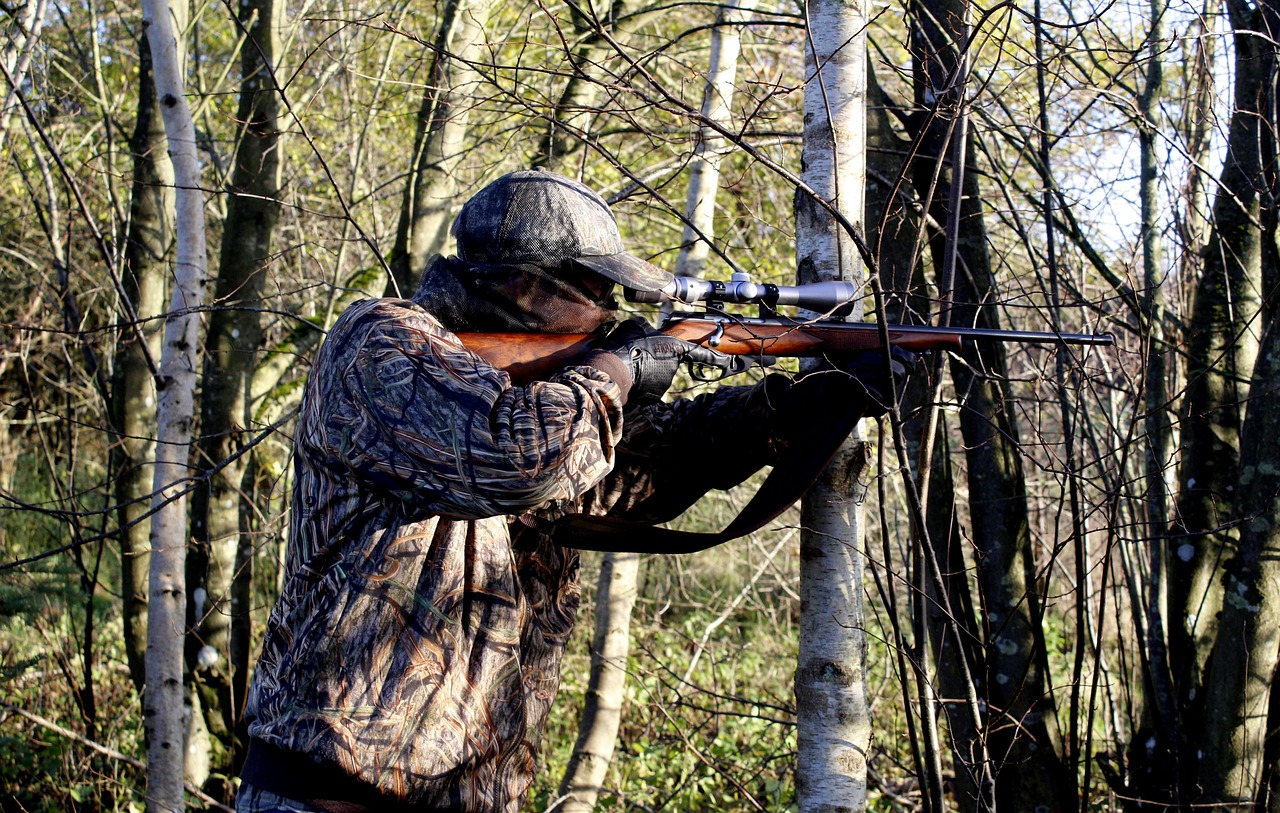
Suppressors are no longer a fringe topic at the edge of hunting culture. That is exactly why the fight over them has become more emotional, not less.
The legal picture got easier, but the cultural fight did not

On paper, suppressors have become much more normal. ATF says there were 5,998,065 silencers registered in the National Firearms Registration and Transfer Record as of April 10, 2026, and current ATF processing data shows eForm 4 approvals measured in days rather than the many-month waits that once defined the market. That kind of administrative shift changes behavior fast. More hunters now know someone who owns one, uses one, and talks about it casually.
That new normal has not created universal acceptance. It has created a backlash from hunters who feel a line is moving beneath their feet. For one group, suppressors are simply another piece of practical gear, like better boots or a rangefinder. For another, they symbolize a style of hunting that feels more tactical, more commercial, and less rooted in inherited field traditions.
The state patchwork keeps the debate alive, too. The American Suppressor Association says nine states still ban suppressor use for hunting in 2026, even while suppressor ownership remains legal in many more places. That means hunters are constantly navigating a mixed message: lawful in one state, taboo in another, ordinary at one camp, suspicious at the next. When the rules look inconsistent, the culture usually stays inconsistent too.
The strongest pro-suppressor case is hearing, and it is a serious one.
The most persuasive argument for suppressors is not stealth. It is hearing protection. CDC and NIOSH materials are unambiguous that loud noise can cause permanent hearing damage, and firearm impulse noise is a well-known risk. Older CDC data have estimated that 17% of adults ages 20–69 have hearing damage from excessive noise exposure, while NIOSH has long warned that recreational shooting and hunting can produce dangerous peak levels.
Research on suppressors supports the core point without turning it into fantasy. A study archived by CDC found suppressors can reduce auditory risk, and a more recent review in the International Journal of Audiology reported peak reductions at the ear in the range of roughly 17 to 26 dB in tested conditions. That is meaningful. It is the difference between “still loud” and “less destructive,” especially for hunters who may fire without time to seat earplugs properly.
But hearing experts are also careful about the limits. The medical literature and CDC-linked reviews repeatedly note that suppressors do not make rifles movie-quiet and do not always bring peak levels below conservative hearing-risk thresholds, especially with supersonic ammunition. That nuance matters. Many hunters hear “safer” and think “safe,” while many critics hear “not perfectly safe” and conclude “useless.” The science supports neither extreme.
The real split is about what kind of hunter people think they are

This is where the suppressor debate gets personal. Hunters often say they are arguing about equipment, but they are usually arguing about values. A suppressor changes how a rifle feels, sounds, and is perceived by everyone nearby. To some hunters, that makes the experience more controlled and more humane. To others, it makes the whole scene feel closer to a precision-shooting culture than a hunting culture.
There is also a generational and regional divide. Younger hunters who came up around precision rifles, thermal optics, digital ballistics, and long-range media tend to view suppressors as simple quality-of-life equipment. Many older hunters, especially in traditions where one unmoderated shot at dawn is part of the sensory identity of the hunt, see suppressors as flattening something meaningful out of the experience.
That emotional layer explains why facts alone do not settle the issue. You can show someone ATF registration numbers, medical endorsements, and acoustic studies, and they still may not budge. The objection is not always “these should be illegal.” Often it is, “this is not what hunting is supposed to feel like.” Once a debate reaches that level, data informs it, but identity drives it.
Critics are not only worried about Hollywood myths
The lazy version of this debate says opponents are just misled by movies. That is partly true because Hollywood absolutely taught generations of Americans that a suppressed gunshot sounds like a whisper. Real suppressors do not do that. Even strong suppressor performance with common hunting calibers usually leaves a gunshot very loud, particularly with supersonic ammunition, according to CDC-linked and audiology research.
Still, critics often have concerns that are more grounded than caricature suggests. Some worry suppressors make it harder for nearby hunters, landowners, or wardens to localize shots quickly. Others think reduced blast can lower the social cost of taking marginal shots near property lines or in crowded public-land situations. Wildlife agencies across states continue to devote resources to anti-poaching reporting and enforcement, which shows how central accountability remains to hunting legitimacy.
There are also practical field concerns. A suppressor adds length, changes balance, and can snag in blinds, brush, or truck interiors. Some hunters dislike the maintenance, heat, or point-of-impact shift. Others simply believe earplugs solve enough of the hearing problem without changing the rifle’s handling. Those are not irrational objections. They become divisive only when each side treats its own tradeoffs as universal truths.
The politics changed the meaning of the gear itself

In 2026, suppressors carry more political baggage than many optics or accessories because the law around them has changed, and litigation has followed. The result is that a hunter buying a suppressor is not just buying noise reduction. Fairly or not, he or she may also be read as participating in a broader gun-rights statement. That politicization has hardened attitudes on both sides.
The speed of adoption matters here. When a technology enters a culture slowly, people adapt. When it arrives through a burst of legislation, media attention, and industry marketing, it can feel imposed. Hunters who never cared much about suppressors five years ago suddenly see racks of them in stores, state bill fights, and endless online claims that “every serious hunter” should own one. That framing creates resistance all by itself.
Industry messaging has not always helped. The best manufacturers and advocates emphasize hearing preservation, recoil reduction, and better shooter comfort. The worst marketing leans into swagger, novelty, and tactical aesthetics. When suppressors are sold as practical safety tools, skeptical hunters may listen. When they are sold as status objects or political symbols, the cultural divide gets deeper.
Field ethics matter more than decibel charts.
What many hunters are really asking is simple: Does a suppressor make someone a better steward of the hunt, or just a more comfortable shooter? The honest answer is that it depends on how it is used. A hunter who shoots less flinch-prone, protects their hearing, and stays aware of their surroundings is improving the quality of the shot. A hunter who treats equipment as a substitute for judgment is not.
There are legitimate ethical advantages. Reduced recoil and blast can help some shooters maintain sight picture, confirm impact, and make a faster follow-up decision when necessary. In predator control, feral hog management, or culling contexts, those benefits can be operationally significant. Even outside those use cases, fewer hunters leaving the field with ringing ears is not a trivial outcome.
But hunting ethics have always included communication and awareness, not just marksmanship. Partners need to know where shots came from. Nearby landowners need confidence that legal shooting is taking place. New hunters need to understand that a suppressor does not erase muzzle discipline, hearing risk, or public responsibility. The community divide persists because suppressors sit right at the intersection of private benefit and shared norms.
Why suppressors will keep dividing hunters even as they become ordinary

The paradox of 2026 is that suppressors are becoming mainstream at exactly the moment they remain culturally unresolved. ATF data, faster processing, and millions of registered units show they are not niche anymore. Medical and hearing specialists, including the American Academy of Otolaryngology–Head and Neck Surgery, support suppressors as a hearing-preservation tool when combined with conventional protection. On the practical merits, the pro-suppressor case is stronger than it was a decade ago.
Yet the deeper argument was never really about whether suppressors work. It was about whether hunting should evolve toward a more gear-optimized, medically informed, technologically comfortable future. Some hunters answer yes without hesitation. Others fear that every upgrade quietly changes the social meaning of the pursuit, until hunting feels less like a tradition and more like a platform for equipment.
That is the real reason suppressors still divide the hunting community. They force hunters to reveal what they think hunting is for: efficiency, stewardship, heritage, challenge, comfort, or some uneasy combination of all five. Until the community agrees on that bigger question, the suppressor argument will stay loud even when the rifles are not.