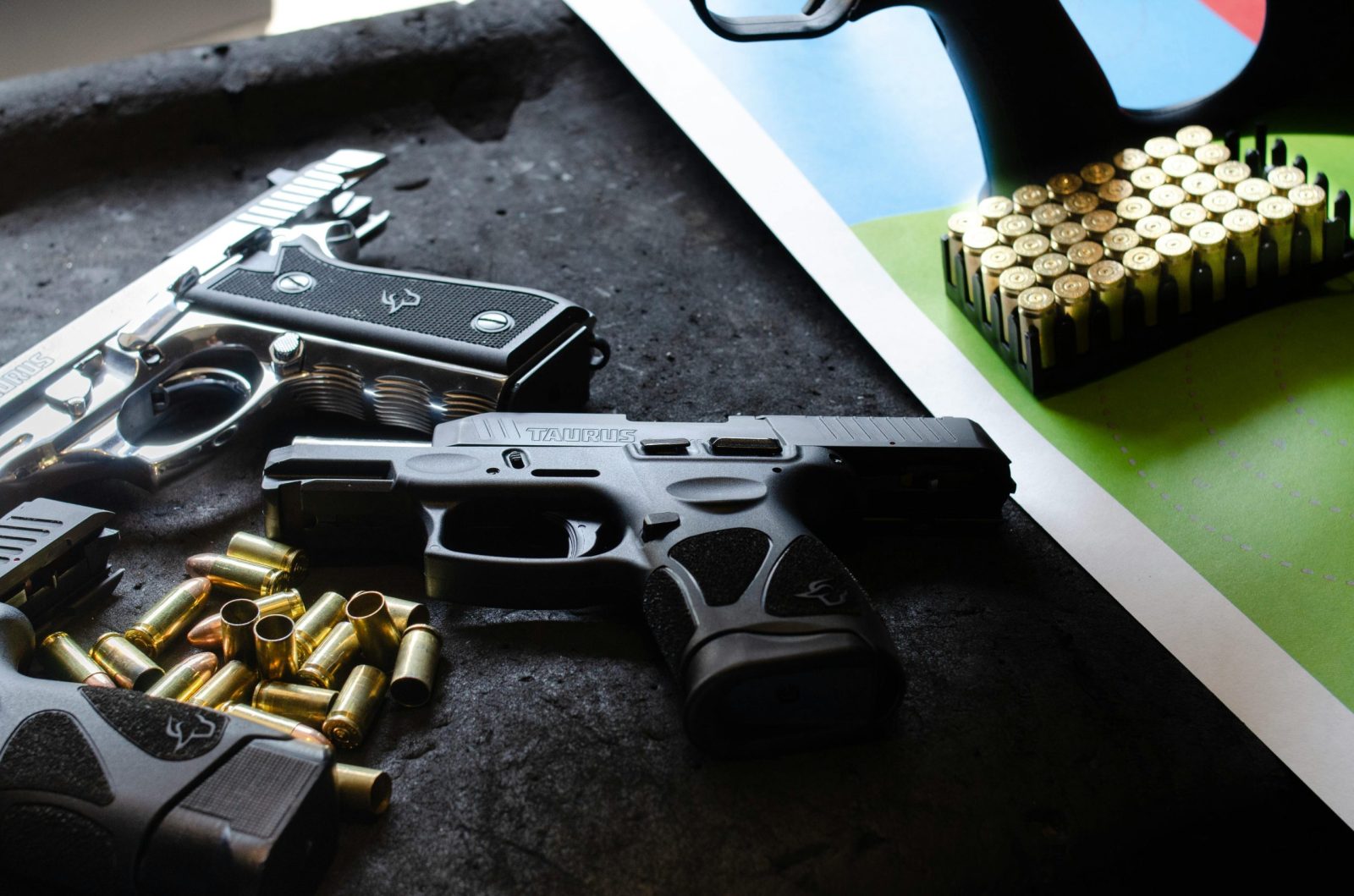
A lot of shooters assume one of the reviewers must be wrong. Usually, both are telling the truth about what happened on their range that day.
One gun model is not one identical gun

When people read “same model,” they picture two perfectly interchangeable machines. In reality, they are looking at two separate production examples built within allowed tolerances, often from different batches, with different barrel wear, different springs, and different assembly nuances. That does not mean one is defective. It means manufacturing is controlled, not magical.
Even very good barrels are sensitive to small dimensional differences. NRA Family has noted that bore uniformity, land-and-groove consistency, and twist-rate precision all matter to accuracy, and top match barrels are prized specifically because those dimensions are held unusually tight. In mass-produced firearms, especially duty pistols and general-purpose carbines, the goal is reliability and acceptable performance at scale, not bespoke match-grade sameness.
That helps explain why one reviewer may call a pistol “surprisingly accurate” while another says it is merely average. Both may be testing honest, in-spec examples. The internet often treats “model name” as if it means a single immutable object, but reviewers are evaluating individual specimens that happen to share a SKU and a reputation.
Ammo choice can completely reshape the verdict

A shocking number of readers focus on the gun and ignore the ammunition. That is backward. The same rifle can look mediocre with one load and excellent with another, and the same pistol can feel soft and flat with one 9 mm load but snappy with another. Twist rate, bullet weight, velocity, pressure curve, and even lot-to-lot differences can all move results.
SAAMI’s standards make clear that pressure and velocity testing are controlled disciplines, and that results obtained in standard test barrels under standard conditions may differ from what shooters get in actual firearms. In other words, variance is built into the real world. Even among carefully produced ammunition, pressure and velocity are not frozen constants.
That matters because many reviews are based on a small handful of loads. If Reviewer A uses a 124-grain load that matches a barrel well, and Reviewer B uses a 115-grain load that does not, they may write what looks like a contradiction when they are really documenting different ammo pairings. The gun did not change. The equation did.
The shooter is part of the test, whether reviewers admit it or not
Many gun reviews are presented as if the firearm alone produced the outcome. In reality, the human being behind the trigger is a giant variable. Grip strength, hand size, recoil anticipation, stance, eye dominance, trigger control, and even familiarity with a platform can change speed, group size, and reliability impressions.
Shooting Illustrated has pointed out that the way to isolate mechanical accuracy is with a fully mechanical shooting device, precisely because human factors otherwise dominate the results. Yet most reviews are done by hand, often quickly, and usually with a limited round count. That does not make them worthless. It just makes them partly gun tests and partly shooter tests.
This is especially obvious with striker-fired pistols. Glock’s current owner materials note that different connectors can change trigger pull into a fairly broad range, roughly 4.5-11.2 pounds depending on configuration. A reviewer accustomed to light, crisp triggers may describe one sample as mushy and hard to shoot well, while another reviewer with more Glock time may call the same trigger predictable and combat-useful.
The same thing happens with recoil. One reviewer’s “snappy and unpleasant” is another reviewer’s “fast return to zero.” That is not always spin. Sometimes it is anatomy, training history, and expectation talking.
Test conditions are never as controlled as readers imagine
Temperature, wind, lighting, barrel temperature, optic setup, support bags, rest technique, and even how long the gun sat before the first shot can alter results. Reviewers rarely have laboratory conditions, and outdoor range testing is especially vulnerable to subtle changes that readers never see in the final article or video.
Shooting Illustrated has documented point-of-impact shift from heat in practical testing, including an example where sun-heated cartridges entered the rifle significantly warmer and produced groups that shifted about 1 inch from zero. The same publication has also discussed cold-bore and first-shot variation, noting that some rifles show a measurable difference between that first round and later shots.
Accessories add another layer. A sling, bipod, suppressor, handguard pressure issue, or an improperly fitted part can change harmonics and shift impact. Shooting Illustrated has also highlighted how accessories that impinge on the barrel can induce point-of-impact changes. So when one reviewer says a rifle “won’t hold zero” and another says it is stable, they may not actually be testing the same setup.
That is before we even get to optic mounting torque, parallax settings, and chronographs placed in different light. Tiny setup changes create very real review differences.
Review formats reward speed, not rigor
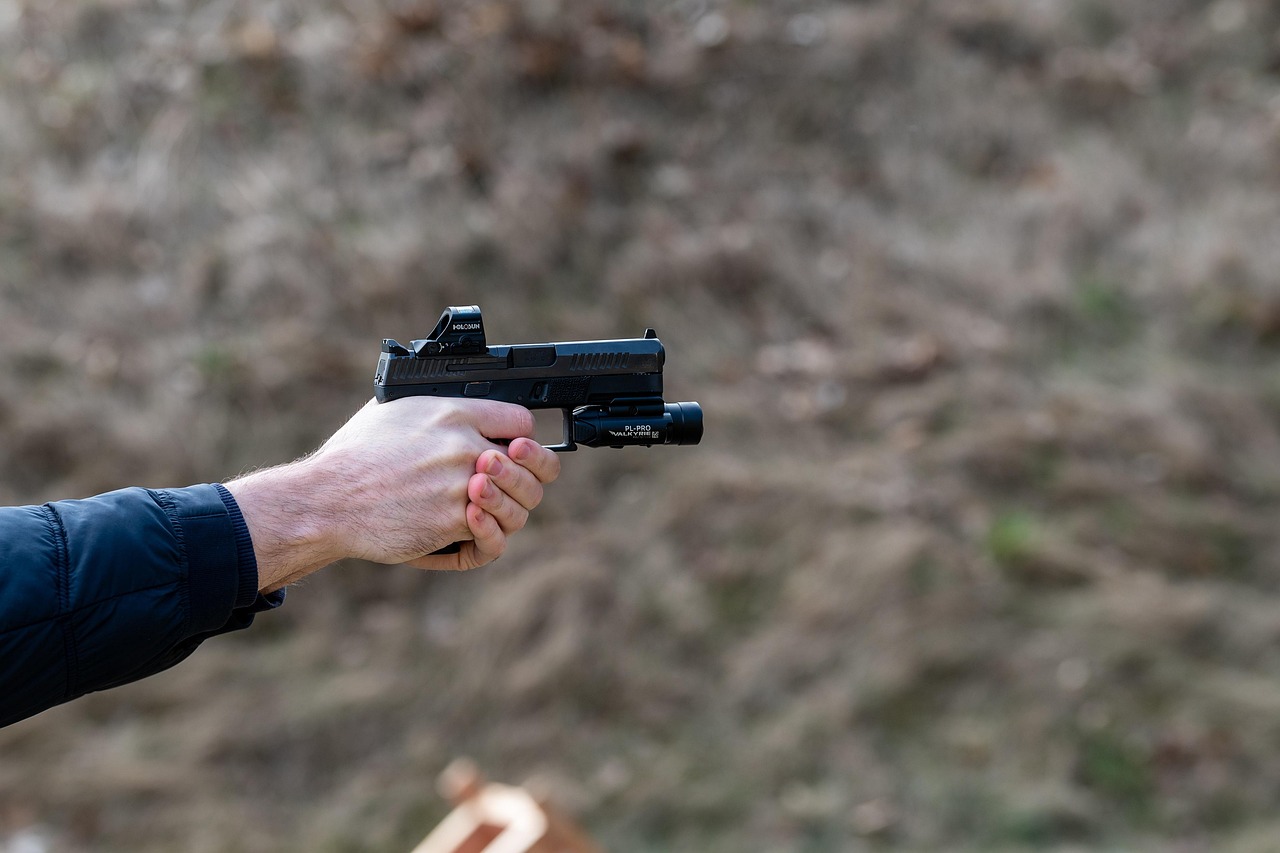
Most gun reviews are not long-form instrumented tests. They are content products built under time pressure, ammo budgets, and audience expectations. A reviewer may have 50 rounds through a pistol and a filming deadline, then still be expected to deliver a firm verdict on reliability, accuracy, recoil, carry comfort, and value.
That is one reason contradictory reviews are so common online. A reliability call based on 75 rounds is fragile. A five-shot group can flatter or punish a gun. A single magazine-related malfunction might be an isolated issue, or it might be the start of a pattern. Without high round counts, repeated trials, and comparison controls, bold judgments can be honest but statistically thin.
The ammunition world offers a useful contrast. The FBI’s handgun ammunition protocols and state procurement specs tied to those standards rely on repeatable conditions, calibrated gelatin, barrier events, and structured scoring rather than vibes. They are expensive and methodical for a reason. By comparison, many consumer gun reviews are closer to informed first impressions than formal testing.
That does not mean reviewers are careless. It means the format itself favors quick conclusions, and quick conclusions naturally conflict more often than disciplined test programs do.
Experience level changes what a reviewer notices
The U.S. gun market added millions of first-time buyers in 2020 and 2021, according to NSSF estimates, and that changed review culture too. NSSF said 8.4 million people bought a firearm for the first time in 2020, and retailer surveys indicated 5.4 million first-time buyers in 2021. That means a huge audience now consumes and creates gun content with very different baselines for what counts as good, bad, normal, or alarming.
A newer reviewer may be highly honest but lack context. A stiff magazine spring may be described as a flaw instead of a common break-in trait. A 2.5-inch group at 25 yards with a carry pistol may sound disappointing to one shooter and excellent to another. A veteran reviewer might dismiss a quirk that matters a lot to a new concealed carrier.
This gap in expectations explains many “contradictions” that are really differences in standards. One person is reviewing a defensive tool. Another is unconsciously grading it like a match gun. A third is evaluating whether it is beginner-friendly. All three are talking about the same firearm, but they are not answering the same question.
How smart readers should interpret conflicting reviews
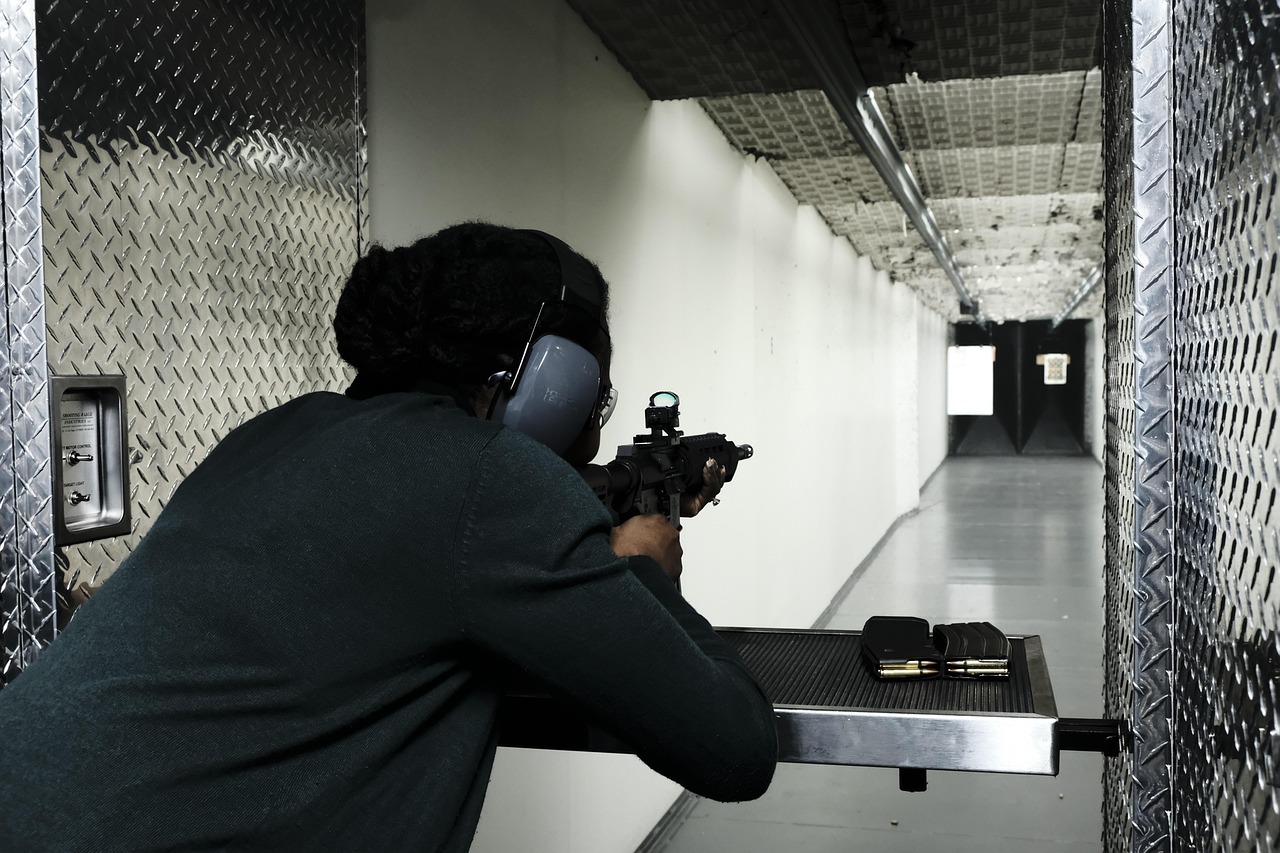
The solution is not to trust one reviewer harder. It is to read reviews diagnostically. Look for what ammo was used, how many rounds were fired, whether malfunctions were described in detail, what distances were tested, whether optics were involved, and whether the reviewer compared the gun to duty, carry, hunting, or match standards.
Pay special attention to repeated patterns across multiple reviewers. If ten testers disagree on trigger feel but eight mention weak factory sights, that is meaningful. If one rifle hates a certain load while three others shoot it well, the issue may be sample-specific. Consistency across independent tests matters more than the loudness of any single opinion.
The biggest takeaway is simple: contradictory gun reviews are not proof that the entire review ecosystem is fake. More often, they reflect a messy but normal reality. Firearms are mechanical systems interacting with ammunition, environment, accessories, and human beings. Change any one of those, and the “same gun” can tell a very different story.