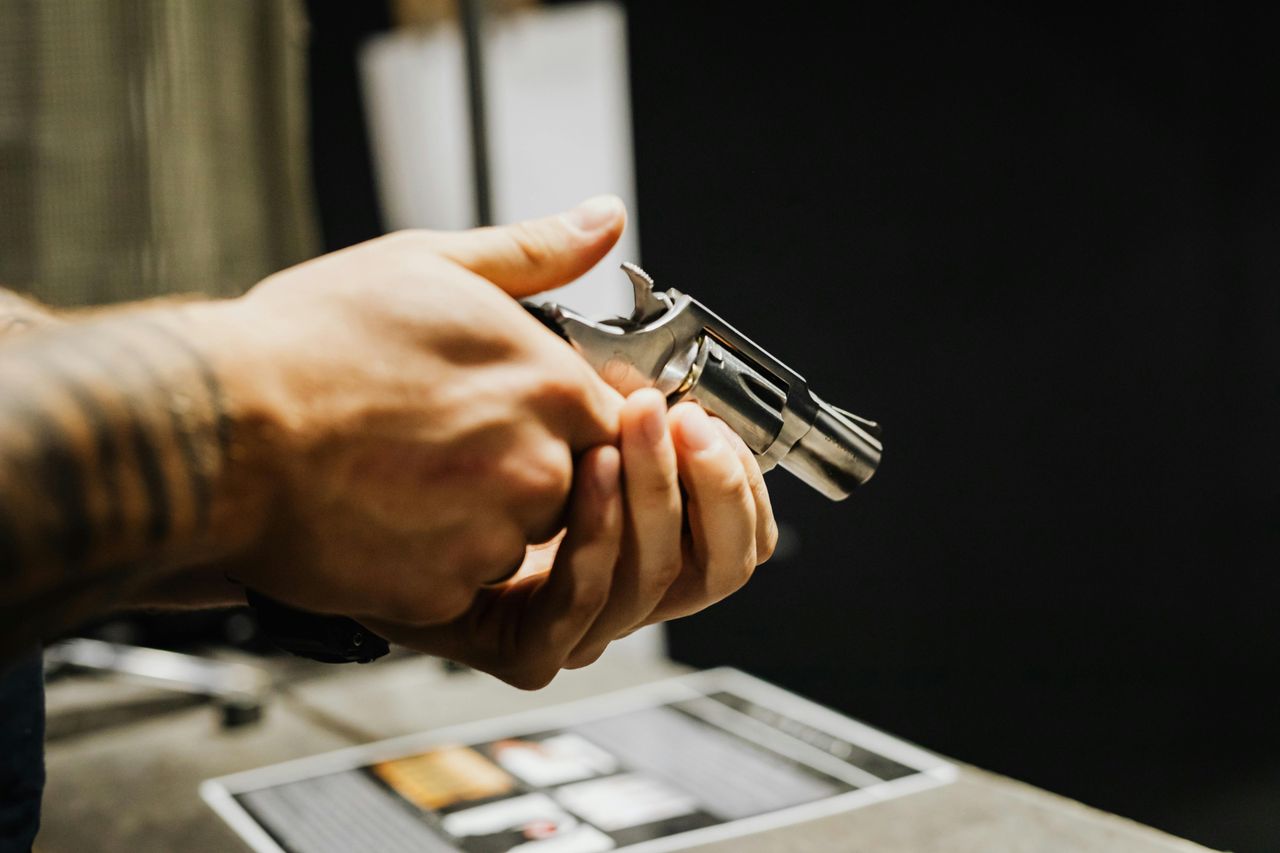
Belgium may be small on the map, but its gunmakers have had an outsized impact on military history. From rugged pistols to battlefield machine guns, Belgian firearms helped define how soldiers fought across the 19th and 20th centuries. This gallery looks at ten standout designs and why their influence still echoes today.
FN Model 1910
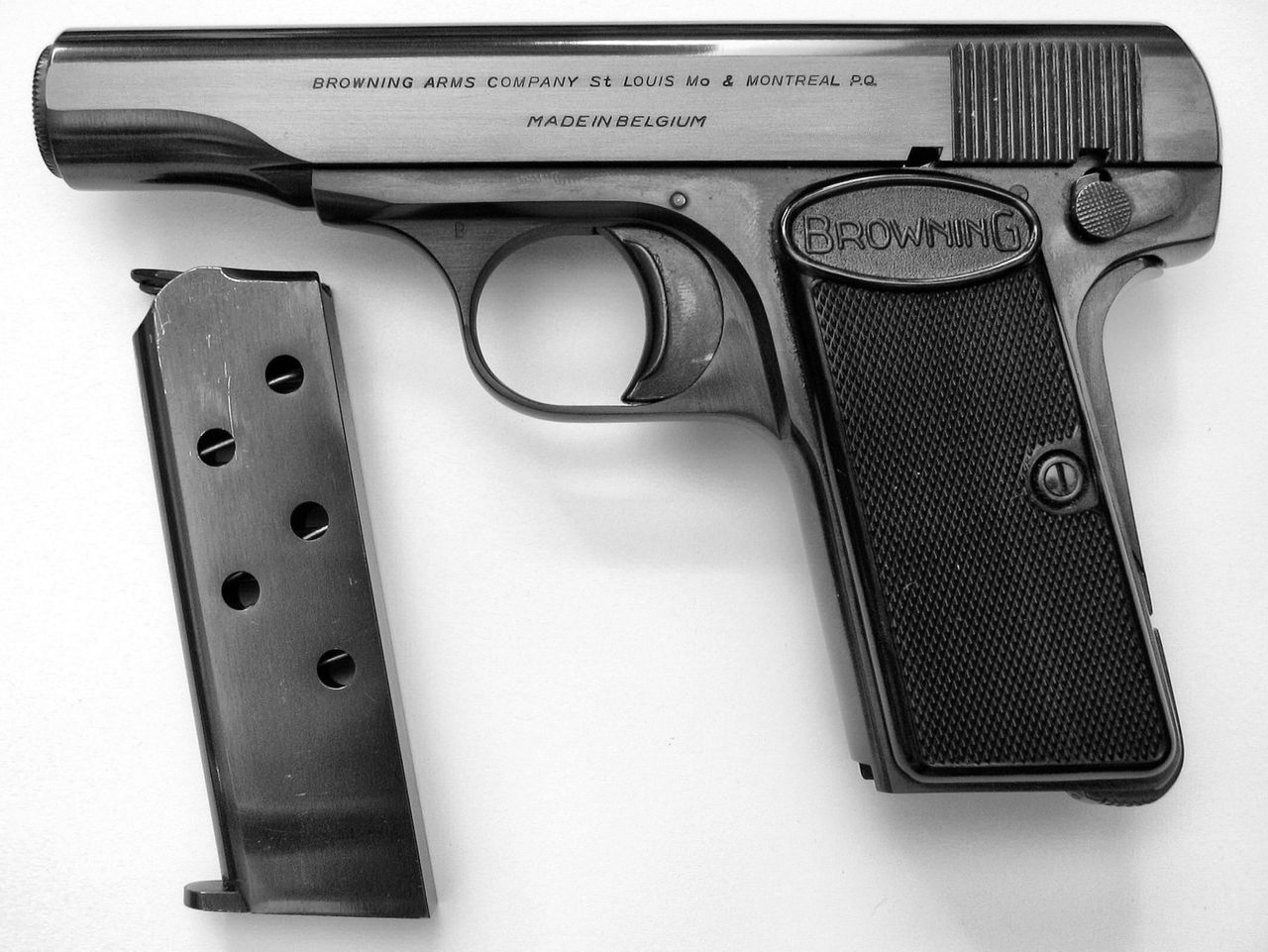
Compact, sleek, and mechanically influential, the FN Model 1910 became one of Belgium’s most recognizable pistols. Designed by John Browning and produced by Fabrique Nationale, it used a simple blowback system and enclosed recoil spring that helped make the gun reliable and easy to carry.
Its place in history is inseparable from the Sarajevo assassination of Archduke Franz Ferdinand in 1914, an event that helped trigger World War I. That grim connection gave the pistol a lasting symbolic weight far beyond its size.
Military officers, police services, and civilians across Europe also adopted it widely, proving that a small Belgian handgun could carry global significance.
Browning Hi-Power
Few sidearms have enjoyed the long and globe-spanning service life of the Browning Hi-Power. Finalized by Dieudonné Saive at FN after John Browning’s death, it paired a high-capacity magazine with clean handling, giving soldiers a serious upgrade in sidearm firepower.
For decades, armies from Britain to Canada to dozens of other nations issued it as a standard military pistol. Its 13-round magazine was especially notable in an era when many service handguns still offered far less.
The Hi-Power also became a benchmark for future pistol design. Even today, its grip shape, balance, and battlefield reputation keep it firmly in the conversation whenever classic combat handguns come up.
FN FAL
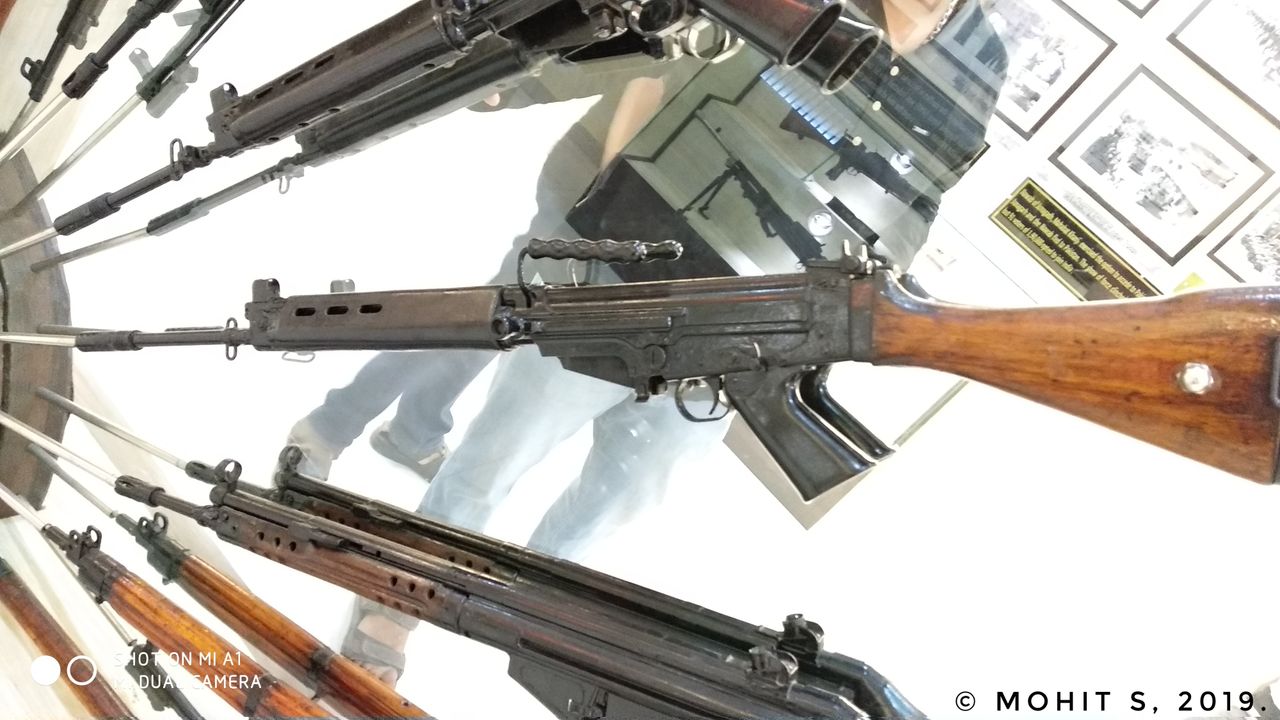
The FN FAL earned the nickname “the right arm of the Free World,” and it did not get there by accident. Developed in postwar Belgium, this battle rifle combined rugged construction, NATO-standard 7.62×51mm chambering, and broad adaptability for very different military environments.
More than 90 countries adopted the FAL in some form, making it one of the most widely issued rifles of the Cold War. From Europe to Africa to the South Atlantic, it showed up in major conflicts and often became the visual shorthand for a modern infantry rifle.
Its influence was strategic as much as technical. The FAL helped standardize Western small arms thinking at a pivotal moment in military history.
FN MAG
If reliability could earn a weapon a universal passport, the FN MAG would qualify instantly. Introduced in the 1950s, this Belgian general-purpose machine gun blended proven ideas into a design that could serve on tripods, vehicles, helicopters, and the shoulders of infantry units.
Chambered in 7.62×51mm NATO, it became a favorite across allied militaries because it kept working under punishing conditions. Armies prized it for sustained fire, manageable maintenance, and flexibility across nearly every battlefield role imaginable.
Known in U.S. service as the M240, the MAG remains one of Belgium’s clearest contributions to modern warfighting. It is less glamorous than some weapons, but soldiers have trusted it for generations.
FN Minimi

The FN Minimi changed the conversation around squad-level firepower. Before it arrived, many infantry units had to choose between lighter rifles and heavier machine guns with little middle ground. The Belgian Minimi helped fill that gap with a portable light machine gun that still delivered suppressive fire.
Adopted by militaries around the world, including the United States as the M249, it gave small units a weapon that could move fast and still dominate a firefight. That combination made it especially valuable in modern, mobile combat.
Its legacy is easy to see in how infantry squads are organized today. Belgium’s design did more than add a weapon, it reshaped tactics at the lowest level of battle.
FN SCAR
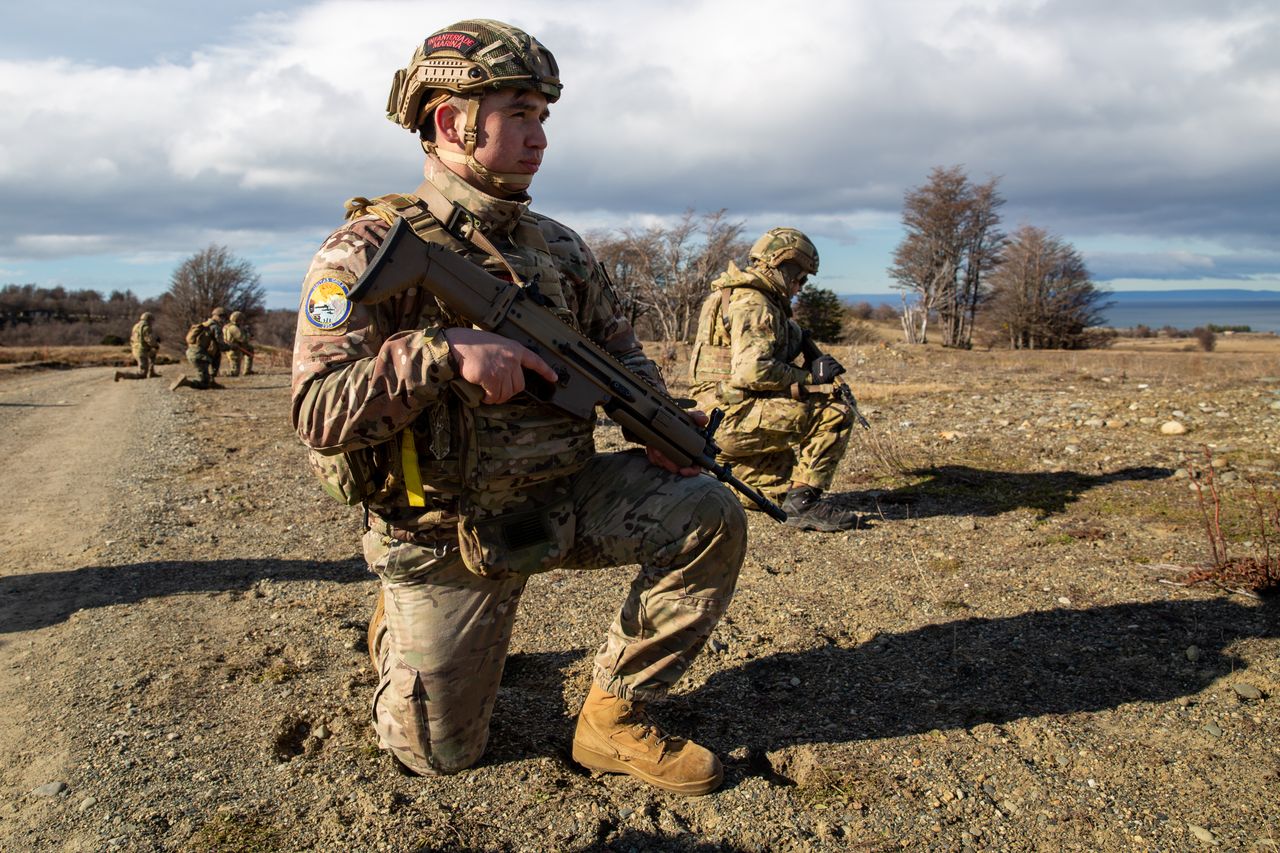
The FN SCAR represents Belgium’s more recent influence on military arms, showing that the country’s designers did not peak in the Cold War. Developed for U.S. Special Operations Command, the rifle family emphasized modularity, adaptability, and reliability across different mission profiles.
The SCAR’s appeal came from its ability to support changing battlefield needs without demanding an entirely new platform. Different barrel lengths, calibers, and accessory setups made it attractive to units that needed flexibility more than one-size-fits-all solutions.
While not as universally issued as the FAL, its importance lies in where it served and what it signaled. Belgian arms design remained at the cutting edge of modern combat requirements.
FN Model 1900
The FN Model 1900 was one of the first truly successful semi-automatic pistols, and that alone gives it a secure place in military history. Designed by John Browning, it offered a practical and compact alternative to revolvers at a moment when handguns were entering a new mechanical age.
Military officers and police organizations across Europe took notice, and its broad commercial success helped normalize the semi-automatic pistol concept. That may sound obvious now, but at the time it represented a genuine shift in how sidearms were viewed and carried.
Just as important, it helped establish Belgium and FN as serious players in the international handgun market. Many later service pistols followed the path it opened.
FN Trombone

The FN Trombone is not as famous today as the FAL or Hi-Power, but it deserves attention for its mechanical ambition. Introduced in the 1920s, it was an early pump-action rifle with a sliding fore-end, a system unusual enough to make it stand out in a world still dominated by bolt-action military arms.
Although it did not become a standard battlefield icon, the rifle reflected Belgium’s willingness to experiment during a period of rapid firearms development. Designs like this helped manufacturers test what soldiers and security forces might eventually accept.
Its historical value comes from that spirit of innovation. Not every influential firearm wins huge contracts, sometimes it pushes ideas forward and leaves its mark more quietly.
FN Mle 1930
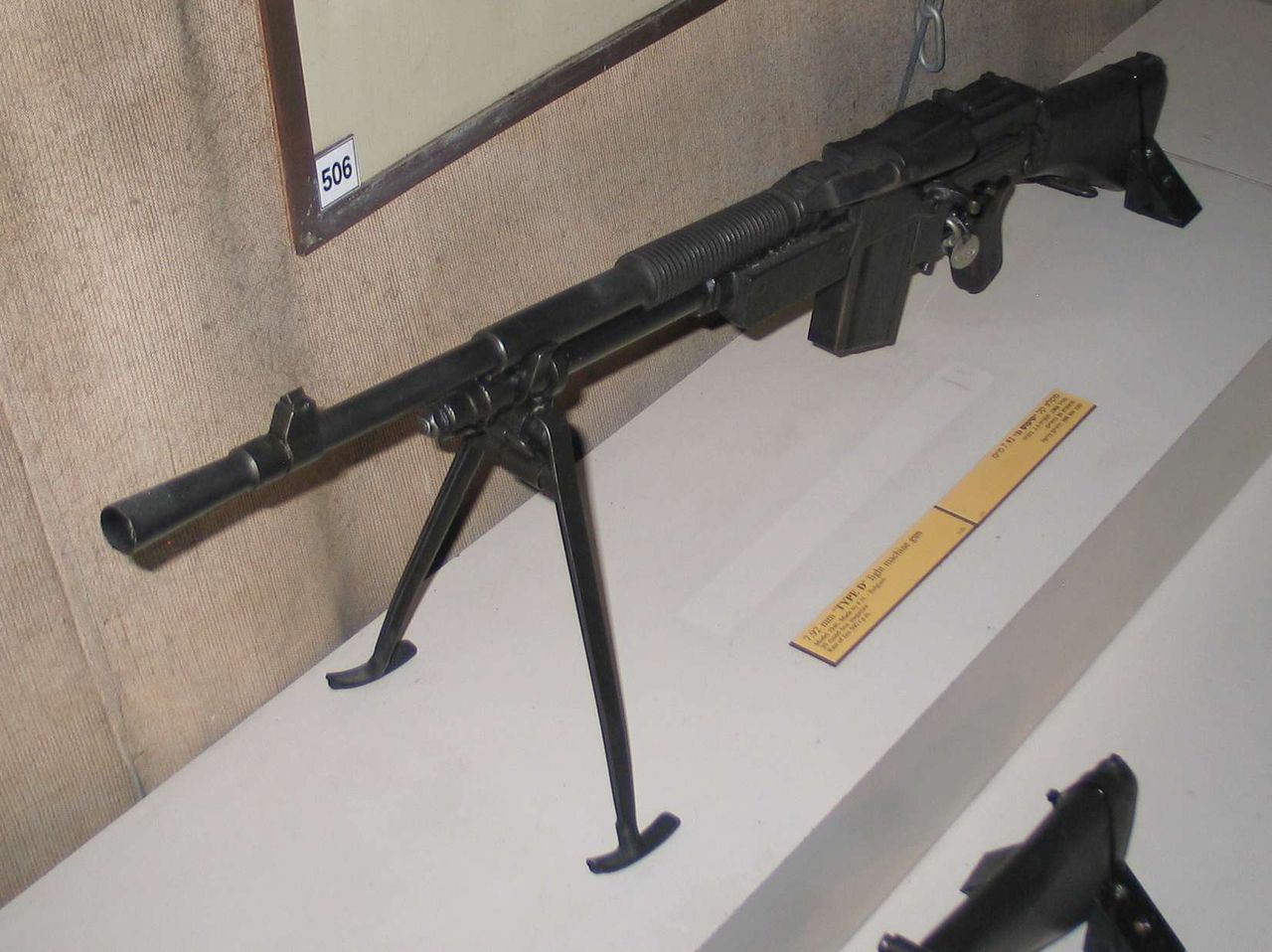
The FN Mle 1930 was Belgium’s Mauser-pattern service rifle, and it shows how the country adapted proven concepts to its own military needs. Built with the robust bolt-action formula that dominated early 20th century warfare, it represented continuity at a time when many armies were balancing tradition and modernization.
For Belgian forces, rifles like the Mle 1930 remained essential even as automatic weapons began to transform combat. The soldier’s basic rifle still mattered deeply, especially for training, mobilization, and the realities of interwar and early World War II service.
It may not have the fame of later Belgian designs, but it anchors the story. Military history is shaped not only by revolutionary weapons, but also by dependable service arms.
P90
The P90 looked like science fiction when it appeared, yet its military logic was very real. Developed by FN in the late 20th century, this compact personal defense weapon was built for crews, support troops, and specialized users who needed more reach and penetration than a pistol could offer.
Its top-mounted magazine, compact bullpup layout, and distinctive 5.7×28mm cartridge made it one of the most unconventional Belgian firearms ever fielded. Just seeing one was enough to understand that designers were rethinking what a defensive weapon could be.
The P90 never replaced the standard infantry rifle, and it was not meant to. Its importance lies in how boldly it answered a niche military problem and influenced later PDW thinking.