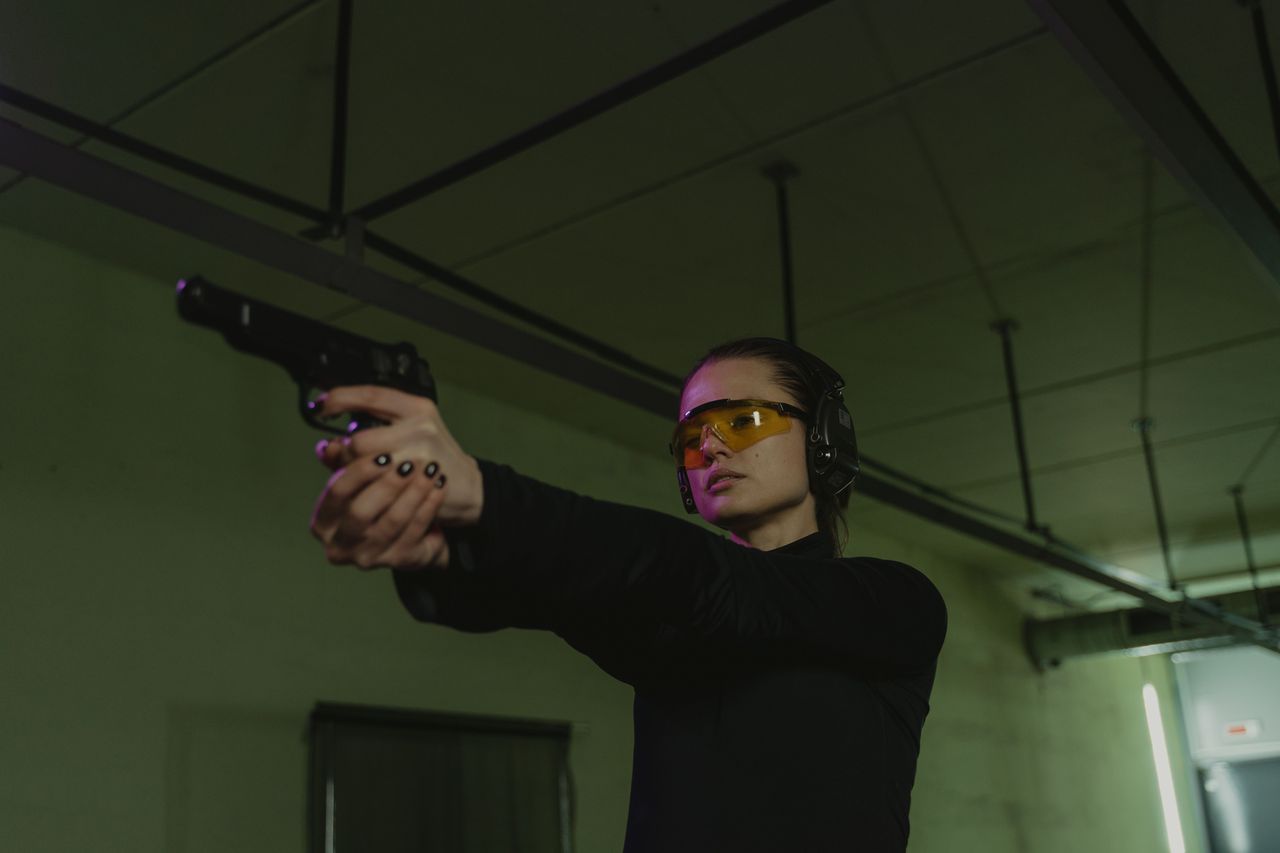
The sales pitch sounds familiar: smaller gun, smaller hands, problem solved. But that advice has been failing a lot of women for years.
The industry built a stereotype, not a solution.
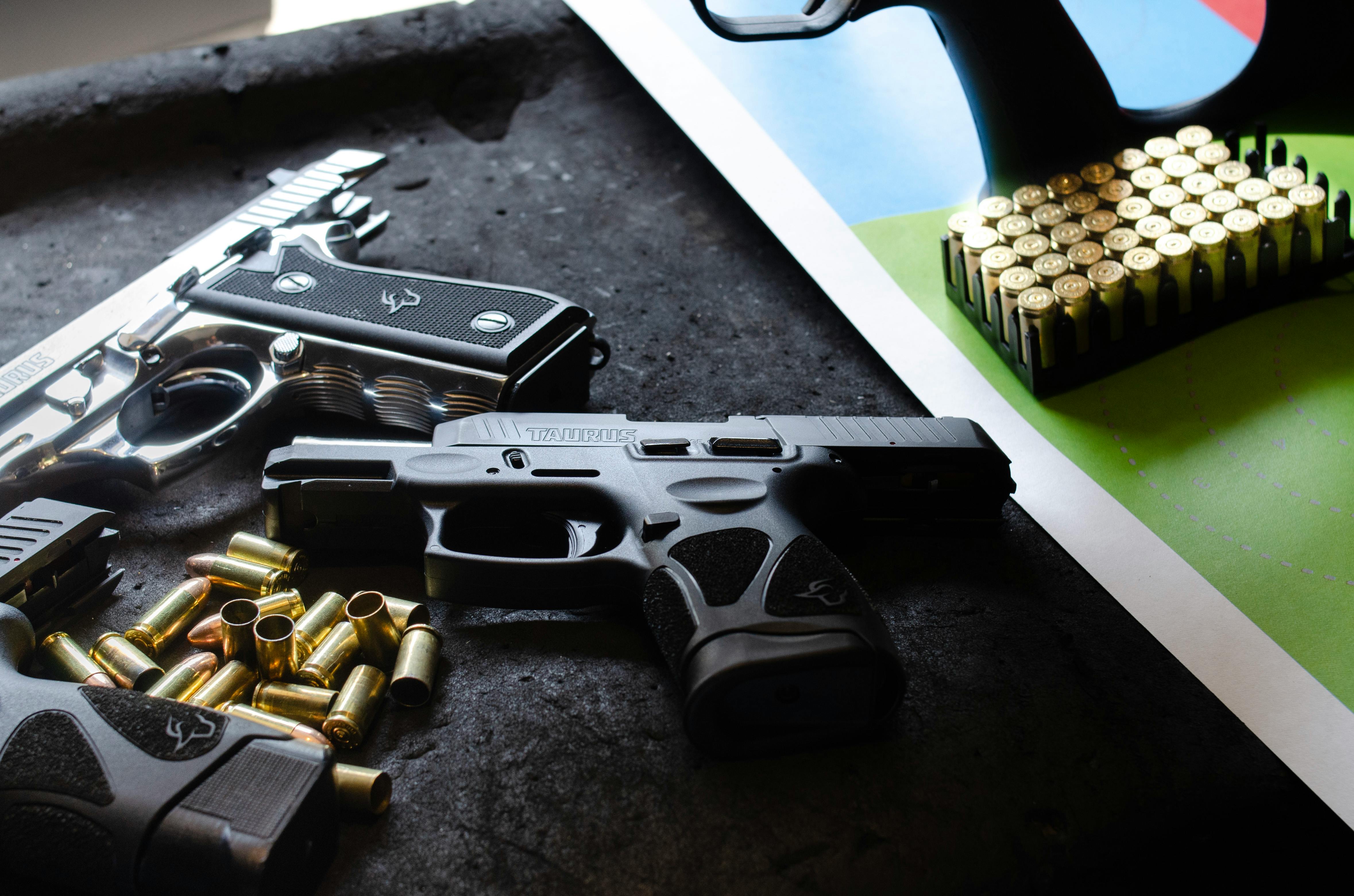
For decades, women walking into gun stores have heard a version of the same recommendation. Clerks and even well-meaning instructors often point them to tiny revolvers, ultra-compact pistols, or pastel-colored carry guns marketed as easy choices. The assumption behind that advice is simple: women are smaller, so they need the smallest handgun available.
That logic sounds intuitive, but it often falls apart on the range. A smaller handgun is usually harder to shoot well, not easier. It tends to have more felt recoil, a shorter sight radius, and less forgiving ergonomics, all of which make practice more frustrating for a newer shooter.
The gun industry has long leaned on gendered marketing instead of actual fit and performance. Packaging, color options, and phrases like “perfect for her” can obscure the more important questions: Can she rack the slide consistently? Can she reach the trigger properly? Can she shoot multiple rounds accurately and comfortably?
What many women are rejecting is not self-defense, concealed carry, or handgun ownership itself. They are rejecting lazy advice. They are walking away from a recommendation culture that confuses feminine branding with functional design.
Smaller handguns create bigger problems.s
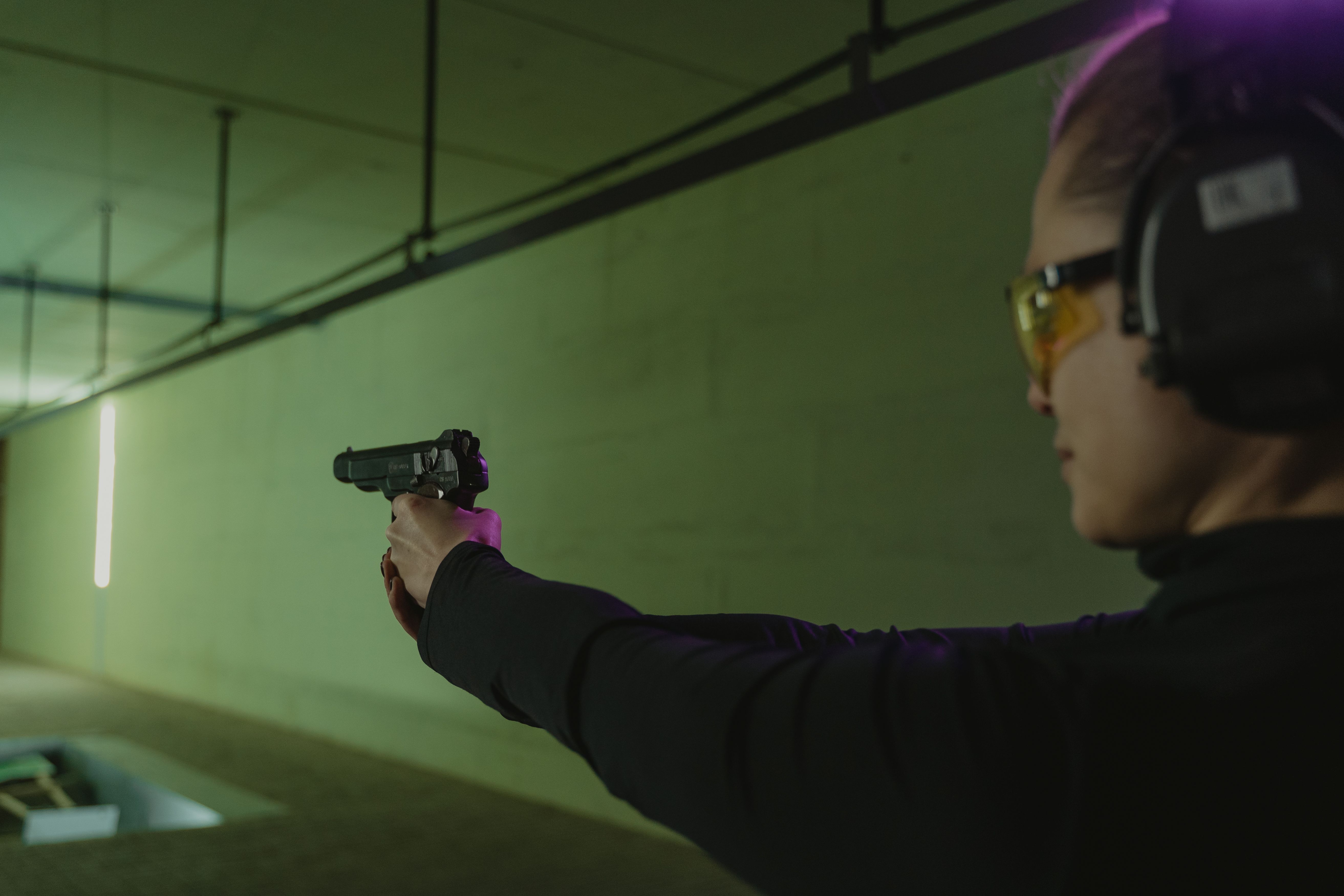
One of the biggest myths in handgun sales is that a small frame automatically means easier handling. In reality, micro pistols and featherweight revolvers can be punishing. The lighter the gun, the more recoil energy the shooter tends to feel, and that can turn a first range session into a confidence-killing experience.
Short grips also make control harder. Many women, especially those with average-sized hands, find that a compact or full-size grip gives them better leverage and more stability. A gun that fills the hand properly can actually feel safer and more manageable than one that leaves fingers dangling off the frame.
Trigger characteristics matter too. Small revolvers often have heavy double-action trigger pulls that can challenge new shooters, regardless of gender. Some compact semi-automatics also have snappy recoil impulses that make follow-up shots slower and less accurate, which defeats the very purpose of practical defensive shooting.
Instructors who see large classes of beginners often report the same pattern. New shooters, including many women, frequently perform better with a mid-size 9mm pistol than with the tiny gun they were told would suit them. That is not a niche finding. It is a recurring, real-world outcome.
Fit matters more than gender ever did

The real issue is not whether a shooter is male or female. It is whether the handgun fits the individual’s body, hand strength, experience level, and intended use. Grip circumference, trigger reach, slide effort, recoil impulse, and overall balance matter far more than the customer’s gender.
A woman with strong hands and prior sports experience may handle a duty-size pistol beautifully. Another may prefer a compact model with an easier slide and better texturing. Someone else may need a pistol with a lighter recoil spring, lower bore axis, or interchangeable backstraps to achieve proper control.
This is where the one-size-fits-women approach breaks down completely. Women are not a monolith, and their preferences vary just as widely as men’s. The industry often talks about the female market as if all women need identical solutions, when the actual answer is individualized fitting and honest range testing.
Good firearm selection looks more like shoe fitting than stereotype matching. You do not hand every woman the same size boot because she is a woman. You evaluate comfort, control, purpose, and performance, then choose what works in practice.
Confidence is shaped at the range, not the display case
A handgun recommendation succeeds or fails when live fire begins. Plenty of women have bought a “lady gun” that felt cute or convenient in the store, only to discover it was unpleasant to train with. Once that happens, the gun often ends up in a drawer, unfired and unused, which is a bad outcome for both safety and preparedness.
Confidence grows from repetition and success. If the shooter can maintain a solid grip, recover from recoil, manipulate the controls, and hit the target consistently, she is far more likely to continue training. If every magazine feels like a struggle, she is far more likely to disengage.
That pattern shows up in defensive training circles all the time. Instructors frequently describe students arriving with tiny handguns they can barely control, then shooting dramatically better after switching to a larger rental pistol. The improvement is not psychological fluff. It is a mechanical result of better fit and easier shooting characteristics.
This matters because ownership without competence is fragile. A firearm chosen for appearance, assumption, or sales convention does not automatically create readiness. A firearm that invites regular practice does.
The concealed carry conversation has been too narrow
Another reason women reject common handgun recommendations is that the industry has framed concealed carry too narrowly. The usual formula says that if a gun is easier to carry, it must be the best choice. Bucarryingry comfort is only one part of the equation. Shootability matters just as much, and often more.
Women also navigate clothing realities that many male-focused carry discussions overlook. Waistbands, fitted tops, dresses, professional attire, and seasonal wardrobe changes all affect concealment options. That does not automatically mean the tiniest gun wins. It means the carry system, holster choice, and wardrobe strategy must be considered together.
A slightly larger handgun carried well can outperform a tiny gun carried poorly. Appendix carry, strong-side carry, off-body carry, and purpose-built concealment garments each come with tradeoffs. Women who have experimented with these setups often discover that the “smallest possible gun” advice oversimplifies a much more practical problem.
The smartest recommendation is not just “buy smaller.” It is “test the whole system.” The gun, holster, belt, body type, clothing, and training routine all interact. When women reject simplistic advice, they are usually responding to that missing context.
Women shooters are changing the market by refusing bad advice

The good news is that women are not merely rejecting poor recommendations. They are reshaping the market. More female shooters are taking classes, renting multiple models before buying, and comparing notes in clubs, online communities, and training networks. That shared experience is making old sales shortcuts harder to sustain.
Manufacturers have noticed, even if unevenly. Many now offer pistols with modular grips, improved slide serrations, lighter recoiling designs, and better trigger options that appeal across demographics. The strongest products are not “for women” in the old pink-grip sense. They are simply better engineered for a wider range of shooters.
This shift reflects a broader truth about consumer behavior. Buyers trust lived experience more than marketing language. When women discover that a mid-size pistol helps them shoot faster, more accurately, and with less discomfort, they tend to value that evidence over gendered branding.
That has consequences for retailers and trainers too. The professionals earning trust today are the ones asking better questions, encouraging hands-on testing, and resisting assumptions. The ones still relying on stereotypes are increasingly being left behind.
What women actually want from a handgun recommendation
Most women are not asking for a handgun chosen according to outdated assumptions. They want a recommendation grounded in performance, comfort, and realistic use. They want someone to listen to their goals, whether that means home defense, concealed carry, range training, or all three.
A better recommendation process starts with fundamentals. Let the shooter handle several firearms. Check trigger reach, grip control, and slide operation. Then move to live fire, because paper specs and counter impressions can only tell part of the story.
The best answer for many women may be a compact or mid-size 9mm with manageable recoil, strong reliability, and controls they can operate confidently. For others, it may be something entirely different. The point is not to replace one stereotype with another. It is to stop treating women as a category and start treating them as individual shooters.
That is the real reason many women are rejecting the handguns the industry keeps recommending. They are not being difficult, overly picky, or trend-driven. They are recognizing what the industry should have admitted long ago: bad fit is bad fit, no matter who is standing at the counter.