
Ammunition looks simple from the outside: a case, primer, propellant, and projectile assembled into one cartridge. In reality, commercial ammunition production involves controlled materials, dimensional standards, pressure testing, inspection, and quality systems. Some common beliefs come from handloading experiences, old ammunition, or assumptions based on how cartridges look. Others confuse voluntary industry standards with government certification. SAAMI standards address dimensions, pressure, velocity, reliability, and interchangeability, while commercial ammunition manufacturing in the United States is also subject to federal licensing requirements.
1. Every Ammunition Factory Uses the Same Formula
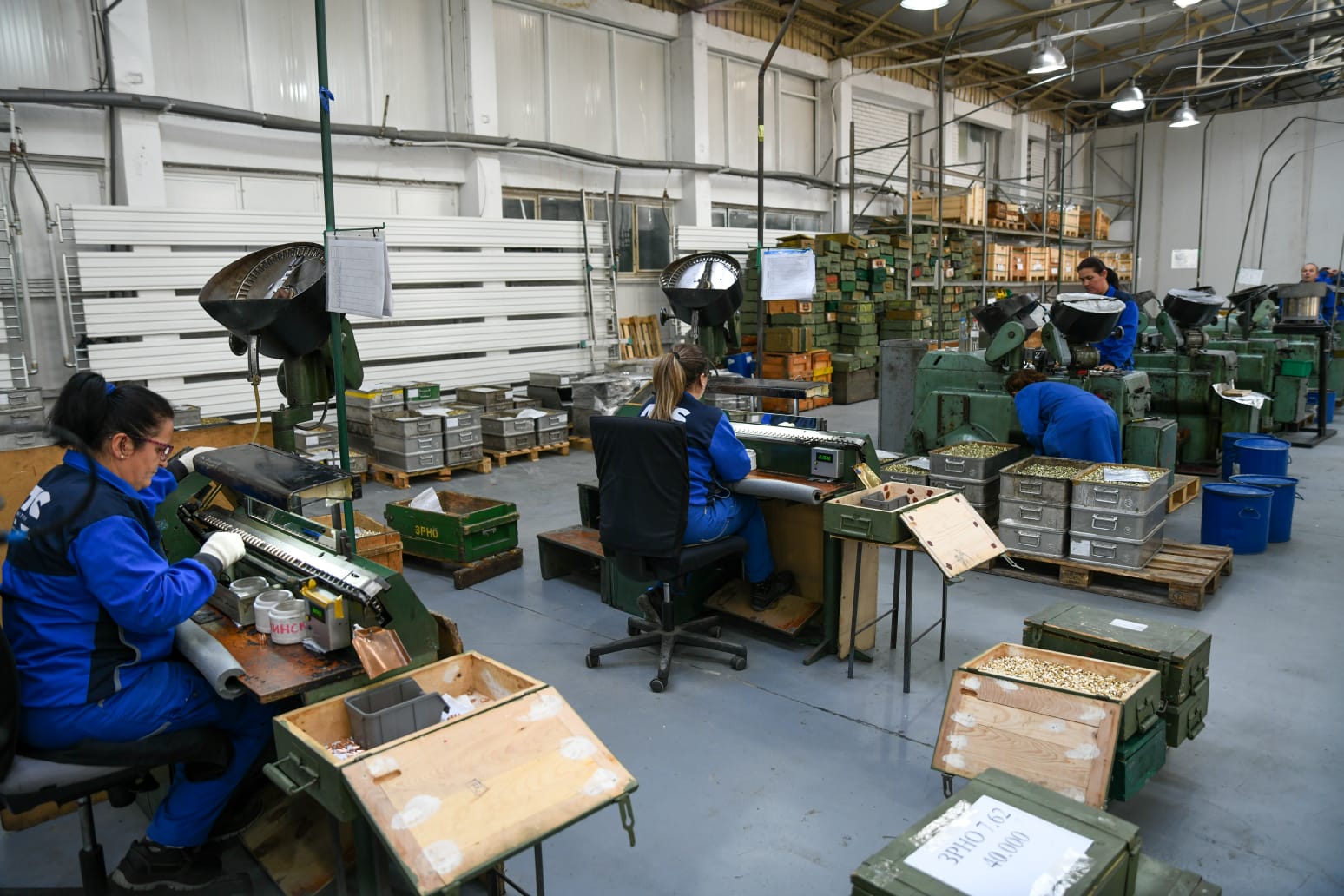
Ammunition makers do not simply follow one universal recipe for every cartridge. Different manufacturers can use different component designs, propellants, primers, and projectiles while producing ammunition intended for the same standardized cartridge. What matters is whether the finished product meets the applicable performance and dimensional requirements and is suitable for the firearm. SAAMI standards establish industry benchmarks rather than dictating every manufacturing detail. In fact, SAAMI specifically says its standards should not be confused with individual manufacturers’ internal production specifications. That leaves manufacturers room to develop proprietary processes while maintaining recognized safety and performance boundaries.
2. Ammunition Is Basically Made by Filling Cases With Powder
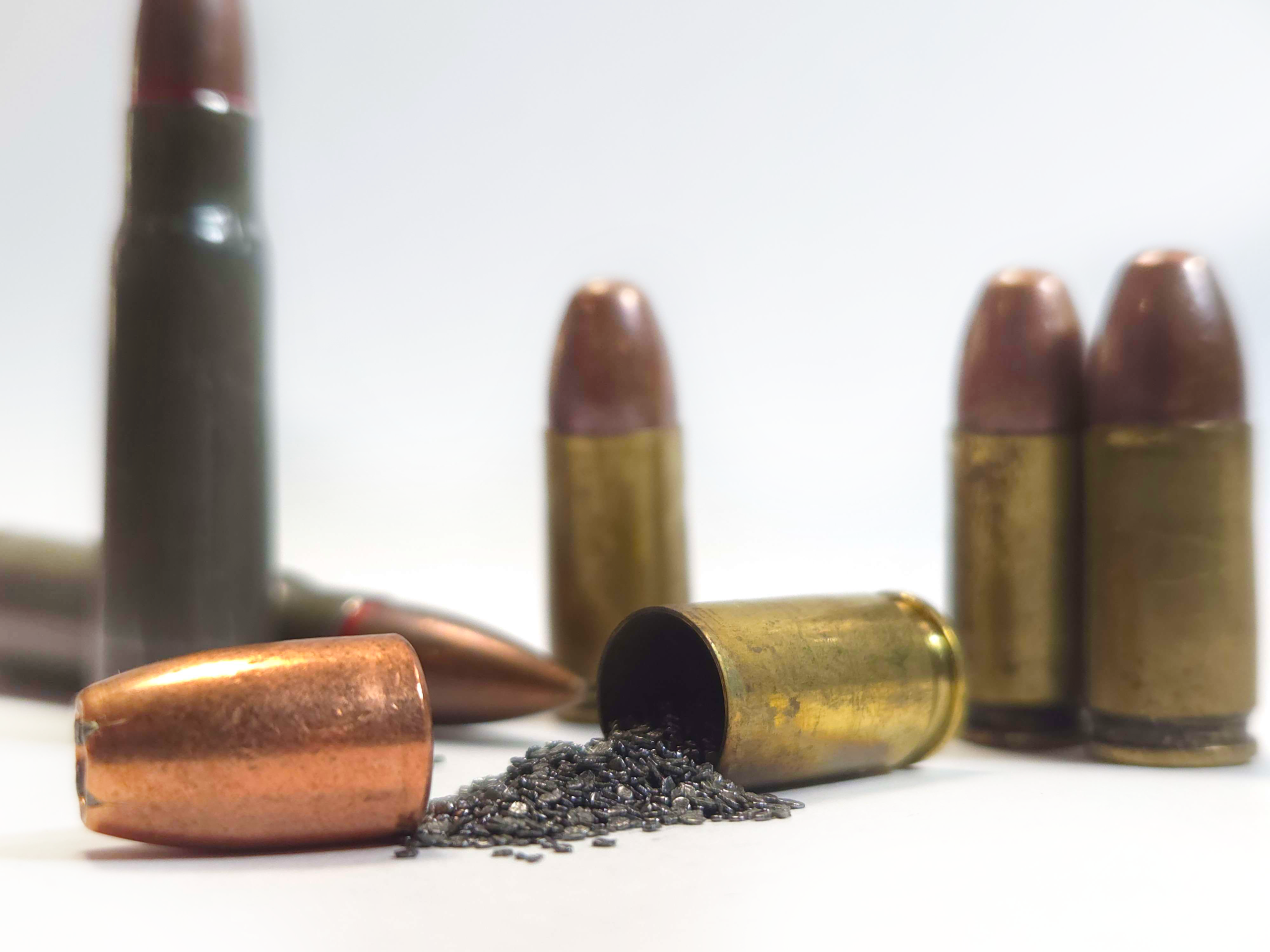
The manufacturing process is considerably more controlled than simply putting propellant into an empty case. A commercial cartridge has multiple components that must work together dimensionally and functionally. Case geometry, primer pockets, projectile dimensions, and finished-cartridge measurements all matter. SAAMI standards include cartridge and chamber drawings as well as pressure and velocity requirements, illustrating how much more is involved than the amount of propellant inside the case. Manufacturers also conduct testing and inspection throughout production. The objective is consistency from cartridge to cartridge, not merely getting a projectile to leave the barrel. That distinction is important because ammunition must function reliably while staying within established performance parameters.
3. SAAMI Personally Approves Every Box of Ammunition

SAAMI is frequently described as though it were a government approval agency, but that is not its role. SAAMI develops voluntary industry standards covering subjects such as cartridge dimensions, chamber dimensions, pressure, and velocity. It does not individually approve or certify commercial ammunition products. Manufacturers remain responsible for their own production specifications and quality systems. This difference explains why the phrase “SAAMI approved” can be misleading when applied to a particular box of cartridges. Standardization is still valuable because common dimensions and performance expectations promote safety, reliability, and interchangeability. However, a manufacturer’s compliance with its own quality procedures and the applicable standards is not the same thing as receiving an individual government-style certification from SAAMI.
4. All Ammunition From the Same Caliber Is Interchangeable

A caliber or cartridge name alone does not guarantee that every load is suitable for every firearm bearing a similar marking. Cartridge and chamber specifications exist precisely because dimensions and operating pressures matter. SAAMI maintains standardized cartridge and chamber information to promote safe interchangeability, but firearms can have different chamber designs, conditions, and manufacturer recommendations. Specialty ammunition can also have characteristics that make it unsuitable for particular firearms. The sensible rule is to match ammunition to the exact cartridge designation marked on the firearm and follow its manufacturer’s instructions. A cartridge that physically fits is not automatic proof that it is appropriate. Fit, chamber specification, and intended ammunition type all matter when evaluating compatibility.
5. Older Ammunition Is Automatically Dangerous
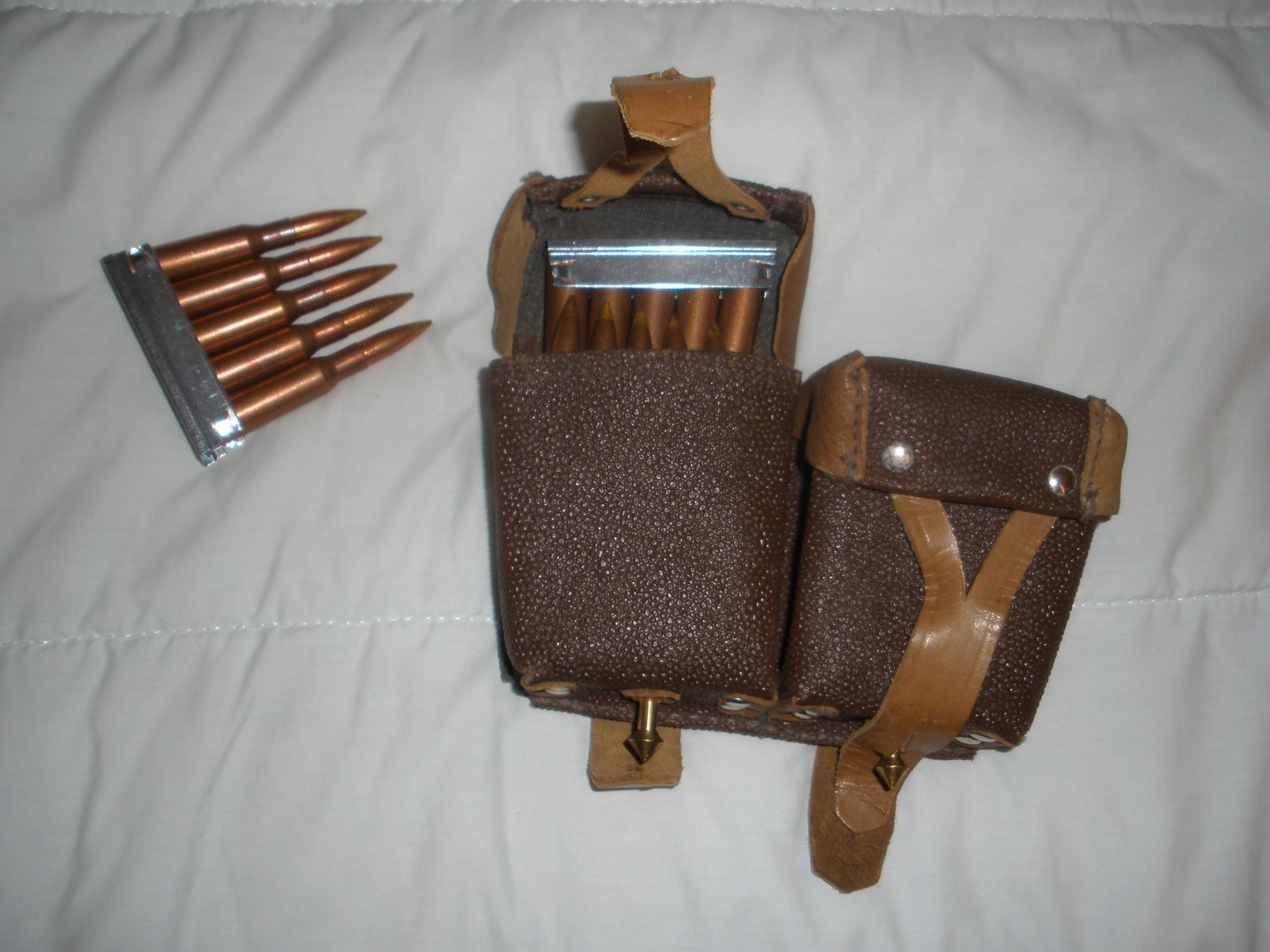
Age alone does not provide enough information to judge ammunition. Storage conditions, manufacturing quality, exposure to moisture, corrosion, physical damage, and the ammunition’s history can all influence its condition. SAAMI describes sporting ammunition as an engineered commercial product and emphasizes proper storage, handling, and use in suitable firearms. That does not mean old ammunition should automatically be treated as safe, however. Cartridges with questionable storage histories, visible damage, corrosion, or uncertain origins deserve caution. Conversely, age by itself does not establish that a cartridge has become hazardous. The important distinction is between an old but properly maintained product and ammunition whose condition or history cannot be reliably established.
6. Factory Ammunition Never Varies From Lot to Lot

Commercial ammunition is manufactured for consistency, but “consistent” does not mean every cartridge is physically identical to the last one. Manufacturing naturally involves tolerances, and ammunition companies establish specifications around dimensions and performance rather than expecting every measurement to be mathematically identical. SAAMI standards themselves describe performance characteristics and measurement procedures for pressure and velocity. Manufacturers also maintain internal production specifications that can be more detailed than public industry standards. Small differences can therefore exist between production lots without automatically indicating a defect. What matters is whether the ammunition remains within the manufacturer’s specifications and applicable performance requirements. Consistency is an engineering target, not a claim of absolute microscopic uniformity.
7. Ammunition Companies Can Freely Manufacture Any Load They Want
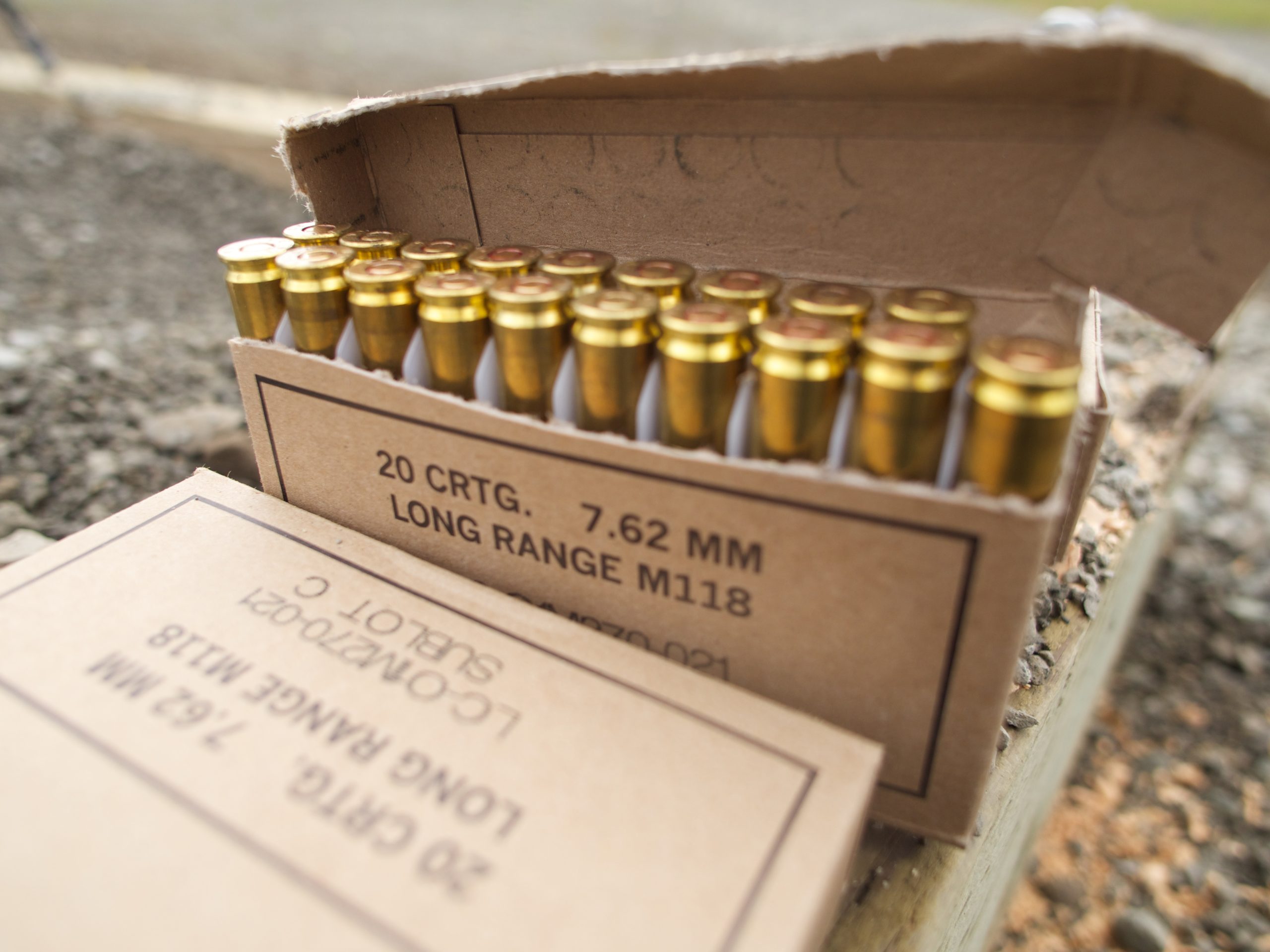
Manufacturers have considerable engineering freedom, but commercial ammunition production is not an unrestricted activity. In the United States, a person intending to manufacture ammunition as a business generally needs the appropriate federal firearms license. ATF identifies a Type 06 FFL specifically for manufacturing ammunition for firearms other than destructive devices or armor-piercing ammunition, while other categories have different licensing requirements. Federal regulations also address manufacturing, importing, selling, and recordkeeping. In addition, manufacturers operate within technical standards and their own quality-control systems. So while companies can develop proprietary products, they cannot simply treat commercial ammunition production as an unregulated workshop activity. Licensing and applicable federal requirements form part of the business framework.
8. Reloaded Ammunition and Factory Ammunition Are Manufactured Under the Same Rules

Reloading and commercial ammunition manufacturing overlap technically but are not identical activities under U.S. federal law. ATF specifically distinguishes personal-use reloading from manufacturing ammunition as a business. A person reloading ammunition solely for personal use does not need a manufacturer’s license under the cited federal rules, while someone engaging in the business of selling or distributing reloads for livelihood and profit does. SAAMI also warns that its commercial standards are not reloading instructions and does not provide guidance on specific propellant charges, primer choices or similar handloading decisions. The distinction matters because assumptions about one activity’s rules should not automatically be transferred to the other.
9. Powder Is the Only Component That Determines Ammunition Performance
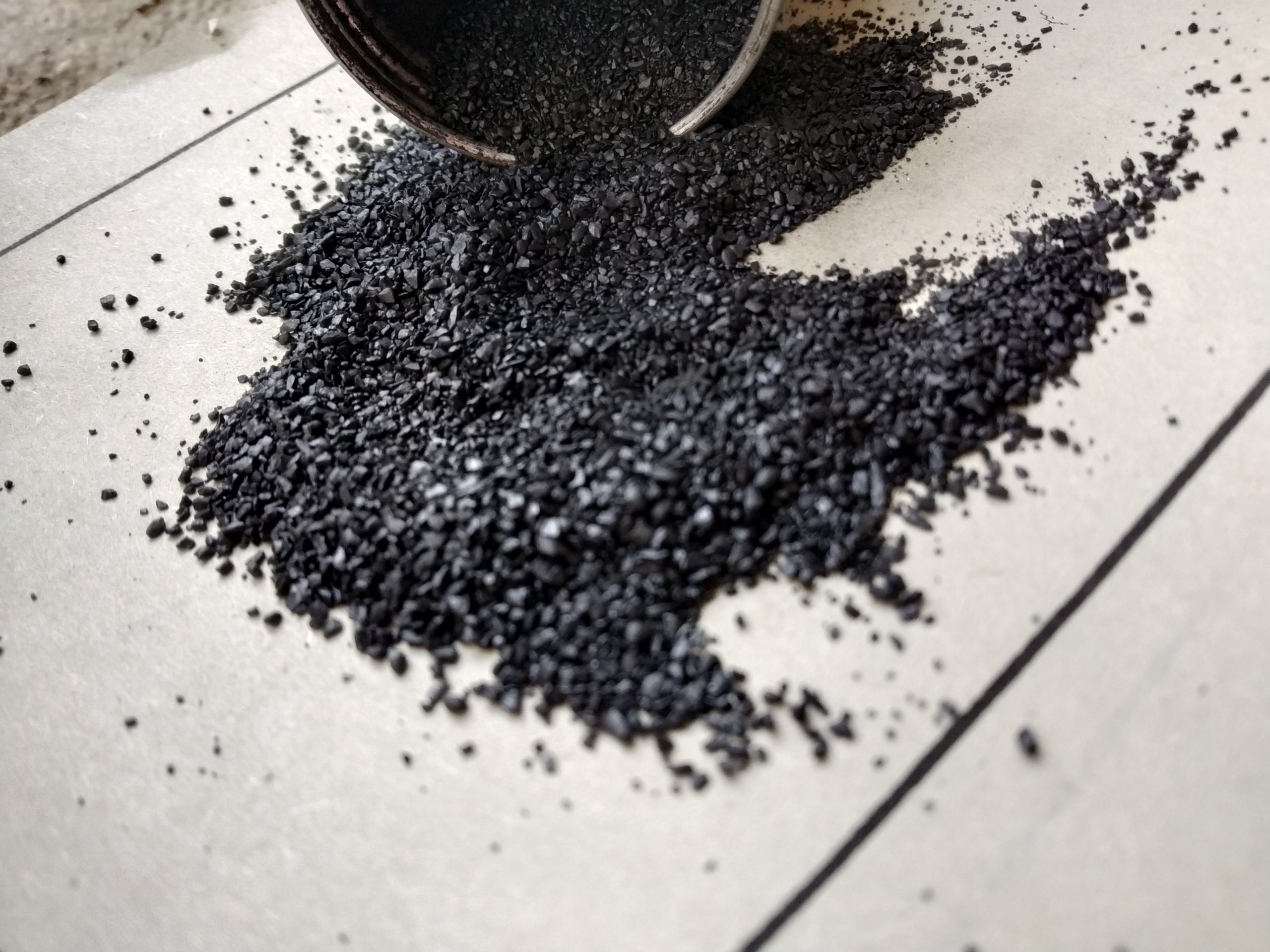
Propellant is important, but ammunition performance is the result of several components working together. The case provides the cartridge structure, the primer initiates ignition, the propellant generates expanding gas, and the projectile interacts with the barrel. Even seemingly small dimensional differences can affect how components function together. SAAMI’s published standards cover primer pockets, cartridge and chamber dimensions, pressure, velocity, and testing procedures, demonstrating that performance cannot be reduced to propellant alone. Manufacturers therefore evaluate the complete cartridge rather than treating one component as the entire explanation for its behavior. This is also why ammunition designed around one component combination should not automatically be assumed equivalent to another simply because the cartridge name is identical.
10. Ammunition Manufacturing Is Mostly About Speed and Volume
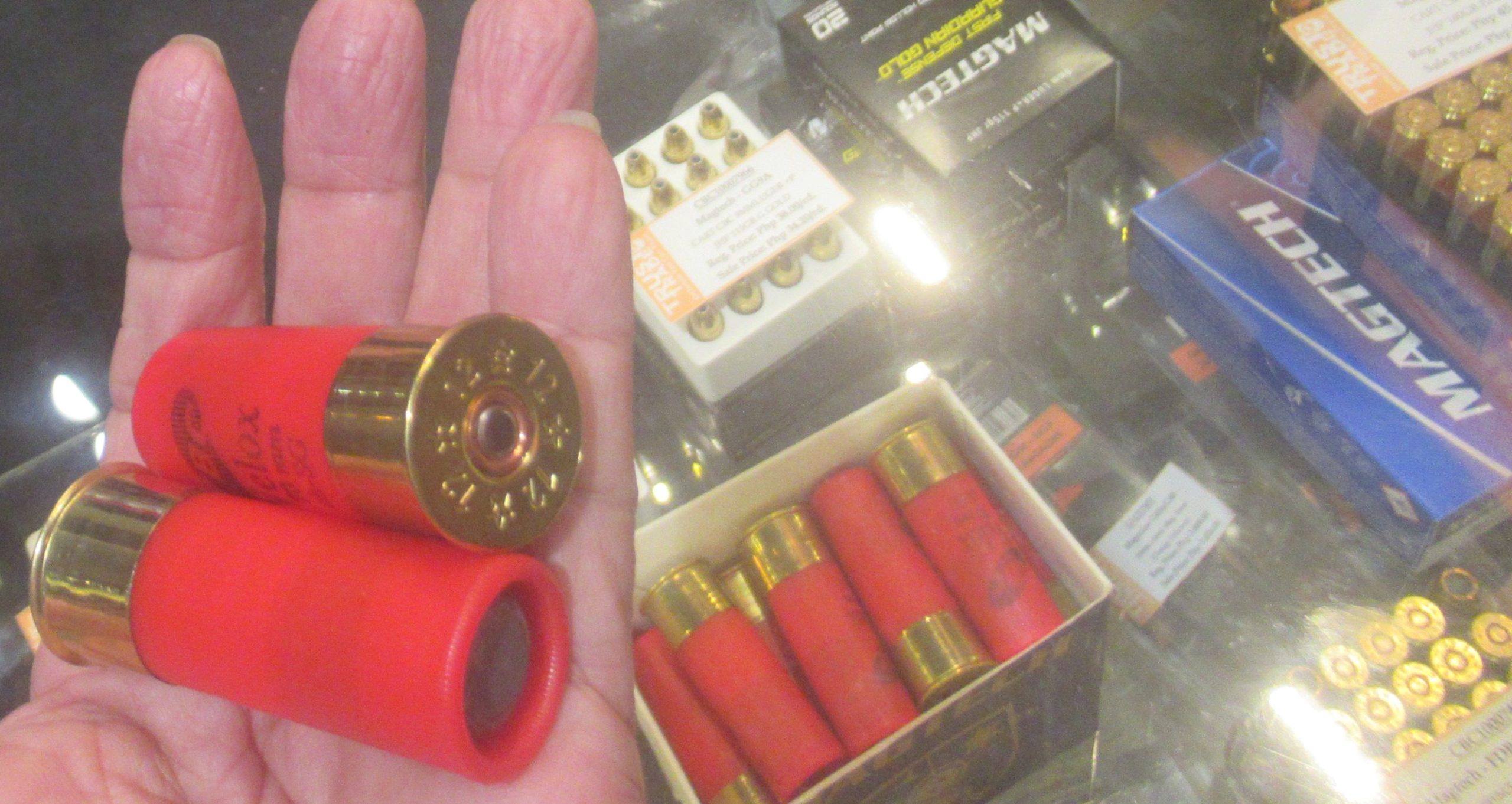
High production numbers are important commercially, but ammunition manufacturing is fundamentally an exercise in controlled consistency. A manufacturer must produce large quantities while maintaining dimensional, functional, and performance requirements across the production run. SAAMI standards include formal procedures for measuring velocity and pressure, using reference ammunition and conducting testing. Federal rules also impose licensing requirements on businesses manufacturing ammunition in the United States. This means a modern ammunition plant is not simply a high-speed assembly operation. It combines production engineering with inspection, testing, material control, and regulatory compliance. The real challenge is producing thousands of cartridges that behave predictably, rather than merely producing thousands of cartridges quickly